Citroen E-Berlingo 2026 review | A highly practical electric MPV

Pros

  • Incredibly practical

  • Huge boot

  • Easy to drive

Cons

  • Limited electric range

  • Disconnected steering feel

  • Pricier than you might expect

4/5Overall score
Practicality
Driving
Tech and equipment
Running costs
2026 Citroen E-Berlingo green front driving

The CarGurus verdict

The e-Berlingo doesn’t look like great value compared to similar electric cars at the same sort of price. Its range is shorter and its interior feels more utilitarian than many rivals. That said, what you’re paying for here is practicality, and lots of it. Unless you opt for one of its badge-engineered siblings, the amount of space the e-Berlingo offers is unmatched for the money, certainly when it comes to electric cars.

When you combine that practicality with comfort, ease of use and low running costs, you’re onto a winner. The e-Berlingo won’t appeal to everyone, but if you’re looking for the most spacious and sensible electric car around, this is probably it.

Search for a Citroen e-Berlingo for sale on CarGurus

What is the Citroen E-Berlingo?

The e-Berlingo is Citroen’s electric take on the familiar Berlingo people carrier. It’s a practical, family-focused van-based MPV that prioritises space, versatility and ease of use over style or performance. It’s based on the same underpinnings as the petrol and diesel Berlingo, but swaps combustion engines for an electric drivetrain to become the most distinctive option in the range.

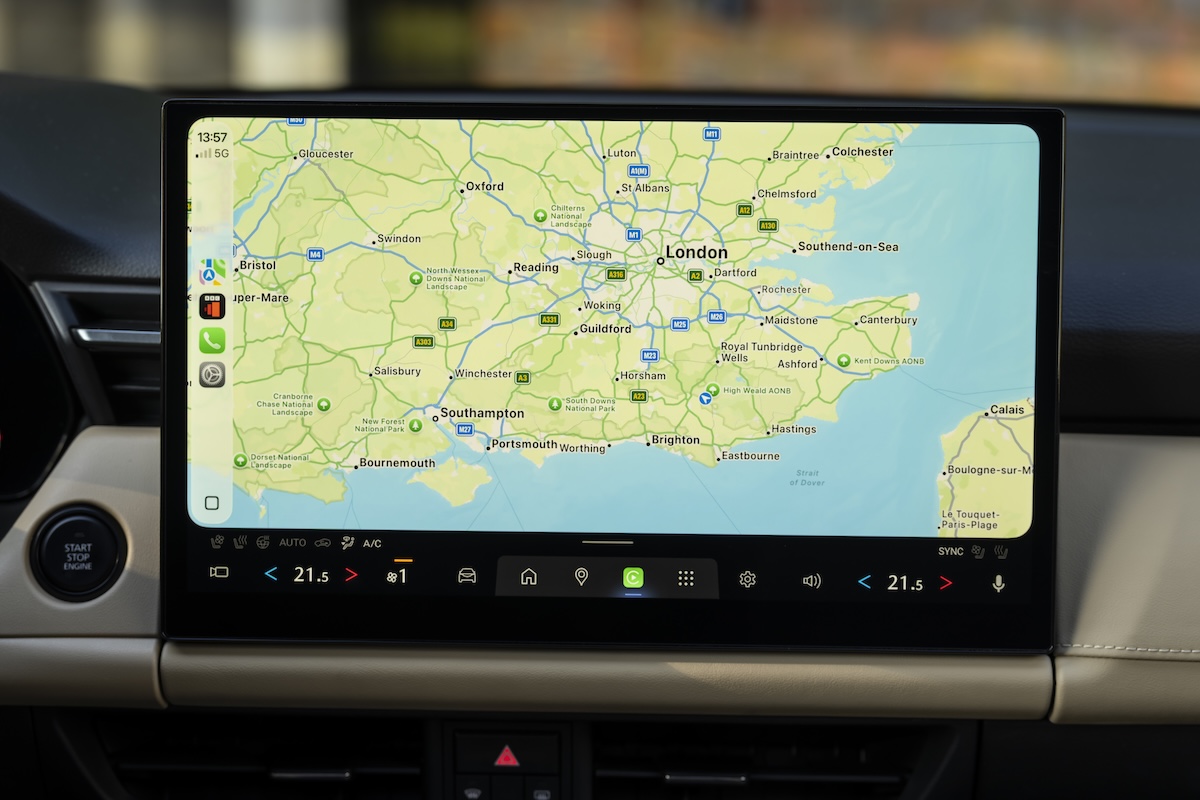
Following a comprehensive facelift in 2024, the e-Berlingo gained a revised front-end design, a new 10-inch touchscreen infotainment system, a digital driver’s display and upgraded comfort features, bringing it into line with Citroen’s other passenger cars. Its styling is inspired by the e-C3 supermini, too.

The e-Berlingo is offered in two body lengths: the standard M version with five seats, and the longer XL, which adds a third row and makes the e-Berlingo one of the few fully electric seven-seat cars on sale.

Power comes from a single electric motor producing 134bhp, which is paired with a 52kWh battery. The official WLTP-tested driving range is 205-213 miles, depending on the version chosen, which reflects the e-Berlingo’s boxy shape and its focus on practicality rather than outright efficiency. Charging speeds are competitive for the class, and all versions come with the same powertrain.

In the UK, the e-Berlingo is sold in two trim levels: Plus and Max. Both are generously equipped by MPV standards. The fully electric version sits alongside the newly reintroduced petrol and diesel models, but while these versions are cheaper and may suit high-mileage drivers, the e-Berlingo is the obvious choice if you want to go electric.

Also, a need to meet emissions targets means that combustion-powered versions of the Berlingo sold after mid-2023 have a metal mesh bulkhead between their rear seats and luggage area. This classifies them as ‘five-seat window vans’ – officially making them commercial vehicles, rather than cars, for emissions and tax purposes. The bulkhead dramatically limits the Berlingo’s practicality, meaning you can’t carry longer loads, but thankfully there are no such issues with the e-Berlingo.

  • The e-Berlingo is one of three badge-engineered models that share the same basic body, platform and electric powertrain. The other two are the Peugeot e-Rifter and the Vauxhall Combo Life Electric. All three offer the same battery, motor and a broadly similar range. The Vauxhall generally provides fewer toys and an interior devoid of frills in order to achieve a lower price than the e-Berlingo. The Peugeot, meanwhile, adopts a slightly more rugged, SUV-inspired look. Notably, while petrol and diesel versions of the Berlingo have now made a comeback, neither the Peugeot e-Rifter nor Vauxhall Combo Life Electric can currently be ordered with combustion engines.
  • Unlike many Citroens, the e-Berlingo has a separate panel for its climate control system, so you don’t have to control it through the 10-inch touchscreen. This is good, because the touchscreen itself can take a long time to respond to your inputs, and it’s sometimes quite fiddly to operate, so the separate climate controls are easier to use. All is not perfect, though, because the rocker switches you use to adjust the temperature aren’t illuminated at night. This seems like a massive oversight, because you have to fumble around for them if you want to turn the heating up or down.
  • Relatively few electric cars are cut out for off-roading, and while it would be wrong to say the e-Berlingo is set up to tackle the deepest canyons, you can pay extra for the optional Drive Assist Pack which features Grip Control (Max trim only). This uses the traction control and brakes to improve grip on slippery surfaces such as mud or wet grass, and also includes hill descent control to help on steep, slippery downward inclines. It’s a modest system, but it could be genuinely useful for rural driving or campsite duty.

  • The e-Berlingo is all about flexibility, so it makes sense to buy it in its most flexible form: the seven-seat XL. That way, you get extra seats if you need them, and extra space in the boot if you don’t, making the e-Berlingo the most versatile EV you can buy at any price. Couple that with Max trim for the best combination of equipment and versatility, and you’ll have a very useful way of going electric.
  • If you’re buying on a budget, though, and can live without the extra pair of seats, the e-Berlingo M Plus is the best bet. It’s pretty basic, but offers the most space for the least amount of money. It also has an identical powertrain (and therefore the same range and charging speeds) as the rest of the e-Berlingo range
  • If you can manage with just a five-seater, but want a little more luxury and versatility, consider adding a few option packs to the M Plus model. The Style Pack includes 16-inch alloy wheels, an opening dark-tinted tailgate window, extra tinted electric rear side windows, three independent rear seats with headrests, electrically folding door mirrors, grey interior door trims, longitudinal roof bars, automatic climate control and a heated steering wheel.
Alex Robbins
Published 15 Feb 2022 by Alex Robbins
Alex used to be the used cars editor for What Car? and Autocar as well as the Daily Telegraph's consumer motoring editor. He covers all manner of new car news and road tests, but specialises in writing about used cars and modern classics. He's owned more than 40 cars, and can usually be found browsing the CarGurus classifieds, planning his next purchase.
CarGurus Editorial Team
Updated 11 Feb 2026 by CarGurus Editorial Team
Sometimes our content pages are the result of a team effort. As with all CarGurus editorial, you can expect high levels of automotive insight and expertise delivered in a style that is approachable and free from jargon.

Main rivals

Body styles

  • Five-door MPV