Let's be honest, the traditional people carrier has had a tough time of it lately. With the relentless rise of the SUV, many manufacturers have quietly shuffled their practical, family-friendly MPVs off the price list. But what if you need more space than even the biggest seven-seat SUV can offer? What if you need to move seven or even nine people, plus all their luggage, without having to resort to a roof box and a trailer?
This is where the van-based MPV comes into its own. Forget any old-fashioned ideas of a rattly builder's van with a few extra windows; today's models are more sophisticated than ever. They offer cavernous interiors, unbeatable practicality with features like sliding doors, and driving experiences that are surprisingly car-like. Whether you're after a budget-friendly workhorse, a luxurious lounge on wheels, or even a stylish electric icon, there's a van-based MPV to suit your needs.
About this guide
The cars in this guide have been selected to represent the best options currently available. Our recommendations are the result of a unique three-part scoring system that takes into account real-world tests from our team of expert reviewers, ratings from real-life owners who live with these cars every day, and an analysis of market data from CarGurus UK to identify which models offer the highest percentage of good and great deals. This combined approach ensures our list highlights cars that are not only great to own but also good value to buy. For more information, scroll to the bottom of this page.
Best People Carrier Van-Based MPVs 2026
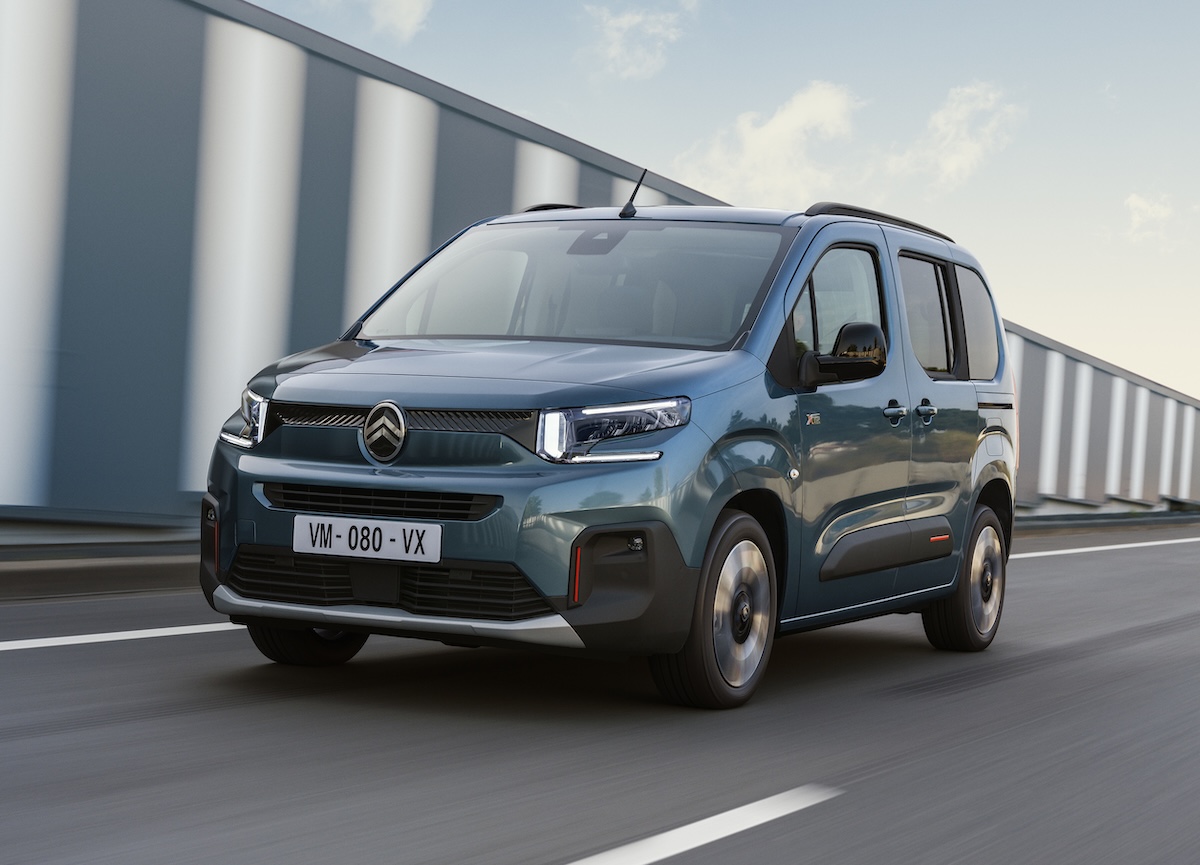
- 2026 Citroen Berlingo
- 2026 Peugeot Rifter
- 2026 Mercedes-Benz V-Class
- 2026 Ford Tourneo Connect
- 2026 Volkswagen Multivan
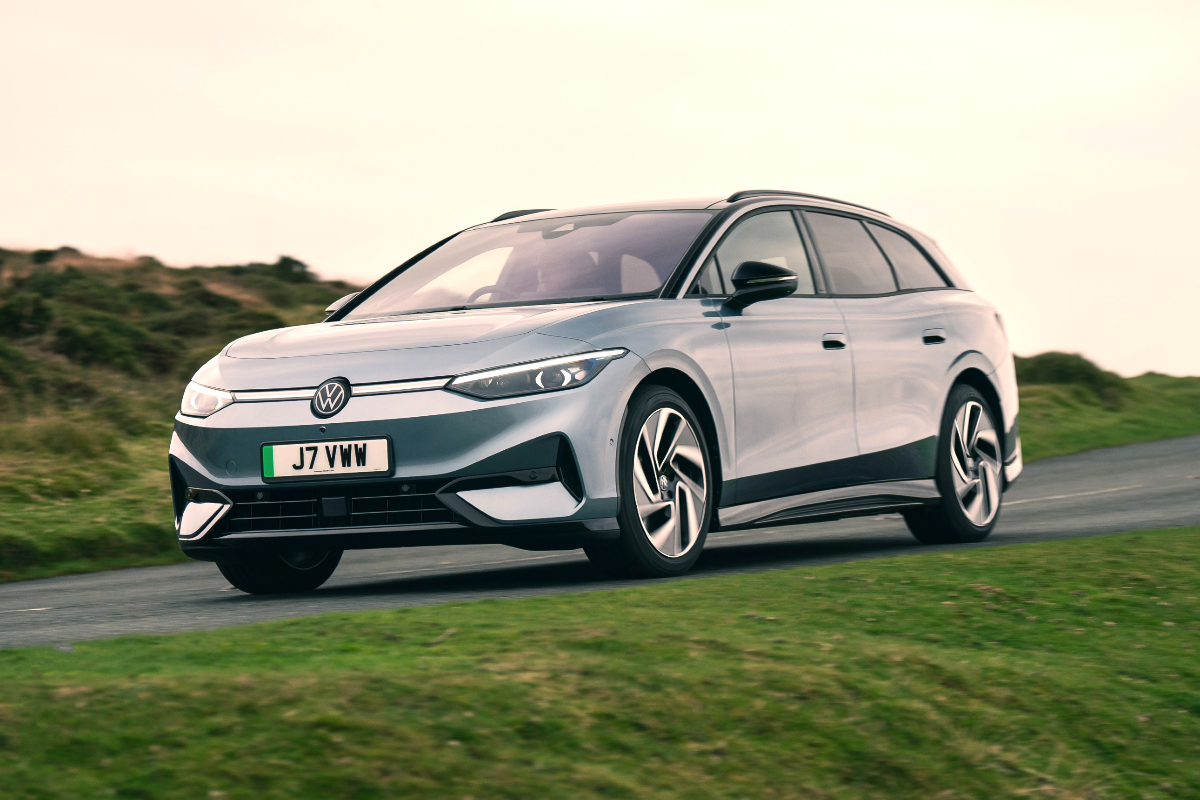
- 2026 Volkswagen ID Buzz
- 2026 Volkswagen Caddy Life
- 2026 Toyota Proace Verso
CarGurus expert rating: 4 out of 5
CarGurus user rating: 4.6 out of 5
Percentage of good/great deals available on CarGurus: 34.9%
Overall CarGurus rating: 4.4 out of 5
| Pros |
Cons |
| Enormous boot and flexible seating |
Lots of body lean |
| Affordable to buy and run |
Seven-seat XL model is expensive |
| Sliding rear doors |
Some rivals have longer new-car warranties |
The Citroen Berlingo has long been a champion of affordable family practicality, and this latest version is the best yet. It cleverly disguises its commercial vehicle origins with quirky styling cues borrowed from the brand's C3 and C5 Aircross SUVs, giving it a friendly, approachable look. Available as a standard five-seater or a longer seven-seat XL model, it's a brilliant choice for juggling family life. If you're buying used, the smooth and quiet 1.5-litre diesel engines are a highlight, offering plenty of punch for hauling heavy loads while returning excellent fuel economy.
Where the Berlingo really shines, though, is its sheer, uncompromising practicality. The sliding rear doors are a game-changer in tight car parks, and the middle row of seats folds almost completely flat to create a massive load area. The seven-seat XL version is even more flexible, with removable rear seats that transform it into a proper van. It's also packed with more clever storage solutions than you'll know what to do with, from overhead lockers to the innovative Modutop roof storage system. It's a car designed by people who truly understand family life.
The CarGurus Verdict: "The Berlingo does a very impressive job of disguising its boxy, humble roots, both in the way it looks and in the way it drives. Above all, it offers endless practicality and myriad clever storage solutions, which will prove especially useful for anyone trying to juggle family needs and self-employed work requirements." - Pete Tullin, contributor
Read our full Citroen Berlingo review
CarGurus expert rating: 4 out of 5
CarGurus user rating: 4.0 out of 5
Percentage of good/great deals available on CarGurus: 33.2%
Overall CarGurus rating: 4.2 out of 5
| Pros |
Cons |
| Hugely practical cabin |
Entry-level models are a bit basic |
| Long model has space for seven |
Lacks the image and style of an SUV |
| Excellent value for money |
Connected services require a subscription after three years |
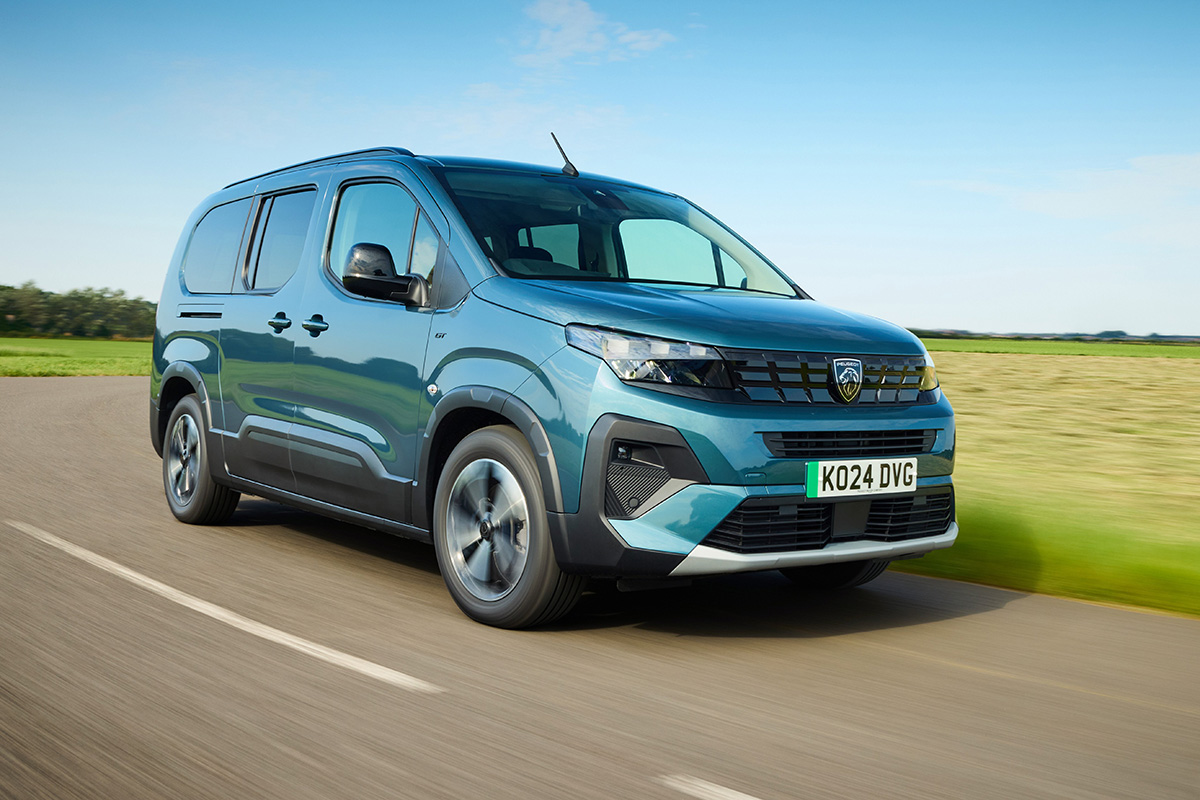
If your main goal is sheer, unadulterated practicality, the Peugeot Rifter is almost impossible to ignore. Its boxy shape delivers a truly stadium-size interior, and it's available as a standard five-seater or a longer seven-seat model. The boot in the five-seat version is a huge 775 litres, but fold the seats down and you get a van-like 4,000 litres. Family-friendly features are everywhere, from the massive door pockets and twin gloveboxes to the super-practical sliding rear doors. The only real quirk is Peugeot's i-Cockpit driving position, with its small steering wheel and high-set dials, which is worth trying before you buy to make sure you find it comfortable.
On the road, the Rifter delivers a smooth and comfortable ride that's perfect for family duties. If you're buying new, your only choice is the all-electric e-Rifter, which provides smooth, quiet progress with an official range of 199 miles. For used buyers, the petrol and diesel engines are excellent. The 1.2-litre petrol is punchy and economical, but for those regularly carrying a full car of people and luggage, the extra low-down pulling power of the 1.5-litre diesel engine makes it the ideal choice for relaxed, efficient progress.
The CarGurus Verdict: "The Rifter might not be the most luxurious people carrier on the market, or the best to drive, but it absolutely nails its core responsibility of fitting as many people as possible in comfort, with all of their stuff, too." - Ivan Aistrop, senior editor
Read our full Peugeot Rifter review
CarGurus expert rating: 4 out of 5
CarGurus user rating: 5.0 out of 5
Percentage of good/great deals available on CarGurus: 32.8%
Overall CarGurus rating: 4.2 out of 5
| Pros |
Cons |
| Excellent space and practicality |
Ludicrously expensive compared with rivals |
| Lots of standard equipment |
Smartphone integration costs you extra |
| Poshest-feeling car in the class |
Lofty running costs, too |
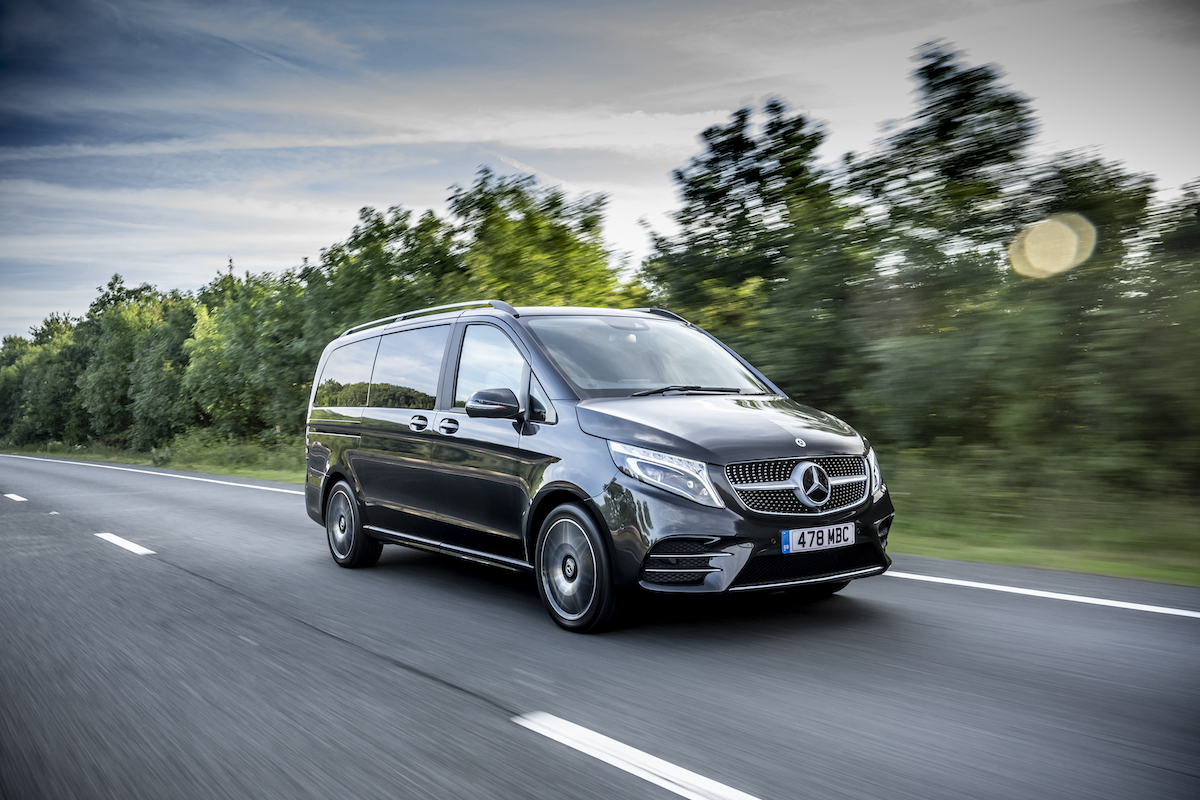
If you want to ferry your family or clients around in first-class style, the Mercedes-Benz V-Class is the undisputed king. It takes the humble Vito panel van and gives it a full-on luxury makeover. The result is an interior that feels less like a commercial vehicle and more like a high-end Mercedes saloon, complete with plush materials and impressive technology. This focus on sophistication makes it a popular choice for executive transport, but it's also a fantastic option for families who want maximum space without sacrificing a premium badge – provided you have the budget for its hefty price tag.
Practicality is, of course, immense. Available in two lengths – Long and Extra Long – the V-Class offers vast space for up to eight adults. The seats are mounted on rails, allowing them to be slid, folded, or removed entirely to suit your needs. Even with all seats in place, boot space is generous, and the clever, independently opening rear window is a brilliant touch, letting you load smaller items when you can't open the huge tailgate. With electric sliding doors on both sides making access an absolute doddle, the V-Class is a supremely capable and classy way to carry everyone.
The CarGurus Verdict: "In most ways, the V-Class is really good. It ferries its occupants about in a comfortable yet controlled manner, it has acres of space for people and bags, it comes with plenty of luxury kit and it's - by some considerable distance - the classiest-feeling vehicle of its type." - Ivan Aistrop, senior editor
Read our full Mercedes-Benz V-Class review
Search for Mercedes-Benz V-Class
See all
CarGurus expert rating: 3 out of 5
CarGurus user rating: 5.0 out of 5
Percentage of good/great deals available on CarGurus: 33.8%
Overall CarGurus rating: 4.2 out of 5
| Pros |
Cons |
| Hugely spacious |
Not as good to drive as most Fords |
| Economical diesels great for high-mileage drivers |
Interior feels a bit utilitarian |
| Well equipped |
Plug-in hybrid is the only electrified version |
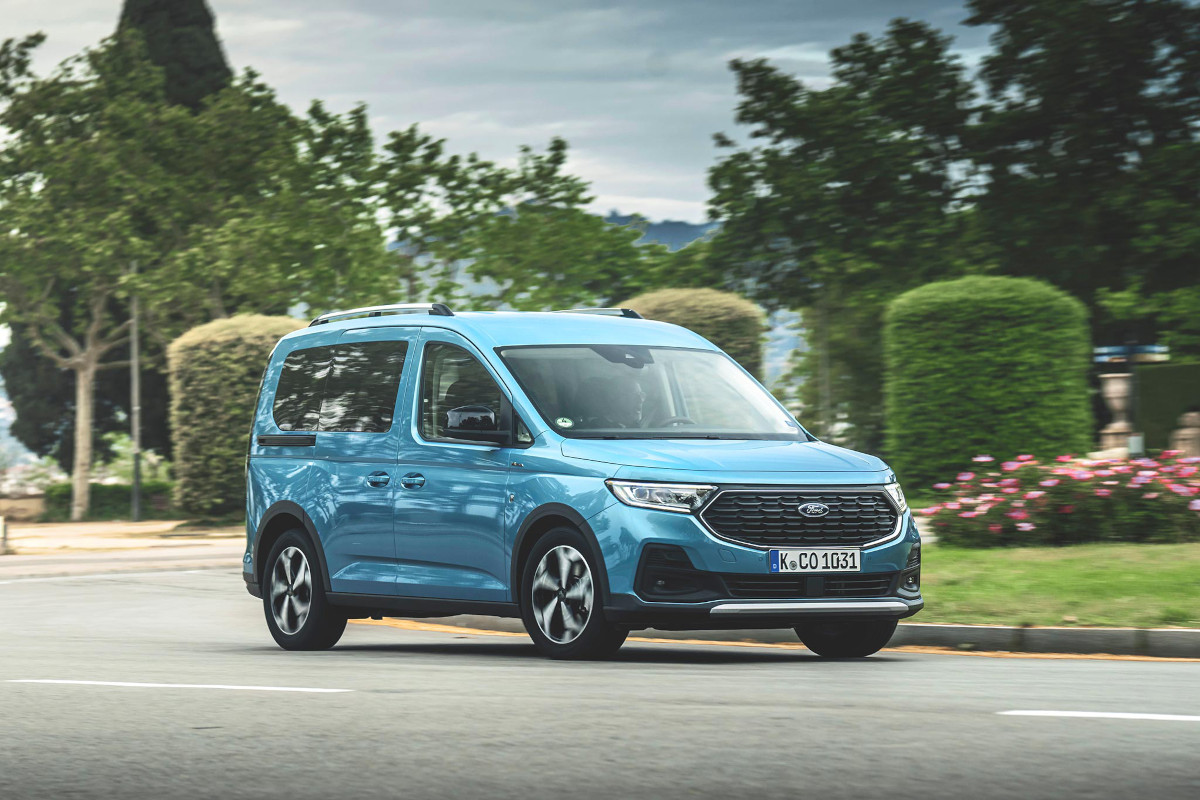
The Ford Tourneo Connect is a prime example of a practical, van-based MPV that puts function over fashion. It shares its excellent engineering with the Volkswagen Caddy, which means it benefits from car-like underpinnings that give it a much more conventional driving feel than its boxy shape might suggest. You can choose from a 1.5-litre petrol, a 2.0-litre turbodiesel, or a plug-in hybrid (PHEV) pledging up to 73 miles of range on electric power alone. Available as a standard five-seater or a longer seven-seat Grand Tourneo Connect, it's a compelling alternative for families who find that even the biggest SUVs just don't cut it for space.
Practicality is where the Tourneo Connect really earns its keep. The boot is simply cavernous, especially in the seven-seat Grand version, which offers a massive 1,720 litres of space with the third row folded. Fold the second row as well, and you're looking at a warehouse-like 3,105 litres – more than enough for any house move or holiday. Access is a breeze thanks to those all-important sliding rear doors, a feature parents will appreciate every day. While the interior is filled with durable, no-nonsense plastics, it's a trade-off that makes perfect sense for a vehicle designed to withstand the toughest challenges of family life.
The CarGurus Verdict: "The practical, boxy Tourneo Connect is family motoring in thoroughly sensible shoes: it does a great job of hauling a family and all its stuff around effectively and without fuss." - Matt Rigby, contributor
Read our full Ford Tourneo Connect review
Search for Ford Tourneo Connect
See all
CarGurus expert rating: 4 out of 5
CarGurus user rating: Insufficient user reviews
Percentage of good/great deals available on CarGurus: 0.0%
Overall CarGurus rating: 3.8 out of 5
| Pros |
Cons |
| Magnificently flexible interior |
Relatively pricey |
| About as cool-looking as a van-shaped vehicle can get |
Plug-in hybrid is heavy – which makes it thirsty |
| Car-like driving experience |
Infotainment system is flawed |
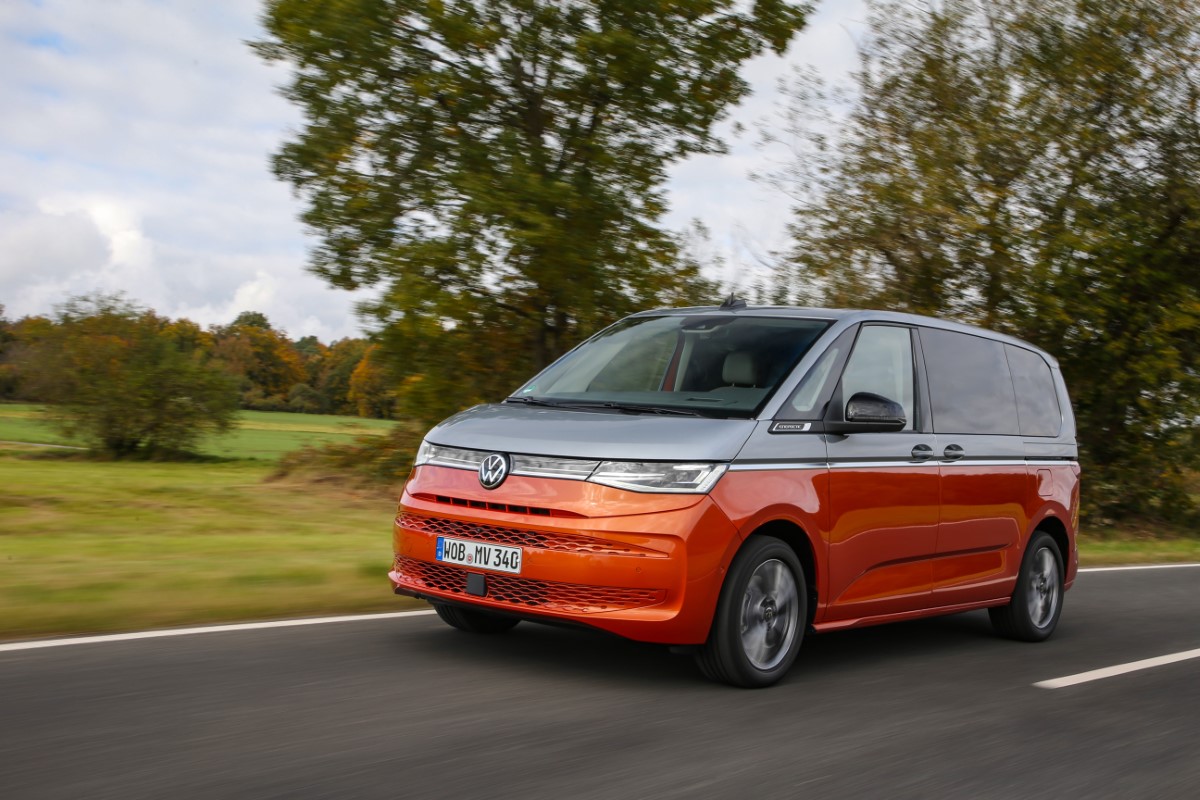
The Volkswagen Multivan marks a big shift, successfully bridging the gap between a car and a van. It replaces the old Transporter-based Caravelle with a new model built on the same foundations as the VW Golf. This brings a much more refined feel without sacrificing the core appeal: immense practicality. Available in two lengths, its party piece is a hugely flexible interior with up to seven individual seats on a clever rail system. This allows them to slide, turn, or be removed completely, while being much lighter than before. With standard sliding side doors and a boot that offers up to 763 litres in the long version, the Multivan is a masterclass in space management.
The driving experience is surprisingly car-like, a world away from its van-shaped silhouette. It handles corners with stability and offers a comfortable ride that will keep everyone happy on long journeys. The plug-in hybrid eHybrid model is a standout, combining a petrol engine with an electric motor for 242bhp and up to 56 miles of electric-only driving, making it ideal for school runs and short commutes. For those who need more performance for fully loaded trips, the 201bhp 2.0-litre petrol engine feels noticeably more agile. Whichever you choose, it's a sophisticated and versatile family machine.
The CarGurus Verdict: "The Multivan is trying very hard - and it largely succeeds - to be the best of both worlds. It has the space and flexibility of a van but now adds car-like appeal with a swish interior and a much improved driving experience." - Phill Tromans, contributor
Read our full Volkswagen Multivan review
Search for Volkswagen Multivan
See all
CarGurus expert rating: 4 out of 5
CarGurus user rating: Insufficient user reviews
Percentage of good/great deals available on CarGurus: 0.0%
Overall CarGurus rating: 3.8 out of 5
| Pros |
Cons |
| Fantastic styling |
Hugely expensive |
| Good to drive |
Charging cables cost extra |
| Beautifully finished interior |
You'll have to wait for the campervan version |
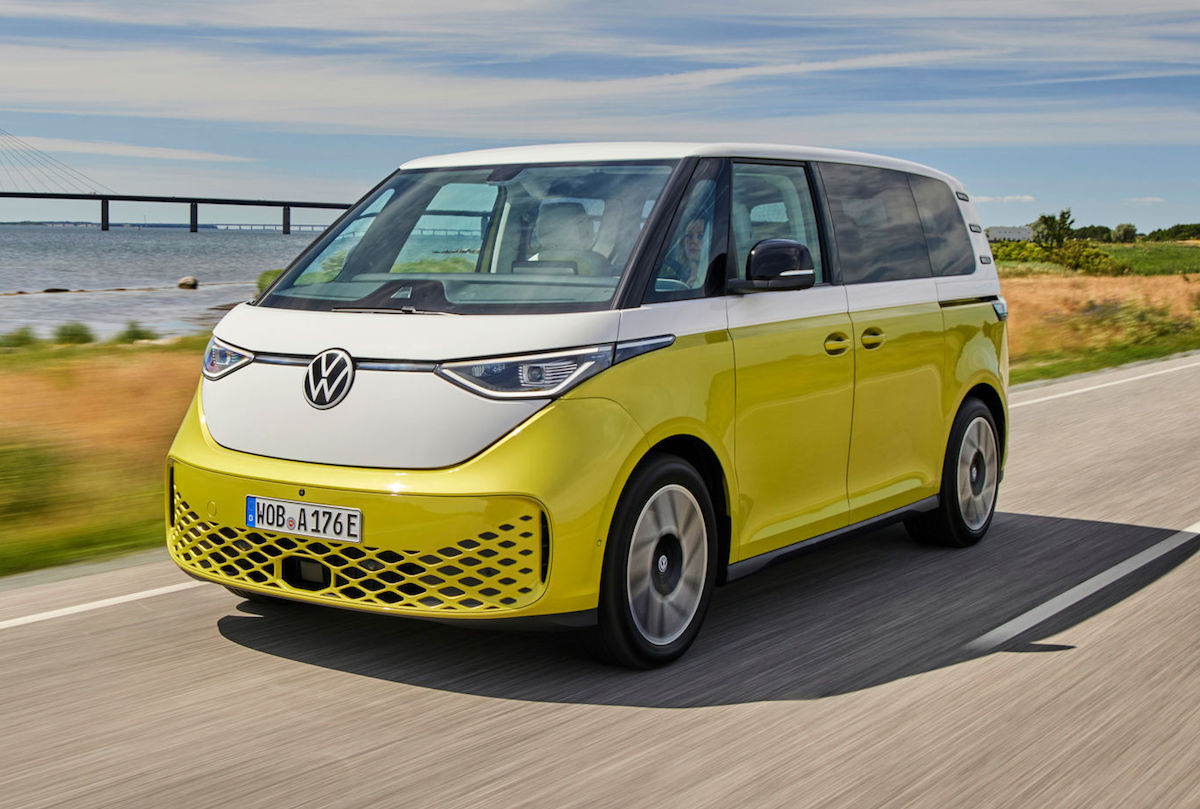
Who said van-based MPVs had to be boring? The Volkswagen ID. Buzz blows that idea out of the water with its head-turning retro design, but this is much more than just a pretty face. The interior space is what truly seals the deal. The boot is a highlight, offering a van-like 1,121 litres of space with all five seats in place (a seven-seater model is also available). The 60/40 split-sliding rear seats fold down to expand this further, and the completely flat floor ensures comfort for all passengers. Access is a doddle thanks to sliding doors on both sides, and up front, the cabin feels a cut above other VW electric cars, with a lovely combination of colours and the clever removable 'Buzz Box' for extra storage.
On the road, the ID. Buzz is a serene and comfortable way to travel. It's impressively quiet, even for an EV, and the suspension does a great job of soaking up bumps. The light steering and a surprisingly tight turning circle make it feel more like a family hatchback than a large van when you're manoeuvring in town. Power comes from either 282bhp or 335bhp electric motors, the latter coming with four-wheel drive, and the choice of either a 79kWh or 86kWh battery, giving brisk enough acceleration and an official range of up to 293 miles for the long-range version. It's a package that perfectly suits a large family vehicle, delivering a relaxed and confident driving experience with an unbeatable dose of cool.
The CarGurus Verdict: "The Volkswagen ID Buzz is a brilliant EV, and an even better lifestyle van or MPV. It could be improved with more reasonable option prices, and more logical volume and climate controls." - Vicky Parrott, contributing editor
Read our full Volkswagen ID Buzz review
Search for Volkswagen ID Buzz
See all
CarGurus expert rating: 4 out of 5
CarGurus user rating: Insufficient user reviews
Percentage of good/great deals available on CarGurus: 0.0%
Overall CarGurus rating: 3.6 out of 5
| Pros |
Cons |
| Practical no-nonsense motoring |
Entry-level model a bit spartan |
| Feels very car-like to drive |
No hybrid or electric options |
| Huge boot, even in seven-seat models |
Seating layout not as flexible as some equivalent SUVs |
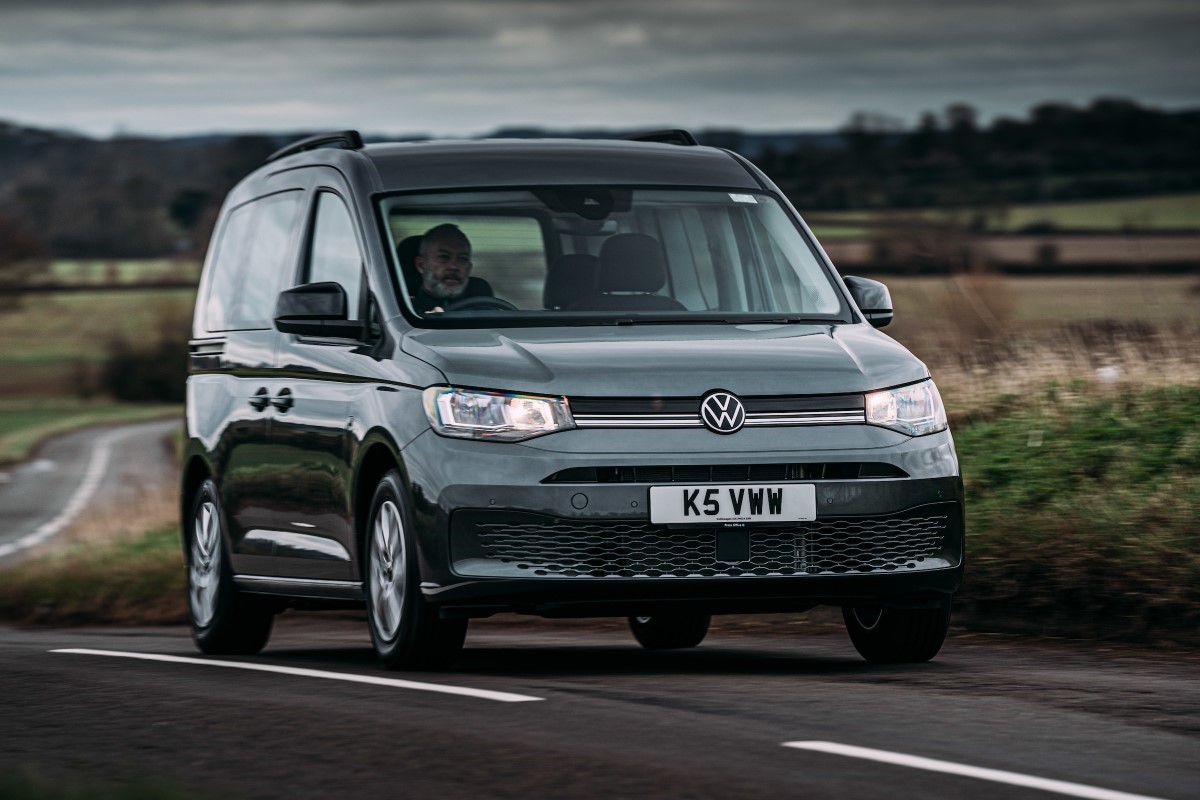
Think of the Volkswagen Caddy Life as the VW Golf of the people carrier world. It's built on the same foundations, which means it drives with a reassuring solidity and comfort that you wouldn't expect from its boxy shape. This is the answer for anyone who needs maximum interior space without the bulk of a large SUV. Available in standard five-seat and longer seven-seat 'Maxi' forms, its practicality is its greatest strength. The standard model offers a cavernous 1,213 litres of boot space, while sliding side doors make accessing the rear seats a breeze. The cabin might feature hard-wearing plastics, but that's a sensible choice for a vehicle destined for the rigours of family life.
Because it shares so much with the Golf, the Caddy Life is remarkably good to drive. It feels stable through corners and the ride is comfortable, smoothing out bumps effectively, especially when loaded with people or luggage. The engine choices are straightforward and sensible. The 1.5-litre petrol is a solid performer, but for those regularly carrying a full load, the 2.0-litre diesel is a better bet. We'd recommend the more muscular 121bhp version, particularly with the smooth DSG automatic gearbox, as it provides effortless progress for family adventures.
The CarGurus Verdict: "If you want the most space possible, without getting something massive (or an SUV), then the Volkswagen Caddy is well worth a look. There are other, similar five- and seven-seater rivals that are also worth checking out, but the Caddy has an edge of interior quality over most of them, and is better to drive, too." - Chris Knapman, editorial director
Read our full Volkswagen Caddy Life review
Search for Volkswagen Caddy Life
See all
CarGurus expert rating: 3 out of 5
CarGurus user rating: Insufficient user reviews
Percentage of good/great deals available on CarGurus: 0.0%
Overall CarGurus rating: 3.6 out of 5
| Pros |
Cons |
| Enormously practical |
Infotainment feels very out of date |
| Very solidly built |
Not cheap |
| Comfortable and easy to drive |
Entry model misses some important safety kit |
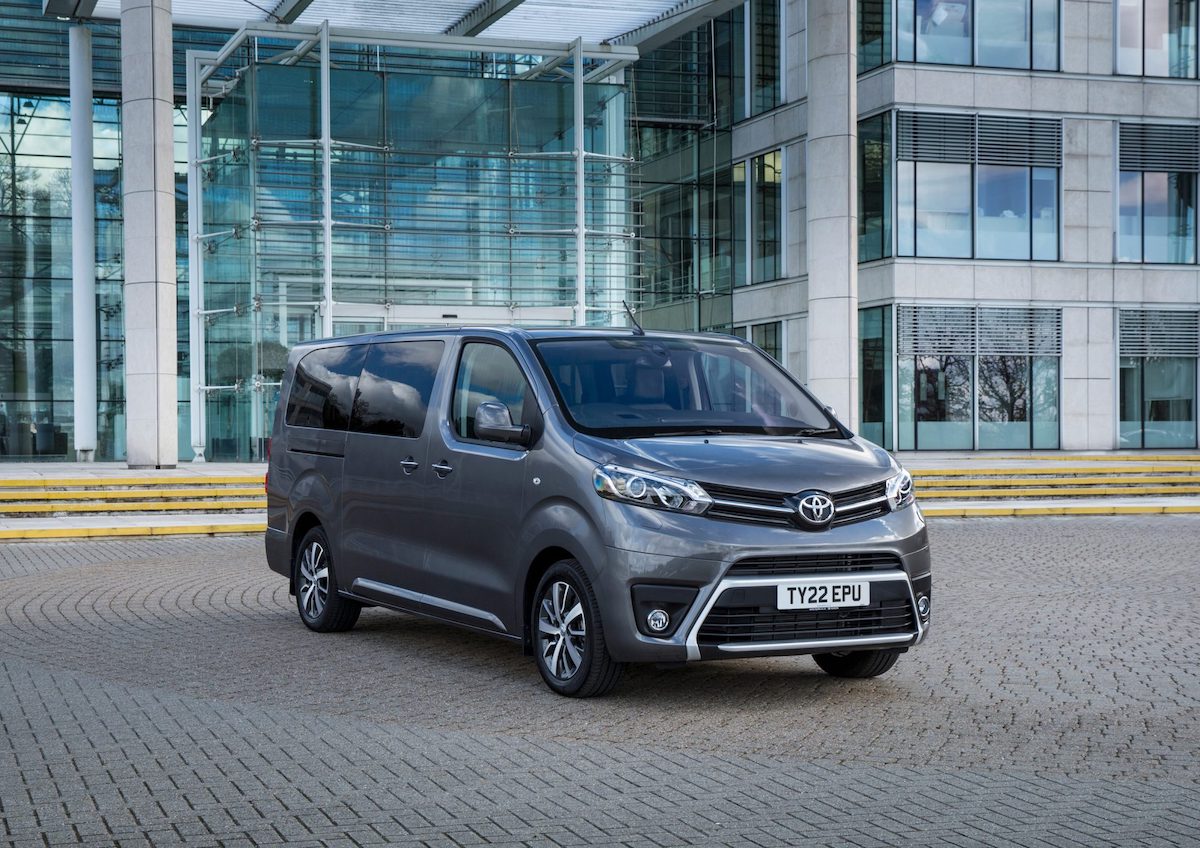
If your mantra is "go big or go home," the Toyota Proace Verso is waiting for you. This is a people carrier that puts sheer, unadulterated space above all else. Based on the Proace panel van, it offers a truly vast interior that can be configured to seat up to nine people. It is available in Medium and Long body styles, and its huge sliding side doors are a godsend in tight car parks. The boot is simply enormous; even in its least spacious setup, you get more room than a large estate car. Take the rear seats out, and you've basically got the van it's based on – perfect for family holidays, tip runs, and everything in between.
The driving experience is exactly what you want from a big people carrier: comfortable and composed. Soft suspension soaks up bumps, keeping everyone happy. New Proace Verso models are all-electric, powered by a 134bhp motor with a 75kWh battery good for a maximum of 211 miles. But there are plenty of used Proace Versos on sale with the older 2.0-litre diesel engines, of which we'd point you towards the more powerful 174bhp version. Paired with the smooth eight-speed automatic gearbox, it provides the low-down grunt that's essential for a vehicle of this size, especially when fully loaded. The only real let-down is the dated tech. The 7.0-inch touchscreen feels ancient, and you have to pay extra for key safety kit like autonomous emergency braking on the entry-level trim, so choose your spec wisely.
The CarGurus Verdict: "Practicality and versatility are the two areas in which any MPV needs to dazzle, and the Toyota Proace does just that. It's also solidly made, pleasant to drive and comes with a cracking warranty." - Ivan Aistrop, senior editor
Read our full Toyota Proace Verso review
Search for Toyota PROACE VERSO
See all
Frequently Asked Questions
Are van-based MPVs good to drive?
They're much better than you might think. Modern models like the VW Caddy Life and Multivan are based on car platforms, meaning they handle with surprising composure and offer a comfortable ride. While you won't get sports-car agility, they are generally easy and relaxing to drive, especially on long motorway journeys.
What are the main advantages of a van-based MPV over a large SUV?
The biggest advantages are space and practicality. A van-based MPV will almost always offer more interior room, a bigger boot, and greater seating flexibility than a similarly priced SUV. The addition of sliding rear doors is also a huge bonus for families, making it much easier to get children in and out in tight parking spaces.
Which is better: petrol, diesel, or electric in a van-based MPV?
It depends on your usage. For high-mileage drivers who frequently carry heavy loads, a modern diesel engine's low-down torque and fuel economy are hard to beat. Petrol engines are a good all-round choice for lower mileage. Electric models like the VW ID. Buzz are fantastic for school runs and local trips, offering quiet running and low costs, but you'll need to plan for charging on longer journeys.
Are van-based MPVs expensive to run?
Running costs are generally very reasonable. Because they often share engines with mainstream cars and vans, parts and servicing are affordable. Diesel models can be very fuel-efficient on the motorway. The boxy shape can mean they're a little less aerodynamic than an SUV, which can impact fuel economy slightly, but overall they represent good value for the space they offer.
Can you get luxury van-based MPVs?
Absolutely. The Mercedes-Benz V-Class is the prime example, offering an interior that rivals a luxury saloon, complete with high-end materials, advanced technology, and supreme comfort. The top-spec versions of the Volkswagen Multivan also offer a very premium experience, blending practicality with a high-quality finish.
What's the best van-based MPV for a large family?
For the absolute maximum space for people and luggage, models like the Toyota Proace Verso are hard to top, with seating for up to nine. For a blend of seven-seat practicality, clever features, and value for money, the Citroen Berlingo XL and Peugeot Rifter Long are excellent choices. If style is as important as space, the VW ID. Buzz is the most desirable option on the market.
What Makes CarGurus Best Cars Guides Different?
Most car buying websites publish lists of the best cars across a variety of categories, with recommendations generally driven by editorial expertise. Here's what makes our best cars guides different: we combine the insights and verdicts of our team of car-testing experts with other factors that we know matter to buyers - real owner experiences and current market value.
To that end, our expert reviewers come from some of the UK's most trusted automotive publications including What Car?, The Telegraph, Auto Trader, Electrifying.com, and Carbuyer. They put each car through real-world testing, and create detailed reviews noting performance in a range of categories, from practicality and driving manners, to running costs and reliability.
But we don't stop there when it comes to creating our best cars guides; we also analyse hundreds of thousands of used car listings on CarGurus UK to track which models consistently offer the highest percentage of best deals relative to how many are listed for sale. Then we factor in user reviews and ratings gathered on CarGurus to get feedback from people who actually live with these cars every day. Our best cars algorithm then creates a final Overall CarGurus rating that combines expert ratings, user reviews, and the percentage of listings on CarGurus UK rated as good or great deals. This three-way approach reveals not just which cars excel on paper, but which ones deliver satisfaction and value when you're ready to buy.
The CarGurus UK market data in this guide was last updated in September 2026. Values were accurate at the time of publication and should be used as a guide only.
Related Topics: