Vauxhall Viva Review (2015-2019)
Vauxhall Viva cars for sale
3.0
Expert review
Pros
A very affordable used buy
Easy to drive
Decent equipment
Cons
Many rivals are more practical
So-so warranty offering
Feels bland compared with many cars in the class
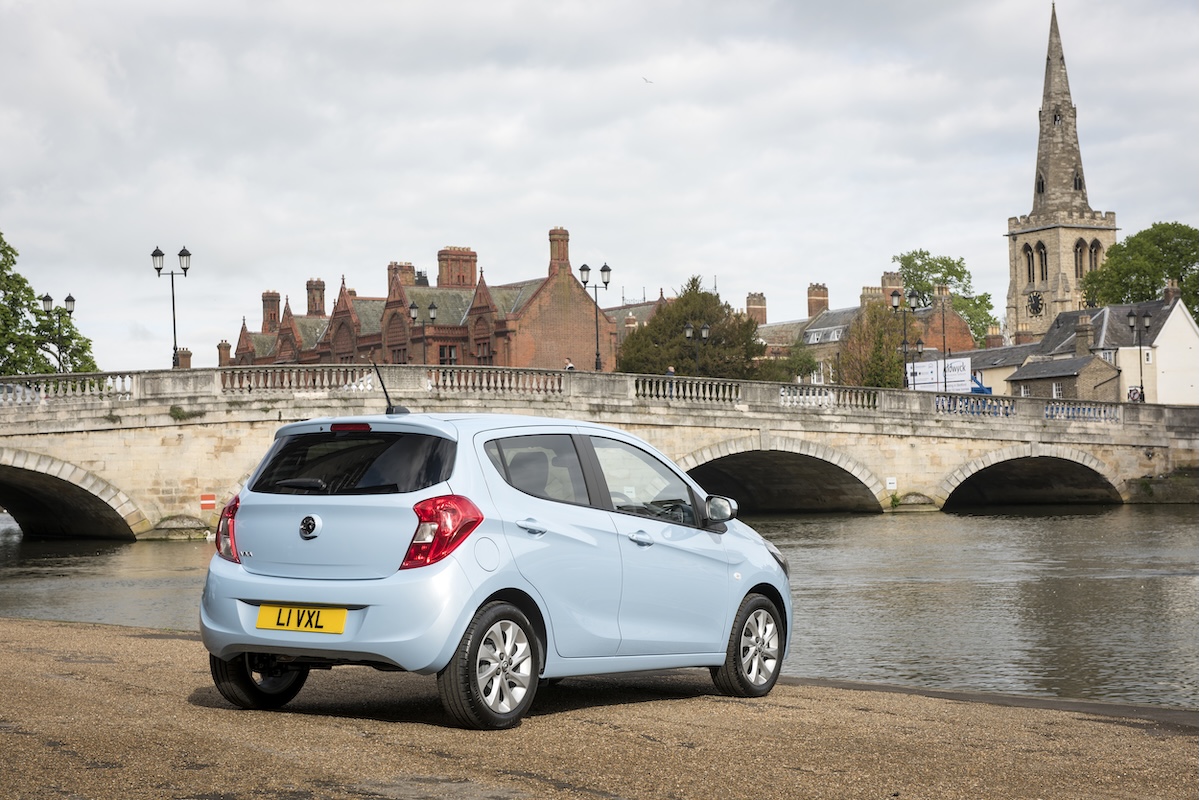
The CarGurus verdict
While not without its flaws, the Viva has plenty of merit, but it just didn’t do enough to distinguish itself from a wide array of highly competitive alternatives when it was new. Kia’s Picanto packed a seven-year warranty, the VW Up was better to drive, and Suzuki’s Celerio came with more equipment as standard.
As a used prospect, the Viva is far more worthy of consideration, because it’ll often cost you less than rival alternatives. For not a great deal of money, you can get yourself a neat little city car with a good amount of equipment. If you need a city car purely for around-town work and short trips, a Viva’s a sensible shout. However, if you want something compact that can comfortably tackle longer drives, it’s worth paying the premium for a more capable alternative, such as the Skoda Citigo.
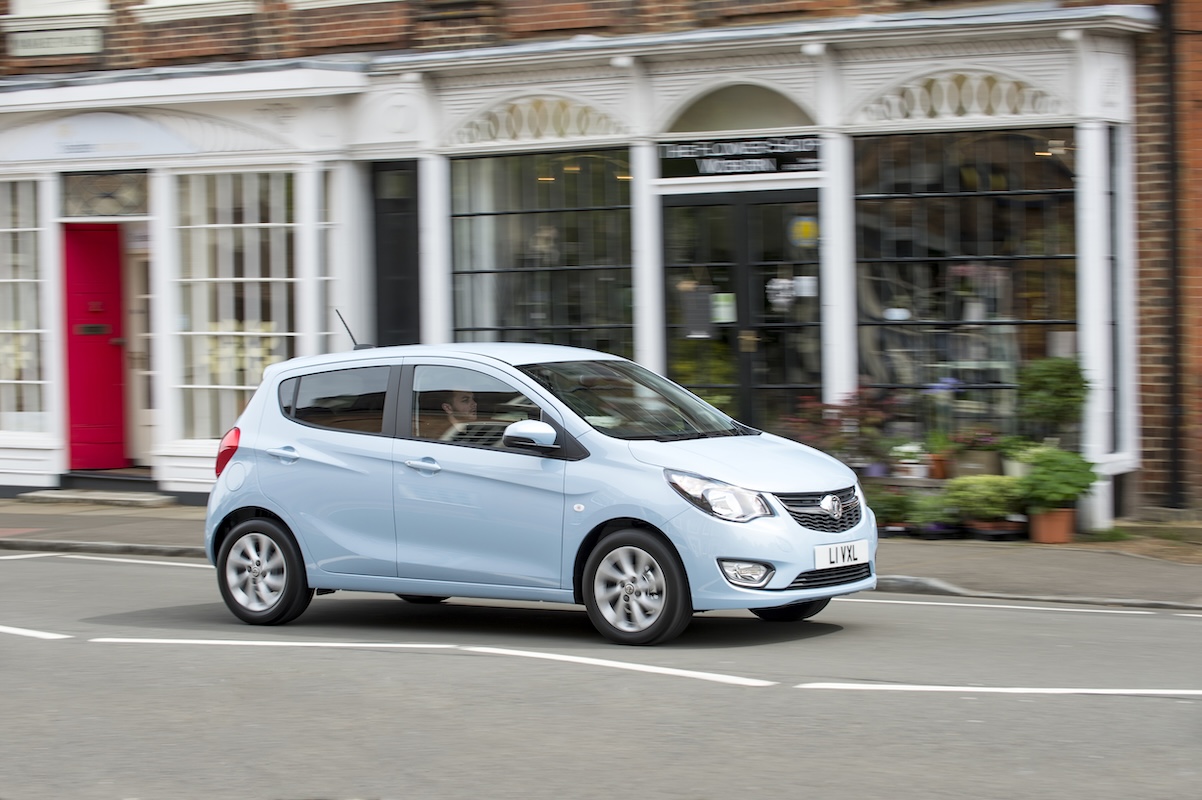
What is the Vauxhall Viva?
The Vauxhall Viva is a five-door city car that, at its launch in 2015, offered buyers a smaller, more affordable alternative to the brand’s Adam and Corsa superminis.
Its tiny footprint and low new price of £7,995 put it in direct competition with cars such as the Ford Ka+, the Hyundai i10, the Kia Picanto, the Toyota Aygo, the Skoda Citigo and the Seat Mii.
Such strong competition meant the Vauxhall had an uphill battle on its hands. Fortunately, although the Viva name dates to the 1960s (a now-classic model bore the same name) this version transpired to be a modern rival that looked good... on paper, at least. It was discontinued in 2019.
How practical is it?
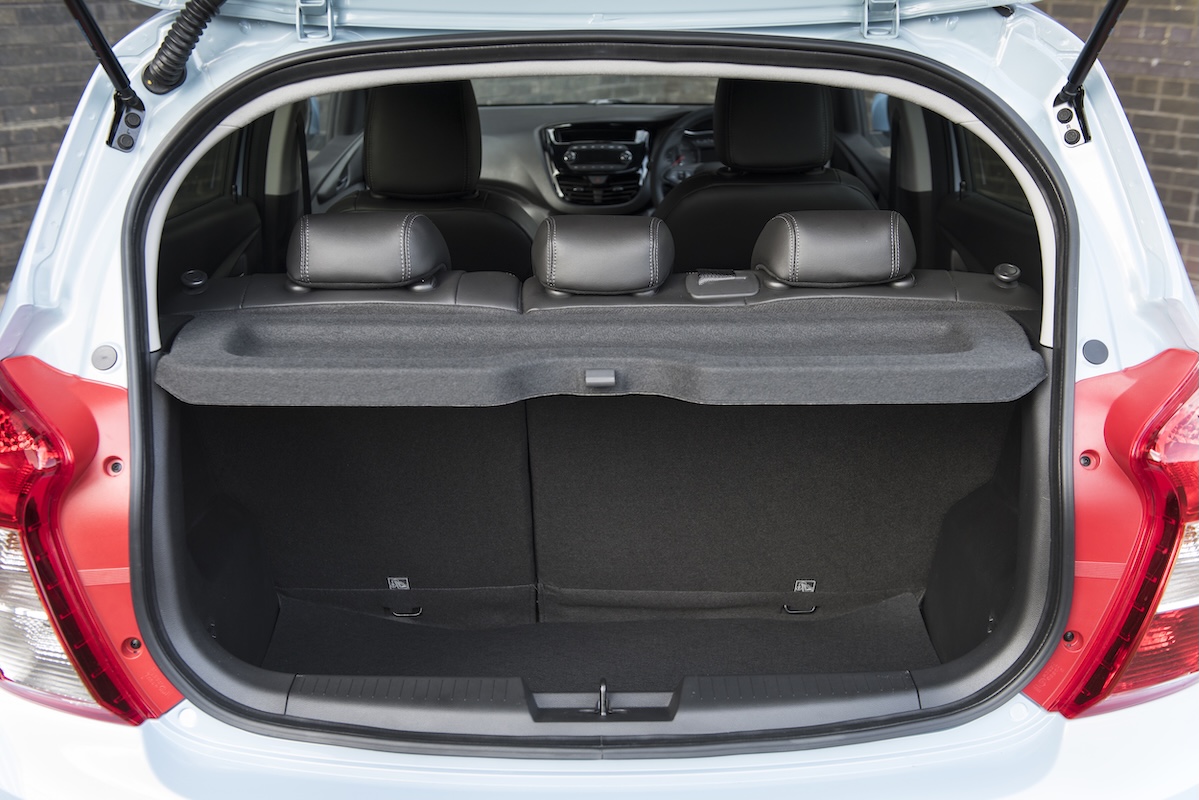
The Viva scores well on the practicality front despite its diminutive size. There’s room for four adults inside, lots of storage points, and 60/40 split-folding rear seats as standard.
However, the boot is smaller than those of many rivals. There are 206 litres available with the rear seats in place, and 1,013 when they’re folded flat.
As a comparison, the Volkswagen Up, the Seat Mii, and the Skoda Citigo (they’re all essentially the same car beneath the skin) can handle 251 litres with the rear seats in place, and they’re generally better packaged.
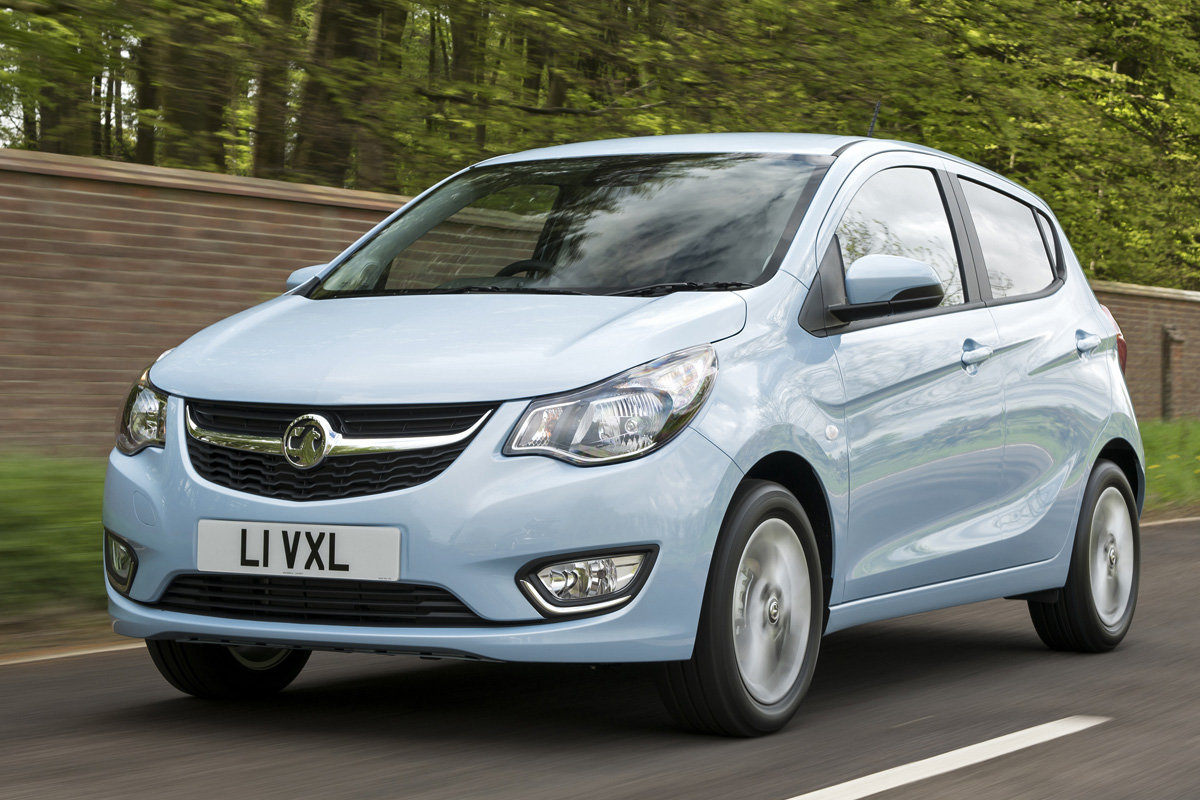
What's it like to drive?
The Viva is an easy car to drive, with light controls, a composed ride and safe, steady handling. It’s not what you’d call fun or engaging, but that won’t trouble most buyers.
What can be problematic, though, is its shortage of performance. The 1.0-litre engine is quiet and smooth but, on higher-speed roads, it has to be worked hard to keep the car moving at the required pace.
On the plus side, it’s a light, simple car, and the naturally aspirated 74bhp three-cylinder petrol engine, in early standard SE models, emits 104g/km of CO2 and has an official economy figure of 62.8mpg, so running costs are low.

Technology, equipment & infotainment
The entry-level Viva SE came with a good amount of equipment, including cruise control, a lane departure warning system, tyre pressure monitoring and stability control, as well six airbags, electric windows and an aux-in socket.
Electric heated mirrors and remote central locking were included, too, and air conditioning was available as an option.
The SL trim level adds climate-control, an upgraded stereo with USB and Bluetooth connectivity, upgraded trim and 15-inch alloy wheels. SE models gained Bluetooth connectivity as standard in November 2016, and satnav was later made available as an option.
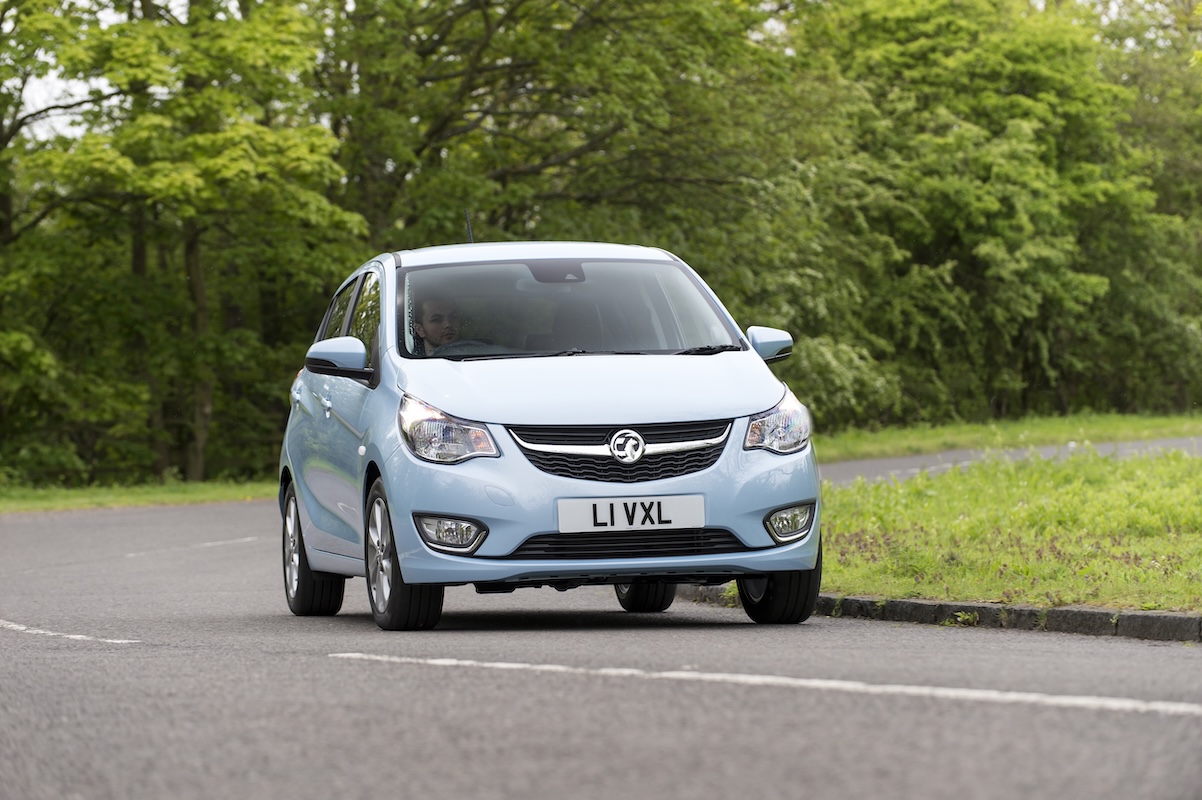
Vauxhall Viva running costs
The 74bhp 1.0i petrol engine has an official average fuel economy figure of 62.8mpg in five-speed manual guise. The EcoFLEX model averages a slightly better 65.7mpg, while Vauxhall claimed the later Easytronic would average 62.8mpg. In real-world conditions, any Viva should easily average an mpg figure in the low 50s.
None of the VED costs for the various models, similarly, will come as an unpleasant surprise. That said, there are some potential savings to be had. At the time of writing, 1.0 SE and EcoFLEX models registered before 1 April 2017, when the road tax structure changed, qualify for £20 and £0 VED, respectively. That’s hardly a massive saving but, in the latter case, not having to pay the taxman anything at all is very satisfying.
You’ve little to worry about on the servicing front, as the Viva’s engine uses a timing chain instead of a belt that requires occasional costly changes. The car’s low weight means it’s easy on consumables such as brake parts and tyres, too.
Servicing is required every 20,000 miles or one year, whichever version you choose, so you won’t have to visit a Vauxhall dealer that often. Every Viva also has a service due indicator in its instrument cluster, which should further help you ascertain whether a used example needs imminent attention.
You might want to run a few insurance quotes, though, as some Viva variants do occupy slightly higher insurance groups than competitors. A basic Volkswagen Up sits in a lower insurance group than a basic Viva, but the difference in insurance costs may be negligible. Nevertheless, it’s worth checking.
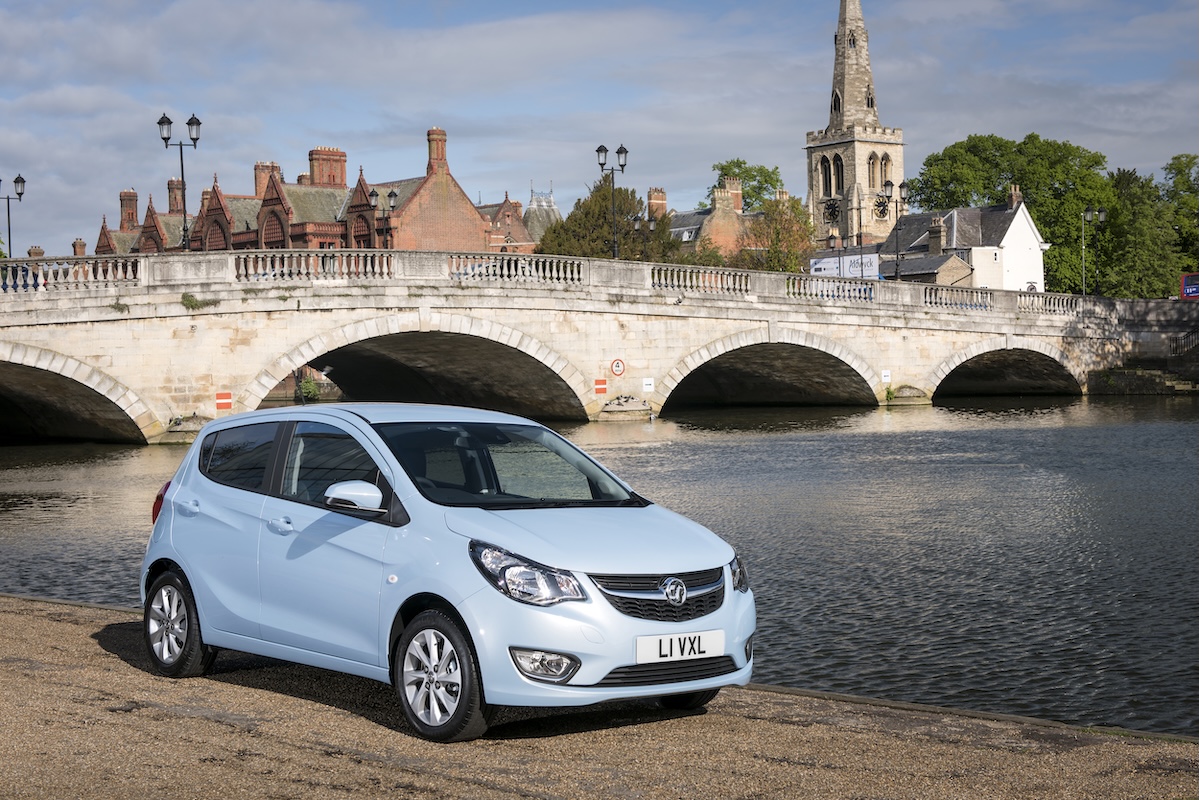
Vauxhall Viva reliability
Vauxhall Viva reliability
The Vauxhall Viva is a straightforward car with a simple, naturally aspirated engine, and it uses lots of tried and tested parts, so reliability should be good. There aren’t many reports of major issues, and the official recalls website only lists one problem that affected just 63 cars.
Don’t expect to find a Viva with any remaining factory warranty, because Vauxhall’s cover is the industry-standard three years and 60,000 miles. Hyundai offers five years of cover, Kia seven, and Toyota will issue a warranty on cars up to a decade old if you have them serviced at one of its franchised dealers every year, so alternatives from those manufacturers are worth considering if you’re dead-set on some residual warranty.
It’s also worth bearing in mind that Vauxhall generally doesn’t have a great reputation for reliability or customer satisfaction. There are countless Vauxhalls trundling around without fault, but if you want to minimise risk and ensure good support then it’s perhaps worth looking elsewhere.
- An extensive array of standard safety equipment helped the Viva initially achieve a four-star rating (out of five) from independent safety organisation Euro NCAP. That put the Viva on a par with rivals such as the Hyundai i10 and Toyota Aygo, and ahead of the three-star Suzuki Celerio, but did leave it trailing the five-star Volkswagen Up. Like its competitors, the Viva also comes with Isofix fixings for the outer rear seats.
- The Vauxhall Viva Rocks was introduced in 2017. This was a more rugged version of the Viva that had 18mm of additional ground clearance, protective body cladding and alloy wheels. It was otherwise unchanged, and more expensive, so it sold in small numbers.
- The Viva struggled to make much headway in the competitive city car sector. Alternatives such as the Volkswagen Up were more stylish and appealing, and sold in far higher numbers, while other rivals were quicker, more engaging to drive and more refined. As a result, there aren’t that many on the used car market, but its low starting price and Vauxhall’s typically heavy depreciation mean second-hand Vivas are good value if you can find them.
- The best all-rounder: There’s not a great deal of choice when it comes to Vivas but, we’d go for at least an SL model, because that had air-conditioning as standard, and more equipment than the basic SE. Keep an eye out for cars with the 7.0-inch colour R4.0 IntelliLink touchscreen media system, because it features Android Auto and Apple CarPlay support. These provide far more features than the basic Bluetooth connectivity, and make the Viva feel more modern.
- The most efficient: Vauxhall initially offered a model called the SE EcoFLEX that featured a front lip spoiler, an extended rear spoiler, and ultra-low rolling resistance tyres. It had claimed fuel economy of 65.7mpg – and smidgen better than the standard car’s 62.8mpg – and its emissions were 99g/km of CO2, so road tax was free when it was new and, at the time of writing, that was still the case for models registered before 1 April 2017. It was a short-lived model, however, and the real-world benefits were minor.
- The best specification: A later SL model, with the optional Navi 4.0 IntelliLink touchscreen navigation and infotainment system, is a good choice. Try to find one with the Winter Pack, which adds heated seats and a heated steering wheel, for maximum small-car luxury.
- The best performance: No Viva is quick or fast, with five-speed manual versions posting a 0-60mph time of 13.1 seconds and a top speed of 106mph. The manual is quicker than the later automated manual version, though. That model, called the Easytronic, takes 14 seconds to get from 0-60mph. Unless you really need a car without a clutch pedal, stick with the manual.


