The Audi A2 of 1999 and BMW i3 of 2014 are two cars that on paper appear to be fundamentally different. For a start they are built by competing firms, but even more basic than that is their method of propulsion: internal combustion for the A2 versus battery electric for the i3.
Explore deeper, however, and it is clear that these are two cars cut from the same cloth, sharing a truly pioneering spirit that is all-too rare in the small car segment, where traditionally profit margins are lean and low prices drive sales.
Audi A2 and BMW i3: Automotive Reincarnations
Clever Construction
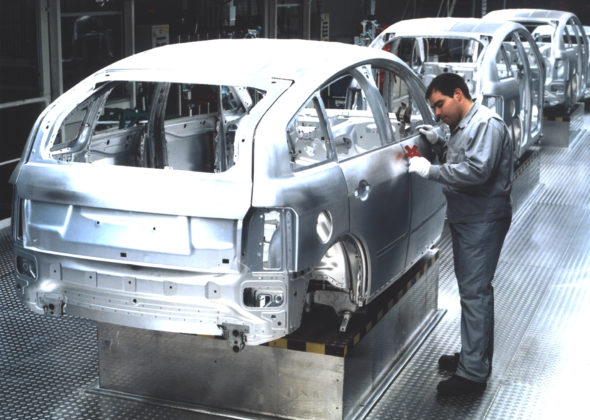
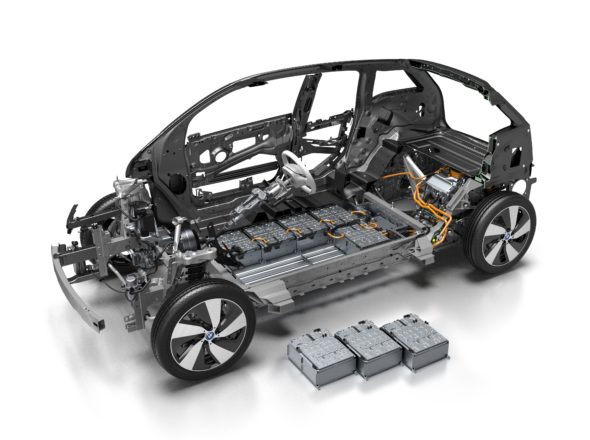
Both the Audi A2 and the BMW i3 use unconventional construction methods in a quest to minimise weight, whether it’s the Audi’s aluminium space frame (pictured above with body panels) or the i3’s carbon-fibre reinforced plastic passenger cell with its batteries mounted underneath the floor (pictured below).
It worked, too. The Audi space frame, for example, was said to weigh 40% less than an equivalent steel monocoque, and so even when wearing its body panels (also aluminium) the A2 weighs less than 1,000kg. The i3, meanwhile, tips the scales at 1,250kg, but bearing in mind more than 200kg of that is the batteries, it's clear just how light the rest of the car is.
A Price Worth Paying?
Weight saving usually comes at a cost, however, and so it is with this pair. In the Audi’s case, all that aluminium made it incredibly expensive to build by small-car standards, not to mention costly to repair, a very worthwhile consideration if you’re shopping for a used example today. Audi tried to recoup some of this with higher-than-average pricing, arguing it was a small Audi rather than a cheap one. However, the buying public was obviously less convinced because in 2005, after only six years on sale, the A2 project was canned, Audi rumoured to have made a loss on each one of the 176,000 cars sold.
BMW would have argued that its i3 was more successful, but it is rumoured that its exceptionally exotic construction methods, plus the fact that it was one of the earliest mainstream battery-electric vehicles, meant that BMW also made an effective loss on every one of the 250,000 or so that were produced up to 2022, just as Audi did with the A2.
High Price but Low Running Costs
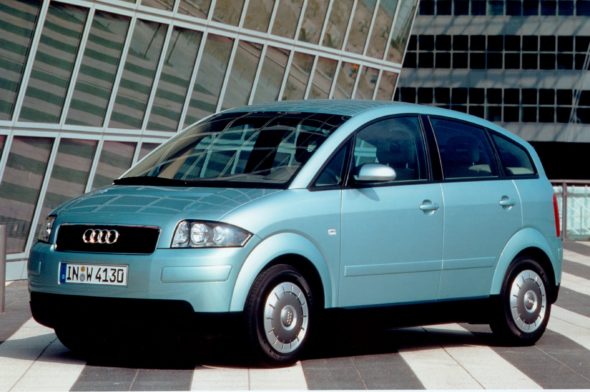
Where both the Audi A2 and BMW i3 (even their naming format is similar!) excel is in their running costs, made possible by the fact they weigh so little. Equipped with a 1.2-litre diesel engine, the A2 remains one of the only cars to have made three litres of fuel last for more than 100 kilometres, which equates to 94mpg, although it’s worth pointing out that this particular A2 (pictured above) was never officially sold in the UK. Even so, both 1.4-litre diesel engines, and the pair of available petrol engines, are impressively economical, even by modern standards.
The electric i3, meanwhile, costs from as little as £4 to charge from empty to full, which will give you a range of at least 80 miles but possibly a lot more, depending on your driving style and what model you choose. Speaking of which, it is worth knowing that the i3 was available as a pure electric car or as a 'REX' range extender with a two-cylinder petrol generator under the boot floor to help keep the battery topped up.
Inside Line
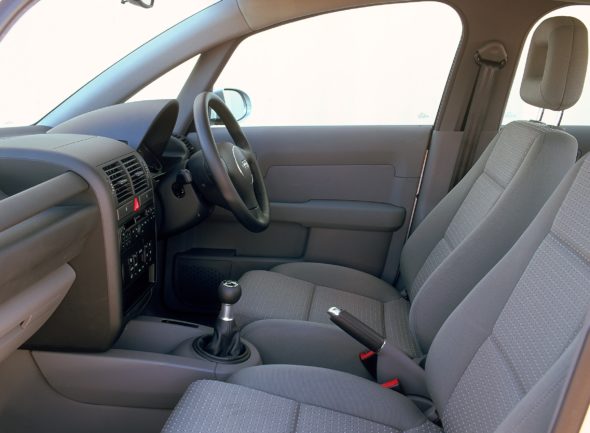
At over two decades old, the A2 is far from cutting edge now, but it should be noted that aside from some hard plastics and a lack of modern features such as DAB radio or USB inputs, the interior (pictured above) looks fairly modern and is perfectly functional, particularly if you track down a car with air-conditioning or climate control. A well sorted A2 is also a breeze to drive, with light controls, small dimensions and a relatively roomy interior helping to earn it a loyal following.
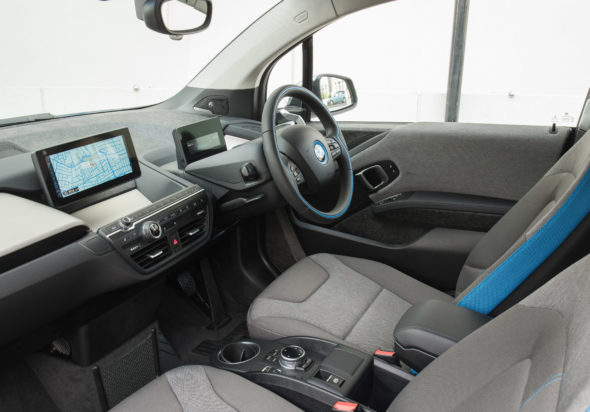
BMW, meanwhile, gave the i3 an interior (pictured above) that’s unlike any other small car there’s ever been, with panels made from recycled plastic, optional wood inserts that curve along the top of the dash, and not one but two TFT screens giving it a completely contemporary feel. Combined with the effortless and silent nature of its electric powertrain, driving an i3 is a unique experience.
There are other similarities between the cars, too, such as the hard ride quality and the fact that both only get two rear seats as standard (the A2 was offered with a third seat as an option). But what really connects these two is their pioneering spirit. They are vehicles that pushed the boundaries of what was possible, and while the results might divide opinion, the automotive landscape would certainly be less interesting without them.
Related Topics


