Electric cars, to many, appear to be a truly modern innovation, one enabled by rapid advances in battery technology, motors, controllers and thermal management systems.
And although electric cars have been around for longer than most would realise – in the late 1800s and early 1900s, electric cars were actually comparatively common – it's only relatively recently that they've hit big sales numbers.
In fact, nowadays almost every mainstream manufacturer is busy producing electric cars (EVs). One of the undoubted pioneers of mainstream EVs is Tesla, and the fact that its Model Y was the best-selling car in the world in 2023 shows just how far EVs have come.
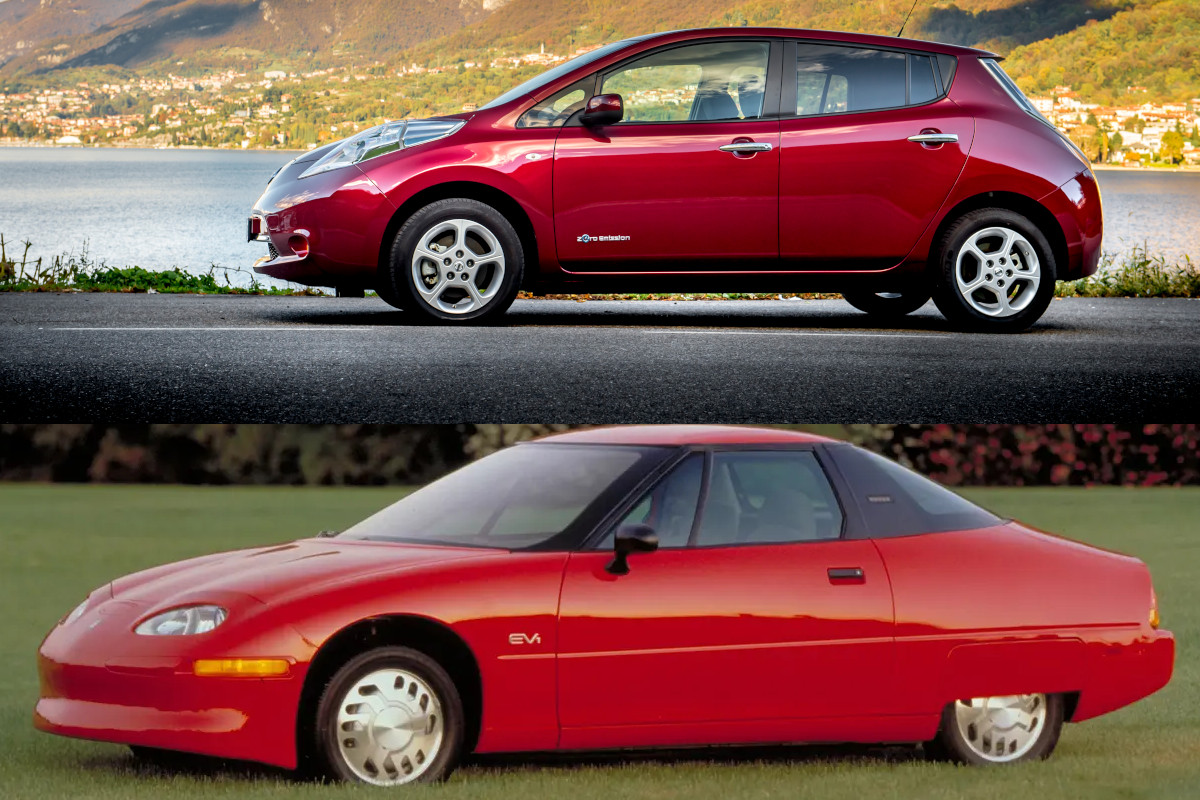
However, wind back to 2011 – some two years before Tesla began building its electric rulebook-rewriting Model S – and an even more important electric car started rolling off production lines: the Nissan Leaf. Here, for the first time in modern history, was an affordable and practical mainstream electric car.
It had five doors, a claimed range of 109 miles and it cost £23,350 after government grants. The 1,525kg hatchback wasn’t intolerably slow, either; its electric motor put out 107bhp and the Leaf could accelerate from 0-62mph in a reasonable 11.9sec.
The electric Nissan subsequently received many entirely deserved accolades. That said, its basic specifications were not that different from a car that arrived 14 years earlier: the General Motors EV1. So how did it come to be that the Nissan kickstarted an electric revolution, while the EV1 is left languishing in the footnotes of automotive history?
Automotive Reincarnations: GM EV1 and Nissan Leaf
The GM EV1: Decades Ahead of the Competition
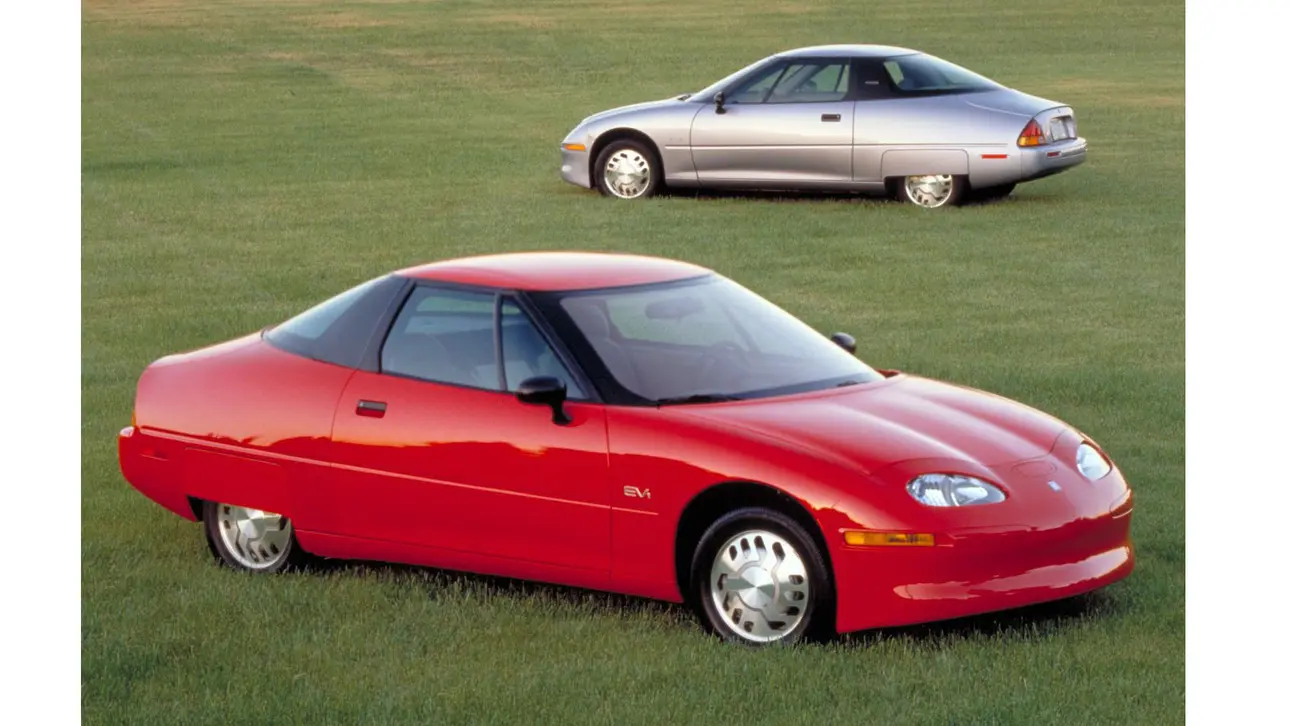
The EV1, which was the first factory-built modern electric car, was introduced in 1996 to help GM tackle increasingly stringent emissions regulations and develop a profitable electric vehicle market. It was packed with advanced features and concepts, too, in a further effort to grab attention.
Key highlights included an efficient low-drag design and aluminium underpinnings clad in composite panels; all in, it weighed around 1,350kg. Its single motor, which drove the front wheels, produced 137bhp and aided the EV1 in sprinting from 0-62mph in less than nine seconds.
Its battery pack initially granted a range of 60 miles, but upgrades eventually upped that to a claimed 160 miles. Many later trials found it possible to average around 100 miles. Charging would also take as little as three hours, helping to minimise downtime. On paper alone - lack of rear seats aside - the EV1 still measures up to the 2010 Leaf well, and even betters the Nissan in some areas.
Its equipment levels and engineering were also remarkable; the EV1 had a kit list that included climate control, cruise control, an advanced anti-lock regenerative braking system, an electrically heated windscreen, tyre pressure monitoring and a durable inductive charging system.
The Multi-Million Dollar Failure That Pointed the Way
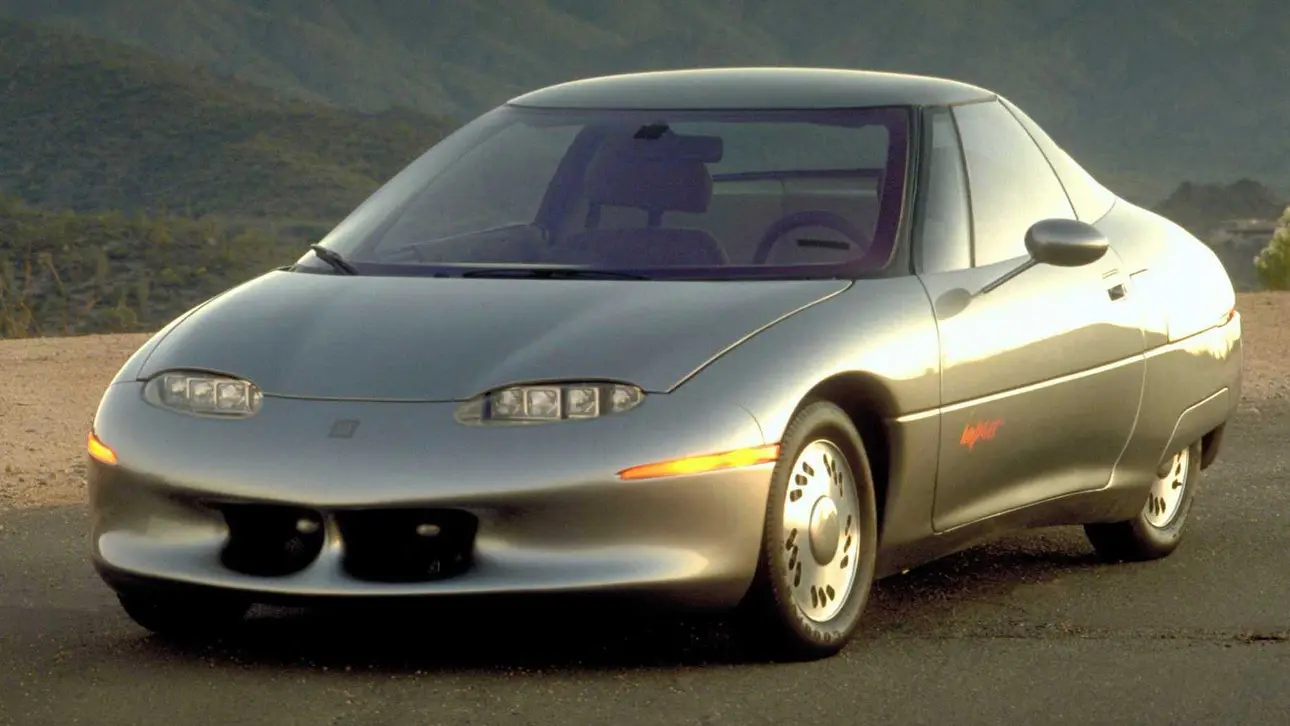
Unsurprisingly, there was a hefty price to pay for such an advanced, forward-thinking car. At the time, the EV1 was leased on a monthly rate based on a purchase price of $33,995. Years later, one GM executive would claim that each cost $250,000 to build: around £150,000 at the time, or a staggering £270,000 today.
Even if that figure was inflated, the EV1 was clearly not going to be a sustainable or profitable exercise. The market just wasn’t there, either, despite GM spending millions on incentives and marketing campaigns.
As a result, only 800 cars were leased over a four-year period. This low volume caused many parts suppliers to wind up EV1-related production which, in conjunction with myriad other factors, caused GM even more problems.
Consequently, after GM had spent a total of $1 billion, the entire programme was wound up in 2002. Much to the dismay of many, when the leases ended, the vast majority of EV1s were gathered up and crushed. Primarily, this allowed GM to avoid the legal and costly requirement of supporting them for the next 15 years. The irony is that, had GM stuck with it, the company would probably now be leading the way in what is rapidly becoming the most important sector of the new car market.
Despite the sad and wasteful end that befell such a fine machine, much good came from the EV1. Its advanced technology and design paved the way for subsequent electric cars, with falling costs ultimately making the likes of the Leaf a viable proposition. The EV1 also gave the modern world its first glimpse of how capable electric cars could really be.
Nissan Leaf: The Right EV at the Right Time
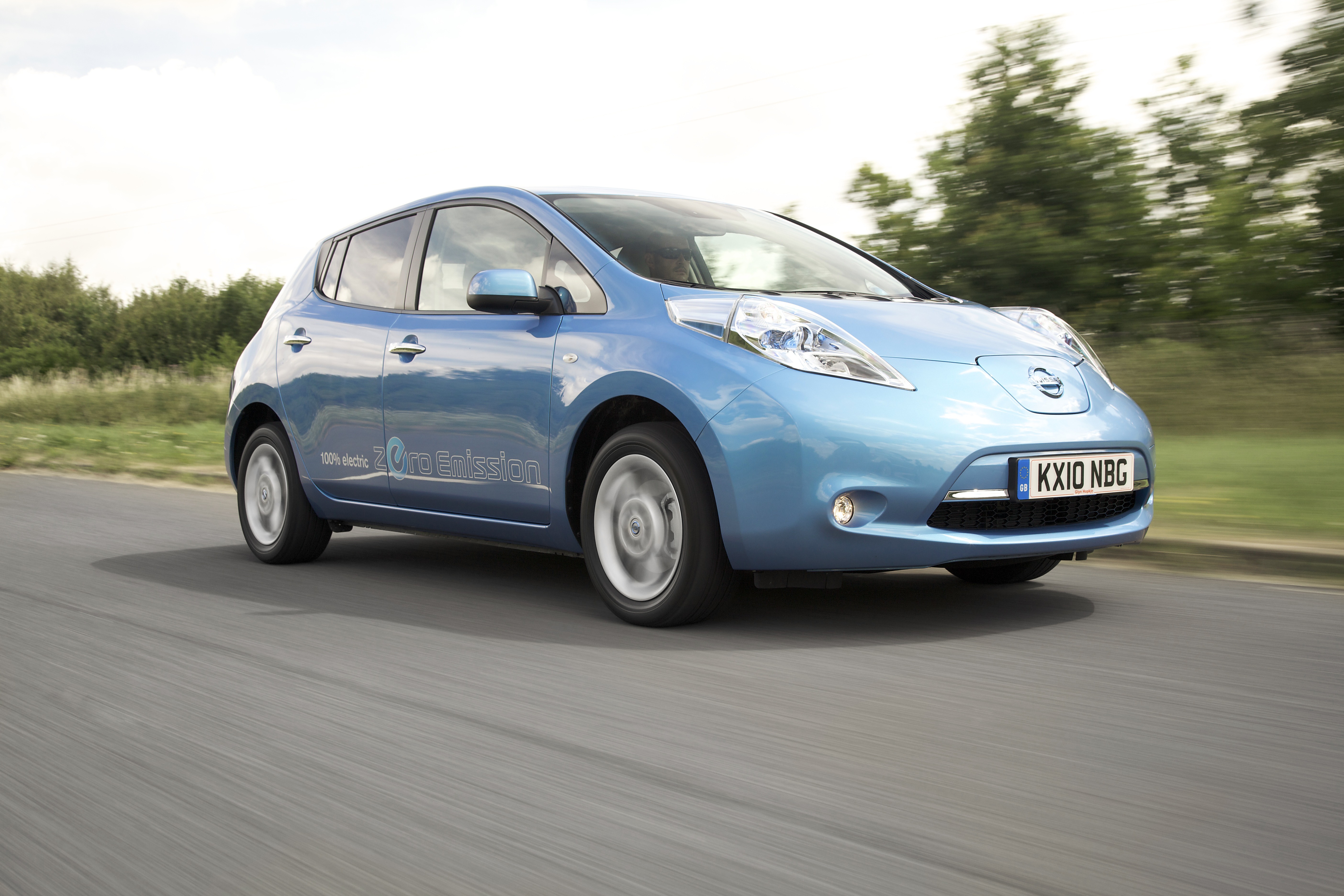
A little under a decade after General Motors had been busy crushing the few EV1s it had actually made, Nissan was busy ramping up production of the world's first mass-produced mainstream electric car: the first-generation Nissan Leaf.
Unveiled in 2009, and with the first examples rolling off the production line in late 2010 as 2011 model-year cars, the Leaf was an immediate success. The Nissan might have offered similar performance and range figures to the EV1, but it had five doors, a large boot and an attainable price (made sweeter in the UK at the time by a generous government grant).
What's more, Nissan was not losing large amounts of money on every single one it produced, partially thanks to improvements in battery technology: the Leaf's lithium-ion battery pack was lighter, cheaper and had more capacity than the EV1's nickel-metal hydride one.
The critics were suitably impressed, awarding the Nissan Leaf European Car of the Year in 2011. The buying public were impressed, too, with more than 500,000 examples sold by 2020.
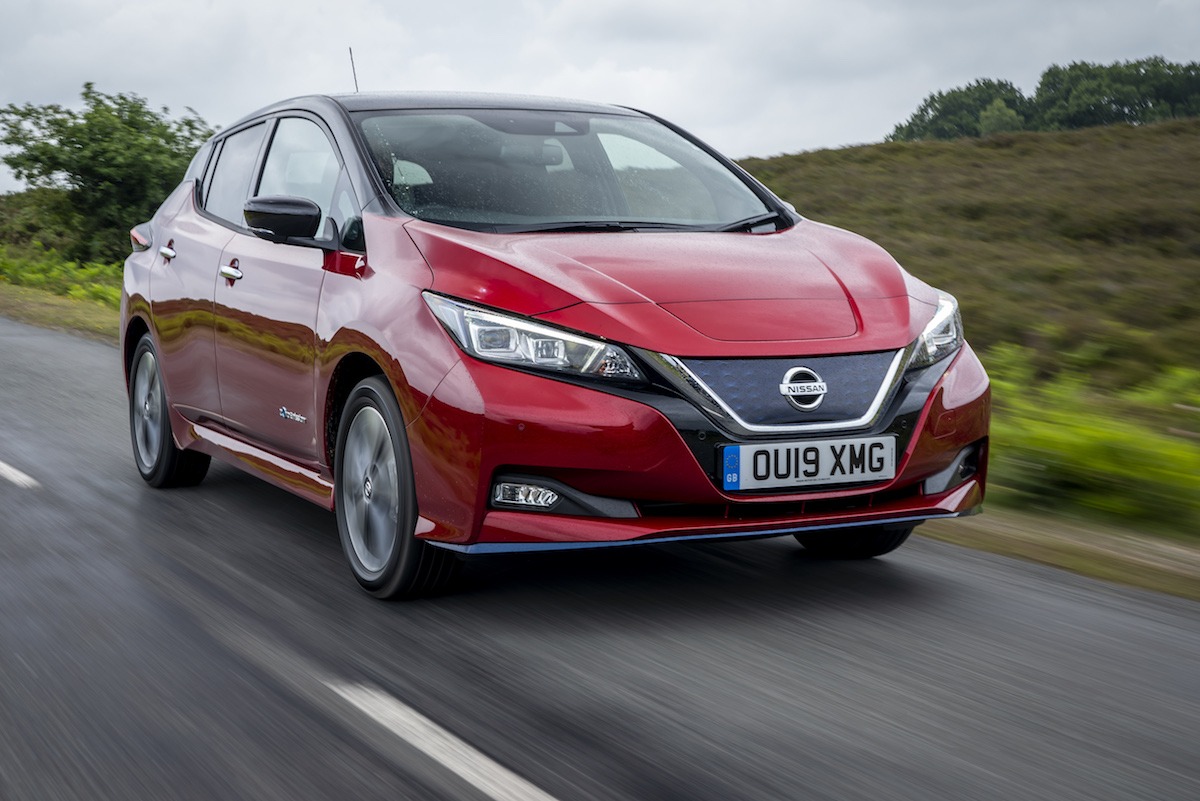
Nissan Leaf: The Competition Catches Up
By the turn of the 2020s, however, the Nissan Leaf – which was now in its second generation — was facing competition, and proper competition at that. Most notably, this came from the Tesla Model 3, but it also came in the form of smaller, more affordable EVs such as the electric versions of the Vauxhall Corsa and Peugeot 208, plus family-sized SUV crossovers such as the Kia e-Niro. And that's to name but a few: the EV market had become a rapidly maturing and increasingly crowded marketplace, so Nissan no longer had the unique market position it had once held. Its tech was also beginning to feel a touch dated, with a comparatively small range for its size, and a slower charging speed than many rivals.
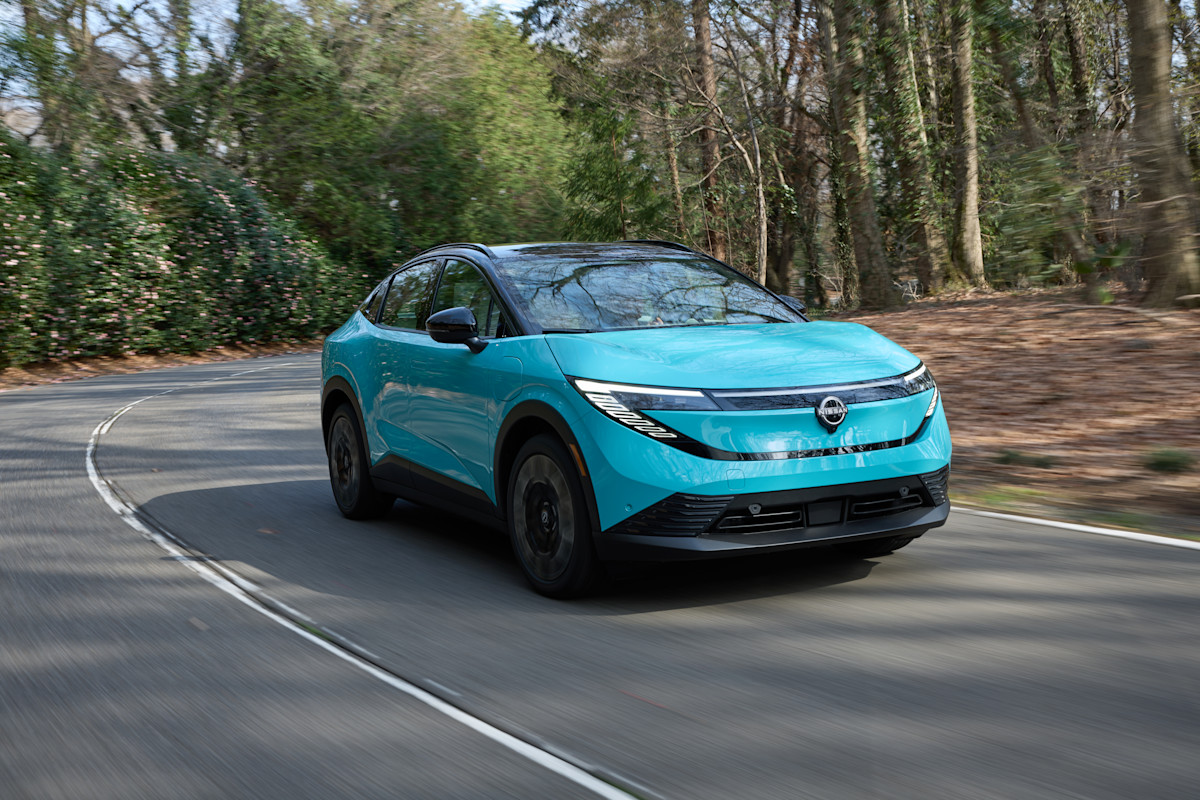
Of course, the car market has continued in that direction ever since, and the proliferation of EV models on offer has only accelerated. These days, Nissan is now offering buyers the latest third-generation version of the Leaf, which has upped its game in all areas to compete. However good it is, though, the increased level of opposition means the Mk3 car is very unlikely to be as successful as the original, and it certainly won't be as significant.
Related Topics


