The words ‘small car’ and ‘big boot’ don’t often appear in the same sentence. For years, choosing a compact, easy-to-park car for the city meant making a serious compromise on practicality. A weekend away required military-grade packing skills, and a trip to the garden centre was completely out of the question. For anyone with a family, a dog, or just a lot of hobbies, it often meant reluctantly sizing up to a bigger, thirstier, and more expensive car.
But have you heard? The game has changed. Car designers have been getting incredibly clever, using smart packaging to squeeze astonishing amounts of space out of small platforms. From superminis with Tardis-like boots to compact crossovers that offer genuine family-friendly practicality, you no longer have to choose between a small footprint and a large load bay. In this guide, we’ve rounded up the very best small cars that punch well above their weight when it comes to boot space.
About this guide
The cars in this guide have been selected to represent the best options currently available. Our recommendations are the result of a unique three-part scoring system that takes into account real-world tests from our team of expert reviewers, ratings from real-life owners who live with these cars every day, and an analysis of market data from CarGurus UK to identify which models offer the highest percentage of good and great deals. This combined approach ensures our list highlights cars that are not only great to own but also good value to buy. For more information, scroll to the bottom of this page.
Best Small Cars with Big Boots 2026
 CarGurus expert rating: 5 out of 5
CarGurus user rating: 5.0 out of 5
Percentage of good/great deals available on CarGurus: 36.1%
Overall CarGurus rating: 4.6 out of 5
CarGurus expert rating: 5 out of 5
CarGurus user rating: 5.0 out of 5
Percentage of good/great deals available on CarGurus: 36.1%
Overall CarGurus rating: 4.6 out of 5
| Pros |
Cons |
| Very practical, especially the big boot |
Rear headroom could be more generous |
| Generous standard equipment |
Short new-car warranty |
| Choice of petrol and electric versions |
Some electric rivals offer longer ranges |
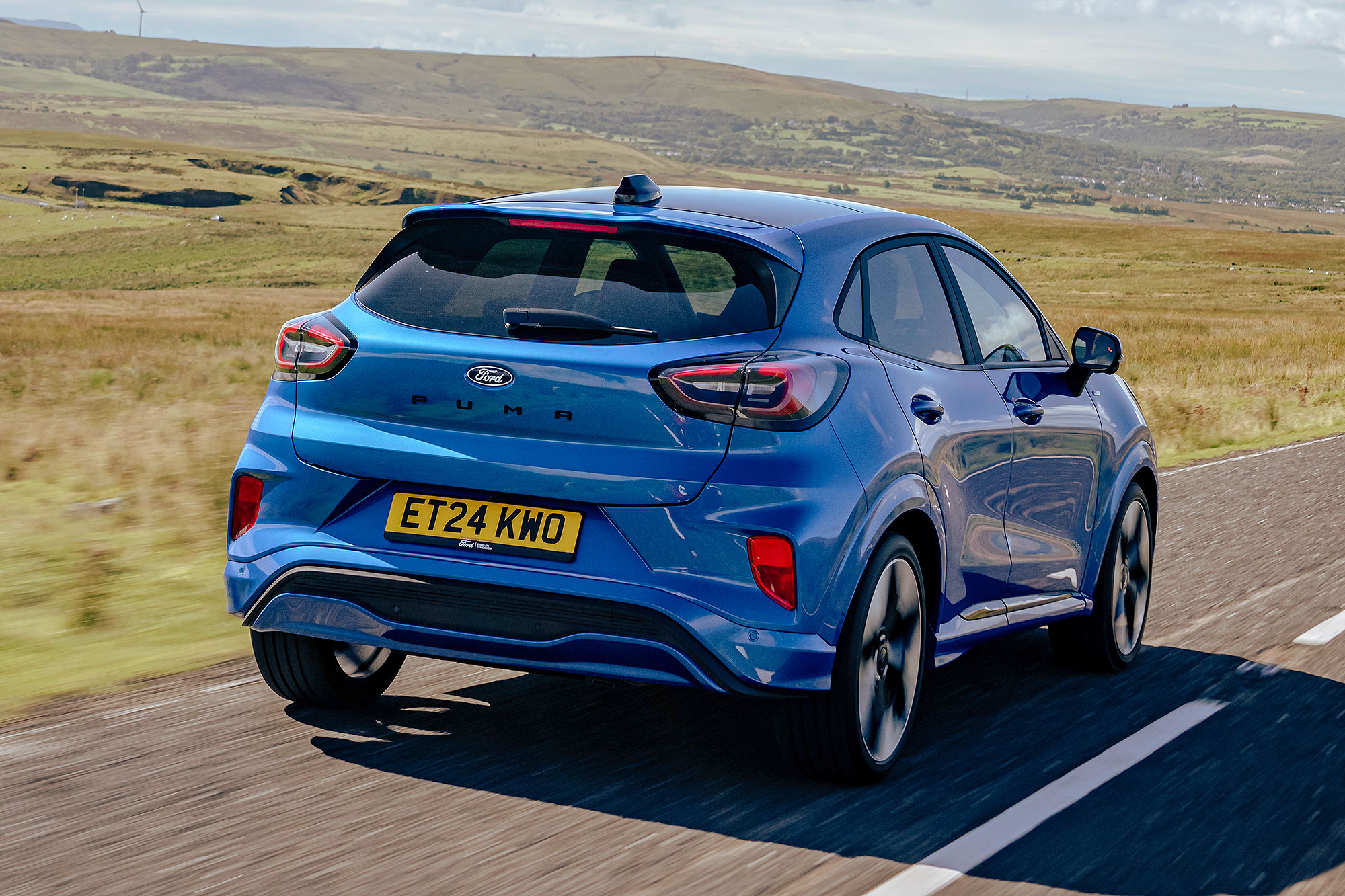
The Ford Puma might be based on the supermini-sized Fiesta, but you wouldn't know it from the boot. It’s one of the most practical small crossovers you can buy, with a generous 456-litre boot in petrol models. The real party piece, however, is the 80-litre ‘MegaBox’ hidden under the boot floor. This waterproof, drainable compartment is perfect for stashing muddy wellies or wet gear after a day at the beach. If you opt for the all-electric Puma Gen-E, the boot is even bigger, offering a massive 523 litres of total space.
It’s not just about the boot, though; the Puma is also great fun to drive, a real Ford trademark. The popular 1.0-litre EcoBoost mild-hybrid petrol engine comes in 123bhp and 153bhp forms, offering a lively and efficient drive. There's also the fully electric Gen-E for those looking to ditch petrol entirely. A 2025 update gave the Puma a smarter interior with a large 12.0-inch touchscreen, making it an even more compelling package that blends practicality with a genuinely enjoyable driving experience.
The CarGurus Verdict: "In a segment full of worthy but rather unimaginative small SUVs, the Puma stands out as a real highlight, managing to be both fun to drive and highly practical." - CarGurus Editorial Team
Read our full Ford Puma SUV review
CarGurus expert rating: 5 out of 5
CarGurus user rating: 5.0 out of 5
Percentage of good/great deals available on CarGurus: 36.0%
Overall CarGurus rating: 4.6 out of 5
| Pros |
Cons |
| Very roomy for a small SUV |
Not as much fun as a Ford Puma |
| Good value for money |
There's no fuel-sipping hybrid model |
| Comfortable to travel in and appealing to drive |
Lacks the sliding rear seats of some rivals |
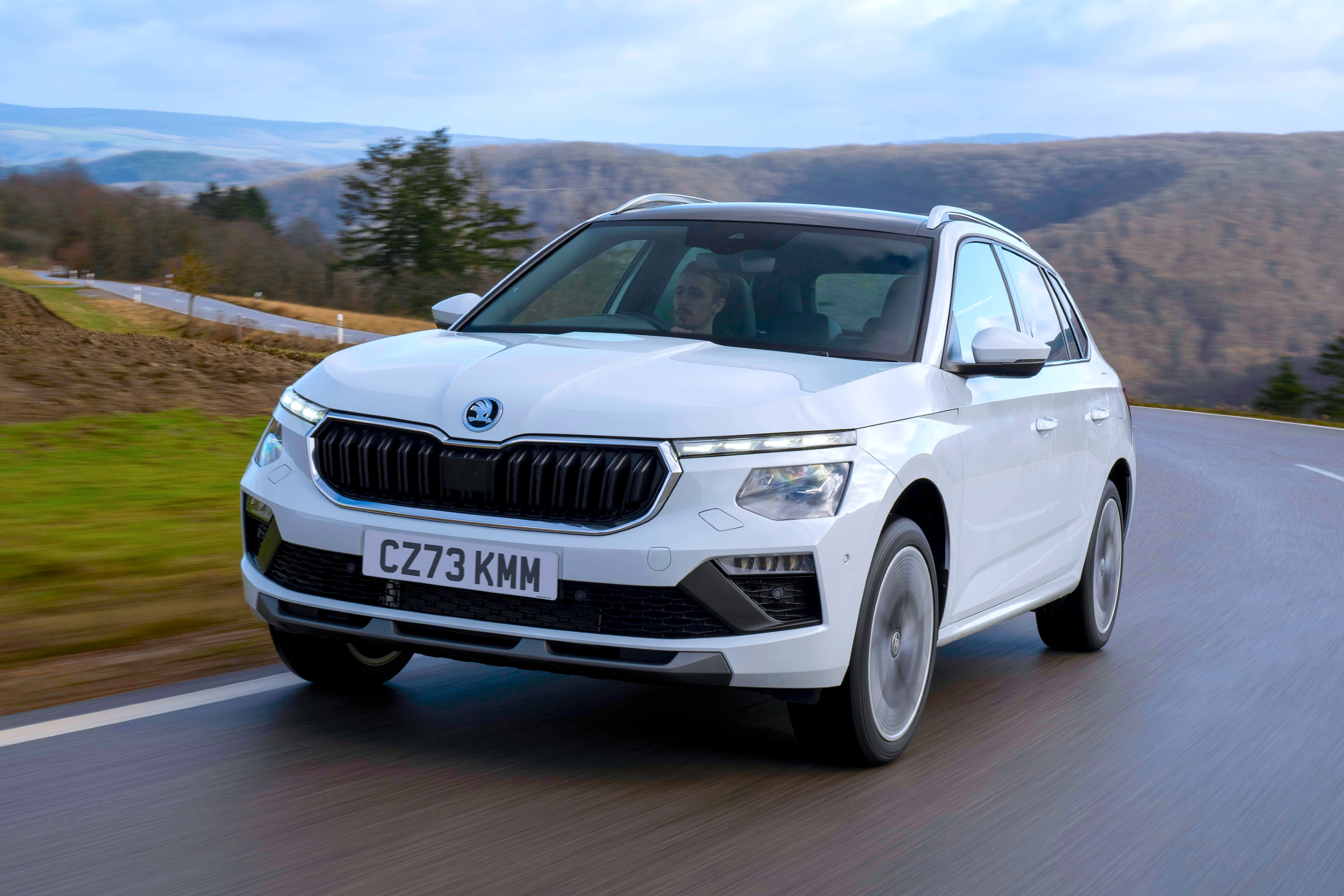
The Skoda Kamiq might be a compact crossover, but it pulls a classic Skoda trick by offering a surprising amount of interior space. While it takes up no more room on the road than a supermini, its boot is a generous 400 litres. That’s more than you’ll find in a Ford Focus hatchback and makes the Kamiq a genuinely practical choice for small families needing to haul buggies and bags. Adults will find plenty of room in the back seats, too, cementing its reputation as one of the most practical cars in its class.
On the road, the Kamiq is comfortable and easy to drive. The engine range is straightforward, with the 114bhp 1.0-litre petrol being the sweet spot for most buyers, offering a good blend of performance and efficiency. If you need a bit more punch, a 148bhp 1.5-litre petrol is also available. Inside, the cabin feels a cut above most rivals, with a plush ride and good suppression of road noise making it a relaxing car for longer journeys. It all combines to make the Kamiq a smart, comfortable, and impressively versatile small SUV.
The CarGurus Verdict: "You get more interior space in the Kamiq than in most rivals, and the cabin is really well finished as well as roomy." - David Motton, contributor
Read our full Skoda Kamiq review
CarGurus expert rating: 4 out of 5
CarGurus user rating: 5.0 out of 5
Percentage of good/great deals available on CarGurus: 34.8%
Overall CarGurus rating: 4.5 out of 5
| Pros |
Cons |
| Economical and efficient petrol engines |
Interior design is starting to show its age |
| Good-looking design that’s aged well |
Could be a bit more fun to drive |
| Strong value for money |
No hybrid or electric options |
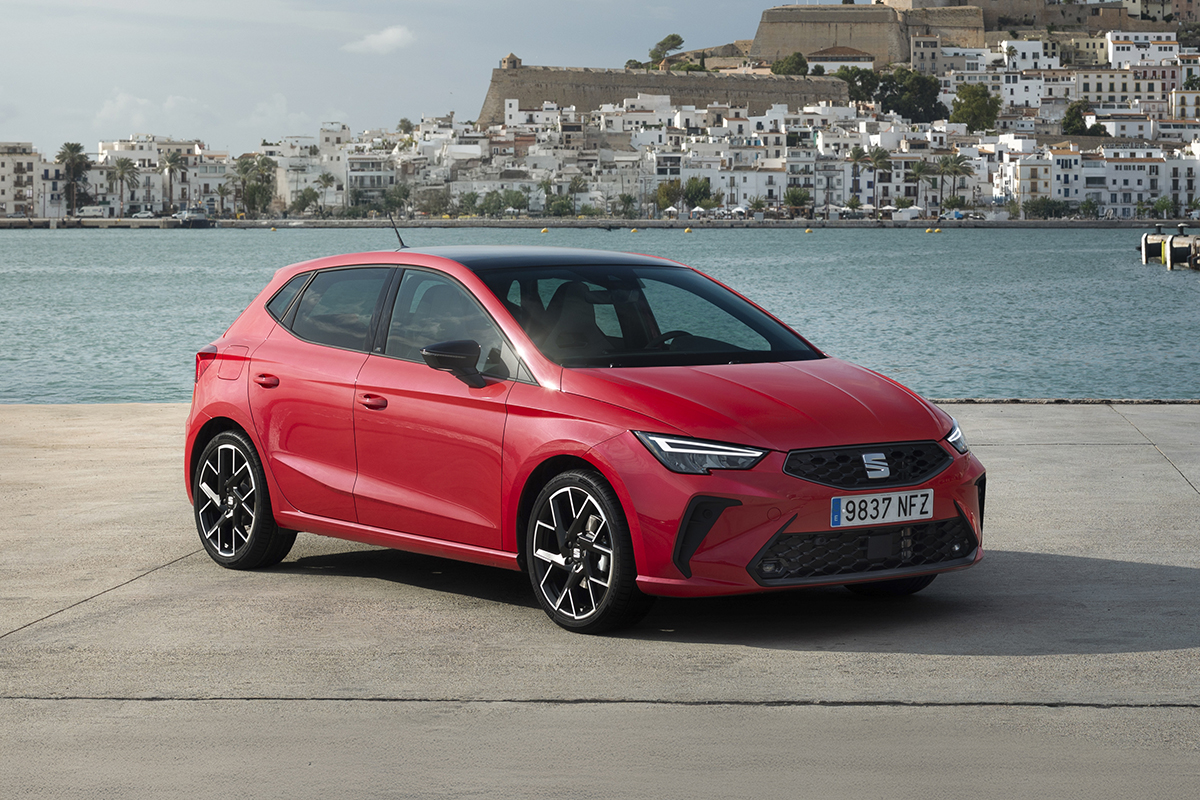
The Seat Ibiza has long been a go-to choice for those wanting a stylish supermini, but it backs up its sharp looks with some serious practicality. While it might not lead the class, its 355-litre boot is impressively large for a small car, and its neat, square shape makes it easy to load. It's more than enough for a big weekly shop or a weekend away, and the 60:40 split-folding rear seats add extra versatility when you need it. Inside, there's a surprising amount of room for passengers, with enough space for four adults to sit comfortably, which isn't always a given in this segment.
On the road, the Ibiza is powered by a range of efficient 1.0-litre turbocharged petrol engines, with the 94bhp and 113bhp versions offering a great blend of performance and low running costs. It feels composed and relaxed on the motorway, making it a capable companion for longer journeys, not just city driving. All versions come well-equipped, featuring a touchscreen with smartphone mirroring as standard, so you get plenty of tech for your money. It all combines to make the Ibiza a smart, practical, and affordable small car that punches well above its weight.
The CarGurus Verdict: "Seat’s Ibiza is an excellent compact hatchback that serves up a spacious interior, efficient engines, a refined nature and subtle yet stylish looks. It also makes for a strong used buy, thanks to its economical engines and generous equipment levels." - Lewis Kingston, contributor
Read our full Seat Ibiza review
CarGurus expert rating: 4 out of 5
CarGurus user rating: 4.7 out of 5
Percentage of good/great deals available on CarGurus: 32.2%
Overall CarGurus rating: 4.4 out of 5
| Pros |
Cons |
| Very roomy interior |
Some weedy engine choices |
| Comfortable and easy to drive |
So-so warranty offering |
| Good value for money |
Sporty Fabia 130 isn't available with a manual gearbox |
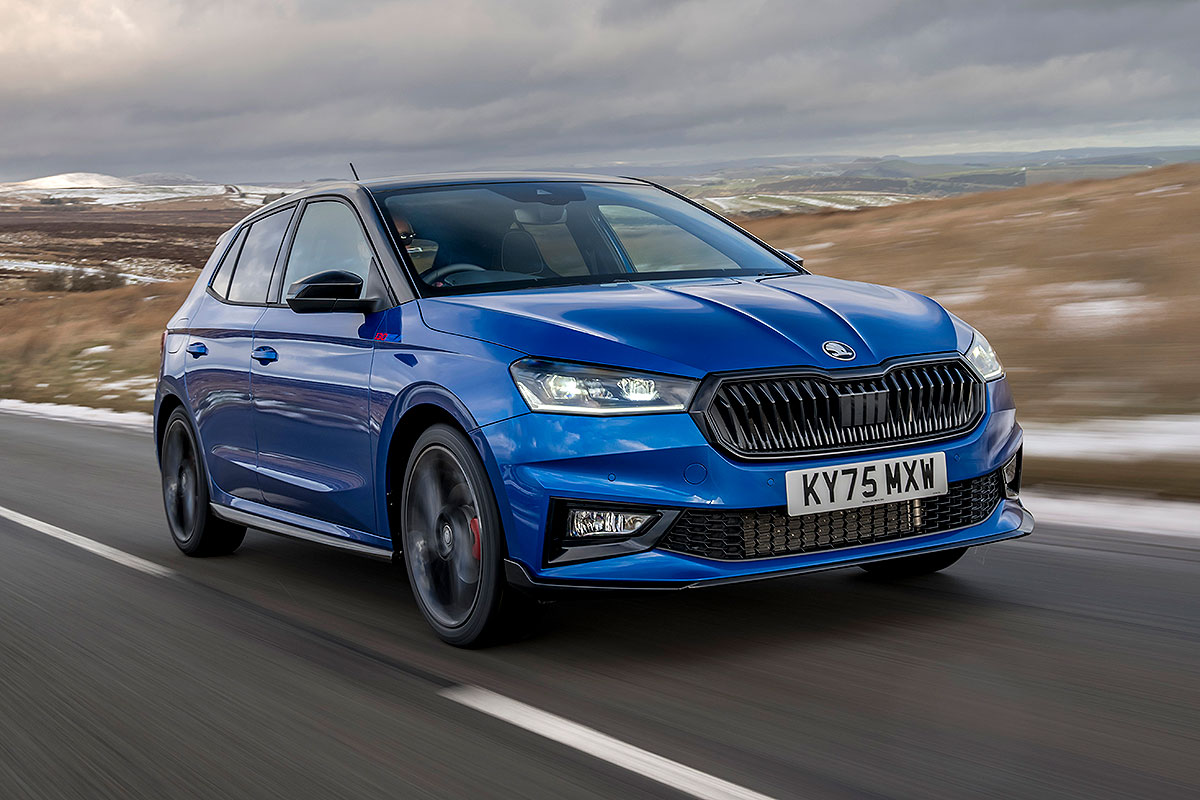
The Skoda Fabia has always been a bit of a dark horse in the supermini world, offering big-car space for small-car money. This latest version is no different, and its party piece is a frankly massive boot. At 380 litres, it’s not just big for a small car; it’s larger than what you’d find in a Ford Focus from the class above. This Tardis-like quality extends to the cabin, where generous legroom and headroom mean carrying adults in the back is a genuinely comfortable affair. It’s the kind of practicality that makes you question why you’d ever need a bigger car.
It’s not just a big box on wheels, either. The Fabia is a thoroughly pleasant and grown-up car to drive, with a quiet cabin and a ride that smooths out British B-roads with ease. The engine range, with power from 79bhp up to 148bhp, focuses on efficiency, with the popular 1.0-litre TSI petrol engine capable of returning over 56mpg. It all combines to make the Fabia a smart choice for anyone who needs maximum practicality without the associated running costs or parking headaches of a larger vehicle.
The CarGurus Verdict: "It's one of the roomiest and most practical cars of its type, with a boot big enough to shame many cars from the class above. That makes it a good budget option for growing families." - Ivan Aistrop, senior editor
Read our full Skoda Fabia review
CarGurus expert rating: 3 out of 5
CarGurus user rating: 4.5 out of 5
Percentage of good/great deals available on CarGurus: 35.3%
Overall CarGurus rating: 4.3 out of 5
| Pros |
Cons |
| High quality interior |
Not a cheap option |
| Impressive practicality |
A Ford Fiesta is more fun |
| Sophisticated driving experience |
GTI version isn’t very exciting to drive |
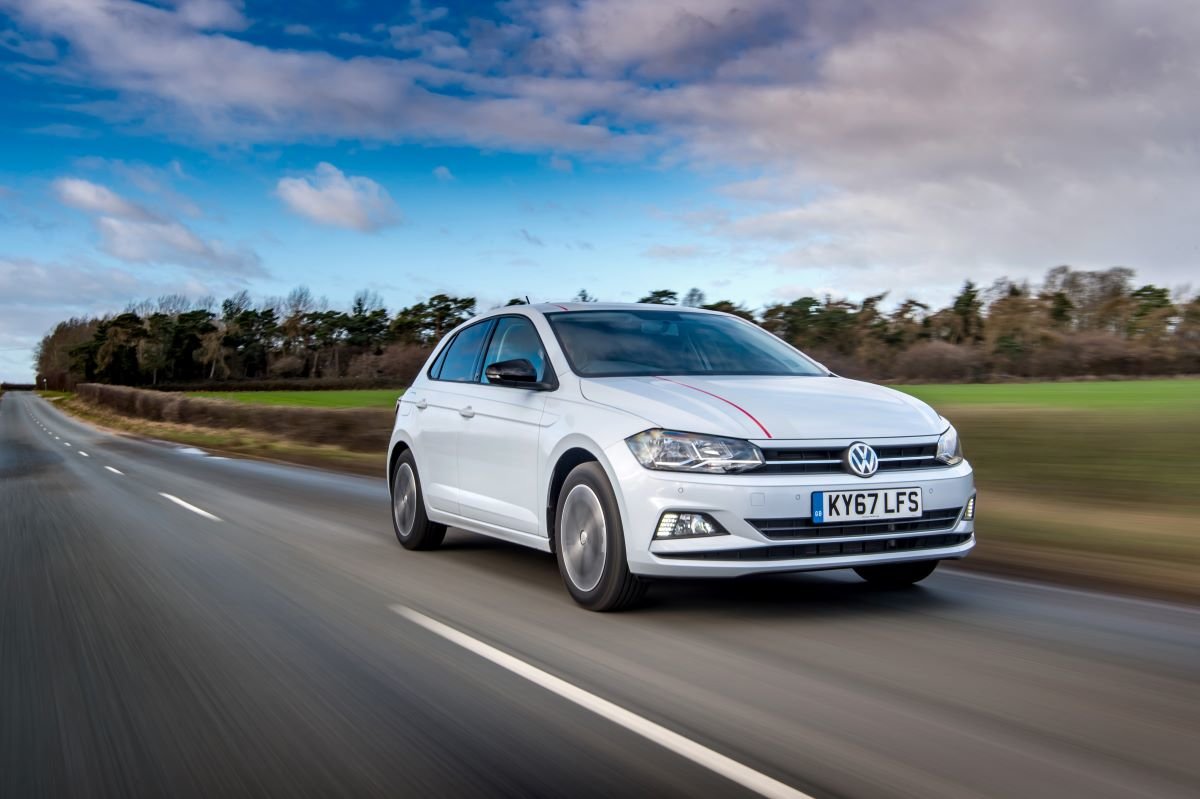
The Volkswagen Polo has long been a byword for quality in the supermini class, and this latest version adds impressive practicality to its list of talents. It might be a small car on the outside, but inside you'll find space for four adults to sit comfortably and one of the biggest boots in the class. At 350 litres, it offers more luggage room than many cars from the class above, though it's worth noting that the sportier GTI model has a slightly smaller boot. Still, for a small car, the standard Polo is a masterclass in packaging.
It’s not just about space, either. The Polo is a wonderfully civilised car to drive, with a smooth ride that soaks up bumps better than most rivals and excellent refinement that keeps wind and road noise to a minimum on the motorway. Most of the engines are smooth and quiet, with the 1.0-litre petrols offering a great blend of performance and efficiency, capable of more than 50mpg. It all adds up to a car that feels sophisticated and grown-up, making it an ideal choice for those who want a small car that can handle long journeys with ease.
The CarGurus Verdict: "There’s not a single area in which the standard car struggles, and with loads of passenger space and a big boot, it’s also one of the most practical superminis you can buy." - Ivan Aistrop, senior editor
Read our full Volkswagen Polo review
CarGurus expert rating: 3 out of 5
CarGurus user rating: 4.7 out of 5
Percentage of good/great deals available on CarGurus: 36.6%
Overall CarGurus rating: 4.3 out of 5
| Pros |
Cons |
| Stylish looks and chic image |
Rear seat space rather tight |
| Comfortable and easy to drive |
Infotainment could be better |
| Plenty of tech available |
Entry-level trim misses some kit |
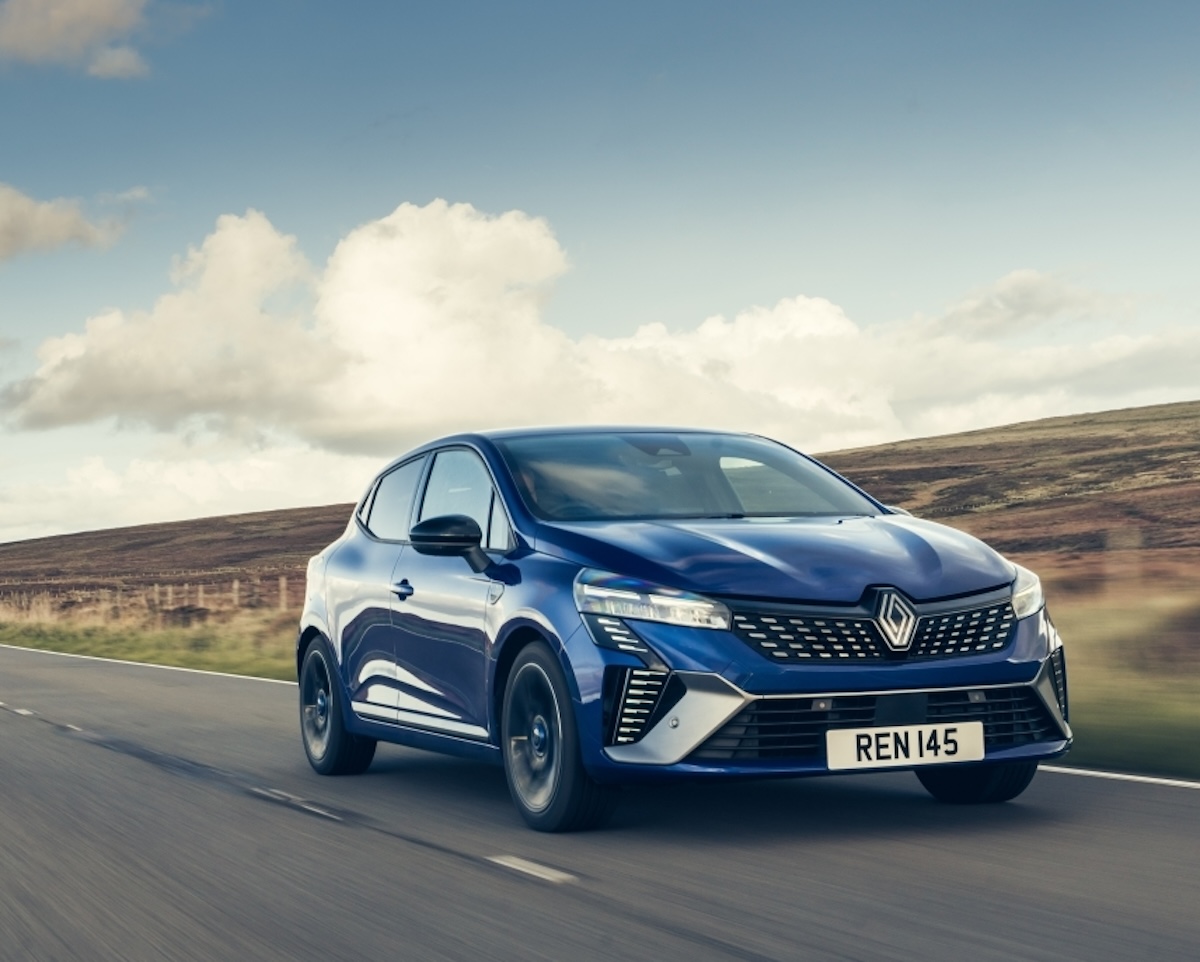
The Renault Clio has long been a stylish supermini, but its secret weapon is a surprisingly large boot. Opt for the TCe 90 petrol model, and you’re treated to a whopping 391 litres of space. That’s not just big for a small car; it’s more than you’ll find in many family hatchbacks from the class above, like the Volkswagen Golf. While there's a bit of a load lip to lift items over, it’s a small price to pay for such impressive capacity. It is worth noting, however, that choosing the E-Tech hybrid model reduces boot space to a still-competitive 301 litres to accommodate the battery.
Beyond its practical boot, the Clio feels impressively grown-up on the road. It delivers a composed and comfortable ride, making it a relaxing companion for both city streets and motorway miles. The 90 bhp 1.0-litre turbo petrol engine is a sweet and efficient choice, offering enough poke for everyday driving. Inside, the cabin is smartly designed and comes with a decent amount of tech as standard, including a 7.0-inch touchscreen with wireless Apple CarPlay and Android Auto, making it a well-rounded and appealing package.
The CarGurus Verdict: "The Renault Clio has always been a solid, sensible and stylish choice in the competitive supermini sector, and that doesn’t change with this latest iteration. It provides a grown-up driving experience and some economical engine choices." - Chris Knapman, editorial director
Read our full Renault Clio review
CarGurus expert rating: 3 out of 5
CarGurus user rating: 5.0 out of 5
Percentage of good/great deals available on CarGurus: 33.9%
Overall CarGurus rating: 4.2 out of 5
| Pros |
Cons |
| Outstanding value for money |
Seats lack support |
| Seven seats as standard |
Lots of engine and tyre noise |
| Willing engines |
Poor Euro NCAP safety rating |
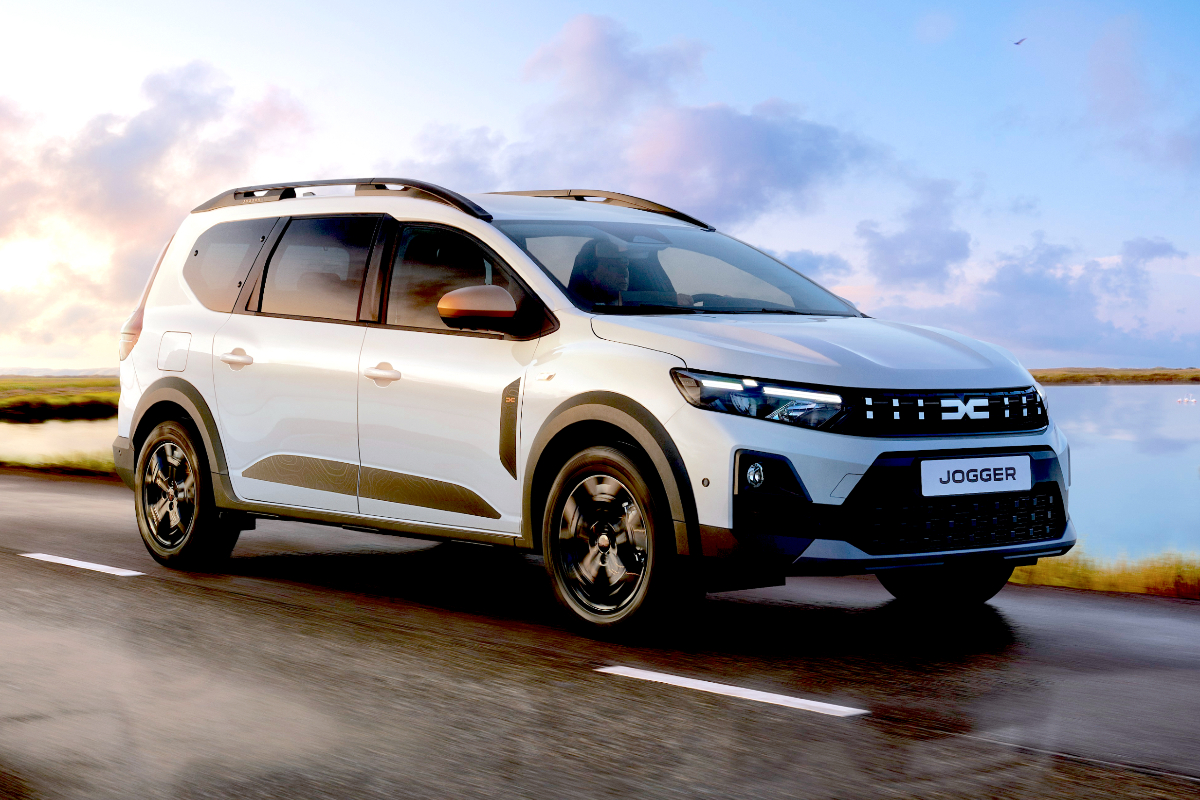
The Dacia Jogger is a bit of a magic trick on wheels. It’s based on the same underpinnings as the little Dacia Sandero supermini, yet it offers a boot that would make most big estate cars blush. While it’s a seven-seater as standard, if you treat it as a five-seater and remove the rearmost two seats (which are surprisingly light), you’re left with a gargantuan 820-litre boot. Fold the middle row down, and that expands to a van-like 2,085 litres. For a car with such a small footprint, that’s an incredible amount of space for flat-pack furniture, camping gear, or a whole pack of dogs.
You get a choice of two engines: a 1.0-litre turbocharged petrol with 108 bhp, or a more efficient 1.8-litre hybrid. The little petrol engine might sound small, but because the Jogger is so light, it provides perfectly adequate performance for town and motorway driving. The 153bhp hybrid is even better, offering smoother progress and the ability to run on electric power for short city trips. Its narrow body and light steering make it a doddle to park and navigate through tight streets, reinforcing its small-car credentials despite its massive interior.
The CarGurus Verdict: "The Jogger performs well in terms of practicality, engine performance, and running costs, making it a hit with families who thought a used seven-seater was their only option." - Ivan Aistrop, senior editor
Read our full Dacia Jogger review
CarGurus expert rating: 4 out of 5
CarGurus user rating: Insufficient user reviews
Percentage of good/great deals available on CarGurus: 40.2%
Overall CarGurus rating: 4.0 out of 5
| Pros |
Cons |
| Excellent ride quality |
Optional third-row seating is cramped |
| Smart dashboard design |
Engine can get noisy in petrol versions |
| Great value |
Not particularly involving to drive |
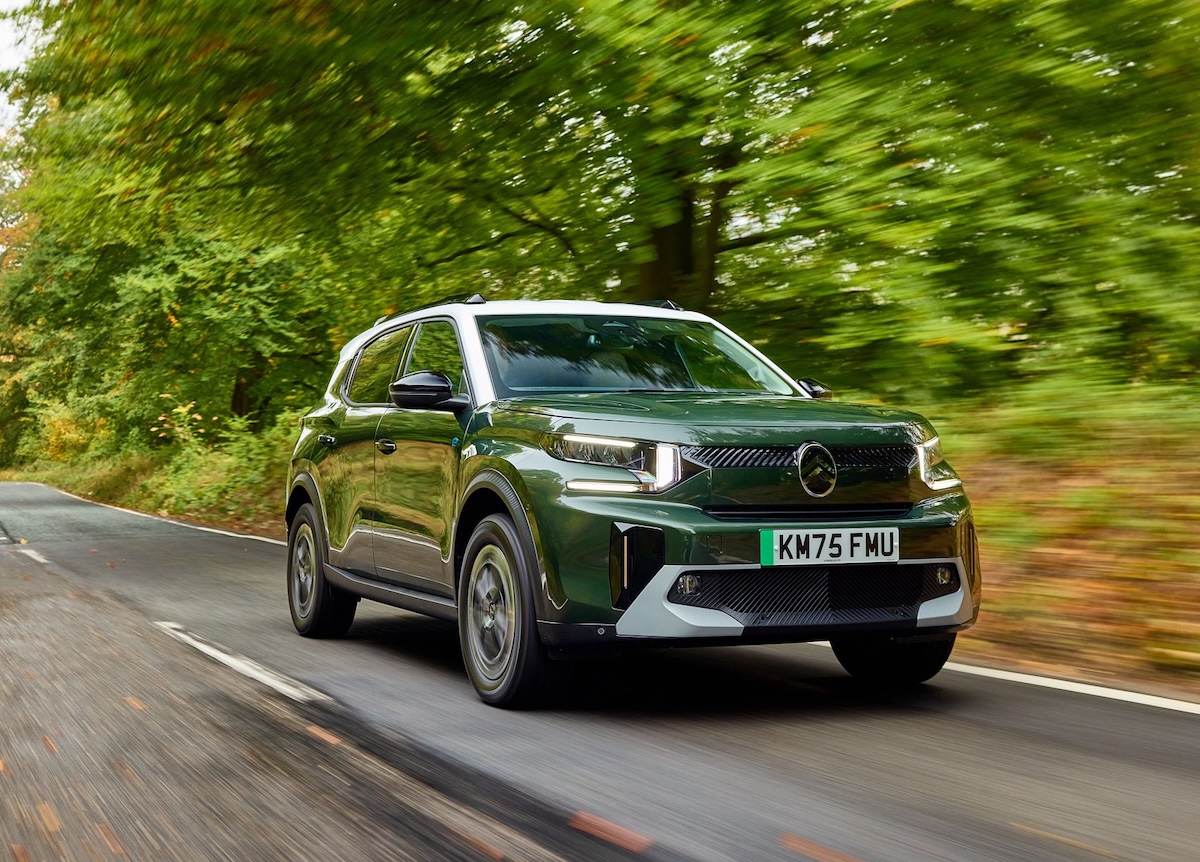
The Citroen C3 Aircross has grown up, and its biggest party trick is its boot. By stretching the tail end compared to the standard C3, Citroen has created a small SUV with a seriously practical load bay. In its standard five-seat configuration, you get a whopping 460 litres of space, which is more than you’ll find in rivals like the Volkswagen T-Roc. This makes it a fantastic choice for families who need to pack in pushchairs, shopping, and all the other paraphernalia of daily life. While a seven-seat option is available, it significantly compromises boot space and is best avoided if load-lugging is your priority.
On the road, the C3 Aircross continues its practical theme. You get a choice of a 99bhp 1.2-litre petrol engine or a slightly more powerful 143bhp mild-hybrid version, both of which are perfectly suited for town driving and school runs. There's also a 111bhp electric model for those looking to ditch petrol power altogether. Whichever you choose, the standout feature is Citroen’s clever suspension, which does a brilliant job of soaking up bumps and potholes. The result is a ride quality that feels like it belongs in a much more expensive car, making every journey a comfortable one.
The CarGurus Verdict: "But in five-seat form, the C3 Aircross is a brilliant small family car, offering a winning blend of practicality and comfort for a bargain price." - Alex Robbins, senior car reviewer
Read our full Citroen C3 Aircross review
Search for Citroen C3 Aircross
See all
CarGurus expert rating: 4 out of 5
CarGurus user rating: Insufficient user reviews
Percentage of good/great deals available on CarGurus: 33.8%
Overall CarGurus rating: 4.0 out of 5
| Pros |
Cons |
| Roomy inside, with a particularly big boot |
Boring to drive |
| Great value for money |
No electric or plug-in hybrid option |
| Comfortable ride |
Some of the interior plastics look a touch cheap |
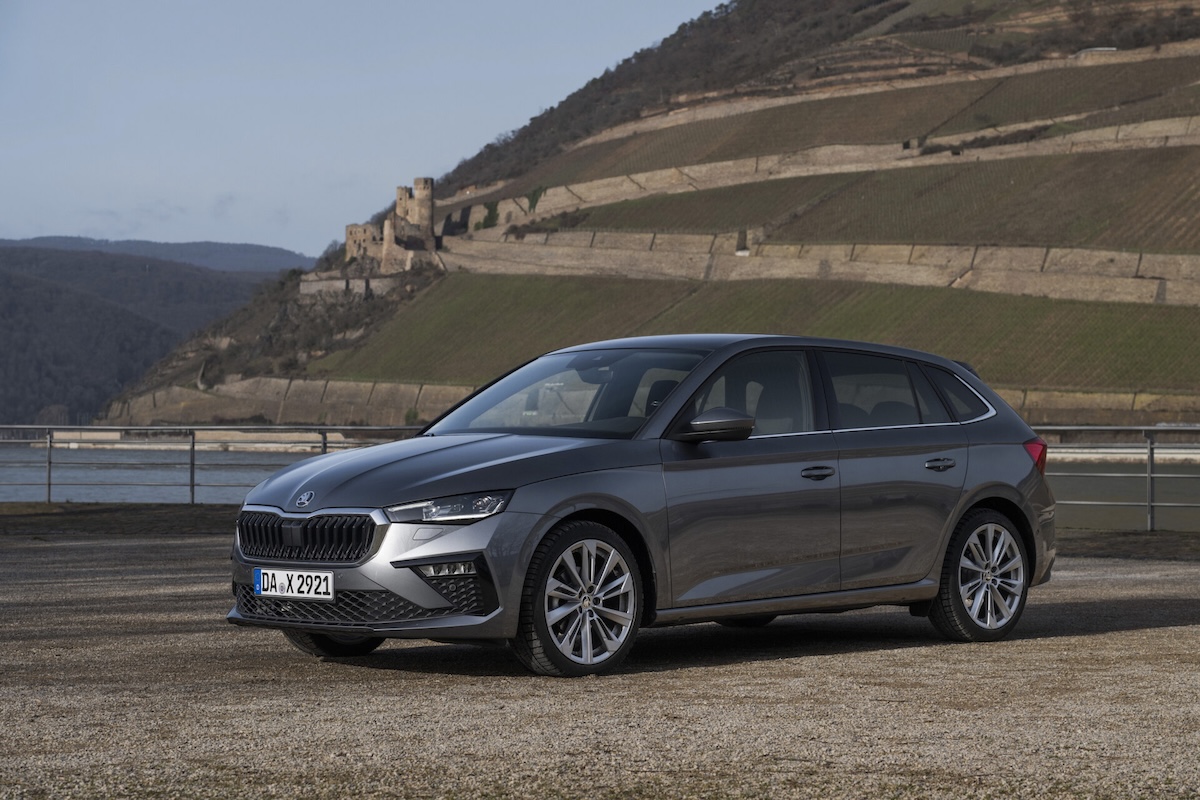
The Skoda Scala is a bit of a dark horse in the family hatchback class, but it has a killer feature for anyone needing a small car with a big boot: space. And lots of it. Pop the tailgate and you’re greeted by a 467-litre boot, a figure that puts key rivals like the Volkswagen Golf and Vauxhall Astra to shame. Fold the rear seats down and that expands to a cavernous 1,410 litres. It’s the kind of practicality you’d expect from a car in the class above, making it a seriously clever choice for families who need to haul buggies, shopping, and everything in between.
It’s not just a one-trick pony, either. That practicality extends to the cabin, where passengers in the back get some of the most generous legroom in the class. The engine line-up is simple and effective, with the 114bhp 1.0-litre petrol being a particular sweet spot, offering a great blend of performance and efficiency. While it might not be the most thrilling car to drive, the Scala is impressively comfortable, smoothing out British B-roads with ease. It’s a car that proves you don’t need a big SUV to get big practicality.
The CarGurus Verdict: "The Skoda Scala is one of the best small family cars you can buy. Space, practicality, and value are what this Czech hatchback are all about." - David Motton, contributor
Read our full Skoda Scala review
CarGurus expert rating: 4 out of 5
CarGurus user rating: Insufficient user reviews
Percentage of good/great deals available on CarGurus: 35.0%
Overall CarGurus rating: 4.0 out of 5
| Pros |
Cons |
| Easy to drive |
Many rival compact crossovers are cheaper to buy |
| Funky SUV styling |
VW's new-car warranty is no match for Kia or Hyundai |
| Practical cabin |
Disappointing interior quality on early examples |
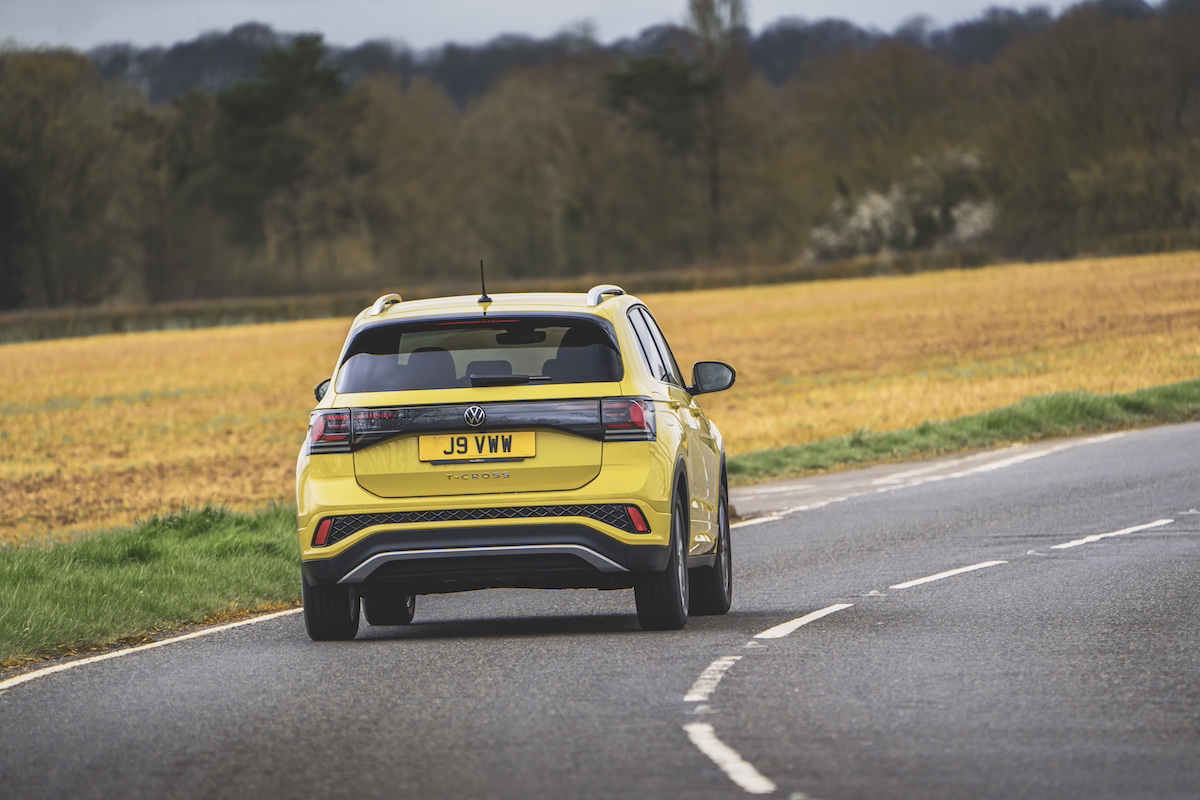
The Volkswagen T-Cross might look like just another small SUV, but it has a very clever trick up its sleeve. A sliding rear bench seat allows you to prioritise either rear legroom or boot space, making it incredibly versatile for a car of this size. With the seats pushed back, you get a respectable 385 litres of boot space, which is more than you’ll find in a VW Golf. Slide them forward, and this expands to a seriously impressive 455 litres, giving you plenty of room for luggage, shopping, or whatever else you need to carry.
Under the bonnet, the engine range is simple and effective. The entry-level 94bhp 1.0-litre petrol is perfectly adequate for town driving, but we’d recommend the more powerful version of the same engine, which offers a bit more punch for motorway journeys without any real penalty in fuel economy. For those who regularly travel with a full car, the 148bhp 1.5-litre petrol provides effortless performance. Whichever engine you choose, the T-Cross drives very nicely, with an absorbent ride that makes it one of the more comfortable cars in its class.
The CarGurus Verdict: "The Volkswagen T-Cross is one of the better cars in the small SUV class, a class that’s packed with talent. It has a really flexible and versatile cabin that makes it even more suitable for a small family." - Ivan Aistrop, senior editor
Read our full Volkswagen T-Cross review
Search for Volkswagen T-Cross
See all
FAQ
What is considered a big boot for a small car?
A typical supermini has around 290-300 litres of boot space. We'd say anything over 350 litres is very generous for a traditional small hatchback, while the best compact SUVs on this list offer well over 400 litres. Cars like the Skoda Scala (467 litres) and Dacia Jogger (an enormous 820 litres with the third row of seats removed) provide space that rivals cars from the class above.
Are small SUVs more practical than superminis?
Generally, yes. Small SUVs (or compact crossovers) like the Skoda Kamiq and Ford Puma are based on supermini platforms but have taller, boxier bodies. This usually translates to a larger boot, more headroom, and a more versatile cabin. However, some superminis, like the Seat Ibiza, offer surprisingly large boots that can compete with smaller SUVs.
Which small car on this list is the most fun to drive?
Ford has a reputation for making cars that are great fun to drive, and the Ford Puma is no exception. It combines its impressive practicality with sharp handling and responsive steering, making it a real highlight in the small SUV class for keen drivers.
Do I have to sacrifice fuel economy for a bigger boot?
Not at all. Many of the cars on this list use small, efficient turbocharged petrol engines, like the 1.0-litre units found in the Skoda Kamiq and Seat Ibiza, which offer excellent MPG. There are also hybrid options like the Dacia Jogger and all-electric versions like the Ford Puma Gen-E, proving that practicality doesn't have to come with high running costs.
Are there any seven-seat small cars?
Yes, but they are very rare. The Dacia Jogger is the standout car in this area, offering seven seats as standard in a car with a supermini-sized footprint. The new Citroen C3 Aircross also offers a seven-seat option, although the third row is best suited for occasional use by children.
What is the 'MegaBox' in the Ford Puma?
The MegaBox is a clever feature unique to the Ford Puma. It's an 80-litre waterproof storage compartment located under the main boot floor. It even has a drain plug, making it the perfect place to store muddy boots, wet wetsuits, or anything else you don't want mixing with your clean luggage in the main boot area.
What Makes CarGurus Best Cars Guides Different?
Most car buying websites publish lists of the best cars across a variety of categories, with recommendations generally driven by editorial expertise. Here's what makes our best cars guides different: we combine the insights and verdicts of our team of car-testing experts with other factors that we know matter to buyers - real owner experiences and current market value.
To that end, our expert reviewers come from some of the UK's most trusted automotive publications including What Car?, The Telegraph, Auto Trader, Electrifying.com, and Carbuyer. They put each car through real-world testing, and create detailed reviews noting performance in a range of categories, from practicality and driving manners, to running costs and reliability.
But we don't stop there when it comes to creating our best cars guides; we also analyse hundreds of thousands of used car listings on CarGurus UK to track which models consistently offer the highest percentage of best deals relative to how many are listed for sale. Then we factor in user reviews and ratings gathered on CarGurus to get feedback from people who actually live with these cars every day. Our best cars algorithm then creates a final Overall CarGurus rating that combines expert ratings, user reviews, and the percentage of listings on CarGurus UK rated as good or great deals. This three-way approach reveals not just which cars excel on paper, but which ones deliver satisfaction and value when you're ready to buy.
The CarGurus UK market data in this guide was last updated in June 2026. Values were accurate at time of publication and should be used as a guide only.
Related Topics:
 CarGurus expert rating: 5 out of 5
CarGurus user rating: 5.0 out of 5
Percentage of good/great deals available on CarGurus: 36.1%
Overall CarGurus rating: 4.6 out of 5
CarGurus expert rating: 5 out of 5
CarGurus user rating: 5.0 out of 5
Percentage of good/great deals available on CarGurus: 36.1%
Overall CarGurus rating: 4.6 out of 5