While it’s true that diesel has fallen out of favour for many, and manufacturers are shifting their focus to petrol, hybrid, and electric cars, there’s still a place for a good old-fashioned diesel. If you’re a high-mileage driver who spends a lot of time on the motorway, nothing quite beats the blend of effortless, long-legged performance and wallet-friendly fuel economy that a modern diesel engine offers.
The trouble is, finding a good one is getting harder. With fewer new models being launched with a diesel option, the choice is shrinking. But don't despair; there are still some good small diesel cars out there on the new and used markets that are perfectly suited to munching through the miles. From premium hatchbacks to stylish SUVs, we’ve crunched the numbers to find the best small diesels that prove there's life left in the oil-burner yet.
About this guide
The cars in this guide have been selected to represent the best options currently available. Our recommendations are the result of a unique three-part scoring system that takes into account real-world tests from our team of expert reviewers, ratings from real-life owners who live with these cars every day, and an analysis of market data from CarGurus UK to identify which models offer the highest percentage of good and great deals. This combined approach ensures our list highlights cars that are not only great to own but also good value to buy. For more information, scroll to the bottom of this page.
The Best Small Diesel Cars 2026
- 2026 Seat Leon
- 2026 Volkswagen Golf
- 2017-2025 Volkswagen T-Roc
- 2026 Audi Q3
- 2019- Peugeot 208
- 2026 Mercedes-Benz A-Class
- 2026 Peugeot 308
- 2019- Peugeot 2008
- 2026 Audi A3
- 2015-2021 BMW X1
CarGurus expert rating: 4 out of 5
CarGurus user rating: 5.0 out of 5
Percentage of good/great deals available on CarGurus: 38.7%
Overall CarGurus rating: 4.5 out of 5
| Pros |
Cons |
| Blends a sporty driving experience with a comfortable ride |
Can't quite match its Audi or Golf cousins for interior quality |
| Plenty of space for people and luggage |
Reputation for reliability merely average |
| Fuel-efficient engines |
Bare-minimum warranty arrangement |
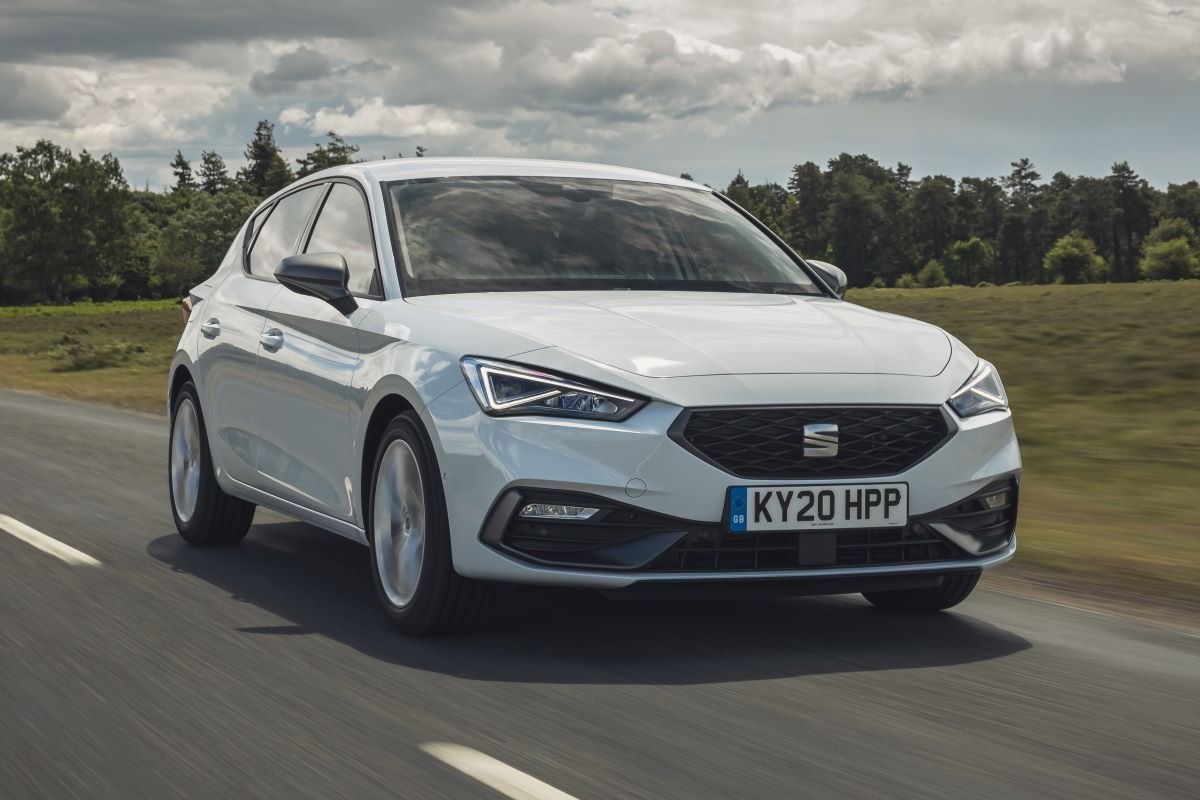
The Seat Leon has always been the sporty, stylish cousin to the Volkswagen Golf, and this latest version is no different. If you’re one of the many drivers still pounding the motorways, the 2.0-litre diesel is the one to have, promising an impressive official fuel economy figure of 60.8mpg. The good news? This frugality doesn't mean it’s dull. The Leon’s firmer suspension delivers a sharp and engaging drive that’s genuinely fun on a twisty road. It’s practical enough for a small car, too, with a 380-litre boot and enough rear legroom that your passengers won’t complain.
Sure, the Leon’s cabin might not have the plush, soft-touch plastics of an Audi A3, but it’s solidly screwed together and you get plenty of kit for your money, including a big touchscreen as standard. It’s this smart blend of style, low running costs, and an enjoyable drive that makes the diesel Leon such a clever choice.
The CarGurus Verdict: "With the same mechanical bits and bobs as brilliant cars like the Audi A3 and Volkswagen Golf, the Seat Leon is off to a pretty good start in life. And sure enough, it shares many of the same dynamic attributes, with perky-yet-efficient engines, and an enjoyable-yet-comfortable driving experience." - Ivan Aistrop, senior editor
Read our full Seat Leon review
CarGurus expert rating: 4 out of 5
CarGurus user rating: 4.7 out of 5
Percentage of good/great deals available on CarGurus: 37.3%
Overall CarGurus rating: 4.5 out of 5
| Pros |
Cons |
| Desirable image |
Fiddly infotainment system |
| Great to drive |
Rivals offer more interior space |
| Comfortable ride |
Not significantly better than a Mk7 Golf |
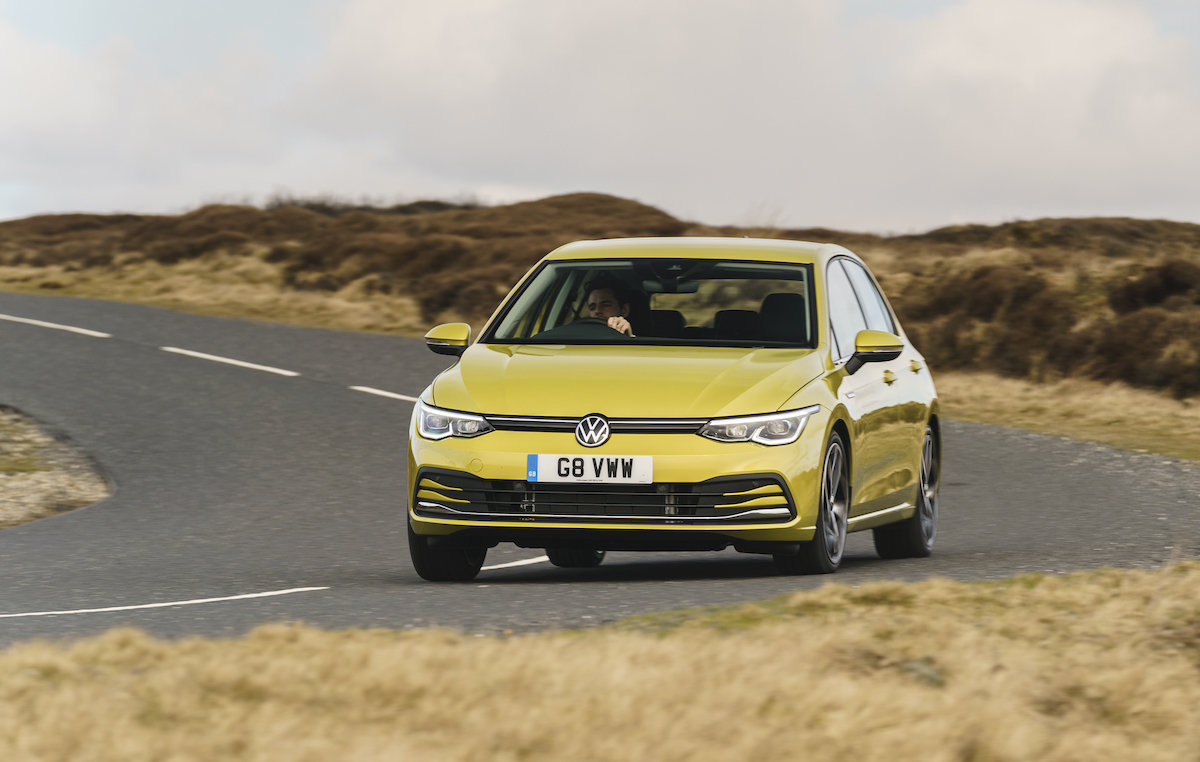
A diesel Volkswagen Golf was once not far off being the default choice for family hatchback buyers. While that dynamic has shifted, a diesel Golf is still a great car. The current Mk8 Golf comes with the option of a 2.0-litre turbodiesel with 113bhp or a punchier 148bhp. Both are impressively efficient, with official figures suggesting you could see more than 60mpg on a long run. This superb fuel economy, combined with the Golf’s refined and comfortable ride, makes it an ideal companion for motorway cruising, eating up the miles with quiet composure.
Practicality is another Golf strong suit. The standard hatchback provides a 381-litre boot, which is competitive for the class and plenty for the weekly shop or a weekend away. For those needing to haul more, the Golf Estate is the answer, boosting luggage capacity to a cavernous 611 litres. Inside, the cabin feels modern and upmarket, dominated by a pair of digital screens that handle infotainment and driver information. While it looks slick, some drivers may find the reliance on touch-sensitive sliders for things like the heating controls a bit fiddly to use on the move compared to traditional buttons.
The CarGurus Verdict: "When all’s said and done, the Golf is still one of the best family hatchbacks you can buy. The difference is that rivals are much closer than they once were." - Chris Knapman, editorial director
Read our full Volkswagen Golf review
CarGurus expert rating: 4 out of 5
CarGurus user rating: 4.6 out of 5
Percentage of good/great deals available on CarGurus: 40.3%
Overall CarGurus rating: 4.5 out of 5
| Pros |
Cons |
| Roomy boot on front-wheel-drive models |
Lacklustre interior quality on pre-facelift cars |
| Comfortable ride |
Rear seats lack flexibility |
| Engaging handling |
Reduced boot space in 4Motion models |
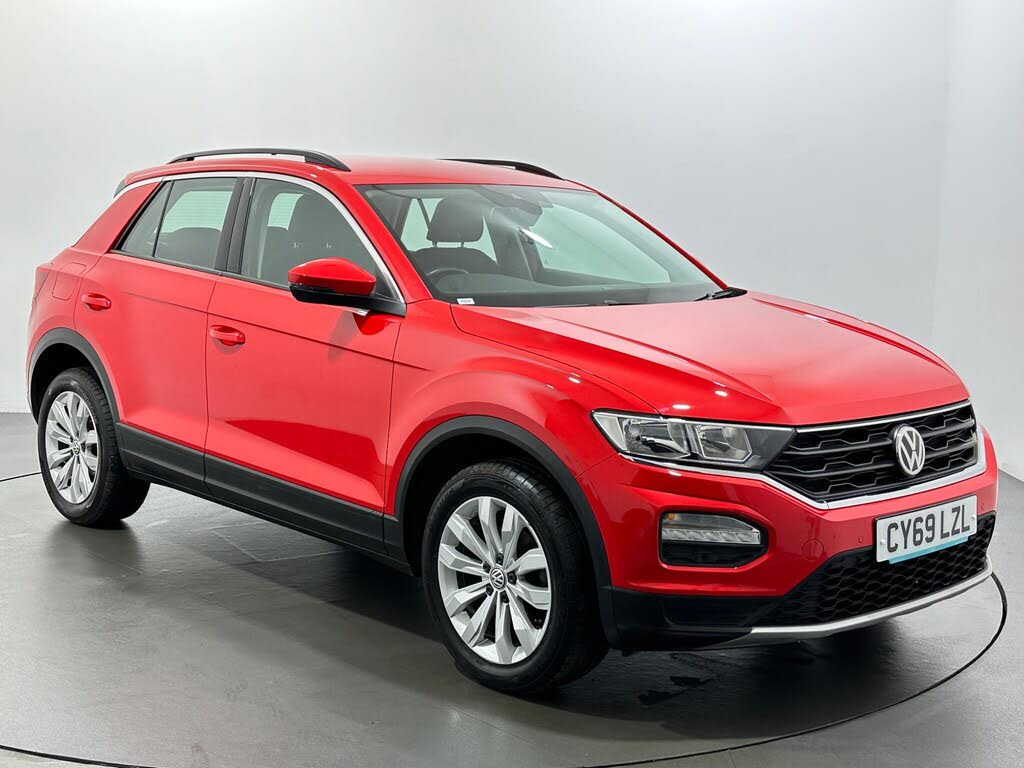
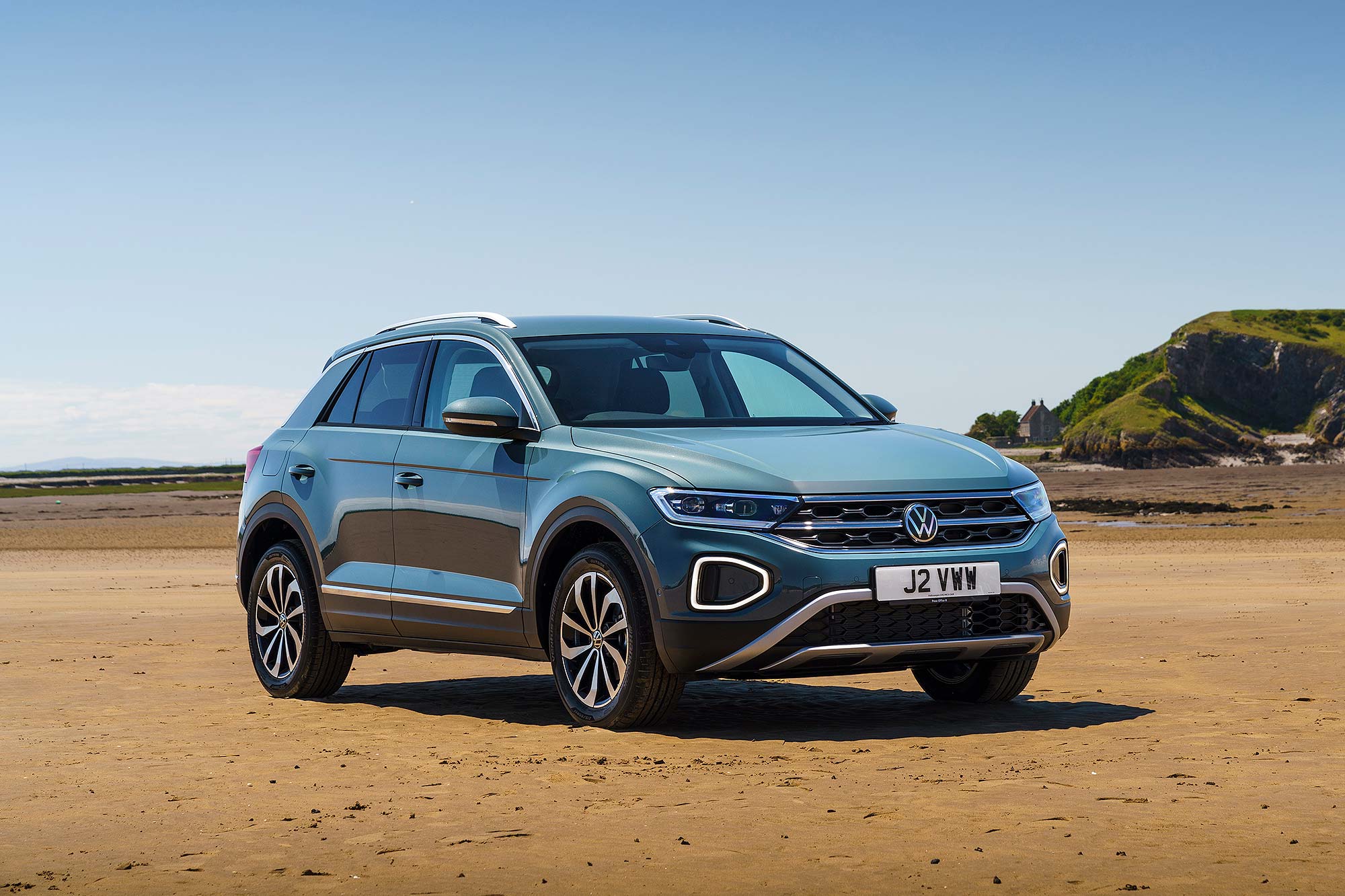
For high-mileage drivers, the outgoing diesel-engined T-Roc makes a very sensible buy. The entry-level 113bhp 1.6-litre TDI returns up to 54.3mpg, though its performance is best described as pedestrian. For a bit more punch without a huge fuel penalty, the 148bhp 2.0-litre TDI is the one to go for; it offers much stronger performance and still manages a very respectable 53.3mpg. While the TDI engines are a little noisier than their petrol counterparts, their impressive real-world economy of around 50mpg makes them ideal for munching through motorway miles.
Beyond the engine, the T-Roc’s comfortable ride makes it a great companion for the long journeys diesel drivers often undertake. It soaks up uneven road surfaces well, and the roomy cabin and well-judged driving position mean you’ll arrive at your destination feeling fresh. Practicality is strong, too, with a 445-litre boot in front-wheel-drive models, which is more than you get in a VW Golf. It’s worth noting that if you opt for a 4Motion all-wheel-drive diesel model, the boot space does shrink to 392 litres.
The CarGurus Verdict: "The Volkswagen T-Roc is one of the most solid small SUVs you can buy. Its cabin is roomy, its ride is comfortable and all trim levels are reasonably well equipped." - David Motton, contributor
Read our full Volkswagen T-Roc review
CarGurus expert rating: 4 out of 5
CarGurus user rating: 4.3 out of 5
Percentage of good/great deals available on CarGurus: 37.7%
Overall CarGurus rating: 4.4 out of 5
| Pros |
Cons |
| Impressive touchscreen system |
Small boot in PHEV model |
| Generous standard equipment |
A BMW X1 is more fun to drive |
| Impressive EV range from plug-in hybrid version |
Doesn't significantly move the game on from its predecessor |
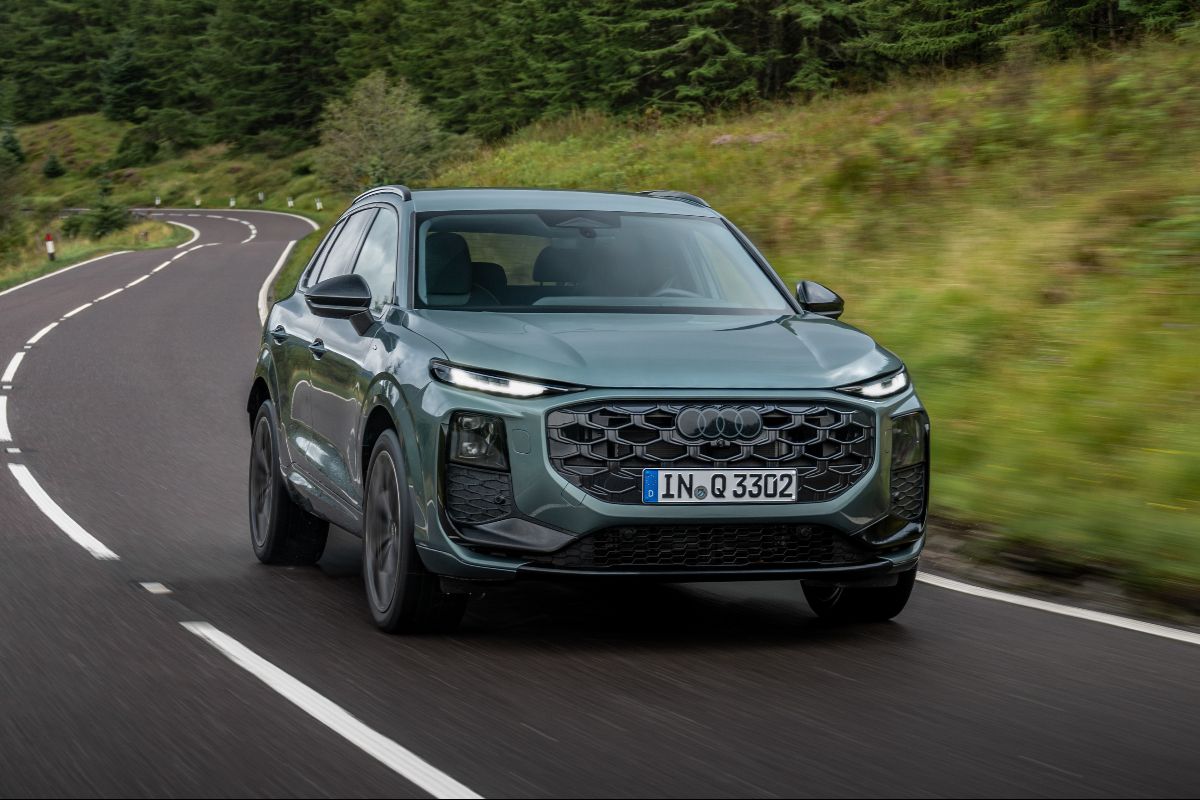
While many small SUV rivals have ditched the black pump, Audi continues to offer a 148bhp 2.0-litre TDI diesel engine in its premium compact SUV. It’s a move that will surely appeal to high-mileage drivers who still value the effortless torque and impressive fuel economy that a modern diesel provides. It’s a good, hearty engine that delivers torquey response without too much noise, proving there's still a lot to be said for diesel power in the right car.
Choosing the diesel Q3 instead of the plug-in hybrid model also means you get the full benefit of its practicality. The boot offers a useful 488 to 575 litres of space, depending on where you’ve positioned the standard-fit sliding rear seats. That’s a big advantage over the PHEV, which sacrifices a significant chunk of luggage room (and the sliding seats) to its battery pack, leaving you with just 350 litres.
The CarGurus Verdict: "The Audi Q3 is perfectly recommendable, with a good range of engines and a reasonably spacious and practical interior. However, it's worth noting that rivals from less premium brands offer similar virtues for less money." - Vicky Parrott, contributing editor
Read our full Audi Q3 review
CarGurus expert rating: 3 out of 5
CarGurus user rating: 5.0 out of 5
Percentage of good/great deals available on CarGurus: 44.1%
Overall CarGurus rating: 4.4 out of 5
| Pros |
Cons |
| Sharp and stylish looks |
Not as much fun as a Ford Fiesta |
| Comfortable and quiet |
Only scored four out of five in Euro NCAP tests |
| Impressive battery-electric version |
Quite pricey as a new car |
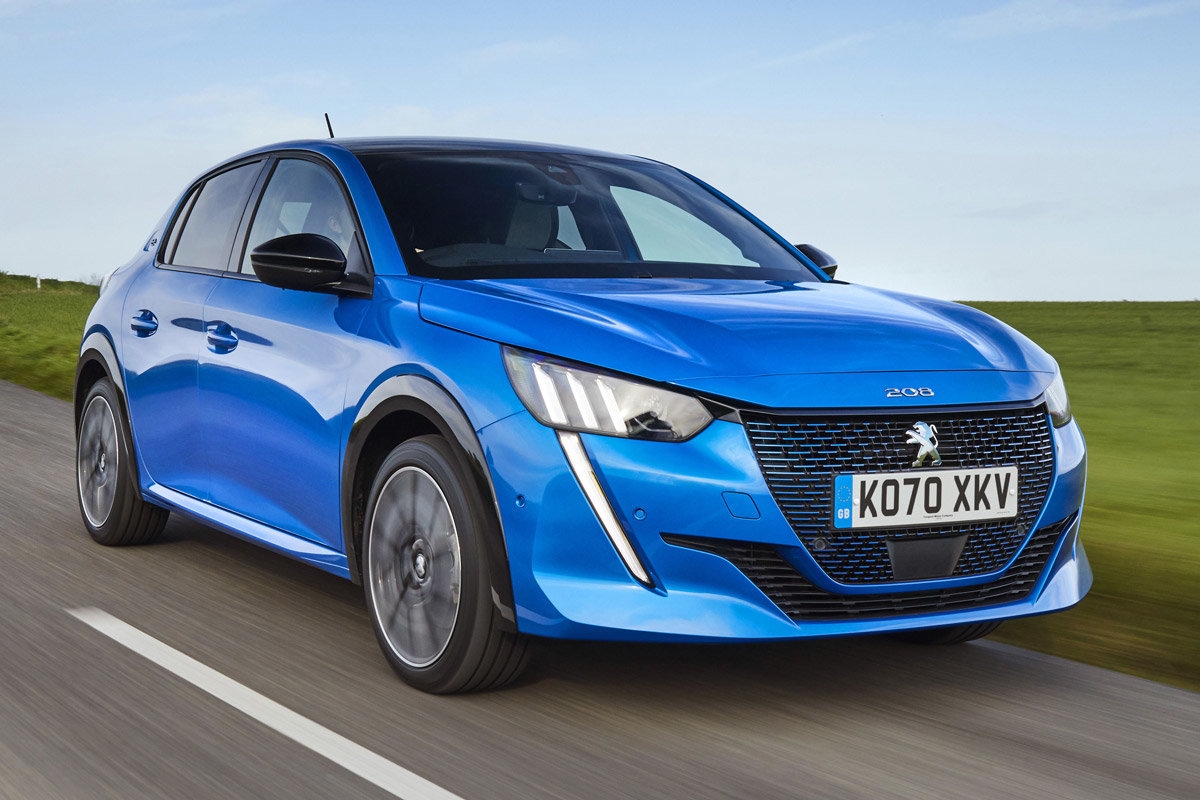
A used Peugeot 208 can be a seriously sensible choice for high-mileage drivers, thanks to its 1.5-litre BlueHDi diesel engine. This unit is the most frugal of the conventionally powered options, making it a perfect companion for those who spend a lot of time on the motorway. While it's a supermini, its impressive refinement makes it feel like a larger car on long journeys, so you won't feel tired or frazzled when you arrive. The boot offers a reasonable 311 litres of space, which is on par for the class and sufficient for weekly shops or a weekend away.
It’s inside where the 208 really stands out from the supermini crowd. The cabin features Peugeot’s distinctive i-Cockpit design with a small steering wheel and a high-set digital instrument display, giving it a genuinely modern and upmarket feel. Allure models and above benefit from a funky 3D-effect display that adds to the high-tech ambience.
The CarGurus Verdict: "The looks alone of the 208 are liable to firmly grab your attention – and, fortunately, the rest of the car is similarly impressive. It’s a little more mature and refined than some of the alternatives, making it a comfortable and decent car to drive." - Lewis Kingston, contributor
Read our full Peugeot 208 review
CarGurus expert rating: 4 out of 5
CarGurus user rating: 4.5 out of 5
Percentage of good/great deals available on CarGurus: 41.0%
Overall CarGurus rating: 4.4 out of 5
| Pros |
Cons |
| Cutting-edge technology and infotainment |
A premium product inevitably comes with a premium price tag |
| Plug-in hybrid promises low company car tax bills |
In general, a Mercedes is not as reliable as a Lexus |
| AMG hot hatches combine class and excitement |
Narrow boot opening compared with the best in class |
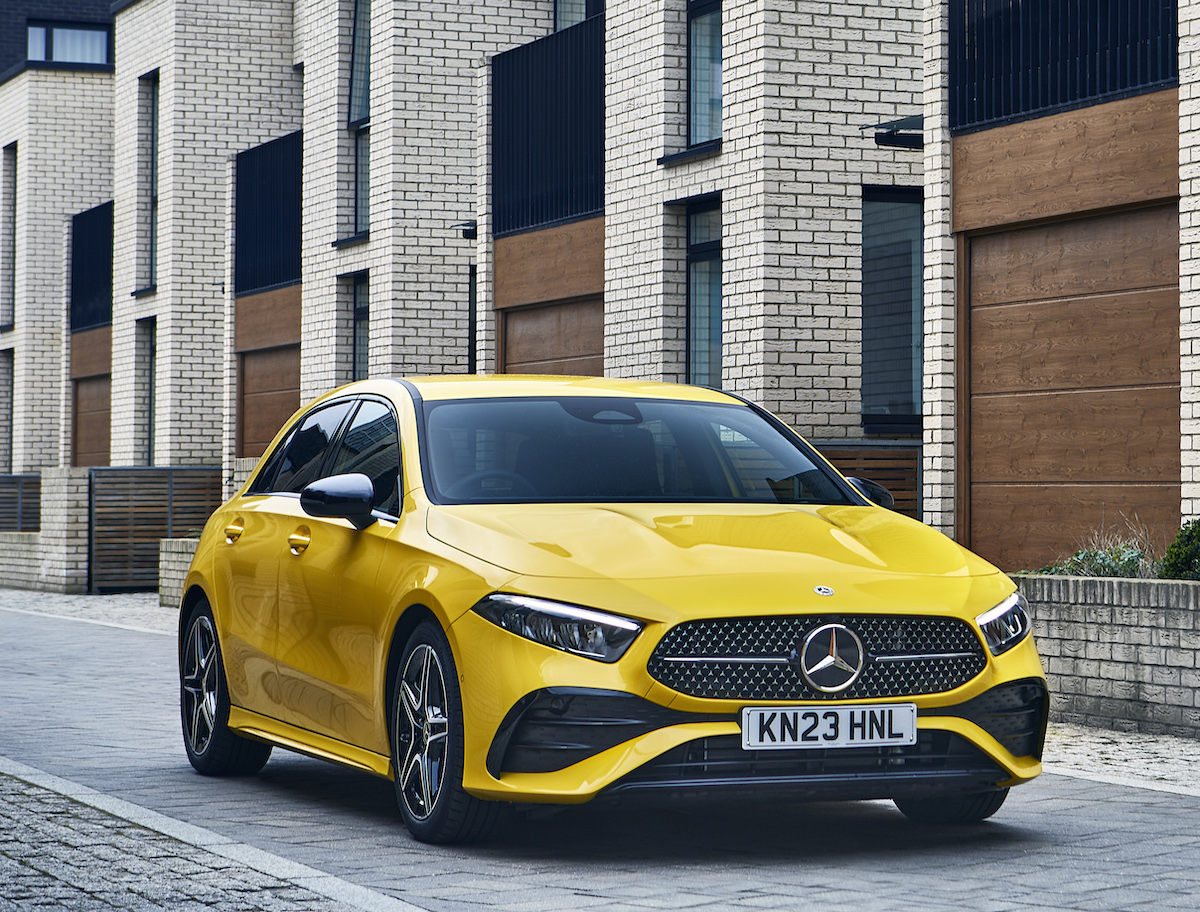
Mercedes and diesel go together like toast and peanut butter, and so it's no surprise that you can still pick up its smallest hatchback as a diesel. Badged as the A200d, it produces 148bhp for strong performance, as well as an official average of 57mpg. It marries this with a genuinely premium-feeling interior, dominated by a slick-looking widescreen infotainment system and high quality materials.
While it excels on the motorway, being a quiet and comfortable cruiser, the A-Class isn't the most practical small car. The hatchback's 355-litre boot is a bit smaller than you'll find in an Audi A3 or BMW 1 Series, which is worth bearing in mind if you regularly need to carry bulky items. The four-door saloon model does offer a bit more space with a 405-litre boot, but the opening is less practical than a hatchback's. Still, for many, the combination of that three-pointed star on the grille, impressive fuel economy from the diesel engine, and a high-tech cabin will be more than enough to seal the deal.
The CarGurus Verdict: "The fourth generation of Mercedes A-Class is its best yet, a stylish and well-made hatchback (and saloon), with some cutting-edge technology and a genuinely luxurious interior." - Chris Knapman, editorial director
Read our full Mercedes-Benz A-Class review
Search for Mercedes-Benz A-Class
See all
CarGurus expert rating: 3 out of 5
CarGurus user rating: 4.9 out of 5
Percentage of good/great deals available on CarGurus: 51.9%
Overall CarGurus rating: 4.4 out of 5
| Pros |
Cons |
| Hi-tech interior |
Rivals offer better practicality |
| Wide engine range |
Quirky driving position won't suit everybody |
| Cost-effective to run |
Choppy low speed ride |
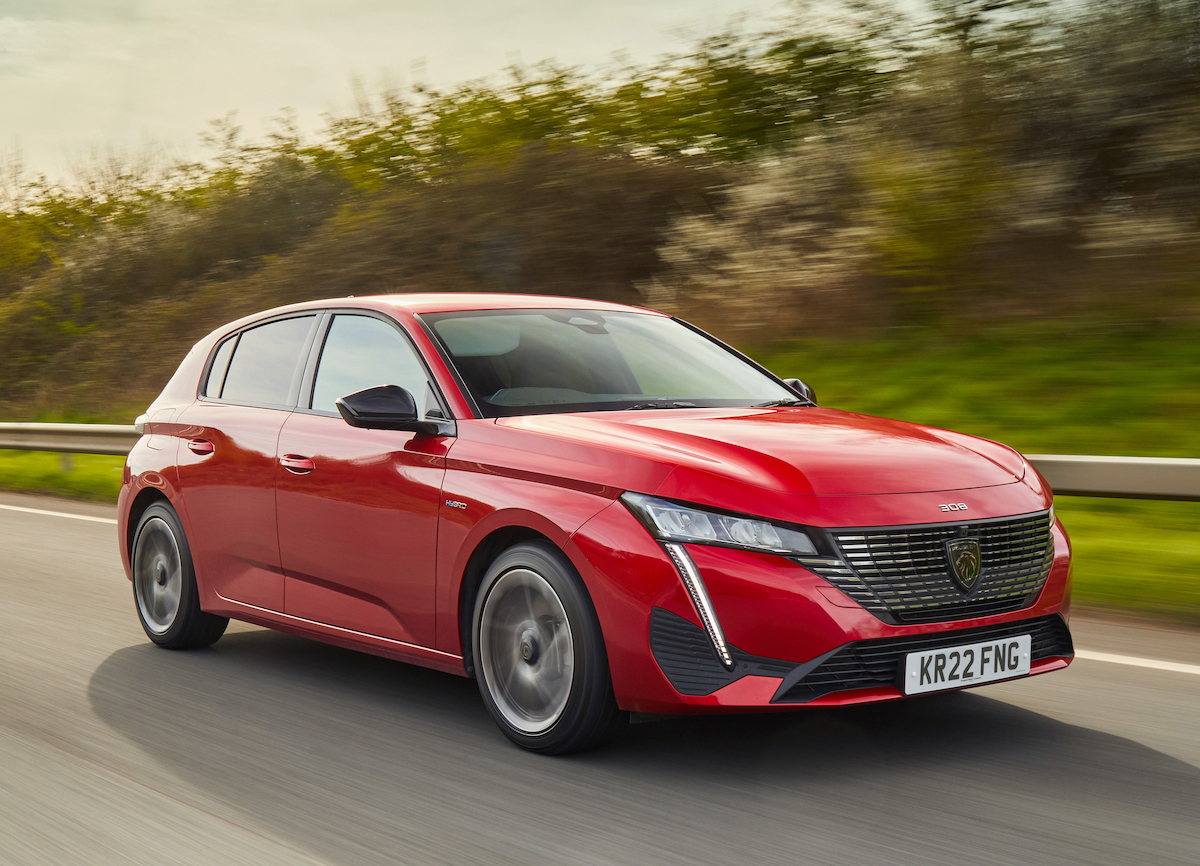
The Peugeot 308 stands out in the family hatchback class thanks to its bold styling. For those covering high mileage, the 1.5-litre diesel engine is the one to go for. It’s a pleasantly torquey and responsive unit that delivers decent refinement, making it a great companion for long motorway stints. It’s also impressively frugal, with official figures suggesting up to 65mpg is possible, and real-world economy of over 50mpg easily achievable. That means fewer stops at the pump and more money in your pocket, all while enjoying the 308’s sharp looks and upmarket cabin feel.
Inside, the 308 impresses with its plush, modern interior, dominated by a 10-inch touchscreen and Peugeot’s signature i-Cockpit with its small steering wheel. It’s a layout that won’t suit everyone, so a test drive is a must. Practicality is decent, with the hatchback offering a 412-litre boot, which is competitive for the class. However, if you need to carry more, the handsome 308 SW estate is the real star, boosting boot space to a massive 660 litres. While it’s generally a comfortable car, the ride can feel a little choppy on broken town roads.
The CarGurus Verdict: "The Peugeot 308 offers an appealing blend of common sense and desirability. It’s great to look at, pleasant to drive, feels plush and hi-tech to sit in, yet comes with reasonable purchase and running costs." - Chris Knapman, editorial director
Read our full Peugeot 308 review
CarGurus expert rating: 3 out of 5
CarGurus user rating: 5.0 out of 5
Percentage of good/great deals available on CarGurus: 42.6%
Overall CarGurus rating: 4.3 out of 5
| Pros |
Cons |
| Very comfortable ride |
Not cheap to buy |
| Well finished cabin |
Fiddly infotainment system |
| Excellent electric version |
Rear seats don't slide |
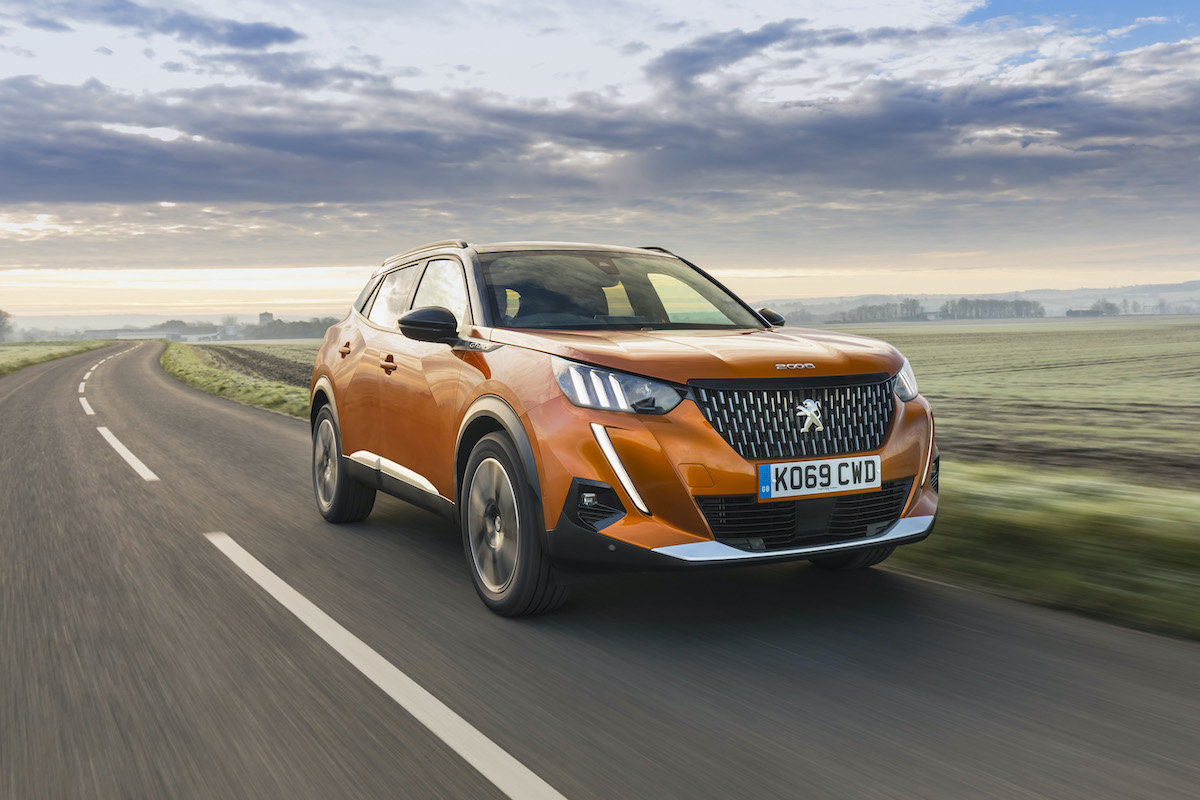
The Peugeot 2008 is a real head-turner in the small SUV class, bringing a dose of French flair with its sharp styling and upmarket interior. Inside, you’re greeted by Peugeot’s ‘i-Cockpit’ layout, with its small steering wheel and a high-set digital dials, which feels genuinely futuristic. It’s not just about looks, though; it’s a practical choice for small families, with enough rear-seat space for the kids and a decent 434-litre boot that’s cleverly designed with a multi-level floor. It’s a car that successfully blends style with everyday usability.
For those covering higher mileages, the 1.5-litre BlueHDi diesel engine is a gem. It’s a surprisingly smooth and muscular performer, making light work of motorway journeys and A-road overtakes. More importantly for a small diesel, it’s impressively frugal, with drivers able to expect around 50-55 mpg in normal use. This efficiency doesn’t come at the expense of driver enjoyment, either. The 2008 handles neatly, feels eager to turn into corners, and offers a comfortable ride that soaks up most bumps, making it a composed and relaxing car to drive.
The CarGurus Verdict: "The 2008 is one of the better small SUV offerings, with plenty of all-round talent and lots of smart design." - Alex Robbins, senior car reviewer
Read our full Peugeot 2008 review
CarGurus expert rating: 3 out of 5
CarGurus user rating: 4.8 out of 5
Percentage of good/great deals available on CarGurus: 39.6%
Overall CarGurus rating: 4.2 out of 5
| Pros |
Cons |
| Lots of luxury and safety kit |
Expensive for a car of this size |
| Very good to drive |
Not as well finished as some rivals |
| Practical enough for a small family |
There's a firm edge to the ride |
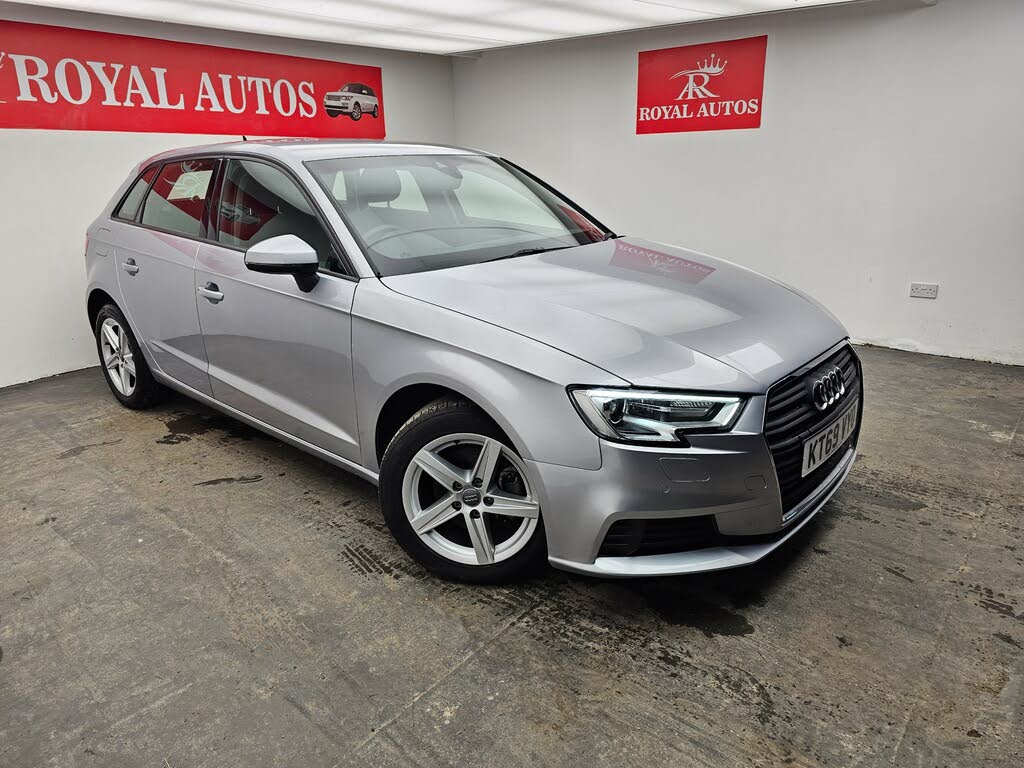
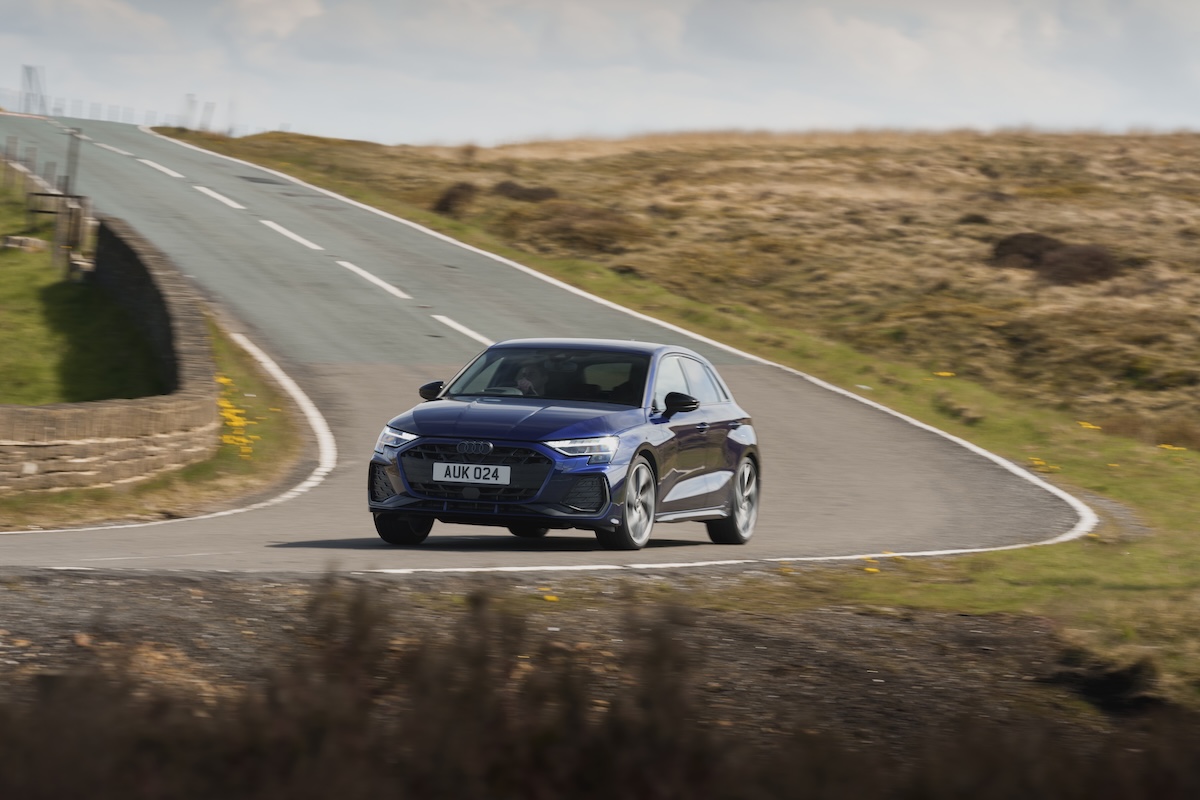
The Audi A3 has long been a go-to choice for a premium hatchback, and the diesel versions are particularly compelling for high-mileage drivers. The turbocharged diesel engines are impressively refined and efficient, making them perfect for motorway cruising. The 148bhp TDI 150 model, for example, can achieve an official fuel economy figure approaching 56mpg. This blend of premium badge appeal and low running costs makes the A3 a smart choice for those wanting to minimise trips to the pump without compromising on quality.
Beyond its frugal engine, the A3 delivers as a practical small car. It offers a well-shaped 380-litre boot (the same as a Seat Leon or VW Golf), and the interior is packed with the latest technology, including a standard digital driver's display and a large touchscreen. While it's a comfortable car for long journeys, it also feels nimble and responsive to drive, with strong grip and tight body control. This makes it an accomplished all-rounder, equally at home on a twisty B-road as it is on the M25.
The CarGurus Verdict: "The A3 is still a very competitive car in the prestige hatchback class, with the style, technology and practicality to match its rivals." - Ivan Aistrop, senior editor
Read our full Audi A3 review
CarGurus expert rating: 3 out of 5
CarGurus user rating: 4.5 out of 5
Percentage of good/great deals available on CarGurus: 39.2%
Overall CarGurus rating: 4.2 out of 5
| Pros |
Cons |
| Handles more like a sports saloon than an SUV |
Not as quiet and refined as an Audi Q3 |
| Roomy cabin makes the X1 practical enough for a family |
The ride is quite firm, especially if you go for an M Sport model |
| Plug-in hybrid delivers low company car tax bills |
Pick the hybrid, and there's less space for luggage |
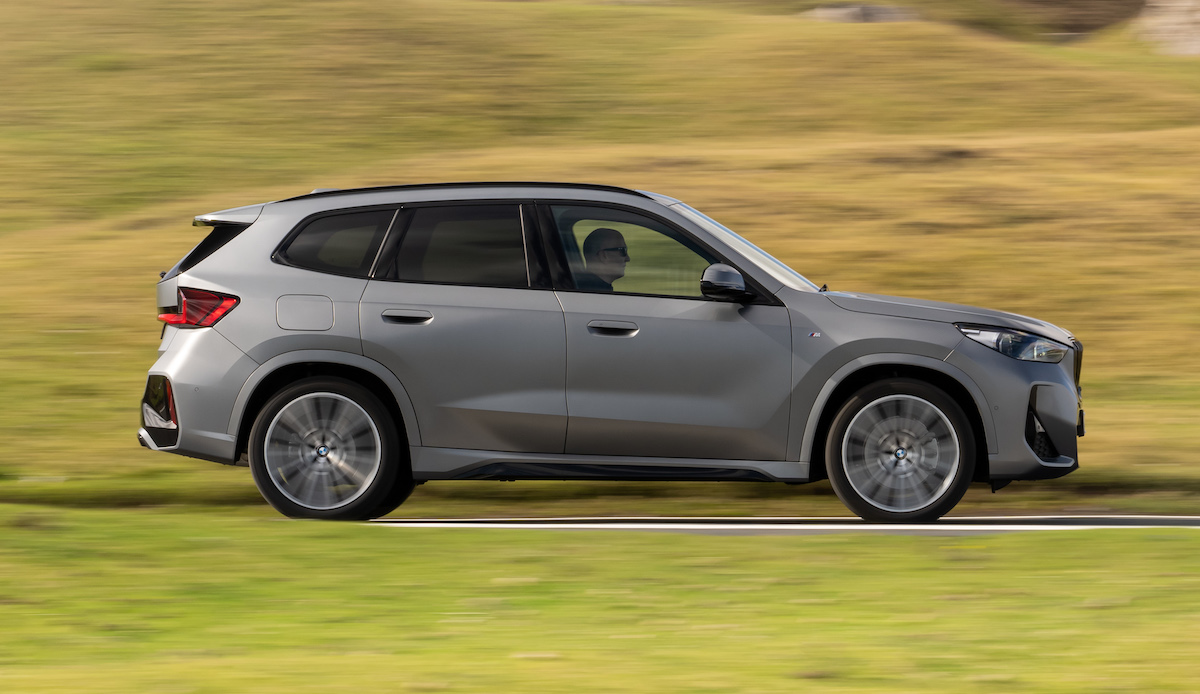
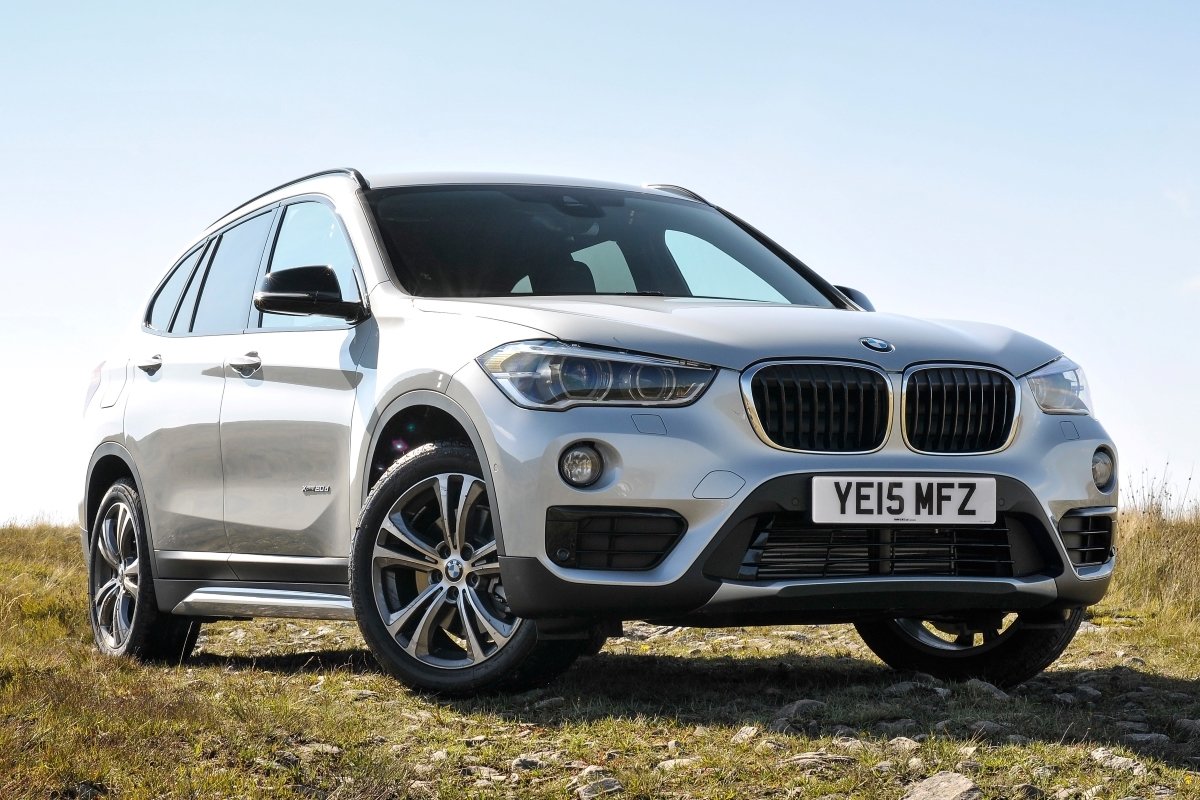
While a new BMW X1 is no longer available with a diesel engine, a used model can be a smart choice for those in the market for a small diesel SUV. The most popular choice is the 18d, which uses a 2.0-litre engine with 148bhp. Available in front-wheel-drive ‘sDrive’ form, it’s capable of achieving close to 50mpg, making it an efficient choice for high-mileage drivers. For those wanting a bit more punch and the security of all-wheel drive, the 20d xDrive model boosts power to 189bhp, providing brisk acceleration without a huge penalty at the pumps.
It’s not just about the engines, though. The X1 is a surprisingly practical car for its size, with a generous 505-litre boot that’s more than enough for family duties. Inside, there’s plenty of space for passengers in the back, and the cabin has that premium feel you expect from a BMW. The dashboard is logically laid out and features the excellent iDrive infotainment system, which is far easier to use on the move than a pure touchscreen. It all combines to make the X1 a talented all-rounder that’s both fun to drive and easy to live with.
The CarGurus Verdict: "Precise steering and agile handling make the BMW X1 more fun than just about any rival." - David Motton, contributor
Read our full BMW X1 review
FAQ
Are small diesel cars still worth buying in the UK?
Potentially, particularly if you cover more than 12,000 miles a year, with a lot of that on motorways. Modern diesel cars offer excellent fuel economy on long runs, which can lead to savings on fuel costs compared to petrol equivalents. However, if most of your driving is short, stop-start trips around town, a petrol, hybrid, or electric car would likely be a better and more reliable choice.
Will I have to pay to enter a ULEZ or Clean Air Zone with a diesel car?
Not necessarily. The key is the car's Euro emissions standard. To be exempt from charges in London's ULEZ and other Clean Air Zones across the UK, a diesel car must meet Euro 6 standards. Generally, this includes any diesel car first registered after September 2015. All the cars on our list are new enough to be Euro 6 compliant, but it's always wise to check the specific vehicle's status using the government's online checker before you buy.
What is AdBlue and will I need to use it?
AdBlue is a liquid solution used in modern diesel cars with a Selective Catalytic Reduction (SCR) system to reduce harmful nitrogen oxide emissions. Most Euro 6 diesel cars, including the models in this guide, use AdBlue. It's stored in a separate tank and is topped up every few thousand miles, typically during a service. If the AdBlue tank runs empty, the car will not start, so it's important to keep it topped up. Read our full guide to AdBlue to find out more
Are diesel cars more expensive to maintain?
Diesel cars can sometimes have slightly higher maintenance costs than their petrol counterparts. Components like the Diesel Particulate Filter (DPF) and the SCR system (which uses AdBlue) are specific to diesels and can be expensive to repair if they go wrong. However, regular long journeys help keep these systems healthy. For high-mileage drivers, the fuel savings often outweigh any potential increase in maintenance bills.
Which is better for long journeys, a diesel hatchback or a diesel SUV?
Both can be excellent. A traditional hatchback like a VW Golf or Seat Leon will often be slightly more fuel-efficient due to its lower weight and more aerodynamic shape. An SUV like a BMW X1 or Peugeot 2008 offers a higher driving position, which many drivers prefer for visibility, and often has a more practical boot and a greater sense of space inside.
Should I choose a manual or automatic gearbox with a small diesel?
The torquey nature of a diesel engine works well with either gearbox. A manual gearbox can sometimes offer slightly better fuel economy and a more engaging drive. However, a modern automatic gearbox is superb for relaxed cruising, especially in heavy traffic, and often provides smooth, seamless shifts that make the most of the engine's power. We'd recommend test-driving both to see which you prefer.
What Makes CarGurus Best Cars Guides Different?
Most car buying websites publish lists of the best cars across a variety of categories, with recommendations generally driven by editorial expertise. Here's what makes our best cars guides different: we combine the insights and verdicts of our team of car-testing experts with other factors that we know matter to buyers - real owner experiences and current market value.
To that end, our expert reviewers come from some of the UK's most trusted automotive publications including What Car?, The Telegraph, Auto Trader, Electrifying.com, and Carbuyer. They put each car through real-world testing, and create detailed reviews noting performance in a range of categories, from practicality and driving manners, to running costs and reliability.
But we don't stop there when it comes to creating our best cars guides; we also analyse hundreds of thousands of used car listings on CarGurus UK to track which models consistently offer the highest percentage of best deals relative to how many are listed for sale. Then we factor in user reviews and ratings gathered on CarGurus to get feedback from people who actually live with these cars every day. Our best cars algorithm then creates a final Overall CarGurus rating that combines expert ratings, user reviews, and the percentage of listings on CarGurus UK rated as good or great deals. This three-way approach reveals not just which cars excel on paper, but which ones deliver satisfaction and value when you're ready to buy.
The CarGurus UK market data in this guide was last updated in July 2026. Values were accurate at time of publication and should be used as a guide only.
Related Topics: