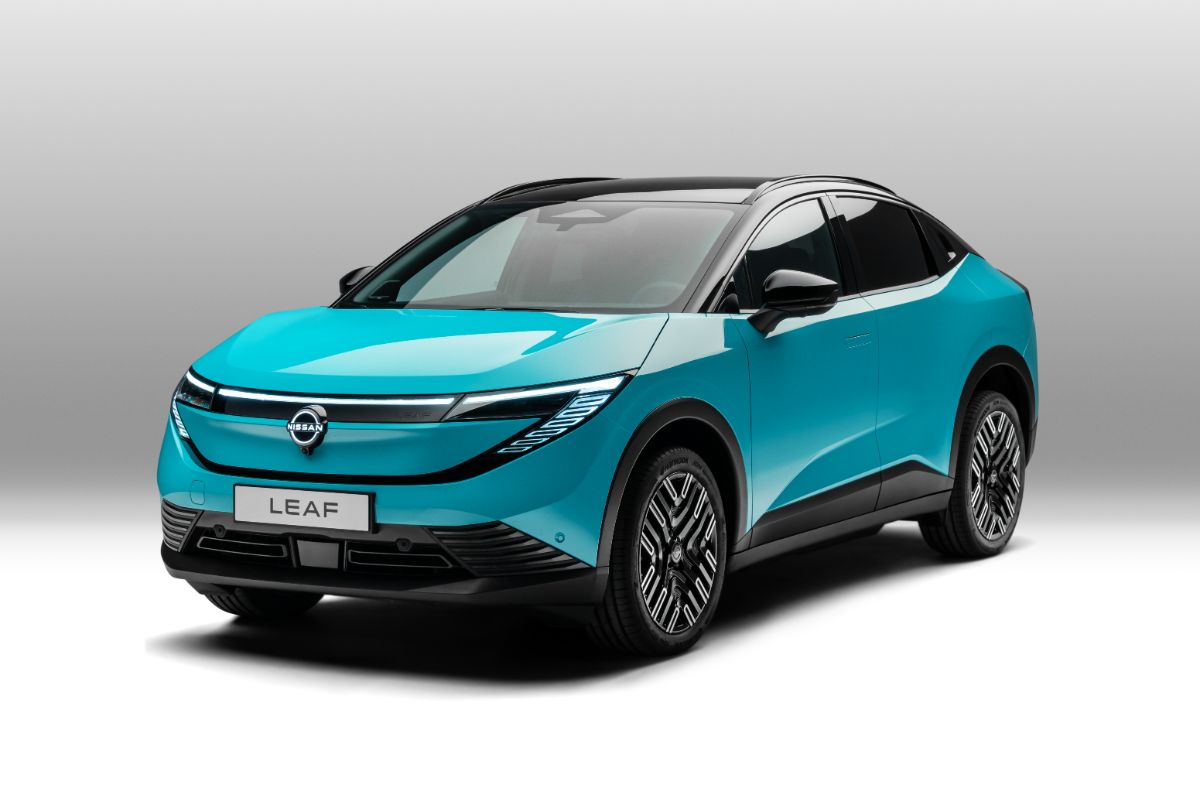
I drove a prototype of the new Nissan Leaf the other day (you can read my full Nissan Leaf review here). It's not exactly a thrilling car to drive, but it was unflappable, composed and clever, and that's undoubtedly what a mainstream family car should be.
I'll admit that I find the front end a touch too derivative and SUV-ish for my tastes, but I don't mind it, and I really like the rear end styling with that ducktail spoiler and black panel treatment. More than that, as I cruised around the handling circuit at Millbrook Proving Ground, admiring the impressively variable brake regen', the two-spoke steering wheel, the coarse textile finishes and the panoramic roof with its changeable opacity that casts the word 'LEAF' into its shadow, I got to thinking about Saab.
No, really. Remember Saab? Brilliant, innovative Saab, with its Swedish design and clever tech. It was never afraid to do things a bit differently; in fact, doing stuff differently to rivals like BMW, Audi and Mercedes was one of its chief selling points.
There's something of the Nissan's cleverness - its aerodynamic bodyshape, retro-ish rear styling and tech-stuffed interior - that makes me think of Saab. Perhaps it's the unashamed focus on comfort and efficiency rather than any pretence at sporting or performance prowess. The quiet, reassuring feeling of solidity in the cabin. Or maybe it's that sense that the Leaf has been designed deliberately to feel like a departure from both its predecessors and its hordes of rivals.
Regardless, I did come away from the new Leaf thinking that it was an intriguing car despite its evident sensibleness. It's all a bit intangible, I know. The new Leaf is, ultimately, a five-door family EV just like any other; similar range, similar price, similar remit.
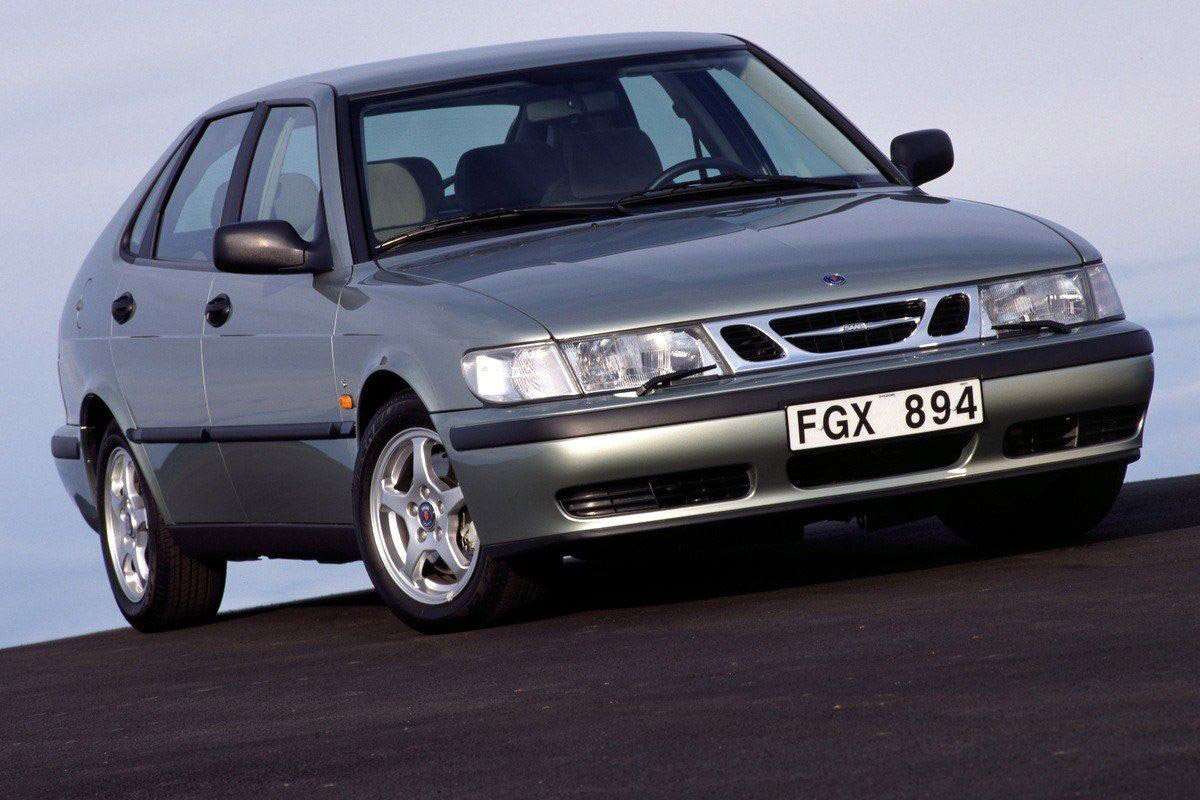
Yet Saab's 'otherness' was always intangible, too. Engineering innovations like the Black Panel tech (which allowed you to switch off all but the speedo illumination at night) set it apart, but whenever you drove a Saab there was always that pervasive sense that this was a very cerebral choice of car. The car that a highly regarded university professor would choose, or a world-renowned architect. Somebody that valued thorough, clever design.
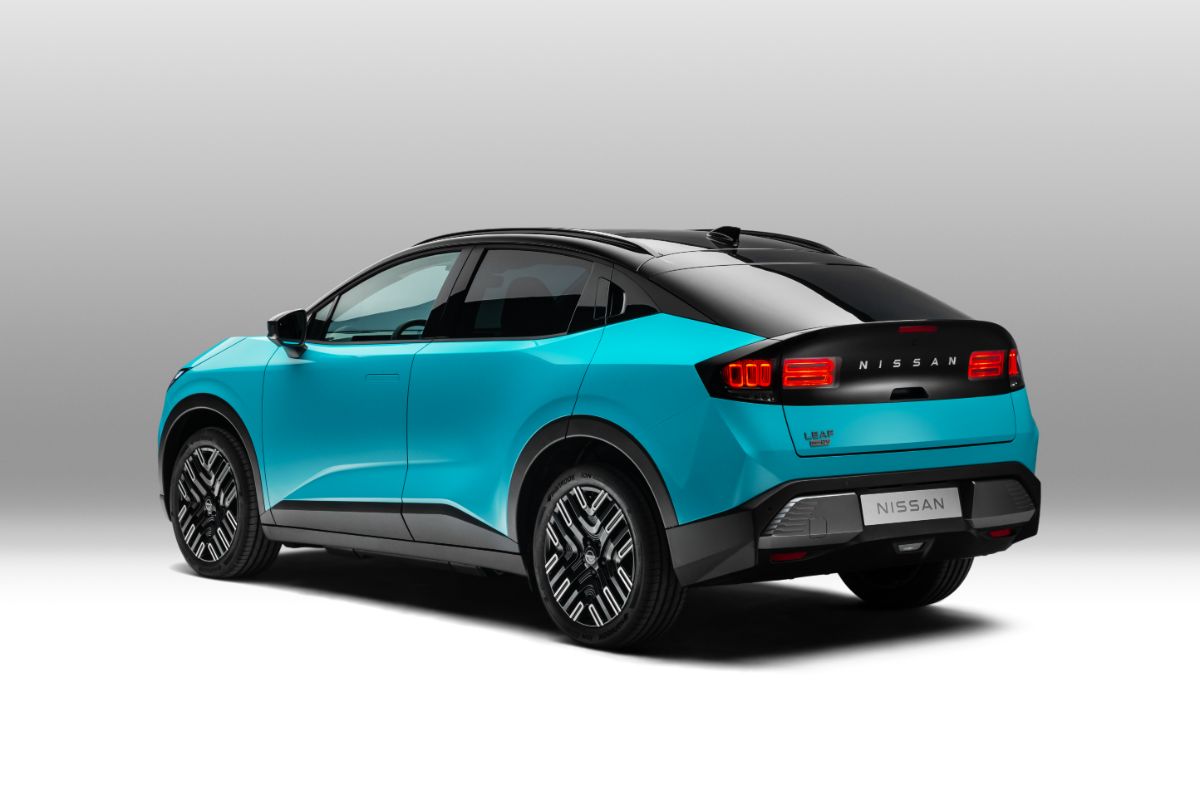
I can't honestly put my finger on quite why or how, but I came away thinking that the Leaf had something of that same thoughtfulness. I liked it! As I said in the review, it feels like a 'proper' Nissan. Not in the brazen way of a Nissan GT-R, but in the way that it looks and feels unmistakable… well, like a Nissan. In a quiet, understated manner, anyway.
It's certainly got its work cut out for it with rivals as strong as the Kia EV3 and Skoda Elroq to contend with, but I think it could do well if the pricing is right when it goes on sale early in 2026.
To put it bluntly, Nissan has felt like a brand without much direction in recent years, but the new Leaf feels like a turning point. Let's just hope that a likeable sense of 'feeling different' is enough to bring it success. It didn't work for Saab, unfortunately. But I've faith in Nissan and the new Leaf, and everything's pointing towards a new, more positive era. I think we can all agree that that's a good thing for everyone.
Related Topics:


