BMW 3 Series 2026 review | Still the benchmark premium saloon and estate car
BMW 3 Series cars for sale
5.0
Expert review
Pros
Sharp steering and agile handling
Fuel-sipping diesels and plug-in hybrid
Beautifully finished cabin
Cons
Sporty suspension makes for a firm ride
Not as roomy as some cheaper mainstream rivals
Restricted engine choice if you want a manual gearbox
The CarGurus verdict
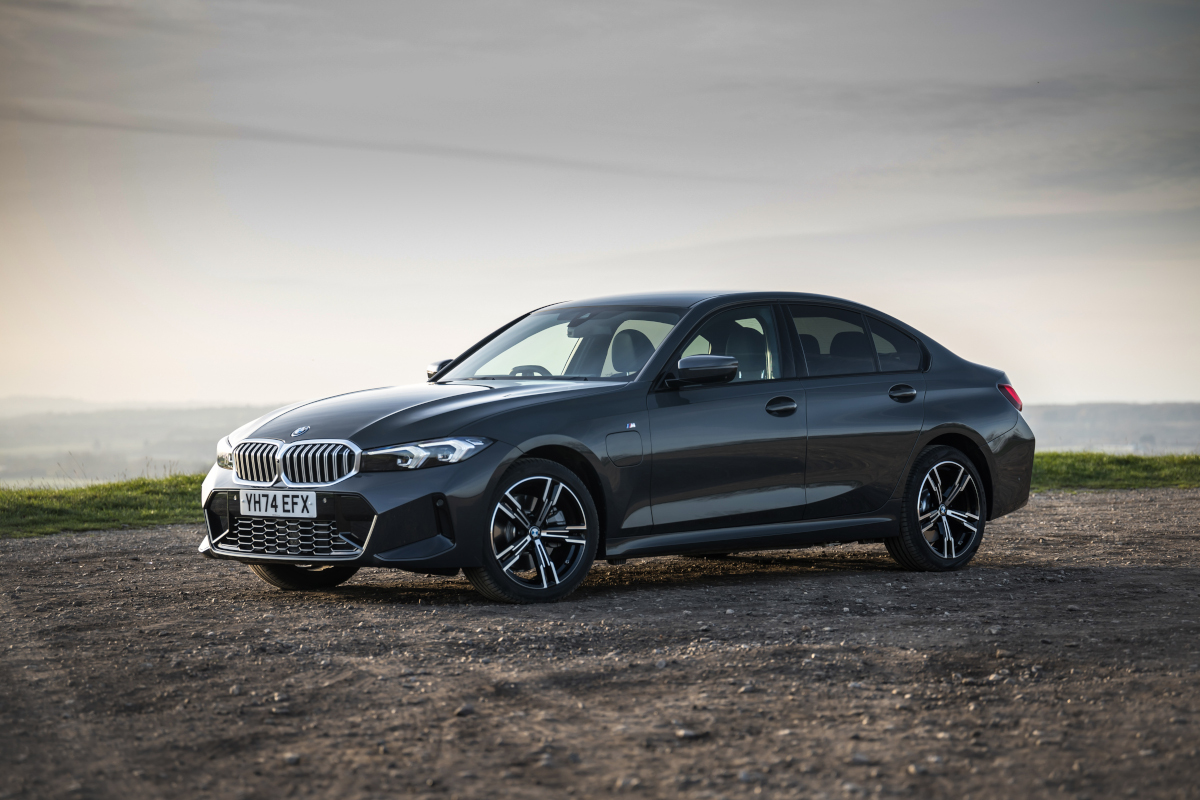
This latest 3 Series continues a long line of excellent small sports saloons to wear the badge. However, it arguably isn’t quite as complete as before. Specifically, the car's excellent handling means that you have to put up with a ride that’s a little too far on the firm side, even in the most pliant versions. Still, if you can live with that, the 3 Series is excellent elsewhere. Not only is it terrific to drive, but even the most powerful models are surprisingly efficient, and there’s a huge range of versions to choose from (on the used market, at least), depending on your needs.
Throw in that beautifully finished cockpit, spacious seating and a useful boot, and on balance, the 3 Series still stacks up as the best small executive saloon out there. We just wish it was a little more comfy.
Search for a BMW 3 Series on CarGurus
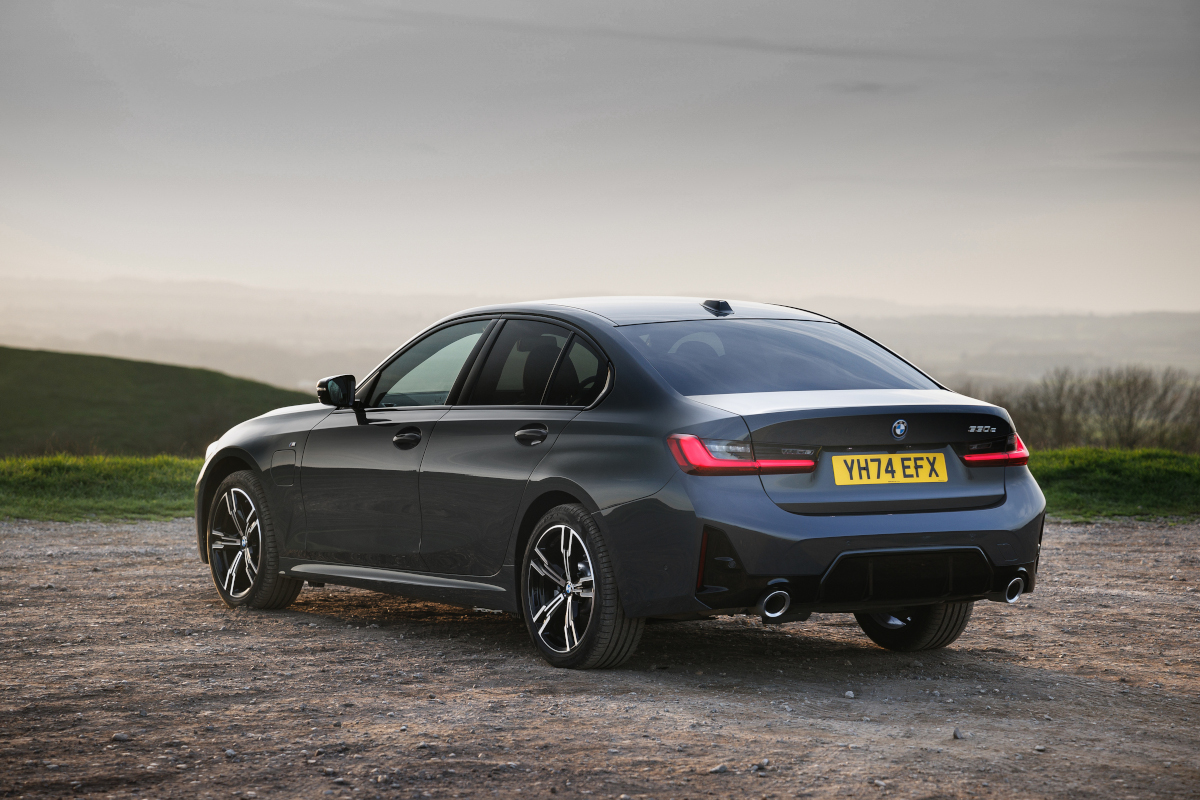
It isn’t hard to see the appeal of the BMW 3 Series. Ever since it was introduced back in 1975 – yes, really – it’s been the benchmark for mid-size, sporty, executive cars, with an enviable mix of understated style, rock-solid quality and an upmarket image.
More than that, though, buyers look to the 3 Series for a sporting drive in a package that’s practical enough to carry the family, yet sharp-suited enough in its styling to feel at home in the company car park. And it’s that involving driving experience that sets the 3 Series apart from its ever more competitive rivals.
And what are those rivals? Well, motoring rivalries don't come much more bitter than the longstanding ones between the BMW 3 Series, Audi A4 and Mercedes-Benz C-Class. And while rivals from Jaguar, Lexus and Volvo have fallen away in recent years, the 3 Series still faces competition from roomier, more mainstream rivals like the Skoda Superb, Volkswagen Passat and BYD Seal 6.
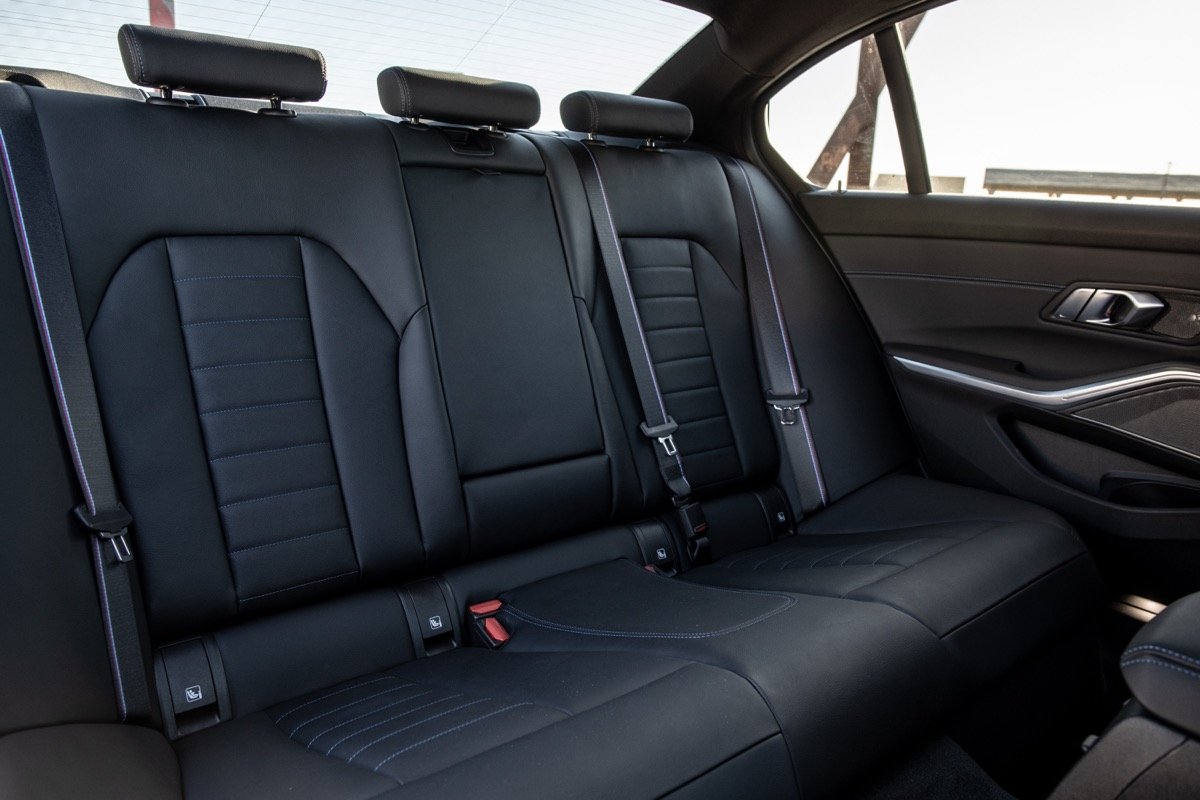
The 3 Series isn’t game-changing in this area, but it does a very acceptable job. In fact, it does an almost identical job to its main rivals; not surprising when the margins between the offerings of BMW, Audi and Mercedes are so tight. There’s enough space in the rear seats for a pair of tall adults to sit comfortably on long journeys, and a third will squeeze in for shorter ones, although they will have to straddle a bulky transmission tunnel in the floor.
The boot is very similar in size to those of its rivals at 480 litres (although the plug-in hybrid 330e drops this to 375 litres), meaning it’ll suit the needs of most families, even though the saloon bodystyle makes loading and unloading more difficult than it would be in a hatchback.
A ‘Touring’ estate version is also available, which brings a handy boost in practicality, but compared to the estate versions of the Audi A4 and Mercedes C-Class, the boot of the 3 Series Touring isn’t all that impressive for size. In fact, at only 500 litres, it's only technically 20 litres more capacious than the regular saloon, but that's because the official capacity is only measured up to the parcel shelf and not all the way to the roof.
Maybe more importantly to the well-heeled folk who buy a car like the 3 Series, it has one of the best interiors of any car at this kind of price point, with plush materials, attractive details, and a level of fit and finish that is beyond reproach.

The excellent news is that the 3 Series makes good on the promise of a sporty driving experience, with a crispness and precision normally only reserved for something far more exotic. The sharp, linear steering gives you confidence that the 3 Series will go where you point it, and stiff suspension means no nasty lurching around. There's also tonnes of grip and traction, regardless of whether you go for a rear-wheel-drive model or a four-wheel-drive one (the latter is standard on the most powerful variants, and optional on some others).
However, there’s a downside, because stiff suspension also results in a firm ride, and that's certainly the case with the 3 Series. Even the SE (which was dropped as part of a facelift in 2022) and Sport models have a decidedly brittle feel, so rougher road surfaces can jiggle you about a fair bit, while the even stiffer setup on M Sport cars is even more raw.
M Sport cars can be had with an optional adaptive suspension (part of the M Sport Plus package) that takes the edge off quite a bit, making a thus-specced 3 Series the most comfortable you'll encounter. It's something we'd recommend if you're buying new, and something worth seeking out if you're buying used. If your budget won't stretch that far though, go for an SE or Sport.
There isn’t a bad engine in the range, and plenty of options have come and gone over time. Diesel options throughout the years have included the 150bhp 318d, and the 190bhp 320d, both 2.0-litre four-cylinder units. There have also been a couple of 3.0-litre six-cylinder diesel choices, the 261bhp 330d and the 335bhp M340d.
Petrol choices have included 2.0-litre four-cylinder units in the form of the 154bhp 318i, the 181bhp 320i, and the 255bhp 330i. At the top of the current petrol range sits the M340i, with its 387bhp 3.0-litre six-cylinder engine.
Popular with company car drivers is the 330e plug-in hybrid. This combines its 2.0-litre four-cylinder petrol engine with an electric motor to produce 292bhp in its latest form, together with a WLTP range figure of 63 miles. Before May 2024, power was limited to 249bhp, with a boost function that could hike the output up to 289bhp when needed, and the official range was a less impressive 36 miles.
In terms of performance, the entry-level petrol and diesel cars that were available before the 2024 facelift are fine but lack a little sparkle, so if you can, upgrade to the 320i or 320d models, which are far punchier, the petrol particularly so. From that point on, it’s simply a case of how bonkers fast you want your car to be, what sort of fuel you want it to run on, and what your budget will allow.
If you’re buying brand new, then diesel is no more these days, as is becoming increasingly common, and the petrol range has also been slimmed right down. New car buyers choose between the 320i, the M340i and the 330e PHEV.
As we’ve said in other areas of this review, the BMW 3 Series has evolved greatly over the time it’s been on sale, and this area is no exception.
When it was first launched, the 3 Series was offered in SE, Sport and M Sport trim levels. The entry level SE model featured LED headlights with cornering function, LED front foglights, 17-inch light-alloy wheels, 11-colour interior Ambient Lighting, three-zone air conditioning, a reversing camera, electric folding rear view mirrors, 40:20:40 split folding rear seats, and a leather multifunction steering wheel, among other features.
The Sport model added a handful of extra styling features inside and out, and also featured 18-inch alloy wheels, Vernasca leather upholstery and sports front seats with heating.
The M Sport model has traditionally been by far and away the most popular trim level. It featured more exterior styling upgrades, including a different front bumper with bigger air intakes, side skirts and a rear apron. There were visual upgrades inside, too, but apart from that, there wasn’t much in the way of extra equipment, aside from the infotainment system, which we’ll talk about in just a moment.
Later on, in 2022, the 3 Series received a raft of updates. SE trim was dropped to leave just Sport and M Sport trims, and the two remaining trim levels received very minor kit upgrades. These two trim levels remain today.
In terms of infotainment, early SE and Sport cars got an 8.8-inch media screen, while M Sport cars got a larger 10.25-inch screen. The larger screen was later rolled out across the range in 2020. Also bear in mind that the earliest cars didn’t have Apple CarPlay or Android Auto.
Either way, these systems look a little dated these days by modern standards, but both are wonderfully easy to use. There’s touchscreen technology, of course, but there’s also a less distracting iDrive rotary dial controller with which you can scroll through all the various menus, menus that are laid out clearly and logically, so it’s easy to find the feature you’re looking for. A number of shortcut buttons make life even easier, and you also have clearly marked buttons in the centre of the dashboard to control the ventilation system.
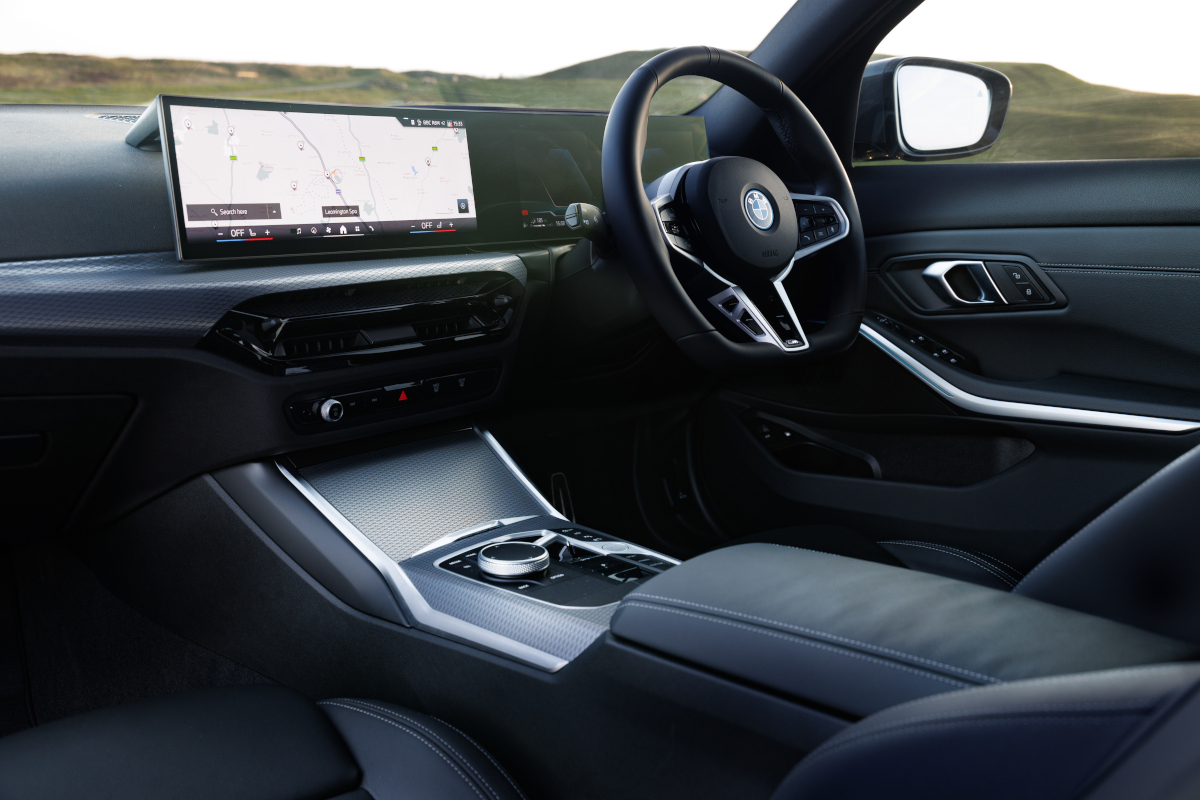
Those 2022 updates we mentioned earlier brought a new arrangement, combining a 12.3-inch digital instrument cluster with a larger 14.9-inch central infotainment screen, housed together in an elegant-looking curved display. It was the same system previously seen in the iX and i4 models.
The system undeniably looks a lot more swish and modern than before, and thankfully, the rotary iDrive controller remains (not the case in all BMW models, sadly). So does the logical menu structure, meaning that the system is still relatively easy to navigate your way through.
However, the newer system results in the loss of the physical air-con buttons, meaning that you have to now control that system via the touchscreen, which is more distracting on the move. At least the temperature controls are permanently displayed at the bottom of the screen, but doing anything more complicated with the system involves delving into on-screen menus.
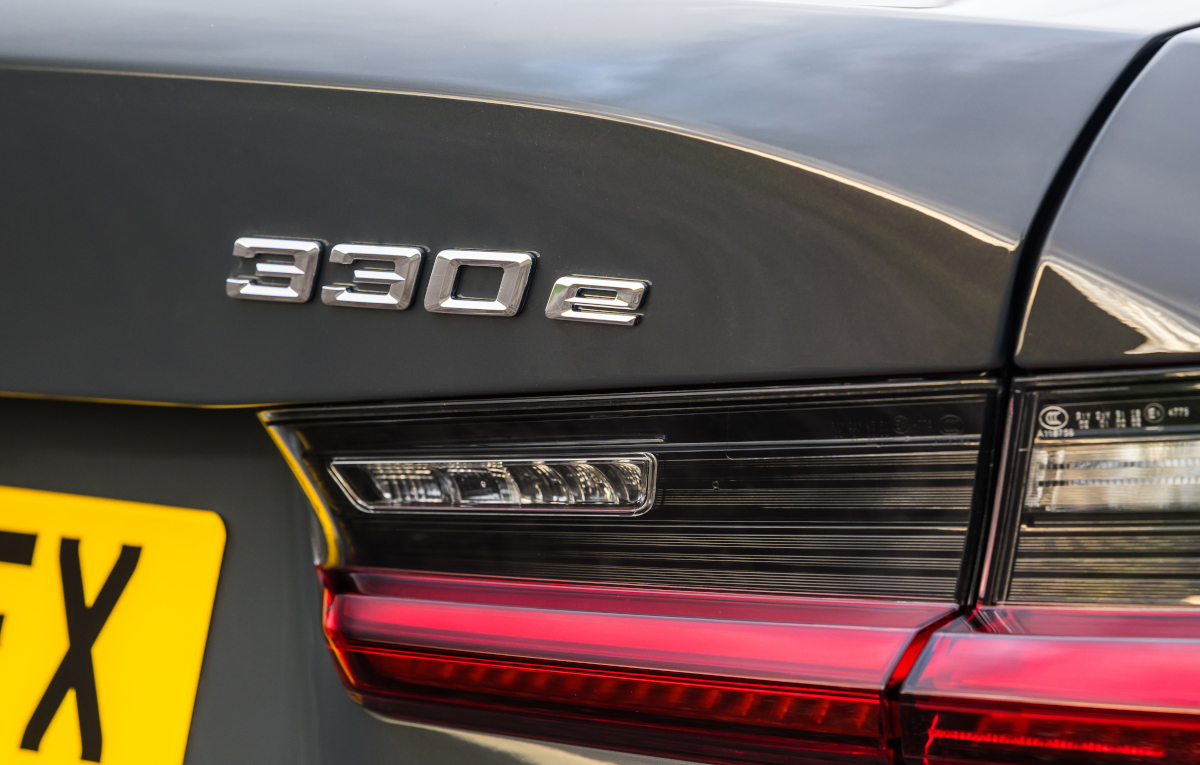
On paper, the 330e is the most economical version of the 3 Series. Originally, it could do 36 miles on electric-only power, equating to an official combined fuel economy of up to 201mpg, while a battery update in 2024 upped the electric-only range to 63 miles, improving overall mpg to a maximum of 353mpg.
However, take those official figures with a huge pinch of salt, because they depend very much on how many miles you can do on electric power and, consequently, how much the petrol engine is running. In the real world, you can expect to average around 60mpg if you charge up regularly, which is still pretty good.
The only other engines available to buyers of a brand new 3 Series are the 320i petrol and the M340i petrol: diesel is no more. These have official figures of 43.5mpg and 36.2mpg, respectively.
If you're buying used, the most efficient 3 Series is the 318d, from which you can expect around 55mpg in the real world, but the 320d won't be far behind and comes with a good deal more poke. To be fair, even the most powerful engine options aren't too thirsty given their prodigious outputs.
While the 3 Series is rear-wheel drive as standard, several models are available with all-wheel drive, called xDrive, and while these will improve traction, they’ll lower the mpg figures too.
BMW’s servicing costs are generally above those of more mainstream car makers’, but less than those of Mercedes, and on par with Audi’s. BMW offers a pay-monthly service price plan, which covers all your annual servicing needs for three years and costs £24 a month, bringing the total cost of servicing your 3 Series in that time to £864.
All of the 3 Series’s engines come with metal timing chains, which shouldn’t - in theory - need replacing periodically, as opposed to a rubber timing belt, which does.

While earlier BMWs have suffered with timing chain problems that have necessitated costly replacements, the good news is we haven’t heard of any such problems with the engines in this generation of 3 Series.
Indeed, the 3 Series looks the do a very presentable job on reliability according to the latest What Car? Reliability Survey. In the Executive Car class of the study, the 2019-onwards 3 Series earned a second-place finish in petrol form, and a 5th-place finish in diesel form, and that's out of 20 models considered.
In the overall manufacturer standings, meanwhile, BMW placed a very presentable 8th out of 31 carmakers considered, putting it ahead of all other premium brands except Lexus.
The 3 Series comes with a three-year, unlimited mileage warranty, which is about par for the course in the prestige market. Again, that's with the exception of Lexus, which provides a warranty up to ten years and 100,000 miles if you get your car serviced annually within the dealer network. What's more, a lot of mainstream manufacturers are supplying much more generous warranties than BMW's these days.
- The BMW 3 Series Touring – which is BMW parlance for the estate version – offers more practicality than the standard four-door saloon, but its 500-litre boot is quite small by the standards of most other estate cars, so don’t expect it to fit as much in as, say, a Volkswagen Passat or Skoda Superb.
- Wondering what happened to the 3 Series Coupe and 3 Series Convertible that BMW used to offer once upon a time? Well, they still exist, but as of a few years back, they were renamed as the 4 Series. They’re still closely related underneath, but now have a more distinct look.
- One piece of equipment standard on almost every model is an automatic transmission. It’s a slick eight-speed gearbox that’s smooth when you’re cruising and snappy when you want to change gear yourself. Some of the more modest engines were offered with a manual transmission once upon a time, though.
- The best all-rounder: For used car buyers, that's the petrol-powered 320i SE, which pairs the well-equipped entry-level specification with a 181bhp, 2.0-litre, four-cylinder engine. Its the best all-rounder in the 3 Series range, offering the perfect blend of performance, efficiency, equipment, comfort and handling.
- If you do lots of miles: If you’re a high-mileage driver, go for a used 320d, again in SE specification; the extra fuel economy of the diesel will be much appreciated, and your savings on fuel costs will drown out the slight price premium you’ll have to pay.
- If you want ultra performance: You could plump for the M340i, which is blisteringly fast and goes about its business in a slightly less raucous way than the super-fast M3 does. You can have it in estate form, too. If that’s too focussed for you, a used 330i is a great shout.
- If you can plug in at home: You should seriously consider the 330e. This plug-in hybrid version of the 3 Series will slash your fuel bills, as around town it should manage between 30 and 60 miles of electric range (depending on its vintage) – with the engine completely turned off – from each charge. It’s also available surprisingly cheaply on the second-hand market, as used buyers are more wary of plug-in hybrids.


