Choosing a company car used to be a simple affair, often boiling down to which diesel saloon had the biggest boot and the comfiest seats for motorway schleps. How times have changed. Today, the decision is a maze of Benefit-in-Kind (BiK) tax bands, electric ranges, and charging speeds. Get it right, and you could be driving a premium-badged car for a fraction of the cost of a personal lease. Get it wrong, and you could be handing over a hefty chunk of your salary to the taxman each month.
The seismic shift towards electric and plug-in hybrid vehicles has completely rewritten the rulebook. With pure electric cars sitting in the lowest possible tax bands, there are huge savings to be made. But it’s not just about the numbers on your payslip. The best company cars need to be practical, comfortable, and packed with the kind of tech that makes long journeys feel shorter. From spacious SUVs to tax-busting hatchbacks, this guide will help you navigate the options and find the perfect set of wheels for your business needs.
About this guide
The cars in this guide have been selected to represent the best options currently available. Our recommendations are the result of a unique three-part scoring system that takes into account real-world tests from our team of expert reviewers, ratings from real-life owners who live with these cars every day, and an analysis of market data from CarGurus UK to identify which models offer the highest percentage of good and great deals. This combined approach ensures our list highlights cars that are not only great to own but also good value to buy. For more information, scroll to the bottom of this page.
Best Company Cars to Lease in 2026
- 2026 Tesla Model 3
- 2026 Mercedes-Benz GLC-Class
- 2026 MG HS
- 2026 MG MG4
- 2026 Hyundai Kona
- 2026 Volkswagen ID. Buzz
- 2026 Skoda Superb
- 2026 Skoda Enyaq
- 2026 BMW iX1
- 2026 Kia EV3
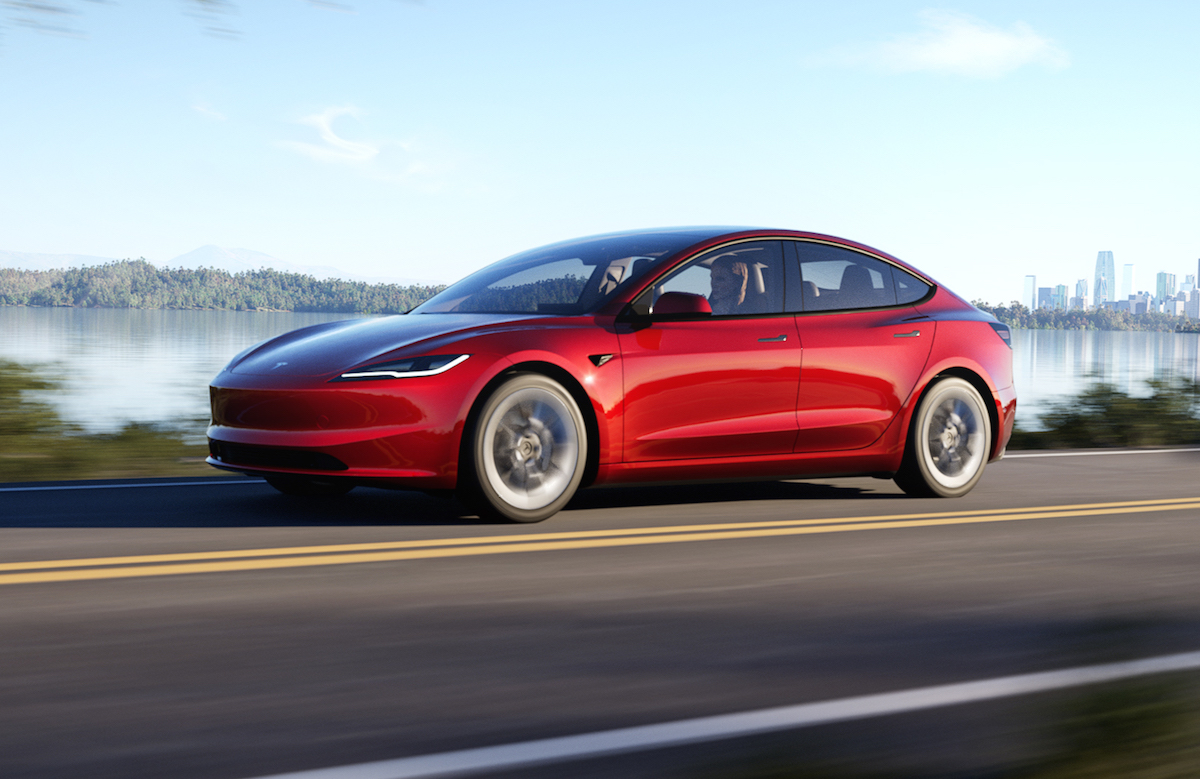
CarGurus expert rating: 5 out of 5
CarGurus user rating: 4.2 out of 5
Percentage of good/great deals available on CarGurus: 28.6%
Overall CarGurus rating: 4.4 out of 5
| Pros |
Cons |
| Affordable to buy for a premium electric car |
A little cramped in the back and boot |
| Brilliant Tesla Supercharger network |
No head-up display |
| Even better to drive since 2024 update |
Latest version lacks physical stalks for major driving controls |
The Tesla Model 3 makes a seriously compelling case as a company car, primarily thanks to its rock-bottom running costs. As a pure electric vehicle, it qualifies for a very low Benefit-in-Kind (BiK) tax rate, making it significantly cheaper for business users than a petrol or diesel equivalent. It's also one of the most affordable executive EVs to buy or finance in the first place. Factor in the potential for cheap overnight charging at home, which can halve your 'fuel' bills compared to a 40mpg petrol car, and exemption from the London Congestion Charge until late 2025, and the financial argument is almost unbeatable.
Beyond the balance sheet, the Model 3 delivers an ownership experience that’s perfect for the modern business user. The official range of up to 466 miles for the Long Range model is impressive, and even in the real world, you can expect well over 300 miles, which is more than enough for most work trips. When you do need to top up, access to the brilliant and reliable Tesla Supercharger network is a game-changer, allowing a 175-mile top-up in as little as 15 minutes. The minimalist, tech-laden cabin is another highlight, controlled via a huge 15-inch touchscreen, while performance is brisk, with the Dual Motor model hitting 62mph in just 4.2 seconds.
The CarGurus Verdict: "On balance of price, driving range and ownership experience, the Tesla Model 3 is one of the very best premium electric cars out there are the moment. Whether you’re buying new or used, it promises to be a great experience." - Vicky Parrott, contributing editor
Read our full Tesla Model 3 review
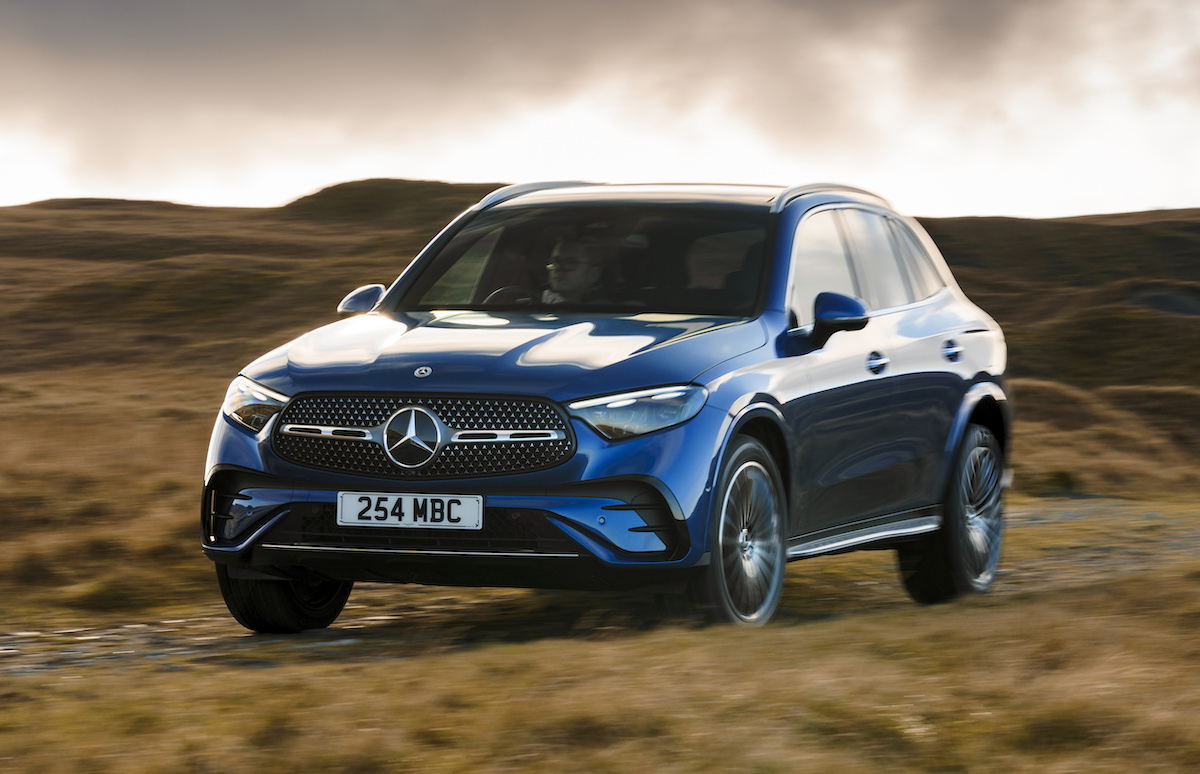
CarGurus expert rating: 4 out of 5
CarGurus user rating: 5.0 out of 5
Percentage of good/great deals available on CarGurus: 35.3%
Overall CarGurus rating: 4.4 out of 5
| Pros |
Cons |
| High quality cabin |
Expensive, even by the standards of the class |
| Well equipped as standard |
Adaptive cruise control costs extra |
| PHEV has huge electric-only range |
PHEV versions have a small boot |
The Mercedes-Benz GLC's party trick is the long electric range of the plug-in hybrid (PHEV) versions. It can travel up to 78 miles on EV power, meaning many drivers will be able to complete their daily commute and school runs without ever troubling the engine. This impressive range drops the GLC into a lower Benefit-in-Kind (BIK) tax band than key rivals, making it a financially savvy choice. Unusually, Mercedes offers both petrol (GLC 300 e) and diesel (GLC 300 de) plug-in hybrids, giving drivers even more choice to suit their mileage needs.
It’s not just about the tax benefits, though. The GLC backs up its credentials with a truly premium cabin that feels a cut above most alternatives, boasting high-quality materials and a slick 11.9-inch central touchscreen. It’s a refined and comfortable place to spend long motorway journeys, and while the PHEV models sacrifice some boot space to accommodate the battery, the remaining 470 litres is still a very practical size for business and family life. All models come well-equipped, but be warned that you have to step up to the pricey top-spec trim to get adaptive cruise control.
The CarGurus Verdict: "For company car drivers, the Mercedes GLC PHEVs are as good as it gets in this class and should be top of your premium plug-in hybrid SUV shopping list." - Ivan Aistrop, senior editor
Read our full Mercedes-Benz GLC-Class review
Search for Mercedes-Benz GLC-Class
See all
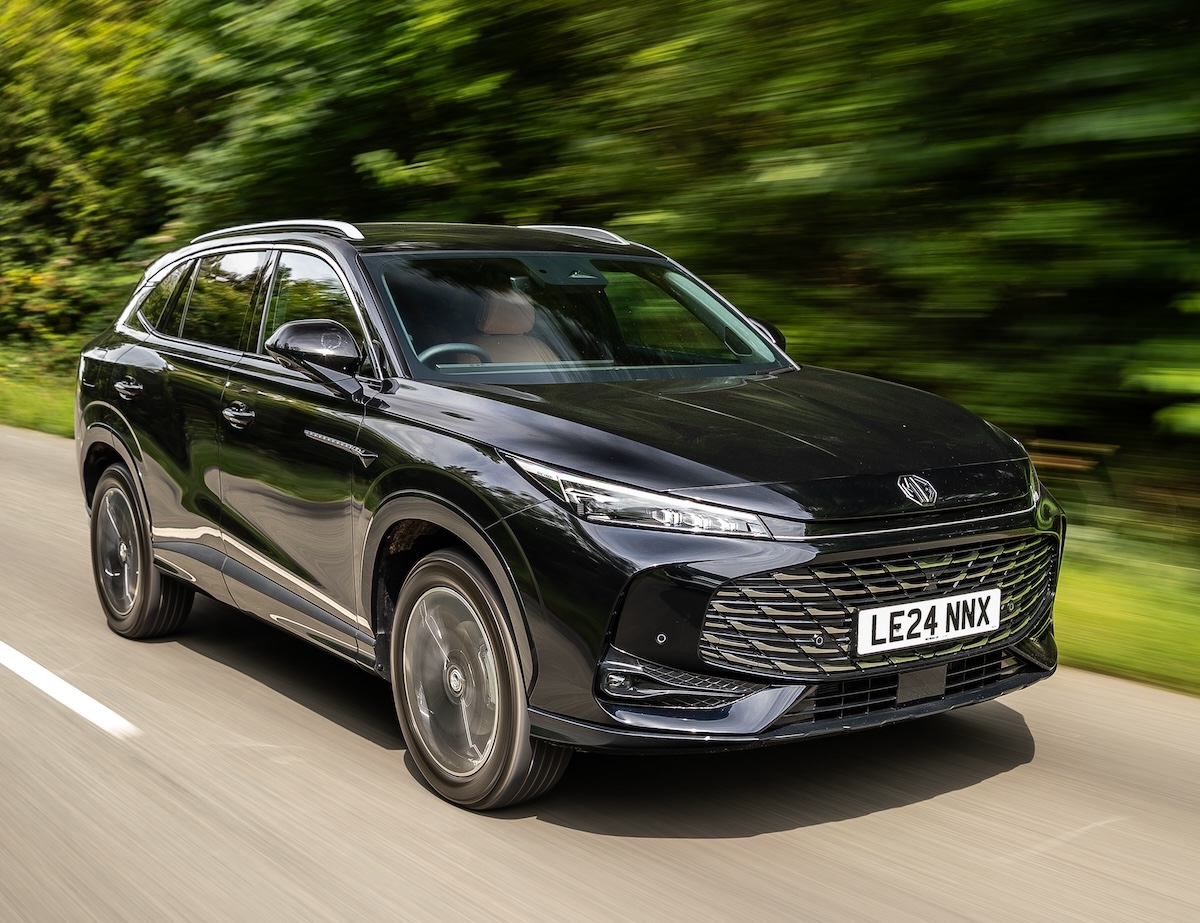
CarGurus expert rating: 4 out of 5
CarGurus user rating: 4.6 out of 5
Percentage of good/great deals available on CarGurus: 37.9%
Overall CarGurus rating: 4.4 out of 5
| Pros |
Cons |
| Amazing value for money |
MG has a poor reputation for reliability |
| 75-mile official range for plug-in hybrid model |
Underwhelming petrol engine |
| Long warranty |
Poor fuel economy in entry-level model |
For company car drivers, the MG HS plug-in hybrid (PHEV) is a real head-turner, and not just because of its sharp looks. Its official electric-only range of up to 75 miles is seriously impressive, meaning many daily commutes can be completed without using a drop of petrol. The real kicker, though, is its ultra-low CO2 emissions of just 12g/km. This places it in one of the lowest Benefit-in-Kind (BIK) tax bands available, making it an exceptionally cost-effective choice that will save you a bundle on your monthly tax bill.
Beyond the tax advantages, the HS delivers on practicality and value. The boot offers a very usable 507 litres of space, which is the same whether you pick the petrol or the PHEV, so there's no penalty for choosing the more efficient model. Inside, it’s generously equipped right from the entry-level SE trim, which comes with a 12.3-inch touchscreen and a digital driver's display as standard. It all adds up to a compelling package that offers the space and tech of pricier rivals for a fraction of the cost, both upfront and in monthly running costs.
The CarGurus Verdict: "The MG HS offers a great value proposition in the family SUV market. It’s spacious, well-equipped, and priced significantly lower than its rivals." - Chris Knapman, editorial director
Read our full MG HS review
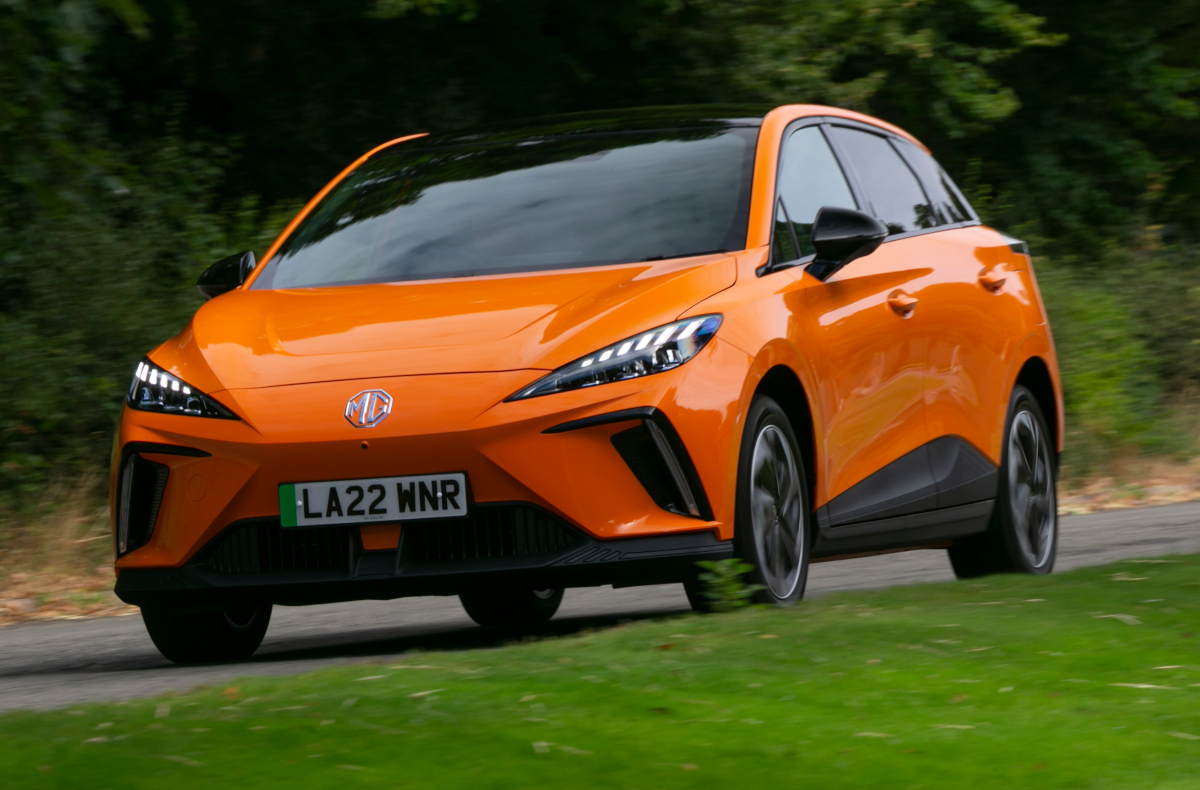
CarGurus expert rating: 4 out of 5
CarGurus user rating: 4.5 out of 5
Percentage of good/great deals available on CarGurus: 34.0%
Overall CarGurus rating: 4.3 out of 5
| Pros |
Cons |
| Fantastic value for money |
Not quite as accommodating for passengers or luggage as a Volkswagen ID.3 |
| Surprisingly fun to drive |
Sound system in SE models isn’t the best-sounding |
| Generously equipped, even in entry-level SE spec |
Steering wheel infotainment controls a bit fiddly |
The MG4 has shaken up the electric car market, and it’s a great choice for company car drivers. Its low purchase price translates into attractive monthly lease rates, a benefit bolstered by impressively strong predicted residual values. As a pure electric vehicle, it also sits in the lowest Benefit-in-Kind (BIK) tax bands, making it incredibly tax-efficient. There’s a version for every business need, from the 64kWh Premium Long Range model with 188bhp and a 280-mile range, to the 77kWh Extended Range model that pushes that figure to a very useful 323 miles.
It’s not just about the numbers, though; the MG4 is a good car to live with day-to-day. The cabin feels modern and spacious, and even the entry-level SE trim comes loaded with kit that makes long journeys easier, including adaptive cruise control and a 10-inch touchscreen with Apple CarPlay and Android Auto. While its 388-litre boot isn’t the biggest in the class, it’s more than enough for business trips and the weekly shop. When you do need to top up on the road, rapid charging at up to 125kW means you can get an 80% charge in just over half an hour, minimising downtime and keeping you on the move.
The CarGurus Verdict: "The MG4 marks MG’s coming of age for the 21st century. Its design is distinctive, its technology is up to date, and its price point is sufficiently low as to be genuinely embarrassing for its rivals." - Vicky Parrott, contributing editor
Read our full MG MG4 review
CarGurus expert rating: 3 out of 5
CarGurus user rating: 4.8 out of 5
Percentage of good/great deals available on CarGurus: 35.7%
Overall CarGurus rating: 4.3 out of 5
| Pros |
Cons |
| Roomy, practical cabin |
Merely so-so to drive |
| Great infotainment system |
Cabin could feel posher |
| Generous standard equipment |
Should be more comfortable |
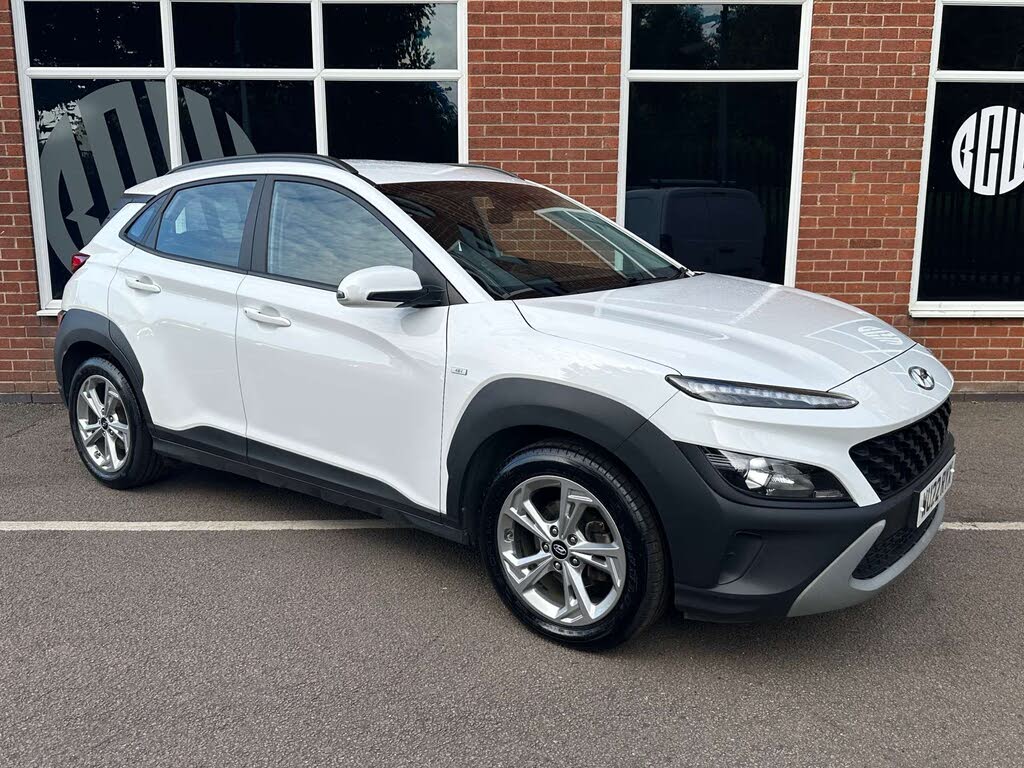
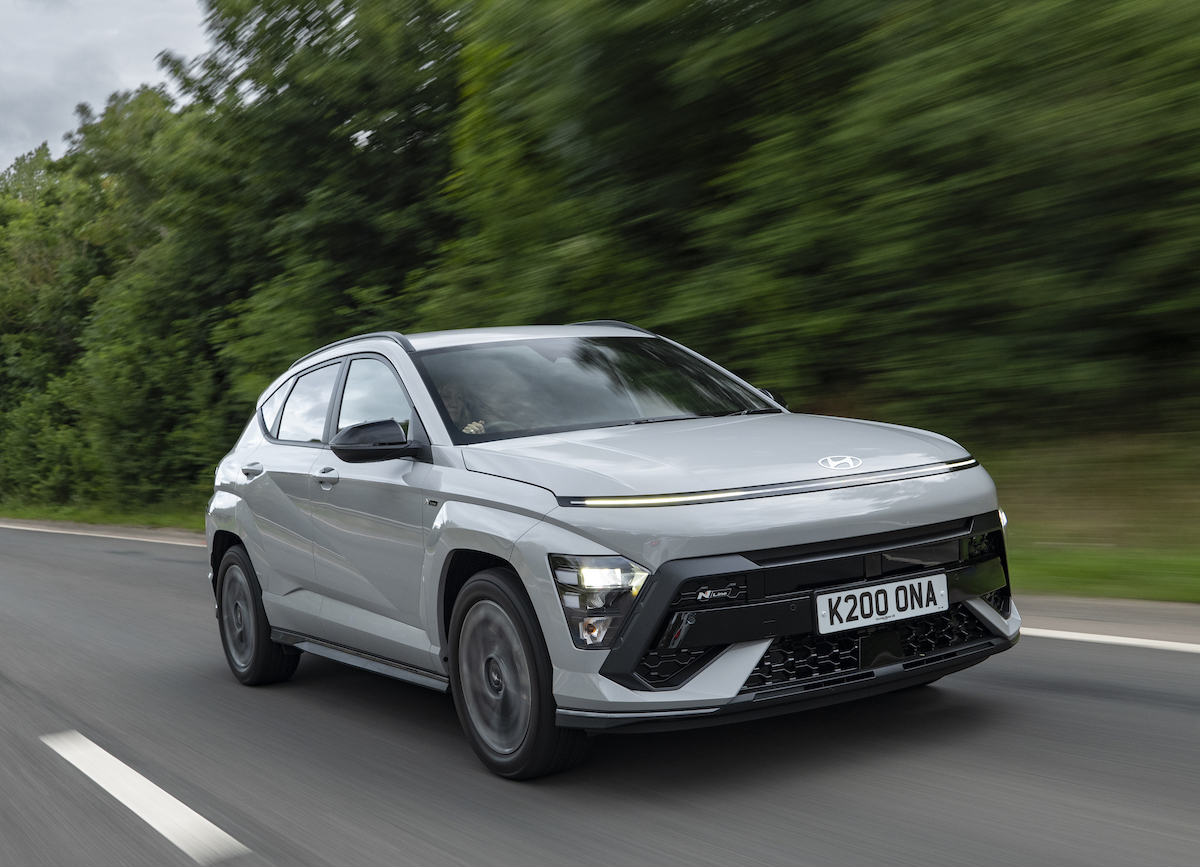
If you’re a company car driver, the Hyundai Kona makes a very strong case for itself, particularly the hybrid model. With official fuel economy figures north of 60mpg, it’s impressively efficient, and its lower emissions result in a palatable 26% Benefit-in-Kind (BiK) tax rating. While that’s good, the pure electric version is the real star for business users, dropping that BiK rate to a mere 2%. Whichever powertrain you choose, you won’t be sacrificing practicality; the boot is a generous 466 litres across the range, which is more than enough for business essentials or family clutter.
Inside, the Kona continues to impress with a cabin that feels both high-tech and user-friendly. All models come with a slick twin-screen setup, featuring a central touchscreen that’s a doddle to use thanks to logical menus and handy shortcut buttons. Crucially for those covering long distances, there are also physical switches for the climate controls, so you won’t be faffing with a screen just to adjust the temperature. Standard kit is generous across the board, with even entry-level cars getting a reversing camera, keyless entry, and on automatic models, adaptive cruise control to take the strain out of motorway traffic.
The CarGurus Verdict: "It’s a very decent all-rounder, and buyers will almost certainly be wowed by the car’s generous passenger space, large luggage compartment and generous equipment." - Ivan Aistrop, senior editor
Read our full Hyundai Kona review
CarGurus expert rating: 4 out of 5
CarGurus user rating: 5.0 out of 5
Percentage of good/great deals available on CarGurus: 31.9%
Overall CarGurus rating: 4.3 out of 5
| Pros |
Cons |
| Good to drive |
Hugely expensive |
| Beautifully finished interior |
Charging cables cost extra |
| Fantastic retro styling |
There’s still no official camper version |
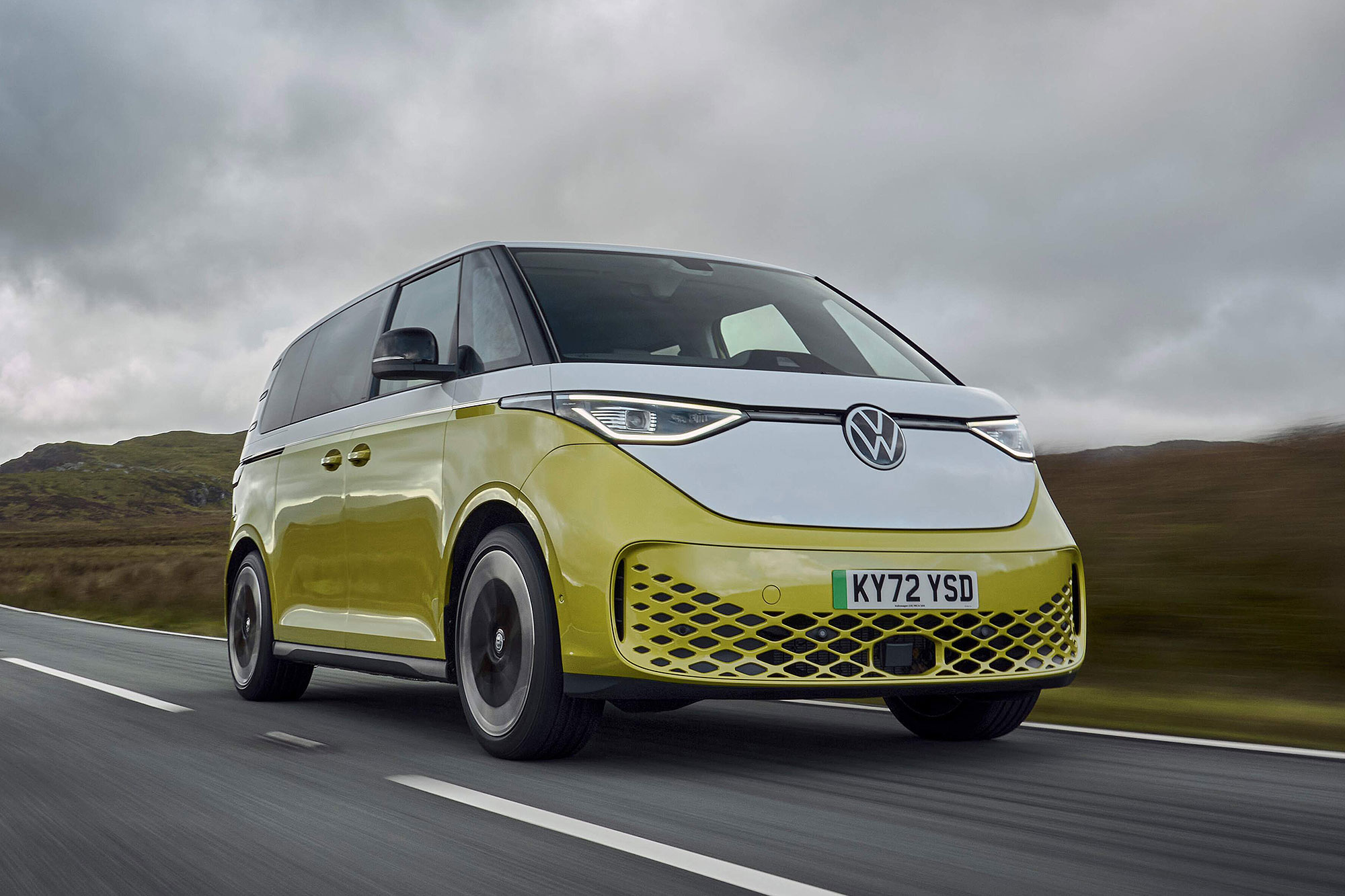
As a pure electric vehicle, the Volkswagen ID. Buzz qualifies for a rock-bottom Benefit-in-Kind (BIK) tax rate, which could lead to substantial monthly savings compared to a petrol or diesel alternative. And this isn't just a city runabout; with an official range of up to 293 miles in the long-wheelbase version, it's more than capable of handling the motorway miles many business users rack up. It’s a choice that makes sense for your wallet without forcing a compromise on usability.
Beyond the tax benefits, the ID. Buzz delivers a unique blend of practicality and personality that’s hard to find elsewhere. The standard model serves up a van-like 1,121 litres of boot space, making it perfect for carrying equipment, samples, or the family at the weekend. The high driving position and comfortable ride make long journeys a breeze, while the 282bhp motor provides plenty of punch for everyday driving. It’s a car that stands out in the corporate car park for all the right reasons, combining cool retro looks with the sensible running costs modern businesses demand.
The CarGurus Verdict: "The Volkswagen ID. Buzz is a brilliant EV, and an even better lifestyle van or MPV. Given the space and versatility it offers, as well as its style kudos and tech features, it makes a convincing case." - Chris Knapman, editorial director
Read our full Volkswagen ID. Buzz review
Search for Volkswagen ID.Buzz
See all
CarGurus expert rating: 4 out of 5
CarGurus user rating: 4.5 out of 5
Percentage of good/great deals available on CarGurus: 34.5%
Overall CarGurus rating: 4.3 out of 5
| Pros |
Cons |
| Outstanding interior space and practicality |
Interior design and quality don’t match premium rivals |
| Well-equipped across all trims |
A BMW 5 Series is more enjoyable to drive |
| Comfortable ride and very refined |
Reduced boot space in the plug-in hybrid |
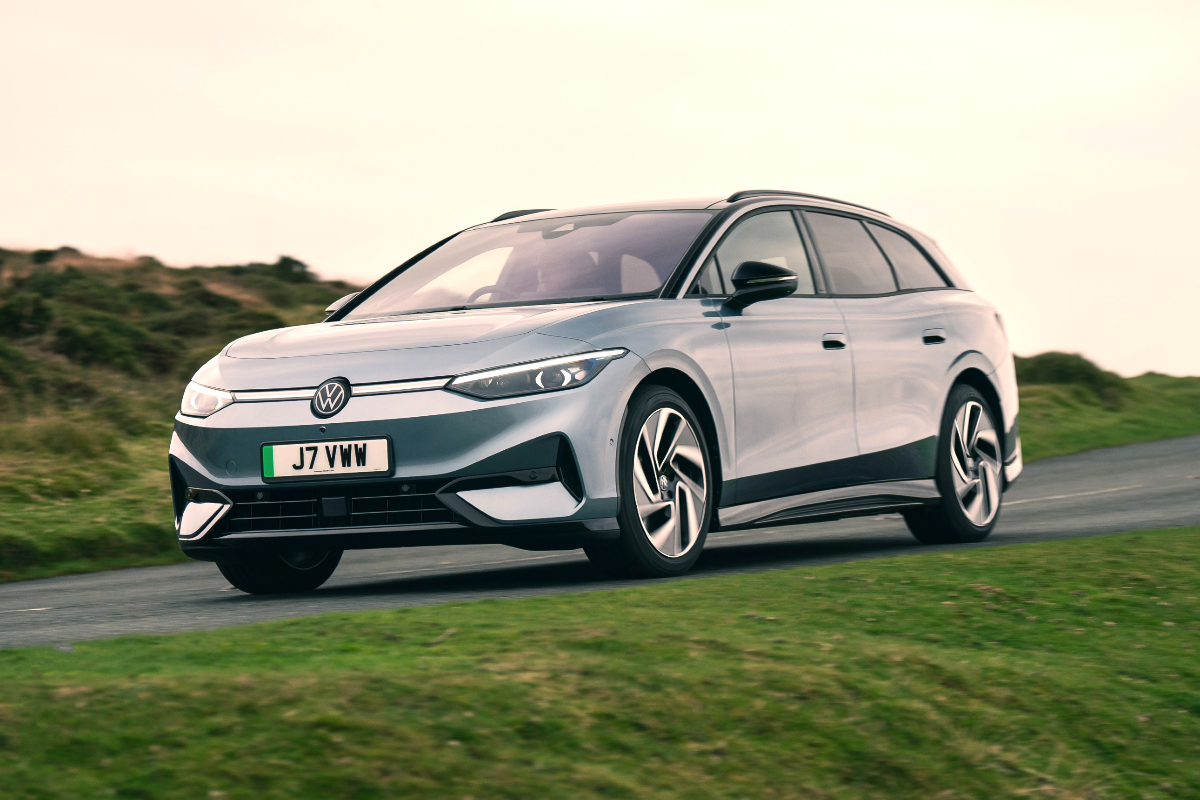
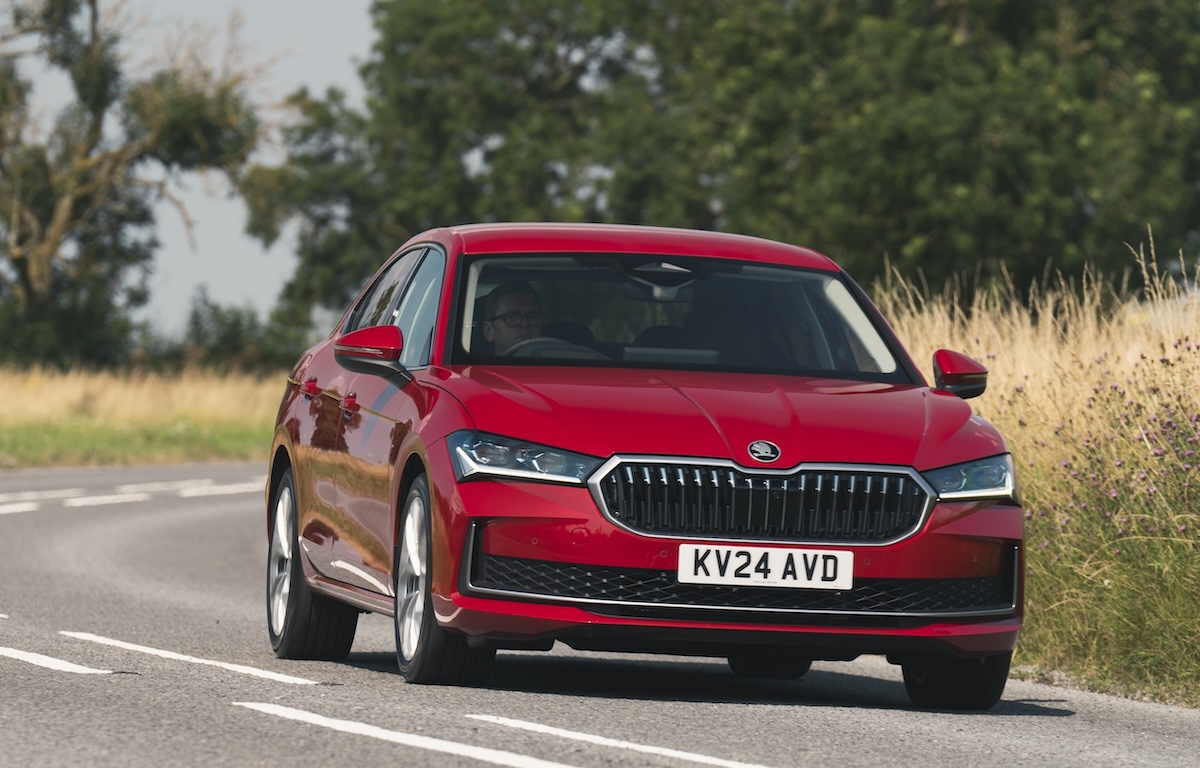
For company car drivers, the plug-in hybrid (PHEV) version of the Superb Estate is the one to have. It combines a 1.5-litre petrol engine with an electric motor for a total of 201bhp, but more importantly, it boasts an official electric-only range of more than 70 miles. This, combined with CO2 emissions from just 28g/km, results in a fantastically low Benefit-in-Kind (BiK) tax rate of just 6%. While the battery pack does reduce the boot capacity, you're still left with a very generous 510 litres of space, which is more than enough for most business and family needs.
Beyond the attractive running costs, the Superb excels as a mobile office and long-distance workhorse. The ride is exceptionally comfortable, soaking up motorway miles with ease, and the cabin is impressively quiet. Interior space is vast, with limo-like legroom in the back for colleagues or family. All models are generously equipped, too; even the entry-level SE Technology trim includes a large 13.1-inch touchscreen, heated seats, and a reversing camera, making it a comfortable and well-appointed place to spend a working day.
The CarGurus Verdict: "It offers more space than premium-badged rivals at a significantly lower price, and its boot beats most, if not all, other estate cars for load-carrying ability." - CarGurus Editorial Team
Read our full Skoda Superb review
CarGurus expert rating: 5 out of 5
CarGurus user rating: Insufficient user reviews
Percentage of good/great deals available on CarGurus: 36.4%
Overall CarGurus rating: 4.0 out of 5
| Pros |
Cons |
| Strong value compared with rival electric SUVs |
Pre-2025 cars have less generous standard equipment |
| Excellent passenger space and a large boot |
Touchscreen can be slow to respond on earlier models |
| Comfortable ride and well-judged handling |
Sporty vRS version prioritises pace over enjoyment |
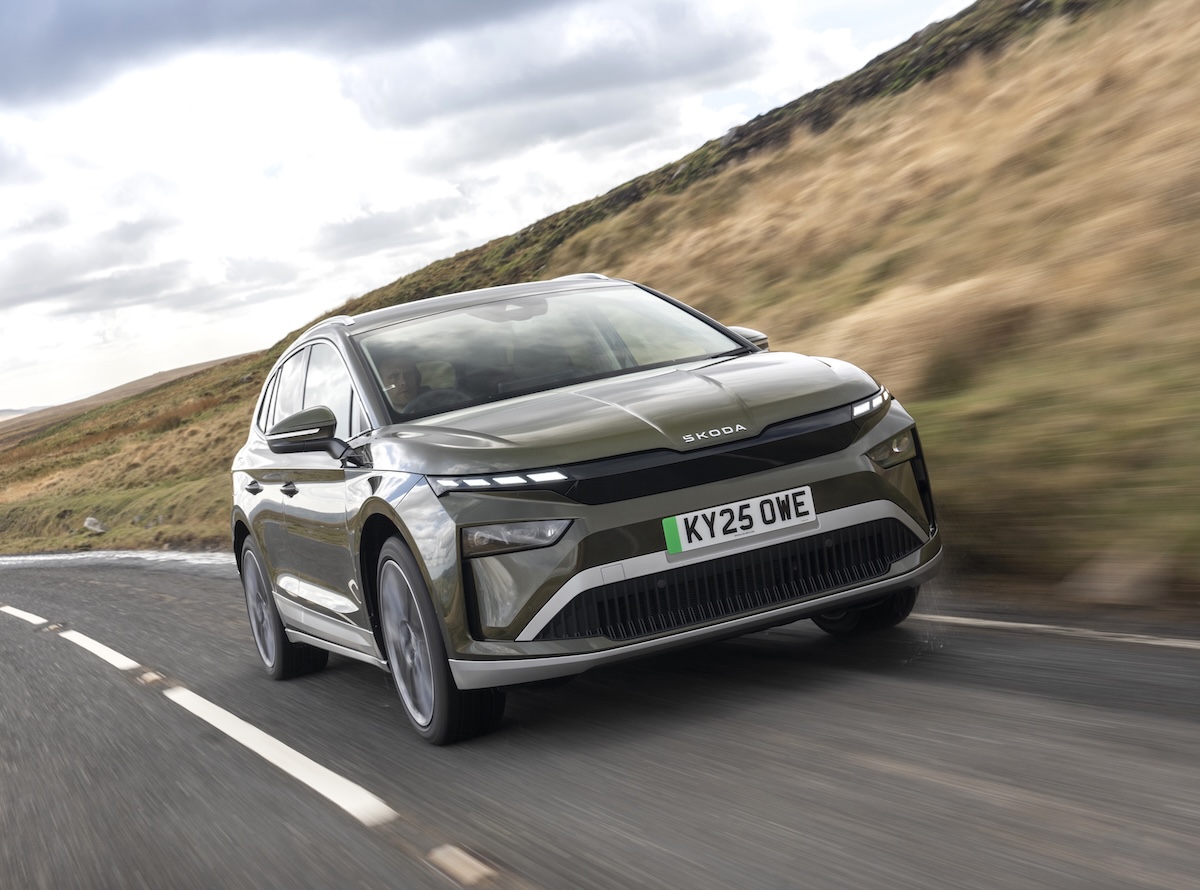
The Skoda Enyaq is a bit of a no-brainer for company car drivers looking to go electric. Why? Well, the tax savings are almost too good to be true. Thanks to its zero-emission status, the Enyaq falls into a very low Benefit-in-Kind (BiK) tax bracket, meaning your monthly tax bill could be laughably small – we’re talking as little as £20 a month for an Enyaq 60 in the 2025/26 tax year. It’s not just about the tax, either. The Enyaq represents fantastic value, offering the space and quality of a premium SUV for a much more sensible price tag, which is sure to keep the fleet manager happy.
Beyond the balance sheet, the Enyaq is just an incredibly practical and easy car to live with day-to-day. The interior is vast, with limo-like space for passengers and a huge 585-litre boot that’ll handle business equipment or family clutter with ease. Range anxiety shouldn't be a major concern, either; the Enyaq 85 model offers an official range of up to 365 miles. When you do need to top up on the road, its 175kW rapid charging capability means you can get from 10% to 80% battery in under 30 minutes – just enough time for a coffee and a few emails before you’re back on your way.
The CarGurus Verdict: "The Skoda Enyaq is a fantastic family SUV that stands comparison with anything else of a similar size, regardless of power source. It’s spacious, comfortable, quiet, feels classy and is excellent to drive." - CarGurus Editorial Team
Read our full Skoda Enyaq review
CarGurus expert rating: 4 out of 5
CarGurus user rating: Insufficient user reviews
Percentage of good/great deals available on CarGurus: 31.7%
Overall CarGurus rating: 3.9 out of 5
| Pros |
Cons |
| Very classy interior and infotainment system |
Not as versatile as some rivals |
| Good to drive |
An expensive option in the class |
| Efficiency is pretty good |
Dimensions aren't as compact as they once were |
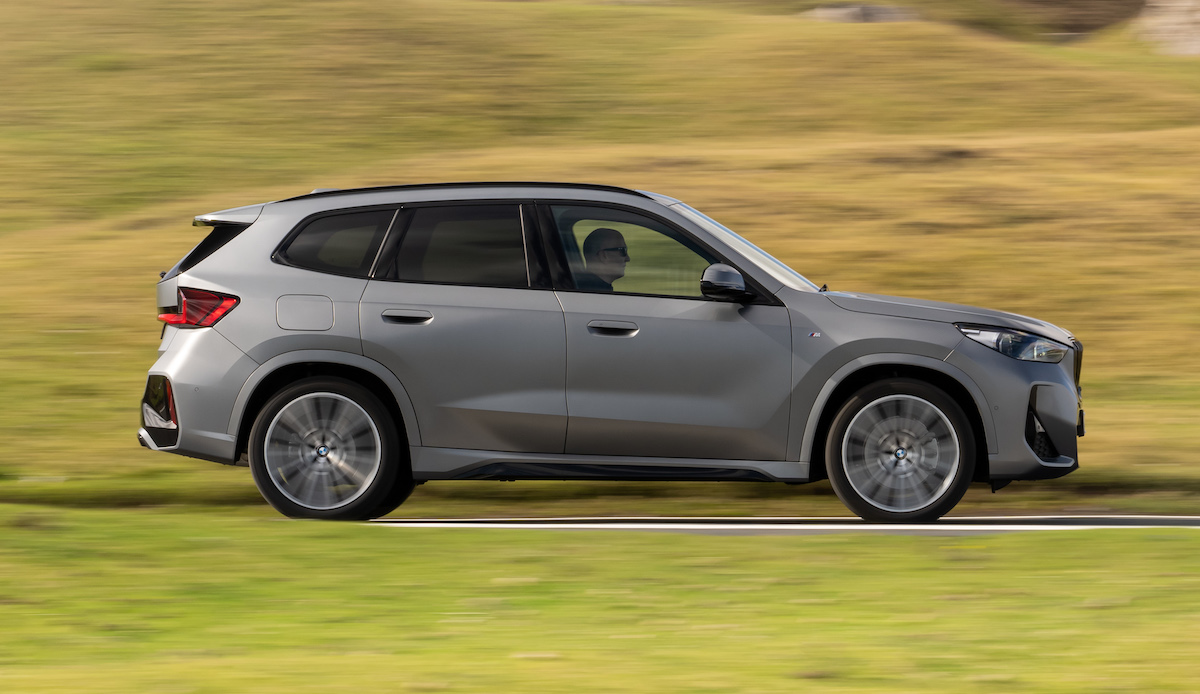
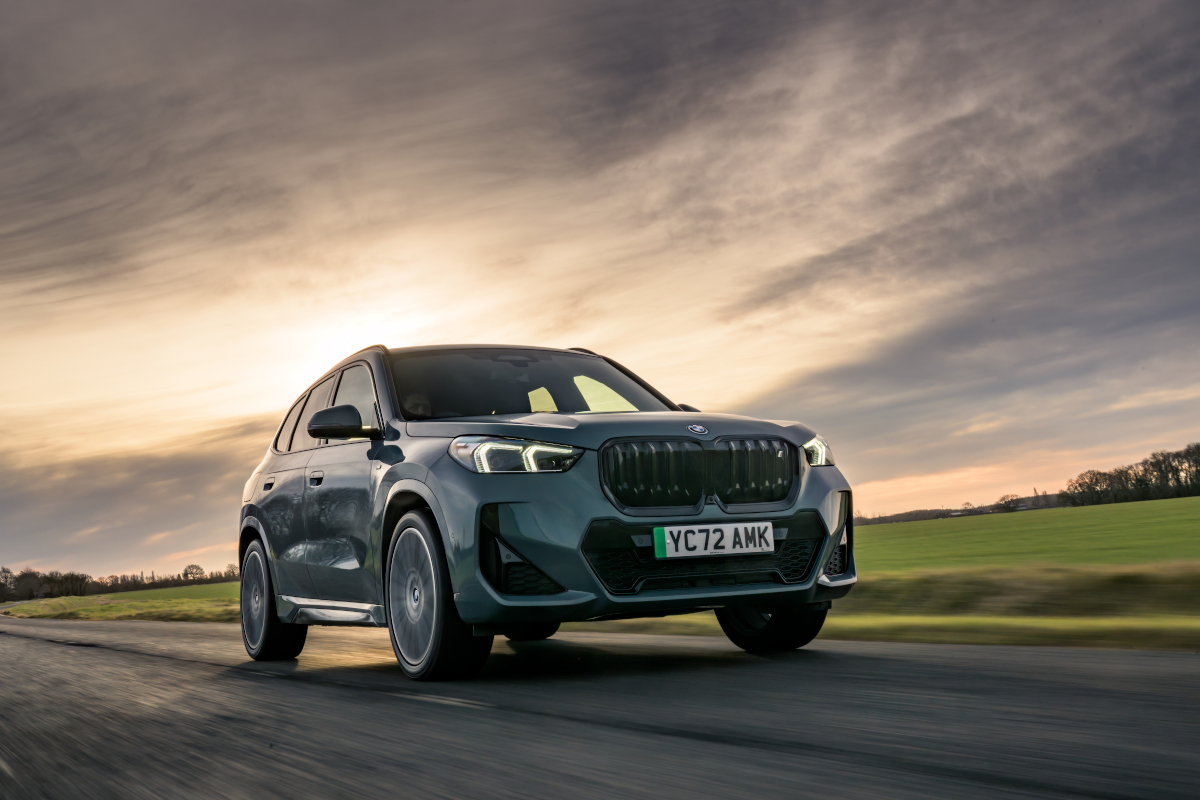
The BMW iX1 makes a strong case for itself as a company car, being the most affordable entry into BMW's electric SUV line-up. For business users, the key attraction is the rock-bottom Benefit-in-Kind (BiK) tax rate that all electric cars enjoy. There are two versions to choose from: the front-wheel-drive eDrive20 offers a WLTP range of up to 320 miles, while the more powerful, all-wheel-drive xDrive30 with 308bhp manages up to 290 miles. Both use the same 65kWh battery, and if you can charge at home on a cheap overnight tariff, running costs will be significantly lower than any petrol or diesel alternative.
Step inside, and the iX1 really impresses. The cabin borrows heavily from the much larger and more expensive BMW iX, giving it a genuinely premium feel that’s a cut above most rivals. The large, curved display housing the infotainment and driver’s instruments looks fantastic and is packed with features like wireless Apple CarPlay and Android Auto. While it’s a comfortable and refined cruiser, perfect for racking up motorway miles, it’s practical, too. The 490-litre boot is a good size and shape, easily handling business luggage or family gear, making the iX1 a versatile all-rounder.
The CarGurus Verdict: "The BMW iX1 is a seriously comprehensive premium SUV that offers the best infotainment and cabin finish in the class. It’s also a sophisticated car to drive yet a practical family car, so it has the essentials wrapped up." - Ivan Aistrop, senior editor
Read our full BMW iX1 review
CarGurus expert rating: 4 out of 5
CarGurus user rating: Insufficient user reviews
Percentage of good/great deals available on CarGurus: 22.2%
Overall CarGurus rating: 3.8 out of 5
| Pros |
Cons |
| Extrovert styling |
Unsettled ride |
| Loads of space for a car of its size |
Too many touch-sensitive controls inside |
| Long range |
Some cheap-feeling interior plastics |
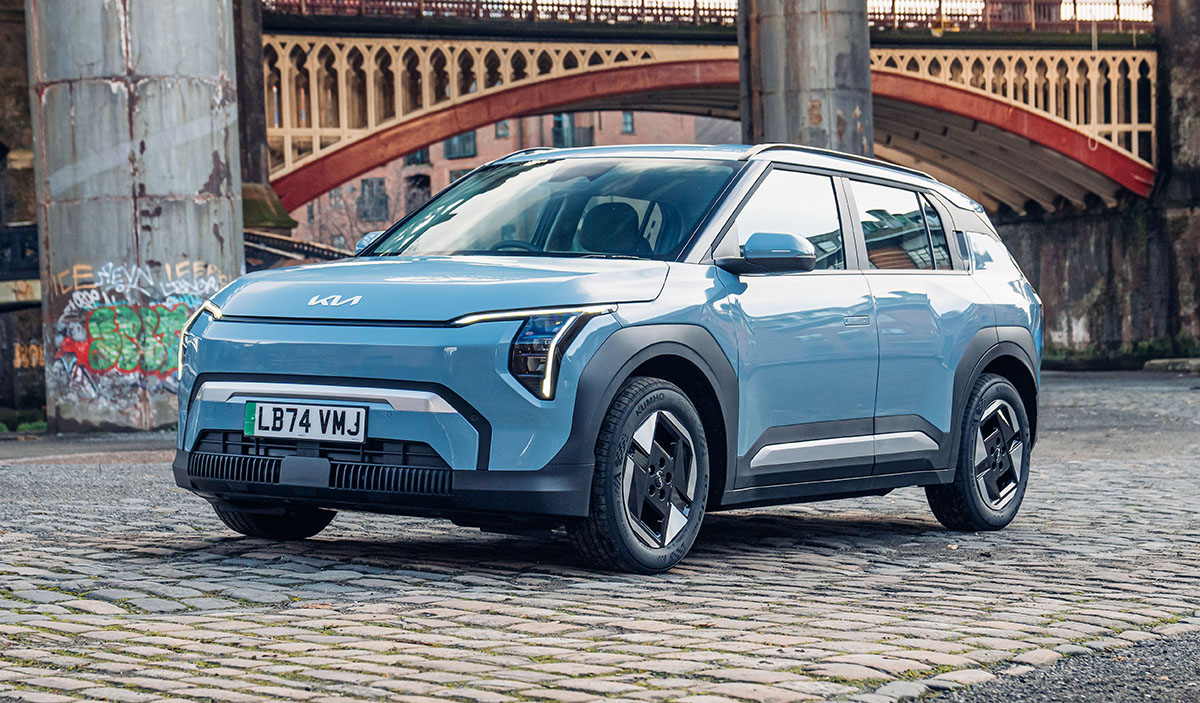
For company car drivers, the Kia EV3 makes a solid financial case. As a pure electric vehicle, it qualifies for incredibly low Benefit-in-Kind (BiK) tax rates, making it significantly cheaper to run per month than a petrol or diesel equivalent. Drivers can choose between a standard 58kWh battery with a respectable 270-mile official range, or a long-range 81kWh version that pushes that figure to a very useful 375 miles. That larger battery will be a godsend for business users who cover long distances, reducing the need for frequent charging stops on the motorway.
Beyond the low running costs, the EV3 delivers on the practicality front. Its 460-litre boot is a decent size for the class, and is supplemented by a handy 25-litre storage area under the bonnet, perfect for stashing charging cables. The cabin is impressively spacious, with plenty of room for passengers in the back, while up front the driver is treated to a wealth of standard kit. Even the entry-level model gets a large 12.3-inch touchscreen with wireless Apple CarPlay and Android Auto, plus a heated steering wheel and heated front seats, all of which make life on the road that much more comfortable.
The CarGurus Verdict: "The Kia EV3 isn’t quite the home run its larger sibling, the EV9, was. But this is still a solid, desirable and distinctive electric SUV with a lot of practicality." - Alex Robbins, senior car reviewer
Read our full Kia EV3 review
FAQ
What is Benefit-in-Kind (BiK) tax?
Benefit-in-Kind (BiK) is a tax on employees who receive benefits or perks on top of their salary. If you get a company car for private use, HMRC considers it a taxable benefit. The amount of tax you pay depends on the car's list price (its P11D value), its official CO2 emissions, and your personal income tax bracket.
Why are electric cars so cheap for company car tax?
Electric cars (EVs) are cheap for company car tax because the government wants to incentivise their adoption. The BiK tax rate is calculated based on a car's CO2 emissions, and since pure EVs produce zero tailpipe emissions, they are placed in the lowest possible tax bands. For the 2024/25 tax year, the BiK rate for EVs is just 2%, which is dramatically lower than the rates for petrol and diesel cars, which can exceed 30%.
What's the difference between a hybrid and a plug-in hybrid (PHEV)?
A regular hybrid (sometimes called a 'self-charging' hybrid) uses its petrol engine to charge a small battery, which can then power the car for very short distances at low speeds. You can't plug it in. A plug-in hybrid (PHEV) has a much larger battery that you charge from an external power source, just like an EV. This allows it to travel for a significant distance (often 30-70 miles) on electric power alone before the petrol or diesel engine kicks in.
Is a plug-in hybrid a good company car choice?
A PHEV can be an excellent company car choice, but only if it suits your lifestyle. Their low CO2 emissions and good electric-only range place them in low BiK tax bands, making them much cheaper to run than a conventional petrol or diesel car. To get the best results, you need to be able to charge it regularly (ideally at home overnight) and most of your journeys should be within its electric range. If you mainly do long motorway miles and rarely plug in, a diesel or a long-range EV might be a better option.
How does charging an electric company car work?
Most EV company car drivers install a dedicated wallbox charger at home. This is the most convenient and cost-effective way to charge, especially if you can use a cheap overnight electricity tariff. Your employer may contribute to the cost of this. For longer journeys, you'll use the public charging network at service stations or other destinations. If your employer pays for your electricity for business mileage, they can reimburse you at a set rate per mile (the Advisory Electricity Rate).
Will company car tax on EVs stay low?
The lowest BiK rates for electric cars were in place prior to the 2025/26 tax year. However, they are still much lower than for petrol or diesel cars, and are currently scheduled to rise by just 1% each year, meaning they'll reach 5% in 2027/28. Again, while this is an increase, it will still be significantly lower than the tax rates for petrol, diesel and even most plug-in hybrid cars, ensuring EVs remain the most tax-efficient company car choice for the foreseeable future.
What Makes CarGurus Best Cars Guides Different?
Most car buying websites publish lists of the best cars across a variety of categories, with recommendations generally driven by editorial expertise. Here's what makes our best cars guides different: we combine the insights and verdicts of our team of car-testing experts with other factors that we know matter to buyers - real owner experiences and current market value.
To that end, our expert reviewers come from some of the UK's most trusted automotive publications including What Car?, The Telegraph, Auto Trader, Electrifying.com, and Carbuyer. They put each car through real-world testing, and create detailed reviews noting performance in a range of categories, from practicality and driving manners, to running costs and reliability.
But we don't stop there when it comes to creating our best cars guides; we also analyse hundreds of thousands of used car listings on CarGurus UK to track which models consistently offer the highest percentage of best deals relative to how many are listed for sale. Then we factor in user reviews and ratings gathered on CarGurus to get feedback from people who actually live with these cars every day. Our best cars algorithm then creates a final Overall CarGurus rating that combines expert ratings, user reviews, and the percentage of listings on CarGurus UK rated as good or great deals. This three-way approach reveals not just which cars excel on paper, but which ones deliver satisfaction and value when you're ready to buy.
The CarGurus UK market data in this guide was last updated in June 2026. Values were accurate at time of publication and should be used as a guide only.
Related Topics: