Porsche 911 996 Review (1997-2003)


Pros and cons
What we like
Quick and involving to drive
Reasonably affordable compared with other generations of 911
GT3 and GT3 RS are brilliant track-day cars
What to consider
Expensive to fix if it goes wrong
Known engine problems
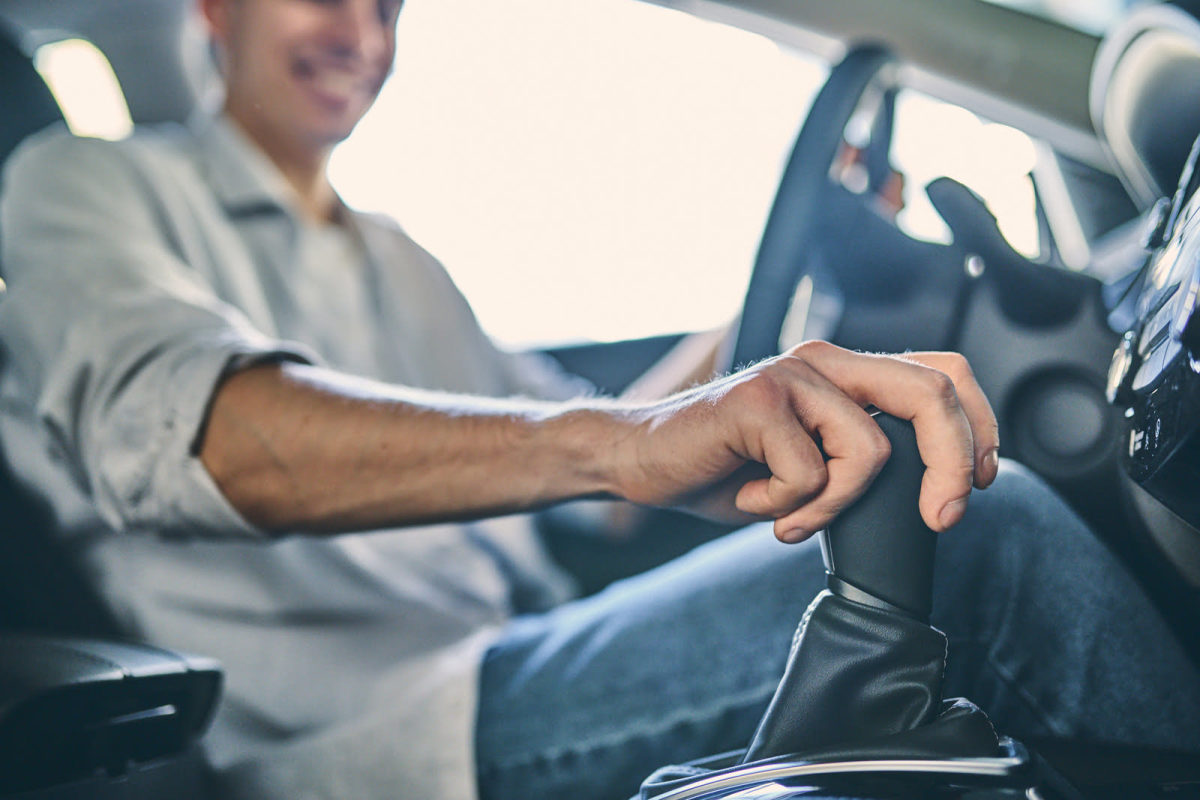
Tiptronic autos are less engaging than manuals
The CarGurus verdict
If you’re on the hunt for a reasonably priced Porsche 911 that you can use every day, then the 996-series is an excellent choice. It's quick, nimble, engaging, comfortable and practical. And of course, it’s a Porsche.
Don’t rush into buying one, though. The 996 sold in comparatively large volume for a car of its type and at one stage was so unloved that its values were eye-poppingly low. This means there are plenty out there bought by people who always fancied having a Porsche but couldn’t actually afford to run one. A poorly maintained example will cost you a fortune and sour your Porsche 911 experience.
So acquaint yourself with your local Porsche specialist, solicit their opinion about which model 996 will best suit you, and then invest in a pre-purchase inspection of the car you’d like to buy. A good Porsche 911 will make every journey a pleasure.
out of 5 expert review
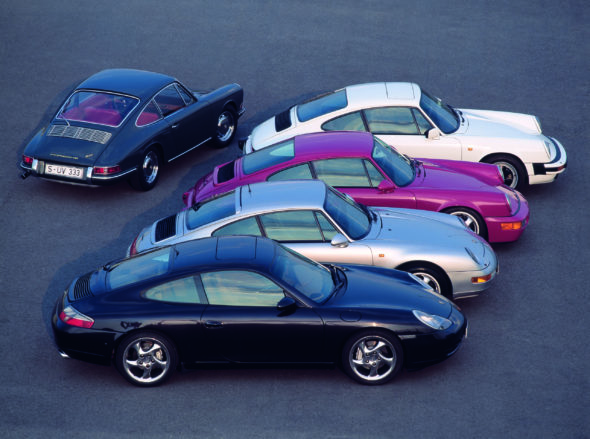
The 996-series is the first of the modern-era Porsche 911s. When it was launched, diehard Porsche 911 enthusiasts bemoaned the fact that the car’s 3.4-litre rear-mounted, flat-six engine was cooled by water rather than being air-cooled, as was traditional for the 911. But the 996 represents a huge stride forward over its forebears; even today, get behind the wheel of a well-maintained example and you’ll discover that the driving experience isn’t far from what you’d expect of a modern day sports car.
A facelift in the second half of 2001 gave all models of the 996 the same headlight treatment as the Turbo (replacing lights dubbed ‘fried eggs’ because they incorporate large orange indicators), but more importantly, the facelift saw the introduction of a 316bhp, 3.6-litre, flat-six engine for all the Carrera versions. A 911 Targa was also introduced, with a large sliding glass roof panel, together with a Carrera 4S, which shared the Turbo’s wide body, brakes and suspension, but was powered by the new 3.6 engine and had all-wheel drive.
And new model releases were relentless thereafter. A facelifted 911 GT3 with more power and better steering and brakes. Cabriolet versions of the Carrera 4S and Turbo. The 444bhp Turbo S, also available as a Cabriolet. The lightweight, track-focused GT3 RS and a more powerful GT2 with 456bhp. Variety is the spice of the 911’s life.
While we will reference the Turbo and GT versions of the Porsche 911 in this used buying guide, our focus is mainly on the 911 Carrera models.

Practicality
Part of the 911’s appeal has been its surprising practicality, which makes this a super sports car that’s as comfortable on the school run or in the supermarket car park as it is tackling track days or flying down your favourite back roads.
Make no mistake, this isn’t a viable alternative to a family hatchback, but there’s more space and versatility than you’ll find in any rival. For starters, visibility is excellent all-round, making the 911 easy to place on the road and a doddle to park. It’s also helped here by its relatively modest exterior dimensions.
Inside, the Porsche has decent space for the driver and passenger, even by modern standards, with just enough seat and wheel adjustment to make sure you’ll be comfortable behind the wheel. The 996 generation was also the first generation of 911 to ditch floor-hinged pedals, which means you shouldn’t be nursing ankle cramps after a long journey.
Of course, the 996 also gets the 911’s trademark 2+2 seating layout that includes a pair of small rear seats. They’re effectively off limits for adults, but children will be just fine in there, plus the backrests can be easily folded down to create a large flat load area for luggage when it's just you and a passenger. There’s also a deep 130-litre boot in the nose, although this shrinks to 100 litres for the four-wheel drive models. Keep in mind, however, that GT3 models ditch the rear seats for lightness, with many also getting a roll cage.
Where the 996 shows its age is in the design of its cabin, which seems a tad simple and dour compared with the sometimes blingy, over-stylised cabins of modern sports cars. It also lacks the storage space that you’ll get in a modern car, with nowhere to place a smartphone and, on pre-facelift cars, no cup holders or glovebox.

Driving
The main reason you’ll want a 911 is for the way it drives, its rear-engined layout helping to make it one of the most engaging and satisfying sports cars. While early 911s had a reputation for serving up white-knuckled handling in the hands of unwary owners, by the time the 996 came along Porsche had refined the driving experience so that it was largely vice-free.
No matter which version you choose, the 911 is very quick, has good throttle response, nicely direct steering and an entertainingly agile chassis, and its ride quality is sportingly compliant. Few cars at any price are as involving to drive, and the Porsche is the sort of car that will encourage you to grab the keys and just head out on the road for the hell of it.
A big part of the appeal is the car’s zingy flat-six engine that pulls hard throughout the rev range and sounds superb, too. A Porsche 911 is in its element on twisting, high-speed back roads, and in that environment you’ll be having so much fun that it won’t dawn on you that even the youngest example of this car was made way back in 2003.
At launch, the 996 was available as a coupe only, with just the one engine – a then-new 3.4-litre flat-six with 292bhp, driving the rear wheels through either a six-speed manual or five-speed Tiptronic automatic gearbox. Called the 911 Carrera 3.4, it wasn’t alone for long, as it was quickly followed by the convertible Cabriolet, the four-wheel drive Carrera 4, the racy 911 GT3, the storming four-wheel-drive 911 Turbo with twin turbochargers and 408bhp.
Eventually the standard car got a larger 3.6-litre engine, and for most this offers the best blend of performance and usability, particularly with the confidence-inspiring addition of four-wheel drive.
However, if you needed more adrenaline in your life, then there was always the 911 GT2, nicknamed 'the Widow Maker' on account of having twin turbos, 456bhp, rear-wheel drive and no traction control, which was enough to ensure you needed a least four Weetabix for breakfast before taking it for a drive.
Most exciting of the lot, however, is the GT3 and its even racier RS sibling. Designed as racers for the road, these packed howling naturally aspirated engines, stripped out interiors and invigorating handling that left you tingling from head to toe.
A slick and precise six-speed manual gearbox was standard on all 911 models, and it’s the transmission you should go for. A Tiptronic automatic was available, but compared to the modern twin-clutch PDK unit in the latest 911 models, it’s a ponderous performer.

Tech and equipment
Keep in mind the fact that the 996 was launched at the tail end of the Nineties (so more than 20 years ago now) and you’re unlikely to be disappointed by the amount of equipment on offer. In fact, in terms of what you actually need, the Porsche has most bases covered. There’s air-con, cruise control, electric windows and mirrors to name but a few things, while most versions you’ll see will have leather seats as well.
In fact, Porsche started its push for personalisation with the 996, so there was a lengthy options list when new with many well-heeled buyers ticking boxes left, right and centre. As a result, it’s worth checking carefully the specification of any potential purchase, and no two cars are usually the same. Extras worth looking out for are upgraded stereos, heated seats and climate control.
One area of the car that really ages it, however, is the infotainment. Almost all examples got a simple audio set-up with a CD player and a radio. There was a sat-nav upgrade option, plus many had wired-in mobile phone cradles, but these are now very outdated. The good news is that Porsche now offers a modern touchscreen upgrade for the 996 that looks great and features Apple CarPlay and Android Auto.
Running costs
It may seem counter-intuitive to spend money on a car before you’ve even bought it, but with something like a Porsche 911, a pre-purchase inspection by a reputable independent Porsche specialist is a sensible precaution. Prices start from around £245, but because the 996’s engine is known to have a problem or two, we’d recommend spending about £395 to get the inside of the cylinder bores checked out for damage.
This being a Porsche, servicing won’t be cheap, but thankfully the UK has a large number of high quality specialists with an intimate knowledge of older models. At one of these a minor service for a 996 Carrera should be about £265, rising to roughly £465 for a major service: if you’re lucky enough to have a 911 Turbo, those prices are in the region of £275 and £750, respectively.
The suspension on a 996 starts to wear out from about 80,000 miles onwards, but the cost of parts isn’t so bad. Commonly replaced items are the lower track control arms (also known as the coffin arms because of their shape) in the front suspension, which are about £270 each with all the associated bushes etc. The track control arms for the rear suspension are around £350 for a pair, but there’s labour to add on top of that. After fixing the suspension, you’ll also need a suspension geometry set-up, for about £270.
Tyres typically last 15,000-18,000 miles, and premium brand replacements – you really don’t want to go budget on a Porsche 911 – are in the region of £120 to £160 each. The air-conditioning system has a lifespan of six to eight years and can cost up to £1,200 for a rebuild, while a replacement clutch can cost up to £1,400 because the engine and gearbox have to be dropped out of the car to change it, and while you’re doing that you’ll want a new flywheel, too.
Fuel consumption isn’t great in the Porsche 911. Figures span from 20mpg to 23mpg, and you’ll be wanting to use super-unleaded rather than regular. Vehicle Excise Duty is between £270 and £330 depending on the model, while all 911 models are in group 50 for insurance.
There are two groups of three letters you will frequently hear when discussing the reliability of the Porsche 911, RMS and IMS. RMS stands for rear main oil seal, between the engine and transmission, and if it fails you get an oil leak. Keep a watchful eye on the oil level and top it up diligently, and you should be able to wait to replace the RMS until it’s time for a replacement clutch. Both require the engine and gearbox to come out, so are best done at the same time.
IMS is for intermediate shaft bearing. The IMS sends drive from the crankshaft to the camshafts on each of the two banks of cylinders. If the seal in the bearing starts to fail, it allows oil into the bearing which dries out the grease inside it, and can cause it to disintegrate, at which point the valves hit the pistons and you potentially have a £12,000 engine rebuild on your hands.
The estimate for how many engines an IMS failure has affected is 5% and all on post-2001 cars, but the fear factor amongst 996 owners means that many of them upgraded the IMS bearing as a precautionary measure, at a cost of about £2,300. Ask if this has been done on the car you’re looking at, although the general consensus is that if a 996 has made it this far without an IMS failure, it will probably be OK.
Another engine issue was with early 3.4s. Little chunks of the cylinder wall could come adrift, causing calamitous internal damage, but by now most will have been sorted. Some 3.6-litre engines at the very end of the car’s production life suffered cylinder bore scoring, which is why a look inside during a pre-purchase inspection is advisable.
Stone damage and corrosion, caused by the accumulation of leaves and other road detritus, can cause the radiators and air-con condensers in the nose to leak. It’s worth cleaning out the debris from time to time as the condensers are about £1,200 and the other radiators £1,300. If the engine idles roughly then it could be a sign that the pair of solenoids for the VarioCam system on the 3.6-litre engine need replacing, while if you’re buying a Cabriolet or Targa, make sure that the roof mechanisms operate smoothly and quietly in both directions.


What owners say
Had my GTS for a couple of days now and love it. As advertised its the perfect mix of classic sports car with everyday usability. The petrol gauge drops at an alarming rate but thats on me. Its a determinedly analogue beast. Minimal beeping or "assistance", no cruise control and solid early 2000's tech. From the outside it is a beauty to look at from every angle. I'm sure in days to come I will find its foibles & shortcomings - no doubt when I visit the petrol pump or its first service, but for now its just love.
16 July 2025I love 911 and specially red colour and the only missing part in this car the small spoiler in the back .
21 July 2025Great features,and reasonable value! Not a great price,could be cheaper!
16 April 2025What owners say
Had my GTS for a couple of days now and love it. As advertised its the perfect mix of classic sports car with everyday usability. The petrol gauge drops at an alarming rate but thats on me. Its a determinedly analogue beast. Minimal beeping or "assistance", no cruise control and solid early 2000's tech. From the outside it is a beauty to look at from every angle. I'm sure in days to come I will find its foibles & shortcomings - no doubt when I visit the petrol pump or its first service, but for now its just love.
16 July 2025I love 911 and specially red colour and the only missing part in this car the small spoiler in the back .
21 July 2025Great features,and reasonable value! Not a great price,could be cheaper!
16 April 2025Great car reliable great service from Porsche great image and residual values
26 December 2020Best porsche there is and good price!! I love the 911s
22 March 2023All-round excellent car. Might be old (7 years) but in pristine condition and low mileage. 2-year manufacturers warranty provides extra peace of mind, but I expect it will be in good shape for many years to come.
27 January 2023Nothing quite as satisfying as a 911. The 991 even in base 3.4 is sublime to drive and own. Nothing else holds its value as well too. At the moment nice mileage , expensive to get hold of
13 May 2021Classic looks, classic driving experience and great fun. Fairly basic by modern standards but thats what makes it classic and authentic. Value is what ever you are prepared to pay to grab a bit of history.
14 August 2021Lovely cars but early ones had trickier gearbox which is an acquired taste ... later ones had G50 which was an ‘easier’ box, though some prefer the skill required in the earlier 915 box ... you’ve got to drive both before buying one !
19 February 2021Lots of power. Very quick acceleration. Nicely finished. Great drivers car
6 October 2023Three things to know
- The Porsche 911 is a high performance sports car that can be costly to fix should anything major go wrong. As you will read later, there are things to be wary of beneath the engine cover. For that reason it is well worth investing in a pre-purchase inspection by a reputable independent Porsche specialist. These specialists work daily on older Porsches and are all too aware of their pitfalls, so they know exactly what to look out for. At around £245-395, a pre-purchase inspection isn’t pocket money, but it should give you peace of mind ahead of signing on the dotted line, and could save you a fortune in the long run.
- When the 996 was new, having an integrated satnav was something special. However, Porsche’s satnavs back then, particularly with UK mapping, were a little bit rubbish; many years on and without any recent updates, they are very literally a waste of space in the centre console. As a consequence many owners will by now have replaced the factory units with a more modern (and superior) aftermarket alternative that incorporates smartphone and Bluetooth compatibility. Chances are they will have upgraded the sound system’s speakers, too, as the standard items aren’t much good.
- There are two highly sought-after special editions of the 996. To celebrate the year 2000 there’s the Millennium edition, based on the Carrera 4 and boasting chromed alloy wheels, burr walnut-trimmed facia and natural tan leather seats. In 2003, the 911 celebrated its 40th anniversary and to mark the occasion, Porsche produced the 40th Anniversary 911. It’s based on the rear-wheel drive Carrera and in addition to some cosmetic touches it features an X51 power upgrade kit that boosted it to 340bhp. Used values are high for both special editions, but most have been lovingly cared for.
Which one to buy
- If you want the best all-round version of the Porsche 911: The four-wheel drive Carrera 4S isn’t any more powerful than its rear-drive siblings, but you really appreciate its extra traction out of tight corners and when the roads are wet and slippery. Unlike earlier Porsche 911s with four-wheel drive, the 996 Carrera 4S’s handling isn’t compromised compared with the rear-drive car and you scarcely feel the extra weight. With its wide, 911 Turbo-style bodywork, the Carrera 4S looks great, too. Try to find one with the optional sports exhaust.
- If you’re after a 911 on a tight budget: The early 3.4-litre Carrera is perhaps the least loved 996, but it’s still a cracking drive and plenty quick enough to put a big, fat smile on your face. Because Cabriolets don’t drive quite as well as the coupes they’re also a budget-friendly route into 911 ownership: go for a post-2002 example as it has a heated glass rear screen. Tiptronic automatic models are cheaper than the manuals; despite their manual function Tiptronics receive a bad press from hardcore drivers, but you may find that the system works fine for your style of driving.
- If you’re a fan of big thrills: The Porsche 911 Turbo, or the more powerful Turbo S, is monstrously fast and superbly responsive in all conditions. It’s not for the inexperienced driver, though, because despite the security and stability it gains from having four-wheel drive, the force brought to bear by more than 400bhp can swiftly overwhelm the roadholding and possibly the driver’s talent. For an even bigger scare, may we propose the rear-drive, no electronic safety nets, 483bhp version of the GT2.
- If you want a Porsche 911 for driving on the track: Motorsport is in the DNA of all Porsche 911s, and is most evident in the 911 GT3 and GT3 RS. Both are lightweight specials with suspension tuned to give its best on the race track and have engines inspired by genuine motorsport motors. The GT3 RS is perhaps a little too uncompromising for regular road use, but if you’re prepared to put up with a stiff ride and lots of noise, the GT3 can be a real on-road thriller. Both, however, are appreciating in value, so you’ll need deep pockets.


Pricing trends
Starting RRP
£48,043
Current avg. market price
£26,144
Trending down by 5.3% this month
May 2026 - July 2026
More on the 996 Porsche 911 (1997 - 2003)


Compare 2003 Porsche 911 Trims
The 2003 Porsche 911 lineup offers a blend of performance and luxury, with options ranging from the budget-friendly S 2dr Tiptronic S to the fully loaded 2dr.
- Starting at £21,950
- Most Popular: S 2dr
Trim Overview
Prices updated weekly from CarGurus listings.
| S 2dr | S 2dr Tiptronic S | Gt3 2dr | 2dr Tiptronic S | 2dr | |
|---|---|---|---|---|---|
| Starting MSRP | £64,060 | £66,021 | £72,750 | £92,321 | £96,130 |
| Avg. Market Price | £29,119 | £21,950 | £29,119 | £29,920 | £29,495 |
| Positioning | Best value | AWD for less | Standard | Standard | Fully loaded |
| Standout Features | Navigation System, Heated Seats, Alloy Wheels | Panoramic Roof, Bluetooth, Heated Seats | Privacy glass, Keyless Entry, Alloy Wheels | Panoramic Roof, Leather Seats, Alloy Wheels | Leather Seats, Climate control, Alloy Wheels |
| Drivetrain | AWD | AWD | RWD | RWD | RWD |
| Listings Available | 37 | 17 | 12 | 23 | 36 |
Quick Compare Table
Listing prices sourced from CarGurus — updated weekly. OEM specs from manufacturer data.
| S 2dr | S 2dr Tiptronic S | Gt3 2dr | 2dr Tiptronic S | 2dr | |
|---|---|---|---|---|---|
| AI Summary | Best value for performance enthusiasts | Affordable AWD option with luxury features | Performance-focused with advanced tech | Standard luxury with sporty handling | Fully loaded for ultimate comfort |
| Avg. Market Price | £29,119 | £21,950 | £29,119 | £29,920 | £29,495 |
| MSRP | £64,060 | £66,021 | £72,750 | £92,321 | £96,130 |
| Engine | 3.6l F6 Petrol | 3.6l F6 Petrol | 3.6l F6 Petrol | 3.6l F6 Petrol | 3.6l F6 Petrol |
| Drivetrain | AWD | AWD | RWD | RWD | RWD |
| MPG/MPGe (City/Hwy) | 17.3/33.2 | 15.5/31.7 | 14.2/31.4 | 16.7/34.8 | 17.5/34.8 |
| Navigation System | ✓ | ✓ | ✓ | ✓ | ✓ |
| Leather Seats | ✓ | ✓ | ✓ | ✓ | ✓ |
| Alarm/Immobiliser | ✓ | ✓ | — | ✓ | ✓ |
| Heated Seats | ✓ | ✓ | — | ✓ | ✓ |
| Cruise Control | ✓ | ✓ | ✓ | ✓ | ✓ |
| Climate control | ✓ | ✓ | ✓ | ✓ | ✓ |
| isofix | ✓ | — | — | — | ✓ |
| Parking Assist | ✓ | ✓ | — | ✓ | ✓ |
| Air Conditioning | ✓ | ✓ | — | ✓ | ✓ |
| Bluetooth | — | ✓ | — | — | — |
| Privacy glass/Tinted windows | — | — | ✓ | ✓ | — |
| Android Auto | — | — | ✓ | — | — |
| Keyless Entry/Start system | — | — | ✓ | — | — |
| Apple CarPlay | — | — | ✓ | — | — |
| Backup Camera | — | — | ✓ | — | — |
| AUX/USB connectivity | — | — | ✓ | — | — |
| Active Listings | 37 | 17 | 12 | 23 | 36 |
Missing data displayed as "—".
Trim Deep Dives
S 2dr — "Who It's For"
The S 2dr is the pick for shoppers who want a well-rounded performance car with luxury features without breaking the bank.
- Avg. market price: £29,119 (updated weekly)
- MPG/MPGe: 17.3 city / 33.2 hwy
- Inventory: 37 listings — lower availability; may limit negotiating room
- View S 2dr listings
S 2dr Tiptronic S — "Who It's For"
The S 2dr Tiptronic S is ideal for those seeking an affordable AWD option packed with luxury features.
- Avg. market price: £21,950 (updated weekly)
- MPG/MPGe: 15.5 city / 31.7 hwy
- Inventory: 17 listings — lower availability; may limit negotiating room
- View S 2dr Tiptronic S listings
Gt3 2dr — "Who It's For"
The Gt3 2dr is perfect for performance enthusiasts who desire advanced technology and a sporty driving experience.
- Avg. market price: £29,119 (updated weekly)
- MPG/MPGe: 14.2 city / 31.4 hwy
- Inventory: 12 listings — lower availability; may limit negotiating room
- View Gt3 2dr listings
2dr Tiptronic S — "Who It's For"
The 2dr Tiptronic S caters to buyers wanting a standard luxury experience with sporty handling and advanced features.
- Avg. market price: £29,920 (updated weekly)
- MPG/MPGe: 16.7 city / 34.8 hwy
- Inventory: 23 listings — lower availability; may limit negotiating room
- View 2dr Tiptronic S listings
2dr — "Who It's For"
The 2dr is for those who want a fully loaded sports car experience with all the luxury features included.
- Avg. market price: £29,495 (updated weekly)
- MPG/MPGe: 17.5 city / 34.8 hwy
- Inventory: 36 listings — lower availability; may limit negotiating room
- View 2dr listings
Trim Recommendations
Most Popular — S 2dr
With 37 active listings, the S 2dr is the clear volume leader in the lineup.
Best Budget Option — S 2dr Tiptronic S
At £21,950 avg market price — below the lineup median of £29,119 — it's the most accessible entry point.
Browse S 2dr Tiptronic S listings
These recommendations are based on CarGurus' proprietary market data from October 29, 2026, CarGurus experts' opinions, and generative AI.

