Say goodbye to the Volkswagen ID.4 and hello to its replacement – the new Volkswagen ID.Tiguan. Due on sale in early 2027, the ID.Tiguan is essentially a heavily updated version of the ID.4.
As well as the new name, it has a fresh exterior design influenced by the petrol-powered Tiguan and a new-look interior that features VW’s latest infotainment system.
Here’s all the key info on the 2027 Volkswagen ID.Tiguan.
2027 Volkswagen ID.Tiguan: Price, Specs and Release Date
- 2027 Volkswagen ID.Tiguan: styling and dimensions
- 2027 Volkswagen ID.Tiguan: interior design and practicality
- 2027 Volkswagen ID.Tiguan: engines and driving dynamics
- 2027 Volkswagen ID.Tiguan: price and release date
2027 Volkswagen ID.Tiguan: styling and dimensions
The 2027 Volkswagen ID.Tiguan is another example of how the brand has changed course with its electric models. In the same way that the ID.3 was updated to become the more conventional-looking ID.3 Neo, so the ID.4 becomes the ID.Tiguan.
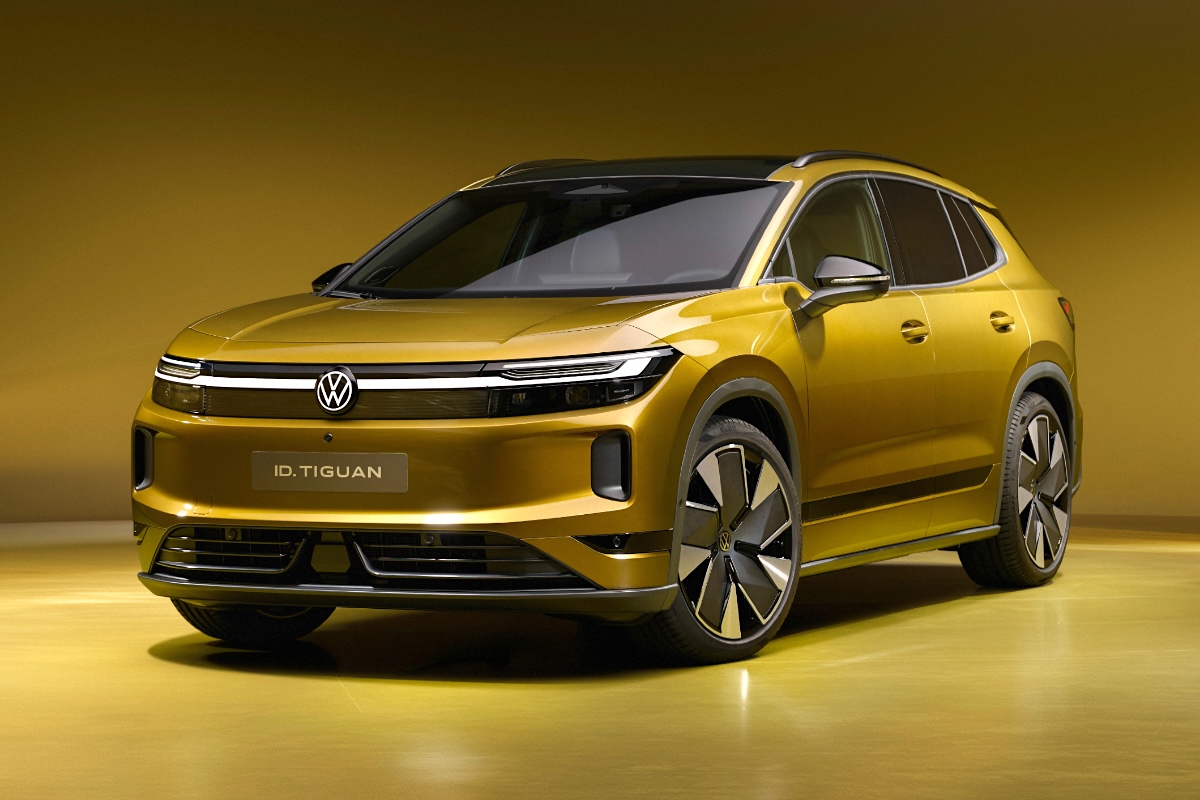
This is much more than just a facelift, though. While most of the bits you can’t see are carried over from the ID.4 (which was launched in late 2020), every exterior body panel is new for the ID.Tiguan. So it’s more of a full-body makeover, if you will. Out goes the ID.4’s curvy crossover appearance and in comes a look that’s closer to that of the petrol-powered Tiguan.
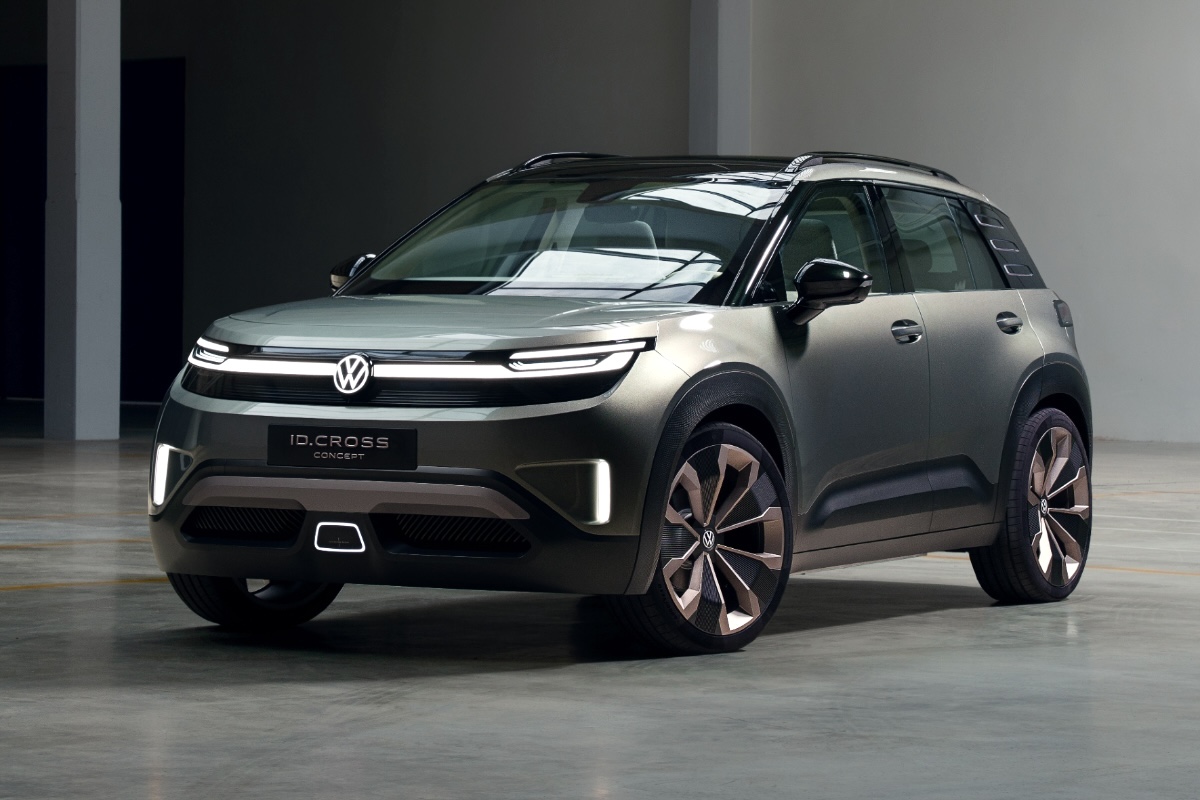
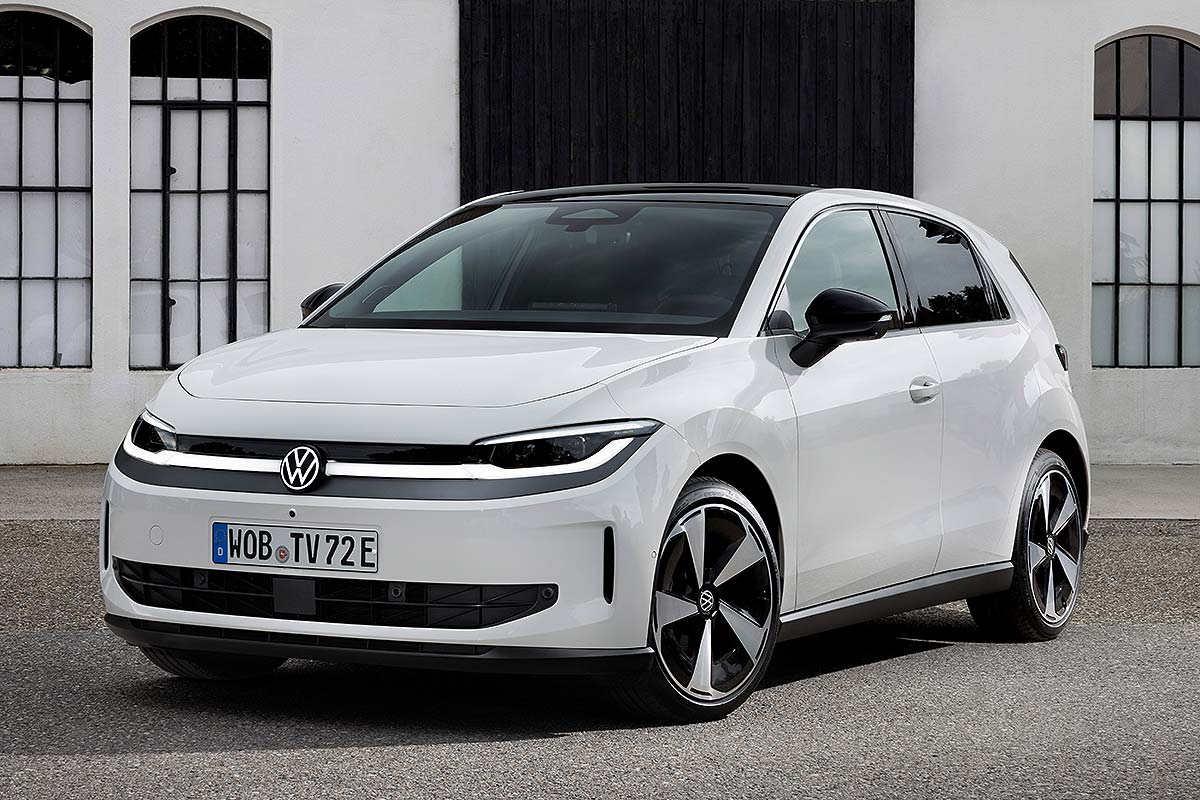
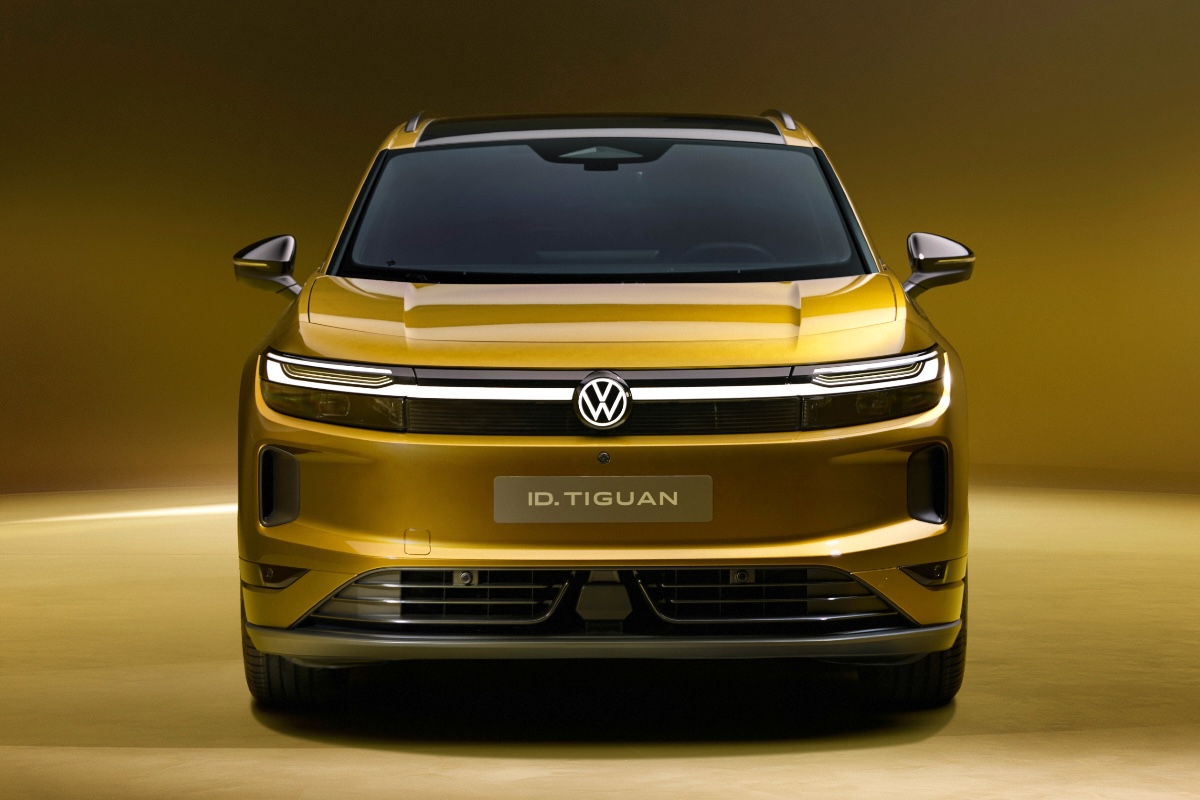
 In profile, the ID.Tiguan has an almost identical shape to the ID.4, although there’s a much flatter bonnet that gives a more traditional SUV vibe. The entire front end is blunter and squarer, and has VW’s latest family look, with a horizontal emphasis and similar details to the new ID.Polo and ID.Cross. R-Line models (the white car in our pictures below) have a sportier-looking front bumper with additional vertical lighting strips.
At the sides, the ID.4’s curvy haunches have been replaced by straight ‘character lines’ that give a sharper, more sculpted look. One major change is to the C-pillar, which now flows into the rear wing, rather than being a separate panel available in a contrasting colour. There are new alloy wheel designs, as you’d expect, but more surprising is the switch to traditional pull-out door handles instead of the ID.4’s flush examples.
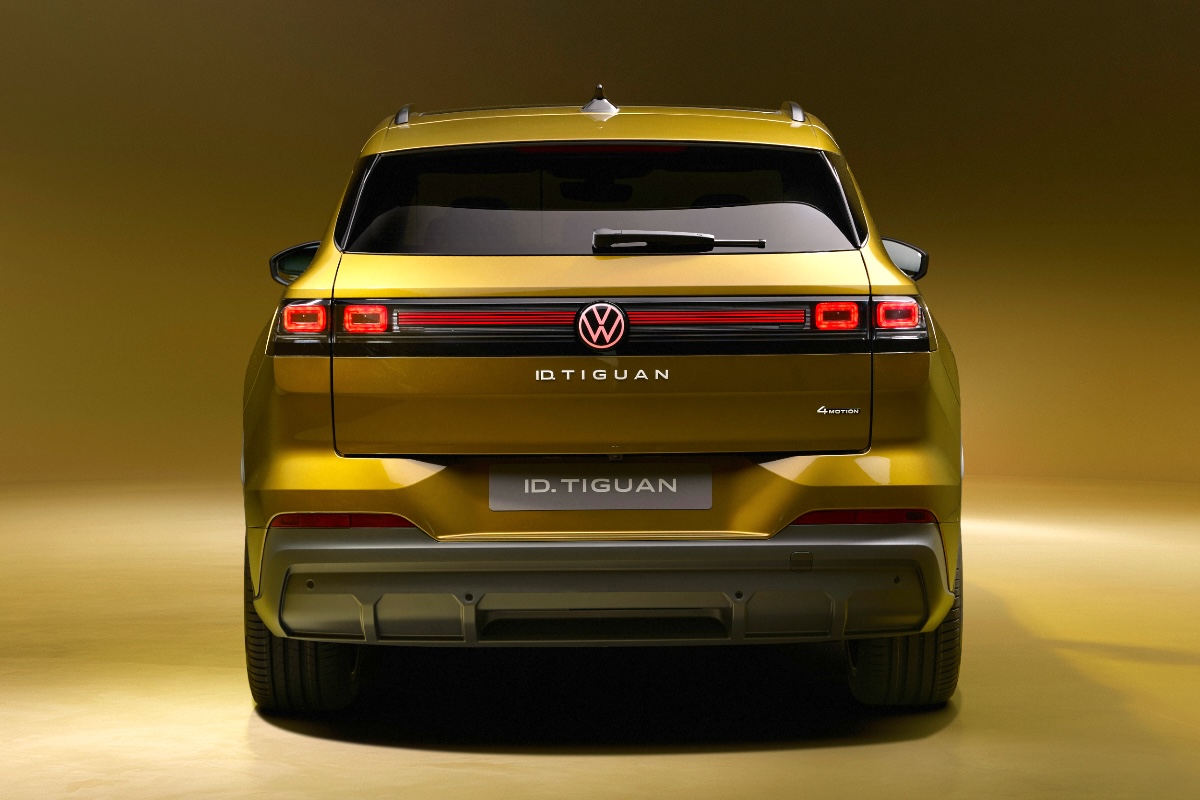
 While the rear of the ID.Tiguan has a similar shape to the ID.4, the boot lid and bumper have a more squared-off design. There’s a full-width rear lightbar, naturally, with 3D-effect tail lights and, for some versions, an illuminated VW emblem.
The ID.Tiguan’s dimensions are very close to those of the ID.4, but the length has grown by 34mm (about 1.5 inches) and there's a fractionally lower roofline. The width and wheelbase have increased by just 3mm and 6mm respectively.
2027 Volkswagen ID.Tiguan: interior design and practicality
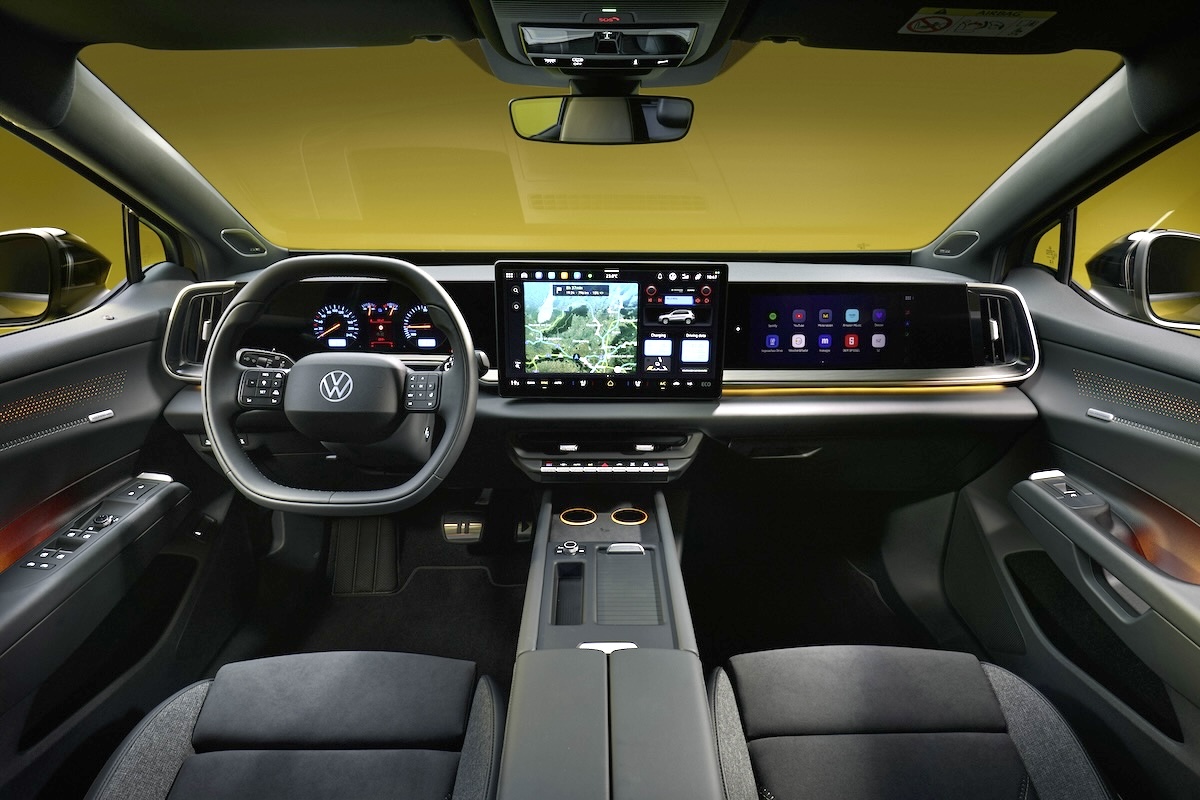
The ID.Tiguan’s interior is another example of the shift in Volkswagen’s strategy, with a focus on ease of use and quality that harks back to earlier VW models.
As part of the change in approach, buttons are back. As well as a row of chunky, old-school switches beneath its large central touchscreen, the ID.Tiguan has solid-looking buttons on the steering wheel and four electric window switches on the driver’s door panel. It’s all a stark contrast to the fiddly, touch-sensitive controls in the ID.4.
 Adding to the sense that VW is looking to the past to define its future, there’s a configurable driver’s display that allows you to change its appearance to mimic the analogue dials of Golf Mk1, Golf Mk2, Golf Mk4, Tiguan Mk1 or even a Beetle. It’s not all retro chic, however – for the first time in a VW, a high-tech passenger-side display panel (that isn’t visible to the driver) is available.
 Thanks to its near-identical dimensions, the ID.Tiguan is expected to offer very similar interior space to the ID.4. That means ample rear legroom and a flat floor that makes it a decently comfortable option for three adults in the back.
Boot capacity is 534 litres to the load cover – 9 litres down on the ID.4, but on a par with most mid-size SUVs. Unlike the ID.4, however, the ID.Tiguan has a small frunk under the bonnet that offers enough space for a charging cable plus a couple of smaller items.
2027 Volkswagen ID.Tiguan: engines and driving dynamics
While it’s all-change inside and out, the ID.Tiguan offers the same powertrain options as the ID.4.
The most affordable models come with a 58 kWh battery, rear-wheel drive (RWD) and a 187bhp electric motor. The next step up gets you a 77 kWh battery and a 282bhp motor, again with RWD. Top-of-the-line models have that same 77 kWh battery, paired with a 295bhp electric motor and ‘4Motion’ all-wheel drive (AWD).
 Maximum battery range is 268 miles for the smaller-battery model, 373 miles with the 77kWh battery and 348 miles for AWD versions. Those are increases of up to 5% over equivalent ID.4 models but they’re still competitive – rather than class-leading – figures.
 Maximum charging speeds haven’t changed, so these remain at 105 kW with the smaller battery and 165 kW with the larger one. VW quotes a minimum 10-80% charge time of 26 minutes or 29 minutes respectively.
2027 Volkswagen ID.Tiguan: price and release date
The VW ID.Tiguan will go on sale in early 2027. Prices are likely to stick pretty close to those of the ID.4 it directly replaces, so you can expect a starting point of about £37,000.