The small electric car market has exploded in 2026, and frankly, it's about time. For years, going electric on a budget meant compromising on range, style, or both — but that era is well and truly over. A wave of brilliant new models has arrived, from retro-inspired charmers to no-nonsense value champions, all offering enough real-world range to be a viable only car. Whether you're after a nippy city runabout or a compact crossover that can handle the school run or motorway commute, there's a really good option out there.
What's particularly exciting is the sheer variety on offer. You've got French flair from Renault's trio of retro revivals, Korean cleverness from Hyundai and Kia, plus strong showings from the likes of Volkswagen, MG, and even newcomer Geely. Prices start from barely north of £20,000, and many of these cars punch well above their weight when it comes to interior space, technology, and driving refinement. So, which ones are actually worth your hard-earned cash? We've done the legwork so you don't have to.
About this guide
The cars in this guide have been selected to represent the best options currently available. Our recommendations are the result of a unique three-part scoring system that takes into account real-world tests from our team of expert reviewers, ratings from real-life owners who live with these cars every day, and an analysis of market data from CarGurus UK to identify which models offer the highest percentage of good and great deals. This combined approach ensures our list highlights cars that are not only great to own but also good value to buy. For more information, scroll to the bottom of this page.
The Best Small Electric Cars
CarGurus expert rating: 3 out of 5
CarGurus user rating: 4.8 out of 5
Percentage of good/great deals available on CarGurus: 30.5%
Overall CarGurus rating: 4.3 out of 5
| Pros |
Cons |
| Great to drive |
Lacks the Renault 5's wow factor |
| Smart interior |
Citroen e-C3 has a more spacious boot |
| Comfortable ride |
Rear doors could open wider |
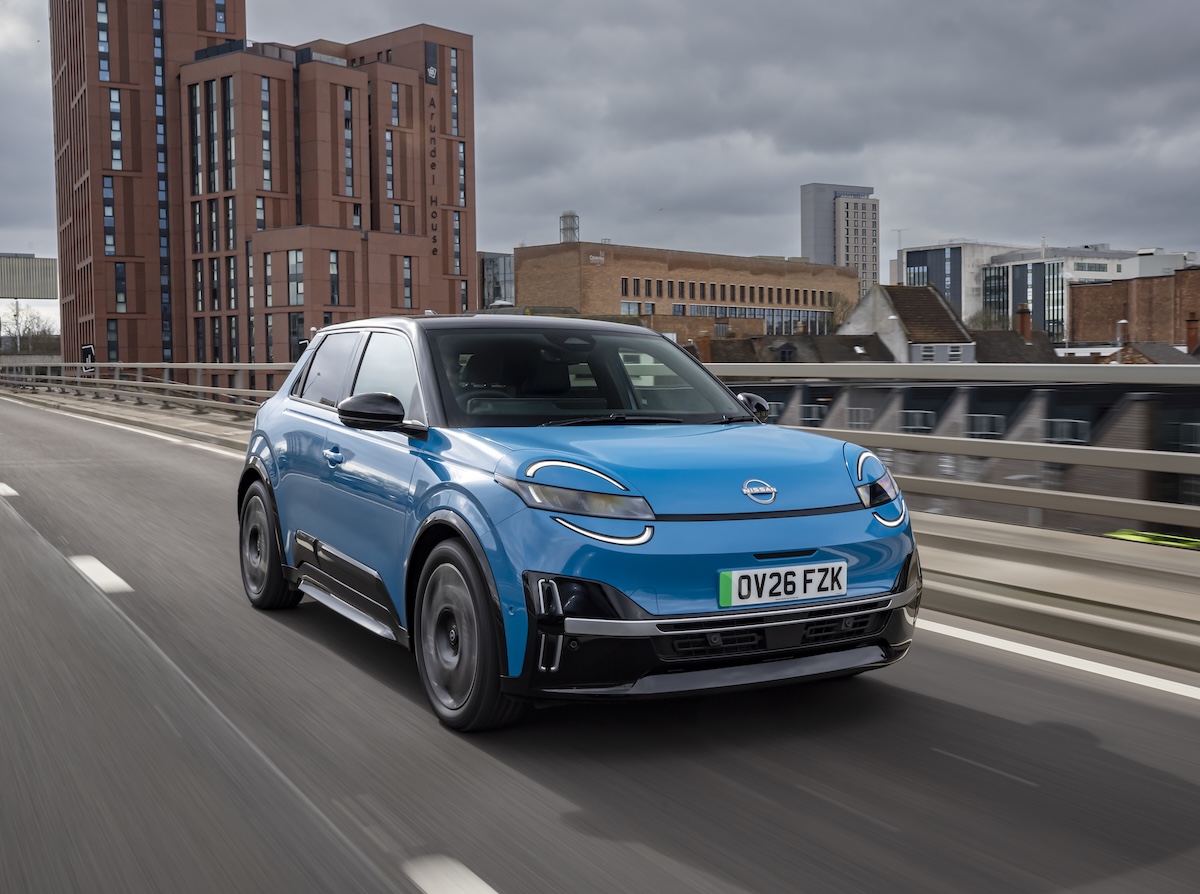
The Nissan Micra is back, but not quite as you remember it. Now a fully electric hatchback, it shares its DNA with the excellent Renault 5, which is a very good starting point indeed. It's compact at just under four metres long, making it perfect for zipping through city streets, yet it manages to pack in a 326-litre boot. That's a respectable figure for a small EV, and more than enough for the weekly shop or a couple of carry-on bags. Inside, the cabin feels modern and smart, with top-spec models even featuring design touches inspired by Japanese zen gardens.
Underneath, you have a choice of two batteries. The entry-level 40kWh version is paired with a 121bhp electric motor, while the larger 52kWh battery gets a punchier 152bhp motor. The latter provides plenty of zip, reaching 62mph in just 8.0 seconds, which feels more than fast enough for a car of this size. On the road, it's a delight to drive, offering a composed and fun experience that feels just as at home on the motorway as it does in town. With a real-world range of up to 230 miles for the larger battery, it's a practical choice for those looking to make the switch to electric without the premium price tag.
The CarGurus Verdict: "The Nissan Micra is a great little car. It looks really cute, there are some cool colours to choose from, and it's fun yet comfortable to drive." - Vicky Parrott, contributing editor
Read our full Nissan Micra review

CarGurus expert rating: 5 out of 5
CarGurus user rating: Insufficient user reviews
Percentage of good/great deals available on CarGurus: 42.4%
Overall CarGurus rating: 4.1 out of 5
| Pros |
Cons |
| Attractive styling and general sense of fun |
Real-world range a little disappointing |
| Impressive levels of standard equipment at a competitive price |
Some slightly flimsy-feeling switchgear |
| Plenty of interior space for a small car |
Rear doors could open wider |
The Renault 5 E-Tech is a masterclass in how to do a retro revival properly. It's not just about those chunky, 1970s-inspired looks and vibrant Pop Yellow paint; it's a genuinely clever small car that manages to feel both aspirational and sensible. At 3.9 metres long, it's compact enough for tight city streets, yet it still offers a usable 326-litre boot in most trims. If you opt for the higher-spec Iconic or Roland Garros models with the fancy Harman Kardon sound system, that space drops slightly to 285 litres, but it remains a practical choice for the weekly shop or a couple of weekend bags.
Underneath that stylish skin, you have a choice of two batteries. The entry-level 40kWh version comes with a 118bhp motor, while the more desirable 52kWh 'Comfort Range' model steps things up to 148bhp. On the road, it feels nippy and responsive, with a tight 10.3m turning circle that makes it a doddle to park. While the official WLTP range for the larger battery is 252 miles, you're more likely to see around 170 to 180 miles in real-world conditions. It's a fun, engaging drive that doesn't sacrifice comfort, making it one of the most charming ways to go electric today.
The CarGurus Verdict: "The Renault 5 is a brilliant little electric car. It's got the functionality, value and common-sense stuff sorted, yet it's also good to drive and so brilliant to look at that it's got real 'want one' appeal." - Richard Aucock, contributor
Read our full Renault 5 review
CarGurus expert rating: 4 out of 5
CarGurus user rating: Insufficient user reviews
Percentage of good/great deals available on CarGurus: 47.4%
Overall CarGurus rating: 4.0 out of 5
| Pros |
Cons |
| Fun to drive |
Rear seat space could be better |
| Characterful interior |
Heated seats reserved for the most expensive model |
| Smart retro styling |
Wind noise at higher speeds |
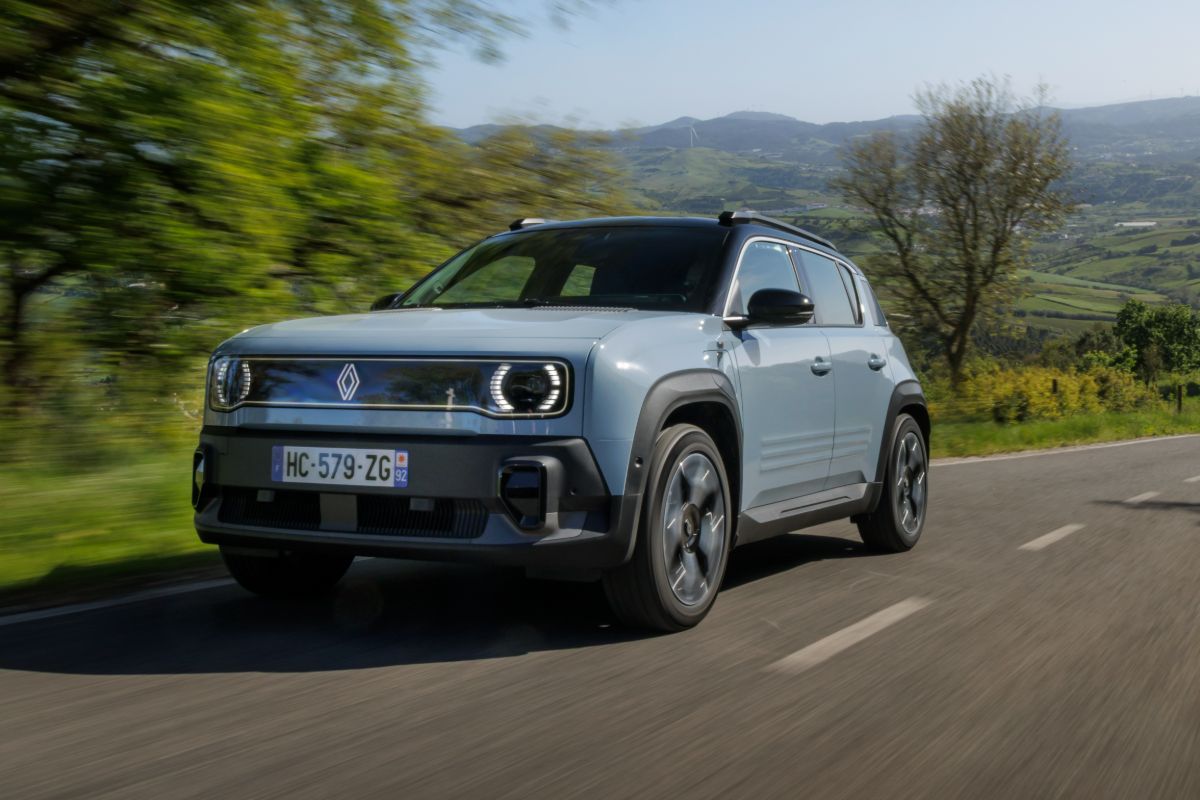
Renault is on a roll with its retro-inspired revivals, and the new Renault 4 is perhaps the most practical of the lot. Sitting on the same platform as the smaller Renault 5, this compact crossover brings a healthy dose of character to the small electric car segment. It features a 148bhp electric motor that provides a nippy 0-62mph time of 8.2 seconds, making it feel light and agile around town. With a 52kWh battery providing a range of up to 247 miles, it's more than just a city runabout; it's a genuine contender for families looking to make the switch to electric.
Inside, the Renault 4 is a masterclass in charm, offering a variety of recycled materials and clever design touches like the patterned ceiling that nods to the original 1960s icon. Practicality is a strong suit here, too; the 420-litre boot is one of the best in its class, outperforming rivals like the Jeep Avenger and Volvo EX30. We also appreciate the inclusion of physical buttons for the air-conditioning, paired with a slick Google-based infotainment system, which is a combination that makes this one of the most user-friendly small EVs on the market today. If we are being picky we'd say rear legroom might be a bit tight for taller adults, but other than that the 4 really is a delight.
The CarGurus Verdict: "The Renault 4 is a brilliant small family car, complete with a very useful boot, a lovely interior, great equipment, and far more 'want one' factor than most rivals." - Vicky Parrott, contributing editor
Read our full Renault 4 review

CarGurus expert rating: 3 out of 5
CarGurus user rating: 5.0 out of 5
Percentage of good/great deals available on CarGurus: 40.3%
Overall CarGurus rating: 4.0 out of 5
| Pros |
Cons |
| Bags of character inside and out |
A few ergonomic foibles |
| Really fun to drive |
Limited driving range |
| Surprisingly practical for such a small car |
Not quick. At all |
The electric Twingo is a masterful modern reincarnation of the goggle-eyed 1990s original, designed specifically for urban life (helped by a modest 3.8-metre footprint). While it's small, it's surprisingly clever inside; the rear seats slide back and forth by 17cm, allowing you to choose between passenger legroom or a larger boot. Speaking of which, you get between 260 and 360 litres of luggage space depending on where those seats are positioned, which is perfectly respectable.
Under the skin, the Twingo uses a 27.5kWh battery and a front-mounted motor delivering 80bhp. It isn't a speed demon, taking 12.1 seconds to reach 62mph, but it feels perky and responsive when you're darting through city traffic. The real magic lies in its efficiency; it manages a claimed 5.9 miles/kWh, which translates to incredibly low running costs if you're charging at home. With a WLTP range of 163 miles and a weight of just 1,200kg, it feels light, agile, and genuinely fun to drive, proving that you don't need a massive battery or huge power figures to make a brilliant EV.
The CarGurus Verdict: "It's impossible not to be happy when you're driving around in the Renault Twingo E-Tech. It's such a fun, cheerful little car, and yet it's also a really sensible and affordable option for a lot of drivers who want a small car for local journeys, or as a second car in the household." - Vicky Parrott, contributing editor
Read our full Renault Twingo review
CarGurus expert rating: 4 out of 5
CarGurus user rating: Insufficient user reviews
Percentage of good/great deals available on CarGurus: 31.1%
Overall CarGurus rating: 3.9 out of 5
| Pros |
Cons |
| Versatile interior |
Similarly sized rivals are cheaper |
| Impressive range |
A Renault 5 is more fun to drive |
| Cute styling |
No wireless Apple CarPlay or Android Auto |
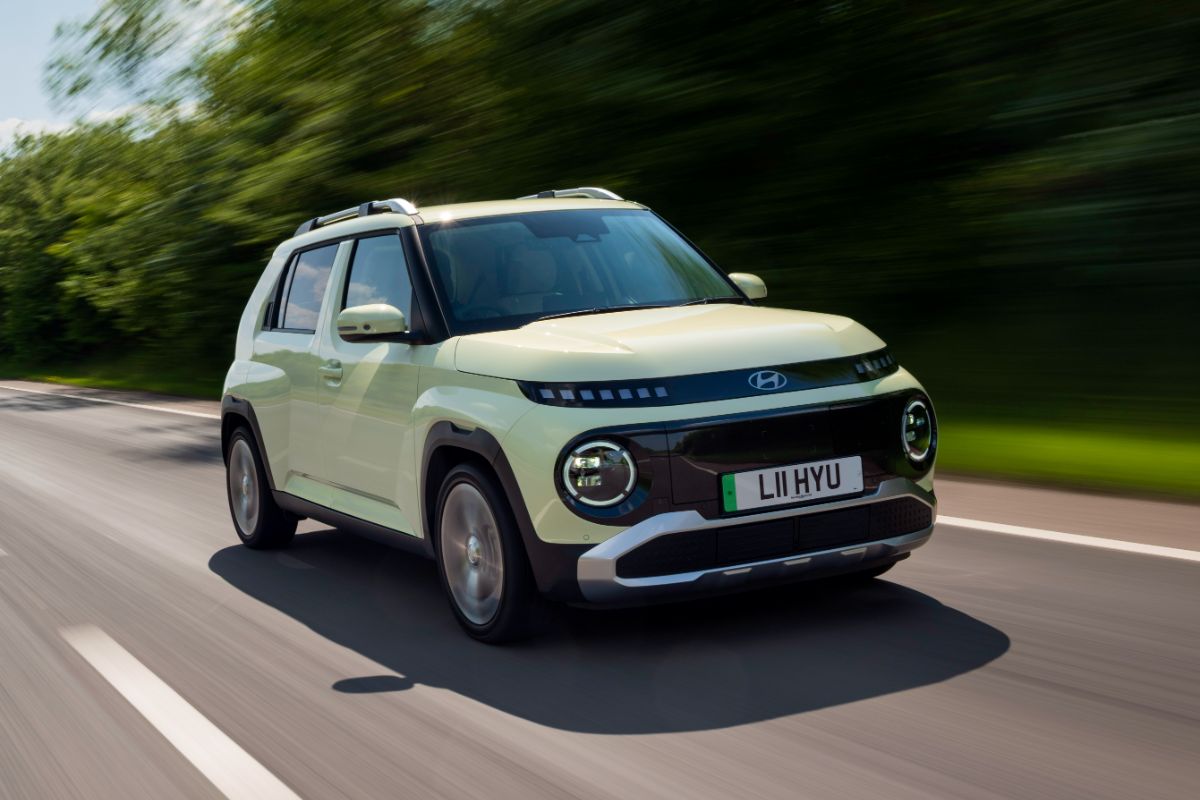
The Hyundai Inster is a masterclass in clever packaging, proving that a dinky footprint doesn't have to mean a cramped cabin. While it only seats four, the interior versatility is where it truly shines; opt for the 02 trim and you get sliding and fold-flat rear seats that allow you to prioritise either legroom or luggage. The boot space is a respectable 238 litres with the seats slid back, but this expands to a much more useful 351 litres when they are moved forward.
On the road, the Inster feels nimble and perfectly suited to urban environments, though it's more than just a city car. You have a choice of two batteries, with the standard version paired with a motor that offers 95bhp, while the larger 49kWh unit goes with a 113bhp motor. While it isn't a speed demon, it feels plenty zesty enough up to 50mph and remains composed at motorway speeds. Inside, the cabin is refreshingly user-friendly, featuring a 10.25-inch touchscreen alongside physical buttons for the climate control, making it one of the easiest small electric cars to operate on the move.
The CarGurus Verdict: "It's a clever, comfortable and characterful little EV that's properly usable and genuinely fun to drive." - Vicky Parrott, contributing editor
Read our full Hyundai Inster review

CarGurus expert rating: 4 out of 5
CarGurus user rating: Insufficient user reviews
Percentage of good/great deals available on CarGurus: 37.5%
Overall CarGurus rating: 3.9 out of 5
| Pros |
Cons |
| Excellent value for money |
Confusing name |
| Plentiful space for passengers and their luggage |
Limited EV range of entry-level version |
| Composed and confident drive |
In-town ride a touch firm |
The MG4 Urban is a bit of a curveball in the MG line-up, offering a more upright, crossover-style body compared to the standard MG4 hatchback. It's designed to undercut rivals like the Ford Puma Gen-E on price while offering a surprising amount of interior room for a small electric car. The boot is a particular highlight, offering up to 577 litres of capacity when measured floor-to-roof, which includes a very handy 98-litre underfloor storage area that's perfect for stashing charging cables or hiding away valuables.
Performance is handled by a choice of two motors: a 147bhp unit for the Standard Range battery or a slightly punchier 158bhp version for the Long Range model. While it isn't a road rocket, it feels well-judged for the daily grind, with a suspension setup that feels remarkably settled and stable on typical British B-roads. Inside, you get a generous 12.8-inch touchscreen and wireless smartphone connectivity as standard, making it one of the most tech-heavy and practical options at this price point.
The CarGurus Verdict: "The MG4 Urban is an immediately tempting electric car thanks to its value-led prices and generous equipment levels. That it proves so roomy inside, and feels so well-suited to British roads, simply adds to the appeal." - Richard Aucock, contributor
Read our full MG MG4 Urban review
CarGurus expert rating: 4 out of 5
CarGurus user rating: Insufficient user reviews
Percentage of good/great deals available on CarGurus: N/A
Overall CarGurus rating: 3.8 out of 5
| Pros |
Cons |
| Superb interior and plenty of tech |
Rear seat space could be better |
| Robust, reassuring and confident drive |
A bit of wind noise is noticeable at speed |
| Big-car feel up front and a huge boot |
Easy to knock stereo volume knob |
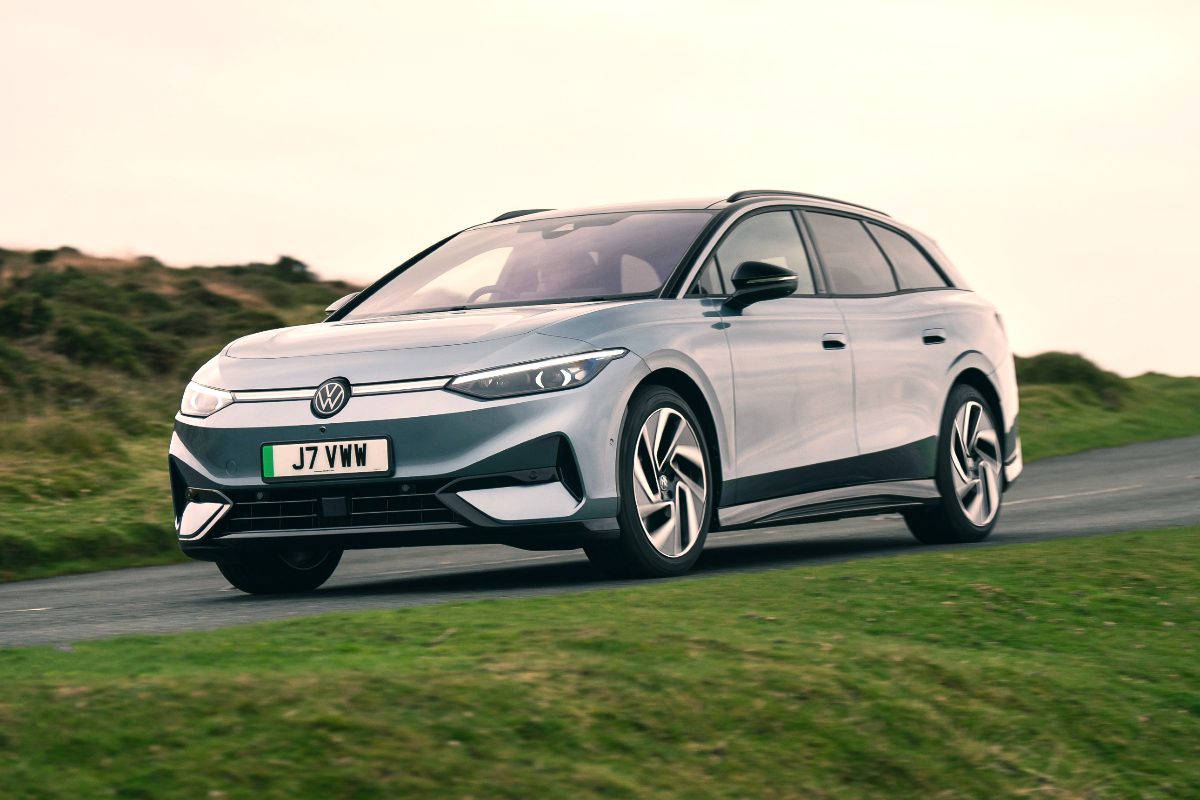
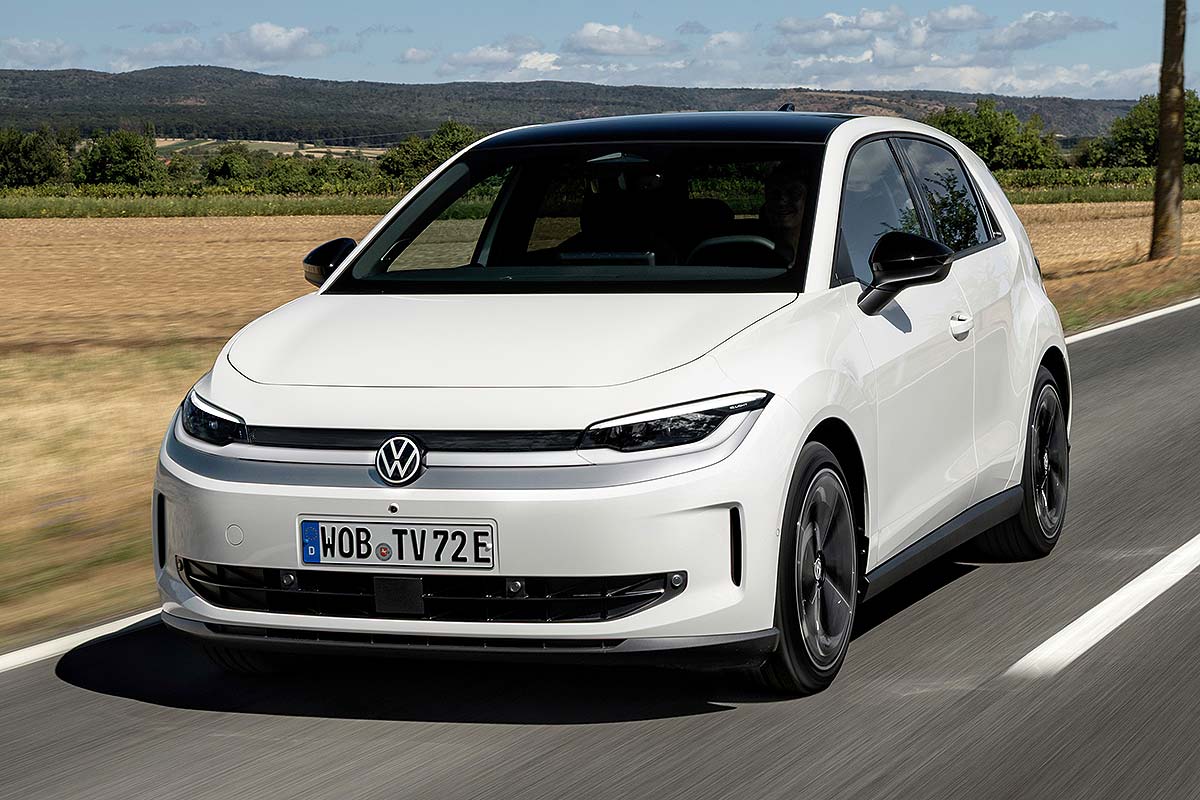
The Volkswagen Polo has been a staple of British roads since the 70s, and the new ID. Polo aims to bring that familiar, dependable charm into the electric era. Unlike some of the more radical ID models, this one looks like a proper Volkswagen, featuring clean lines and a friendly "smile" at the front. It's built on the MEB+ platform, offering a choice of two batteries: a 37kWh unit for city-dwellers and a larger 52kWh version that provides a very usable 281-mile range. Most impressively, the boot space stands at 441 litres, which is significantly larger than the petrol-powered Polo and even beats the Golf from the class above.
Inside, the ID. Polo feels like a step up in quality, with stitched fabric trims and a welcome return to physical buttons on the steering wheel. The 12.9-inch touchscreen is intuitive, even featuring a "retro" mode that mimics the dials of a Mk2 Golf. On the road, you can choose between 114bhp, 133bhp, or a punchy 208bhp output, with the latter reaching 0-62mph in 7.1 seconds. It feels composed and agile, with a wheel-at-each-corner stability that makes it feel like a much larger car to drive, while the refined electric motor keeps things whisper-quiet around town.
The CarGurus Verdict: "The Volkswagen ID.Polo impressed us during our world-first drive overseas in Austria. The design is appealing and the high-quality interior is a real highlight." - Richard Aucock, contributor
Read our full Volkswagen ID. Polo review

CarGurus expert rating: 4 out of 5
CarGurus user rating: Insufficient user reviews
Percentage of good/great deals available on CarGurus: 31.0%
Overall CarGurus rating: 3.8 out of 5
| Pros |
Cons |
| Looks cheerful inside and out |
Some iffy packaging undermines its practicality |
| Comes with all the essential kit as standard |
Poor rear visibility |
| Surprising amount of interior space |
Rather plasticky interior |
The Fiat Grande Panda is a breath of fresh air in the small electric car market, blending retro-modern charm with a genuinely usable 44kWh battery. In its all-electric guise, it delivers 111bhp, which feels perky enough for urban darting and maintains its composure on the motorway. While the boot space shrinks slightly compared to the hybrid version, you still get a respectable 361 litres of capacity, which is plenty for the weekly shop or a couple of weekend bags.
Inside, the Panda is all about character, featuring vibrant colours and clever design nods to Fiat's heritage, such as the 'Bambox' storage on higher trims. It sits on the new 'Smart Car' platform, which helps keep the entry price impressively low. It's a simple, stylish, and affordable way to make the switch to electric, proving that you don't need to spend a fortune to get a car with a real personality.
The CarGurus Verdict: "The retro-modern styling and vibrant colour schemes give this car a real sense of fun, and it's an easy and reasonably comfortable car to drive. Importantly, the pricing is affordable, giving a stylish car for an attainable amount." - Sam Sheehan, CarGurus contributor
Read our full Fiat Grande Panda review
Search for Fiat Grande Panda
See all
CarGurus expert rating: 4 out of 5
CarGurus user rating: Insufficient user reviews
Percentage of good/great deals available on CarGurus: 34.1%
Overall CarGurus rating: 3.8 out of 5
| Pros |
Cons |
| Fun design outside and in |
Monochrome interior of Air models |
| Big car feel behind the wheel |
Firmer ride in GT-Line guise |
| Great value for money |
Boot space a little way off key rivals |
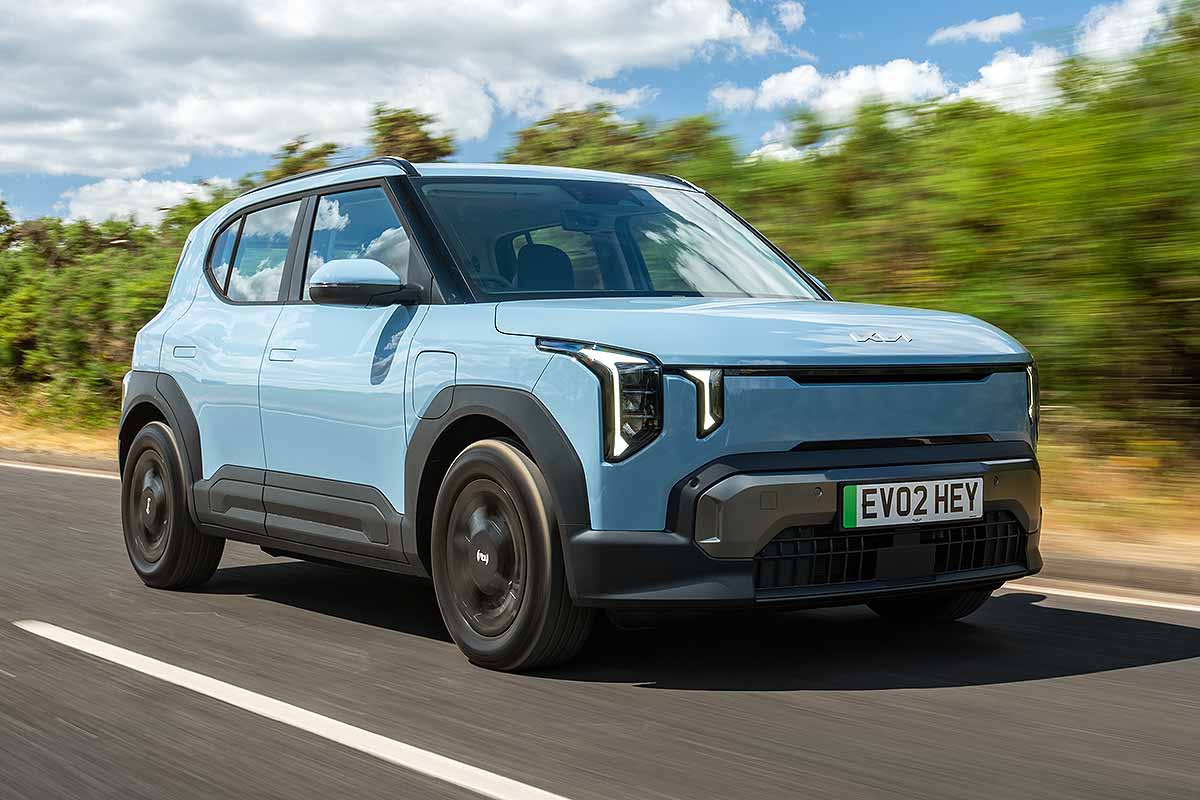
The Kia EV2 is a clever addition to the UK's burgeoning small electric SUV market, arriving just in time to challenge the likes of the Ford Puma Gen-E. Despite being shorter than a Kia Stonic, it feels remarkably "Tardis-like" inside thanks to a tall bonnet and forward-placed windscreen that create a commanding driving position. Underneath, you'll find a 61kWh battery in the Long Range models providing up to 275 miles of range, making it a serious contender for those looking to make the switch to electric without the constant fear of running out of juice.
On the road, the EV2 is a refined companion, particularly in the entry-level Air trim which uses 16-inch wheels to deliver a smooth and well-damped ride over city potholes. The Long Range version features a 133bhp electric motor that provides steady performance, while the interior is packed with tech including a 12.3-inch touchscreen and physical climate toggles. Practicality is decent for its size, offering a 362-litre boot that expands to 1,201 litres with the rear seats folded, plus a handy 15-litre "frunk" on higher trims for stowing charging cables.
The CarGurus Verdict: "The Kia EV2 stacks up well on paper, in the showroom and out on the open road. It has a range long enough to overcome the hesitancy of electric car newcomers, and offers the smooth-running refinement characteristic of the best EVs to win them over on the test drive." - Richard Aucock, contributor
Read our full Kia EV2 review
CarGurus expert rating: 3 out of 5
CarGurus user rating: Insufficient user reviews
Percentage of good/great deals available on CarGurus: 40.0%
Overall CarGurus rating: 3.8 out of 5
| Pros |
Cons |
| Spacious interior by small car standards |
Lacks the power and range of rivals |
| Good luggage capacity spread across the boot and 'frunk' |
Heating controls are in the touchscreen |
| Lots of standard equipment |
Missing the character of a Renault 5 |
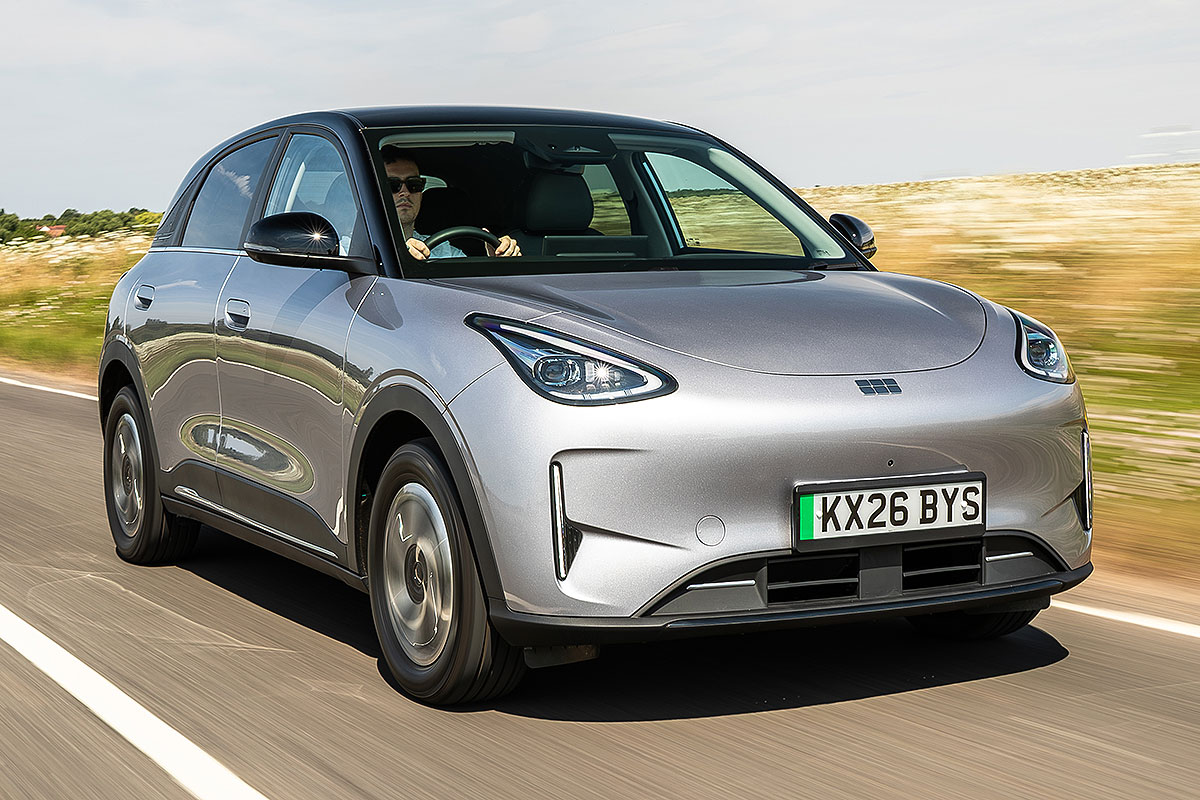
Chinese brand Geely is making a splash in the UK with the EX2, a small electric car that aims to prove you don't need to spend a fortune to go green. Starting at just £20,990, it undercuts most of its rivals by a significant margin while offering an airy cabin that rivals larger family hatchbacks. Practicality is a standout feature; the 375-litre boot is generous for the class, and Geely has even managed to squeeze in a 70-litre front boot, or 'frunk', which is the perfect spot for stashing charging cables out of the way.
Inside, the EX2 feels remarkably high-tech for its price point, featuring a massive 14.6-inch touchscreen and synthetic leather upholstery as standard. While the entry-level 80bhp motor is best suited for strictly urban use, the 114bhp version provides a more versatile experience, paired with a battery that offers up to 214 miles of range in Max or Ultra trims. It's a smooth and refined cruiser that handles broken British road surfaces with impressive composure, making it an easy-to-live-with choice for those transitioning to their first EV.
The CarGurus Verdict: "The Geely EX2 is a very well-priced small electric car that counters its lack of character with much more space inside and better practicality than rivals. It is certainly smooth, refined and comfortable for city environments." - Richard Aucock, contributor
Read our full Geely EX2 review
FAQ
How far can a small electric car go on a single charge?
Range varies significantly depending on the model and battery size. At the lower end, the Renault Twingo offers around 163 miles from its compact 27.5kWh battery, while the Volkswagen ID. Polo can manage up to 281 miles with its larger 52kWh unit. It's worth noting that real-world range is typically 15-25% lower than the official WLTP figures, particularly in cold weather or at sustained motorway speeds.
Are small electric cars practical enough for families?
Many of the latest small EVs are surprisingly practical. The Renault 4 offers a very practical 420-litre boot, while the MG4 Urban provides up to 577 litres when measured floor-to-roof. Models like the Hyundai Inster and Renault Twingo also feature clever sliding rear seats that let you prioritise either passenger legroom or luggage space depending on your needs.
How long does it take to charge a small electric car?
Charging times depend on the battery size and the type of charger you're using. On a home wallbox (typically 7kW), most small EVs will charge from empty to full overnight — roughly 6 to 8 hours. At a public rapid charger, many of these cars can top up from 10% to 80% in around 30 minutes, though the exact time varies by model. The Volkswagen ID. Polo and Kia EV2, for example, both support relatively fast DC charging speeds.
Do small electric cars hold their value?
Electric car residual values have been improving as demand grows and the used market matures. Models from established brands like Volkswagen, Hyundai, Kia, and Nissan tend to hold their value well, partly thanks to strong warranty packages — Kia offers a seven-year warranty, for instance. Newer entrants like Geely may take longer to prove their resale credentials, but their low purchase price helps offset any depreciation concerns.
Is a small electric car suitable for motorway driving?
Absolutely. While small EVs are naturally at their best in urban environments, most of the cars on this list are perfectly capable of sustained motorway cruising. Models like the Nissan Micra, Kia EV2, and Volkswagen ID. Polo offer enough range and refinement to handle longer journeys with ease, though you may notice increased energy consumption and some wind noise at higher speeds compared to driving around town.
What Makes CarGurus Best Cars Guides Different?
Most car buying websites publish lists of the best cars across a variety of categories, with recommendations generally driven by editorial expertise. Here's what makes our best cars guides different: we combine the insights and verdicts of our team of car-testing experts with other factors that we know matter to buyers - real owner experiences and current market value.
To that end, our expert reviewers come from some of the UK's most trusted automotive publications including What Car?, The Telegraph, Auto Trader, Electrifying.com, and Carbuyer. They put each car through real-world testing, and create detailed reviews noting performance in a range of categories, from practicality and driving manners, to running costs and reliability.
But we don't stop there when it comes to creating our best cars guides; we also analyse hundreds of thousands of used car listings on CarGurus UK to track which models consistently offer the highest percentage of best deals relative to how many are listed for sale. Then we factor in user reviews and ratings gathered on CarGurus to get feedback from people who actually live with these cars every day. Our best cars algorithm then creates a final Overall CarGurus rating that combines expert ratings, user reviews, and the percentage of listings on CarGurus UK rated as good or great deals. This three-way approach reveals not just which cars excel on paper, but which ones deliver satisfaction and value when you're ready to buy.
The CarGurus UK market data in this guide was last updated in October 2026. Values were accurate at the time of publication and should be used as a guide only.
Related Topics: