You’ll have noticed the surging popularity of Chinese cars as cheap deals lure in punters to unknown brands, flooding British roads with badges that’ll leave many flummoxed. We’re experiencing an industrial changing of the guard; the evidence is all around us on every street corner.
Figures realeased in September 2026 from the Society of Motor Manufacturers and Traders (SMMT), which monitors UK car registrations, reveal that 17% of all cars sold year-to-date are from Chinese brands. They registered a total of 240,747 new vehicles from January to August 2026 – more than double the 98,303 sales in the same period in 2025.
The winners are Jaecoo (whose sales nearly quadrupled year-on-year), Omoda (up 146%) and BYD (more moderate growth, merely doubling in 12 months), all nameplates with which many will be unfamiliar.
You’ll recognise their wares soon enough; the Jaecoo 7 is the third-bestselling new car on UK roads this year, outselling even the evergreen Nissan Qashqai and attracting the “Temu Range Rover” tag in the more tabloid quarters of the mainstream press. It briefly became the nation’s number one in March.
BYD, Jaecoo and Omoda are growing so fast that they have leapfrogged established European brands such as Fiat, Honda and Citroen in the 2026 sales charts in total volume year-to-date. More worryingly for the ancien régime, they show little sign of slowing down.
Buying a Chinese Car in the UK: Your Essential Checklist

Why are British motorists buying so many Chinese cars?
Chinese brands offer a uniquely compelling proposition to British buyers. Cheap prices, slick designs and cutting-edge technology combine to make these newcomers highly attractive to budget-conscious customers suffering a cost-of-living squeeze on their finances, but not wanting to compromise on their choice of car.
Brits have always been less brand-loyal than motorists in other countries, contributing to the demise of domestic brands like MG Rover in recent decades. The French and Italians may traditionally prefer to buy home-grown vehicles, but we’ve always been more brand-promiscuous – and now we’re being tempted by attractively priced Chinese imports.
Moreover, the UK has no tariffs to impede this glut of cheaper cars from China, without recourse to the kind of protectionist barriers erected by the EU and United States. Chinese cars are here and in swiftly growing numbers, accounting for one in six new cars sold so far this year. The direction of travel is irreversible and our analysis suggests that sales of Chinese cars will continue to mushroom in the years ahead.
If you’re thinking of buying a Chinese car, here’s what to look out for
If you’ve spotted a deal you like the look of, CarGurus has some additional checks and advice that could remove much of the uncertainty of buying a brand that may be new to you, and indeed the UK market in general.
All usual car-buying advice applies: make sure your shortlisted car is fit for purpose, is large enough for the bodies and baggage you expect to be carrying, is priced competitively and will prove affordable for you in the long-run. Make sure your chosen model meets your criteria and you’re not just buying on price alone. Don’t forget our list of the best Chinese cars on sale today.
By considering the CarGurus Chinese car checklist outlined below, you will be going into any deal eyes wide open with the greatest chance of minimising any shocks down the line.
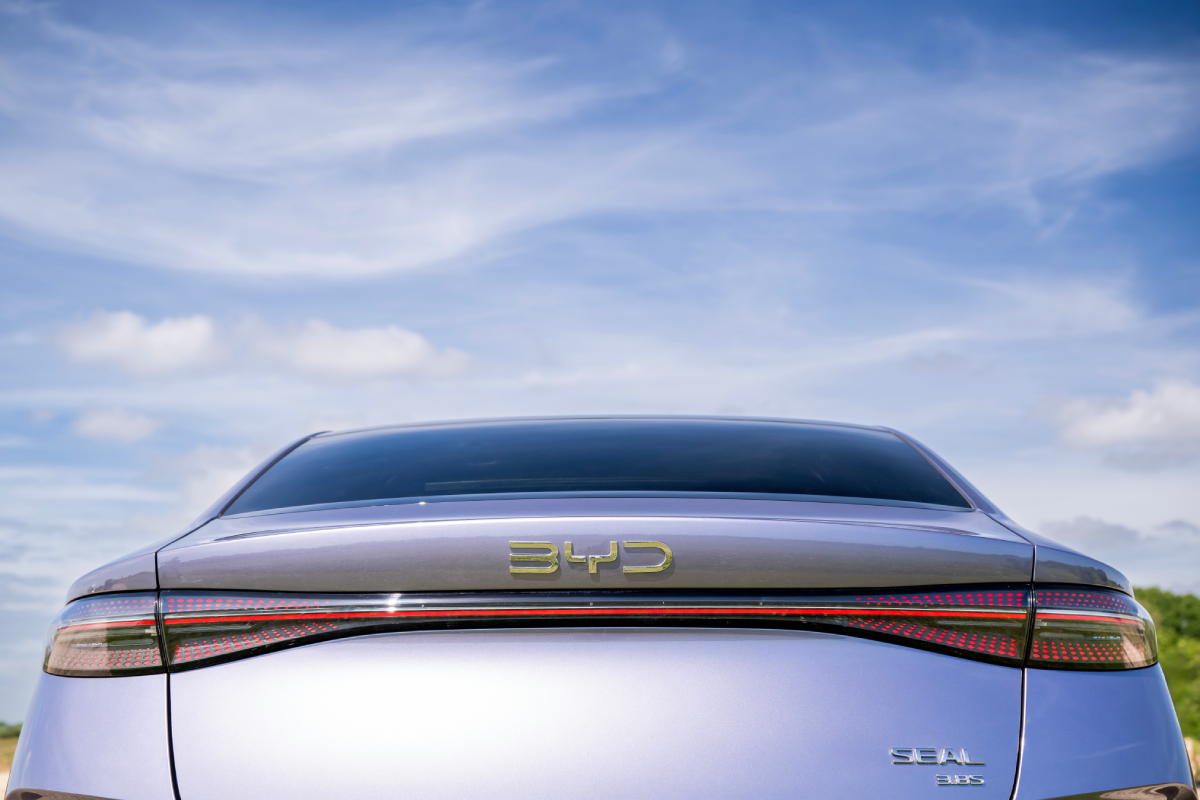
Check the provenance of the Chinese car brand you’re considering
Is the car you’re looking at from a well established motoring brand? Or from a new start-up with scant history of selling in the UK? BYD is the biggest operator and has sold cars here for three years (or 13, if you consider its pioneering electric buses), notching up 109,633 sales in that time. You can be further reassured that it overtook Tesla last year to become the world’s no.1 EV brand.
This industrial powerhouse is not about to disappear overnight, unlike the smaller Skywell nameplate, which launched in the UK in 2024 and sank without trace fewer than two years later. If the brand you’re looking at is new or less well known, pause and take stock of its likelihood of success. Many analysts predict there will be a consolidation of the smaller Chinese car manufacturers before the end of the decade.
Is there a dealer near you?
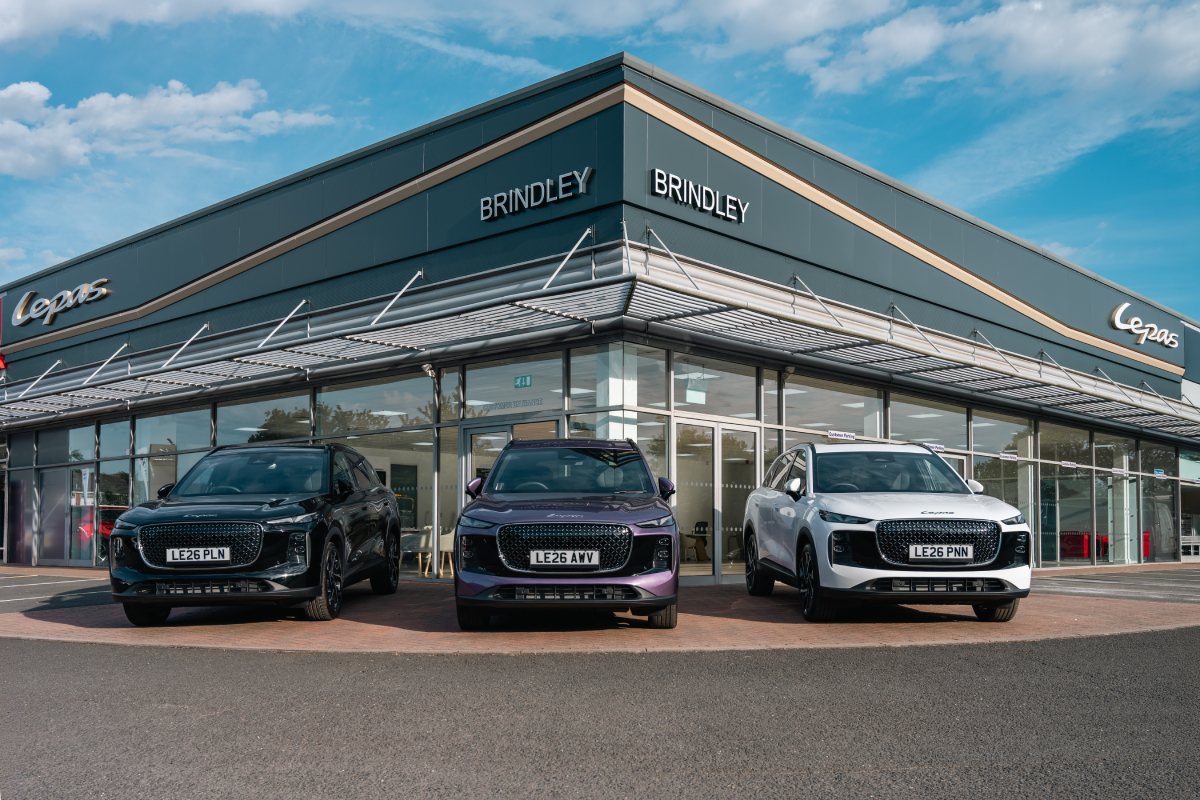
Bringing a boatload of Chinese cars in right-hand drive and homologated to sell in the UK is one thing; establishing a professional, well run dealer network to sell, service and repair them is another matter altogether. The dealer network of many Chinese car brands is still a work-in-progress, so be sure to check if you have an outlet within a satisfactory distance of your home. Do they have a decent reputation? Ask friends and family and be sure to do some online research of user reviews.
Many Chinese brands appoint well established franchises with decades of experience of selling more familiar brands locally, so the chances are that you will be dealing with people who know what they are doing, but do they have decent parts supply and processes for handling repairs?
Consider insurance costs for covering your new Chinese car
Don’t be sucked in by the car and the deal without giving regard to other ongoing expenses. One of the most obvious running costs is car insurance – and there is strong evidence that, right now, certain Chinese cars are expensive to cover. Recent research by CarWow found that new and lesser-known Chinese brands tend to attract higher premiums and some insurers may even refuse to cover newly launched models.
Why? Because risk is calculated on crash and repair data, and if there is insufficient intel available on a new model the cost to insure could rise dramatically, or they might even decline your business. Get a sample quote on the Chinese car you’re interested in before you commit.
Don’t forget to check servicing costs, too
The same advice applies to service and maintenance. Ask how frequently your Chinese car will need to visit the workshop and compare service intervals against rival European models. Ask what the first three years of servicing will cost, so you can budget accordingly. On the positive side, if your Chinese car is electric you could be looking forward to much reduced running costs compared with combustion models.
Look at the warranty details
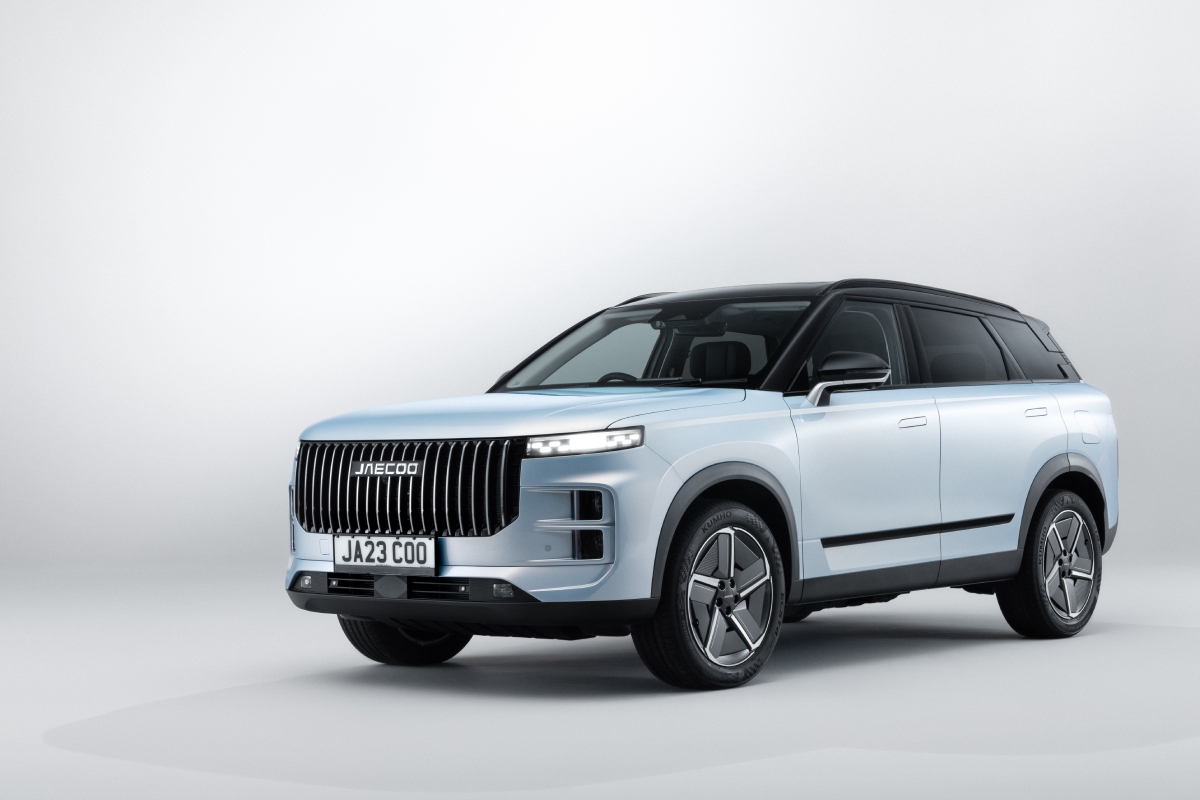
This is sensible advice for any car purchase, but be extra sure to check the warranty cover provided by any Chinese brand you are considering. They often have excellent, long guarantees, like the seven-year/100,000-mile cover on every new Jaecoo, designed to overcome any prejudice or doubts potential prospects may hold. This could go some way to providing extra reassurance over the long term.
FAQ
What car brands are from China?
At the time of writing there are 16 Chinese brands active in the UK: Aion, BYD, Changan, Chery, Deepal, Denza, Geely, GWM, Jaecoo, Leapmotor, Lepas, Maxus, MG, Omoda, XPeng and Zeekr all sell cars in the UK market. The list is constantly changing as new competitors arrive and, occasionally, depart.
Which car brands are arriving in the UK soon?
To the list above, you can add a smattering of additional brands all eyeing up launch in the coming months: Dongfeng, Firefly, iCAUR, Xiaomi and Yangwang have all stated their intention to start UK distribution. There will doubtless be further new names to contend with in future.
Are Chinese cars worth buying?
Absolutely. Browse CarGurus’ reviews to see what we make of the current crop of Chinese cars – there are some cracking choices among them, including the BYD Seal with its four-star rating.
What is the bestselling Chinese car in the UK?
At the time of writing, the clear winner is the Jaecoo 7. It was the third-bestselling car overall in the first eight months of 2026, notching up 28,571 registrations, and in March it caused shockwaves when a new 26-reg push helped it become Britain’s bestseller overall, the first time a Chinese car had topped the charts. The only cars to sell more year-to-date were the Ford Puma (35,968) and Kia Sportage (30,564).
Related Topics: