Most of the time, when car makers launch a new model, they give us more of the same. Even if there’s a fresh name or a different body type, it’s rarely a complete departure. But occasionally something totally unexpected materialises. Something like the Ferrari Luce. In case you missed it, it’s the Italian brand’s first electric car. And its first five-seater. Co-designed by Jony Ive (previously of Apple), it’s a bulky, slab-sided luxury hatchback like nothing the brand has ever done before.
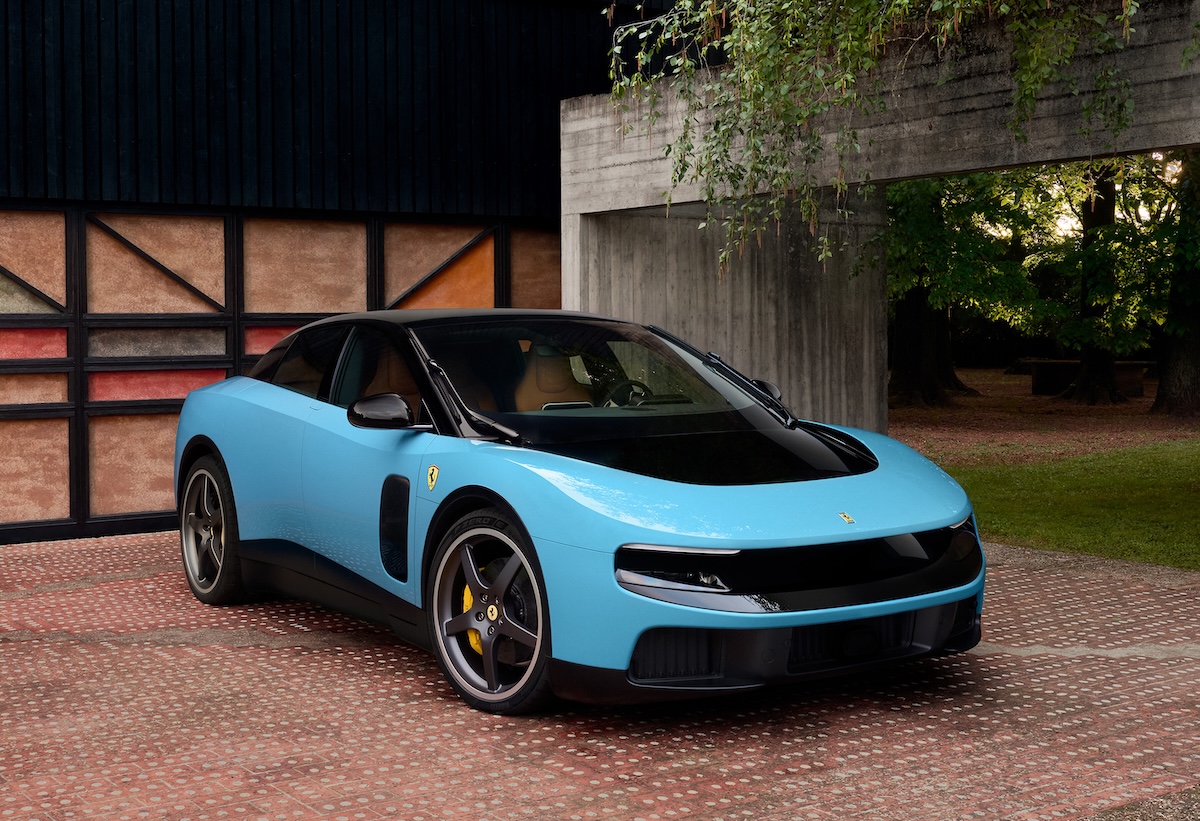
The Luce’s deviation from the Ferrari playbook isn’t an accident. It’s been years in the making and Ferrari clearly knew that in one way or another it was going to shock the industry, the media, and existing Ferrari owners. Everyone, really. Media coverage has so far been largely along the lines of ‘that’s not a Ferrari’, ‘what the heck are they doing?’ or ‘who on earth is going to buy that?’. Well, here’s the thing. Shocking or not, reports suggest that the Luce has already sold out until the end of 2027. And while Ferrari’s share price dipped on the day the Luce was revealed in late May, it rose to its highest point in 2026 in early July. The point being that although the shock of the new can be profound, it tends not to last long and can sometimes be a good thing.

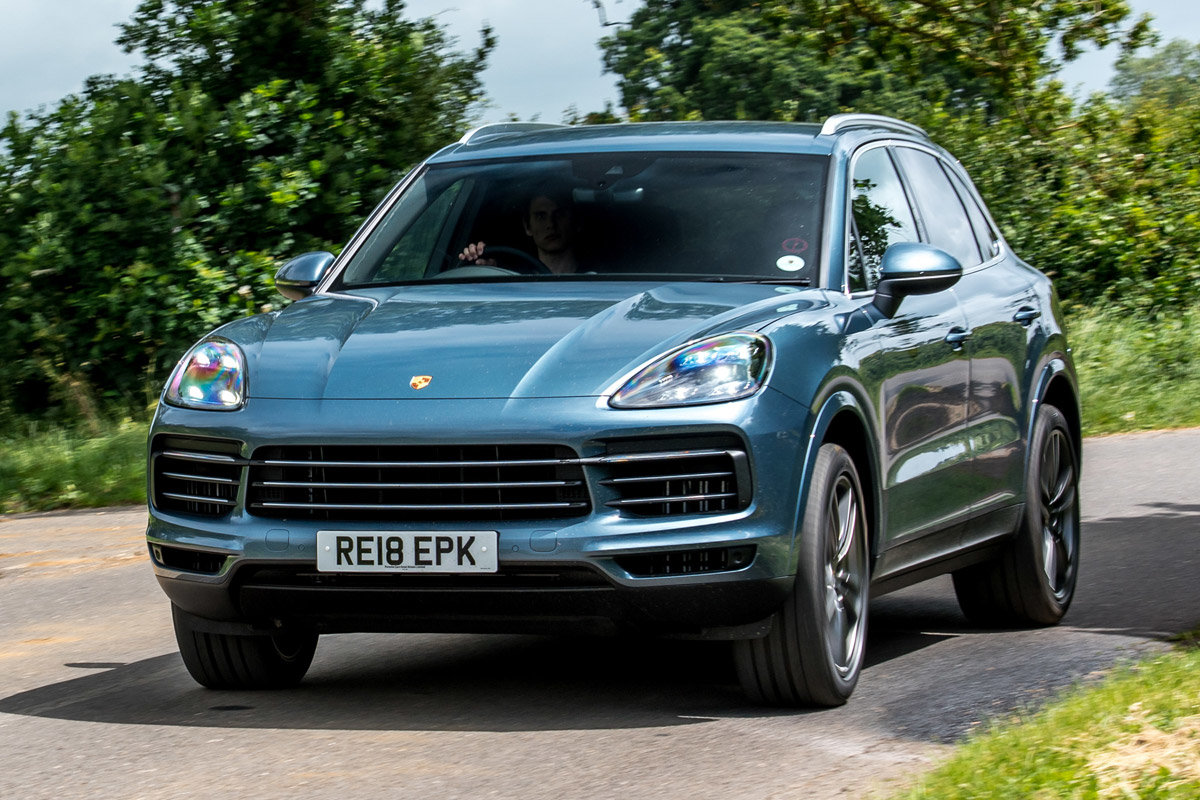
Take the Porsche Cayenne, for example. Launched in 2002 as Porsche’s first SUV, it was met with a similar outcry to the Luce. But despite claims that it was going to kill the brand, it did the exact opposite. In fact, if it wasn’t for the continued success of the Cayenne, Porsche might not be here today to make the 911s that purists love. The Lamborghini Urus and Bentley Bentayga have pulled off similar tricks since.
Breaking new ground is necessary for most businesses, of course. And even if it doesn’t always bring immediate commercial success, a jolt to the system can be beneficial in the long run. The original BMW i3 is a case in point. This tall-but-small all-electric supermini was way out of BMW’s comfort zone when it was introduced in 2013. Complete with a carbon-fibre core and an interior filled with recycled materials, it was a technological showcase that seemed to have been beamed in from the future.
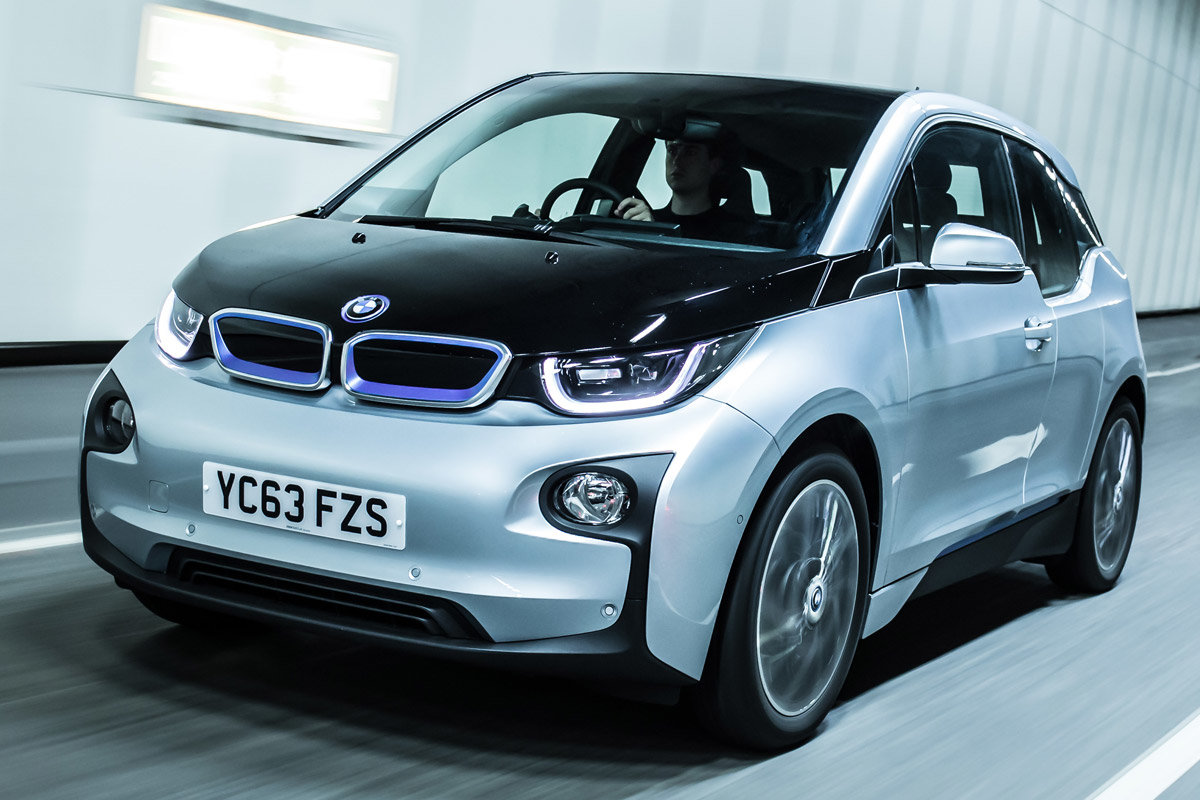
It turned out not to be, because the electric cars BMW subsequently produced have been far more conventional. But the i3 paved the way, and did a great job of reaffirming BMW’s reputation for innovation.
The Kia Stinger is another car that surprised everyone, for different reasons to the i3. Here was a brand best known for bland, budget-priced family cars aiming to go head-to-head against Audi and BMW with a muscle car-inspired sports saloon available with a 3.3-litre twin-turbo V6 engine.
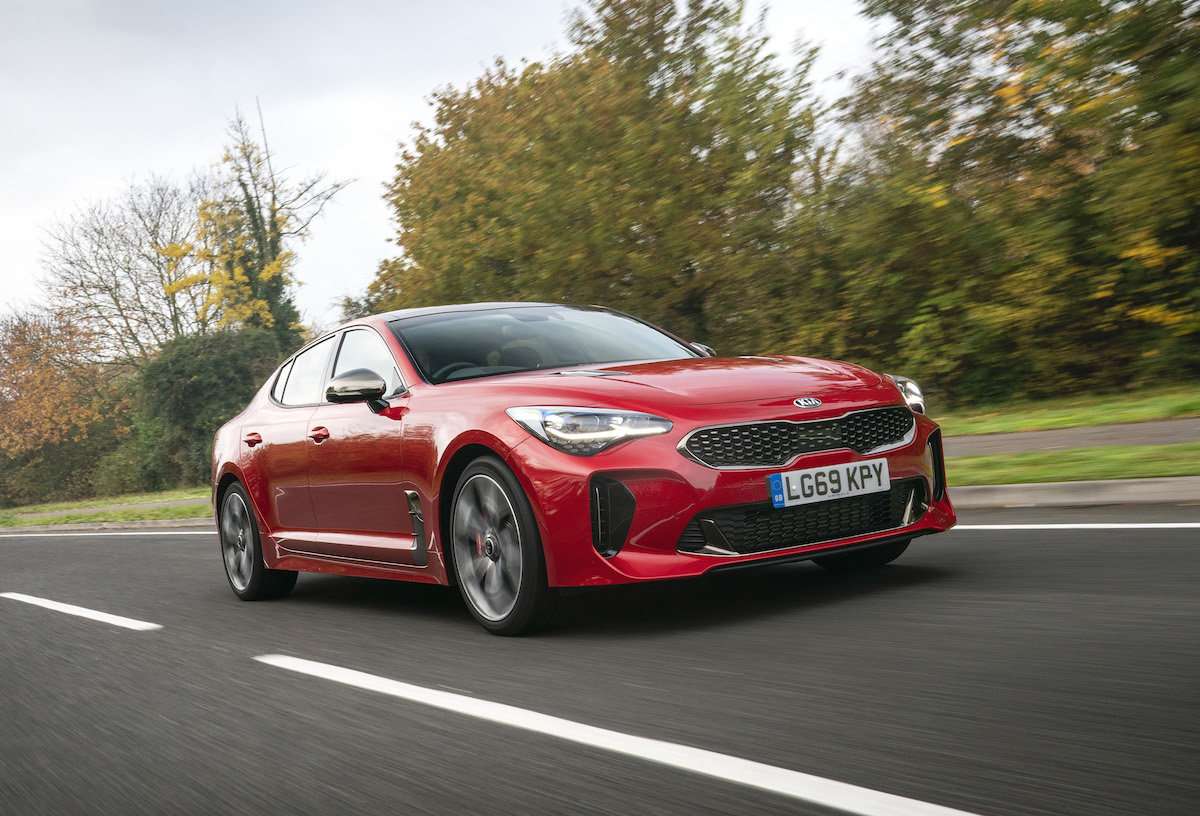
But the Stinger wasn’t just a good attempt. It was good, full stop. And while it was never a big seller, it seemed to give Kia the confidence to push ahead with the much bolder, more desirable models that it makes today.
For some cars, though, shock value never translates to success. The Volkswagen Phaeton is one that springs to mind. It was an ambitious attempt to break into the luxury saloon market, sharing its basic platform with some Bentley models and available with V10 diesel and W12 petrol engines.
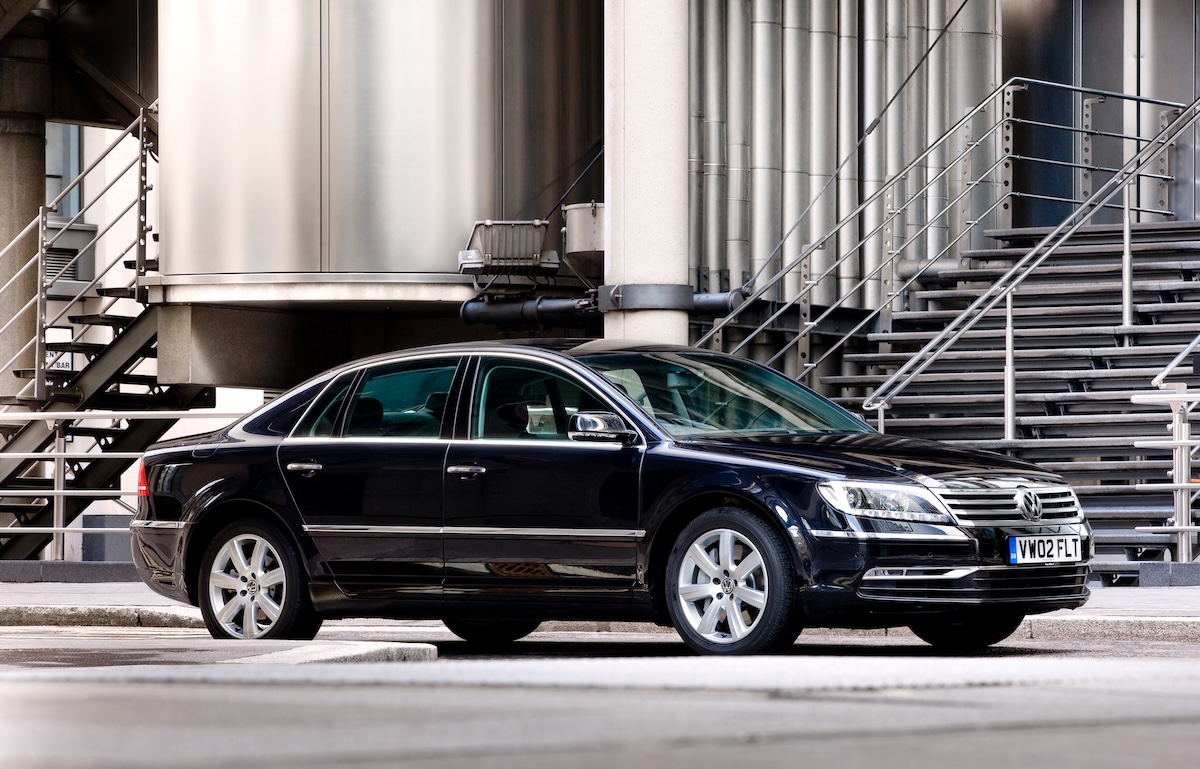
Coming from a company called ‘people’s car’ that was more associated with sensible hatchbacks, the Phaeton was a hard sell. Objectively it ticked most luxury-car boxes, but not enough buyers warmed to a limousine that looked like an overgrown Passat, from the company that also sold the Polo.
For pure shock power, however, not much comes close to the Aston Martin Cygnet. Surely one of the most bizarre examples of ‘badge engineering’ ever, it was essentially a Toyota iQ – a tiny, three-seat city car with a 1.3-litre engine – with a few exterior ‘upgrades’ (if you can call shoehorning an Aston Martin grille into the tiny front end that) and an interior swathed in leather.
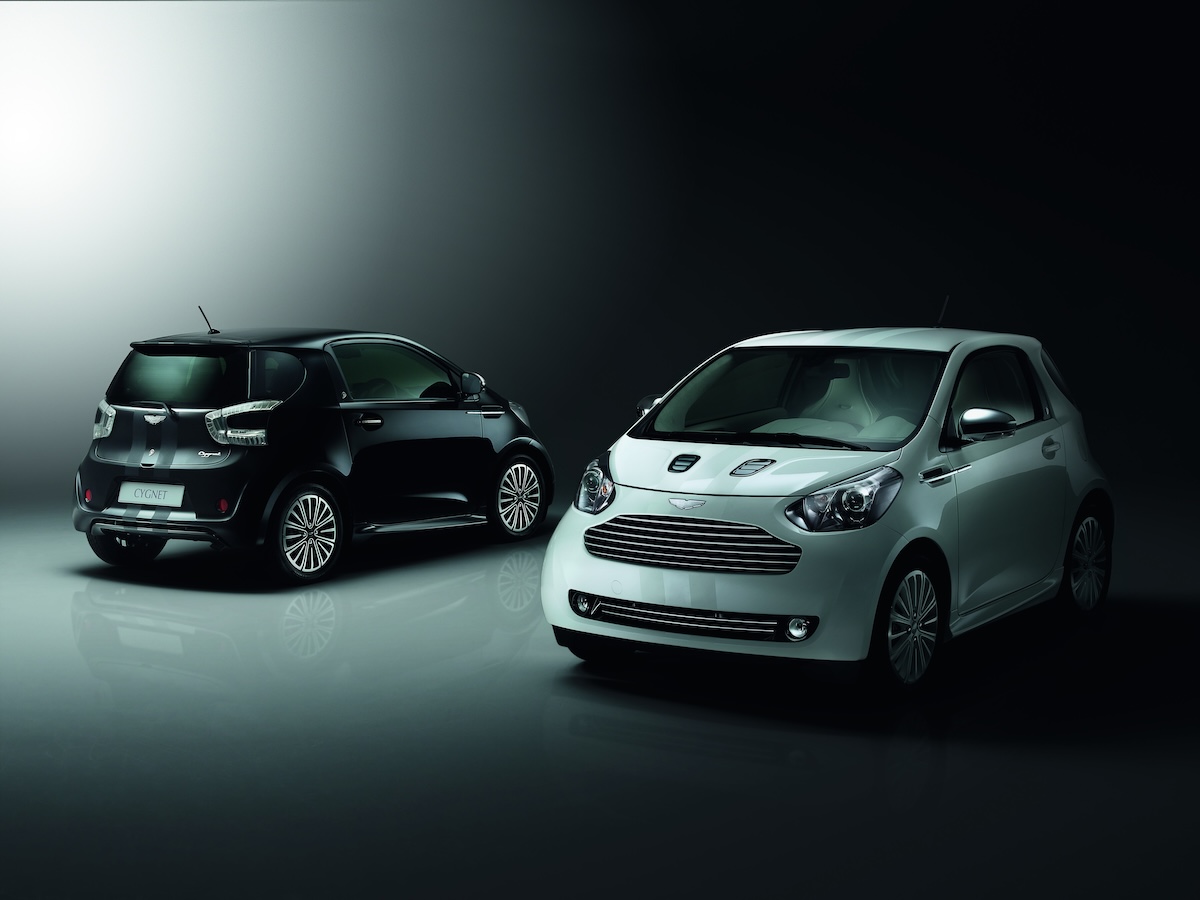
The juxtaposition of the Aston Martin badge with the Cygnet's humble underpinnings proved just too jarring, and the car was produced for little more than two years.
The fact is, the Cygnet’s creation was largely driven by the need to meet fleet emissions targets rather than buyer demand. Circumstances not that different, in fact, to the ones that produced the Ferrari Luce. It’s impossible to predict how the Luce will be remembered, but the early signs are that daring to do something different has paid off, at least financially. In this case, the initial shock seems to have worn off pretty quickly. As it usually does.
Related topics: