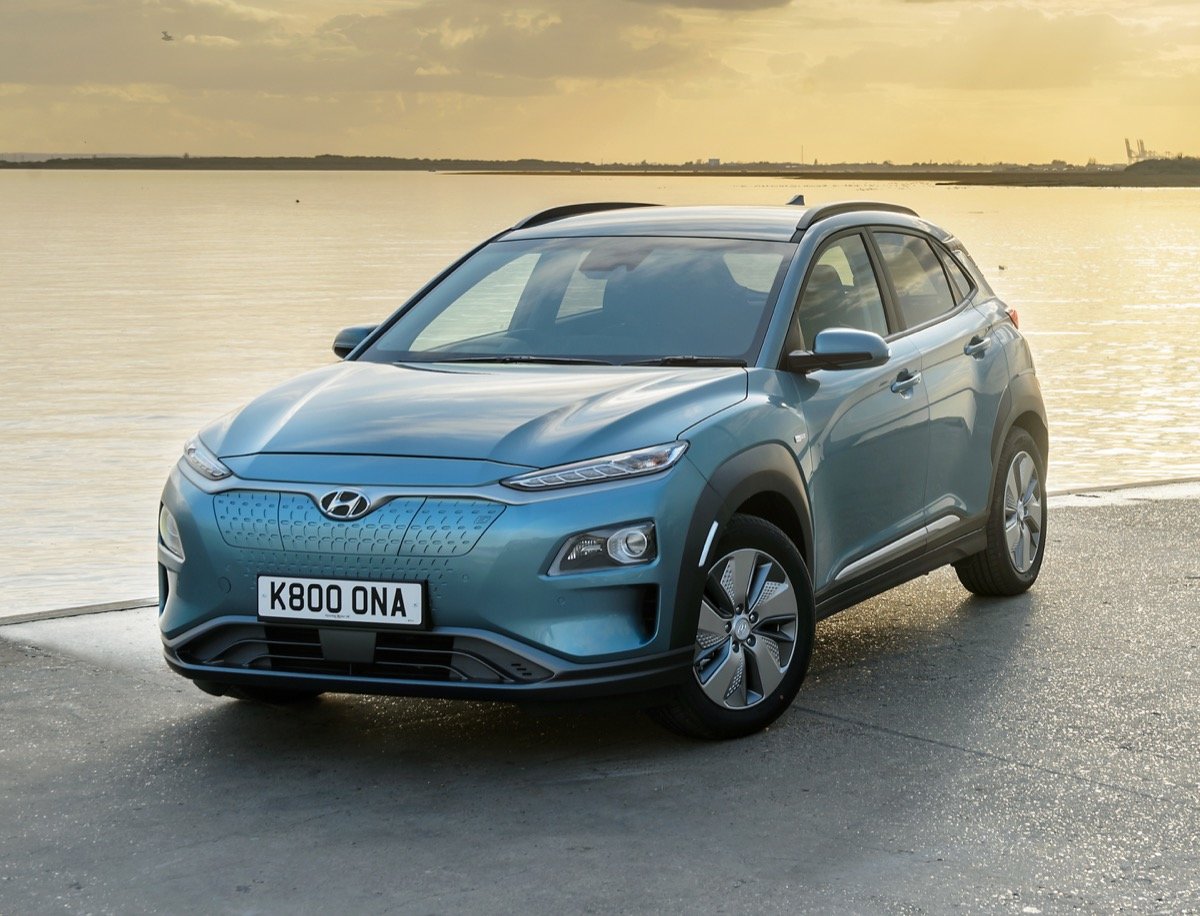
Hyundai has always been synonymous with value, but more recently it’s also become known for futuristic-looking SUVs and EVs. All of that comes together in the Hyundai Kona Electric, which is a real standout if you’re looking for a stylish, well-equipped and affordable electric SUV.
In this guide we’ll look at why the Kona Electric is such great value, focusing on the first-generation model that was sold new between 2018 and 2023. For more info on the second-generation Kona Electric that followed it, check out the model history at the bottom of the page.
Why is the Hyundai Kona Electric so affordable, and should you buy one?
How cheap is the Hyundai Kona Electric?
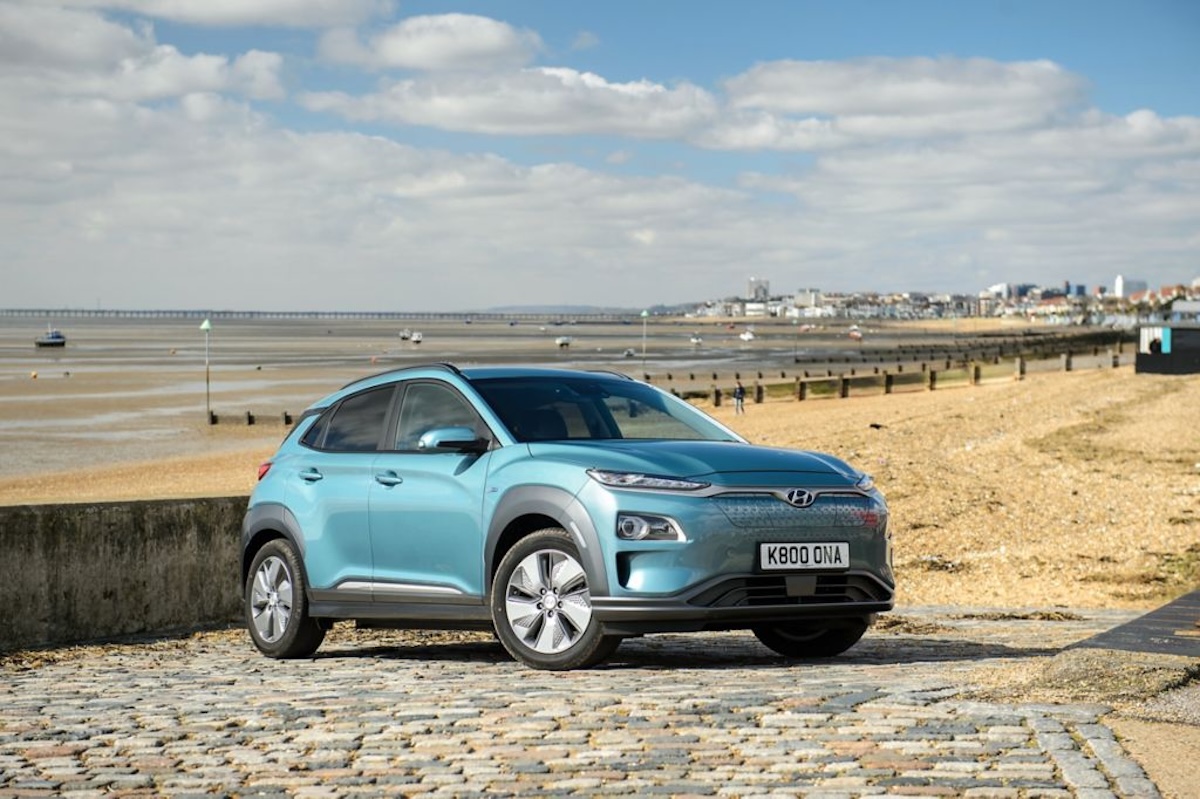
While it’s not one of the cheapest used electric SUVs outright, the first-generation Hyundai Kona Electric is arguably one of the best for outright value. Prices start at just under £10,000 for the earliest models and that gets you a car that’s well-equipped and offers a longer battery range than most rivals.
Introduced to the UK in August 2018, the Kona Electric arrived a few months after the petrol-powered Kona and about a year before the hybrid version. When new, the EV model cost thousands more than an equivalent petrol or hybrid Kona, even after taking into account the government grants that were available at the time.
If you’re buying used, however, you’ll find that the hybrid model now commands the highest prices. As with many EVs, the Kona Electric has depreciated heavily compared with its petrol and hybrid equivalents.
Here’s an example of average prices at the time of writing (September 2026), based on CarGurus listings for Hyundai Kona models from 2019 or 2020, in Premium or Premium SE trim and with less than 80,000 miles on the clock.
Hyundai Kona price comparison*
| Model |
Kona 1.0 T-GDi (petrol) |
Kona Hybrid |
Kona Electric (64kWh battery) |
| Average price |
£9,633 |
£13,731 |
£11,802 |
| Price range |
£8,142–£10,999 |
£11,095–£15,795 |
£10,129–£14,460 |
| Starting price when new (approx.) |
£21,000 |
£23,500 |
£30,000 (after £3,000 plug-in government discount) |
| Sample size |
17 |
19 |
12 |
As you can see, at £11,802 the average price of a Kona Electric is about £2,200 higher than that of a petrol model, but about £2,000 less than an equivalent hybrid. Bear in mind that all of the petrol models in our listings were manuals, whereas the hybrid has an automatic gearbox as standard, and the electric version works just like an automatic, although it technically doesn't have a gearbox at all because it doesn't need one.
How does the Kona Electric compare with other Kona models?
Two versions of the Kona Electric are available. The least powerful (and least popular) has a 134bhp electric motor and a 39kWh battery that gives a maximum range of up to 180 miles, depending on trim level. The other, which accounted for almost 80% of first-generation Kona Electric CarGurus listings at the time of writing, features a more powerful 201bhp motor and a 64kWh battery pack that gives a maximum range of up to 279 miles.
While the Kona Electric shares most things other than its motor and batteries with an equivalent petrol or hybrid Kona, there are a few differences. On the outside, the EV version has a sleeker front bumper with smaller grilles. On the inside, it has a different centre console that gives the dashboard a more futuristic look. The Kona Electric is significantly quicker than other Kona models, but has a slightly smaller boot.
In terms of key stats, here’s how the Kona models compare:
Hyundai Kona model comparison
| Model |
Kona 1.0 T-GDi (petrol) |
Kona Hybrid |
Kona Electric (39kWh/64kWh battery) |
| Power |
118bhp |
139bhp |
134bhp/201bhp |
| 0–62 mph (seconds) |
12.0 |
11.2 |
9.7/7.6 |
| Combined fuel economy (WLTP) from |
45.6mpg |
56.5mpg |
NA |
| CO2 Emissions (WLTP) from |
124 g/km |
90 g/km |
Zero |
| Boot capacity (to load cover) |
361 litres |
361 litres |
332 litres |
How does the Kona Electric compare with other electric SUVs?
If you’re in the market for an affordable pure-electric crossover or SUV, you might consider the first-generation Kona Electric alongside cars such as the Kia Niro EV, MG ZS or Peugeot e-2008. Here’s how the Kona Electric compares with those, again looking at 2019 or 2020 models with sub-80k mileage:
Hyundai Kona Electric comparison vs. rivals
| Model |
Hyundai Kona Electric |
Kia e-Niro |
MG ZS EV |
Peugeot e-2008 |
| Average price |
£11,802 |
£13,057 |
£8,991 |
£11,043 |
| Battery size |
64kWh |
64kWh |
45kWh |
50kWh |
| Maximum range |
279 miles |
282 miles |
163 miles |
206 miles |
Although the Kona Electric costs more than the MG or Peugeot, it has a longer range than both. Compared with the Kia e-Niro, the Kona Electric is slightly smaller but has an almost identical battery range (the two cars share some parts) and, on average, costs about £1,200 less.
The Kona Electric is one of the smaller compact SUVs, so it’s not a class leader for back-seat space or boot capacity. It’s usefully practical, however, and stands out in the class for its extremely generous level of equipment.
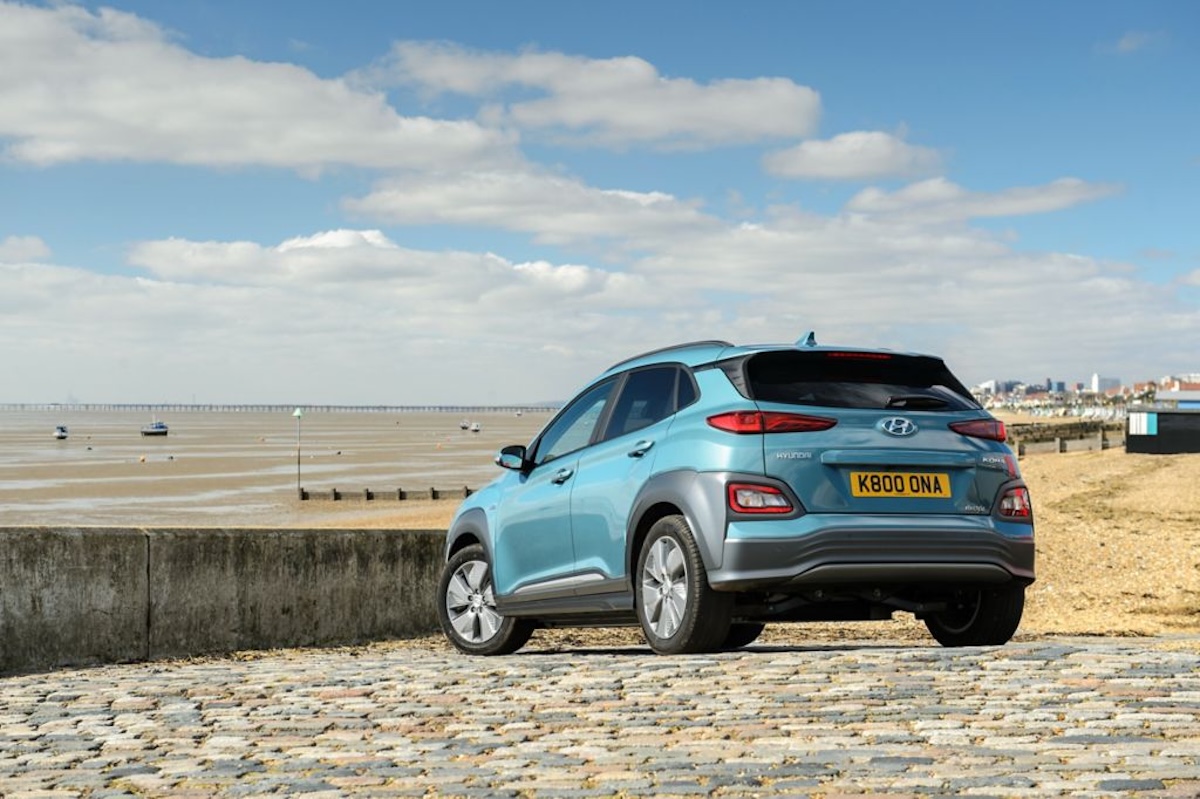
Hyundai Kona Electric: which trims are available?
Where the Kona Electric really stands out is in how much equipment you get for the money, because even the earliest, cheapest models have a standard spec that makes some brand-new rivals look stingy.
Initially, three trim levels were available – SE, Premium and Premium SE. Entry-level SE trim could only be combined with the smaller 39kWh battery. It included features such as 17-inch alloy wheels, climate control, electric driver’s seat lumbar adjustment, automatic headlights, Apple CarPlay/Android Auto connectivity, a lane-keep-assist system and adaptive cruise control.
Premium trim (available with both battery options) includes automatic wipers, front parking sensors, keyless entry, rear privacy glass, a wireless phone charger, satellite navigation and a Krell premium audio system. Standard safety features include blind-spot detection and rear cross-traffic alert systems.
Extras for Premium SE trim (available only with the 64kWh battery) include electric front seat adjustment, heated and ventilated front seats, LED headlights, a head-up display, leather upholstery and a heated steering wheel.
Hyundai introduced an updated Kona Electric model in early 2021. Along with a range of cosmetic changes, it featured a revised line-up of SE Connect, Premium or Ultimate trim levels. These mirror the previous SE, Premium and Premium SE trims, but are even better equipped. The entry-level model – SE Connect – included sat nav and a Krell audio system, for example, while mid-level Premium gained heated front seats and LED headlights. Top-spec Ultimate trim gained an electric sunroof and heated outer rear seats.
Why is the Hyundai Kona Electric so cheap?
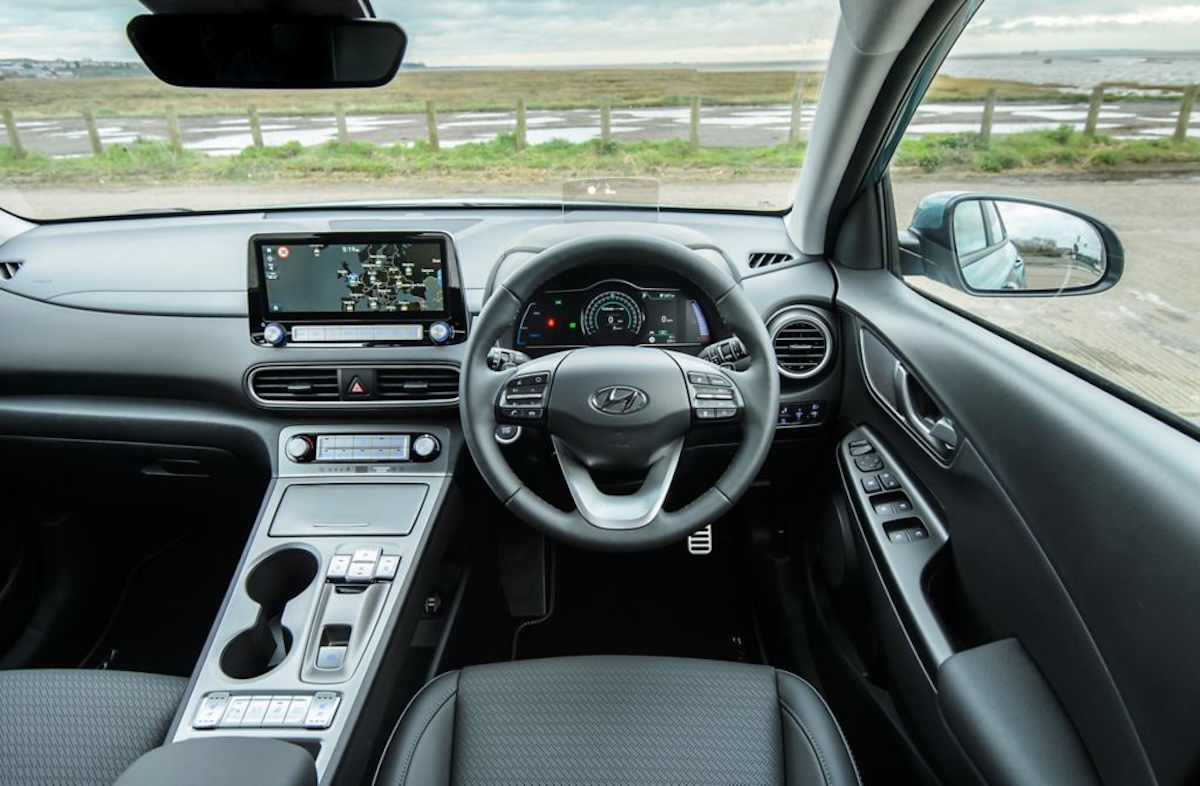
The Kona Electric isn’t alone in looking cheap compared with its petrol and hybrid equivalents, because used electric car prices have dropped massively in recent years. Concerns over battery life, repair costs and charging access continue to affect used EV demand, and lower prices are the result.
So the Kona Electric is affordable largely because of what is – and what isn't – under the bonnet. Because, unlike some used EVs of the same era, it doesn't have outdated tech or meagre battery range. Maximum charging rates are nothing special at 50kW for the smaller battery and 77kW for the larger one, but that's on a par with most EVs of the same age and even a few newer ones.
The Kona Electric also benefits from Hyundai’s generous five-year/unlimited-mileage warranty, along with a separate eight-year/125,000-mile battery warranty. And a ninth-place ranking out of 27 cars in the electric SUVs category of the most recent What Car? Reliability Survey suggests that the first-generation Kona Electric is generally dependable, too.
There are a couple of factors that have an impact on prices, however. Firstly, the Kona Electric’s styling isn’t to all tastes. It’s pleasantly quirky, but looks a bit dated next to the second-generation Kona that replaced it. The simple fact is that there's a newer, shinier version out there.
The potential for battery pack issues with earlier models may also peg prices back. In particular, there are two recalls for 2018-2020 Kona Electric models, affecting about 2,800 vehicles in total and both relating to the battery pack. One deals with a potential short-circuit while the other concerns a fault with the battery management system that could create a fire risk. You can check whether an individual vehicle is subject to the recall using the gov.uk online checker. Any necessary repairs (which could involve a complete replacement of the battery pack) should be carried out for free by Hyundai.
Should I buy a Hyundai Kona Electric?
All things told, we think the Hyundai Kona Electric is one of the biggest used EV bargains around. Go for one of the larger-battery models and you get a smart-looking electric SUV that’s affordable, very well-equipped and has an electric range that’s on a par with many brand-new cars.
Practicality is decent rather than great and you need to be sure that any necessary recall work has been carried out. Those two issues aside, the Kona Electric is very easy to recommend if you’re after a used electric SUV.
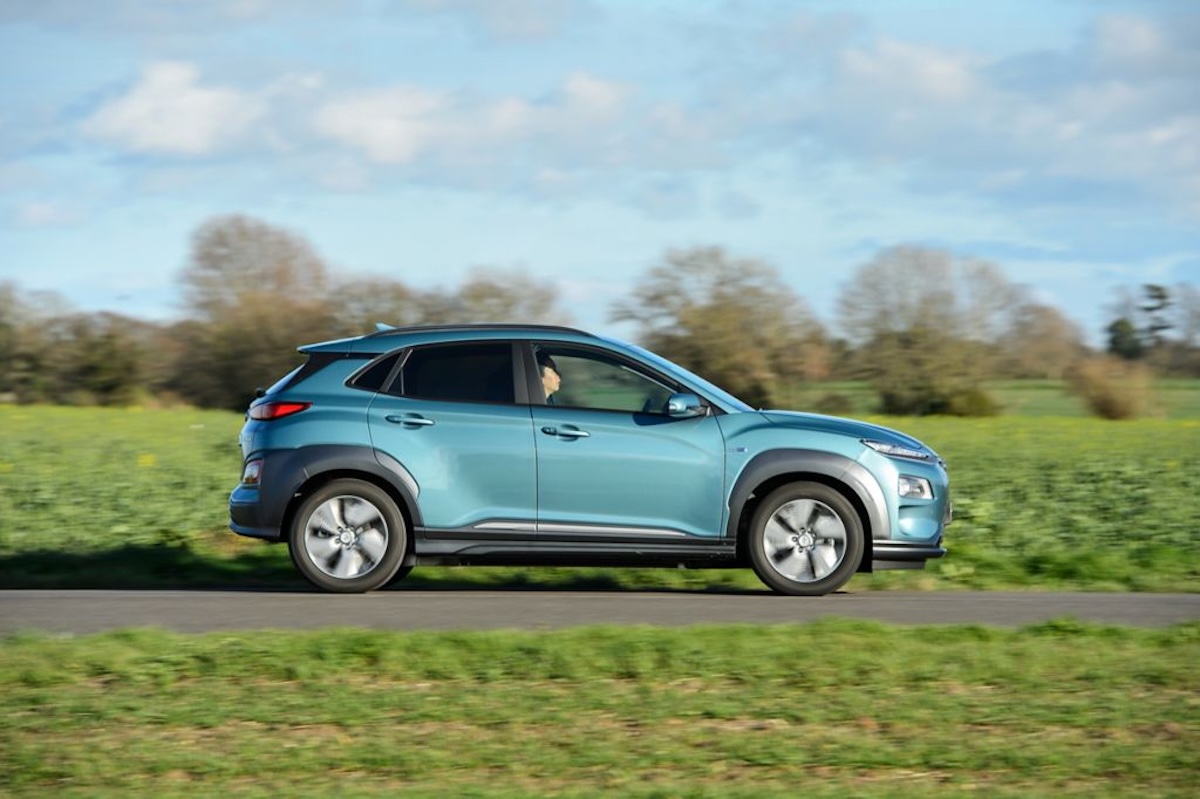
Hyundai Kona Electric model history
The Kona went on sale as a brand-new addition to the Hyundai range in late 2017, initially as a petrol model only. The Kona Electric arrived in August 2018, while the hybrid version was added in September 2019.
In late 2020 (early 2021 for electric versions), the Kona range got a mid-life update, with styling changes inside and out, updated tech and the addition of mild-hybrid technology for the petrol model.
Apart from the minor changes as part of the 2021 refresh, the Kona Electric remained fundamentally the same car from its launch in 2018 until it was discontinued in 2023.
The second-generation Hyundai Kona was introduced to the UK in April 2023, with the Kona Electric arriving in July 2023. It grew significantly in size, making it one of the larger compact SUVs around, and featured futuristic styling that still looks bold today. As before, it’s available with petrol, hybrid or electric power. It’s not as affordable as the first Kona as a used buy, but it remains good value: prices for second-generation Kona Electric models with sub-80k mileage start at about £19,000.
*Figures based on the lowest-priced examples that had been on the market for less than 100 days and had a ‘Great Deal’, ‘Good Deal’ or ‘Fair Deal’ CarGurus Instant Market Value (IMV) rating.
Related topics