Hyundai ix35 Review (2010-2015)
Hyundai ix35 cars for sale
3.0
Expert review
Pros
Lots of standard equipment
Affordable to buy
Excellent safety by the standards of the time
Cons
Not as fun to drive as a Skoda Yeti
Gruff diesel engines
Unsettled ride
The CarGurus verdict
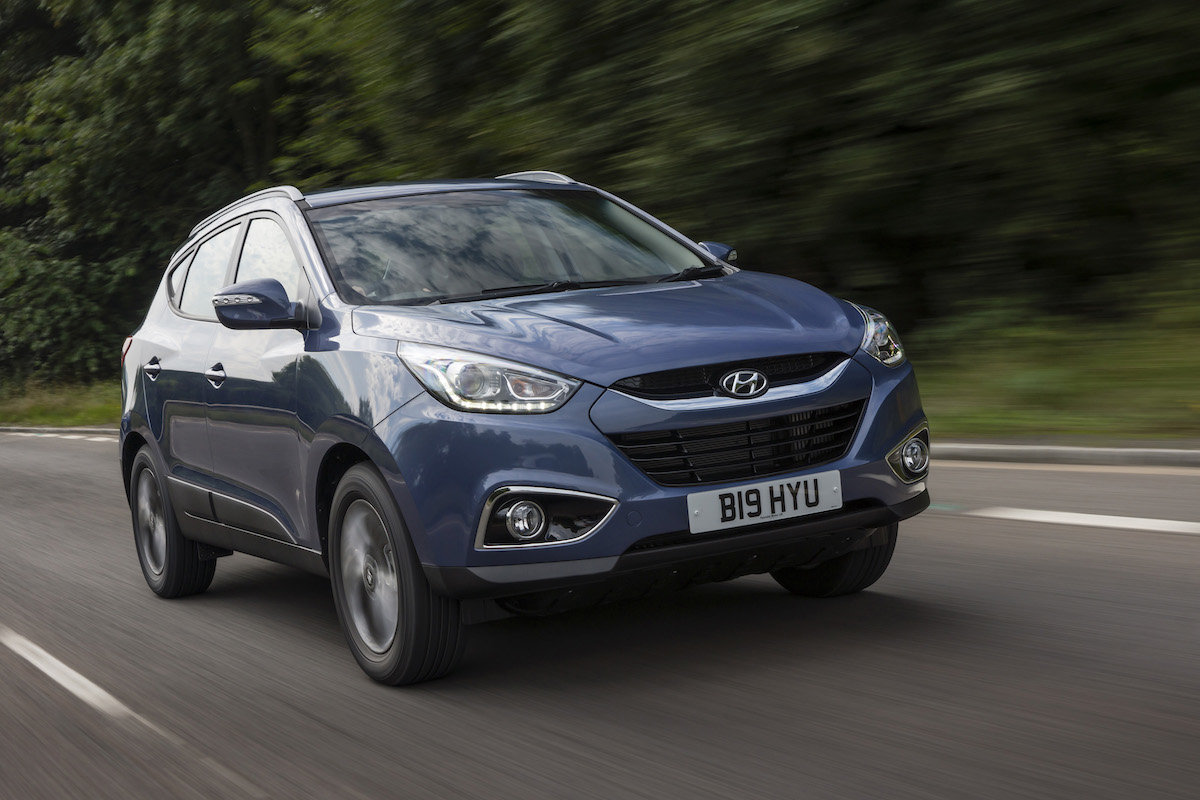
The ix35 was something of a breakout car for Hyundai, demonstrating that it could build cars with eye-catching design and high quality that were able to challenge models from mainstream brands. More importantly, it proved that the firm could make desirable cars that consumers wanted to buy for reasons other than a low price or a long warranty.
It’s not perfect. On the road, it couldn’t match the likes of the Ford Kuga or Skoda Yeti, either in terms of ride and handling, or in engine refinement. But it offered a great deal of standard equipment and ended up undercutting comparable variants of rival models. More importantly, it’s robust, practical and comfortable, plus the savings it offered when new have carried over to the used market, making it a savvy buy for those who want a distinctive but hassle-free family SUV.
What is the Hyundai ix35?
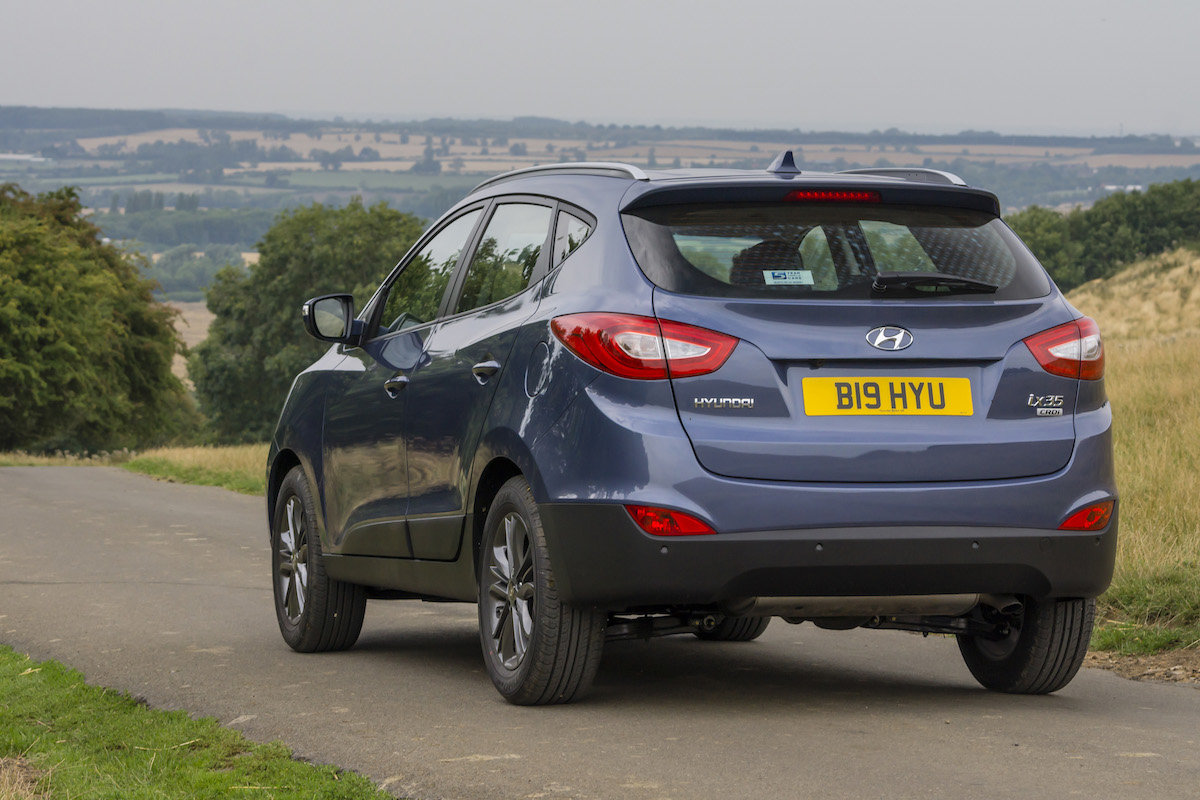
When the Hyundai ix35 was introduced in 2010, Korean manufacturers were still busy establishing the reputation they now deservedly have for well-built, well-engineered, well-designed cars that don’t cost the earth. In the early noughties, their products had been cheap, but not that cheerful. Interior quality was often poor and, on the road, they couldn’t match European and Japanese competitors.
But Kia’s Ceed starting changing perceptions of what Korean cars were about, and Hyundai’s i10 soon reinforced that. And then, the ix35 came along and showed that these were no flukes.
The ix35 was an intriguing proposition. Aimed at the burgeoning SUV family car market kick-started by the Nissan Qashqai, and with attractive rivals in the shape of the Ford Kuga and Skoda Yeti, the ix35 had stiff competition. Hyundai also thought (correctly, as it turned out) that these new crossovers were also challenging the dominance of small family hatchbacks such as the Ford Focus, Volkswagen Golf and Vauxhall Astra.
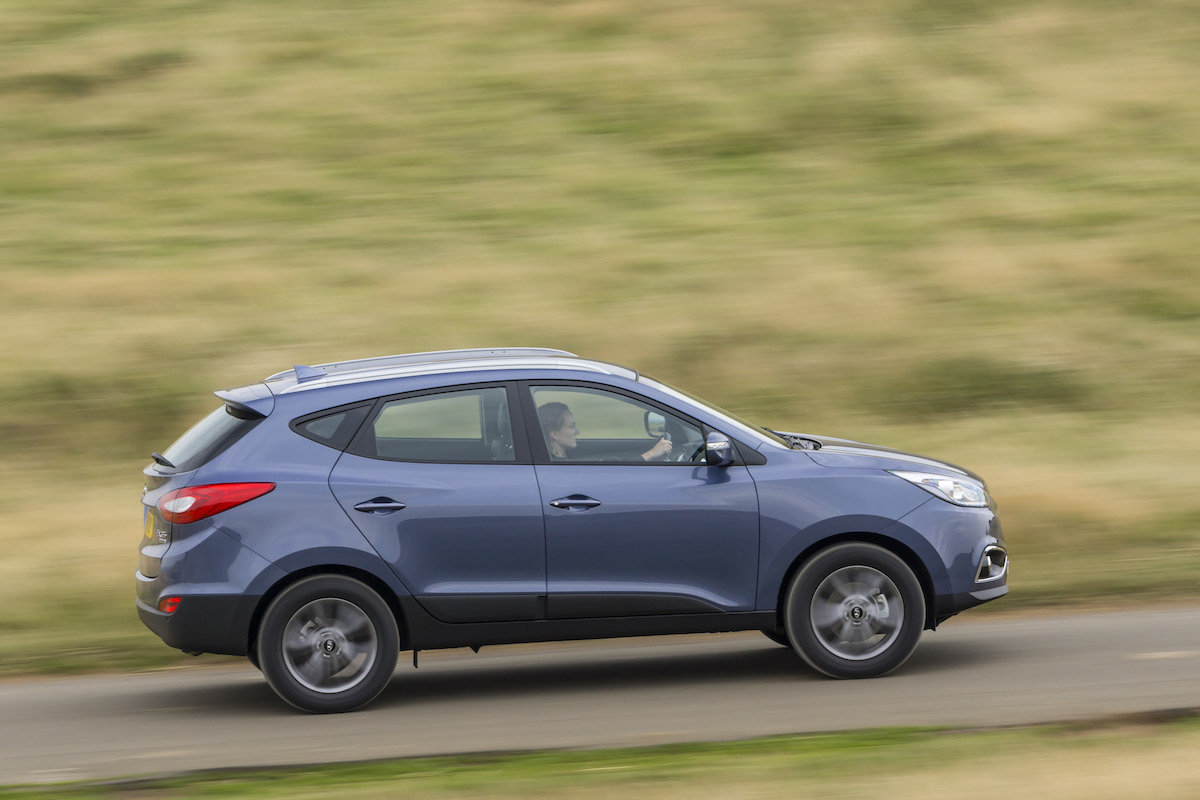
The ix35’s styling eschewed the boxy design of many SUV-style cars of the era, with Hyundai opting instead for a more sculpted look, with more similarities to a conventional hatchback than a 4x4. The bodywork does contain a lot of detail, which might make it too fussy for some tastes, but it possesses what could be described as rugged good looks.
First revealed in 2009, the ix35 arrived in UK showrooms in 2010 as a replacement for the long-serving Tucson. It was facelifted in 2013, with the exterior getting a very subtle makeover, the model line-up being restructured and the infotainment being improved.
How practical is it?
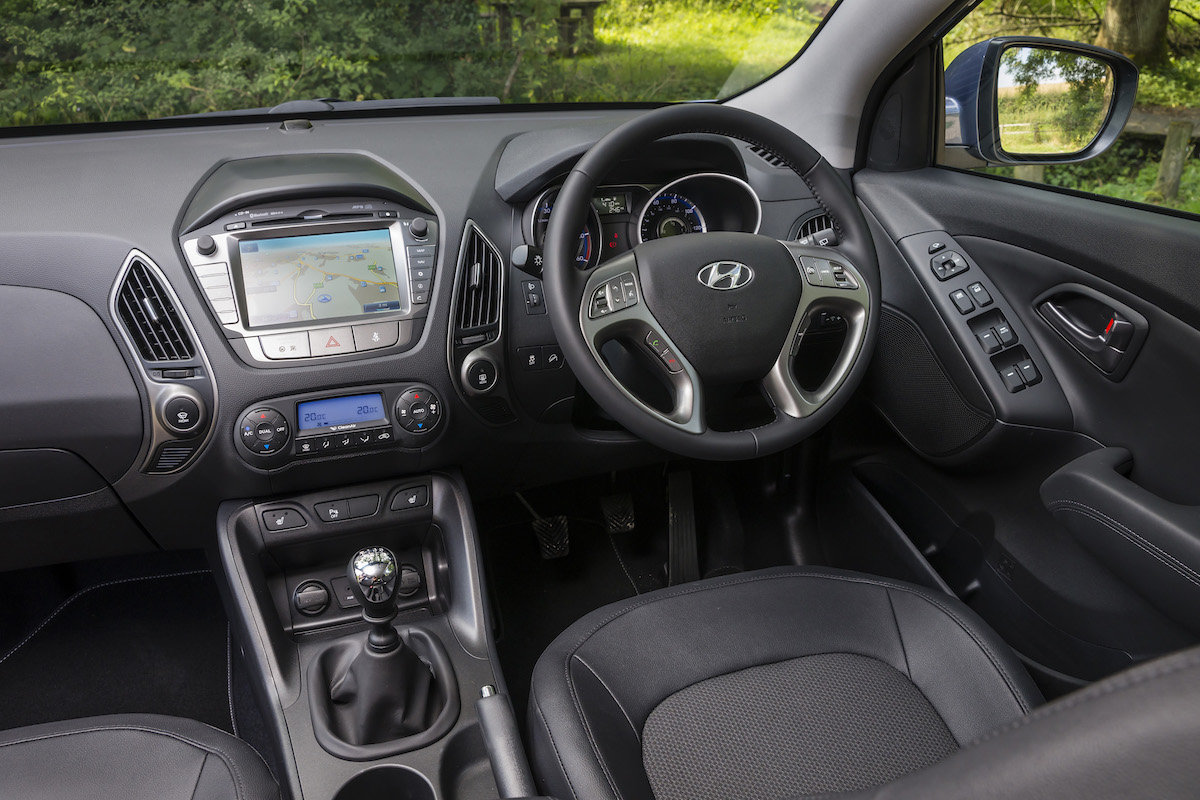
The cabin looks and feels like it was designed with a real focus on making Hyundai into a much more upmarket brand than before. Metallic accents, blue backlighting on the dials and a neat, modern-looking dashboard all made it a match for its rivals at the time. A closer inspection of the materials shows that they lack some of the soft-touch qualities found in some competitors, but they have proved durable.
Practicality is one of the strongest qualities of the ix35, with the boot space having a capacity of 591 litres, which increases to 1,436 litres when you fold down the rear seats. The boot aperture isn’t as wide as in some rivals, a function of that slightly fussy design, but the ix35 makes up for it by having extra storage under a false boot floor – useful for anything you want to keep out of sight – and there are hooks for shopping bags, a 12V power supply and a luggage net to bolster its usability.
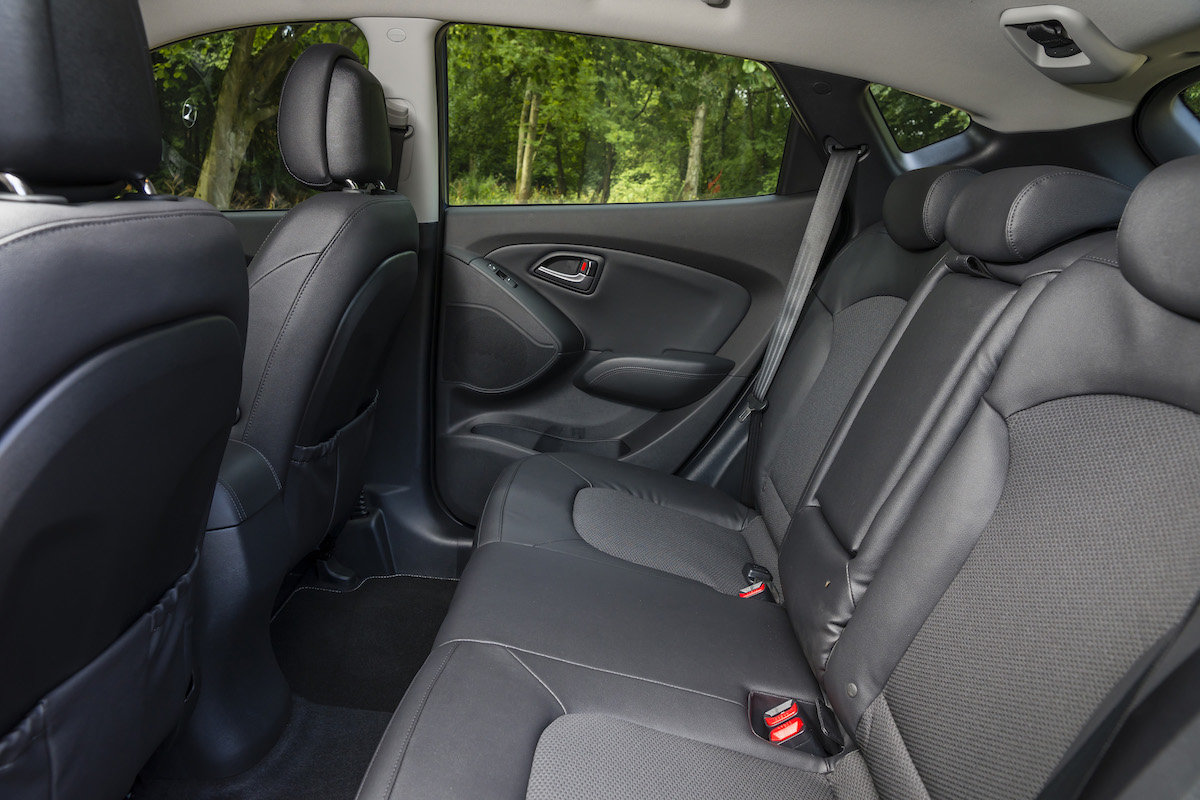
The news isn’t quite so good for passengers, because the ix35 isn’t the roomiest SUV in the class, but it’s far from cramped. Smallish rear doors means access isn’t brilliant and the smaller side windows mean children don’t get a great view out, but there decent head- and legroom, plus a nearly flat floor, so middle-seat passengers don’t need to straddle a transmission tunnel.
Up front, the high-set seating position gives a good view of the road ahead, while the wide range of seat- and wheel adjustment makes finding a comfortable driving position easy-peasy. There’s also all the usual and useful storage you’d expect in a car aimed at families, including places for smartphones and numerous cupholders.
What's it like to drive?
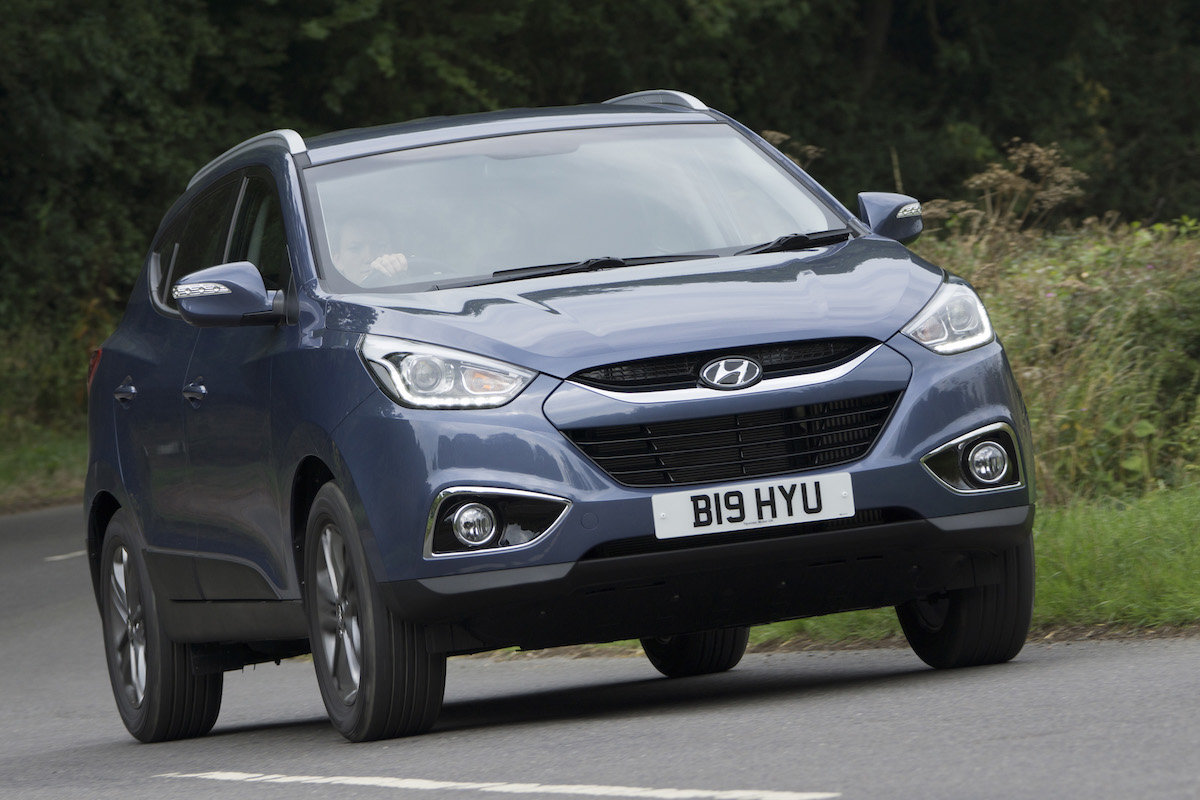
The ix35’s on-road manners also showed the strides that Hyundai and sister brand Kia were making at the turn of the last decade. The steering is accurate, feeling light enough at low speed for easy parking but getting heavier at higher speeds to give more stability and confidence. The handling was also confidence-inspiring, with enough grip and well controlled body movements that avoided uncomfortable lurching when carrying too much speed into a corner.
Of course, the trade-off for this composure in such a tall car was a firm ride, particularly around town. It’s not too jarring, but on the optional 18-inch wheels, the ix35 can crash and thump into potholes and over sharp ridges. Matters improve at speed, when the Hyundai’s suspension feels more cushioned.
Refinement was pretty good, too, with wind- and road noise decently suppressed, and any engine noise only becoming intrusive once the unit was worked hard.
Speaking of engines, there was a fairly limited choice, with just two petrols and two diesels. The entry-level 133bhp 1.6 petrol felt rather strained and overwhelmed by the ix35’s bulk, and was particularly gutless when the car was heavily laden. Surprisingly, the 161bhp 2.0-litre didn’t feel a lot livelier, only showing any real performance advantage when worked (noisily) hard.
Despite diesel being a dirty word these days, the 1.7-litre and 2.0-litre CRDi units were actually the pick of the bunch, and remain so today. The former produced just 113bhp, but generous mid-range torque meant it felt faster and more responsive on the road than either of the petrols. In fact, it didn’t feel much slower than the 2.0-litre, which could be specified with either 134bhp or 181bhp. The latter was available only with a power-sapping four-wheel and six-speed automatic transmission combination, which again, meant it felt no more lively than lower-powered models.
Technology, equipment and infotainment
Initially, Hyundai kept it simple with the ix35 model line-up, with buyers able to choose between Style and Premium trim levels, and both were lavishly equipped. For instance, the former featured alloy wheels, air-conditioning, Bluetooth, electric windows, a leather-trimmed steering wheel, MP3 connectivity, rear parking sensors and even heated seats in the front and rear.
The Premium trim added a full-length glass sunroof, automatic headlights, cruise control, dual-zone climate control, electric folding door mirrors, keyless entry, rear privacy glass, rain-sensing wipers and part-leather upholstery.
A pair of option packs also added features such as a reversing parking camera, full leather upholstery, touchscreen sat nav, and a seven-speaker stereo system with subwoofer. So, when considering the different used alternatives, check if the original owner added these options.
Then from 2013, the line-up was expanded to S, SE, SE Nav, Premium and Premium Panorama. The entry-level S featured air-conditioning, electric windows and alloy wheels, while the SE added Bluetooth, cruise control, a leather steering wheel and heated seats. As its name suggests, the SE Nav added sat-nav, which came as part of a touchscreen infotainment system that will seem a bit old-hat by today’s standards.
For the Premium cars, Hyundai threw in leather trim, xenon headlamps and 18-inch alloys, while the Premium Panorama (the clue’s in the name and, no, it didn’t feature in a BBC current affairs TV programme) featured a full-length glass roof that let more light into the cabin, but also reduced headroom in the rear.
Hyundai ix35 running costs
The vast majority of ix35s sold were diesels, reflecting the received wisdom of the time that these were the most economical options, and also because the car tax (Vehicle Excise Duty) system was so weighted in favour of diesels.
Initially, the ix35 went on sale with a 2.0-litre CRDi diesel engine, a 134bhp common-rail diesel that returned 51.4mpg, according to the official fuel consumption figures reached under the NEDC test used at the time (it’s now been replaced by a more accurate WLTP test). Real-world driving is unlikely to result in a similar figure, but drivers should be able to wring around 40mpg out of it. If you want four-wheel drive, this will reduce the fuel economy figure by around 10mpg, so be aware of the cost of having this go-anywhere capability.
Arriving a little after launch was a less powerful, but more economical 1.7-litre CRDi diesel, with an official fuel economy figure of 53mpg. That's not a massive improvement on the more powerful unit, but it all adds up if you cover a lot of miles.
The ix35 was launched with a 2.0-litre petrol engine, but that was unpopular and so ended up being a short-lived option in the model line-up. As a result, there are unlikely to be many kicking around the used market. Buyers who want a petrol-engined ix35 will find the 1.6 GDi more plentiful (but only slightly). The fuel economy figure of 41.5mpg is improved if you can find a car with a Blue Drive badge, which means it has a stop/start system that increases mpg to 44.
In terms of servicing costs, it’s recommended that ix35s have a service once a year or every 10,000 miles, whichever comes sooner. Now that the cars are a few years old, it might be worth looking into some of the servicing packages being offered by Hyundai, including its 5- servicing plan for cars more than five years old, which features fixed prices and genuine parts.
Hyundai ix35 reliability
The ix35’s reliability seems to be pretty good, but there were some contradictory results in the later years of its life on sale. Some customer satisfaction surveys rated the ix35 fairly highly, but one saw the ix35's stock fall from a top-20 place in the table of 200 most reliable cars, to 125th.
There were also a couple of recalls. One concerned a potential fuel leak on some diesel models produced between September and November 2011, identified by the smell of diesel fuel or a loss in power. Owners were able to take their car to a dealer to be rectified free of charge, so it's worth checking if any used car you’re considering was included in this recall and whether it was addressed.
The other recall covered the driver's seat belt pretensioner, which may have been subject to a failure in a crash. Cars built between November 2011 and June 2012 were affected, so again, check the details of any car you’re considering buying.
The good news is that Hyundai’s five-year warranty is better than any of its rivals, bar the Sportage from sister brand Kia, which offers a seven-year package. The bad news is that this will have now expired for even the last ix35 models sold in the UK.
- The ix35 was awarded five stars for safety by testing organisation Euro NCAP, with impressive scores at the time. For example, the 90% adult occupant score, 88% child occupant score and 71% safety assist were all good at the time. There were frontal-, side body- and side head airbags, as well as seatbelt pretensioners, while four-wheel drive was also an option for cars powered by the 2.0-litre diesel, which is worth checking out when comparing used cars.
- The ix35 was an example of Hyundai’s short-lived decision to identify some of its cars by a combination of letters and numbers instead of a name. So, the ix35 replaced the Tucson, while the brand’s small MPV was known as the ix20. However, the latter was never replaced directly (its place in the line-up was taken by the Kona, a small SUV), while when the ix35 was pensioned off, its replacement was, erm, the Tucson. Go figure.
- Perhaps the most interesting ix35 of the lot is the FCV, which stands for Fuel Cell Vehicle. Powered by hydrogen, this hi-tech model used a 134bhp electric motor, could travel 350 miles on a tank, and produced nothing from its tailpipe but water. Unfortunately, a price tag of over £50,00 when new, plus an acute shortage of specialist filling stations, means that it’s a very rare sight.
- The most economical variant of the ix35 – and, as a result, the most popular with original buyers – is powered by a 1.7-litre CRDi diesel engine. It’s not quick – it takes 12.4 seconds to complete the 0-62mph acceleration test and the top speed is only 108mph – but 53mpg was a pretty decent result at the time.
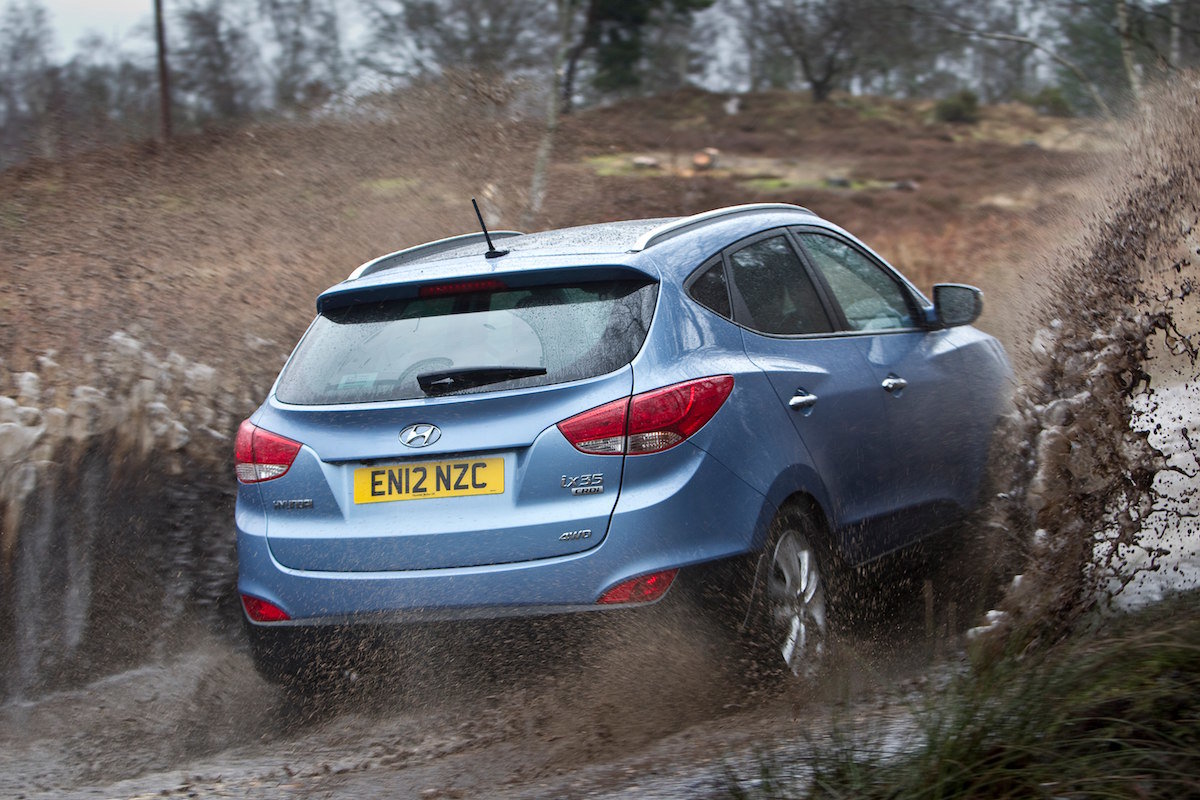
- If you want an ix35 with four-wheel drive that can go off-road, then you’ll need the 2.0-litre diesel engine. It slows the car down – 0-62mph took 10.2 seconds, as opposed to 9.4 seconds with two-wheel drive – but it will give you a little more capability if you need to head away from the Tarmac, although it’s better suited to poor weather on the road than serious mud-plugging.
- A petrol engine is a good option for those drivers who tend not to cover many miles. The ix35's can be a little noisy when driven with any enthusiasm, but the 133bhp 1.6-litre unit is nippy enough in urban driving, with a 0-62mph time of 11.1 seconds. Take it on to more open roads and building up some speed can find the car coming up against its limits earlier than you might expect, so using a more leisurely driving style is the best policy.


