Kia Stonic 2026 review | Smart-looking and good value small SUV
Kia Stonic cars for sale
3.0
Expert review
Pros
Generous seven-year warranty
Lots of standard kit on all models
Good to drive
Cons
Most basic cars miss out on some safety systems
Firm ride won't suit everyone
Diesel particulate filters can clog if the car is only used for short journeys
The CarGurus verdict
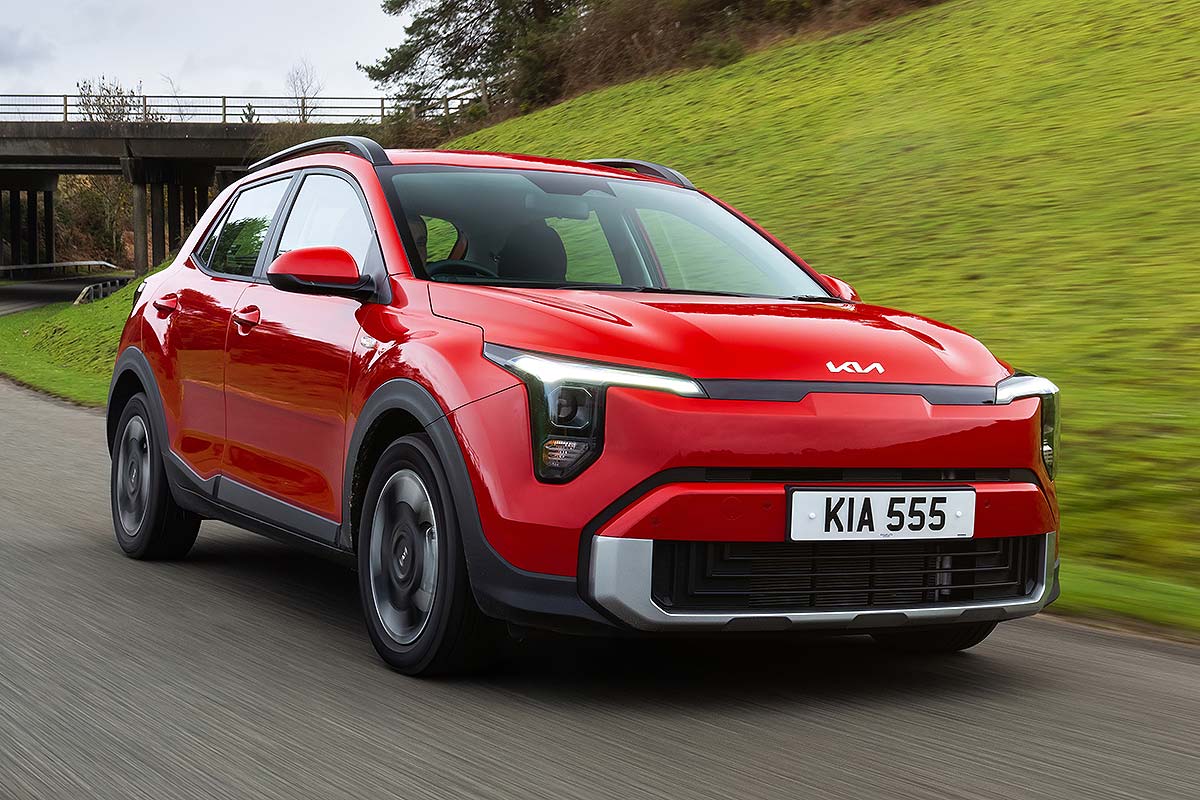
The Kia Stonic’s smart facelift helps give it a timely boost in this popular sector of new car. It’s not the roomiest or highest-riding small SUV out there, but for those seeking a compact alternative to a supermini at a good-value price, it’s well worth a look.
As well as being a looker, with impressive levels of standard equipment across the range, the Stonic drives well and gives owners peace of mind with its long warranty and strong reliability record. There are cars that do a few things better, but the Stonic a very good all-rounder and deserves to be on your shortlist of small SUVs.
What is the Kia Stonic?
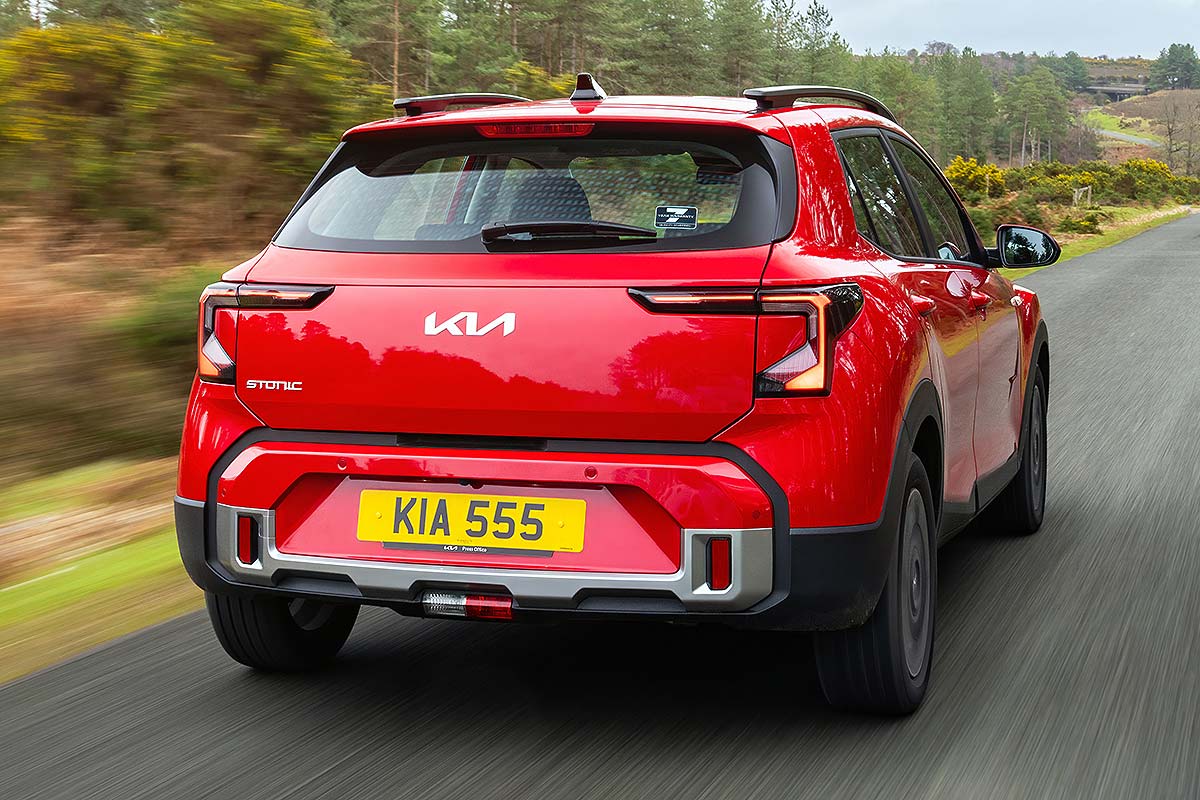
The Kia Stonic is a small SUV that was first introduced back in 2017. With the arrival of the Kia EV2 electric small SUV, the Stonic received a heavy facelift in 2026. This helps both extend its life and ensure small SUV buyers continue to have a petrol-powered alternative to Kia’s EV SUV.
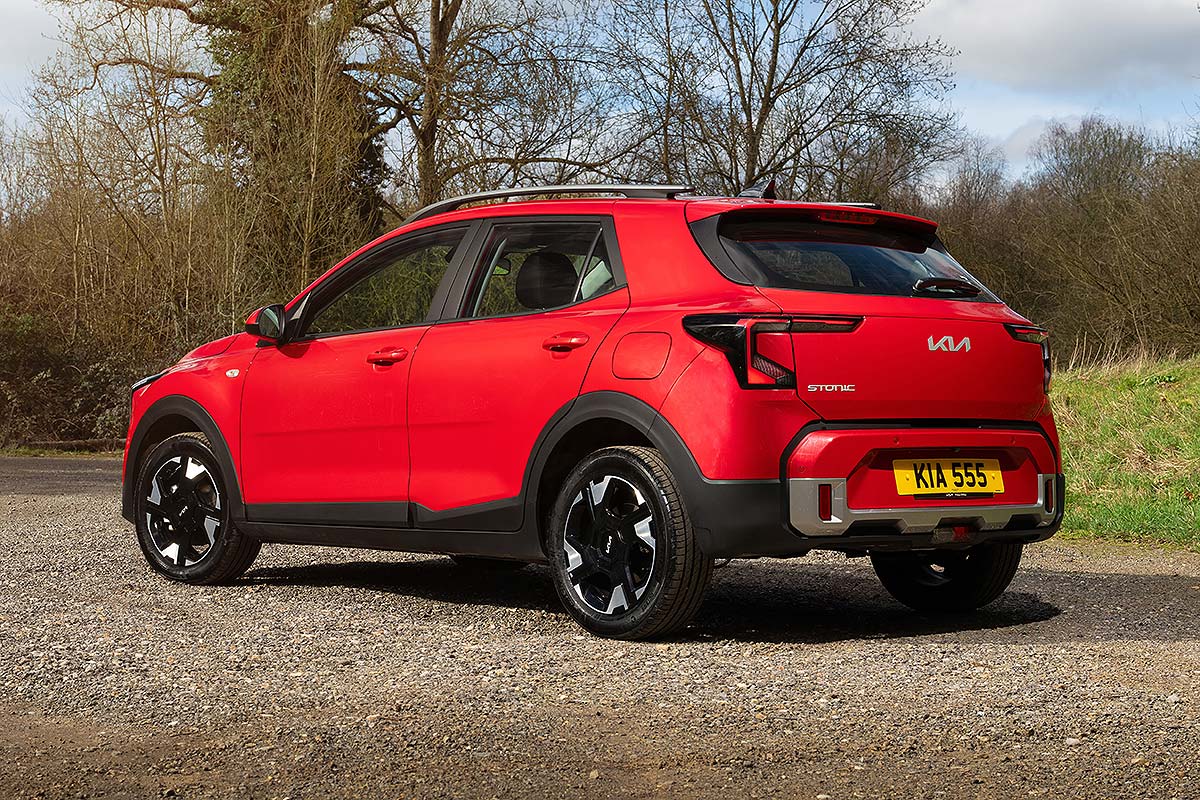
It’s a really well-judged facelift, too. The Kia Stonic has the firm’s distinctive front end, with striking LED lights that frame a cleaner, bolder bumper. It’s the same at the rear, with the Stonic clearly taking inspiration from the range-topping Kia EV9. The interior has been thoroughly overhauled too, with a widescreen infotainment system, smart steering wheel and more upmarket details.
The Kia Stonic follows the small crossover SUV template faithfully. It is higher-riding than a regular supermini, with a more rugged appearance. However, it isn’t too extreme, so it remains easy to park and fuss-free to live with. It has no end of rivals in this popular sector of the new car market, including the Volkswagen T-Cross, Nissan Juke, Ford Puma, Renault Captur, Vauxhall Mokka and Peugeot 2008. It also has some new Chinese rivals too – models such as the Chery Tiggo 4 and BYD Atto 2.
How practical is it?
The Kia Stonic has a more commanding driving position than a regular supermini small car, which is a key part of the small SUV appeal. It has a good view over the tall bonnet, giving ‘sit up’ confidence without feeling overly bulky or clumsy. This higher seating position makes you feel more secure alongside other cars on the road, too.
The front seats are a little soft and could do with more sideways support, but the driving position itself is decent, with the steering wheel offering both tilt and reach adjustability. Being that bit higher makes it easier to get in and out of, although we did notice the B-pillar was a bit thick for over-the-shoulder checks on the motorway. You get a handy blind-spot assist monitor in the door mirrors – but only on GT-Line models, not on entry-level Pure.
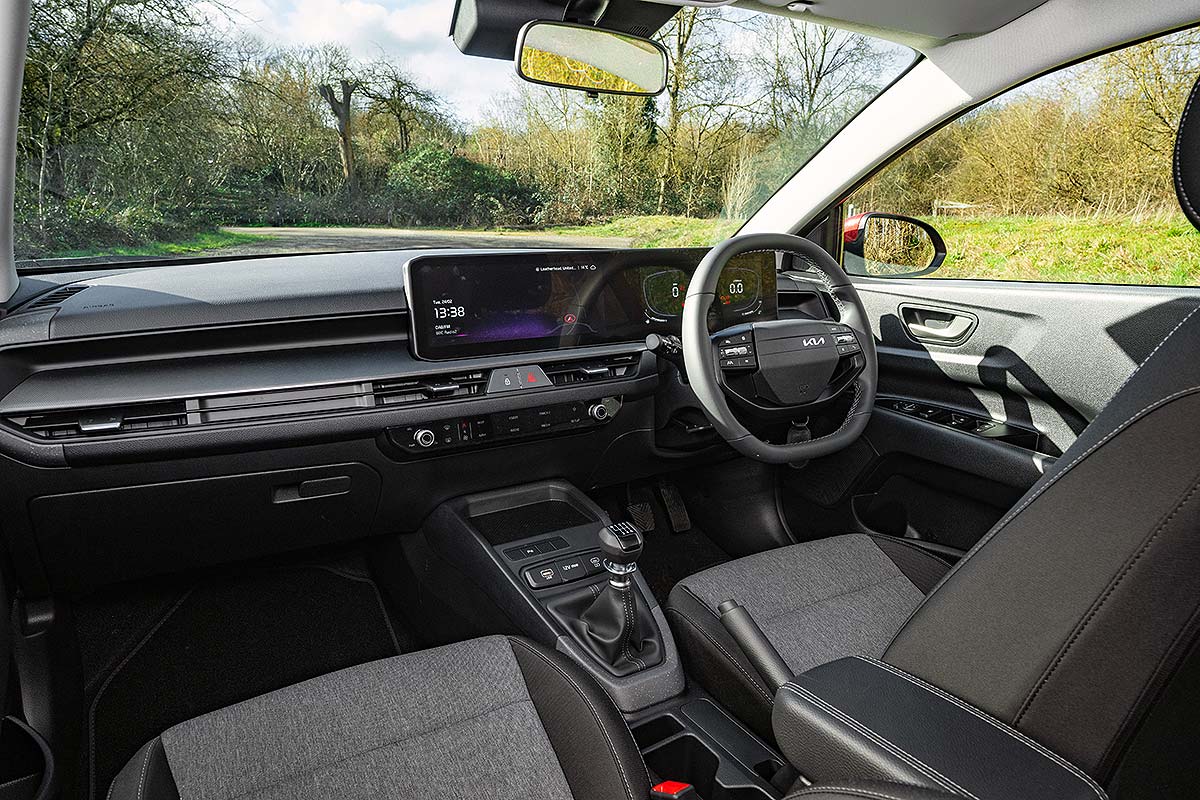
There are some nice practicality touches inside the Kia Stonic. There are dual cupholders in the centre console, and a dedicated phone stowage tray below the climate controls. This has a rubberised covering to stop your device sliding about during cornering. Top-spec GT-Line S version have wireless charging, too. We also like the modern new Kia steering wheel, which is nice to hold and features proper easy-to-use buttons.
The climate controls themselves take a bit of getting used to. It's a multi-purpose display, that controls both the infotainment and air con settings. You have to press a small icon to switch between the two layouts. Even after hours behind the wheel, we were still getting caught out by it.
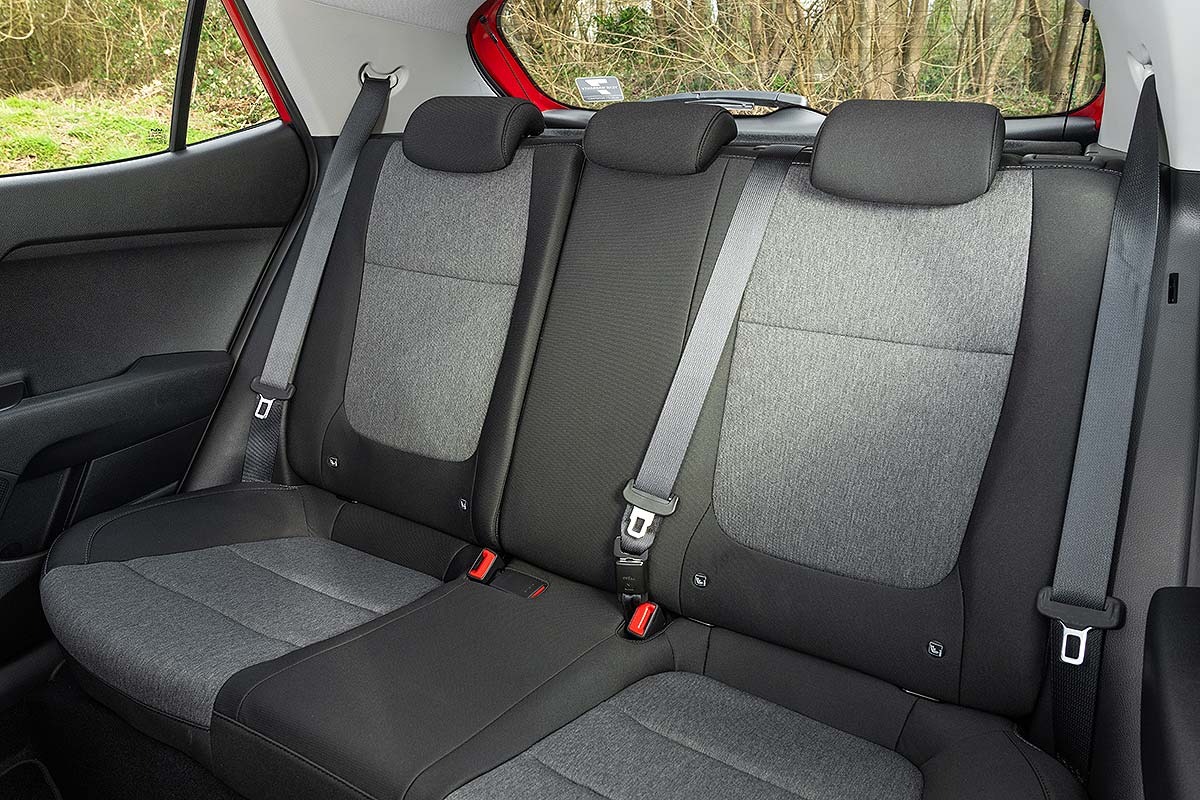
Rear seat space in the Kia Stonic is a little tight compared to some other small SUVs. Legroom behind the driver could be better, and adults will have their knees pressed into the back of the front seat. The door openings are a bit small as well, so you’ll have to watch your feet when getting in and out. Headroom is decent back there, though.
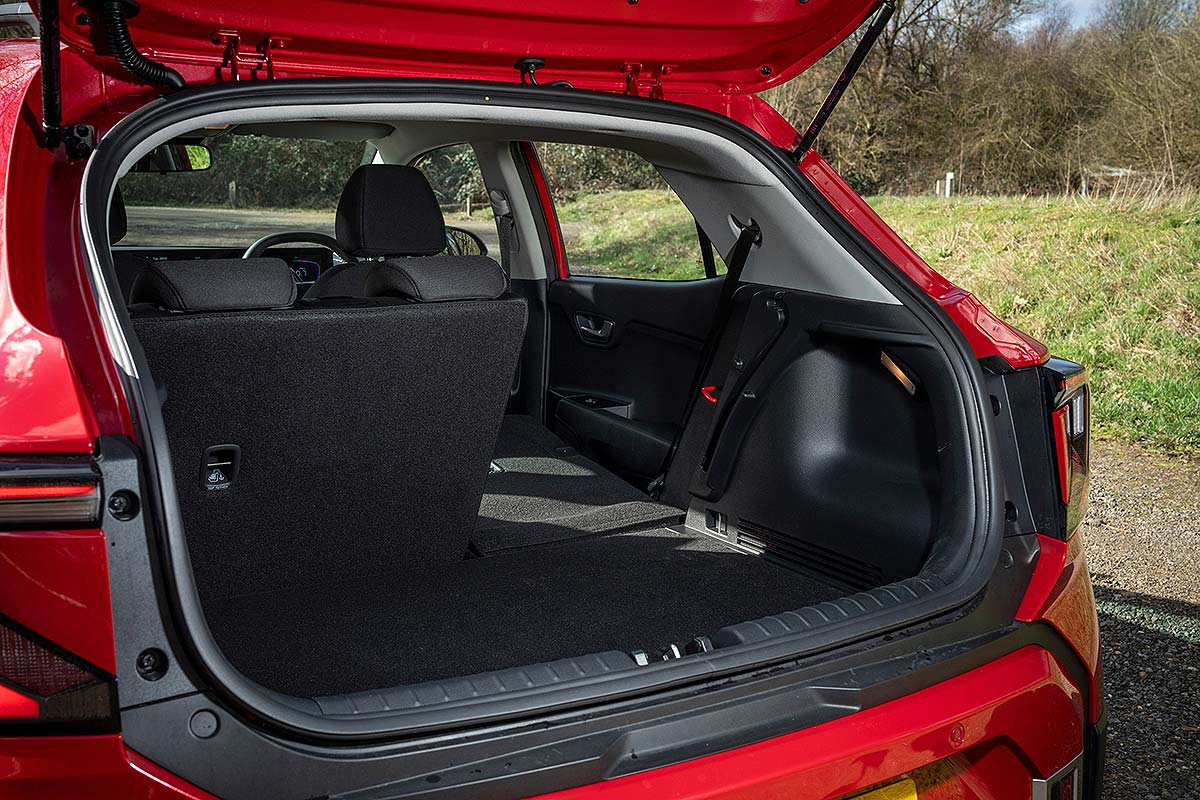
The Stonic has a 352-litre boot, which isn’t bad for a car measuring a city-friendly 4165mm long, but it is bettered by rivals such as the Seat Arona, which has 400 litres. It is at least easy to load, thanks to being higher off the ground than a regular small car. the 60:40 split rear seats fold down to give a 1155-litre load space.

What’s it like to drive?
The Kia Stonic is a pleasing and able car to drive. It rides nicely, which is what you need with today’s broken-up British roads. It’s compliant and absorbent over bigger bumps, and takes the edge off nasty road surfaces. The pay-off is a bit more lean through bends, meaning it isn’t as sharp to drive as something like a Ford Puma.
The Kia Stonic also has extra-light steering, which may put off keen drivers, although this does make it very easy in town and when parking. The brakes are rather soft and mushy as well, although stopping power is good.
All Kia Stonic use a 1.0-litre three-cylinder turbo petrol engine. With 96bhp, it doesn’t sound the most powerful on paper, but it’s actually pretty sprightly in everyday use. Once the turbo comes on boost, it has a good amount of pulling power, and will hold higher motorway speeds comfortably without strain. You will notice the power tailing off during manual gearshifts though, until the turbo comes back on boost – the DCT automatic models disguise this characteristic. Saying that, the manual gearbox is actually quite nice to use, with a short-throw shift and extra-light clutch.
All Kia Stonic have a good haul of standard safety assist tech, which is fairly easy to disable if you don’t like lane-keep assist or speed limit warnings. The top-spec Kia Stonic GT-Line S has added extras, such as smart cruise control with stop-go functionality, plus a more advanced forward collision avoidance system. It’s also the only Kia Stonic to have an electronic parking brake with hill-hold function; the other two versions have a regular handbrake lever.
Technology, equipment & infotainment
All 2026-on Kia Stonic have an upgraded widescreen infotainment system with a 12.3-inch central touchscreen. This is a big improvement on the previous system. It includes built-in sat nav, and Kia throws in seven years of access to the Kia Connect information service – this also includes a useful smartphone app, so you can check where you’ve parked your Stonic, and whether you’ve locked it. The panoramic display also includes a digital driver’s display – 4.2-inches on Pure and GT-Line, or a full 12.3-inch display on GT-Line S.
Just note that Apple CarPlay and Android Auto are wired systems – you can’t get wireless smartphone mirroring on the Kia Stonic, which is a bit of a shame.
The entry-level Kia Stonic Pure features 16-inch alloy wheels, electric front and rear windows, Bluetooth connectivity, a front and rear USB-C charging port, rear parking sensors and a reversing camera, cruise control and front fog lights. There’s a comprehensive array of safety assist tech as well – this is an area of the Stonic that Kia has improved over time.
The Kia Stonic GT-Line adds larger 17-inch alloy wheels, LED headlights, rear lights and front fog lights, gloss black folding door mirrors with LED indicators, rear privacy glass, automatic air conditioning, blind spot warning and automatic air conditioning. The GT-Line styling extras outside and in stretch to alloy pedals, a cool three-spoke steering wheel and an eye-catching gloss black front grille.
GT-Line S, the range-topping Kia Stonic, features a tilt-slide sunroof, heated front seats and steering wheel, smart entry with a start stop button, customisable ambient lighting, an extra USB-C socket in the front, wireless smartphone charging and front parking sensors. The safety assist tech is yet more comprehensive and an electronic parking brake adds convenience.
Kia Stonic running costs
The Kia Stonic is a pretty fuel-efficient car. On paper, all versions average around 50mpg. While you perhaps won’t see this in everyday driving, fuel consumption should still be decent.
Insurance ratings start at group 10 for the entry-level Pure model. GT-Line models, with the more powerful mild hybrid petrol engine, start at group 12. Both are pretty reasonable and should ensure car insurance for the Kia Stonic is affordable.
Servicing is due every year or 10,000 miles. Kia offers fixed-price service plans that will cover you against inflationary price rises and, while prices vary depending on the age of the car, they’re competitive against rivals.
Kia Stonic reliability
Kia has a great reputation for reliability, and independent studies tend to back that up. The company came eighth out 30 manufacturers in the 2025 What Car? reliability survey, while the Stonic is now a well-proven machine using familiar and robust technology seen elsewhere in the Kia line-up.
Kia’s seven-year, 100,000-mile warranty has long been the best in the business. Few of the Stonic’s rivals get anywhere near this. We haven’t heard of any common problems with the Stonic, which is yet another positive sign, and there were no official recalls at the time of writing.
- Kia has cleaned up its trim names. Instead of numbers, you have Pure, GT-Line and GT-Line S. They all have a decent amount of standard equipment, including the updated 12.3-inch touchscreen but, as you’d expect, it’s GT-Line S that has the most lavish amount of standard kit.
- Kia no longer offers a diesel-engined Stonic. You’ll have to search on CarGurus for a used Kia Stonic diesel if that’s your preference – but even secondhand, they’re rare, as most buyers prefer petrol.
- The Kia Stonic has actually been facelifted twice. It was first overhauled in late 2020 and, to ensure the firm still offers a petrol-powered alternative to the electric Kia EV2, gained a more extensive set of updates in 2026. Extending its life also helps fill the gap in the range caused by the demise of the Kia Rio supermini.
- If you want the best fuel economy: Choose a Kia Stonic with the DCT automatic gearbox. On paper, it's marginally better – slightly about 50mpg rather than just below it – and because it will always be in the 'right' gear, it should prove more efficient in everyday driving too.
- If you want the best all-rounder: We'd pick a GT-Line model over entry-level Pure. The extra styling features outside and in are fun, and it's handy to have added equipment such as automatic air conditioning and that useful blind spot collision avoidance system.
- If you want a sporty look: It doesn’t add anything to the driving experience, but both GT-Line and GT-Line S cars look more imposing than the regular Pure, thanks to a sporty body kit and a rear spoiler.


