Some products are so synonymous with their category that they come to define it. Think about your vacuum cleaner. You probably refer to it as a ‘hoover’. Or that stuff you use for sealing up Amazon returns: you know it as ‘sellotape’, most likely. But those are actually brand names. ‘Thermos’, ‘tarmac’... the list goes on. In fact, when a brand or product name becomes a generic term there’s even a name for it: genericide. And I only know that because I googled it. Oh, there’s another one.
Anyway, something similar can happen with cars. This came to mind when BMW announced details of its new 3 Series, because few cars have come to define their category as clearly as it has. From the Mk1 model of 1975 to the all-new 2027 version, the BMW 3 Series has been the definitive example of a ‘sports saloon’ or ‘compact executive’ car. Each new version has grown and added more features, but at heart the 3 Series formula hasn’t changed much over the years. As a result, every rival car launched in the past five decades has been judged, either directly or indirectly, against it.
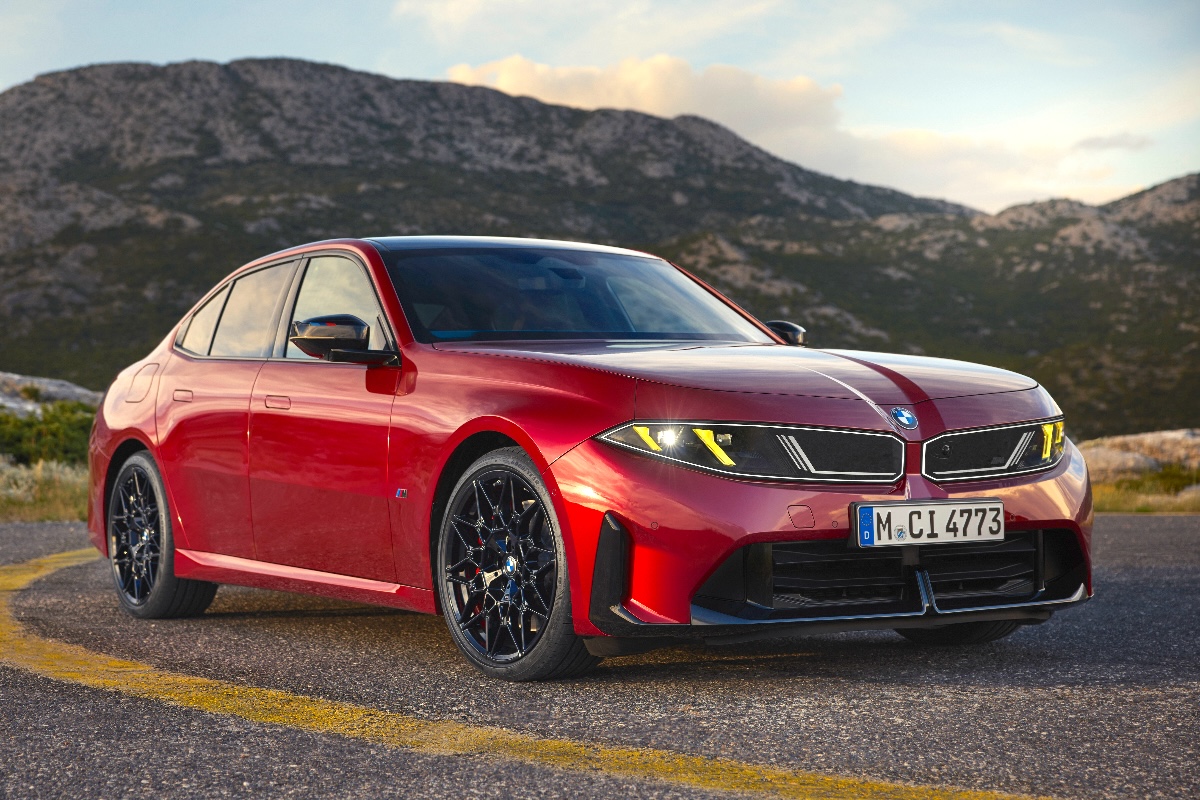
What is a ‘sports saloon’ or ‘compact executive’, exactly? Try to explain the concept to someone and they might give you a funny look. Tell them it’s a BMW 3 Series rival and anyone with even the vaguest car knowledge will know what you’re talking about. That’s how definitive it is.
So how does a car come to define its category? I’d argue that sheer longevity is a factor, because the longer a car exists, the more well-known it becomes. Consistency is another, since it suggests there’s a fixed formula that others need to follow. Most of all, perhaps, a car that defines its category is so fit for purpose that it becomes the benchmark others are judged against.
All three of those apply to the 3 Series, but have any other cars become as definitive in their sector? I’d argue that a few have, or at least come pretty close. Here are my top seven:
Cars that define their category:
City car: Fiat 500

Controversial, maybe, but I’d argue that the definitive city car of the modern era is the Fiat 500. That’s possibly because, while so many other city cars have come and gone (gone, mainly) over the past 19 or so years, the Fiat 500 just kept doing its thing. It hardly changed. It was never a class leader, but it was cheap (until it went electric-only, a move it has since rowed back on), easy to park and cute to look at. A car perfect for the city, then.
Read our full Fiat 500 review
Supermini: Ford Fiesta

Yes, I know. The Fiesta is no more. But does any car sum up the concept of a ‘supermini’ as well? Small, cheap, cheerful and fun. That’s the Fiesta in a nutshell, whether you’re talking about the first-generation model (launched way back in 1976) or the final, eighth-generation model that was discontinued in 2023. There’s also sheer ubiquity, because the Fiesta was the UK’s best-selling new car every year between 2009 and 2020.
Read our full Ford Fiesta review
Hatchback: Volkswagen Golf
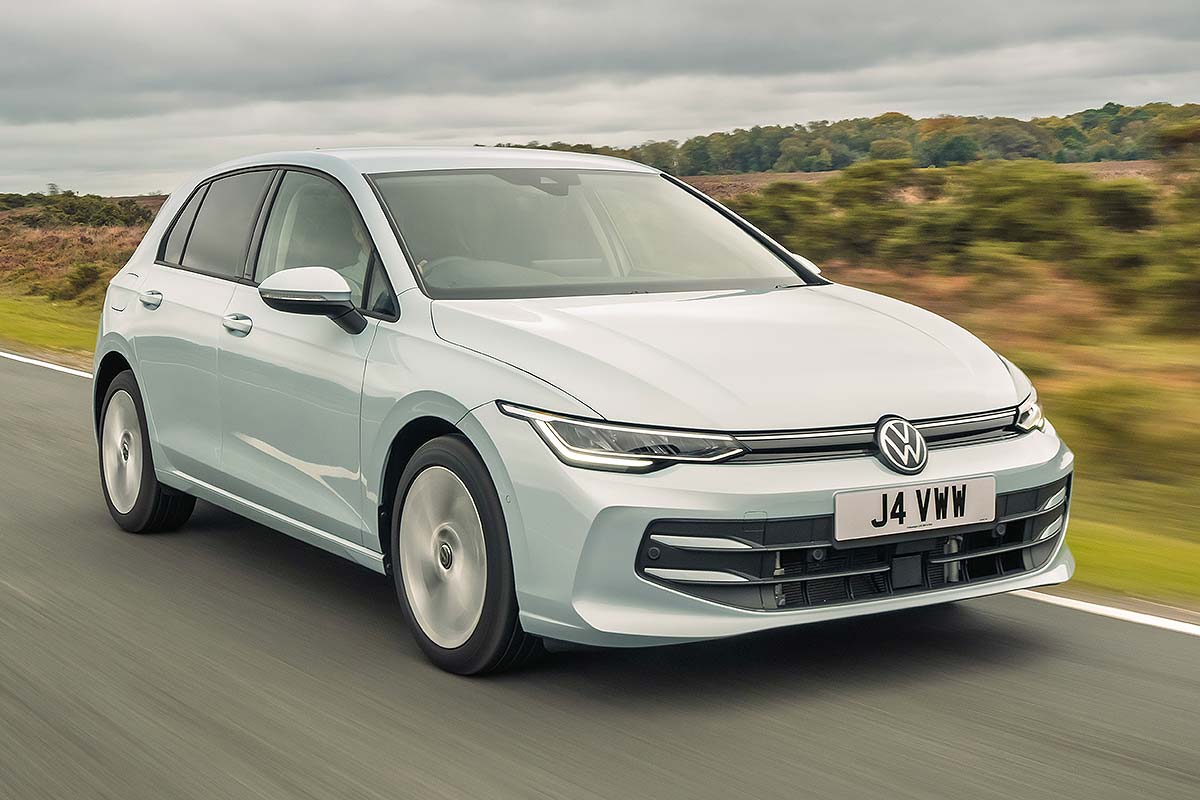
A close call, this one, because I was tempted to go for the Ford Focus instead. But if you ever need to refer to a mid-size hatchback, the Golf is still the default option. Volkswagen even based an entire ad campaign called ‘Like a Golf’ around the concept in the late noughties. The strapline: “Why drive something like a Golf, when you can drive a Golf?”
Read our full Volkswagen Golf review
Executive saloon: Mercedes-Benz E-Class
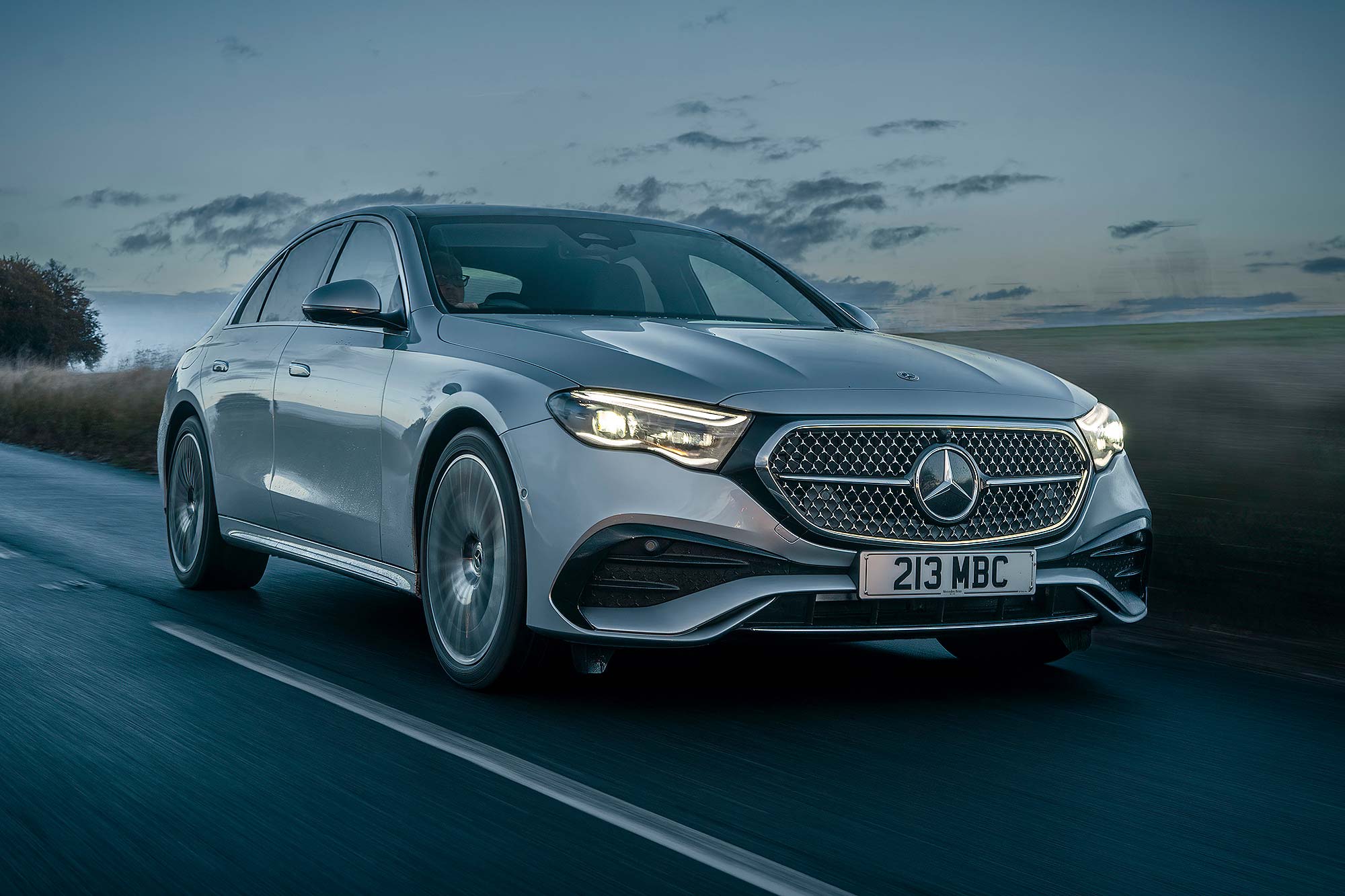
Picture a big, comfortable executive car and the image that springs to mind is likely to be an E-Class. Mercedes-Benz had already been making elegant, solidly built saloon and estate cars for several decades before the first E-Class was launched in 1993. It simply carried on the tradition. As good as the Audi A6 and BMW 5 Series have been over the years, neither has become the archetype that the E-Class has.
Read our full Mercedes-Benz E-Class review
Family SUV: Nissan Qashqai
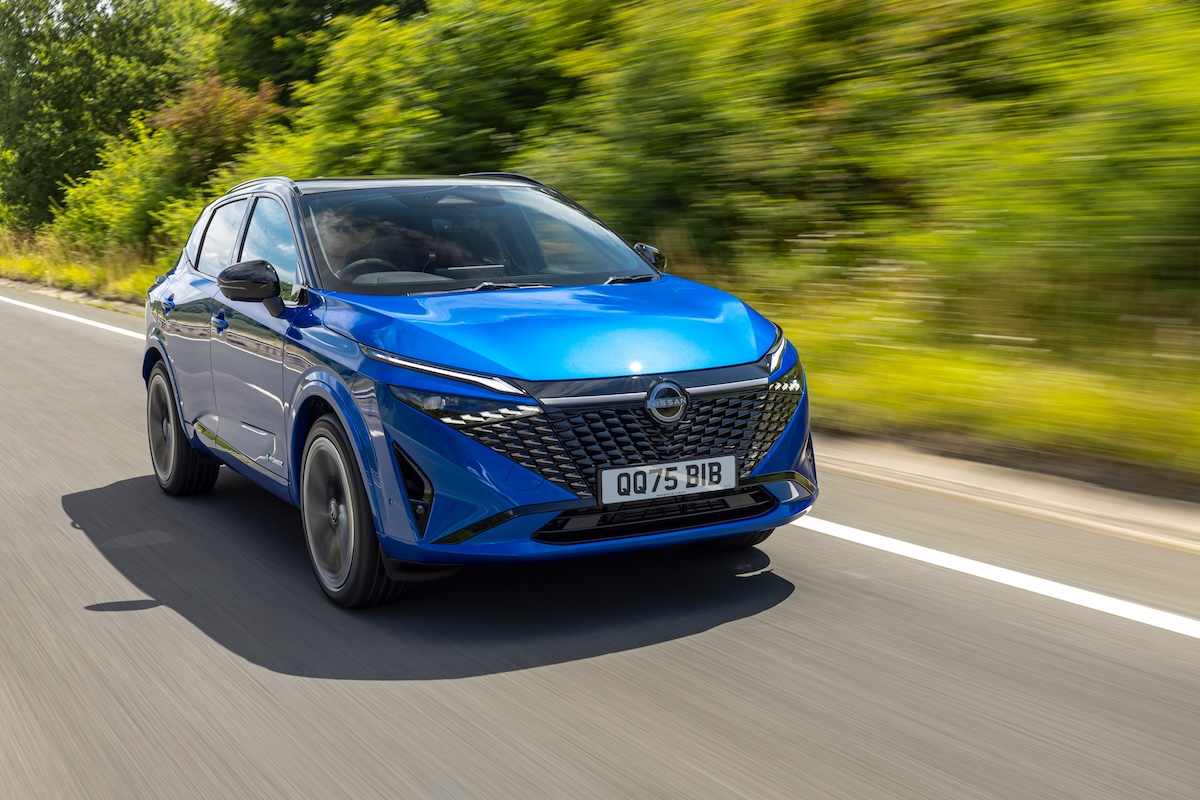
Nissan didn’t invent the modern family SUV, but the Qashqai played a major role in defining how it should look and feel. Until the Qashqai came along in 2007, most SUVs still had some semblance of off-road ability and many were prohibitively costly to run. Nissan took a risk, ditching its mid-size hatchback models in favour of something that was effectively a raised family car with the merest hint of ruggedness. The result was a sales phenomenon, and although the current Qashqai isn’t a class leader, it remains the reference point if you’re looking for an affordable family SUV.
Read our full Nissan Qashqai review
Luxury car: Mercedes-Benz S-Class

Yep, another category-defining Mercedes. And another model that’s been around seemingly forever (in fact, ‘only’ since 1972). These days there are lots of cars that can offer more space, opulence and exclusivity than the S-Class, and most luxury buyers plump for an SUV rather than a saloon. But the biggest Benz saloon is arguably the quintessential limousine: the big, black car you see pulling up at a posh hotel or ferrying celebs to a premiere.
Read our full Mercedes-Benz S-Class review
Sports car: Porsche 911
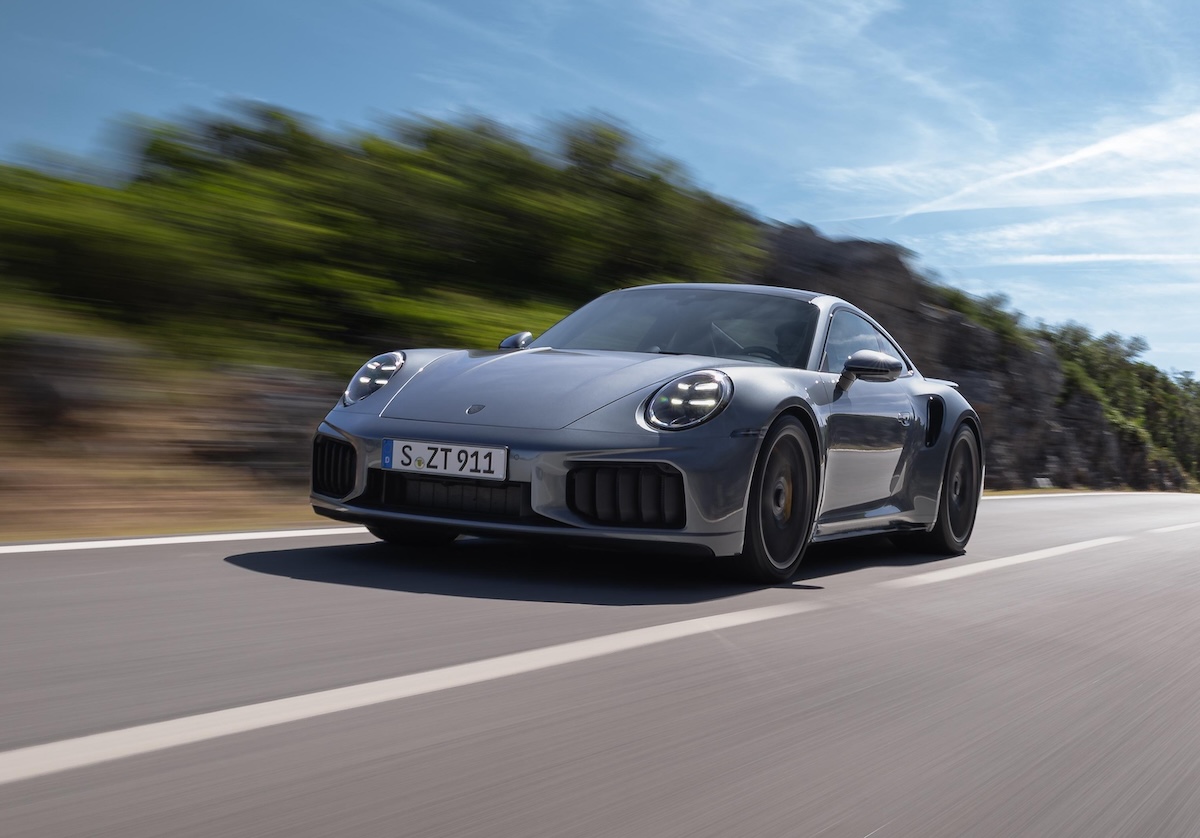
It had to be, didn’t it? You could argue that the 911 earns its place here simply by being around longer than just about any other sports car (and most other hatchbacks, saloons and SUVs, for that matter). It has, after all, been in production for more than 60 years. But you could also argue that Porsche has spent that time honing the 911 to the point where it’s more or less perfected the formula. Rivals might be flashier or quicker, but not necessarily as true to the idea of what a sports car should be.
Read our full Porsche 911 review