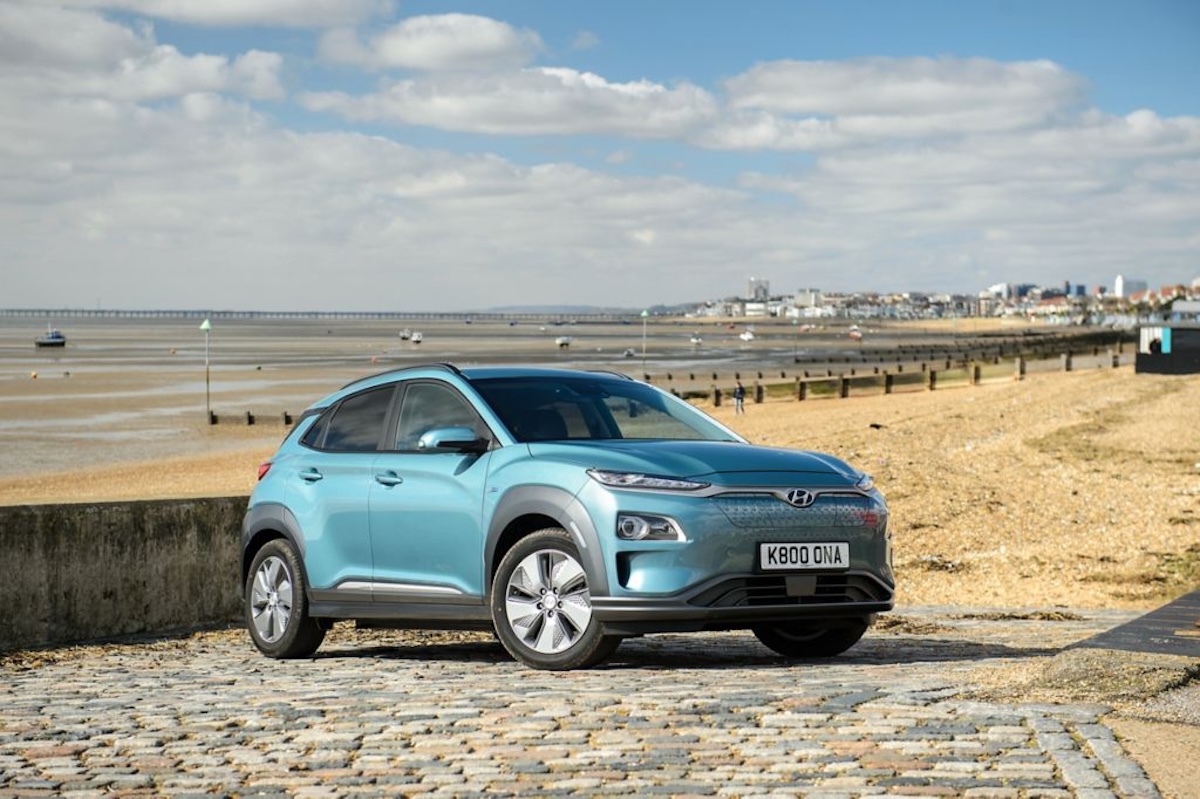
Looking at the new Hyundai Tucson that was revealed in October, I had a thought along the lines of ‘Blimey, that’s a Hyundai?!’. In a good way, you understand, because it’s hard to square such a bold, brave-looking car with a mainstream brand. Okay, it doesn’t quite have the shock factor of the Tesla Cybertruck or Jaguar Type 01, but it’s not too far off.
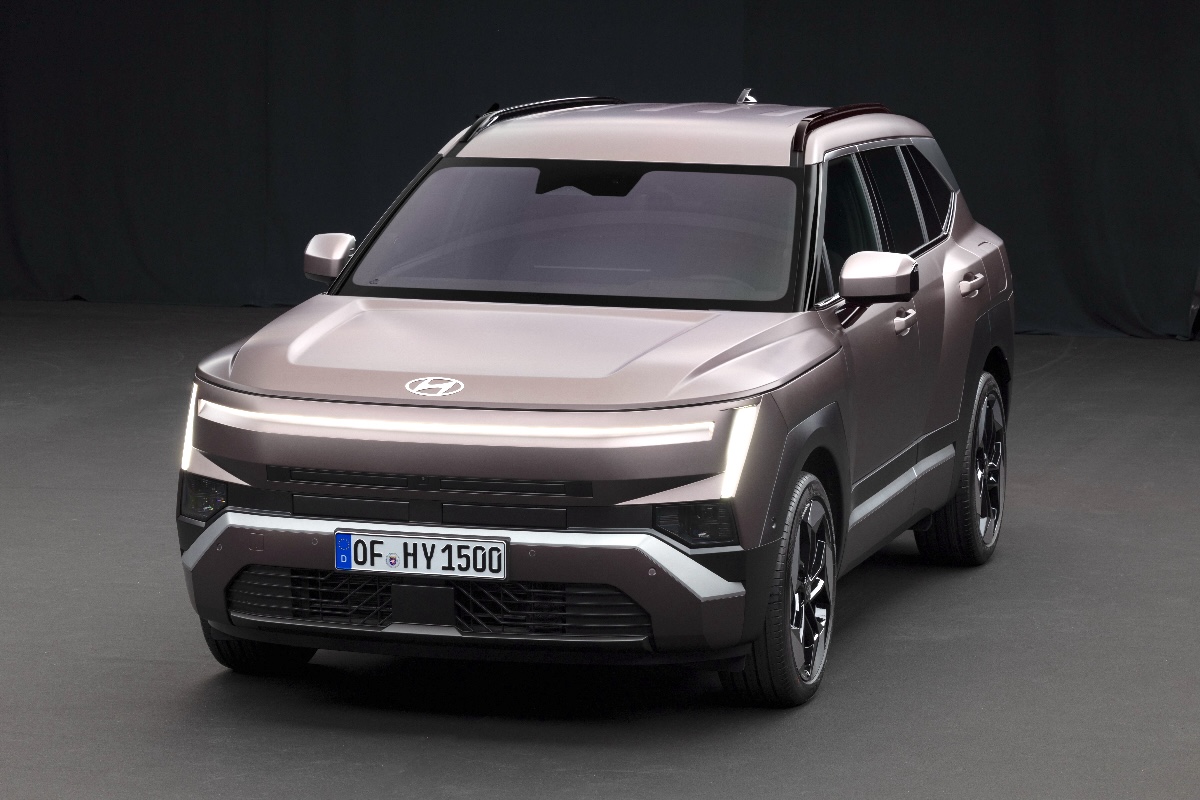
But then I reminded myself that Hyundai has been one of the most progressive car companies of the past few years, not just in terms of design, but also engineering, tech, and more.
You couldn’t have imagined saying any of that about the South Korean brand, say, 25 years ago. And having done this job since then (a bit longer, in fact), I can remember what Hyundais from that era were like. Perfectly decent cars, and excellent value. But desirable? Stylish? Packed with the latest features? Not really. Their appeal lay in the fact that they cost less than most rival cars and, from 2002, came with a five-year warranty.
In most respects, Hyundais at that time looked and felt a couple (or a few) years behind the curve. But now the tables have turned. Value for money and a generous warranty remain part of their charm, but these days, many Hyundai models feel a step ahead of their rivals.
And that got me thinking. Which car brands have changed the most in the modern era? Let’s say since the turn of the millennium. And I mean really changed: brands that are almost unrecognisable in terms of how they’re perceived, what products they sell, and who they sell them to.

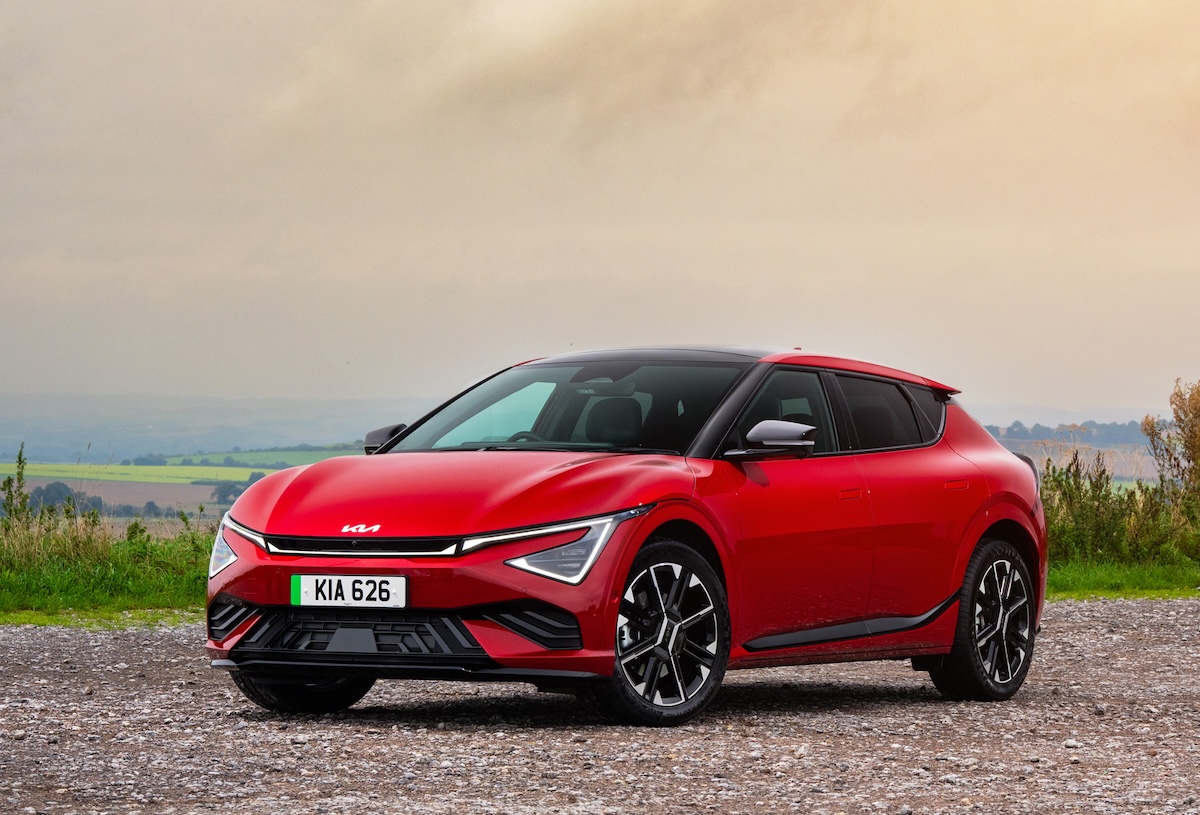
Hyundai is a prime candidate, as we've observed, and Kia, which is owned by the same parent company and shares much of the same tech, has undergone a similar transformation. Look at its current range of edgy, concept car-like EVs and SUVs and compare it with the bland and derivative (albeit cheap) cars it offered in the early noughties. It’s amazing to think that the company that brought us the Clarus, Mentor and Shuma (worth a google if you can’t remember them) is the same one that now produces the EV3, EV6 and EV9. It’s not just a shift in style, either, but a wholesale change in ambition and identity.
What’s most remarkable is the speed and conviction with which these two brands have redefined themselves. Kia, for instance, has launched 10 all-new models in the UK since 2021; 11 if you count the new Seltos that’s due in late 2026. Hyundai has given us some of the most convincing hot hatches of modern times in the shape of the i30 N and Ioniq 5 N. Both brands offer more hybrid or electric options than just about any other car maker. And if you want proof of how far they’ve travelled, consider the Hyundai Ioniq 9 and Kia EV9 – luxury electric SUVs with a starting price of £65,000+ that are credible alternatives to an Audi, BMW or Volvo.

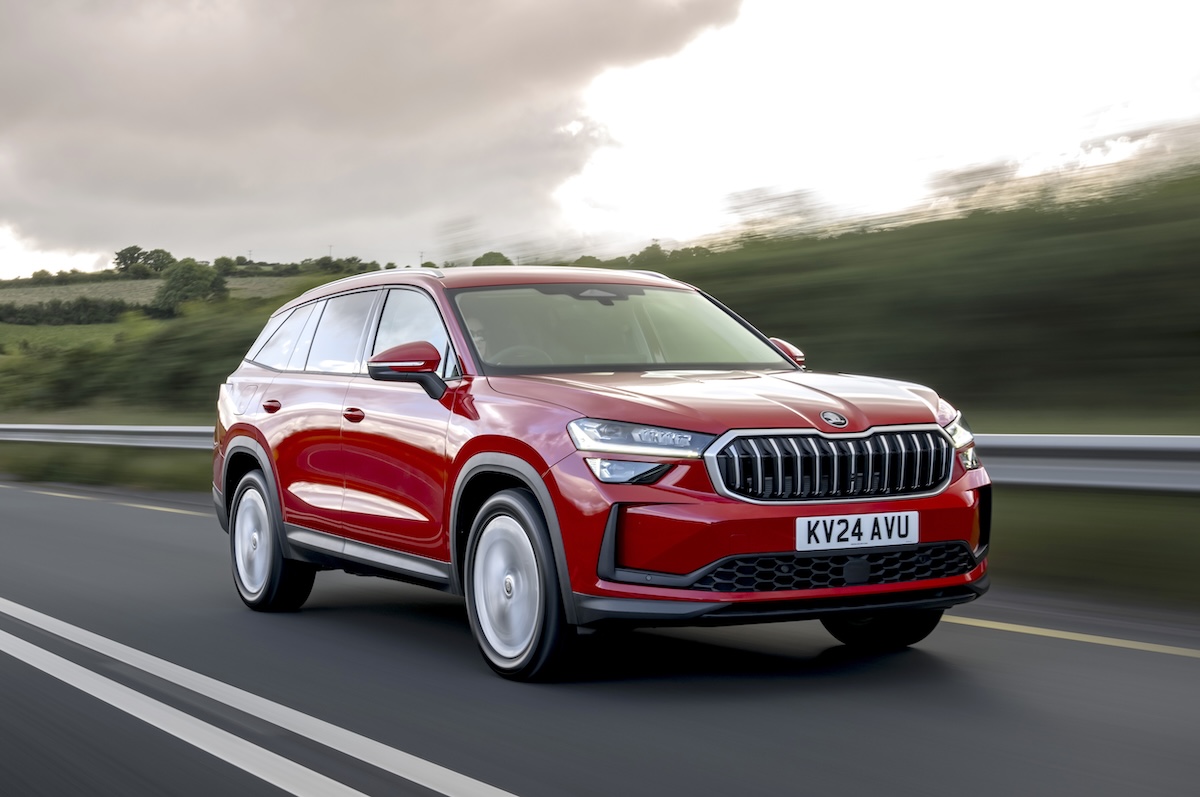
I’m not sure that any other brands have changed so dramatically, but Skoda has a claim. At the turn of the millennium the old Skoda jokes had already worn thin, but the Czech company’s range of cars – the Fabia, Octavia and Superb – was small and focused mainly on low prices and unusually practical interiors.
Those remain core values for Skoda, but today, its model range has quadrupled in size and moved considerably upmarket, largely because Skoda has capitalised on the demand for SUVs better than almost any other brand. It still offers budget-oriented options such as the Scala hatchback, but these days, Skoda trades heavily on well-equipped and family-friendly SUVs such as the Kamiq, Karoq, and Kodiaq, plus their their EV counterparts, the Enyaq, Elroq, Epiq and Peaq.
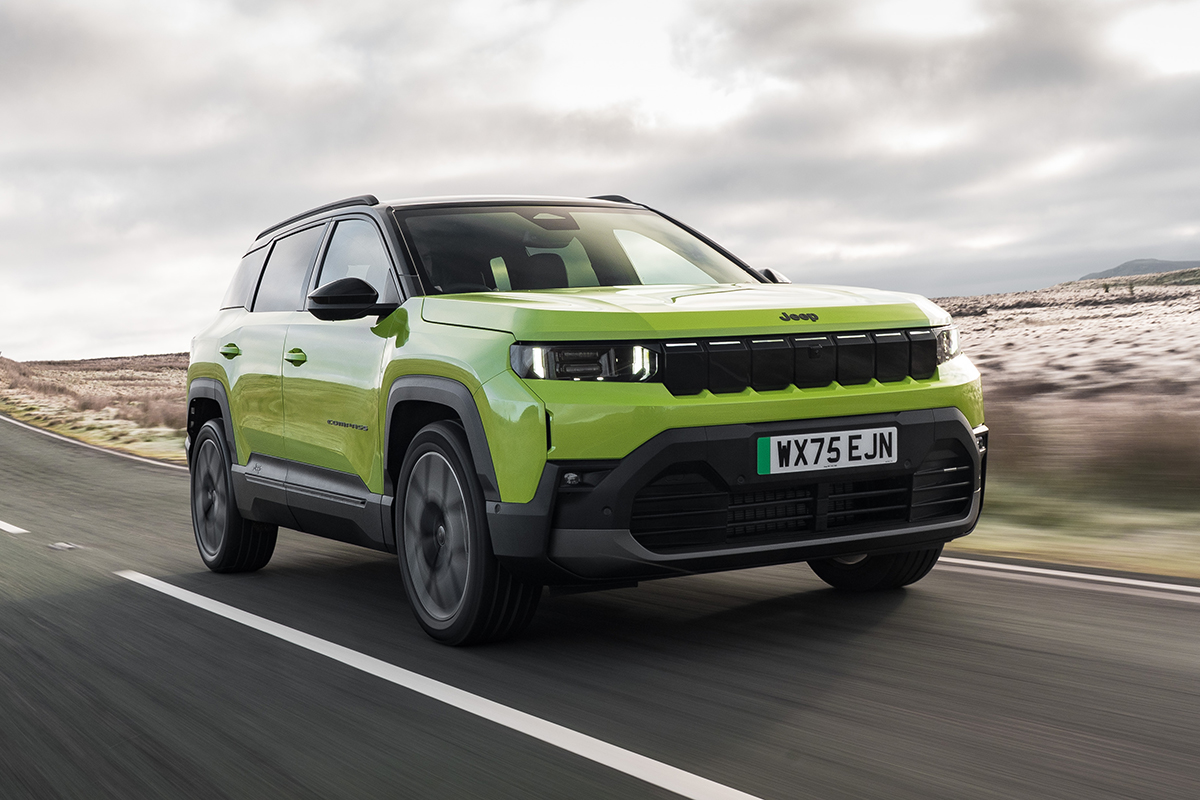
Jeep is another candidate for most-changed brand of the 21st century, and you could say it’s done the opposite of Skoda. Previously known for rugged, no-nonsense 4x4s such as the Cherokee, Grand Cherokee and Wrangler, its model range in the UK is now dominated by compact crossovers such as the Avenger and Compass.
Smart has undergone quite the metamorphosis, too. For a long time it was synonymous with the tiny ForTwo and, to a lesser degree, the slightly-less-tiny ForFour. Since the brand was re-formed as a joint venture between Mercedes-Benz and Geely in 2019, however, its model range is almost unrecognisable. An all-new ForTwo is due in 2027, but it will join a line-up that includes the chunky #1 and #3 crossovers, and the #5, an SUV that’s almost a foot longer than the Nissan Qashqai.

You could argue that MG deserves a place here, since its current range of hybrid and electric cars is a world away from the dated, retro-flavoured models it offered in the early noughties. But the reality is that the overhaul in its image and fortunes is because today’s Chinese-owned company is a totally different entity to the British brand that went into receivership in 2005. While Smart retained part of its original ownership, MG was a clean-slate restart. So I don’t think it counts.
Getting back to that initial question, then, I’d say the brands that have changed the most are Hyundai and Kia. Joint honours. Each has reinvented itself to great effect and in the process, Hyundai Motor Group – Hyundai, Kia and Genesis – has become the third-largest car company in the world (by sales volume). I didn’t see that coming, so I’m certainly not going to predict which brand will have changed the most 25 years from now…