According to the UK government, around 34% of households in Britain have two- or more cars. That’s according to survey results released in 2024, anyway. I dare say it’s crept up a bit more by now, if my far-less-scientific observation of the proliferation of cars parked on the roads in suburban areas is anything to go by.
While the sheer abundance of cars dotted around our towns and housing estates might not be so good for the aesthetics of the country, the good news is that your options for an affordable, used second car in the family have never been so good, especially if you can live with a shorter-range EV.
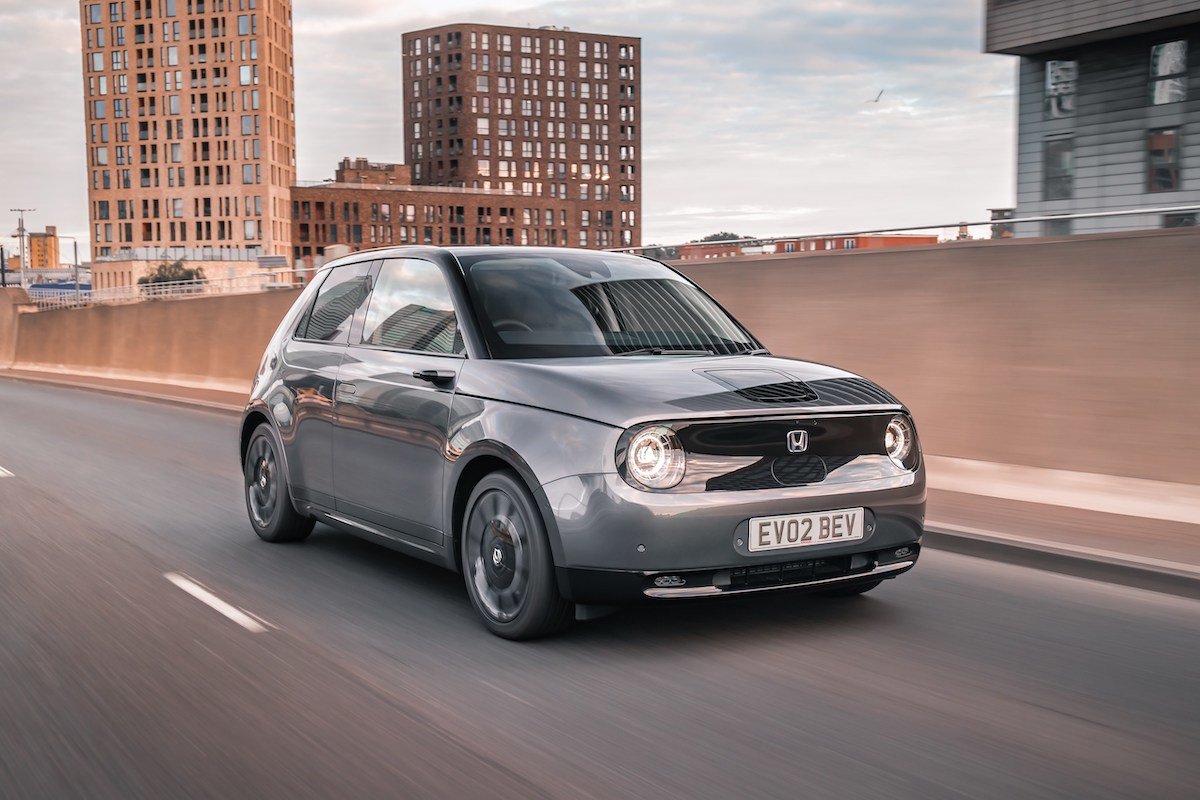
For a start, how about a Honda e? I know, I know. It’s a very short-range EV. But think about what you really need from a second car. Many of them do mostly short trips to school, work or the shops: and the ‘main car’ will be the one that you take for longer journeys at the weekend or when you go on holiday.
So, something with a real-world range of 90 miles would actually be more than good enough for most buyers. And more than that, the Honda e is a genius little car. It is one of the best of the modern crop of reborn retro designs, with its owlish headlights and bright colours making it one of the cutest cars on the roads.
You can get four adults in no problem, thanks to the five-door design and reasonable rear passenger space. It’s an absolute delight to drive, especially as it’s got a super tight turning circle that will make you the envy of the school-run. Price? You can have a Honda e from around £11,000.
Or, while we’re on the subject of genius little EVs, how about the BMW i3? You won’t find a better interior at this price, it’s brilliant fun to drive, you can get the kids in, and it still looks brand new despite having been launched in 2013.
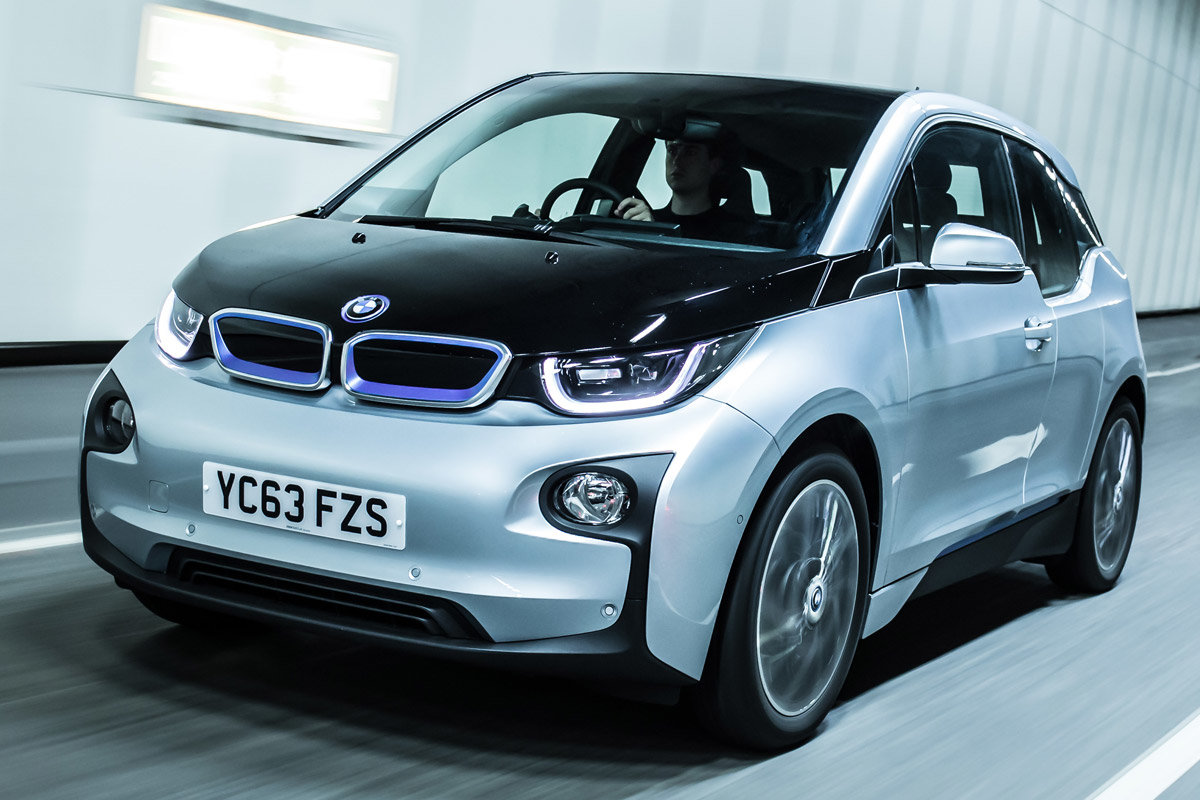
The i3 had various updates and battery improvements over a fairly long 10-year run of production, but an early car with the smaller battery will give you a real-world range of around 80 miles, even with a bit of motorway driving thrown in, and costs from around £6,000.
Or, go for one of the late i3s with the big battery and you’ll get more like 180 miles, and you’ll still only be paying around £10,000, even for a car with fairly low mileage. The range-extender i3 was also a joy, and came with a tiny two-cylinder motorbike engine hiding beneath the boot floor, to keep the EV battery topped up when charge runs low.
I’d stick to the all-electric BMW i3 EVs, personally; there are reports of the range-extender having some tricky reliability issues.
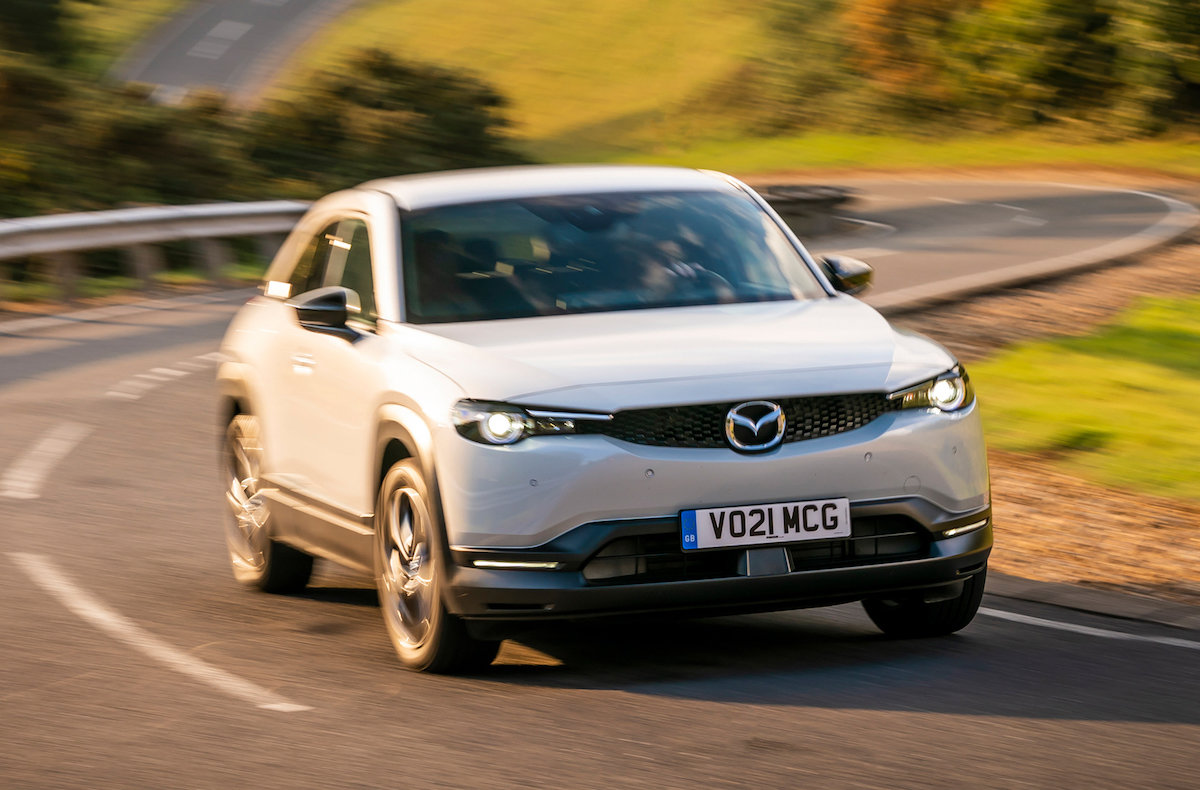
Having said that, if a range extender is something you like the idea of, how about the Mazda MX-30? This is an intriguing hatchback: it’s roughly the same size as a VW Polo, and while rear passenger space is a bit tight for lanky teens or adults, the boot is much bigger than in the BMW i3 or Honda e, which can be very useful if you’ve got dogs or awkward gear to lug around regularly.
The Mazda's interior is gorgeous, too, with cork inlays to lift the aesthetic and make it feel very boutique. You’ll get around 40 electric miles in real-world driving before the range extender kicks in, and it’ll cost from around £14,000 and up. The pure electric MX-30 is even cheaper, starting from around £10,000 and getting a real-world range of around 90- to 120 miles.
Okay, so you really want an SUV? Have a look at the Lexus UX300e. This electric car didn’t sell well, not least because it was one of the very last EVs in the UK to use something called a Chademo rapid charging socket rather than the CCS socket used by almost every other EV. Nowadays, Chademo-compatible fast chargers are actually quite common, but if you can charge at home then you probably won’t need to use public chargers very often, anyway.
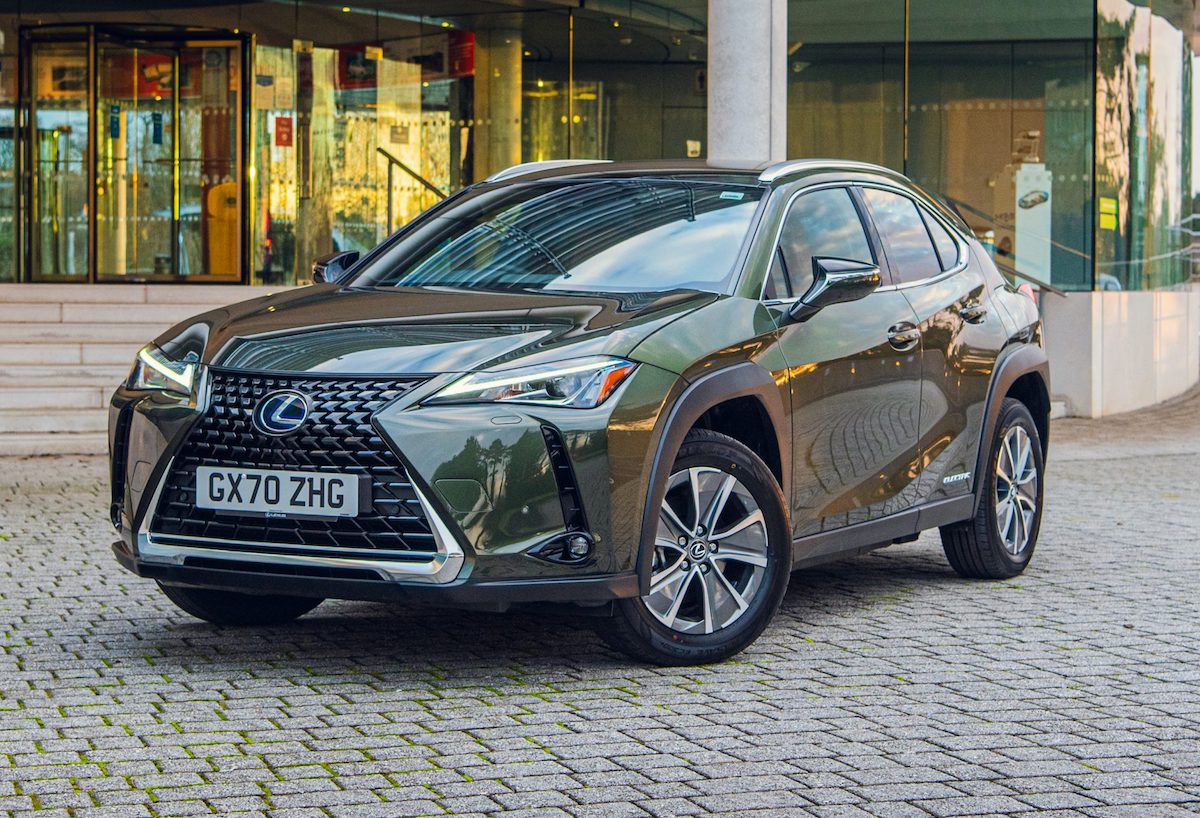
After all, the Lexus will do around 150 miles in real-world driving if you go for the smaller battery pre-2023 car, or the facelifted model got a bigger battery for a real-world range of some 250 miles. It’s also super-comfy, and being a Lexus you can be sure that you’ll be getting one of the most reliable cars on sale.
The native infotainment software is pretty rubbish, mind you, and it was only those bigger-battery, 2023 facelift cars that came with Apple CarPlay as standard, so if you can stretch to the £14,000 or so they cost, then it’s well worth it.
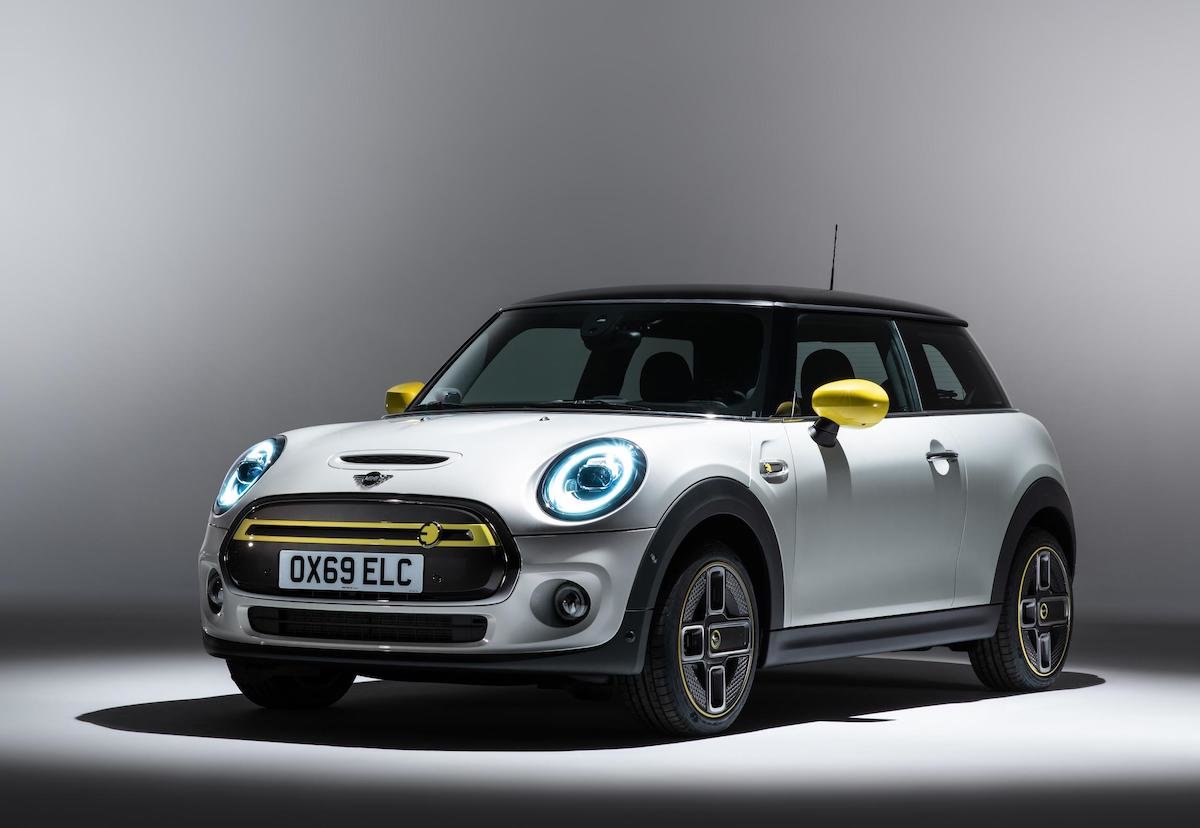
Finally, how about a MINI?! Everyone loves a MINI, and all of the electric models are brilliant fun to drive, as well as cheap to run. The first MINI Electric was on sale from 2020 to 2024 and will deliver a real-world range of around 100 miles, while the latest electric MINI (officially called the Cooper E or SE depending on power and battery size) will manage around 150 miles in normal driving from the small battery Cooper E, or around 180 to 200 for the bigger battery SE.
What this shows us is that, these days, we’re spoiled for choice when it comes to convenient, fun and affordable second cars, and the short-range EV is the ideal option for lots of reasons. Not just boring financial reasons, either. These electric cars are brilliant fun and have way more style than that used Ford Fiesta you were considering.
So, if you are second-car shopping, don’t forget to consider the low-range EVs. The average driver in the UK commutes around 20 miles per day, and you’ll be able to get that back into your EV overnight even with a normal three-pin plug. So, be brave. Buy the car that makes you feel good, even if it’s got a small(ish) battery beneath its floor. I bet you anything that the range anxiety doesn’t last.
Related Topics:


