It looks like 2026 could be a good year for the electric car. Last year was notable for the influx of affordable EVs, especially the likes of the outstanding Renault 5, and a whole host of brilliant budget battery cars from the Citroen e-C3 through to the BYD Dolphin Surf.
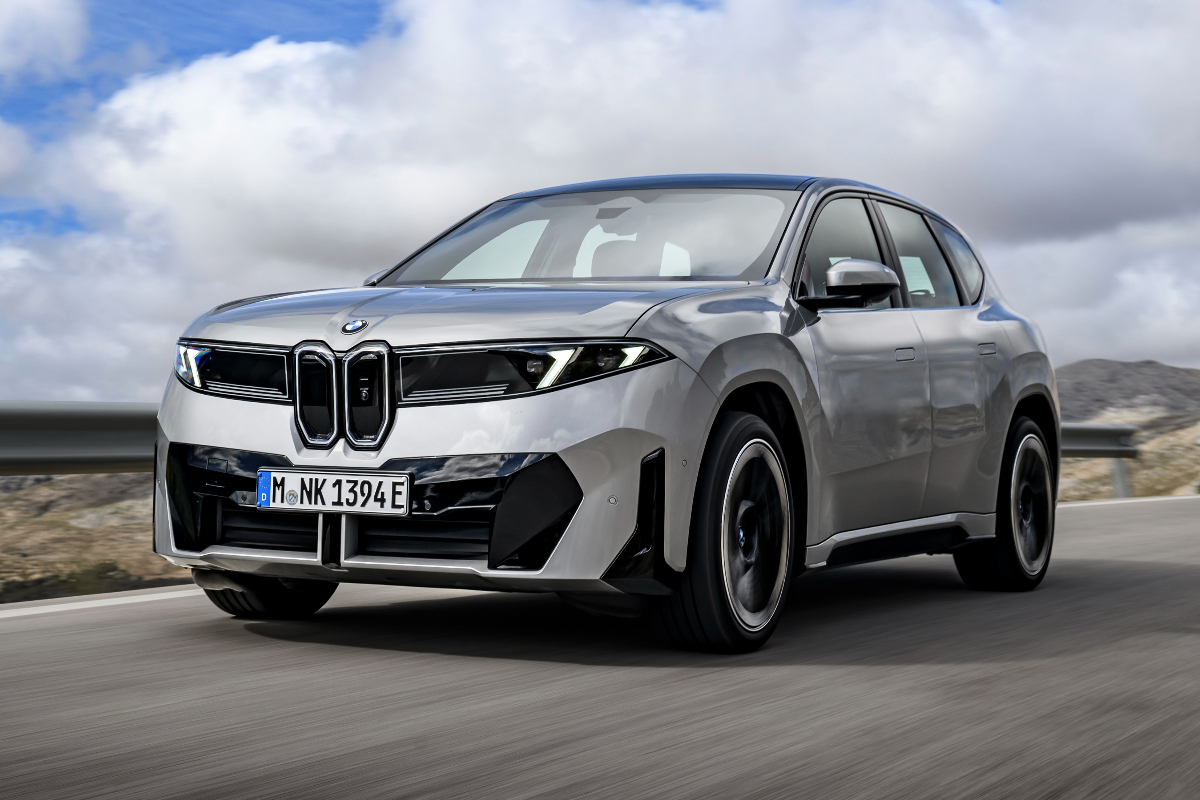
Now, it’s the turn of the long-range executive classes to see a real turning point, starting with the new BMW iX3 ‘Neue Klasse’. The iX3 uses BMW’s sixth-generation battery tech, and it’s a pretty big change, going from mattress-shaped cells to cylindrical cells. That, and various other tweaks in the NMC lithium-ion chemistry, has helped the company to save weight and cost while improving energy density and efficiency.
All of which is a boring way of saying that the new iX3 now manages up to 500 miles of WLTP range from a 108.7kWh battery, and does 0-62mph in under 5.0 seconds in the dual-motor, xDrive50 version that’s being launched initially. And, for all that, it starts from under £60,000 in the UK.
For some context, back in 2022, that sort of money got you a previous-generation BMW iX3 with rear-wheel drive (which is a great used buy if you fancy a posh electric SUV) that did 286 miles of WLTP range from a 74kWh battery, and did 0-62mph in 6.9 seconds. That makes this new versions drastically better value, but also drastically more efficient. We’re talking 3.9 miles/kWh from the old rear-wheel-drive iX3, versus 4.6 miles/kWh for the new model: even in all-wheel-drive guise. Now that is what I call progress. Just think: it was only 15 years ago that the Nissan Leaf arrived. And now, there’s a buffet of EVs offering 200 miles of official range for around £20,000, or around 500 miles of range for… okay, not quite £50,000. Not yet, anyway, but give it a few weeks.

It’s not only BMW, either. Volvo recently launched its new EX60, a direct rival for the new iX3, and they’ve managed to squeeze 503 miles from the 112kWh battery. It’s as if Volvo deliberately targeted the iX3 (and vice versa, I’m sure).
At the same time, Mercedes is also releasing its latest generation of EVs. It started with the electric CLA, which is a brilliant car that finally matches – if not betters - the Tesla Model 3 for real-world efficiency and touring capability. And it’s not far off the Tesla on price, either.

The Mercedes GLC with EQ Technology is next up. It takes on the iX3 and EX60 with a 406-mile range from a 94.5kWh battery, which is not far behind the BMW and Volvo for efficiency. And that’s the thing that we should really be celebrating here: efficiency. Of course, the 500-mile range takes all the headlines. But what’s significant is that these cars are dramatically more efficient than before, not to mention more affordable.
Yes, efficiency is what we should all be talking about, over and above the range. Better efficiency means more range per kWh of battery, meaning that we’re making the most of the materials in the cells, and making EVs that are greener, and more convenient to live with.
But before we pop the champagne, can we just have a moment of silence for the Audi Q6 e-tron? It was only 18 months ago that Audi launched its jazzy new electric SUV, to much fanfare about its tech and range. But the Q6 is a direct rival to the new 500-milers and it does 399 miles of range at best. And costs from just over £64,000 if you want that big battery range. Ouch.
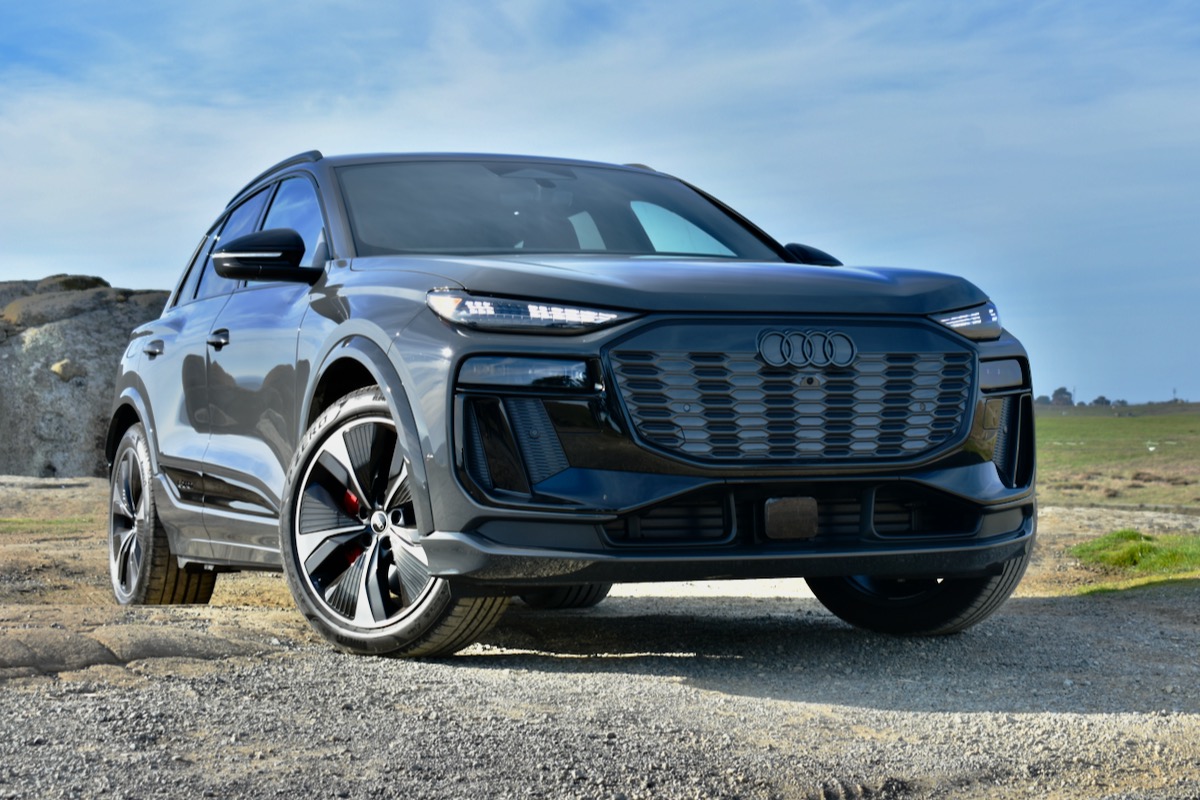
The car industry moves quickly, and electric car tech even more so. There are casualties of that – both in the new and used markets - and it certainly looks like the Audi Q6 e-tron may be one of them.
Still, I suspect we’ll see some seriously good monthly finance deals incoming on the Audi, and used values will likely also be impacted, so you could potentially bag a bargain.
For most of the automotive ecosystem, the new era of the 500-mile range EV - and the improved efficiency that’s allowed us to get there - is definitely something to celebrate.


