Experts at CarGurus have named the best holiday cars after conducting a survey of the UK’s car buyers to find out exactly what they want from a vacationing vehicle.
The survey was undertaken by 2,000 UK drivers who stated that they’d been on holiday with their children, and respondents were asked 23 questions designed to determine which attributes are most important in a car used for family holidays.
The Best Cars for Holidays
- What Makes a Car for Family Holidays?
- £5,000 to £9,999 - Suzuki S-Cross (2013-2020)
- £10,000 to £14,999 - Toyota RAV4 (2012-2018)
- £15,000 to £19,999 - Kia XCeed (2019-present)
- £20,000 to £24,999 - Hyundai Tucson (2021-present)
- £25,000 to £29,999 - Citroen C5 Aircross (2018-present)
- £30,000 to £34,999 - BMW X1 (2022-present)
- £35,000 and upwards - Skoda Kodiaq (2024-present)
- And the winner is… - Hyundai Tucson
- FAQ
What Makes a Car for Family Holidays?
The result revealed that, of the car types available, SUVs were by far the most popular with 25% of the vote. The second-most-popular bodystyle - the large hatchback - followed with 14% of votes.
Petrol was named as the fuel type of choice with 44% of the vote, while hybrids came in second with 19%. Electric vehicles were - by some distance - the least popular fuel type with holiday-car buyers, claiming just 6% of the vote.
The majority of respondents (39%) said that four people would usually travel in the car on a family holiday, while 13% said a fifth seat would be needed. There was much less demand for a sixth (3%) or seventh (1%) seat.
And it would appear that a large proportion of the British car-buying public really do need their car to be holiday-ready. 75% of people said that they typically drive themselves when going on holiday, while 61% stated that they planned to take at least one UK-based holiday in their car this year. Respondents were also asked how many holidays they take per year that involve driving, and the average of all the answers came out at just over two.
The majority of people (52%) said that the sort of holidays they go on would indeed influence what car they might buy, while 17% said that they’d previously considered changing or upgrading their car specifically for holiday use
In terms of the features and attributes people value most when holidaying in their car, the list reads as follows:
- Reliability - 52%
- Fuel efficiency - 52%
- Boot space - 51%
- Comfort for long journeys - 48%
- Air-conditioning or climate control - 31%
- Built-in GPS or sat-nav - 25%
- Rear leg room - 17%
- Interior storage - 17%
- Range of safety features - 16%
- Cruise control - 10%
- Fold-down back seats - 10%
- Durable and easy-to-clean interior - 7%
- Apple CarPlay/Android Auto - 7%
- Roof rack or tow hitch compatibility - 6%
- TV screens for back seats - 6%
- Isofix for the back seats - 5%
- Back seat device charging - 5%
- Self-driving capability - 4%
- Extra cupholders - 4%
- Third-row seating - 4%
On top of all that, drivers were asked what their budget would be for buying a car intended for holidaying with the family, with options ranging from less than £5,000 to more than £35,000. The average came out at £21,107.
Based on all this information of what makes the ideal used car for holidays, our experts have put their heads together and picked out a variety of winning models, to suit not just the average budget, but every budget. So, however much you have to spend, your next holiday-friendly used car could well feature here.
In accordance with the wishlist of holiday-makers, each of our picks is available with efficient petrol engines that can return more than 40mpg, as well as the possibility of a manufacturer-backed warranty for peace of mind, excellent boot space, and good comfort over long distances.
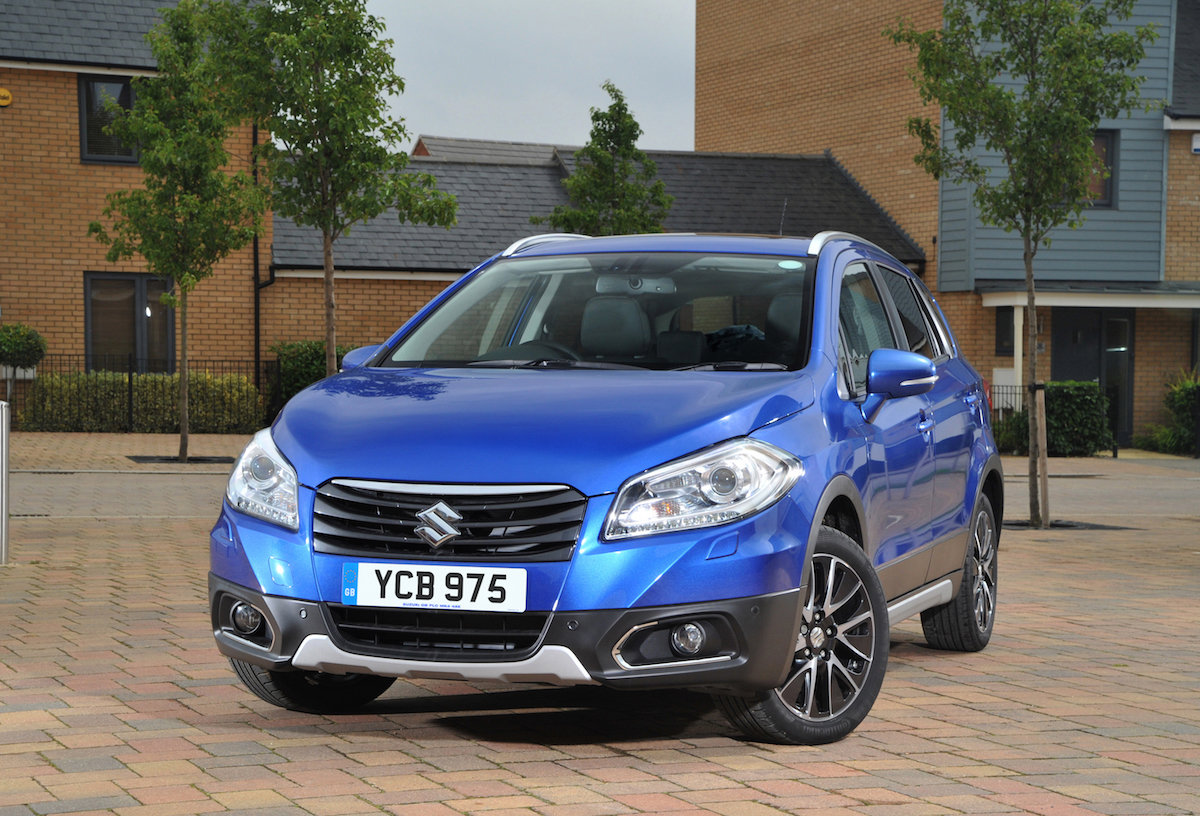
£5,000 to £9,999 - Suzuki S-Cross (2013-2020)
It’s impossible to guarantee reliability on a used car at the cheaper end of the market - indeed, it’s also impossible to guarantee that at the most expensive end of the market - but you can at least give yourself the peace-of-mind of having a warranty to fall back on, even in this price bracket. That’s because Suzuki offers a service-activated warranty programme on cars up to 10 years old with fewer than 100,000 miles on the clock
Here’s how it works. The original new-car warranty is a fairly bog-standard three-year, 60,000-mile affair that applies regardless of where you get your car serviced. After that arrangement has expired, though, Suzuki will give you an additional 12 months/12,500 miles of warranty cover every time you have your car serviced according to schedule at an approved Suzuki main dealer, up until the car reaches the age/mileage mentioned. What’s more, it doesn’t matter if your car has previously been serviced outside of the main dealer network: a dealer-performed service will earn you the warranty top-up regardless.
At this money, you can easily find yourself a petrol-powered S-Cross from around 2017 or 2018 with between 40,0000 and 60,000 miles on the clock, giving you the potential for a few years and many thousands of miles worth of worry-free motoring. And while it’s not the biggest SUV around, the S-Cross is still roomy for its size, and has a very decent 430-litre boot. The interior quality is a little utilitarian compared to some cars, but it’s hard-wearing and all the features you’d want are offered. It’s also an easy and comfortable car to drive, with a decent ride and nimble handling. The front-wheel drive models are very economical, too, and while the four-wheel-drive models are a little less so, you might be rather surprised at what they can accomplish if your ideal family holiday happens to involve impromptu sojourns into the countryside.
Suzuki S-Cross Review
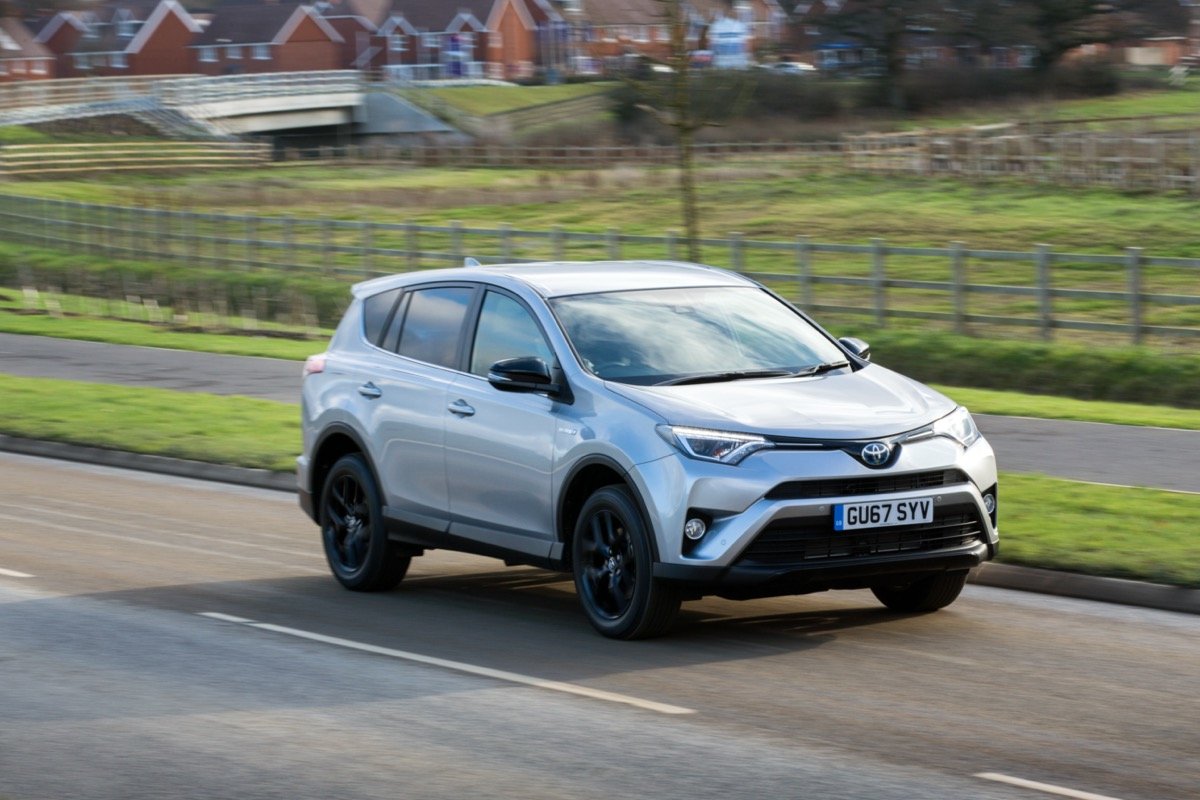
£10,000 to £14,999 - Toyota RAV4 (2012-2018)
Now, we’ve just been extolling the virtues of Suzuki’s service-activated warranty programme, but the truth is that Suzuki wasn’t first to the table with such an initiative. No, like all the best ideas, it was one that was borrowed from another manufacturer, and that manufacturer was Toyota.
The way the deal operates is pretty much the same. Get your car serviced according to schedule at a main dealer, and you’ll automatically get an additional 12 months/10,000 miles of warranty cover, up to a maximum of 10 years/100,000 miles, and it doesn’t matter if the car has been serviced outside of the dealer network in the interim. And warranty or no warranty, you can bet on the RAV4 to be reliable because Toyota’s record in that regard is second-to-none.
This money won’t quite net you an example of the latest RAV4, but it will get you a late example of the previous version, which is still an enormously appealing car for petrol-propelled holidaymakers. Your car will likely be from around 2018 with less than 70,000 miles on the clock, meaning a good chunk of warranty cover will still be possible, and what’s more, it’ll have an efficient hybrid powertrain, so you can expect mpg in the mid-fifties. The roomy cabin and enormous 547-litre boot means that there’s ample space for people and luggage, while your surroundings are also solidly built and pleasantly finished, and all the essential features are present and correct. The RAV4 is also a fabulous long-distance car; it’s quiet and has a comfortable ride, with a generally stable and settled feel.
Toyota RAV4 Review
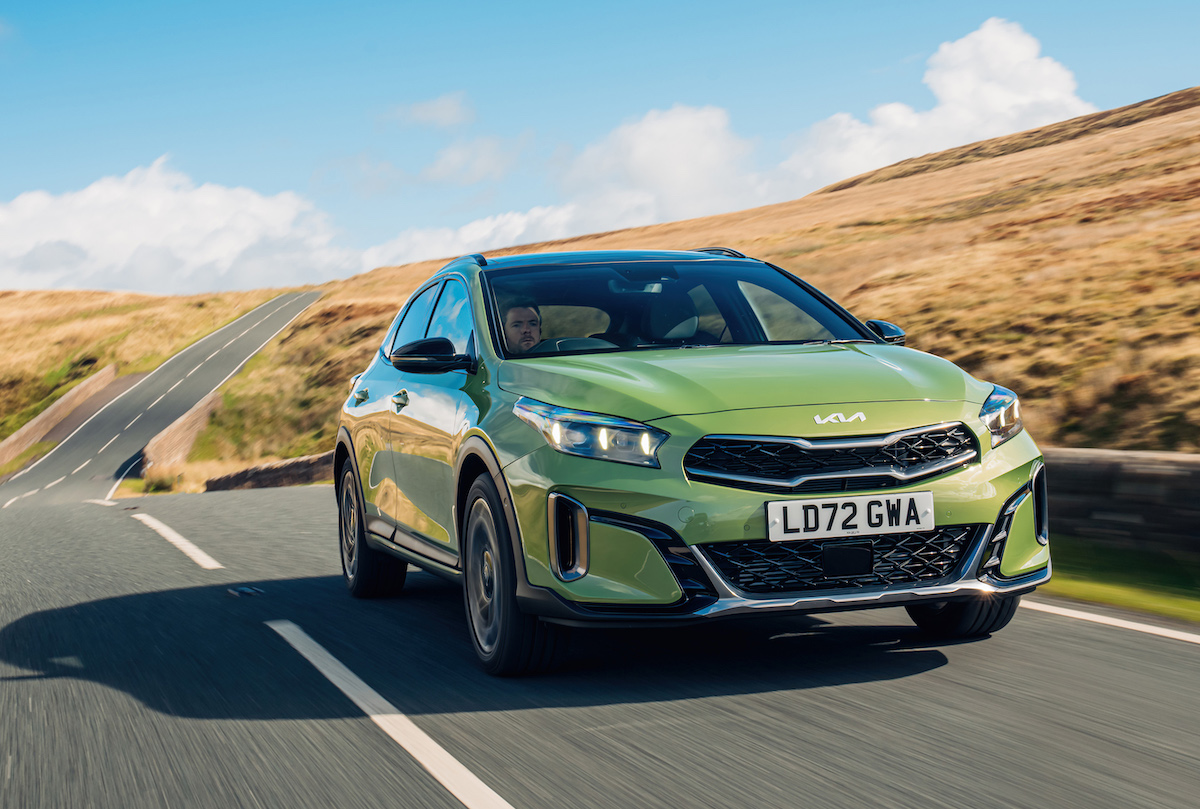
£15,000 to £19,999 - Kia XCeed (2019-present)
While it’s more of a crossover than a fully fledged SUV, the Kia XCeed has the kind of chunky styling, raised ride height and useful practicality that are almost guaranteed to land well with today’s car-buyers. What’s more, it’s fantastic value on the used market. While you can’t quite get a brand new XCeed for this budget, you can get a nearly-new pre-registered one (this is a car that’s specified and ordered by a dealer to meet sales targets, and then sold soon after in as-new condition, but at a significant discount). As such, your car should be less than a year old, with a negligible three- or four-digit mileage, so not only will it be in great nick, it’ll still have a considerably longer warranty than most brand new cars you can buy, at seven years or 100,000 miles.
The XCeed really fits the bill as a holiday car in a number of other ways, too. The stylish body conceals a cabin with decent passenger space and a bigger-than-average 426-litre boot, while all trim levels come generously equipped as standard. You can have a punchy turbocharged petrol engine or, if you have somewhere to charge it, there’s a plug-in hybrid version that has the potential to properly slash your fuel bills (although note that boot space does drop in order to make room for the battery). And otherwise, the XCeed provides a very pleasant mix of dynamic abilities, with impressive comfort, good refinement and composed handling.
Kia XCeed Review
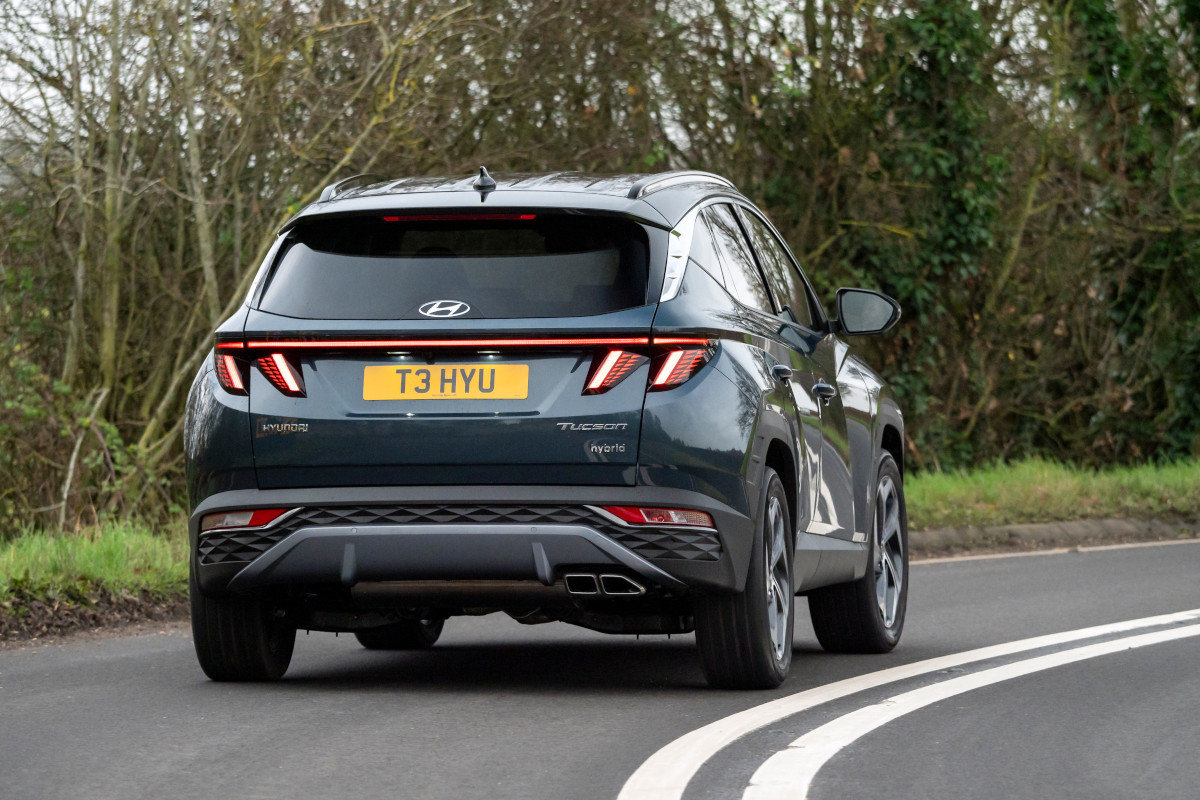
£20,000 to £24,999 - Hyundai Tucson (2021-present)
The Hyundai Tucson was already one of our favourite family cars, and many of the attributes that make a great family car are the same ones that make a great holiday car, so it’s no colossal surprise to see it feature on this list as well. It’s an easygoing and comfortable car to drive (avoid the bigger wheels of the top trim levels for maximum comfort), whether you’re popping to the shops or blatting along a motorway, and you have a choice of petrol, mild hybrid, self-charging hybrid and plug-in hybrid powertrains to choose from. The passenger compartment is roomy, comfortable, plushly trimmed and stuffed with luxury goodies as standard, and the 620-litre boot of the petrol version is one of the roomiest in the class (as with the XCeed, the boot space does drop depending which level of hybridisation you go for, although even the smallest is still a generous 558 litres).
In this budget range you can’t get a brand new one, but you’ll easily get one that’s a couple of years old, and that in turn means you’ll still have the majority of Hyundai’s excellent five-year, 100,000-mile warranty left to run. Not that you should need to utilise it, mind, because Hyundais have a great reputation for reliability already.
Hyundai Tucson Review
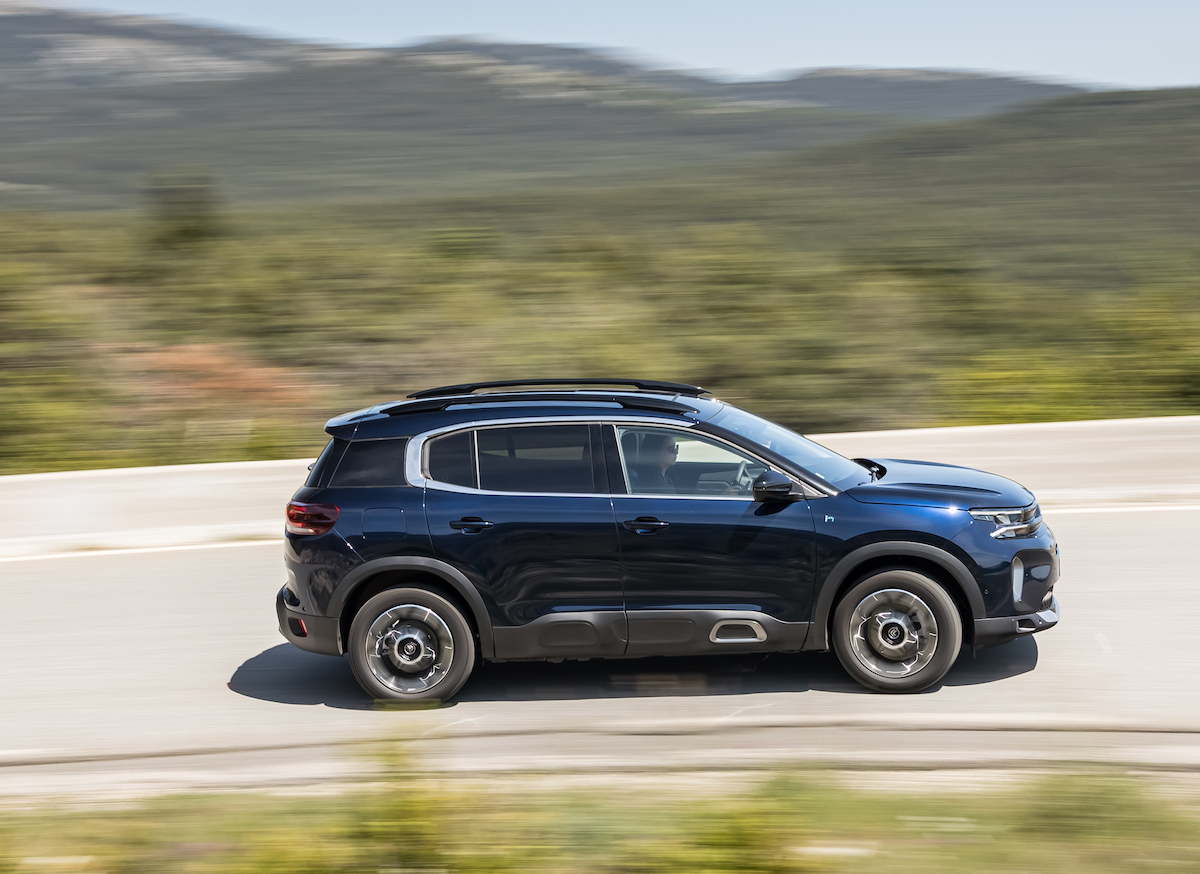
£25,000 to £29,999 - Citroen C5 Aircross (2018-present)
At this money, you can technically have a brand new Citroen C5 Aircross that you factory-order, so you can choose your colour and add a couple of optional extras if you so wish. However, if you buy a pre-registered example instead, you can save yourself thousands of pounds, while still maintaining almost all of your three-year, 60,000-mile new-car warranty cover. What’s more, it also allows you to upgrade from the base-level Plus trim level to the range-topping Max Edition trim, without busting our price cap. Not that the Plus trim is exactly lacking, you understand, but the upgrade does earn you some desirable extras, including a wider suite of driver aids such as adaptive cruise control, plus leather-effect upholstery, some jazzier body styling, and powered driver’s seat adjustment.
Regardless of spec, the C5 Aircross checks all those boxes that those who took our survey said that they needed to be checked by their holiday car. The cabin has acres of space for the long limbs of gangly teenagers, and the three individual rear seats have major benefits for both comfort and versatility. Oh, and the 580-litre boot is huge, too. Our respondents’ desire for petrol power is met by a 143bhp 1.2-litre three-cylinder petrol engine with 48-volt mild hybrid assistance (performance levels are modest but adequate), even though the 128bhp diesel option is arguably better-suited to the long-distance motorway schleps that are usually involved in family holidays.
What really cements the big Citroen’s place on our list, though, is the comfort aspect that our respondents demanded. This is a car that has no pretensions of sportiness whatsoever, and is all the better for it. It has the kind of soft suspension that lets you just glide along the road at all speeds, in blissful ignorance about the state of the surface beneath you.
Citroen C5 Aircross Review
Search for Citroen C5 Aircross
See all
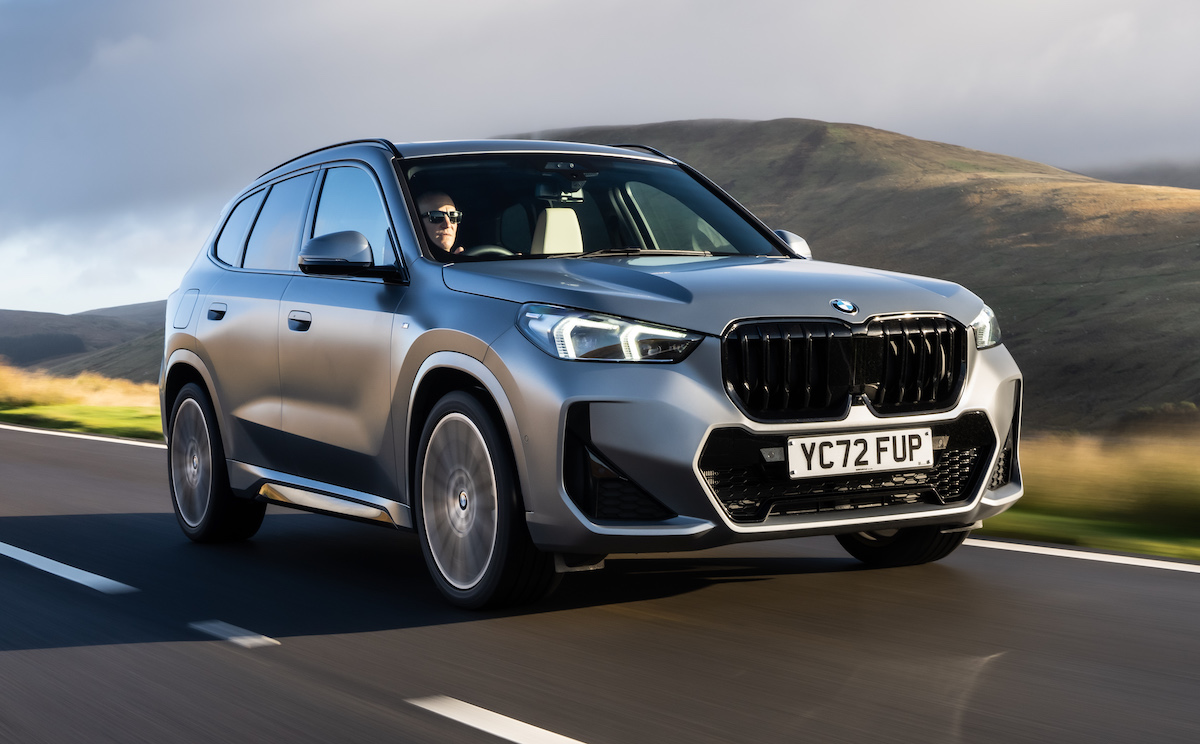
£30,000 to £34,999 - BMW X1 (2022-present)
You may also have noticed that our list has so far been completely devoid of premium-brand contenders. However, now we’re getting towards the higher end of our price spectrum, we’ve found room to include the BMW X1, and it’s a much better holiday car than you might be thinking.
Firstly, the latest BMW X1 has grown considerably over the X1s that went before, so it’s no longer the pint-sized SUV it once was. This added size means there’s a really impressive amount of room inside, and that space is cleverly packaged, too, with rear seats that recline and slide back and forth (so that you can prioritise legroom and boot space according to your prevailing needs), and these seats also fold down in a 40/20/40 split, which greatly adds to their versatility. The cabin is also arguably the poshest-feeling one you’ll find in any compact SUV - premium or otherwise - with gorgeous materials and a flawless standard of fit-and-finish. The 540-litre boot is the biggest in its class, and even if you choose the plug-in hybrid version, you’ll only lose 10 litres of space. However, we’d stick with the entry-level sDrive20i petrol, with its mild-hybrid-equipped 168bhp 1.5-litre engine giving perky performance and a fuel return of up to 48.7mpg. The driving experience feels stable and comfortable, especially at high motorway speeds.
Prices for a brand new X1 start at around £37,000, but buying a pre-registered or nearly new one sees prices fall easily within this bracket. Your car will likely be a 20i of less than a year-old with fewer than 10,000 miles on the dial, in desirable mid-range xLine trim. And that car will still have the majority of BMW’s three-year, unlimited-mileage warranty left.
BMW X1 Review
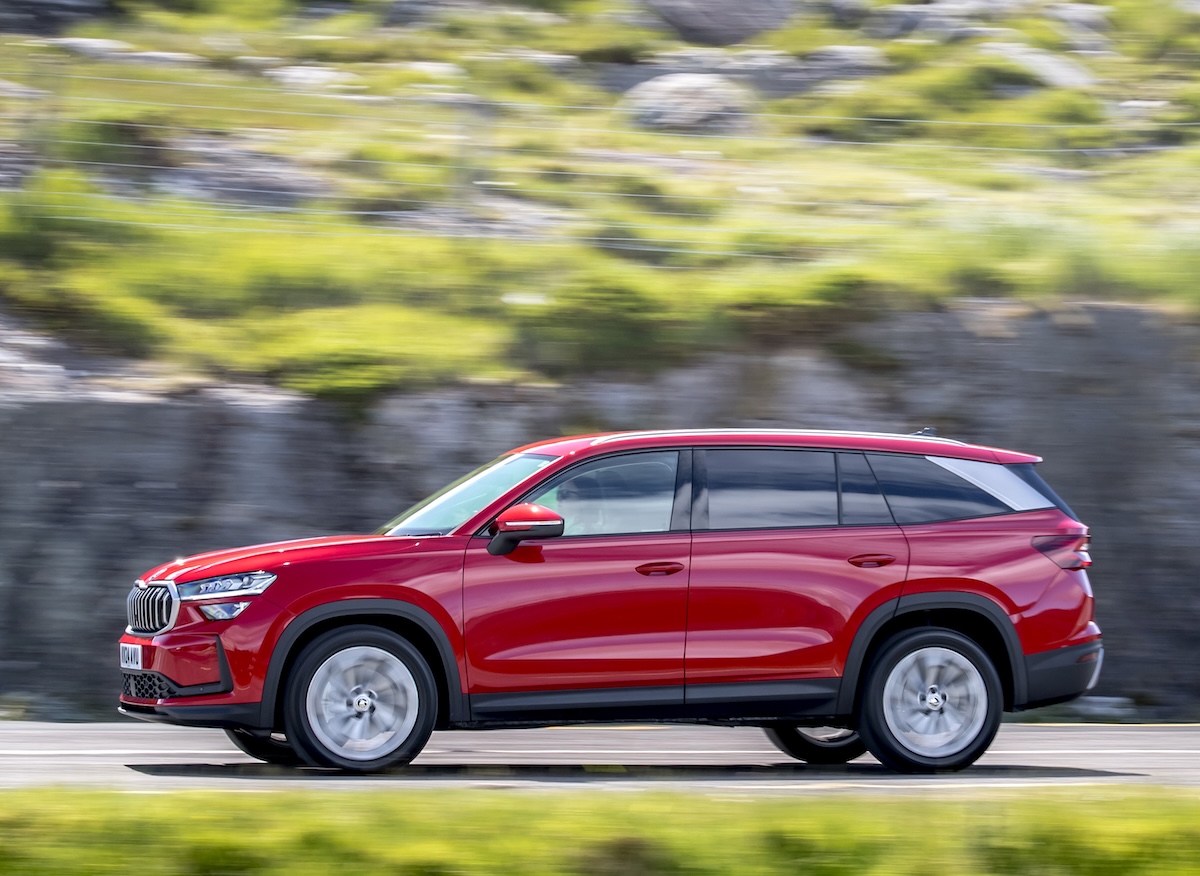
£35,000 and upwards - Skoda Kodiaq (2024-present)
Yes, most people think of the Skoda Kodiaq as a seven-seater, but this massive SUV can also be specified with five seats. And, since our survey told us that the UK’s holidaymakers don’t want or need a third row of seats, then that’s the version we’re choosing here. And there are residual benefits to sacrificing those extra two pews as well: it makes your car a teeny bit cheaper to buy and run, plus a fraction faster due to the reduced weight, and it also makes your massive boot even more massive, at 910 litres (provided you don’t go for the PHEV model, that is). Everyone’s a winner.
With no price cap in this category, then technically, you can buy your Kodiaq brand new, choose the priciest powertrain, the poshest trim levels, and specify every optional extra under the sun. However, we’d do as we’ve advised previously and buy nearly-new or pre-registered, because this can save you a great deal of money on a car that’s essentially as good as new, and comes with most of Skoda’s three-year, 60,000-mile warranty. Even so, we’d exercise caution on the version of Kodiaq you pick, and the one we recommend here is the entry-level 1.5 TSI 150 petrol in entry-level SE trim. That’s because it comes with all the power and equipment you really need, but importantly, it’s the only version of the Kodiaq that costs less than £40,000 when brand new. That means it’s the only version that escapes the government’s luxury car surcharge on VED road tax, which in itself will save you £425 per year for a five-year period (it doesn't matter how much you pay for the car when used, it’s the price of that car when new, including optional extras, that determines liability for the surcharge). It’s all money worth saving.
The Kodiaq is a sensational car to live with, holiday or no holiday, and it has all the attributes identified by our survey in spades. The massive boot we mentioned earlier is in addition to a gargantuan amount of cabin space for ultimate comfort and practicality, and you also get a bunch of thoughtfully designed touches to make everyday life a little bit easier. Quality is strong, luxury and safety kit is generous, and the driving experience is civilised and relaxed, especially over long distances.
Skoda Kodiaq Review
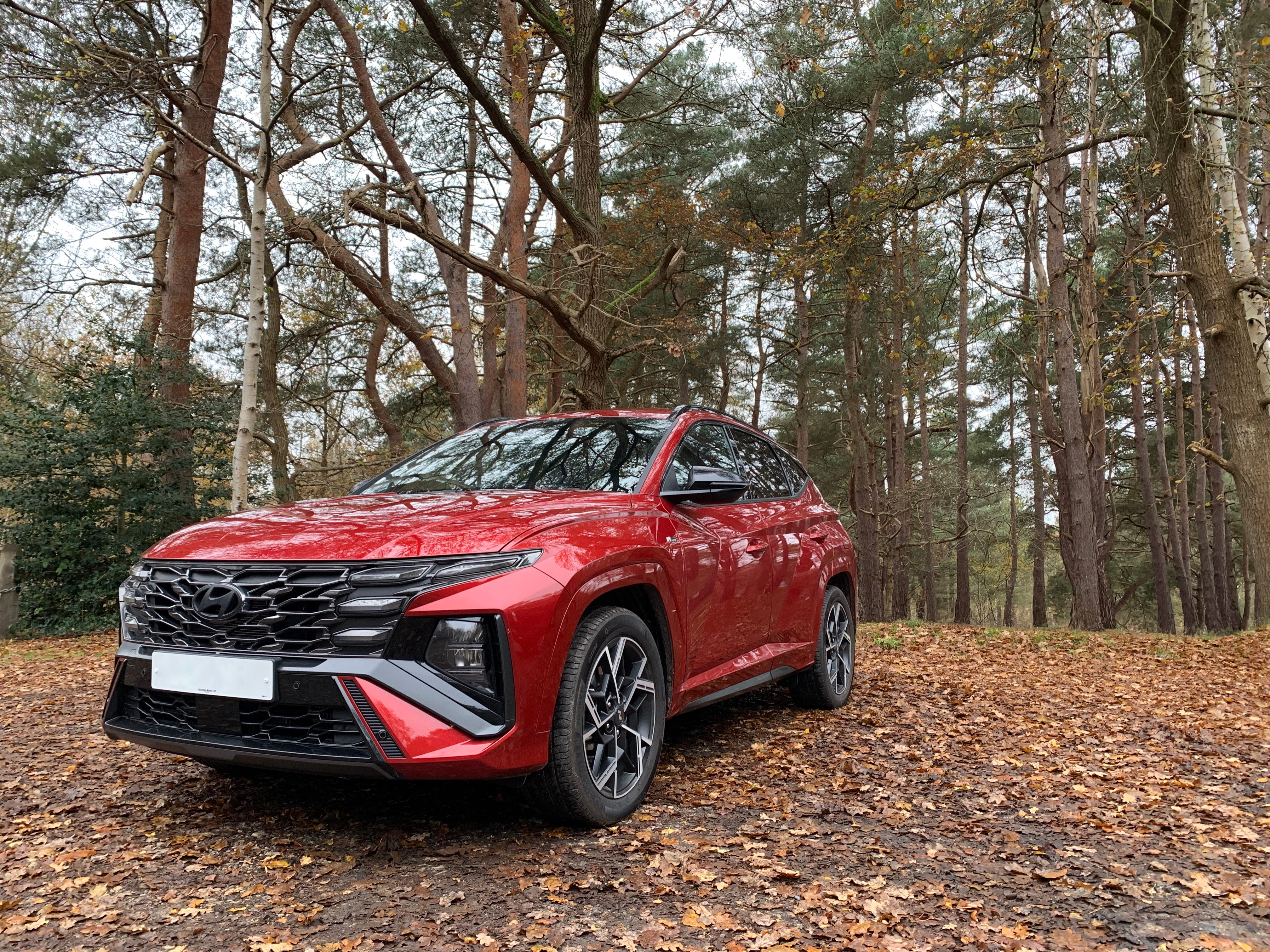
And the winner is… - Hyundai Tucson
In addition to naming our recommended holiday cars over numerous price points, we felt it important to also have an overall winner among our contenders. That car is the Hyundai Tucson.
We’ve already explained all that is great about the Tucson, but what ultimately makes it better than the other contenders? Quite simply, it is the vehicle that ticks most boxes for what holiday makers want for the average price of £21,107 that they have to spend.
At this price, you can get a nearly new car with an efficient petrol engine and the second largest boot capacity among our contenders. It’s quiet and comfortable over long distances, packed with the latest technology, and comes from a brand with an excellent reputation for reliability. Our expert car testers awarded the Tucson with four out of five stars overall, while our user reviews are the strongest of any of our contenders, at 4.7 out of 5, meaning it is admired both by our reviewers and shoppers alike.
In fact, if you weigh up all the things that our survey indicated matters to car buyers in search of a holiday vehicle, the only one of our contenders to really run the Tucson close is the Skoda Kodiaq. However, it doesn’t quite match the Tucson for user reviews, and for the same £21,107 budget you’ll be looking at a slightly older car with a higher mileage and little to none of Skoda’s original three-year, 60,000-mile warranty in place. So unless you really need the Kodiaq’s extra space, it’s the Tucson that gets our vote.
FAQ
What if I want to spend less than £5,000?
As we’ve observed from our results, reliability is one of the must-have attributes that people said their holiday car needed. At this end of the market, however, that’s more difficult to achieve because the cars available at this budget will be quite old, with high mileages, and any warranty cover will have long since expired.
That’s not to say suitable cars are impossible to find at this money, however. While reliability is impossible to guarantee, you can give yourself the best chance of avoiding trouble by choosing a model with an exemplary reliability record, built by a manufacturer with an equally impressive reputation. And the Honda CR-V is just such a car, with both model and maker flying high in a number of reliability surveys over many, many years. And you can minimise your risk further when buying one by insisting on a full service history; even though cars at this money will likely be more than 15 years old and carrying in excess of 100,000 miles, many should prove reliable if they’ve been serviced and maintained properly. There are a few warning signs to keep an eye out for, though. A squeaky clutch on manual versions means that it might well need replacing, and a rumbling noise from underneath the back end, especially when the steering wheel is turned to its lock-stops, could possibly be a sign of differential trouble. The clutch that controls the air-con pump has been known to have issues, too, so listen for rattles from behind the dashboard and check that the air is blowing properly cold.
And otherwise, the CR-V will be a great holiday car for those on a budget. You get a roomy cabin with impressive build quality and plenty of luxury toys, while the massive boot should swallow all your holiday luggage with ease. The ride is smooth and refinement is good, keeping those long drives relaxed, while the petrol engine ensures you always have enough performance for easy progress.
What makes a good holiday car?
Our survey set out to address precisely this question by asking 2,000 motorists for their opinions. Topping the list was reliability, closely followed by fuel efficiency, boot space and comfort over long journeys. The most popular body style was SUV, and the most popular fuel type was petrol.
Related Topics:


