Diesel might have fallen out of favour with some buyers, but for thousands of motorists – particularly those covering high miles – it still makes a lot of sense. The key concern for many, especially those driving in and around the capital, is whether their car meets the strict emissions standards required by London's Ultra Low Emission Zone. The good news is that any diesel car meeting Euro 6 standards (broadly speaking, those registered from September 2015 onwards) is ULEZ-compliant, meaning you can drive through the zone without incurring the daily £12.50 charge.
So if you're a high-mileage driver who needs the fuel economy that only a diesel can deliver, but you also need the freedom to drive into London's ULEZ – or indeed any of the UK's growing number of clean air zones – without penalty, you've come to the right place. We've rounded up the best ULEZ-compliant diesel cars you can buy right now, spanning everything from practical family hatchbacks and spacious estates to premium saloons and versatile SUVs, so there's something here for every budget and every need.
About this guide
The cars in this guide have been selected to represent the best options currently available. Our recommendations are the result of a unique three-part scoring system that takes into account real-world tests from our team of expert reviewers, ratings from real-life owners who live with these cars every day, and an analysis of market data from CarGurus UK to identify which models offer the highest percentage of good and great deals. This combined approach ensures our list highlights cars that are not only great to own but also good value to buy. For more information, scroll to the bottom of this page.
The Best ULEZ-Compliant Diesel Cars for All Budgets
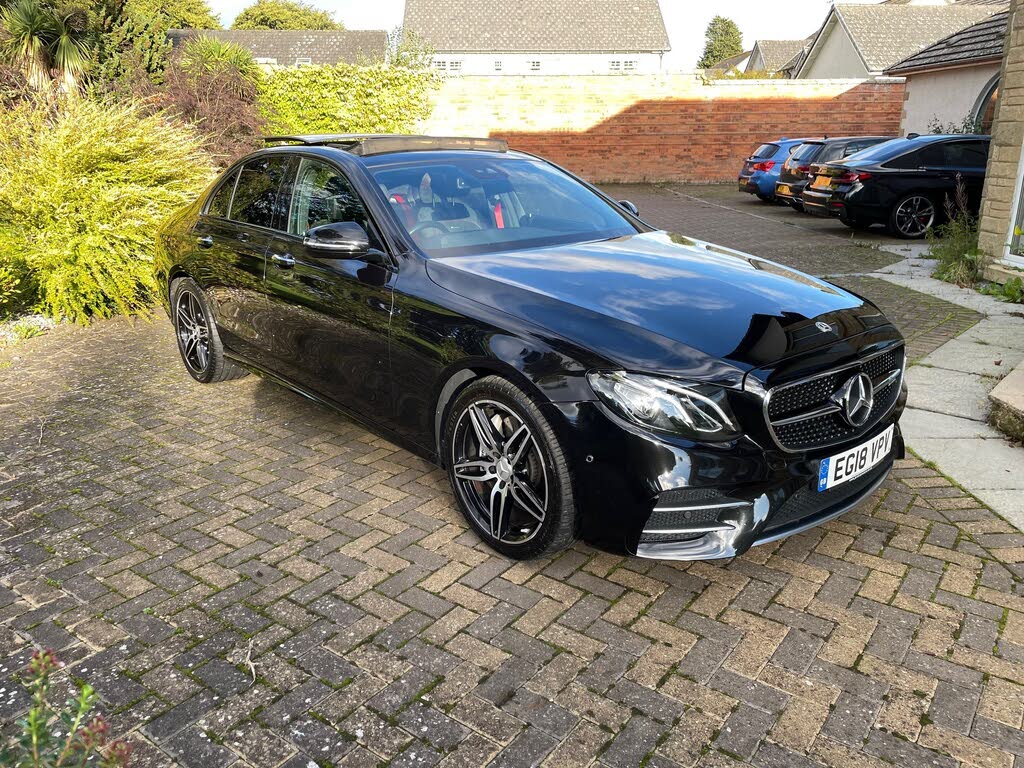
- 2016-2024 Mercedes-Benz E-Class
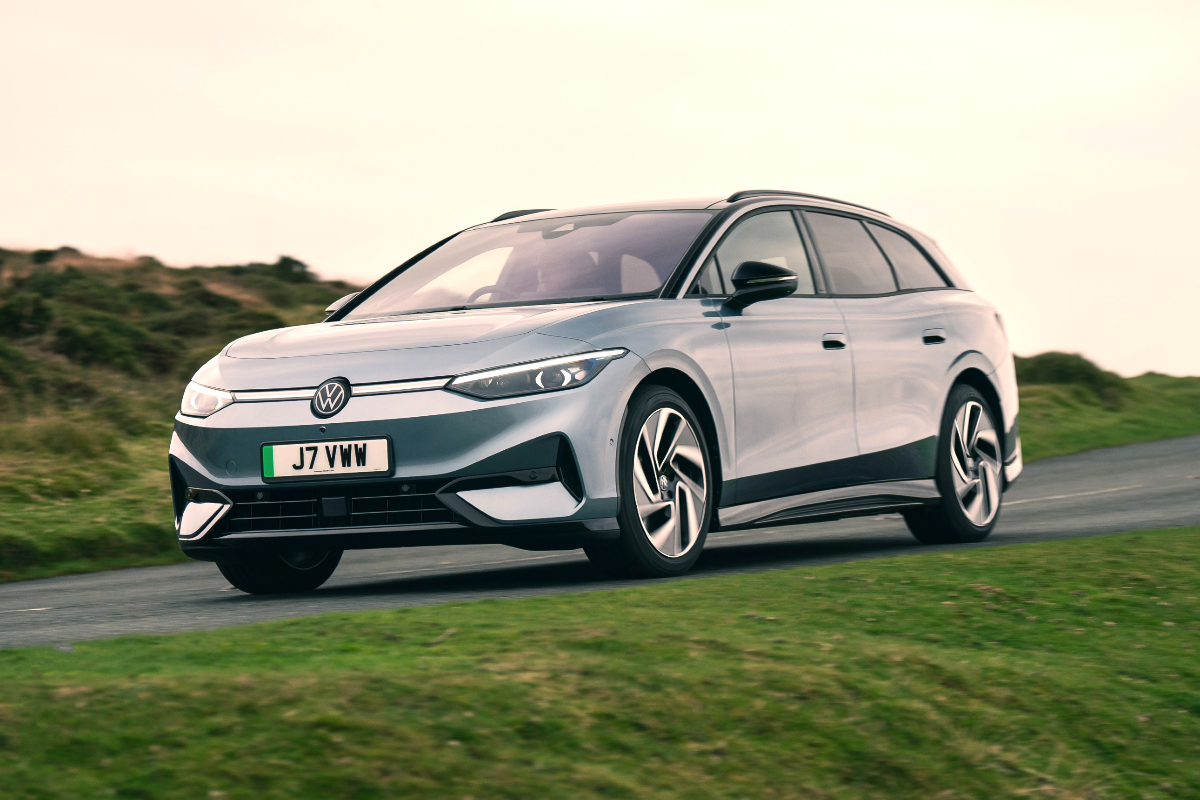
- 2026 Volkswagen Tiguan
- 2026 Mercedes C-Class
- 2013-2019 Skoda Octavia
- 2012-2017 Mazda CX-5
- 2016-2021 Honda Civic
- 2015-2023 Skoda Superb
- 2011-2018 Ford Focus
- 2012-2017 Hyundai i30
- 2018-2025 Citroen C5 Aircross
CarGurus expert rating: 4 out of 5
CarGurus user rating: 4.8 out of 5
Percentage of good/great deals available on CarGurus: 35.3%
Overall CarGurus rating: 4.5 out of 5
| Pros |
Cons |
| Combines sophistication and comfort |
A BMW 5 Series or Jaguar XF is more exciting to drive |
| Roomy and practical, especially the estate |
The AMG models are hugely expensive to run |
| Generously equipped, so long as you avoid the entry-level model |
Four-wheel-drive versions have worse fuel economy than rear-wheel-drive cars |
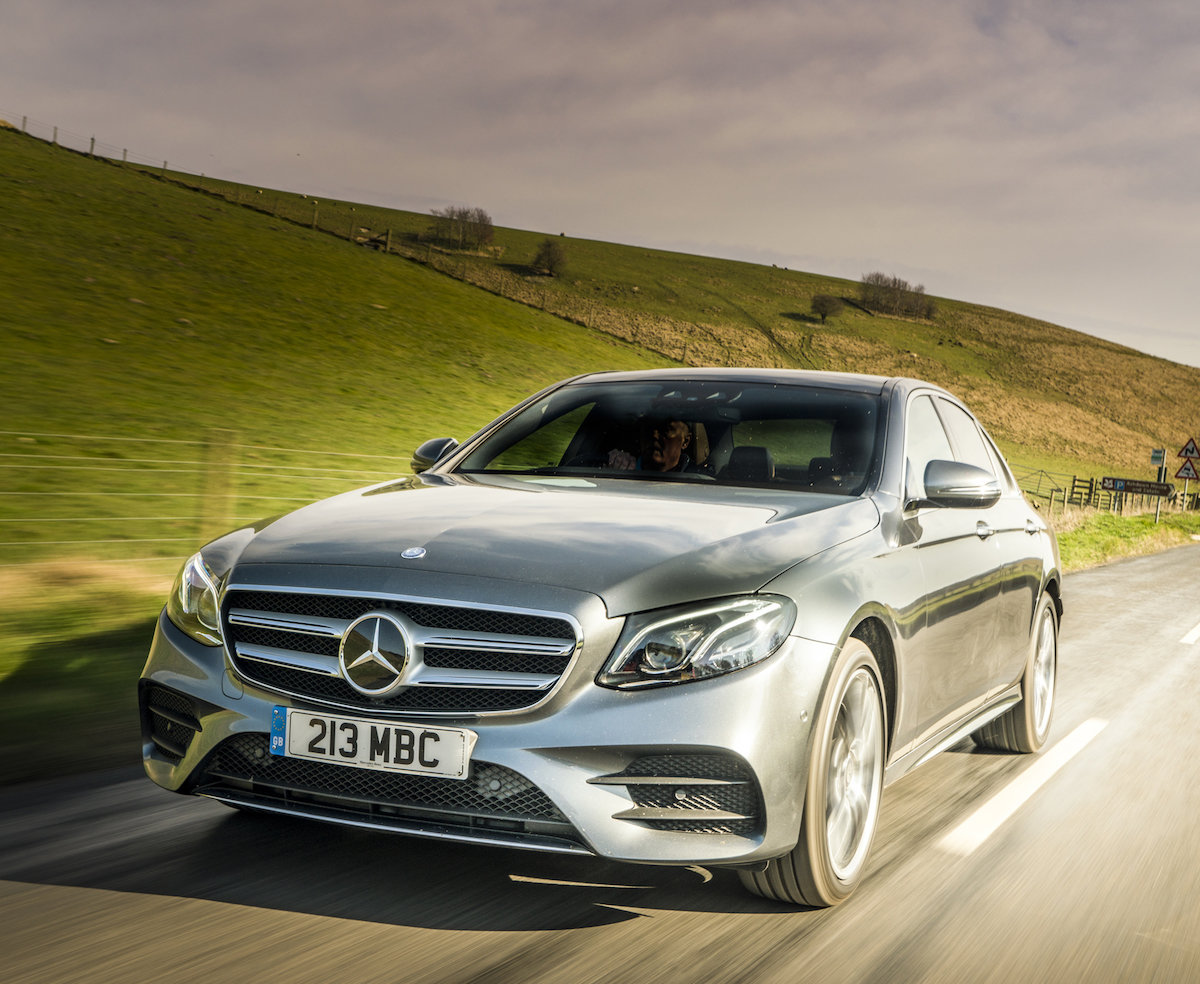
When it comes to ULEZ-compliant diesel power, the Mercedes-Benz E-Class has you covered, particularly with the hugely popular E220d model. This 2.0-litre, four-cylinder engine produces a healthy 191bhp, offering smooth and serene progress that perfectly matches the car's luxurious character. It's not just about refinement; it's also impressively efficient for a car of this size, officially capable of returning up to 54.3mpg. This makes it an ideal companion for both long motorway stints and navigating the stop-start of city emissions zones without a worry.
Beyond the engine, the E-Class delivers on the premium promise. The interior is a masterclass in high-end design, swathed in quality materials and packed with technology, including a sophisticated infotainment system with Apple CarPlay and Android Auto as standard. Practicality is another strong suit, with plenty of space for passengers to relax. While the saloon offers a generous boot, it's the Estate version that truly excels, providing an enormous 640-litre cargo area that makes it one of the most accomplished and stylish load-luggers you can buy.
The CarGurus Verdict: "Bulging with the latest technology to enhance your driving experience, and with dynamics geared towards luxury, the mk5 Mercedes-Benz E-Class is one of the finest premium saloon cars in the world. It's beautifully made, exceptionally comfortable, and stylish in a largely understated way." - Brett Fraser, contributor
Read our full Mercedes-Benz E-Class review
Search for Mercedes-Benz E-Class
See all
CarGurus expert rating: 4 out of 5
CarGurus user rating: 4.8 out of 5
Percentage of good/great deals available on CarGurus: 43.7%
Overall CarGurus rating: 4.5 out of 5
| Pros |
Cons |
| Brilliant for practicality and versatility |
Infotainment system is way too complex |
| Nicely trimmed interior |
Firm ride on larger alloy wheels |
| Good looks and desirable image |
Many versions look rather expensive |
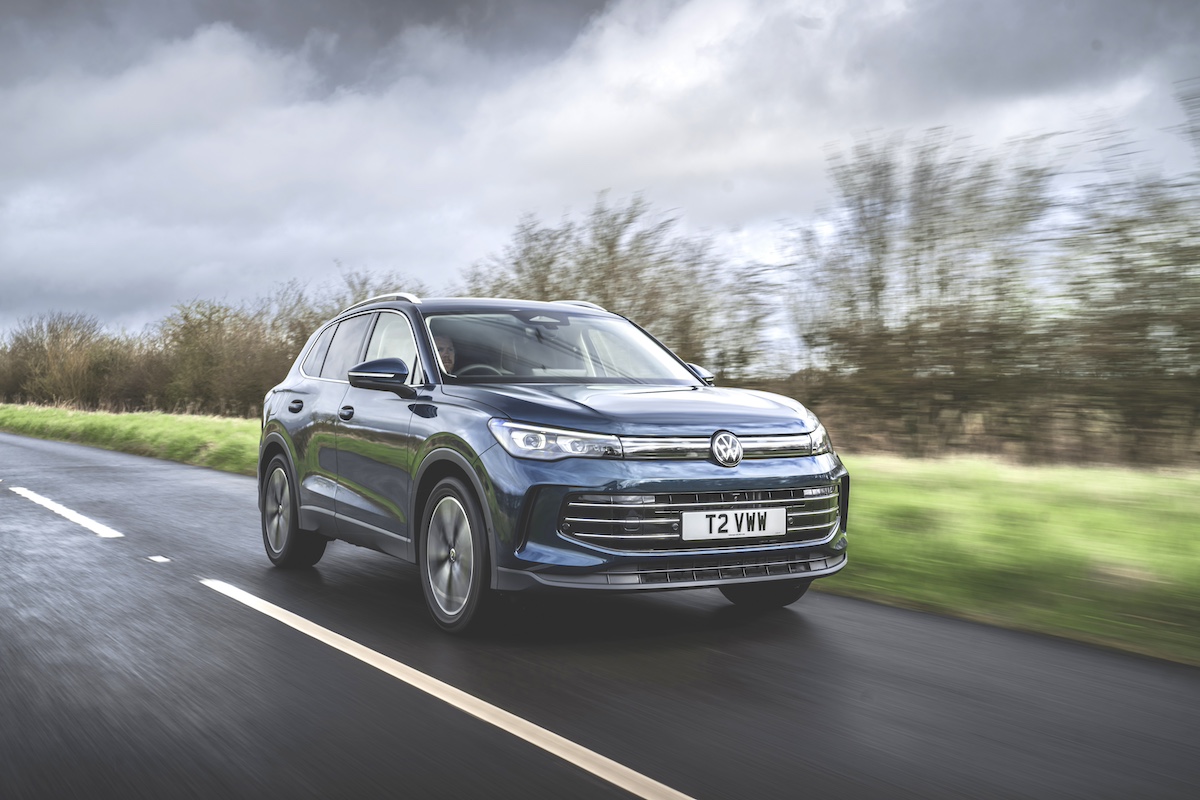
While diesel might seem like a dirty word these days, the latest Volkswagen Tiguan proves there's still a place for it, especially for high-mileage drivers. The 2.0-litre TDI engine produces a healthy 148bhp and is fully ULEZ-compliant, meaning you can drive into city centres without worrying about charges. It's the most cost-effective option in the range for those who spend their lives on the motorway, with an official fuel economy figure of 52.3mpg. Paired with a smooth seven-speed automatic gearbox, it makes for a relaxing and efficient long-distance companion.
It's not just about the engine, though. The Tiguan is a brilliantly practical family SUV, offering a huge amount of interior space for both passengers and luggage. The rear seats can slide back and forth to prioritise either legroom or boot space, which is a very generous 652 litres in the diesel model. That's significantly more than you get in the plug-in hybrid versions. The cabin itself feels a cut above many rivals, with a smart, minimalist design and high-quality materials that make it a pleasant place to spend time.
The CarGurus Verdict: "Family car buyers will love the Tiguan for its generous interior space, big boot and cleverly designed rear seats. The posh-feeling cabin and wide variety of powertrain options, including an efficient diesel, means there should be something for most tastes." - Ivan Aistrop, senior editor
Read our full Volkswagen Tiguan review
Search for Volkswagen Tiguan
See all
CarGurus expert rating: 4 out of 5
CarGurus user rating: 4.6 out of 5
Percentage of good/great deals available on CarGurus: 36.8%
Overall CarGurus rating: 4.5 out of 5
| Pros |
Cons |
| The PHEV has a class-leading electric range |
Not as sharp to drive as a BMW 3 Series |
| Beautifully finished interior |
There are roomier cars for less money |
| MBUX infotainment system looks stunning |
Bland styling |
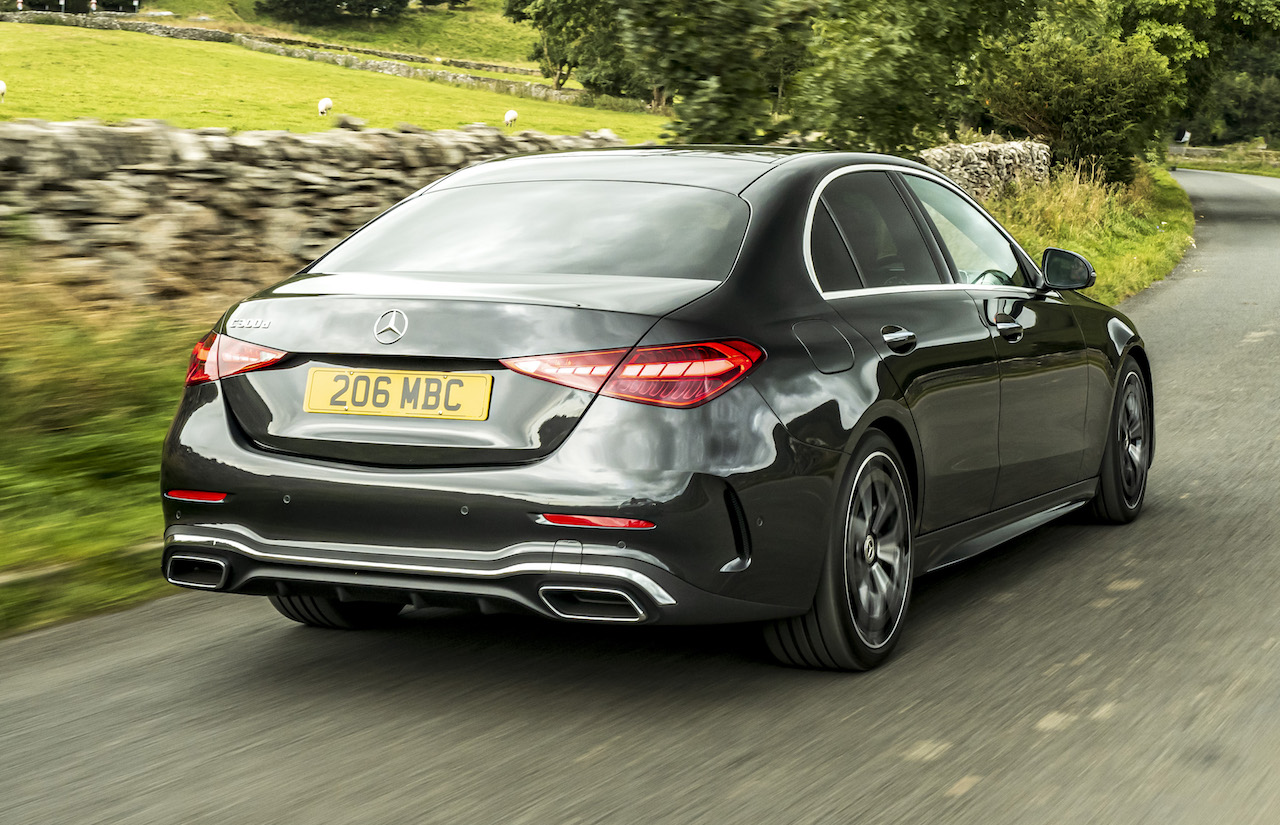
The Mercedes C-Class is a stalwart of the premium saloon and estate market, and for good reason. For those seeking a ULEZ-compliant diesel, the fifth-generation model offers excellent choices in the C220d and C300d. Both use a smooth 2.0-litre mild-hybrid diesel engine paired with a nine-speed automatic gearbox, ensuring refined progress. The C220d is the star for efficiency, capable of returning up to 60mpg, making it an ideal companion for high-mileage drivers who want to keep running costs in check without sacrificing premium appeal.
Inside, the C-Class feels every bit the junior S-Class, with a stunning high-tech cabin dominated by an 11.9-inch digital driver's display and a 12-inch central touchscreen as standard. It's a beautifully finished and comfortable environment for any journey. Practicality is strong, too; the saloon offers a decent 455-litre boot, while the C-Class Estate is the more versatile choice, boasting up to 490 litres of luggage space. This combination of efficiency, luxury, and practicality makes the diesel C-Class a compelling package.
The CarGurus Verdict: "The Mercedes C-Class is an indulgent car that's good to drive, has a high-quality finish and offers decent running costs. Overall, we really like the C Class, and if you can find one with a powertrain and finance deal to suit, it's unlikely to disappoint." - Vicky Parrott, contributing editor
Read our full Mercedes C-Class review
Search for Mercedes-Benz C-Class
See all
CarGurus expert rating: 4 out of 5
CarGurus user rating: 4.6 out of 5
Percentage of good/great deals available on CarGurus: 38.9%
Overall CarGurus rating: 4.4 out of 5
| Pros |
Cons |
| Great value for money |
A little unexciting to drive, aside from the vRS versions |
| Hugely practical |
Base models are very basic |
| Reputation for delivering hassle-free motoring |
Not exactly a head-turner |
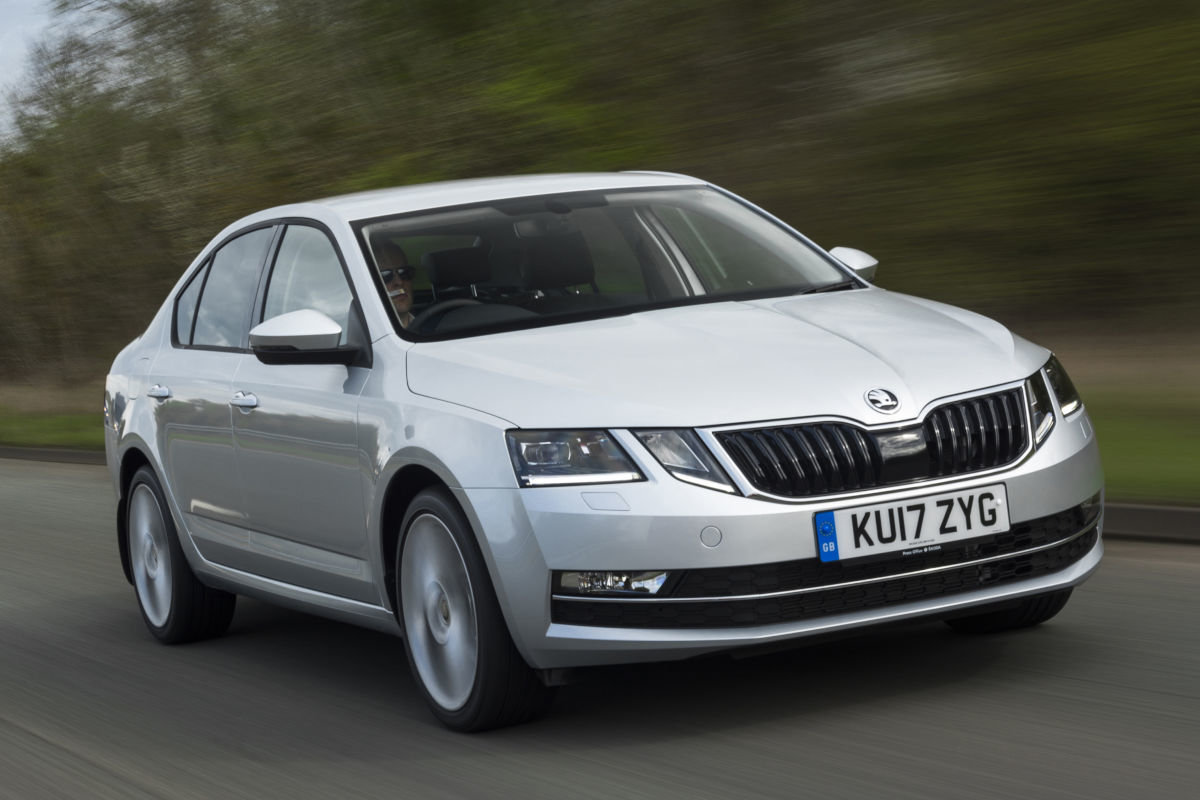
If you're after a ULEZ-compliant diesel, the third-generation Octavia is a fantastic place to start. All diesel engines in this model are Euro 6, so you won't have to worry about clean air zone charges. The 1.6-litre TDI is the economy champion, particularly in Greenline form where it can achieve a claimed 70mpg. For those who need a bit more punch for motorway driving, the 2.0-litre TDI offers gutsy performance while still returning an impressive 60-65mpg, making it a brilliant all-rounder for high-mileage drivers.
It's not just about the engine, though. The Octavia's party piece has always been its practicality. The hatchback offers a huge 590-litre boot, but the estate version takes it to another level with a cavernous 610 litres of space. That's more than enough for any family adventure. On the road, it handles crisply and cleanly, and because it was a popular fleet car, there are plenty of well-equipped SE and SE Technology models on the used market, meaning you get a lot of car for your money.
The CarGurus Verdict: "The Skoda Octavia is an extremely sensible family car to buy; it simply can't be beaten on space for its size, while the estate is vast and versatile. It offers a hassle-free and cost-effective ownership experience that should more than make up for its less-than-thrilling drive." - Alex Robbins, senior car reviewer
Read our full Skoda Octavia review
CarGurus expert rating: 4 out of 5
CarGurus user rating: 4.4 out of 5
Percentage of good/great deals available on CarGurus: 42.1%
Overall CarGurus rating: 4.4 out of 5
| Pros |
Cons |
| Nimble handling and precise steering |
Petrol engines are a bit weedy at low revs |
| Every version is well equipped |
The cabin doesn't match the finish quality of premium rivals |
| Deserves its reputation for reliability |
A Honda CR-V has more space for people and luggage |
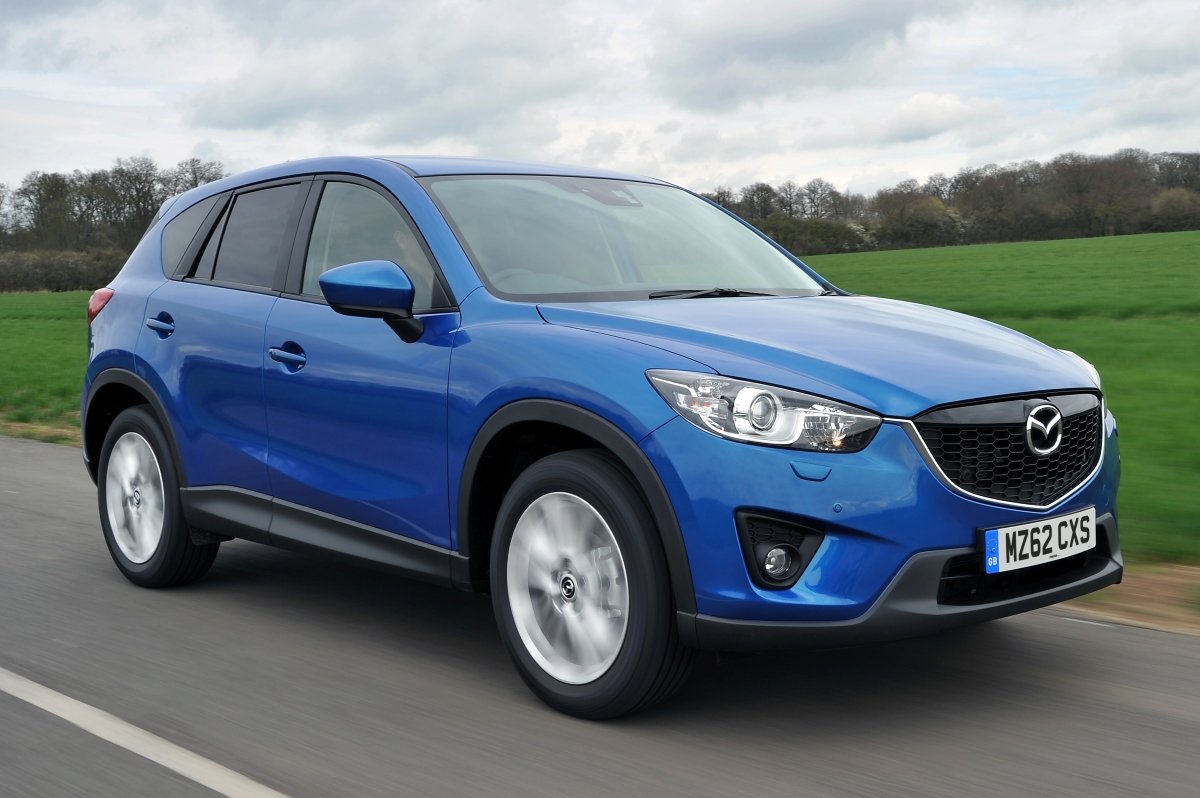
The first-generation Mazda CX-5 is a cracking choice if you're after a stylish and reliable ULEZ-compliant diesel SUV. Most buyers opted for one of the excellent 2.2-litre diesel engines, which came in two flavours: a 148bhp version and a more powerful 173bhp model. Both offer plenty of mid-range punch for easy overtaking and are impressively refined. The 148bhp engine was available with either front-wheel drive for maximum efficiency or a grippy four-wheel-drive system, while the punchier 173bhp version came with four-wheel drive as standard.
It's not just about the engine, though. The CX-5 is a properly practical family car, with a generous 503-litre boot that's bigger than what you'd find in a contemporary Nissan Qashqai. Running costs are very reasonable for a car of this size, too. The front-wheel-drive 148bhp diesel can realistically achieve mpg in the mid-to-high 40s, making it an economical companion for long journeys. With every version being well-equipped from the factory, it represents a savvy used purchase that ticks both the sensible and desirable boxes.
The CarGurus Verdict: "The Mazda CX-5 makes a really good used buy. Smart looks and sharp but comfortable driving manners make it desirable, while impressive reliability, generous space, family-friendly practicality and low running costs tick the sensible boxes." - David Motton, contributor
Read our full Mazda CX-5 review
CarGurus expert rating: 4 out of 5
CarGurus user rating: 4.7 out of 5
Percentage of good/great deals available on CarGurus: 38.4%
Overall CarGurus rating: 4.4 out of 5
| Pros |
Cons |
| Dependable family transport |
Frustrating infotainment |
| The Type R hot hatch is tremendous fun |
Interior quality could be better |
| Choice of frugal engines |
Regular models are rather ordinary to drive |
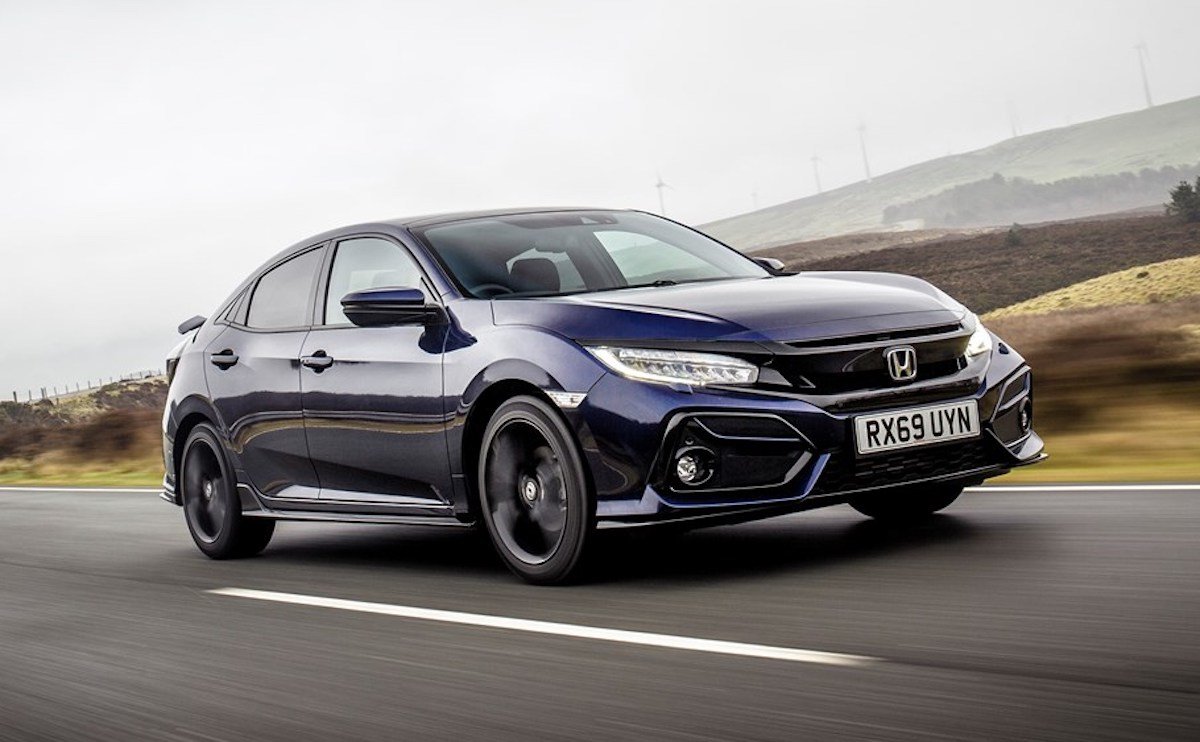
While the Civic was available with some excellent petrol engines, it's the 1.6-litre diesel we're interested in here. With 118bhp, it's punchy enough for easy motorway cruising and, crucially for a ULEZ-compliant car, it's exceptionally frugal. Owners regularly report achieving more than 60mpg, making it a fantastic choice for high-mileage drivers looking to keep running costs to an absolute minimum. Most examples you'll find will have a slick six-speed manual gearbox, which is a pleasure to use.
Beyond its wallet-friendly engine, the Civic is a seriously practical family hatchback. Its flamboyant styling hides a surprisingly roomy interior with generous space for passengers, and the boot is one of the biggest in its class at a whopping 478 litres. It's a great car to drive, too, with a sweet balance of comfortable ride quality for long journeys and predictable, grippy handling for when the road gets twisty. It's a dependable, spacious, and economical choice that ticks all the right boxes for a used diesel family car.
The CarGurus Verdict: "The Honda Civic is a worthy and practical family car with some of the most frugal engines you'll find in the class. It drives well and has a comfortable, roomy cabin." - Ivan Aistrop, senior editor
Read our full Honda Civic review
CarGurus expert rating: 4 out of 5
CarGurus user rating: 4.5 out of 5
Percentage of good/great deals available on CarGurus: 36.8%
Overall CarGurus rating: 4.3 out of 5
| Pros |
Cons |
| Hugely spacious and practical for passengers and luggage |
Relatively unexciting to drive |
| Comfortable and relaxing on long journeys |
Faults with DSG can be very expensive to fix |
| Wide range of engines |
Diesel models more prone to going wrong than petrols |
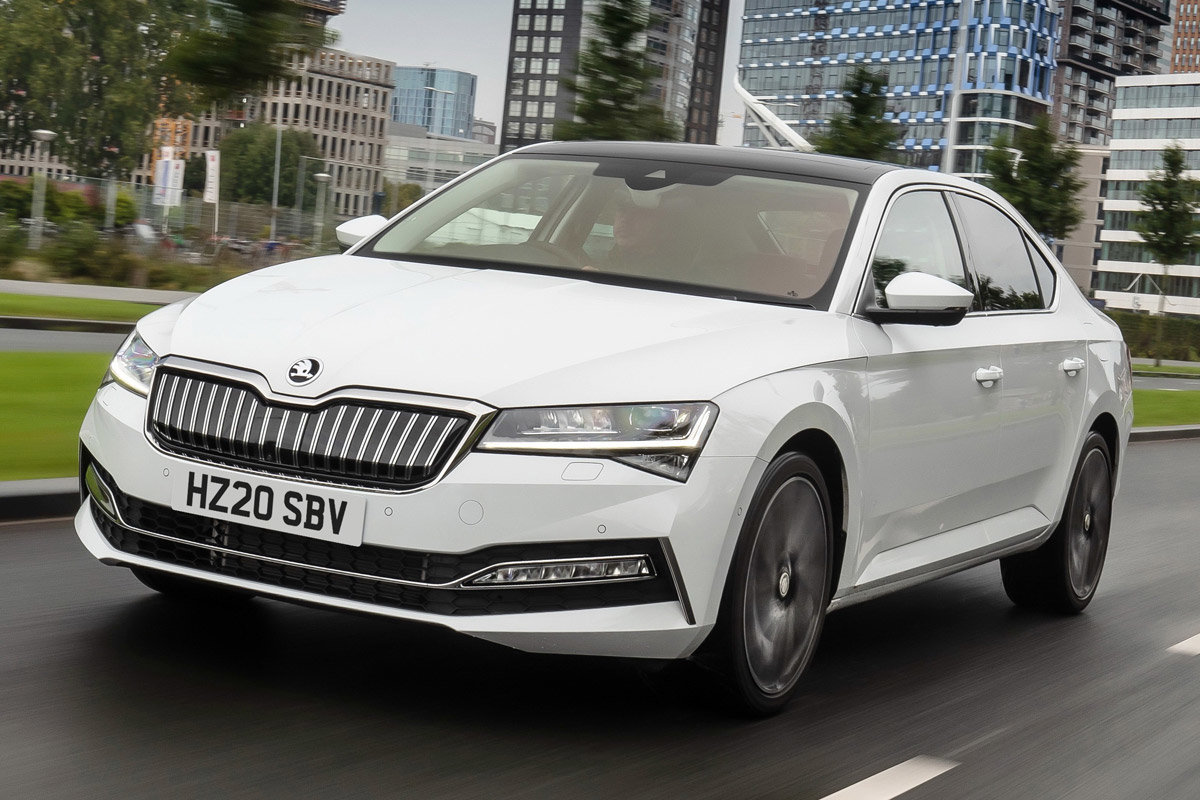
The Skoda Superb has long been a favourite for those needing space and comfort, and the diesel versions are particularly compelling for high-mileage drivers. The 2.0-litre TDI diesel engine, available in various power outputs, is the one to go for. While it might not be the quietest engine on the market, it provides plenty of muscular performance for motorway cruising and is fully ULEZ-compliant. In the cavernous Estate model, you get a massive 660-litre boot, making it one of the most practical load-luggers you can buy, perfect for families who need to carry everything but the kitchen sink.
Where the diesel Superb really shines is its running costs. The popular 148bhp version of the 2.0-litre TDI engine can officially return between 49.6 and 57.7mpg, meaning fewer trips to the pumps and more money in your pocket. It's a relaxing and composed car to drive, smoothing out British B-roads and motorways with ease. When you combine this excellent fuel economy with its huge interior and generous equipment levels, the Superb presents a very sensible and appealing package for anyone needing a ULEZ-compliant workhorse.
The CarGurus Verdict: "If you just want an accessible, sensible and eminently capable large hatchback or estate, you'll be more than satisfied with a used Skoda Superb." - Chris Knapman, editorial director
Read our full Skoda Superb review
CarGurus expert rating: 4 out of 5
CarGurus user rating: 4.4 out of 5
Percentage of good/great deals available on CarGurus: 39.5%
Overall CarGurus rating: 4.3 out of 5
| Pros |
Cons |
| Great to drive and comfortable to travel in |
Troublesome early Powershift gearboxes |
| The ST and RS hot hatches are lots of fun |
Be wary of cars that have not had their timing belt changed on time |
| Affordable running costs for most models |
Small boot |
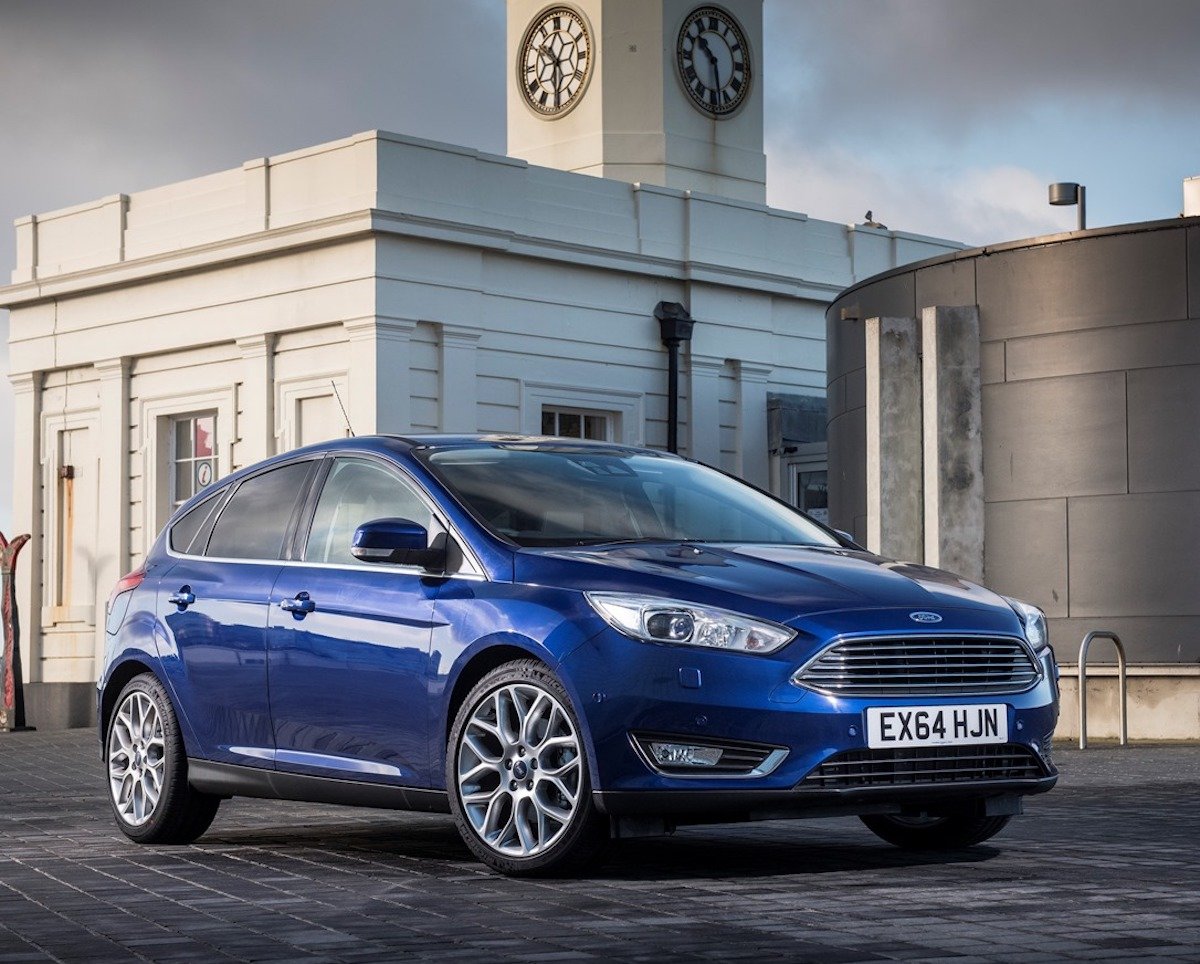
If you're looking for a ULEZ-compliant diesel, the post-2014 facelifted Mk3 Focus is a brilliant place to start. The 1.5-litre TDCi diesel engine is the one to go for, as its Euro 6 status means no daily charges in London's Ultra Low Emission Zone. It's also incredibly frugal, with the potential to return more than 55mpg. This makes it an ideal choice for high-mileage drivers who want to keep their fuel bills and city-driving charges to an absolute minimum. It's a smart, sensible used buy that's kind to your wallet.
Choosing the economical diesel doesn't mean you're lumbered with a dull car, either. The Focus has always been one of the best family hatchbacks to drive, and this version is no exception, with sharp steering and agile handling that can put a smile on your face. For those needing a bit more practicality, the estate version offers a useful 476-litre boot, making it a versatile family workhorse that's also fun to drive and cheap to run.
The CarGurus Verdict: "A properly maintained Focus should be a perfectly dependable car, and with a plentiful supply across a wide range of budgets, it's easy to see why it is such a dominant force in the used car market." - Chris Knapman, editorial director
Read our full Ford Focus review
CarGurus expert rating: 4 out of 5
CarGurus user rating: 4.7 out of 5
Percentage of good/great deals available on CarGurus: 31.9%
Overall CarGurus rating: 4.3 out of 5
| Pros |
Cons |
| Roomy and practical, especially the estate |
Not as much fun to drive as a Ford Focus |
| Long list of standard kit on most models |
Entry-level diesel is a bit weedy |
| Economical diesel engines |
No hot hatch version |
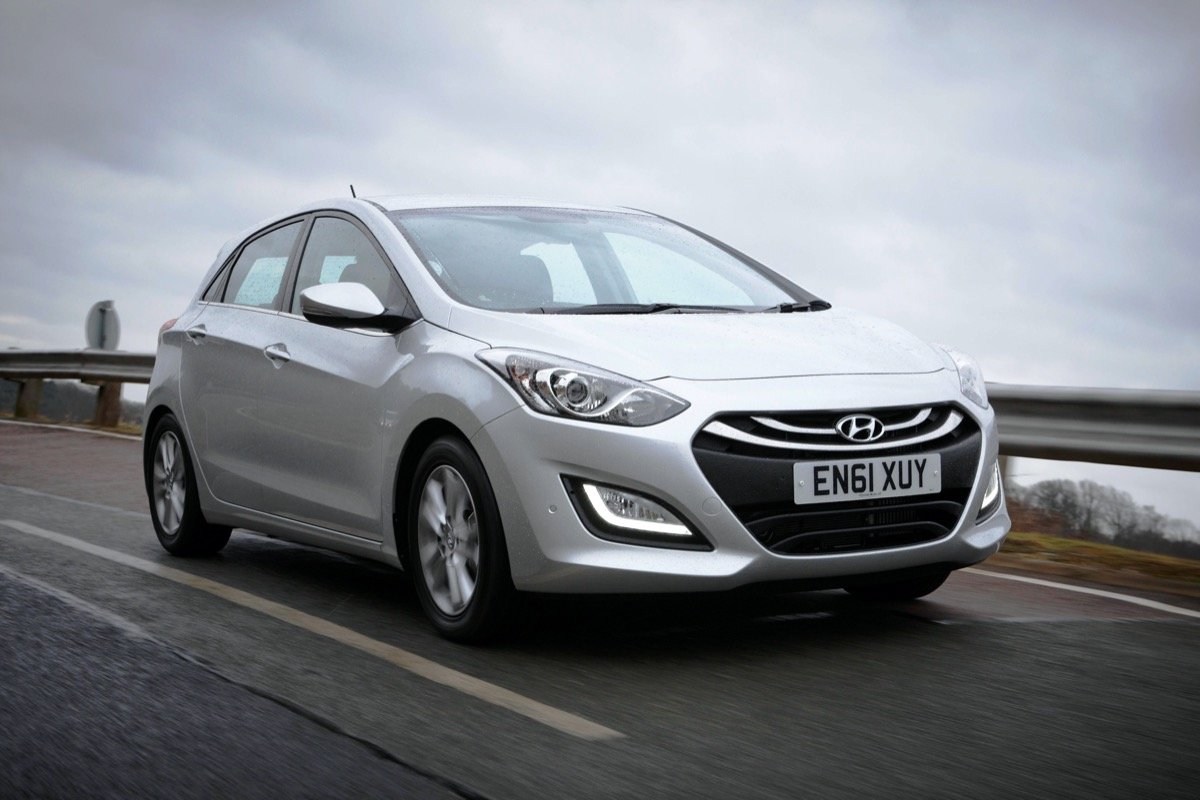
If you're after a ULEZ-compliant diesel that won't break the bank, the second-generation i30 is a cracking choice. While there's a 1.4-litre diesel, we'd steer you towards the far more popular 1.6-litre CRDi engine. It came with either 108bhp or 126bhp and offers a great blend of performance and frugality. The lower-powered version is particularly impressive, capable of an official 74.3mpg, and with CO2 emissions low enough to qualify for £20 road tax on many models registered before April 2017. It's a smooth and quiet engine, making the i30 an easy-going companion for city driving and long motorway slogs alike.
Beyond the engine, the i30 is a thoroughly sensible and practical family car. It's available as a five-door hatchback with a decent 378-litre boot, but for maximum load-lugging, the Tourer estate is the one to have, boasting a generous 528 litres of space. The cabin is well-built and most models come with a generous list of standard kit, including Bluetooth and air-conditioning. It's a pleasant and predictable car to drive, and its ease of use makes it a stress-free choice for the daily grind, ticking all the right boxes for a dependable, economical family workhorse.
The CarGurus Verdict: "The i30 is a very solid choice as a family hatchback or estate. It ticks lots of sensible boxes when it comes to features, price and practicality." - Phill Tromans, contributor
Read our full Hyundai i30 review
CarGurus expert rating: 3 out of 5
CarGurus user rating: 5.0 out of 5
Percentage of good/great deals available on CarGurus: 41.3%
Overall CarGurus rating: 4.3 out of 5
| Pros |
Cons |
| Bold styling makes rivals look dull |
Touchscreen is fiddly |
| Very roomy for five |
No 4x4 version |
| Useful electric range of plug-in hybrid |
Short new car warranty compared with some rivals |
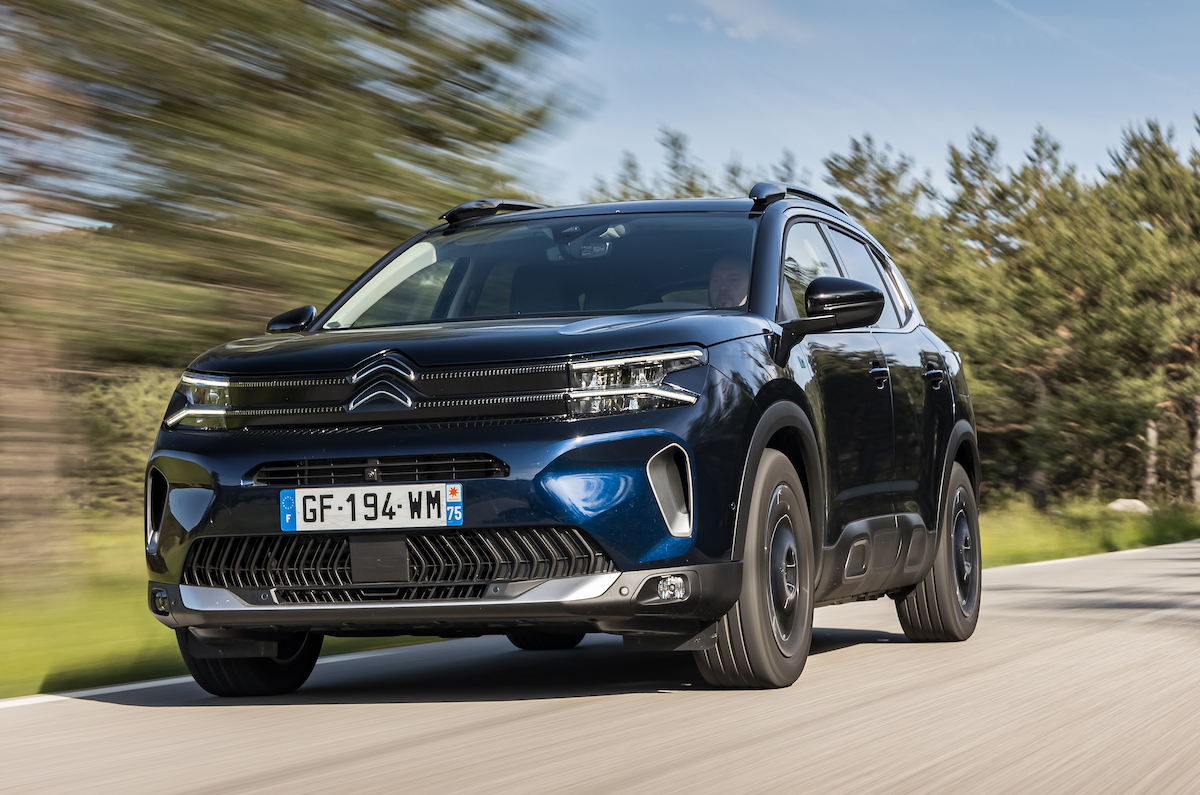
The Citroen C5 Aircross is a fantastic choice for diesel buyers, particularly those looking for a comfortable, ULEZ-compliant family SUV. The 1.5-litre BlueHDi diesel engine produces 128bhp and is impressively refined, making it a quiet companion for long motorway stints. It's also very efficient, capable of returning up to 56.3mpg. Combined with Citroen's 'Progressive Hydraulic Cushions' in the suspension, which deliver a soft and forgiving ride, the C5 Aircross is one of the most relaxing cars in its class for covering big distances.
Practicality is where the diesel C5 Aircross really shines. Because it doesn't have to accommodate a hybrid battery, it offers a huge boot, with between 680 and 720 litres of space depending on the position of the rear seats. That's more than enough for any family adventure. Speaking of the rear seats, the C5 Aircross is one of the few SUVs in this class to feature three individual seats that can slide and recline independently, making it a genuinely comfortable five-seater.
The CarGurus Verdict: "With its bold styling, a fine ride and a cool interior with those three individual rear seats, the C5 Aircross does enough to stand out in a very crowded part of the market. It's impressively spacious, practical, and good value, too." - Chris Knapman, editorial director
Read our full Citroen C5 Aircross review
Search for Citroen C5 Aircross
See all
FAQ
What does ULEZ-compliant mean for a diesel car?
A ULEZ-compliant diesel car is one that meets the Euro 6 emissions standard. In practice, this covers most diesel cars first registered from September 2015 onwards. If your diesel meets this standard, you can drive within London's Ultra Low Emission Zone – and most other UK clean air zones – without incurring the daily £12.50 charge.
Are all Euro 6 diesel cars automatically ULEZ-compliant?
Yes. Any diesel car that meets the Euro 6 emissions standard is ULEZ-compliant. You can check whether your car qualifies by using the Transport for London (TfL) online vehicle checker tool, which will confirm your car's compliance based on its registration number.
Is it still worth buying a diesel car in 2026?
For high-mileage drivers, diesel can still make a lot of financial sense. Modern Euro 6 diesel engines are significantly cleaner than their predecessors and offer excellent fuel economy, particularly on long motorway journeys. If you regularly cover more than 12,000 miles a year, a diesel is likely to save you money at the pumps compared with an equivalent petrol model.
How can I tell if a used diesel car is Euro 6?
The simplest way is to check the V5C logbook, which will state the car's emissions standard. Alternatively, you can use the TfL vehicle checker or look up the car's details on the DVLA website. As a general rule of thumb, most diesel cars registered from September 2015 onwards will be Euro 6, though some manufacturers introduced compliant engines earlier.
Do ULEZ-compliant diesel cars also meet other UK clean air zone requirements?
In most cases, yes. Cities such as Birmingham, Bristol, and Bath have introduced clean air zones with similar emissions requirements to London's ULEZ. A Euro 6 diesel car will typically meet the standards for all of these zones, though it's always worth checking the specific rules for each city before you travel.
Will diesel cars be banned in the UK?
The UK government has confirmed that the sale of new purely petrol and diesel cars will end by 2030, but this does not mean existing diesel cars will be banned from the road. You will still be able to drive, buy, and sell used diesel cars after that date. However, it's worth bearing in mind that clean air zones may expand and tighten their requirements over time, so checking the latest rules in your area is always a good idea.
What Makes CarGurus Best Cars Guides Different?
Most car buying websites publish lists of the best cars across a variety of categories, with recommendations generally driven by editorial expertise. Here's what makes our best cars guides different: we combine the insights and verdicts of our team of car-testing experts with other factors that we know matter to buyers - real owner experiences and current market value.
To that end, our expert reviewers come from some of the UK's most trusted automotive publications including What Car?, The Telegraph, Auto Trader, Electrifying.com, and Carbuyer. They put each car through real-world testing, and create detailed reviews noting performance in a range of categories, from practicality and driving manners, to running costs and reliability.
But we don't stop there when it comes to creating our best cars guides; we also analyse hundreds of thousands of used car listings on CarGurus UK to track which models consistently offer the highest percentage of best deals relative to how many are listed for sale. Then we factor in user reviews and ratings gathered on CarGurus to get feedback from people who actually live with these cars every day. Our best cars algorithm then creates a final Overall CarGurus rating that combines expert ratings, user reviews, and the percentage of listings on CarGurus UK rated as good or great deals. This three-way approach reveals not just which cars excel on paper, but which ones deliver satisfaction and value when you're ready to buy.
The CarGurus UK market data in this guide was last updated in July 2026. Values were accurate at time of publication and should be used as a guide only.
Related Topics: