Car insurance is one of those unavoidable costs that can take a serious bite out of your monthly budget – especially if you're a younger driver or you've just passed your test. The good news? Your choice of car has a massive influence on what you'll pay. Smaller engines, lower power outputs, excellent safety ratings, and cheap repair costs all work in your favour when insurers are calculating your premium. Pick the right car and you could save yourself hundreds of pounds a year.
That's exactly what this guide is all about. We've rounded up ten of the cheapest cars to insure in 2026, covering everything from nippy city cars to practical superminis that punch well above their weight. Whether you're a first-time buyer hunting for rock-bottom premiums or simply someone who's fed up with overpaying, there's something here for you. Every car on this list proves that low insurance doesn't have to mean low quality – far from it.
About this guide
The cars in this guide have been selected to represent the best options currently available. Our recommendations are the result of a unique three-part scoring system that takes into account real-world tests from our team of expert reviewers, ratings from real-life owners who live with these cars every day, and an analysis of market data from CarGurus UK to identify which models offer the highest percentage of good and great deals. This combined approach ensures our list highlights cars that are not only great to own but also good value to buy. For more information, scroll to the bottom of this page.
The 10 Cheapest Cars to Insure in 2026
- 2026 Seat Ibiza
- 2026 Hyundai i10
- 2018-2023 Ford Fiesta
- 2026 Skoda Fabia
- 2012-2023 Volkswagen up!
- 2026 Volkswagen Polo
- 2019-2023 Renault Clio
- 2026 Kia Picanto
- 2026 Nissan Micra
- 2026 Dacia Sandero
CarGurus expert rating: 4 out of 5
CarGurus user rating: 5.0 out of 5
Percentage of good/great deals available on CarGurus: 33.8%
Overall CarGurus rating: 4.5 out of 5
| Pros |
Cons |
| Economical and efficient petrol engines |
Interior design is starting to show its age |
| Good-looking design that's aged well |
Could be a bit more fun to drive |
| Strong value for money |
No hybrid or electric options |
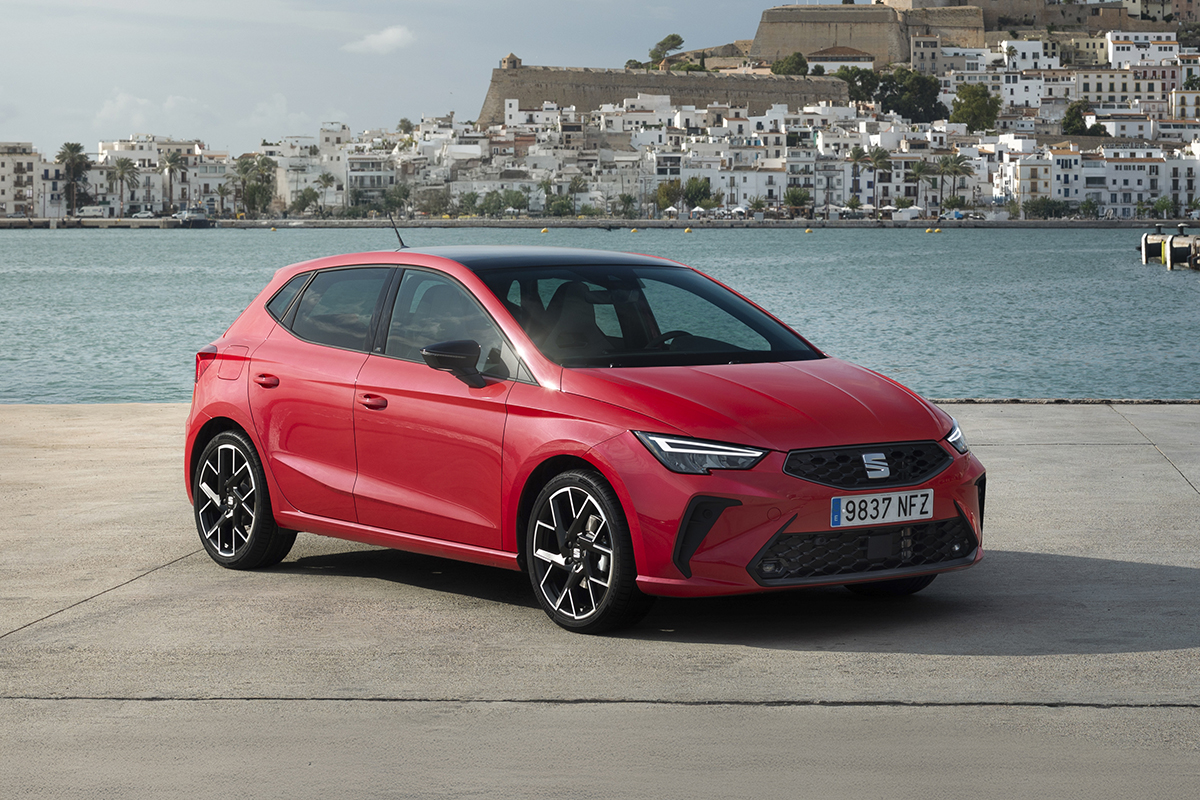
The Seat Ibiza has long been a favourite for those looking to keep running costs down, and for good reason. It consistently falls into low insurance groups, making it particularly appealing for younger drivers or anyone wanting to minimise their premiums. The engine line-up is geared towards efficiency, with the entry-level 94bhp 1.0-litre turbocharged petrol engine being a standout choice. It's not just cheap to insure; it's also light on fuel, capable of returning over 55mpg, which helps keep your wallet happy long after you've driven off the forecourt.
Being affordable to insure doesn't mean you have to compromise on space or tech. For a supermini, the Ibiza is surprisingly practical, offering enough room for four adults to sit comfortably and a decent 355-litre boot for the weekly shop or a weekend away. Every model comes well-equipped, too, featuring a modern touchscreen infotainment system with wireless Apple CarPlay and Android Auto, a digital driver's display, and a host of safety assists as standard. It's a complete package that proves cheap insurance can still come with plenty of style and substance.
The CarGurus Verdict: "Seat's Ibiza is an excellent compact hatchback that serves up a spacious interior, efficient engines, a refined nature and subtle yet stylish looks. It feels a little more mature than rivals like the Ford Fiesta ever did, and updates introduced at the end of 2025 keep it relevant in a competitive class." - Lewis Kingston, contributor
Read our full Seat Ibiza review
CarGurus expert rating: 5 out of 5
CarGurus user rating: 4.4 out of 5
Percentage of good/great deals available on CarGurus: 32.1%
Overall CarGurus rating: 4.5 out of 5
| Pros |
Cons |
| Very practical for such a small car |
Entry-level cars don't have Apple CarPlay or Android Auto |
| Economical and well equipped |
No three-door version |
| Generous warranty |
Not as much fun to drive as a Seat Ibiza |
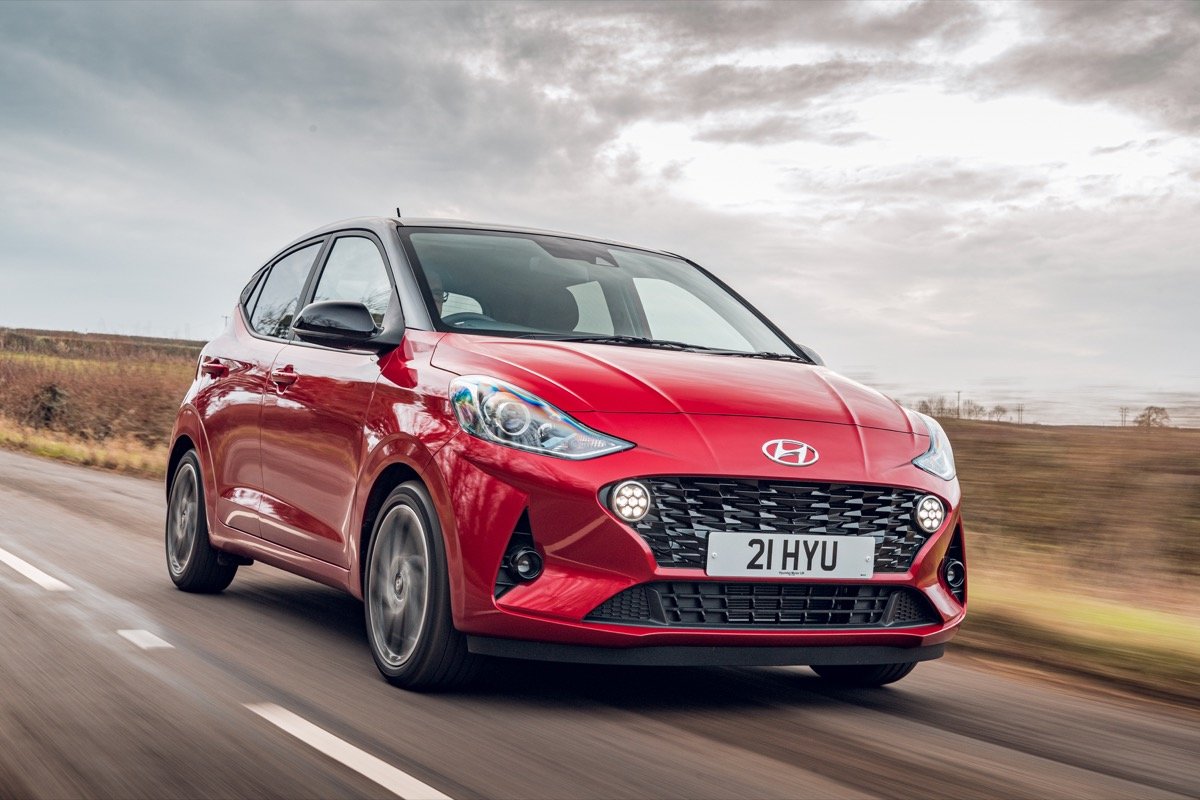
The Hyundai i10 is a superstar when it comes to low running costs, which is why it's a fixture on any list of cheap-to-insure cars. The entry-level 1.0-litre models sit in a rock-bottom insurance group 3 (out of 50), and even the more powerful versions won't break the bank. Curiously, the automatic versions can be even cheaper to insure than their manual counterparts. Combine this with fuel economy of over 55mpg and Hyundai's excellent five-year, unlimited-mileage warranty, and you have a recipe for seriously affordable and stress-free motoring.
While the basic 1.0-litre engine is fine for town, we'd recommend the slightly larger 1.2-litre petrol. It has a bit more get-up-and-go for motorway driving, and the penalty in fuel economy is tiny. For a bit more punch, the 99bhp 1.0-litre turbo in the N Line is surprisingly nippy. Whichever you choose, you get a remarkably practical car for the money, with five doors as standard and a 252-litre boot that's a decent size for a city car. It's a proper all-rounder that proves cheap insurance doesn't have to mean compromise.
The CarGurus Verdict: "This generation of i10 is one of the best small cars around, and sets a benchmark for others to follow. And with a five-year, unlimited-mileage warranty, it makes a great second-hand buy." - Alex Robbins, senior car reviewer
Read our full Hyundai i10 review
CarGurus expert rating: 4 out of 5
CarGurus user rating: 4.5 out of 5
Percentage of good/great deals available on CarGurus: 33.4%
Overall CarGurus rating: 4.4 out of 5
| Pros |
Cons |
| Fun to drive |
Very patchy reliability record |
| Affordable running costs |
Not as roomy inside as some rivals |
| Impressive Ecoboost engines |
ST-Line models have a stiffer ride than the rest of the range |
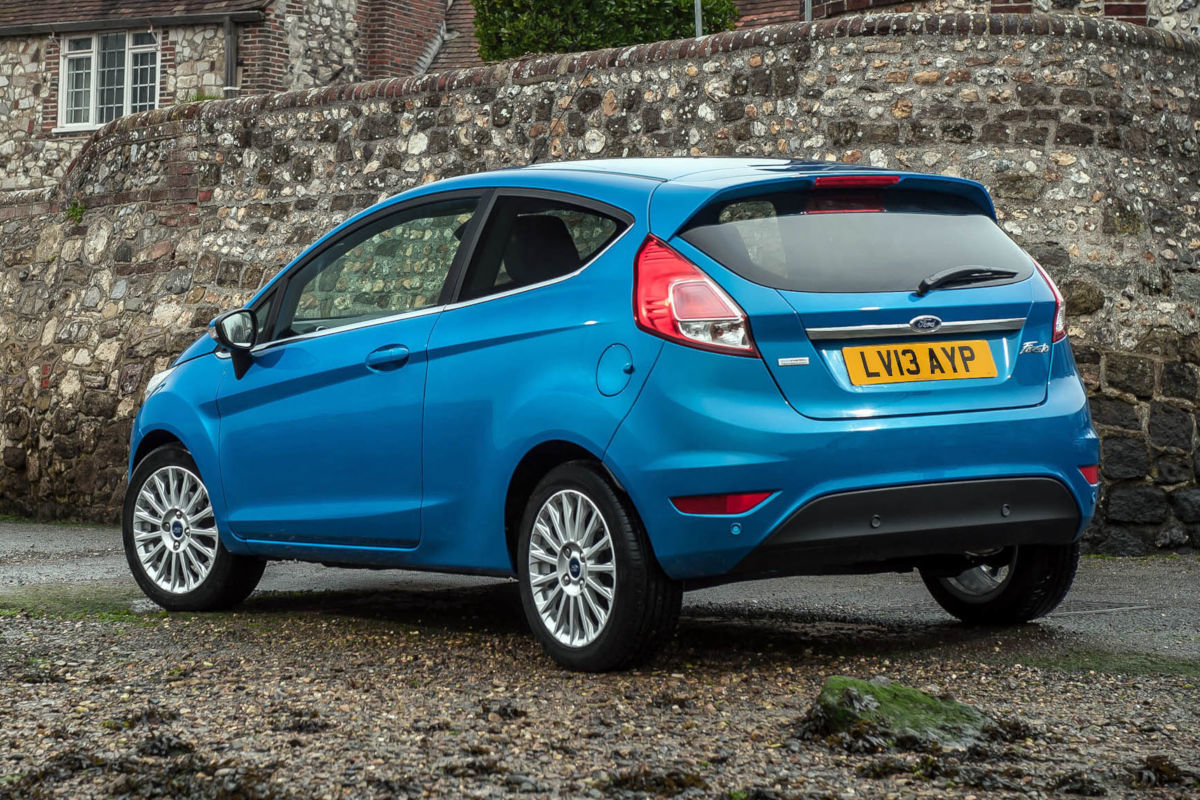
The Ford Fiesta has been a British institution for decades, and for good reason. Its immense popularity means there's a huge selection on the used market, which helps keep purchase prices sensible and ensures parts are cheap and plentiful – a big tick in the box for lowering insurance premiums. Running costs are another strong point. The brilliant 1.0-litre Ecoboost petrol engines, particularly the 94bhp version, offer a great blend of punch and parsimony, officially returning over 51mpg. Later mild-hybrid models are even more frugal, making the Fiesta a car that's as kind to your wallet at the pumps as it is with your insurance broker.
While it might not have the biggest boot in its class at 292 litres, the Fiesta is more than practical enough for daily duties. Inside, it's a smart and well-equipped supermini, especially if you aim for the popular Zetec (or later Trend) trim, which includes Ford's genius heated windscreen for frosty mornings. What really sets the Fiesta apart, though, is how it drives. It's engaging and fun, making every trip enjoyable, yet it remains an easy and comfortable car to live with day-to-day. This blend of affordability, driver enjoyment, and widespread availability makes it a top contender for anyone looking to keep their motoring costs down.
The CarGurus Verdict: "The Ford Fiesta fully deserves its reputation as one of the best superminis you can buy. It's a really well-engineered machine that comes in a variety of flavours to suit different tastes." - Ivan Aistrop, senior editor
Read our full Ford Fiesta review
CarGurus expert rating: 4 out of 5
CarGurus user rating: 4.7 out of 5
Percentage of good/great deals available on CarGurus: 33.1%
Overall CarGurus rating: 4.4 out of 5
| Pros |
Cons |
| Very roomy interior |
Some weedy engine choices |
| Comfortable and easy to drive |
So-so warranty offering |
| Good value for money |
Sporty Fabia 130 isn't available with a manual gearbox |
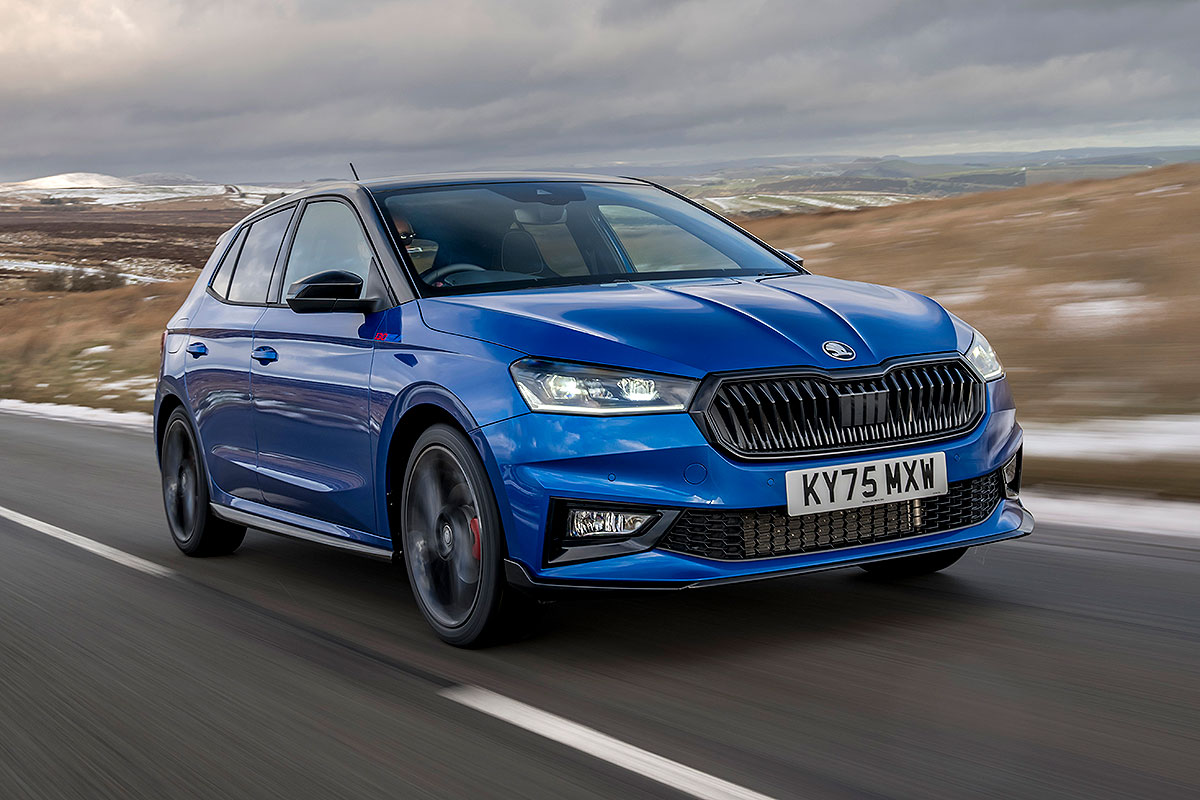
The Skoda Fabia has always been a smart choice for budget-conscious drivers, and that extends to its insurance costs. With a range of modest petrol engines, including a 79bhp entry-level option, the Fabia avoids the high-power outputs that push insurance premiums up. This focus on efficiency pays dividends at the pump, too, with some models achieving up to 56.8mpg. It's this sensible approach to performance and running costs that makes it an attractive proposition for insurers and owners alike.
Beyond the engine bay, the Fabia's practicality and safety credentials help keep insurance in the lowest groups. Its surprisingly large 380-litre boot means you get the space of a car from the class above without the associated insurance hike. Furthermore, all models come generously equipped with modern safety assists, including standard-fit traffic sign recognition. It all adds up to a package that's seen as a low-risk, high-value supermini, making it one of the cheapest cars to get cover for.
The CarGurus Verdict: "The Fabia has always been a cornerstone of this philosophy, and the latest version embodies it brilliantly. It's one of the roomiest and most practical cars of its type, with a boot big enough to shame many cars from the class above." - CarGurus Editorial Team
Read our full Skoda Fabia review
CarGurus expert rating: 4 out of 5
CarGurus user rating: 4.0 out of 5
Percentage of good/great deals available on CarGurus: 32.9%
Overall CarGurus rating: 4.3 out of 5
| Pros |
Cons |
| Fun to drive around town |
Watch out for neglected examples |
| Competent out of town |
Mechanically identical Skoda Citigo and Seat Mii are cheaper to buy |
| GTI model is a great warm hatch |
Basic infotainment system |
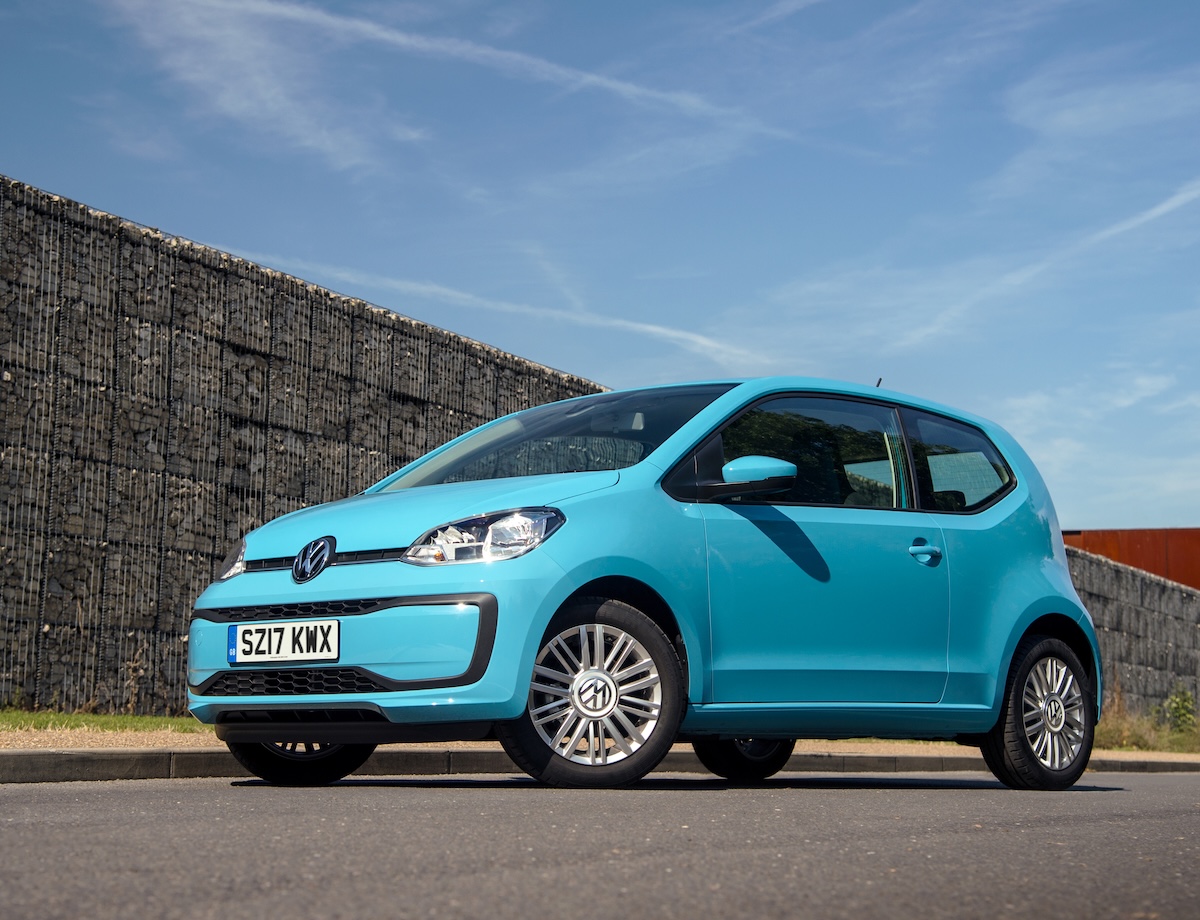
The Volkswagen Up has long been a champion for drivers looking for rock-bottom running costs, and a huge part of that appeal is its incredibly low insurance groupings. Many versions of the Up sit in the lowest insurance group possible (group 1 out of 50), making it one of the cheapest cars on the road to get cover for. It's not just insurance where you'll save, either. The frugal 1.0-litre petrol engines can return up to 60mpg, while consumables like tyres and brakes are inexpensive thanks to the car's light weight. It's a perfect recipe for keeping motoring costs to an absolute minimum.
Beyond the low bills, the Up is a genuinely brilliant small car. It feels surprisingly grown-up on the motorway, yet its compact size and agile handling make it a joy to navigate through tight city streets. The 1.0-litre engines, which produce around 60bhp, are peppy enough for urban driving, and while the 251-litre boot isn't huge, it's perfectly usable for a car of this class. Inside, the cabin is simple but robustly built, reinforcing the sense that you're getting a high-quality product for your money. It's a car that proves cheap doesn't have to mean cheerless.
The CarGurus Verdict: "One of the best small city cars of this era or any other, the VW Up demonstrates that very affordable cars needn't be short on ability or charm. Fun to drive, safe in an accident and surprisingly grown-up on the motorway, VW's tiniest hatchback is a masterstroke." - Dan Prosser, car reviewer
Read our full Volkswagen up! review
CarGurus expert rating: 3 out of 5
CarGurus user rating: 4.5 out of 5
Percentage of good/great deals available on CarGurus: 34.2%
Overall CarGurus rating: 4.3 out of 5
| Pros |
Cons |
| High-quality interior |
Not a cheap option |
| Impressive practicality |
A Ford Fiesta is more fun |
| Sophisticated driving experience |
GTI version isn't very exciting to drive |
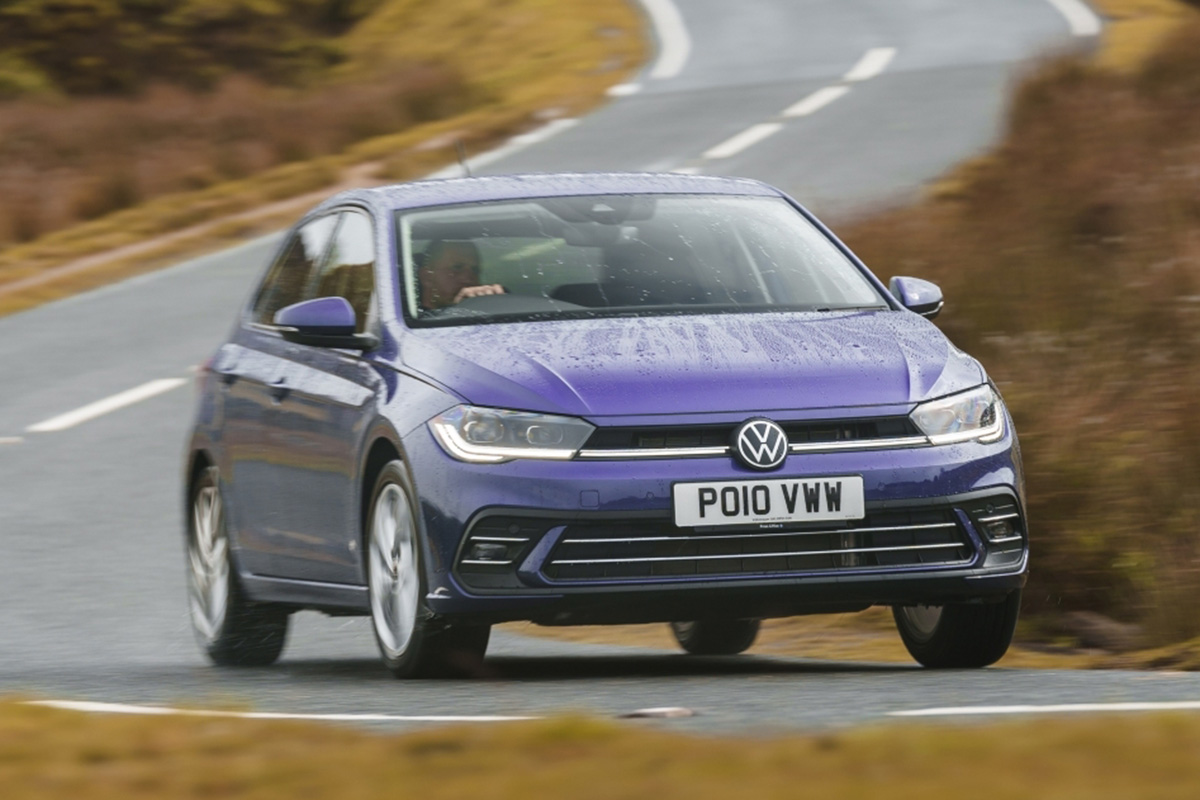
The Volkswagen Polo has long been the go-to choice for drivers wanting a touch of class in their supermini, and this latest version is no exception. What might surprise you, though, is just how cheap it can be to insure. Opt for the entry-level 1.0-litre petrol engine, and you'll find it sits in insurance group 1 – the lowest possible category. This makes it an incredibly attractive proposition for new drivers or anyone looking to slash their annual premiums without compromising on that desirable VW badge and premium-feeling cabin.
It's not just the insurance that's affordable; the Polo is a frugal car to run day-to-day. The non-turbo 1.0-litre petrols can officially return over 50mpg, keeping fuel station visits to a minimum. Beyond the low running costs, you're getting a seriously practical small car. There's enough room inside for four adults to sit comfortably, and the 350-litre boot is one of the biggest in its class. It's a sophisticated and grown-up supermini that proves you don't need to sacrifice quality or space for low insurance costs.
The CarGurus Verdict: "Previous Polos have always been something of a benchmark in the supermini class, and this sixth-generation car is no different. There's not a single area in which the standard car struggles, and in several of them, it sets the standard outright." - Ivan Aistrop, senior editor
Read our full Volkswagen Polo review
CarGurus expert rating: 3 out of 5
CarGurus user rating: 4.7 out of 5
Percentage of good/great deals available on CarGurus: 34.3%
Overall CarGurus rating: 4.3 out of 5
| Pros |
Cons |
| Grown-up, comfortable driving experience |
Rear-seat space could be more generous |
| Economical E-Tech Hybrid |
A Ford Fiesta is a lot more fun to drive |
| Very safe should the worst happen |
Infotainment isn't as slick as the best |
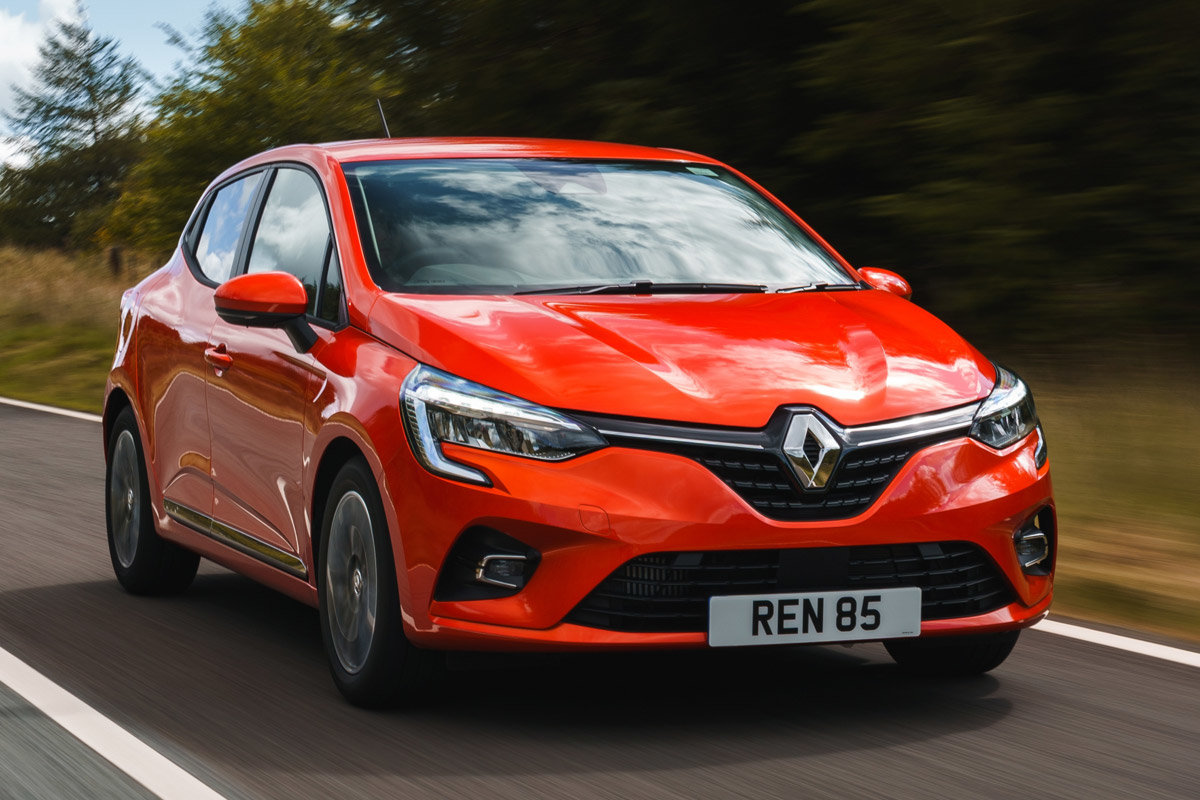
The Renault Clio is a strong contender for low insurance costs, thanks largely to its range of small, efficient engines. The entry-level SCe 75 returns a claimed 52.3mpg, while the punchier TCe 100 turbo improves on that with 54.3mpg. For ultimate economy, the E-Tech Hybrid model boasts an impressive 64.2mpg. These frugal powerplants, combined with sensible VED rates and affordable servicing plans, make the Clio a very wallet-friendly supermini to run day-to-day, a key factor for insurers.
It's not just about running costs; the Clio's outstanding safety credentials also help keep premiums down. It earned a maximum five-star rating from Euro NCAP, with particularly high scores for protecting both adult and child occupants. All models come with crucial safety kit as standard, including active emergency braking and traffic sign recognition. This focus on safety, packaged in a smartly styled supermini that still offers an impressive amount of boot space, makes it a very sensible and affordable choice.
The CarGurus Verdict: "The fifth-generation Renault Clio is considerably better than its predecessor, with a grown-up, quiet and comfortable nature that will appeal to many. It's an affordable option with sensible running costs and lots of equipment, which serves to bolster its desirability further." - Lewis Kingston, contributor
Read our full Renault Clio review
CarGurus expert rating: 3 out of 5
CarGurus user rating: 4.5 out of 5
Percentage of good/great deals available on CarGurus: 32.4%
Overall CarGurus rating: 4.2 out of 5
| Pros |
Cons |
| Decent-sized boot for a city car |
Ride could be smoother |
| Long warranty from new |
No electric version |
| Low running costs |
Entry-level 1 trim lacks key equipment |
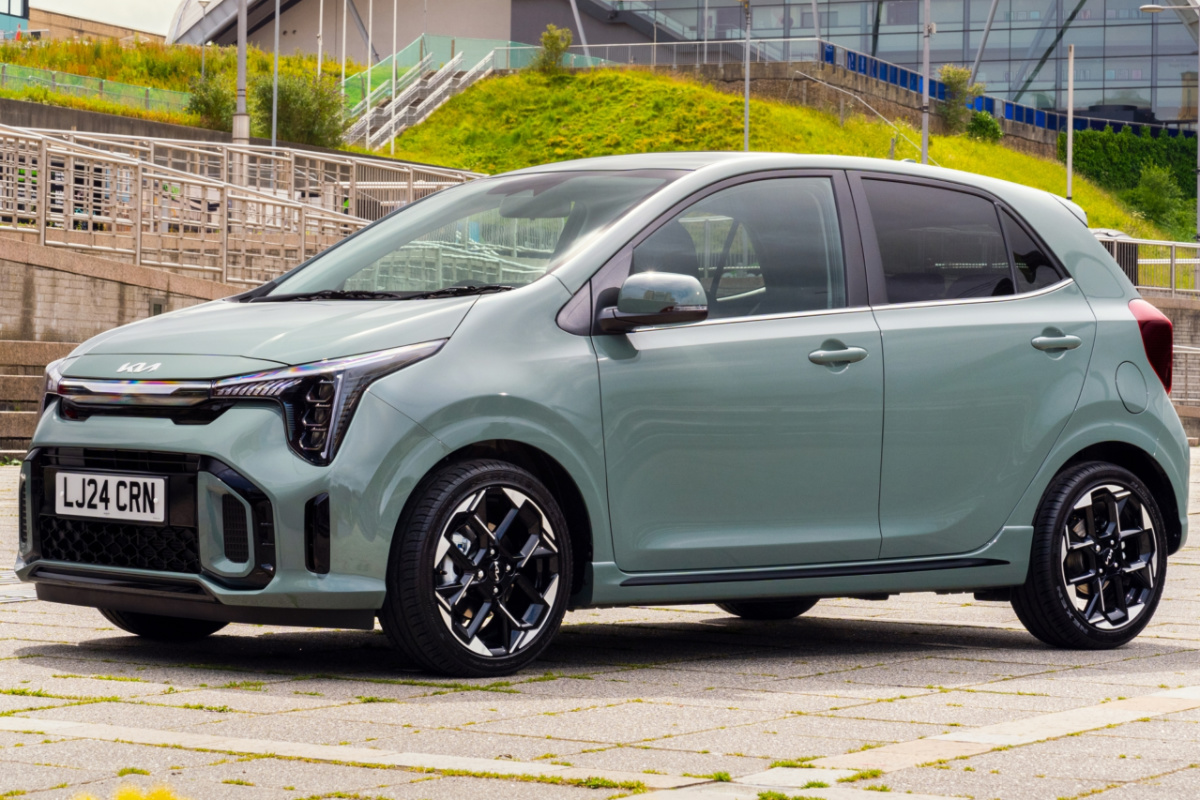
The Kia Picanto has always been a champion of low running costs, and that's a reputation it rightly deserves. With insurance groups starting from a rock-bottom group 1 (out of 50), it's one of the cheapest cars on the road to get covered. This is particularly true for models with the 66bhp 1.0-litre petrol engine, which, while not the most powerful, is perfect for keeping premiums down. Factor in fuel economy that can hover around 50mpg in the real world, and the Picanto makes a very strong case for itself as a wallet-friendly runabout.
It's not just about the low insurance, though. The Picanto is a genuinely impressive city car, offering a decent 255-litre boot that's among the largest in its class. While entry-level models are basic, stepping up to a mid-range trim gets you a generous amount of kit, including an 8-inch touchscreen with smartphone connectivity. Add in Kia's unbeatable seven-year warranty, which is transferable to subsequent owners, and you have a small car that offers huge peace of mind alongside its tiny running costs.
The CarGurus Verdict: "Kia has put together a cracking small car in this latest Picanto, and it ticks plenty of boxes for customers. On top of that, you'll have the peace of mind from Kia's brilliant seven-year warranty, and running costs should be very affordable as well." - Alex Robbins, senior car reviewer
Read our full Kia Picanto review
CarGurus expert rating: 3 out of 5
CarGurus user rating: 4.8 out of 5
Percentage of good/great deals available on CarGurus: 28.9%
Overall CarGurus rating: 4.2 out of 5
| Pros |
Cons |
| Strong on safety |
Tight on space in the back |
| Low insurance costs |
Early 1.0-litre cars are very slow |
| Lots of well-priced second-hand examples |
Shorter new car warranty than some rivals |
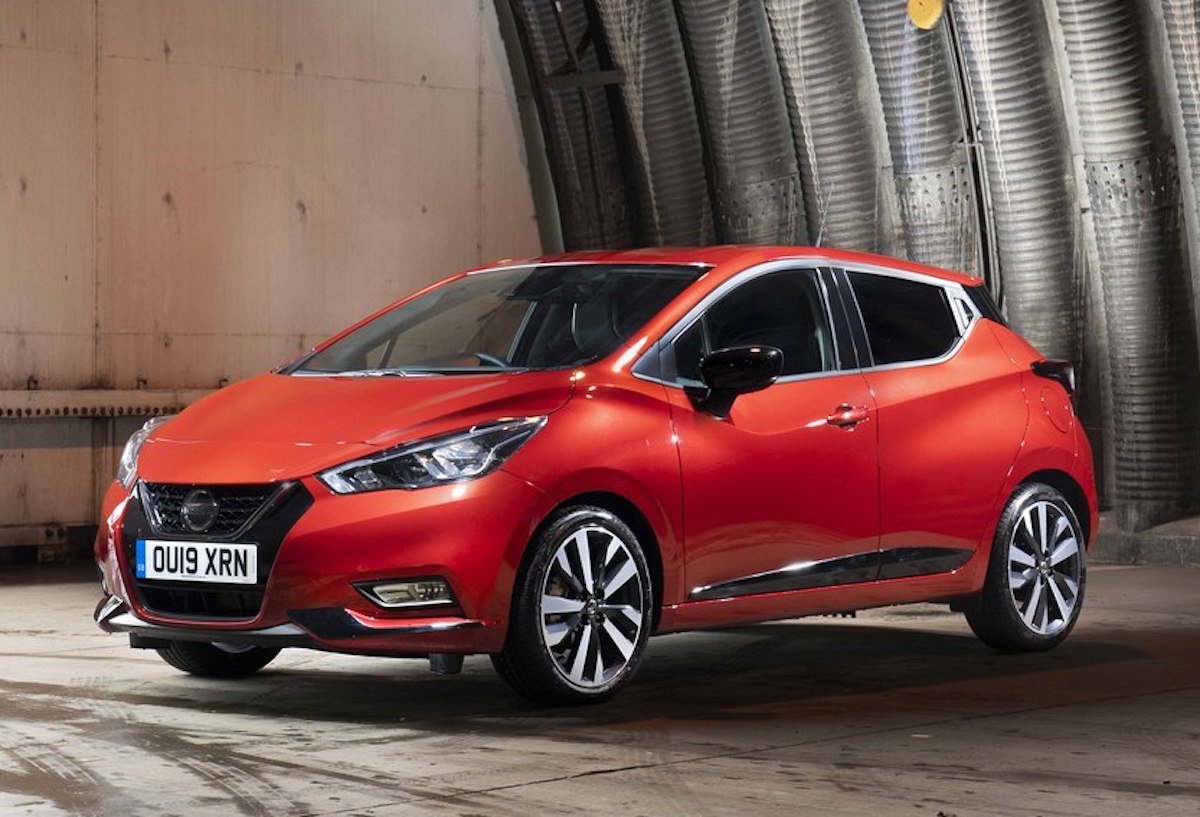
The Nissan Micra has long been a go-to choice for new drivers, and a big reason for that is its low insurance costs. Most versions, particularly those with the later 92bhp 1.0-litre turbocharged petrol engine, fall into low insurance groups, making it an affordable car to get on the road. This engine provides enough poke for town driving and the occasional motorway trip without being intimidating, which is exactly what insurers like to see. It's a sensible package that combines modern looks with running costs that won't break the bank.
It's not just about cheap insurance, though. The Micra is a perfectly usable supermini, with a decent 300-litre boot that's big enough for the weekly shop or a weekend away. Most models from 2017 onwards come well-equipped, too, featuring a touchscreen with Apple CarPlay and Android Auto, which is a huge plus in this class. While it might not be the most spacious or exciting car in its category, the Micra's strong safety credentials and the sheer number of affordable used examples make it a very smart choice for anyone looking to keep their motoring bills to a minimum.
The CarGurus Verdict: "However, thanks to decent equipment and safety levels, low insurance ratings, and comparably affordable transaction prices for second-hand models, it's a solid option for a cheap runabout or learner car." - Vicky Parrott, contributing editor
Read our full Nissan Micra review
CarGurus expert rating: 3 out of 5
CarGurus user rating: 4.8 out of 5
Percentage of good/great deals available on CarGurus: 34.9%
Overall CarGurus rating: 4.1 out of 5
| Pros |
Cons |
| Very cheap to buy |
Modest safety standards |
| Roomy and practical cabin |
Stingy list of standard kit |
| Affordable to fuel and insure |
Basic fit and finish |
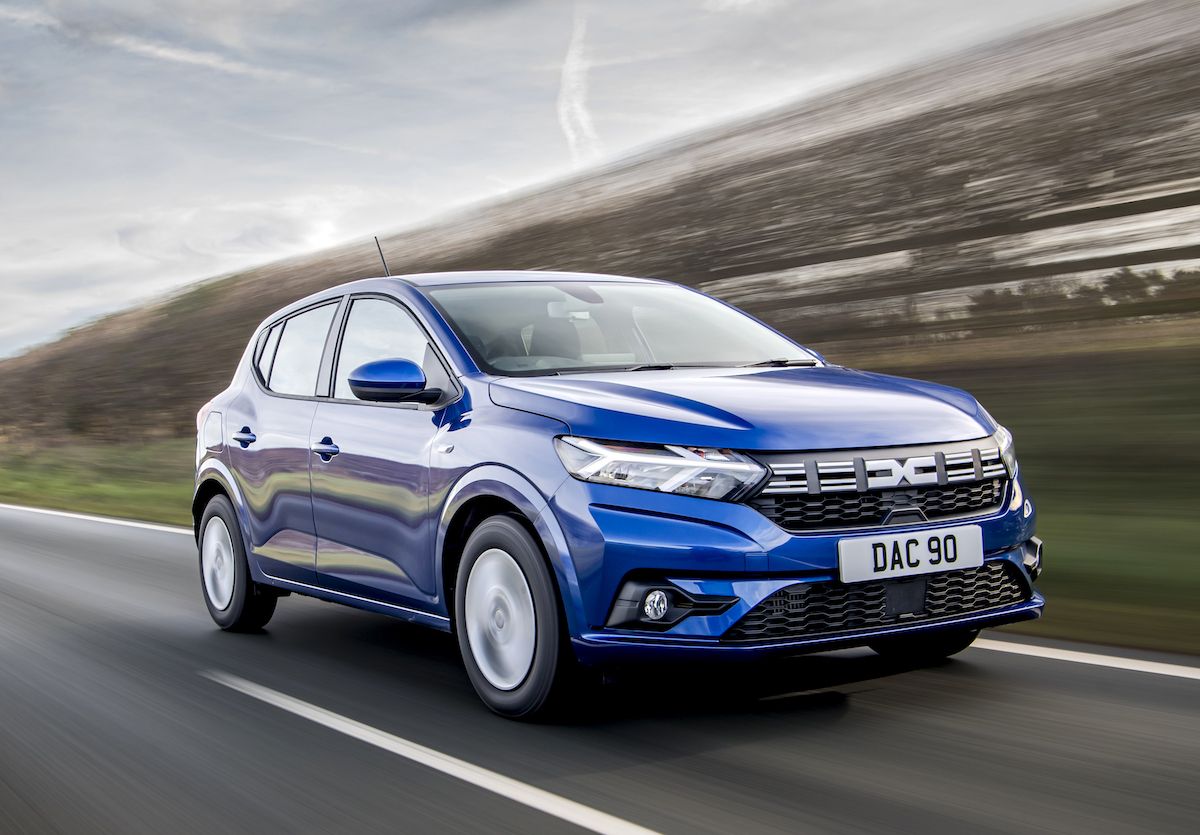
The Dacia Sandero has built a reputation on being fantastically cheap to buy and run, and that's key to its low insurance costs. Insurance groups for the range sit between a very low 4 and 11, meaning premiums won't break the bank. The latest 2026 models come with a 99bhp 1.0-litre petrol engine that promises to be just as frugal as the outgoing unit, which could manage over 53mpg. This combination of a low purchase price, affordable insurance, and excellent fuel economy makes the Sandero a champion of low-cost motoring.
Being cheap to insure doesn't mean you have to compromise on practicality. The Sandero offers space that rivals can't match for the price, with enough room in the back for a couple of adults and a boot that's bigger than most superminis. While entry-level models are basic, the 2026 facelift saw higher-spec Journey models gain a host of equipment, including heated seats and a larger touchscreen, proving that value doesn't have to mean a complete lack of creature comforts. It's this blend of affordability and usability that makes it such a smart choice.
The CarGurus Verdict: "The Sandero has always been a popular car, and this latest one improves things in every single area. It also delivers those classic Dacia trademarks of having loads of space for a laughably small price." - Alex Robbins, senior car reviewer
Read our full Dacia Sandero review
FAQ
What makes a car cheap to insure?
Several factors influence how cheap a car is to insure, but the biggest ones are engine size, power output, safety ratings, and repair costs. Cars with smaller, less powerful engines are seen as lower risk by insurers because they're less likely to be involved in high-speed accidents. Strong Euro NCAP safety scores and cheap, widely available parts also help bring premiums down, which is why small hatchbacks and city cars dominate the lowest insurance groups.
What are insurance groups and how do they work?
Every car sold in the UK is assigned an insurance group from 1 to 50, with group 1 being the cheapest to insure and group 50 the most expensive. These groups are set by the Group Rating Panel, which considers factors such as the car's value, performance, safety features, repair costs, and how attractive it is to thieves. Choosing a car in a low insurance group is one of the most effective ways to reduce your annual premium.
Are automatic cars more expensive to insure than manuals?
Not necessarily. While automatics were traditionally more expensive to insure due to higher repair costs for their gearboxes, the gap has narrowed considerably. In some cases, such as with the Hyundai i10, automatic versions can actually sit in a lower insurance group than their manual equivalents. It's always worth checking the specific insurance group for the exact model and transmission you're considering.
Is it cheaper to insure a new car or a used car?
It depends on the car, but used cars can often be cheaper to insure because their lower value means a smaller potential payout for the insurer. However, newer cars tend to have more advanced safety features, which can also bring premiums down. The key is to check the insurance group of the specific model year you're looking at, as this will give you the most accurate picture of what you'll pay.
Do safety features really affect insurance costs?
Absolutely. Cars with strong safety credentials, including features like autonomous emergency braking, lane-keeping assist, and high Euro NCAP ratings, are generally cheaper to insure. Insurers view these features as reducing the likelihood and severity of accidents, which translates directly into lower premiums. Many of the cars on this list come with a generous suite of safety technology as standard, even on entry-level trims.
What's the cheapest insurance group a car can be in?
The lowest insurance group is group 1 out of 50. Several cars on this list, including the Volkswagen Polo, Kia Picanto, and Volkswagen up!, have versions that sit in this rock-bottom category. However, it's important to remember that the insurance group is just one factor in your premium – your age, driving history, location, and annual mileage all play a significant role too.
What Makes CarGurus Best Cars Guides Different?
Most car buying websites publish lists of the best cars across a variety of categories, with recommendations generally driven by editorial expertise. Here's what makes our best cars guides different: we combine the insights and verdicts of our team of car-testing experts with other factors that we know matter to buyers - real owner experiences and current market value.
To that end, our expert reviewers come from some of the UK's most trusted automotive publications including What Car?, The Telegraph, Auto Trader, Electrifying.com, and Carbuyer. They put each car through real-world testing, and create detailed reviews noting performance in a range of categories, from practicality and driving manners, to running costs and reliability.
But we don't stop there when it comes to creating our best cars guides; we also analyse hundreds of thousands of used car listings on CarGurus UK to track which models consistently offer the highest percentage of best deals relative to how many are listed for sale. Then we factor in user reviews and ratings gathered on CarGurus to get feedback from people who actually live with these cars every day. Our best cars algorithm then creates a final Overall CarGurus rating that combines expert ratings, user reviews, and the percentage of listings on CarGurus UK rated as good or great deals. This three-way approach reveals not just which cars excel on paper, but which ones deliver satisfaction and value when you're ready to buy.
The CarGurus UK market data in this guide was last updated in September 2026. Values were accurate at the time of publication and should be used as a guide only.
Related Topics: