Britain’s motorists predict that Tesla will become the bestselling car brand in 10 years’ time, according to a new survey by CarGurus.
The online car-shopping marketplace commissioned research to mark its first decade operating in the UK, asking 1,000 car buyers over the age of 27 to look ahead to 2036 and predict what the automotive landscape will look like in 10 years’ time.
Which car brand will be most popular in 2036?
Respondents voted for the car brands, bodystyles and technologies that they believe will predominate in a decade’s time: and Tesla is the brand that was most commonly cited as likely to be the bestselling in Britain, with 23% of those polled picking Elon Musk’s breakthrough electric car company to top the sales charts.
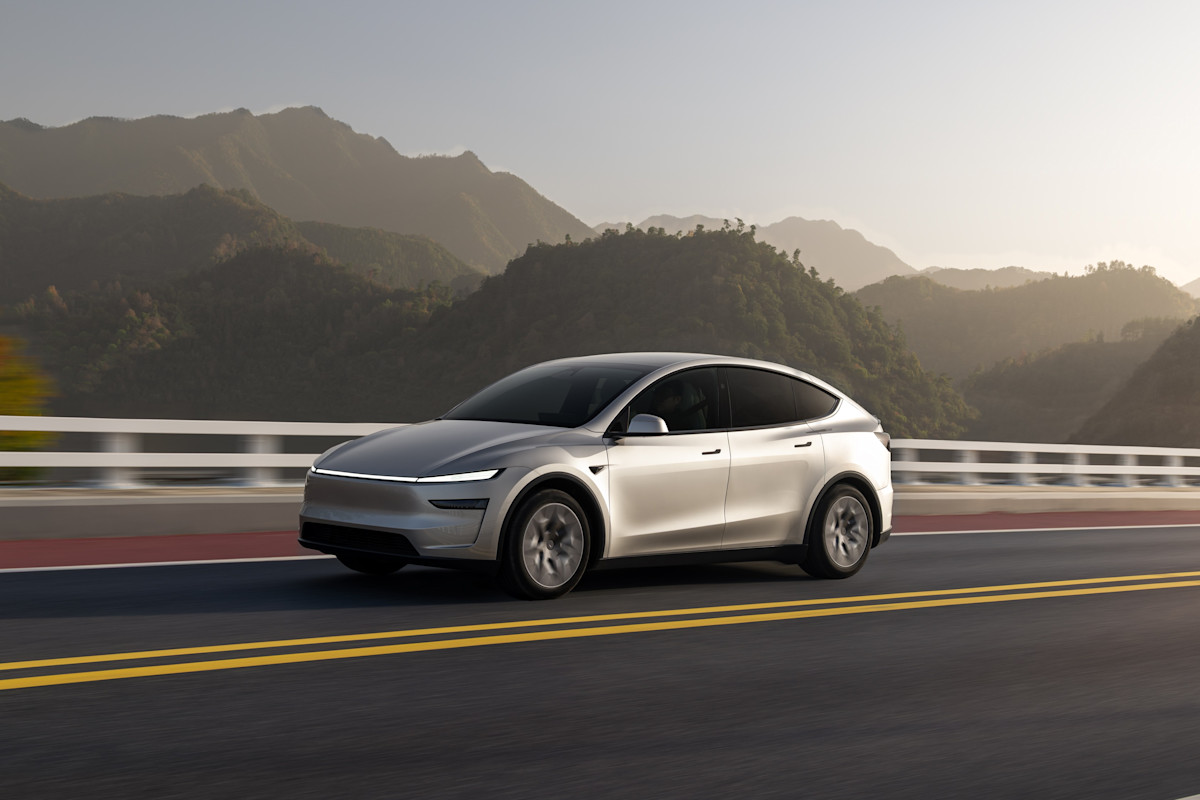
Premium European brands weren’t far behind, with 20% of those polled backing BMW to be the bestselling brand and 19% naming Mercedes-Benz. Those surveyed shied away from predicting that Chinese car brands will triumph in 2036, with BYD polling on 9% and MG Motor on 2%: suggesting that the recent rise in popularity of Chinese manufacturers won’t go unchecked long-term.
Chris Knapman, CarGurus UK Editorial Director, said: “Tesla’s rise shows just how quickly the automotive landscape can change. Yet despite the growing presence of Chinese manufacturers, UK buyers still expect established European brands such as BMW and Mercedes-Benz to challenge for the top spot in 2036, suggesting Chinese brands have yet to establish themselves as the dominant force in consumers’ minds.”
Interestingly, 9% of respondents forecast that a new entrant could be in the number one position in a decade’s time, underlining how quickly new car makers can launch and make an impact in a rapidly changing marketplace, where buyers are less brand loyal and more open to new products.
The powertrain technologies tipped to win in the next decade
CarGurus’ exclusive research also asked motorists to predict which powertrain technology will be in vogue by 2036: and the answer may surprise you. While government legislation and car manufacturers are backing fully electric vehicles over the long term, respondents said they believed hybrid cars would be the most common choice of propulsion system.
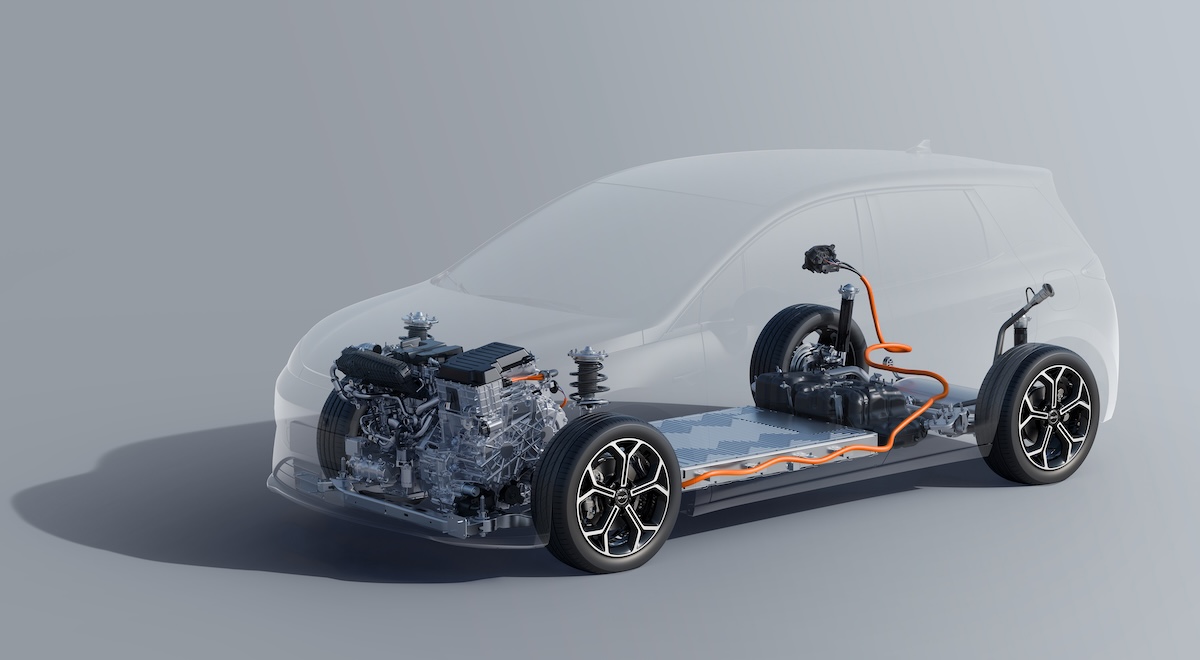
Hybrids took 41% of all votes, ahead of traditional petrol engines (33%) and fully electric vehicles (32%). Only 15% of respondents thought they’d still be buying diesel cars in 2036, reflecting the fall from grace of the oil-burner since the Volkswagen emissions scandal of 2015, the year before CarGurus launched in Britain.
Tesla has only ever produced fully electric vehicles (EVs), and the survey findings underline how fragmented the UK car market has become, and how complicated buying decisions are in a world with more brands, technologies and bodystyles than ever before.
Crystal-ball gazing: which bodystyle will be most popular in 2036?
The survey found that most British motorists believe that SUVs will continue to rise in popularity, forecasting that 40% of all new car sales in a decade will likely be medium-sized SUVs, while small crossovers will make up 28% and hatchbacks – once the dominant market-leader – will shrink to a little over a fifth of all sales, at 21%.
Cars could be much smarter in 2036, but British motorists don’t want technology to come at the expense of reliability. Longevity, reliability and ease of servicing top drivers’ wishlists, with 44% saying these should be car makers’ biggest priorities. Safety technology follows at 42%, while 31% want more efficient powertrains.
Convenience will also be key. Some 38% of those surveyed say they couldn’t live without self-parking, while 30% expect autonomous driving to become commonplace. Interestingly, 27% would welcome battery-swapping as a way of making electric cars easier to live with.
How will car buying change in the next decade?
A common theme from the research is that motorists expect the process of choosing and buying a car to change radically, enabled by new and helpful digital technology. A huge 44% of those polled believe that car purchases would move entirely online, with 38% predicting that virtual reality tours could make a trip to the dealership redundant.

One digital innovation you won’t have to wait 10 years for is CarGurus’ new Discover tool, an AI shopping assistant that lets people describe the kind of car they want in conversational language and then does the hard work of browsing the classifieds to find cars matching their criteria.
“Perhaps the biggest change will be how we buy cars,” said Knapman of CarGurus. “AI could move car shopping away from scrolling through hundreds of listings towards simply telling an assistant what we need and letting it find the best match. With consumers already open to using AI, it could become as natural to car shopping as online search is today.”