It’s no secret that the UK car market has seen a massive influx of new and unfamiliar Chinese brands enter the fray in recent years. And you could take the view that, for car buyers, this poses both pros and cons.
On the positive side, it’s resulted in increased competition, forcing both new and established car companies to provide ever-increasing amounts of technology and features, while at the same time driving down prices (although that second part is still yet to happen to any significant degree with many of the established legacy brands, admittedly).
Looked at less positively, it’s also further congested an already overcrowded marketplace, confusing buyers and offering them more choice than they know what to do with.
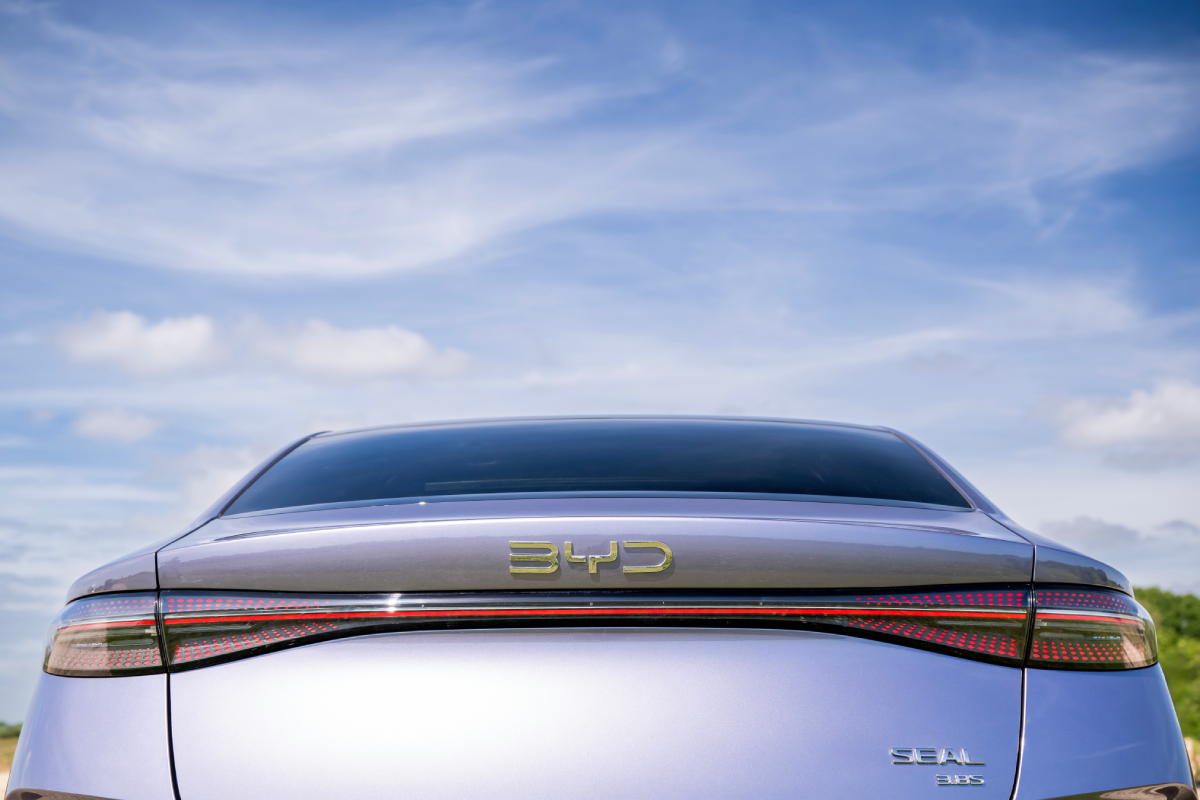
The Chinese Car Brands in the UK, and Those on Their Way
- Why are there so many Chinese car brands in the UK?
- How long have Chinese cars been in the UK?
- Chinese car brands in the UK
- Chinese car brands coming to the UK
Why are there so many Chinese car brands in the UK?
But why now? And why has China’s presence in the UK’s new car market snowballed so quickly? Well, you could argue that there are a number of contributing factors.
The first possibility is that, as the world moves through electrification and into a fully electric age, Chinese firms have got themselves well ahead of the curve on the technology. And, against the backdrop of a rapidly transforming car industry, it could be viewed that car buyers, faced with new technology, are more prepared to accept new providers of that technology, especially if the result is better value for money.
Then there’s the fact that the Chinese domestic car market is even more overcrowded than ours, with several scores of car companies (some estimates put the figure at over 100) fighting tooth and nail for their slice. And despite China having the single largest car market in the world, the saturation is such that many companies have to look to exporting to keep their profit margins high enough to survive.
And there are only so many new markets they can export to. The USA is a no-go area due to the continuing trade war, while markets like Australia have already been penetrated. That leaves Europe as China’s number one target, and because the UK charges a lot less import duty than most of Europe, while also being the world’s seventh largest car market, Britain now forms the bullseye of that target.
How long have Chinese cars been in the UK?
That said, the Chinese influence on the UK car market actually started much longer ago than a lot of people think, and much goes much deeper. Did you know, for example, that Chinese companies are owners of, or investors in, a variety of car brands that you’ll already be extremely familiar with, and have been for years? We’ll talk about a brand called Geely a bit later, as this is a firm that’s recently set-up-shop in the UK, but the giant manufacturing conglomerate behind it - also called Geely, confusingly - already owns Volvo, Lotus and Polestar, and also part-owns Smart. MG, meanwhile, is owned and operated by SAIC Motor, itself a Chinese state-owned company.
And speaking of MG, that brand is actually a good case study into the tactics being used by many Chinese brands to try and gain traction in the UK market. Provide larger-than-average cars, with more-generous-than-average standard equipment, for a lower-than-average price, and cover the whole thing with a more-generous-than-average warranty package to fend off any doubts over the reliability and build quality of an unfamiliar brand.
After all, everyone loves a bargain, and if people feel like they’re getting one, they’ll keep coming back for more. It’s proved very successful for MG, just as it is for several other Chinese brands that are employing similar tactics nowadays, as we’ll find out.
So, which brands are these newfangled Chinese ones, and what are they all about? And, which of them are already here, and which of them can we expect to arrive in the UK in the coming months and years? Our guide tells you everything you need to know.
Chinese car brands in the UK
- Aion
- BYD
- Changan
- Chery
- Denza
- Geely
- Haval
- Jaecoo
- Lepas
- Maxus
- Omoda
- Ora
- Leapmotor
- MG
- Poer
- Skywell
- XPeng

Aion
Aion might well be a new name on you, but it’s a very well-known name in other parts of the world. It’s part of the GAC group, headquartered in Guangzhou, and it happens to be the world’s third-largest manufacturer of battery electric vehicles. Having only hit the UK relatively recently, the brand currently only has a couple of offerings on these shores - both electric, predictably - the Aion V SUV and the Aion UT hatchback. The company's main schtick, though, is what it calls its ‘Great 8 Promise’: that’s eight years of warranty (limited to 100,000 miles), servicing, roadside assistance, and MOTs included as standard
BYD
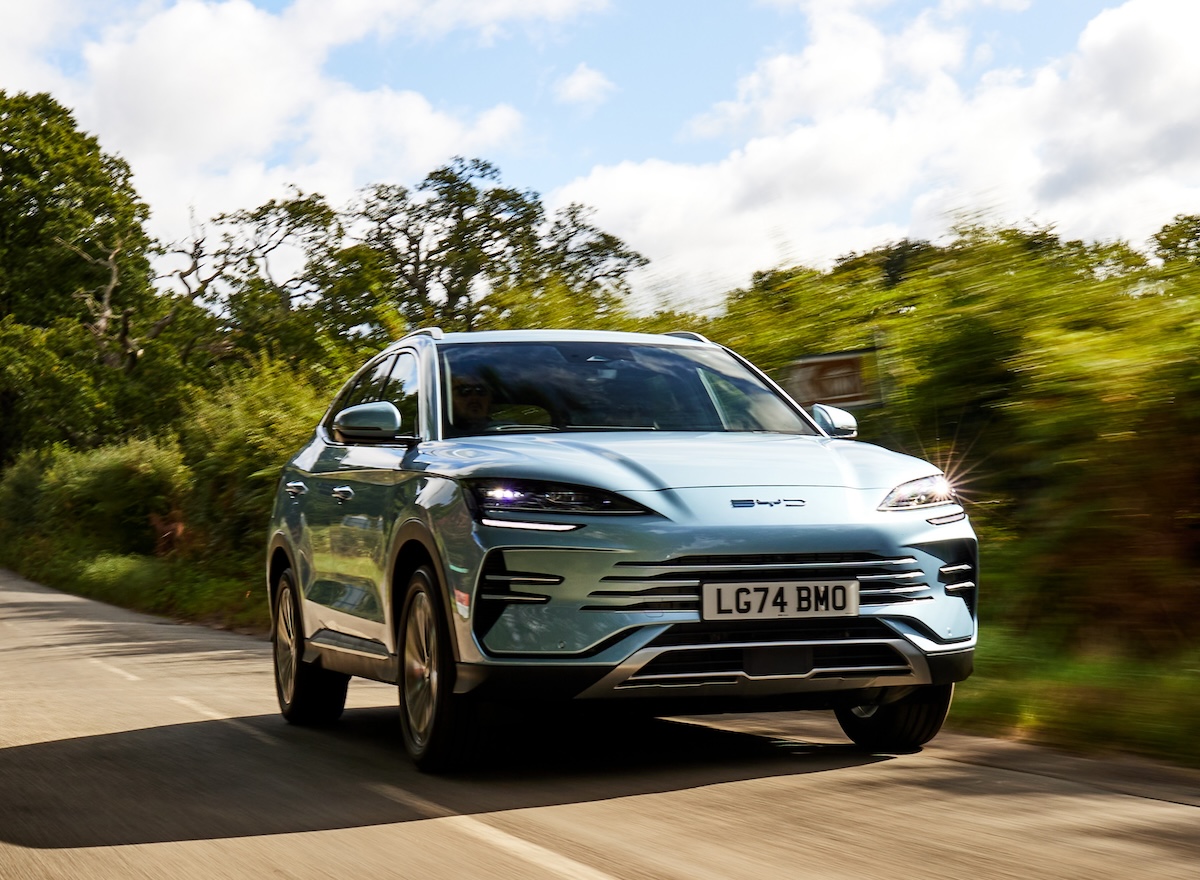
Over the past couple of years, BYD has been the poster child of China’s full-scale assault on the British car market. It only started selling cars in the UK in 2023, but in just a few short years, the brand has launched more than a dozen electric- and plug-in-hybrid models, and clocked up some pretty impressive sales figures along the way. BYD stands for ‘Build Your Dreams’ and perhaps the most interesting thing about the company is that it builds pretty much all the parts for its cars itself so that it doesn’t have to rely on third-party suppliers like other carmakers do. That includes the innovative ‘Blade’ batteries, the motors, and all the in-car tech. In fact, the only part of a BYD that isn’t made in-house is the glazing.
Changan
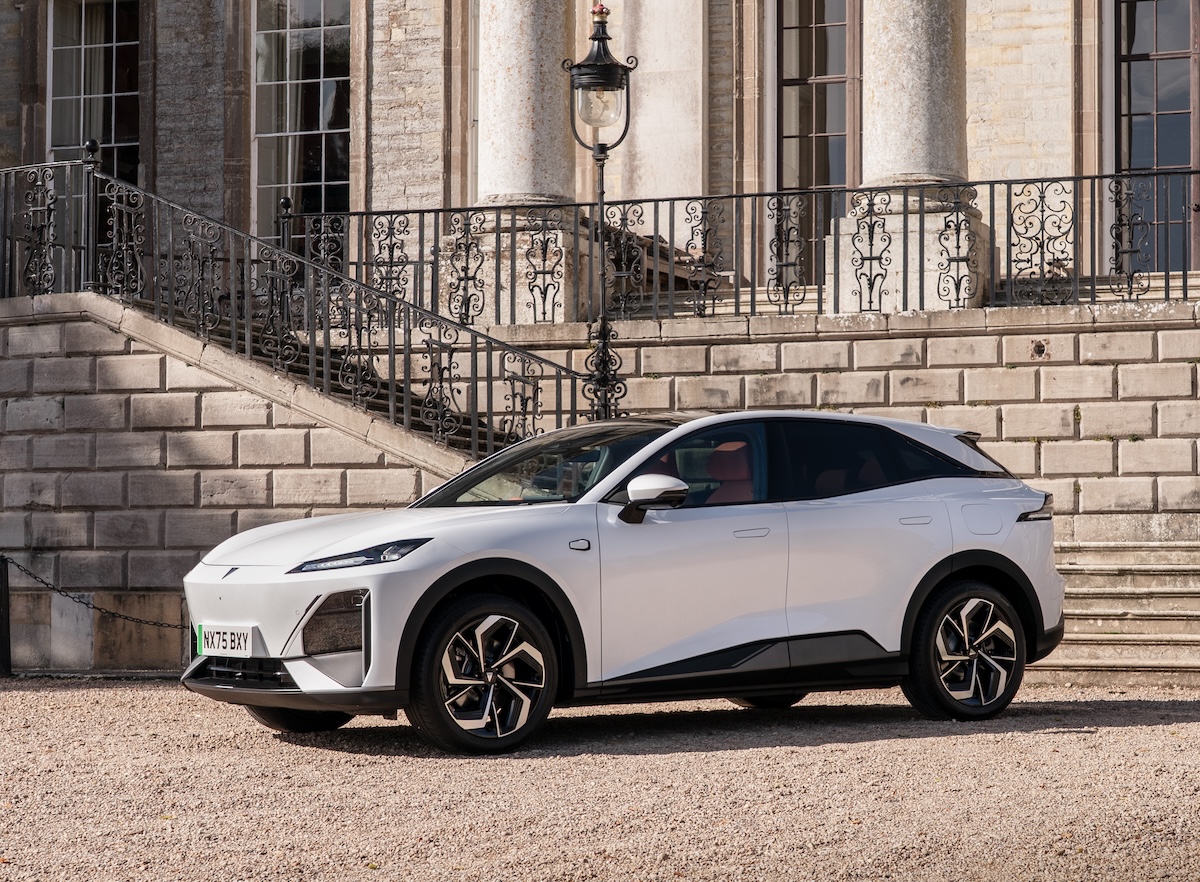
Changan is a Chinese brand that’s operating right out of the Chinese Brand Playbook, and following it to the absolute letter. Come up with an electric SUV that bears more than a passing resemblance to the Tesla Model Y in its look, feel and features, pack it full of standard kit, punt it out at a knockdown-ish price, and slap a seven-year/100,000-mile warranty on it. Textbook. The car in question, the Deepal S07 electric SUV, has since been joined in Changan’s UK range by the smaller Deepal S05 SUV, which is available both as an EV and as a plug-in hybrid. And we wouldn’t be surprised if there were more to follow in the coming years.

Chery
You’ll be hearing a lot about Chery throughout this article. The main Chery company is a huge manufacturing conglomerate that happens to be China’s second oldest carmaker, and also its biggest exporter of new cars. It operates all over the world under a number of different brands, a few of which you’ll find on this list, and one of the brands in question shares the same name as the umbrella company. The Chery brand is an unapologetically budget offering while others in the group consider themselves to be more aspirational, and its UK offering currently includes SUVs of various sizes - the Tiggo 4, Tiggo 7, Tiggo 8 and Tiggo 9 - powered by a mixture of petrol-, hybrid- and plug-in-hybrid powertrains. Each of them offers bags of space and standard kit for eye-rubbingly low prices.

Denza
Remember we talked a wee while ago about BYD, and the speed at which the firm has launched several new models into the UK market? Well, it hasn’t stopped there. It’s also managed to launch Denza, a separate luxury brand (think of what Lexus is to Toyota) into the UK, complete with a handful of models of its own. These include the Bao 5 off-roader, the Z9GT shooting brake grand tourer, the D9 luxury MPV, and the Z electric sports car. We’ve already tried most of them: some are impressive, and some, well, not so much. But you have to respect the ambition of the BYD group, and the speed with which it’s going about its business.
Geely
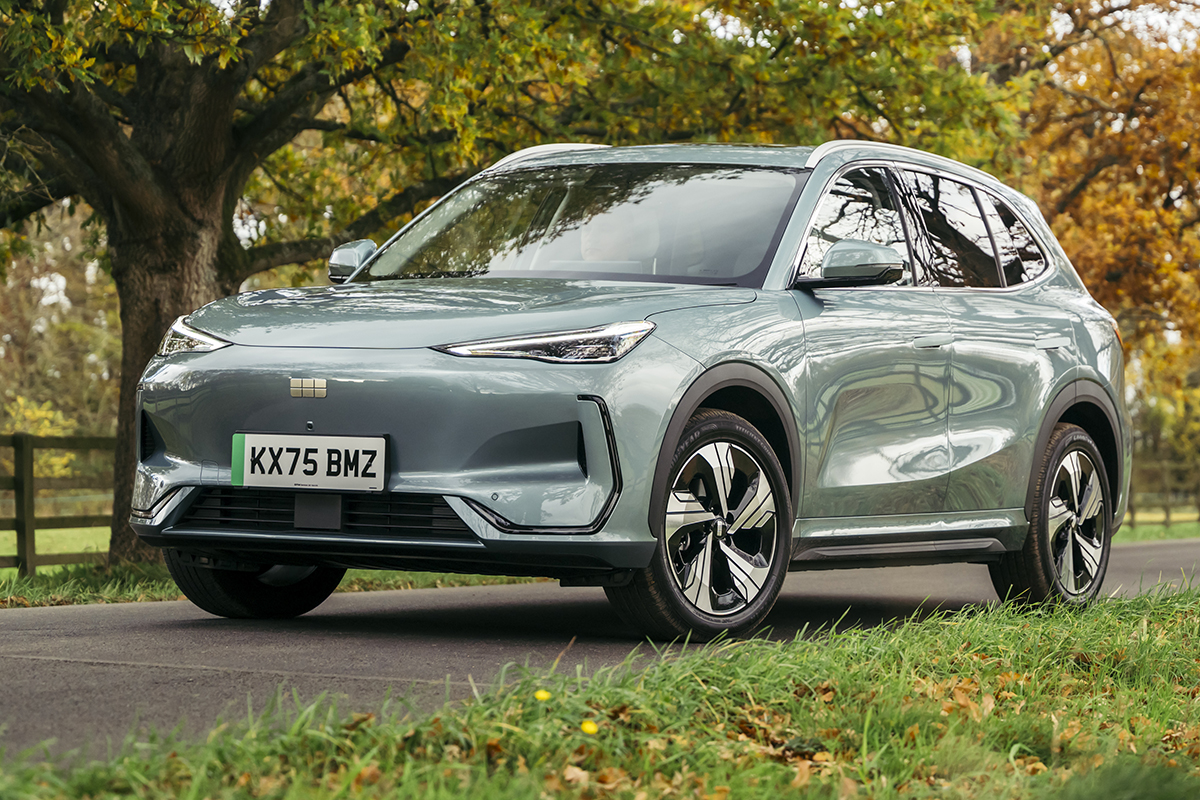
We’ve already mentioned Geely, the huge Chinese manufacturing giant that has its fingers in a wide variety of metaphorical automotive pies, some of which will already taste very familiar. Volvo, Polestar, Lotus and Smart are all owned or part-owned by the firm, and have been for several years. Outside of these interests, Geely has now also set itself up in the UK as a brand in its own right. So far, its offerings include the EX2 small electric hatchback, the EX5 electric SUV, and the larger Starray EM-i plug-in-hybrid SUV. As is the case with many of the brands on this list, standard equipment is extremely generous and prices are aggressive.

Haval
Haval is part of Great Wall Motors, the same outfit who a few years ago offered us the Great Wall Steed pickup truck. Unconventionally, Great Wall Motors seems to indulge in the rather strange practice of only offering one model from each of its brands: Ora offers you the 03 electric hatchback, Poer offers you the 300 pickup truck, while Haval’s offering is the Jolion Pro. The Jolion Pro is a small SUV with a hybrid powertrain, and if we’re honest, other than a very low price, we can find very few reasons to recommend it.
Jaecoo
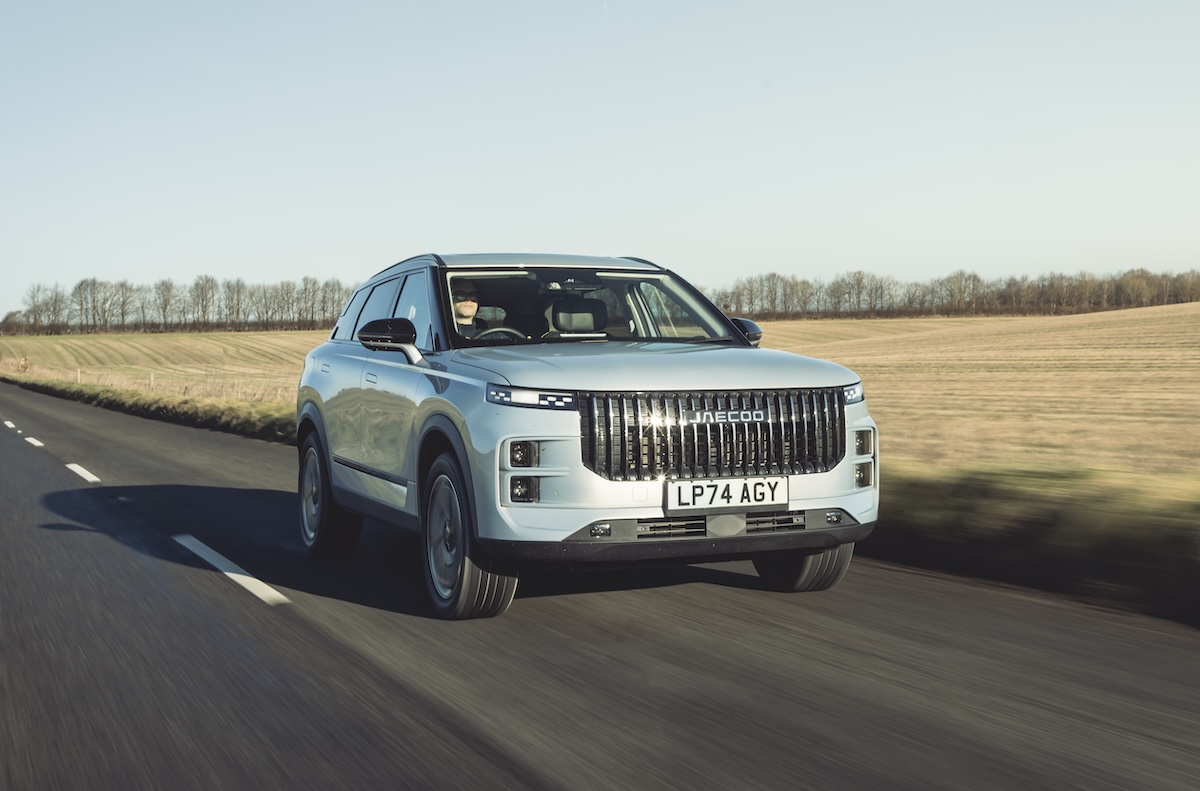
If most of the brands on this list are still pretty unknown to you, here’s one you might well have heard of (it’s certainly a name that’ll stick in your head, being a strange contraction of ‘Jaeger, the German word for hunter, and the English word ‘Cool’). That’s due to the colossal success Jaecoo has enjoyed since hitting the UK car market in January of 2025. It’s part of the Chery group we mentioned earlier, and it currently has three SUVs on offer in the UK, the Jaecoo 5, the Jaecoo 7 and the Jaecoo 8. And the middle one, the Jaecoo 7, has come from nowhere to surge right up the UK best-sellers list, and it’s now a constant fixture near the very top of the standings, outperforming some huge household names in the process. How? Well, It’s most likely the combination of the car’s Range-Rover-like looks, its convincing interior quality, its generous standard equipment, and its comparatively low price.

Lepas
Lepas is another of one of those Chery-group brands we mentioned, and it’s held up as the most premium one of the lot. It’s also the latest one to be launched in the UK. And, like with Jaecoo, the name comes from a pretty odd place. The first bit comes from the word ‘Leopard’, the animal from which the brand takes its design inspiration, apparently (and no, that doesn’t mean that the paintwork has spots, before you ask), and the second part comes from the word ’Passion’. The firm’s first offering in the UK is the Lepas L8, a large five-seat SUV with a plug-in hybrid powertrain, and that’s soon to be followed by the L6 mid-size SUV and the smaller L4 compact SUV.
Maxus
Maxus is part of the SAIC Motor group we mentioned earlier, the same state-owned Chinese outfit that owns and operates MG, with which you’ll probably be familiar. Maxus is mostly a purveyor of commercial vehicles: it offers a wide variety of vans and a couple of pickup trucks, with both diesel and electric powertrains on offer. However, a couple of passenger-car models are offered, too, in the form of the Maxus Mifa 7 and Maxus Mifa 9. These are all-electric luxury people carriers, with seating for up to seven people and eight people, respectively. It’s entirely likely that you’ve never seen one before, and entirely possible that you never will, such is their rarity.

Omoda
Omoda is the last of the Chery Group brands to feature on our list of the Chinese brands currently offering its wares in the UK, which is slightly ironic, because it was the first of the Chery brands to make it to these shores, arriving in late 2024 and pipping Jaecoo by just a few months. Omoda sees itself as the stylish, design-led brand of the portfolio (if you need some context on the others, Lepas is seen as the luxury brand, Jaecoo is the aspirational off-roader brand, and Chery is the budget-focused offering). Whatever the marketing spiel, though, the offering takes the form of three SUVs of varying sizes (the 5, 7 and 9) with powertrains including petrol, hybrid, plug-in hybrid, and all-electric. Sound familiar?

Ora
Now, we know this is supposed to be a list of the Chinese brands that are on offer in the UK, but in the case of Ora, it’s a Chinese brand that was on offer in the UK. This member of the Great Wall Motors group launched the fabulously named Funky Cat electric hatchback to the UK market back in 2022 to offer a distinctively styled rival to the MG4 and Volkswagen ID.3. Just over a year later, the firm gave the car a comparatively dull rebrand, switching the name to the 03. And, after selling just 542 of the things in the UK in the whole of 2025, and just 26 in the first quarter of 2026, GWM decided to suspend new-car sales and shelve its future expansion plans for Ora in the UK while it works out a recovery strategy to save its ailing European business. You could say that the Funky Cat slunk off to lick its wounds. Whether or not it will return later is unclear. Watch this space.

Leapmotor
Leapmotor is a Chinese car company through and through, but it’s one with very strong European connections. The firm is headquartered in Hangzhou and was founded in 2015, selling its first cars in China in 2019. In 2023, however, a portion of the company was purchased by European manufacturing giant Stellantis - the same crew that owns and operates a large number of well-known brands such as Citroen, Peugeot, Vauxhall, Fiat, Jeep, Alfa Romeo, and others besides - and in 2024, an agreement was reached to start selling Leapmotor vehicles in Europe, the UK included, through existing Stellantis dealerships. The firm’s rapidly expanding product line-up contains hatchbacks and SUVs of varying sizes, with all-electric and hybrid powertrains. As you’d expect from most Chinese offerings, kit levels are high and prices are low.

MG
MG has the honour of being arguably the most recognisable name on this list, and that’s not just because it shares its badge with a range of sensationally cute British sports cars from the 1950s and 60s. No, it’s also because when parent company SAIC Motor swooped in to save the old British marque when it found itself in deep financial issues in the mid-noughties, it became the first Chinese brand to operate on these shores in earnest. And, after years of steadying the ship by punting out decidedly mediocre hatchbacks and SUVs at bargain-basement prices (MG pretty much wrote that Chinese Brand Playbook we mentioned earlier), MG has experienced a serious renaissance in recent years. Pretty much all the firm’s many models now have broad appeal that amounts to much more than just their price, and some - such as the latest IM models and Cyberster sports car - are properly aspirational. As such, MG regularly finds itself on the fringes of the list of the UK’s best-selling brands.
Poer
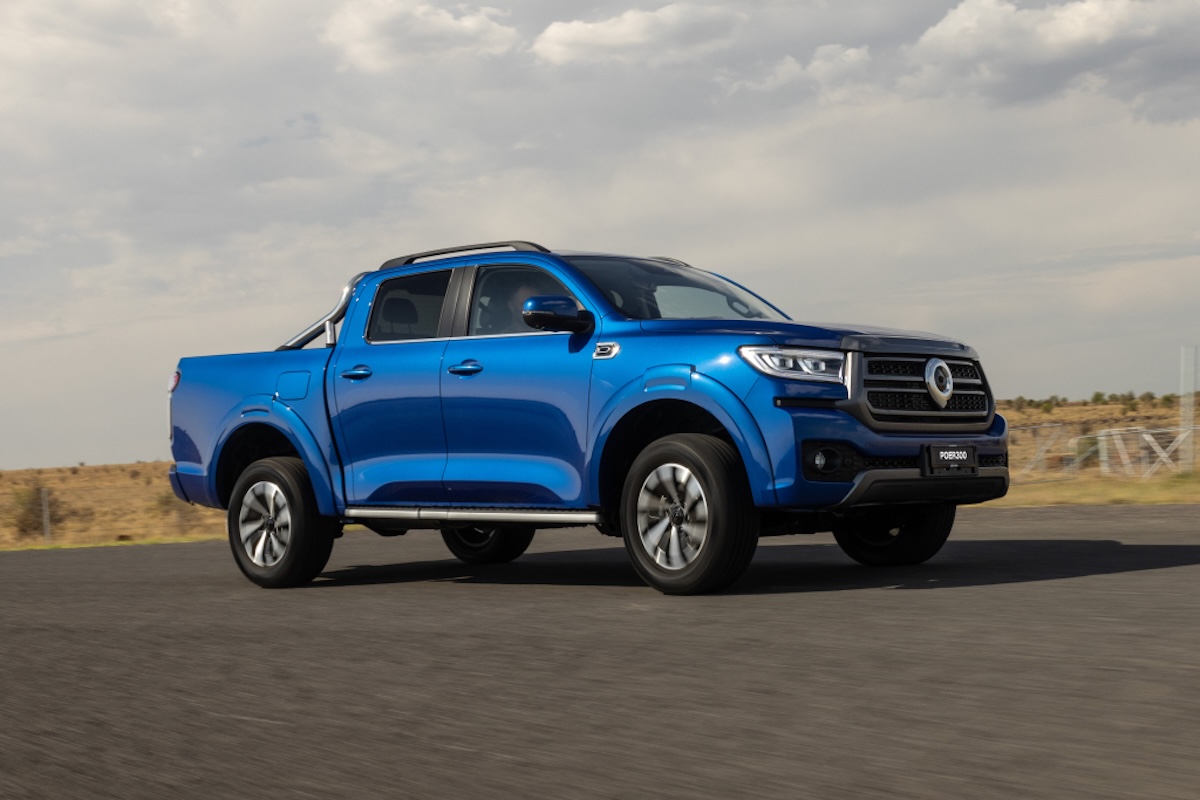
We mentioned Poer a little earlier when talking about the Haval Jolion Pro. It’s another of the brands from Great Wall Motors, and again, it offers just a single model, the Poer 300 pickup truck. Think double-cab bodystyle, torquey 2.4-litre turbodiesel engine, nine-speed automatic gearbox, four-wheel drive, a tonne-plus payload and 3.5-tonne towing capacity. But while rugged on the outside, it aims to provide a bit of luxury inside. Entry-level versions come with smart keyless entry, man-made leather upholstery, a self-park function, wireless smartphone charging, and a 12.3-inch central touchscreen with Apple CarPlay, Android Auto, and voice control. The higher trim level adds full leather trim, heated- and ventilated front seats with electric adjustment, a heated steering wheel, a sunroof, and a 360-degree camera.

Skywell
Remember when discussing Ora earlier on, we talked about a car brand that used to be available in the UK, but is now undergoing an enforced hiatus? Well, it’s a similar story with Skywell, which is an electric car brand owned and operated by Skyworth, a Chinese consumer electronics manufacturer that’s more famous for making televisions, refrigerators, washing machines and solar panels. Having originally been launched in late 2024, Skywell’s BE11 electric SUV was offered for sale here in the UK, but experienced slow sales, with just 31 cars sold throughout the whole of 2025. And in July of 2026, the firm’s UK importer, Innovation Automotive, abruptly shut-up-shop, and all new-car trading ceased. Rumour has it that Skywell is actively seeking a new partner to continue selling cars in the UK, and only time will tell whether that search will be successful.
XPeng
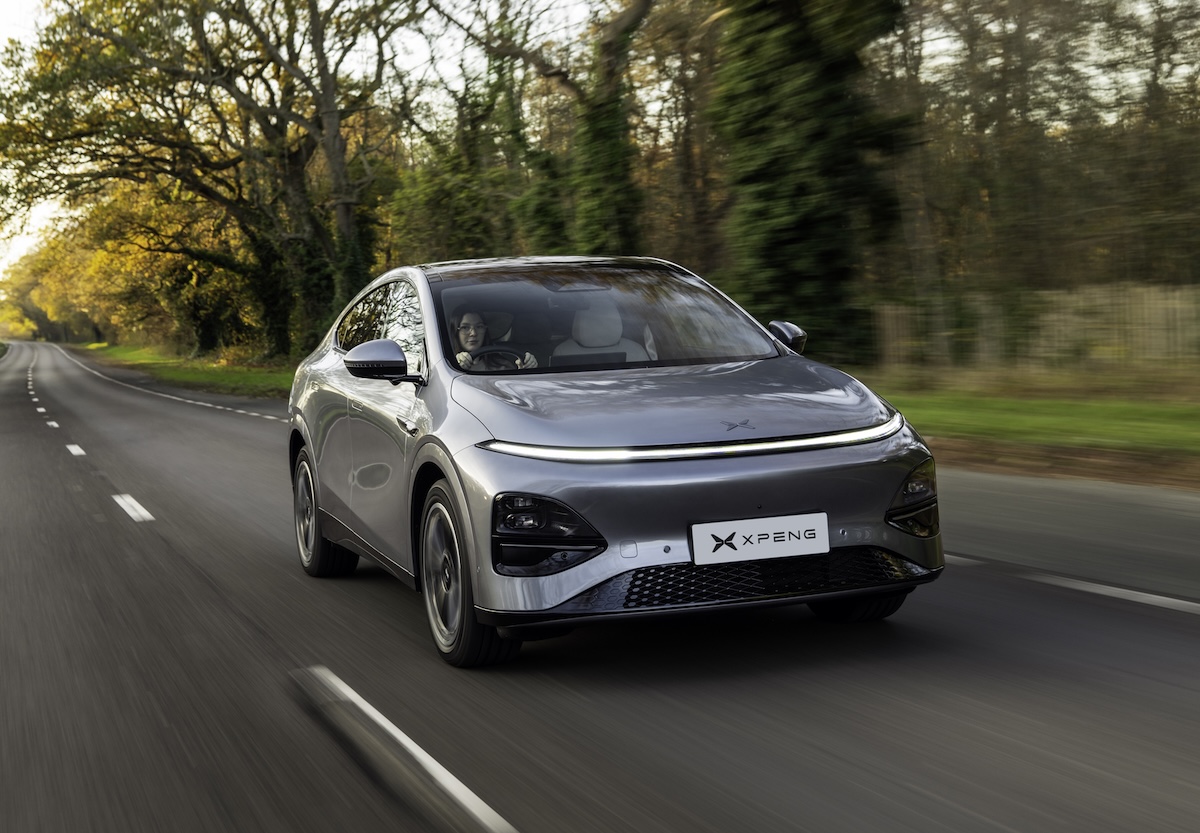
XPeng doesn’t consider itself to be a car manufacturer. Instead, it considers itself to be a tech company (how fashionable!) that happens to make cars. So, as well as the G6 electric SUV that’s offered for sale here in the UK, the firm’s product portfolio also contains a spooky AI-powered humanoid robot assistant called Iron, and various flying car prototypes. It doesn’t take the most observant of eyes to notice that the G6 has taken more than a hint of inspiration from the Tesla Model Y, so it’s all curvy lines, frameless windows, full-width LED light bars, and electrically retracting hidden door handles. The firm’s tech-focus also means that the G6 is packed with functionality, but it’s all accessed though a huge central touchscreen that’s way very complicated to decipher.
Chinese car brands coming to the UK

Aiways
Aiways is a Shanghai-based electric car brand that launched in 2017, and in case you were wondering, the name is a merging of the phrase ‘AI is on the way’ (although many would argue that it’s already here, effectively making the name of the brand out of date before it’s even launched in the UK). Company officials originally stated that Aiways was planning to enter right-hand drive markets - including the UK - from summer 2023, and after that came and went, the smart money went on the second half of 2025, although, obviously, that timeframe is also now in the distant past, too. However, an entrance into the UK market seems inevitable eventually, not least because Aiways has actually taken the drastic step of pulling out of its own domestic market in China due to the price war that’s currently raging, focusing instead on the European market. Its first UK offering is expected to be the U5 electric SUV, which is already on sale in other parts of Europe, alongside the U6 coupe crossover.
Firefly
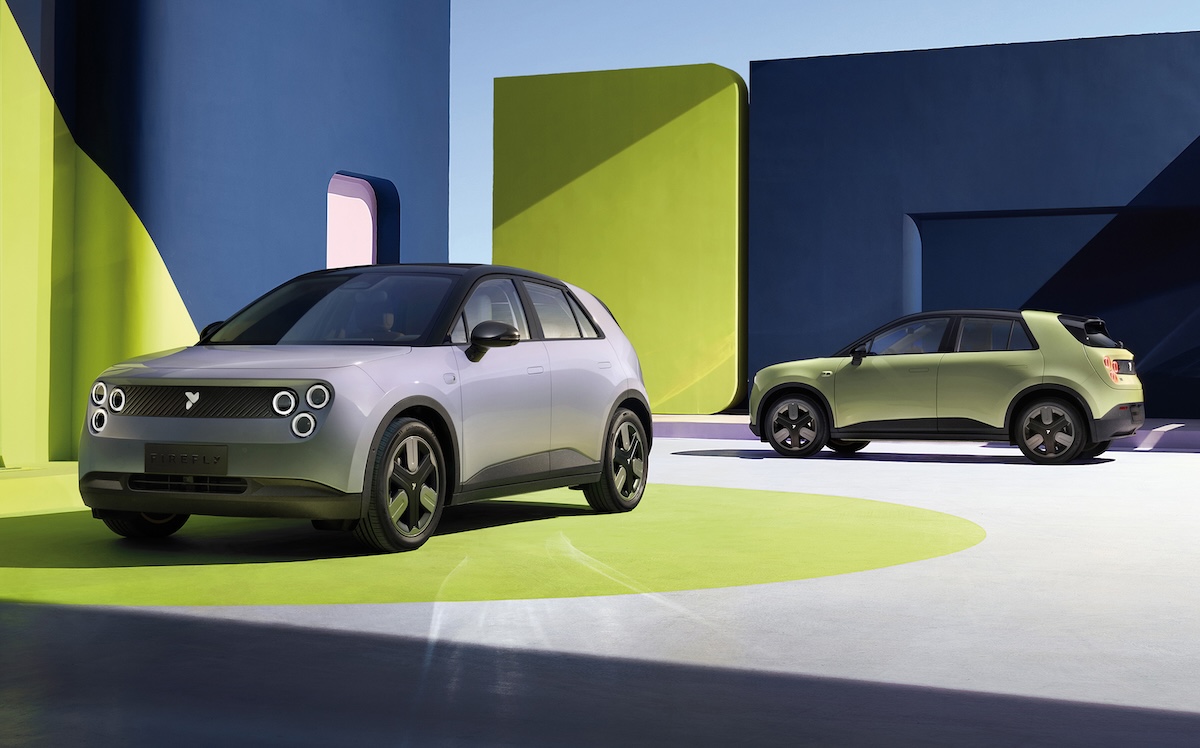
A little further down this article, you’ll read about an electric car outfit called Nio, which is seen by many as a Chinese premium brand. Firefly is an offshoot of the same outfit, and it’s a purveyor of a single model, a small, stylish hatchback with a premium interior. Think of what MINI is to BMW, and you’re somewhere close to understanding the relationship. The Firefly certainly looks cool, with its compact dimensions and its teeny circular lighting elements at both ends. The car has a range of about 200 miles
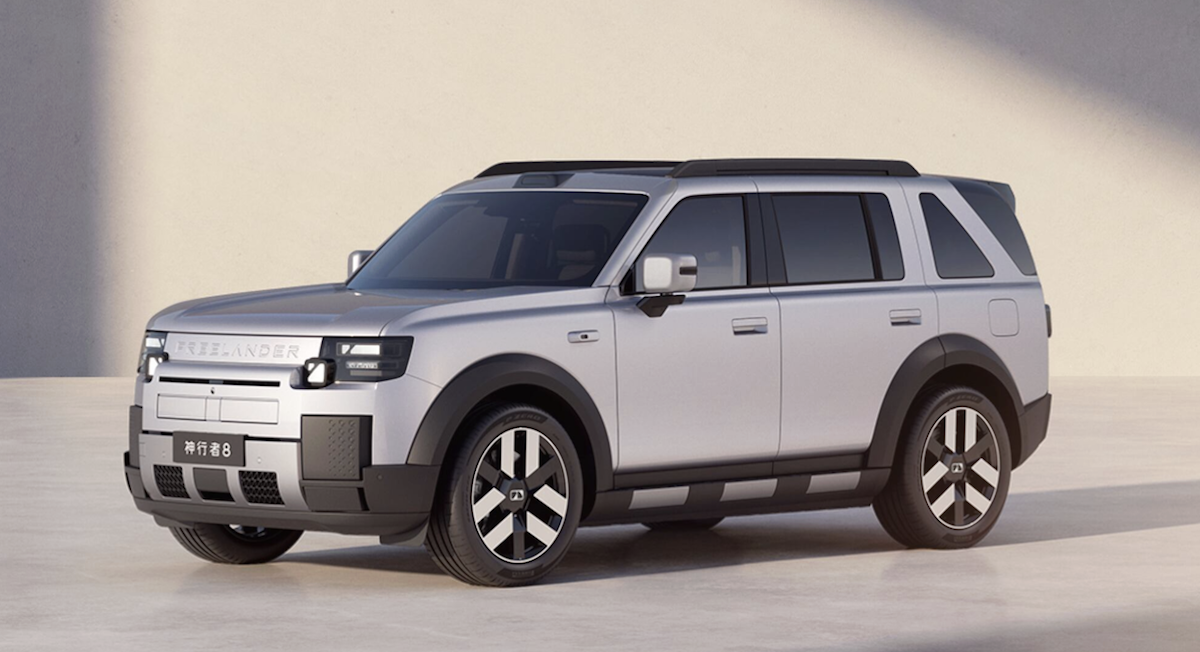
Freelander
This might seem like barefaced theft of somebody else’s trademark and styling, but fear not: although the Chery group is the driving force behind the Freelander brand, and the Freelander 8 you see in our picture, the whole thing is part of a joint venture with Jaguar Land Rover. JLR handles the design, while Chery is responsible for the engineering, manufacturing and selling of the cars. The Freelander 8 is only available in China for now, but will roll out to other markets in the foreseeable, and the UK will likely be one of them. In China, the Freelander 8 is available in five-seater- or six-seater forms, and with a plug-in hybrid powertrain. There could well be spec changes for UK cars, though.
Honqi
Honqi is China’s oldest car brand, having been founded in 1958, before private ownership of cars was actually legal in the country. Originally, the firm exclusively produced cars that carried high-ranking Government officials and foreign dignitaries around, but it now offers luxury models to anyone with the cash to pay for them. It’s owned and operated by the FAW (First Automotive Works) Group, which is one of the big-four state-owned Chinese manufacturers, along with SAIC, Dongfeng and Changan. It offers a range of premium saloons and SUVs, some of them in other parts of Europe, but the brand’s entry into the UK market is likely to focus on two battery-electric models, the EH7 saloon and the EHS7 SUV.
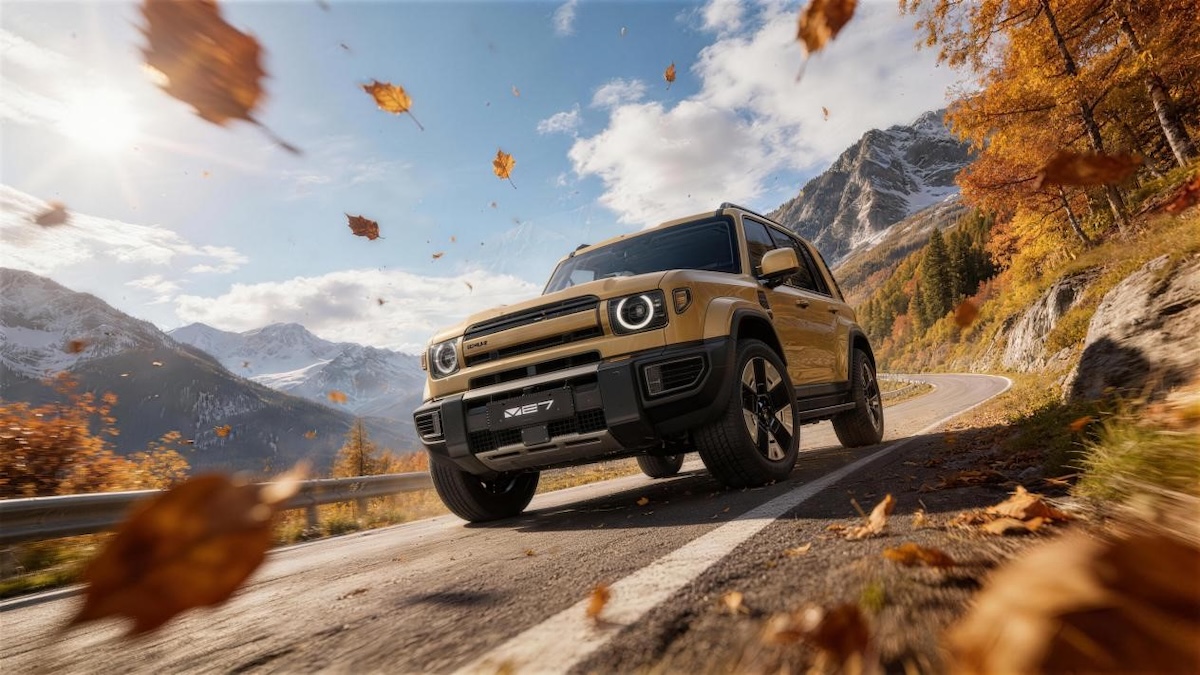
iCaur
iCaur is actually known as iCar in China, but outside of its home market, the brand has had to be renamed iCaur because the iCar trademark is owned by Apple. The pronunciation is the same, though, apparently. It’s yet another brand from the Chery Group, so expect it to join the company’s UK onslaught sooner rather than later. As our image suggests, iCaur is a purveyor of off-roaders, but these ones happen to be battery-electric. Expect lots of talk about rugged, outdoorsy lifestyles.
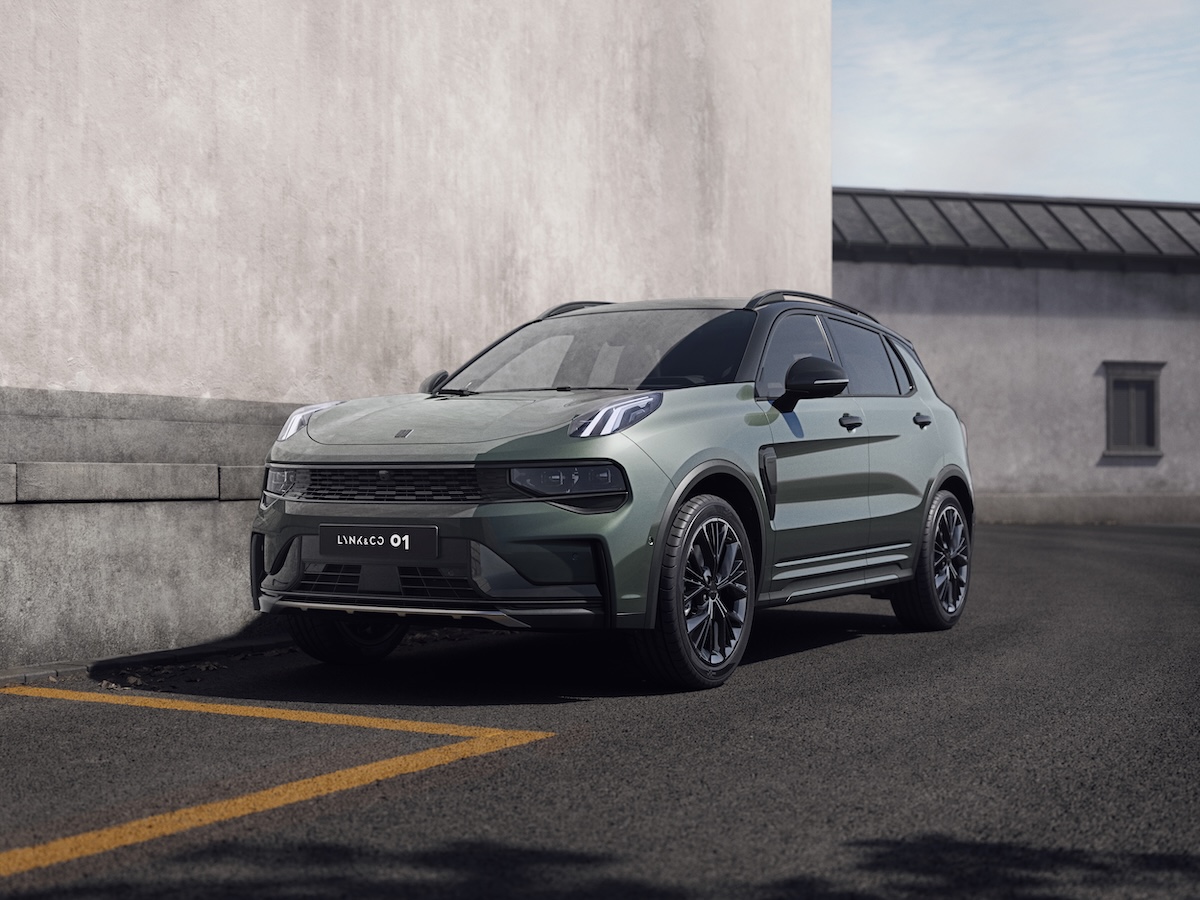
Lynk & Co
We’ve already talked about Geely quite a lot in this article, and it’s time to again. Lynk & Co was originally started in 2016 as a joint venture between Geely and Volvo, but more recent shakeups in its ownership structure means it’s now co-owned by Zeekr (51%) and Geely (49%), although Zeekr is wholly owned by Geely, so Geely effectively owns the whole shooting match. Whatever the case, the cars themselves share their platforms and tech with Geely and Volvo models. Traditionally, the brand has adopted a direct-to-consumer sales model, much like the one used by Tesla, but in March 2026, Volvo was appointed as official European importer for Lynk & Co, the plan being for Volvo to sell Lynk & Co vehicles through its network of retailers. The cars themselves are mainly SUVs, with either plug-in-hybrid- or fully electric powertrains.

Nio
Nio is a maker of luxurious electric cars with a big focus on tech, but probably the most interesting thing about the company is its battery-swapping tech. The firm operates a network of battery-swap stations (approximately 4,000 globally) that allows Nio vehicles to pull in and swap a depleted battery for a fully charged battery, all in around five minutes. It’s even possible to have a bigger battery inserted into your car for when you’re on a longer journey, and a smaller battery the rest of the time. This is also enabled by the company’s subscription basis, where you pay a single fee per month that covers the cost of the car and all the associated costs for insurance, maintenance, battery swapping, etc. While it’s uncertain whether we’ll see the Power Swap Stations in the UK, it's very likely the cars will appear here. Nio is already selling cars in Germany, the Netherlands and a few other European markets, and it’s thought that we can expect the Nio ET5 and ET7 saloons (Tesla Model 3 and Model S rivals) and the Nio EL6 and EL7 mid-sized electric SUVs (rivals to the Tesla Model Y) to be sold in the UK. It’s also possible that the company’s seven-seat SUV, the Nio ES8, will come to our shores.
Voyah
Voyah is a premium brand owned and operated by Chinese state-owned powerhouse Dongfeng, and we’ll soon be seeing its products on our roads. That’s because in May of 2026, it was announced that a memorandum of understanding had been agreed between Dongfeng and European manufacturing giant Stellantis, an agreement that would see Voyah vehicles being built in Peugeot’s factory in Rennes, and sold in Europe through Stellantis’ existing network of retailers. It’s a bit like the partnership Stellantis has with Leapmotor, giving Voyah a significant leg-up in the European market in terms of distribution and support, but it actually goes a step further: because the cars will also be built in Europe, they won’t be subject to the same EU tariffs as Chinese-built ones. There’s no word yet on what models will be offered, or whether they’ll be pre-existing Chinese-market ones, or brand new ones tailored to European tastes.
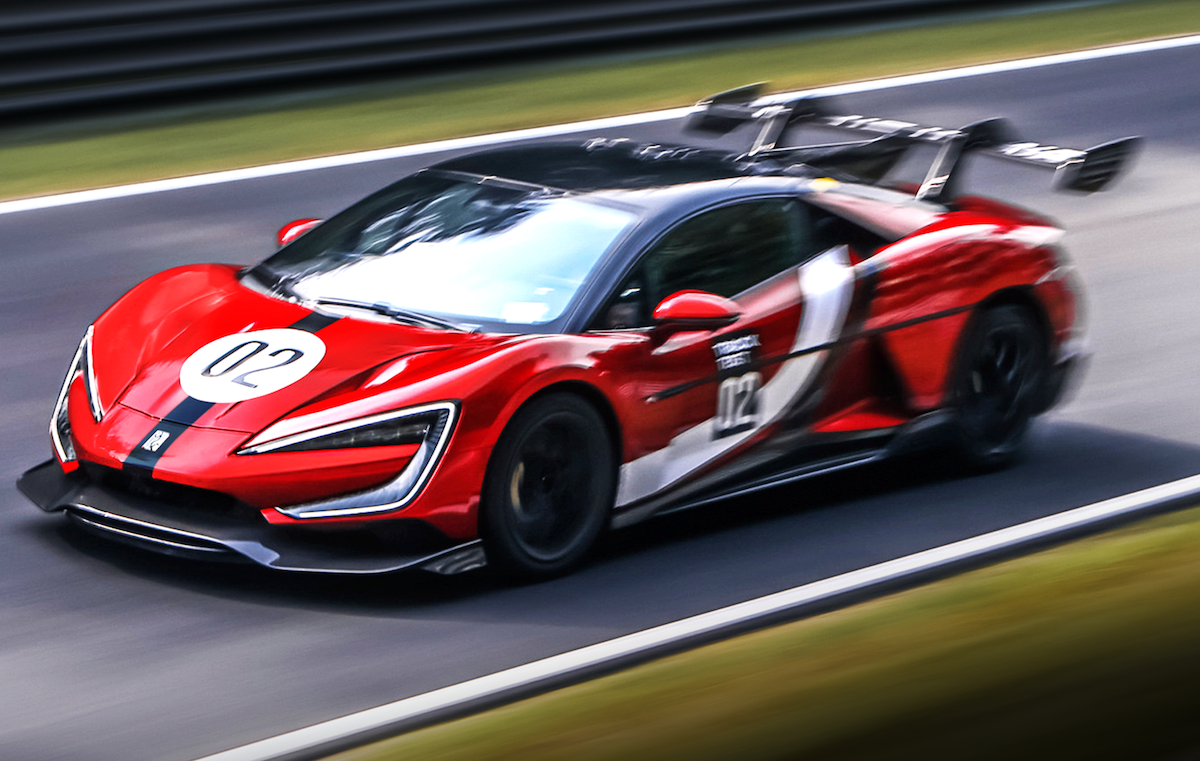
Yangwang
It might have an unusual name, but Europe’s established legacy brands might well be laughing on the other side of their faces when BYD’s ultra-luxury marque hits UK shores. With the firm already having launched premium brand Denza, Yangwang goes a step further up the desirability ladder, and weighs in with some seriously headline-grabbing tech. It’s thought that the new brand’s first offering in the UK will be the U8 SUV, a large-batteried plug-in hybrid that has cars like the Bentley Bentayga in its sights. It can also do on-the-spot tank turns within its own length by turning its left and right wheels in different directions. Oh, and according to the company, it can float in water quite happily for 30 minutes at a time, and even motor itself out by spinning the wheels. Just in case you fancy a bit of semi-amphibious fun. And then there’s the U9 Xtreme supercar, with its four-motor electric powertrain delivering around 3,000bhp, which recently allowed it to clock a top speed of 308.3mph, officially making it the world’s fastest production car. Oh, and it can also jump clean off the ground on its trick suspension. But of course it can.
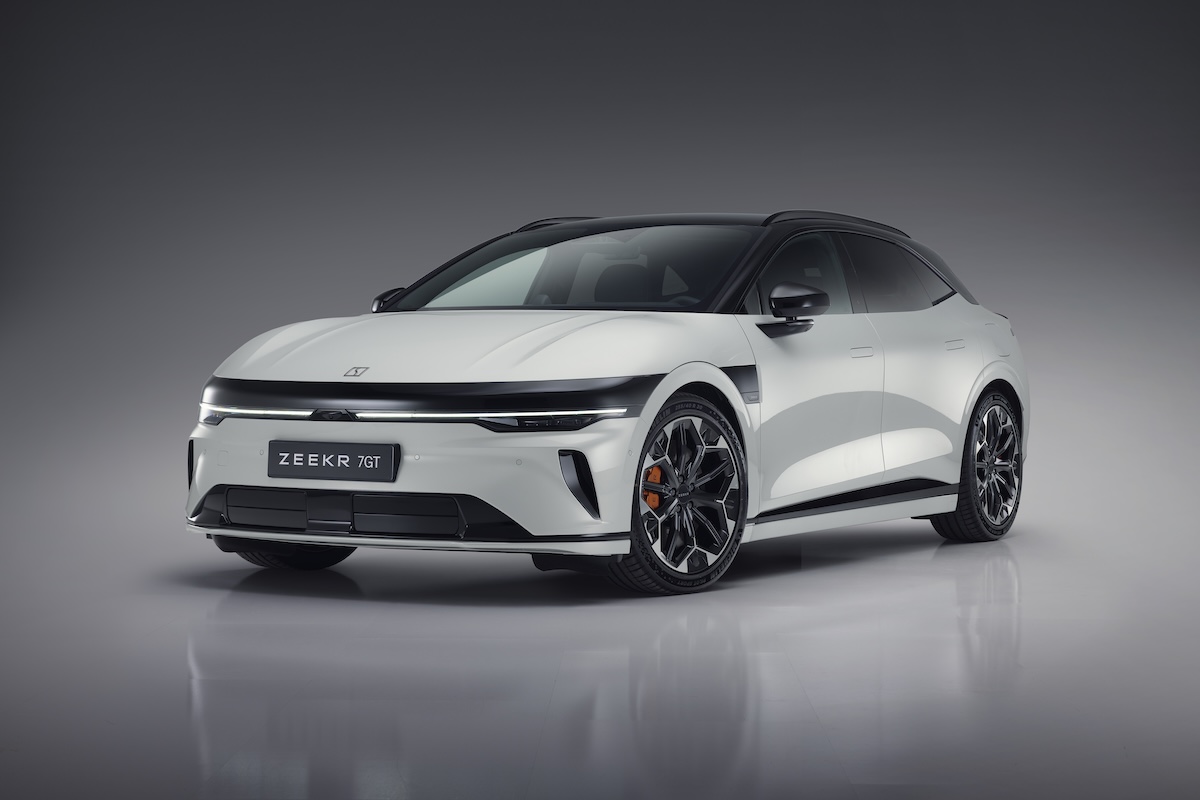
Zeekr
What with all your XPengs and your Yangwangs, it feels as though there’s some sort of desire among Chinese carmakers to be last on the list alphabetically. Well, if that’s the case, the rest plainly hadn’t banked on the emergence of Zeekr. As we’ve already mentioned, it’s yet another member of the Geely stable, and it’s already selling a selection of models in other parts of Europe. It’s not clear which of them will be offered here in the UK once the brand finally crosses the channel, which we expect to happen some time in 2027. One could be the 7GT (pictured), a kind of sleek-looking mash-up of SUV and estate. It comes with a choice of all-electric powertrains, a rear-wheel-drive one with 416bhp and an all-wheel-drive one with 637bhp.
Search for Chinese cars available to buy in the UK right now


