Thinking about a plug-in hybrid? Your mind probably jumps straight to an SUV. It's true: the market is flooded with high-riding family cars that can run on electric power, but what if you don't want or need a bulky SUV? What if you prefer the sharper handling of a saloon, the practicality of an estate, or the compact dimensions of a hatchback? Well, the good news is you're not out of luck. The car industry is still producing some fantastic plug-in hybrid cars that sit closer to the ground.
These cars offer the best of both worlds: enough electric range for most people to handle their daily commute and the school run without using a drop of petrol, combined with a conventional engine that eliminates any range anxiety on longer journeys. From super-spacious estates that can swallow a family's holiday luggage to sharp-suited executive saloons that are kind on company car tax, there's a PHEV car to suit almost any need. Here, we've rounded up the very best of them.
About this guide
The cars in this guide have been selected to represent the best options currently available. Our recommendations are the result of a unique three-part scoring system that takes into account real-world tests from our team of expert reviewers, ratings from real-life owners who live with these cars every day, and an analysis of market data from CarGurus UK to identify which models offer the highest percentage of good and great deals. This combined approach ensures our list highlights cars that are not only great to own but also good value to buy. For more information, scroll to the bottom of this page.
The Best Plug-In Hybrid (PHEV) Cars for 2026
- 2026 BMW 5 Series
- 2026 BMW 3 Series
- 2020-2024 Skoda Octavia
- 2026 Mercedes-Benz E-Class
- 2026 Mercedes-Benz C-Class
- 2026 Skoda Superb
- 2026 Volkswagen Passat
- 2026 Vauxhall Astra
- 2026 Toyota Prius
- 2026 Cupra Leon
CarGurus expert rating: 5 out of 5
CarGurus user rating: 4.6 out of 5
Percentage of good/great deals available on CarGurus: 34.4%
Overall CarGurus rating: 4.5 out of 5
| Pros |
Cons |
| Spacious and beautifully trimmed interior |
Still don't know how it drives on standard passive suspension |
| Shedloads of tech |
Saloon bodystyle hampers boot access |
| Sensational to drive on adaptive suspension |
One too many gimmicks |
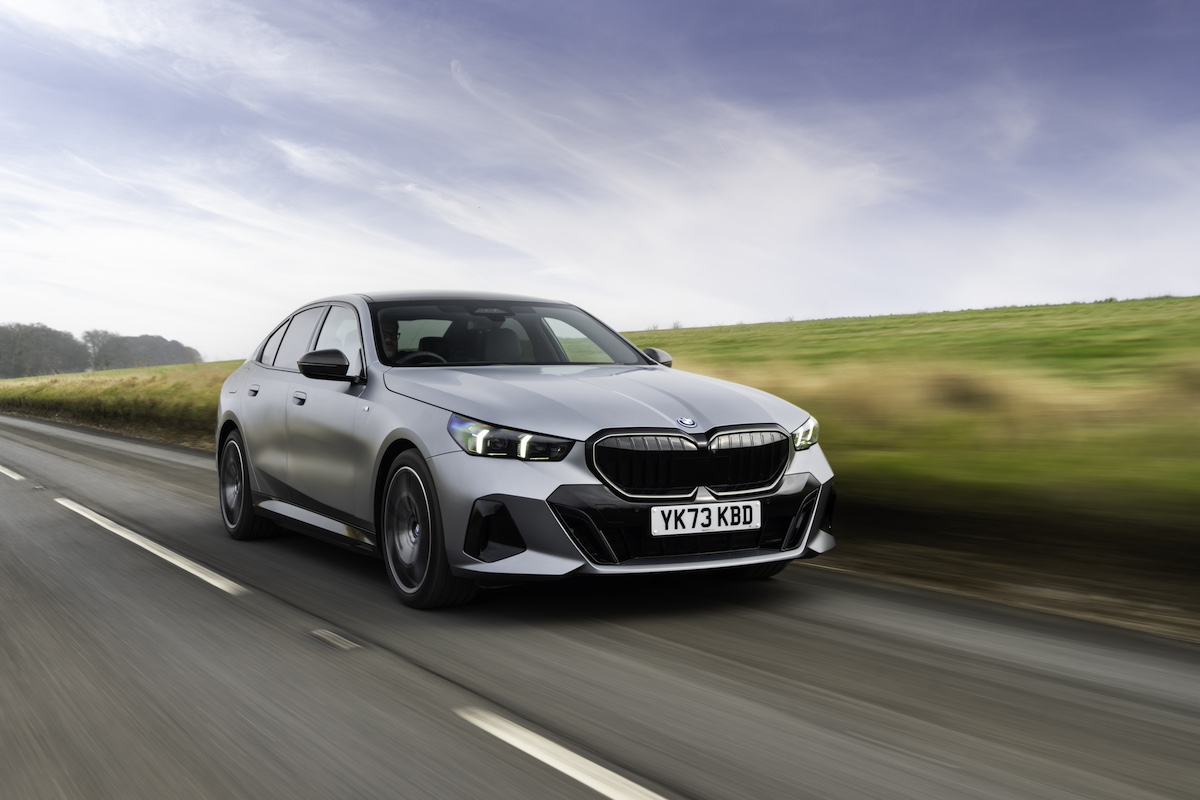
The BMW 5 Series is often hailed as the best executive saloon, and the latest plug-in hybrid models show why. There are two standard models to choose from: the 295bhp 530e, which can cover up to 64 miles on electricity, and the outrageously fast 482bhp all-wheel-drive 550e. Both are incredibly smooth and refined, but the real genius is that neither sacrifices any boot space. You get the same huge 520-litre boot as the petrol model, meaning you can enjoy the tax and fuel savings of a PHEV with zero compromise on practicality. It's a masterstroke. And if that's not enough, there's an M5 version with 717bhp. Yes, you read that right.
It gets better. You can choose any of the models in a Touring estate bodyshell with a 570-litre boot (500 litres in the M5 Touring), and in all configurations the 5 Series remains sensational to drive. With the optional adaptive suspension, it combines a pillowy-soft ride with the sharp, athletic handling you expect from a BMW. Ignoring the M5, even the 550e is devastatingly quick, hitting 62mph in just 4.3 seconds, yet it's always quiet and composed. The interior is another highlight, with a stunning curved display, beautiful materials, and cutting-edge tech that make the cabin feel truly special. It's a car that lets you have your cake and eat it.
The CarGurus Verdict: "If you're going to buy any three-box executive saloon, this is the one to have, thanks to its sensational quality, cutting-edge technology and polished driving dynamics." - Ivan Aistrop, senior editor
Read our full BMW 5 Series review
CarGurus expert rating: 5 out of 5
CarGurus user rating: 4.4 out of 5
Percentage of good/great deals available on CarGurus: 34.1%
Overall CarGurus rating: 4.5 out of 5
| Pros |
Cons |
| Sharp steering and agile handling |
Sporty suspension makes for a firm ride |
| Healthy plug-in hybrid range |
Not as roomy as some cheaper mainstream rivals |
| Beautifully finished cabin |
|
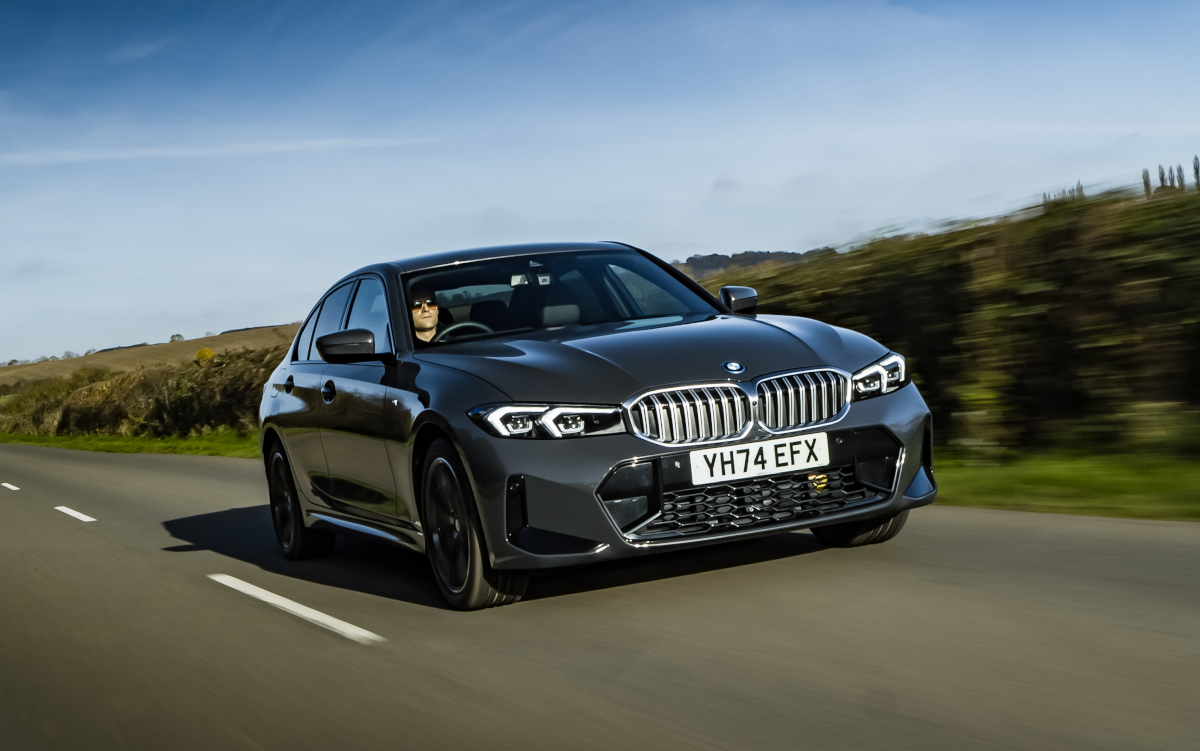
The BMW 3 Series has long been the saloon for people who love driving, and the 330e plug-in hybrid means you can now enjoy that sharp handling with a clear conscience. A battery upgrade in mid-2024 massively boosted the electric range to an official 63 miles. That's a huge improvement and makes the 330e a seriously compelling option, allowing most drivers to complete their daily trips on electric power alone, saving a bundle on fuel and company car tax.
The powertrain serves up a healthy 288bhp, enough to get from 0-62mph in 6 seconds. The only real price you pay for this blend of performance and efficiency is in the boot. The batteries reduce the saloon's luggage space from 480 litres to a more modest 375 litres, and the estate is only marginally more practical with 410 litres. Crucially, the 330e still drives like a proper 3 Series, with agile handling and a beautifully finished cabin, proving that going green doesn't mean giving up on fun.
The CarGurus Verdict: "This latest 3 Series continues a long line of excellent small sports saloons to wear the badge. However, it arguably isn't quite as complete as before." - Ivan Aistrop, senior editor
Read our full BMW 3 Series review
CarGurus expert rating: 4 out of 5
CarGurus user rating: 4.6 out of 5
Percentage of good/great deals available on CarGurus: 36.4%
Overall CarGurus rating: 4.4 out of 5
| Pros |
Cons |
| Larger than its rivals – and cheaper to boot |
There are more exciting family cars out there |
| Comfortable and refined driving experience |
Not quite the bargain Skodas used to be |
| Thoughtfully designed and well-built interior |
No fully electric version |
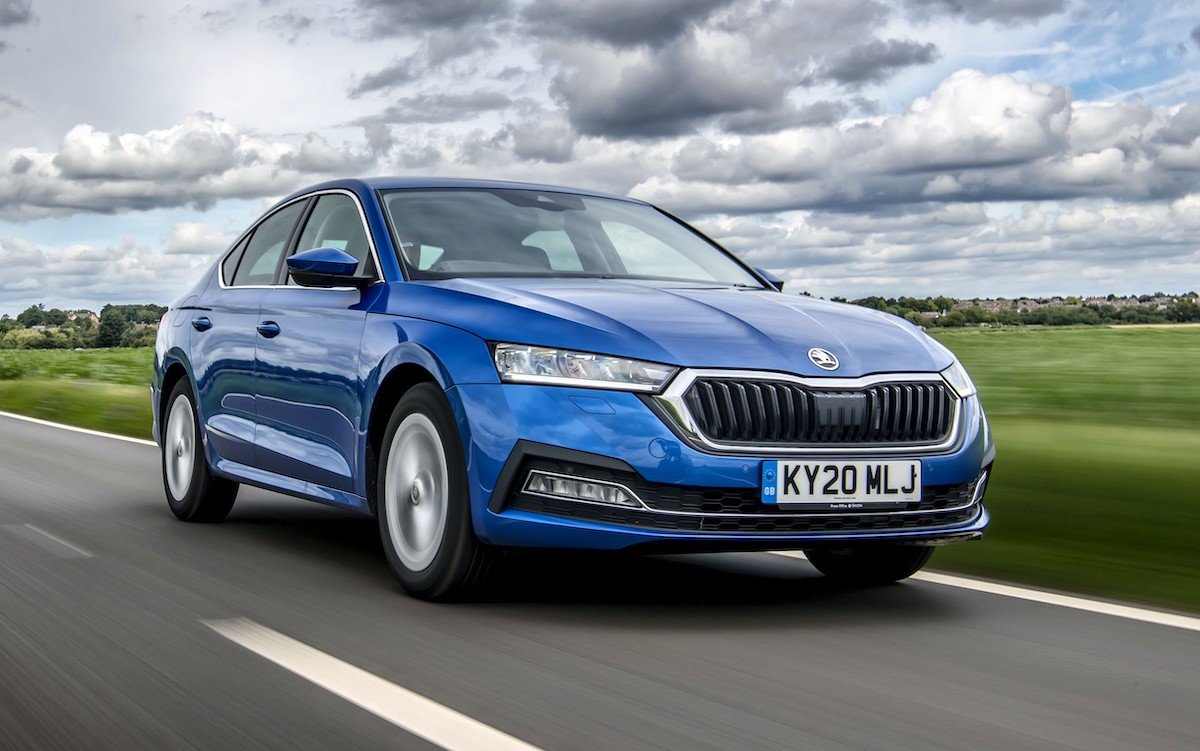
Looking for a car that does everything well? The Skoda Octavia has been the sensible answer for years, and the (now discontinued) plug-in hybrid version makes it even smarter. The sporty vRS iV model is a particular highlight, giving you hot-hatch performance with the ability to run silently on pure electric power. It's the ultimate all-rounder: fast and fun when you want it to be, but also capable of handling the daily school run without using a drop of fuel. It's the perfect family car for the head and the heart. You'll just have to search for a used one.
As with any Octavia, practicality is off the charts. Yes, the PHEV's battery pack does steal some boot space compared to the petrol and diesel versions, but it's still massive for a car of this size, especially in the cavernous estate model. Inside, rear passengers are treated to class-leading legroom, making it more comfortable than many more expensive rivals. Throw in a high-quality, well-equipped cabin and you have a car that delivers a premium PHEV experience without the premium price tag.
The CarGurus Verdict: "If you need your family car to be strong in every single area, then the Skoda Octavia is probably the car for you. It's maybe not the sexiest or most exciting choice in its class, but easily one of the most well-rounded." - Ivan Aistrop, senior editor
Read our full Skoda Octavia review
CarGurus expert rating: 4 out of 5
CarGurus user rating: 4.8 out of 5
Percentage of good/great deals available on CarGurus: 32.7%
Overall CarGurus rating: 4.4 out of 5
| Pros |
Cons |
| Serene comfort for long journeys |
Expensive for private buyers |
| Broad range of engine options |
Bewildering array of trims and options |
| Traditional feel combines with high-tech equipment |
E450 d is astonishingly expensive |
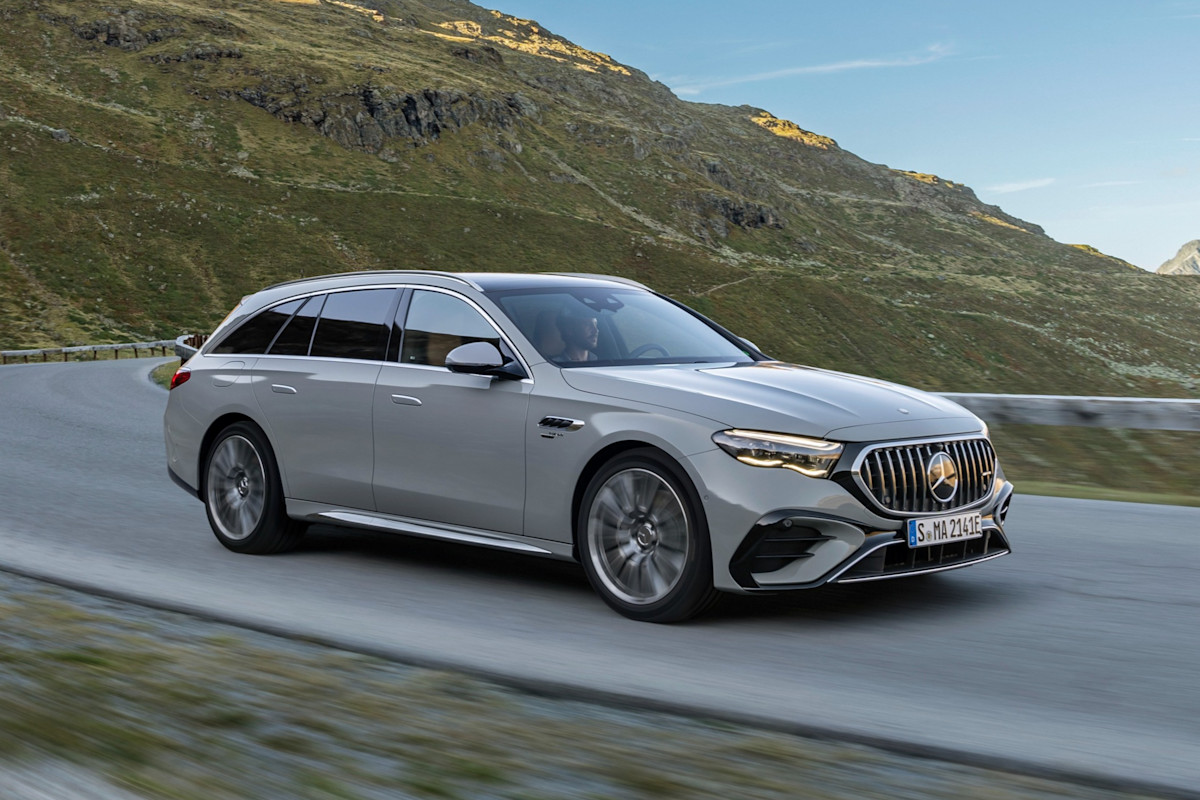
The latest E-Class feels like a luxury limo, and its plug-in hybrid versions are particularly clever. Unusually, you can choose between a petrol-electric (E 300 e) or a diesel-electric model, giving buyers more choice. The real headline, though, is an official electric range of up to 71 miles. That's enough to cover the average UK commute multiple times over, meaning you can waft around in near-silent luxury for days on end. It's exactly the kind of refined, sophisticated experience you expect from a big Mercedes.
As with other cars in this list, there is a compromise in the boot, where the battery reduces space to 370 litres in the saloon and 460 litres in the estate. While that's less than the non-hybrid models, it's a big improvement on the previous E-Class PHEV and still plenty for most needs. The cabin, meanwhile, is pure sci-fi, especially if you option the stunning MBUX Superscreen that turns the whole dashboard into a digital display. Even without it, the interior feels incredibly plush and packed with tech, cementing the E-Class's status as a supremely comfortable and high-tech executive cruiser.
The CarGurus Verdict: "The Mercedes E-Class is a very lovely, if expensive, executive car. It differentiates itself from its rivals with a somewhat traditional, stately feel and an impressively varied diesel-powered lineup, despite also featuring cutting-edge tech – and that's a hard balance to strike." - Vicky Parrott, contributing editor
Read our full Mercedes-Benz E-Class review
Search for Mercedes-Benz E-Class
See all
CarGurus expert rating: 4 out of 5
CarGurus user rating: 4.4 out of 5
Percentage of good/great deals available on CarGurus: 35.9%
Overall CarGurus rating: 4.4 out of 5
| Pros |
Cons |
| The PHEV has a class-leading electric range |
Not as sharp to drive as a BMW 3 Series |
| Beautifully finished interior |
There are roomier cars for less money |
| MBUX infotainment system looks stunning |
Bland styling |
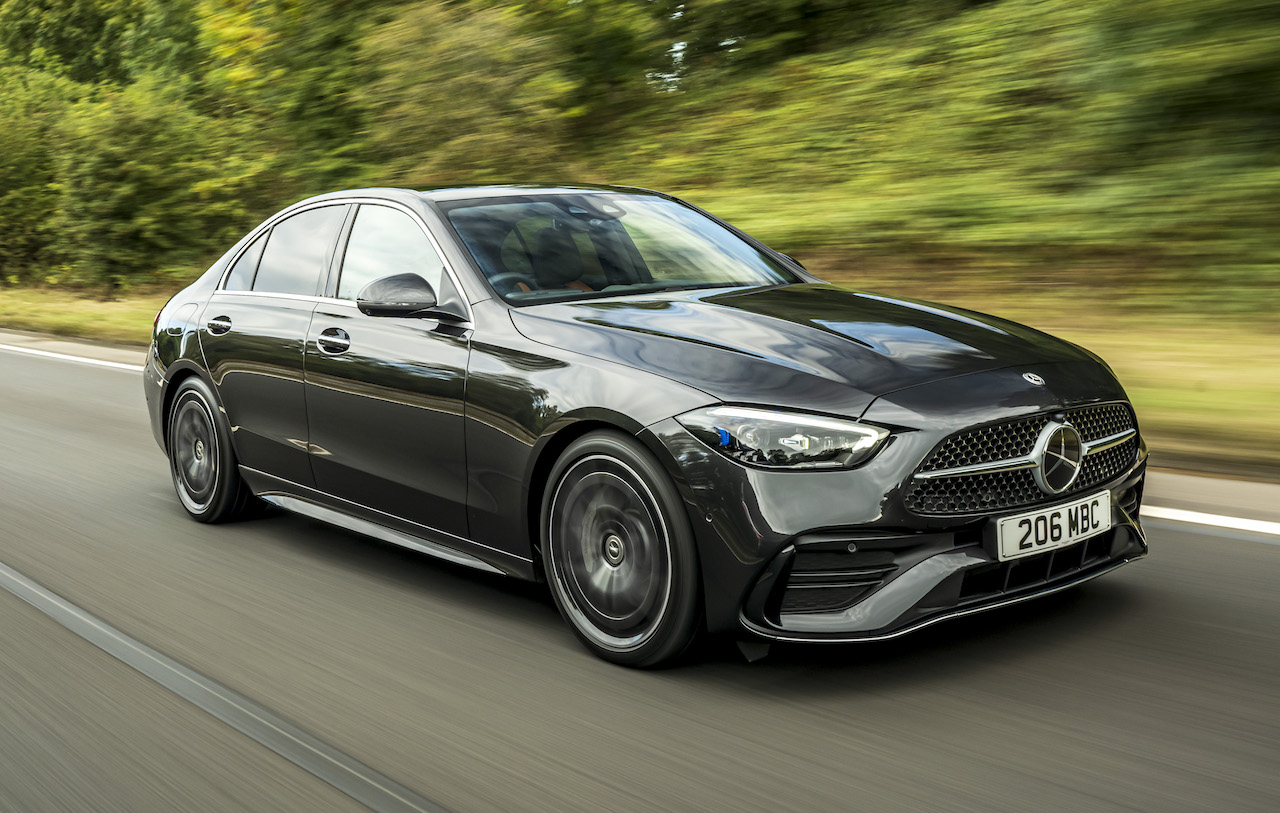
If you're looking for a premium plug-in hybrid, the C-Class C300e has a huge electric range. Thanks to a big 19.5kWh battery, it can officially travel up to 71 miles on a single charge. That means many owners will be able to do all their daily driving – the commute, the school run, the weekly shop – without ever troubling the petrol engine. For company car drivers, this drops the C300e into a super-low tax band, saving them a fortune.
Of course, that big battery has to go somewhere, and in the saloon it reduces boot space to 315 litres, which is less than you'd get in a Ford Focus. If you need more practicality, the Estate version is the one to go for, offering a more usable 360 litres. Whichever you choose, you get a car that feels every inch the premium product. The ride is smooth and composed, helped by standard rear air suspension, and the interior is a high-tech, beautifully finished cocoon that makes every journey feel special.
The CarGurus Verdict: "The long electric range makes the C-Class one of the best plug-in hybrids in the compact executive saloon and estate class." - Vicky Parrott, contributing editor
Read our full Mercedes-Benz C-Class review
Search for Mercedes-Benz C-Class
See all
CarGurus expert rating: 4 out of 5
CarGurus user rating: 4.5 out of 5
Percentage of good/great deals available on CarGurus: 41.1%
Overall CarGurus rating: 4.3 out of 5
| Pros |
Cons |
| Outstanding interior space and practicality |
Interior design and quality not a match for more premium rivals |
| Well-equipped across all trims |
A BMW 5 Series is more fun to drive |
| Comfortable ride and quiet cabin for long-distance cruising |
Reduced boot space in the plug-in hybrid (PHEV) model |
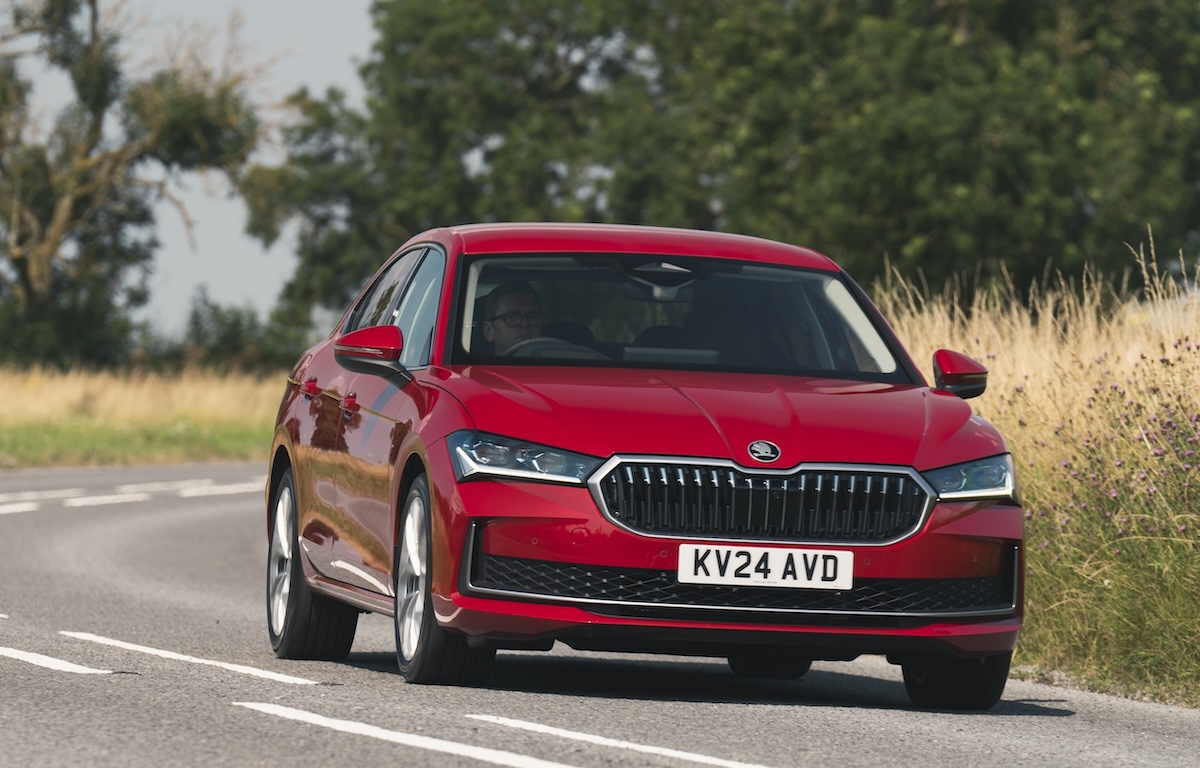
The Skoda Superb has always been the undisputed king of space, and adding a plug-in hybrid powertrain makes it an even more compelling family car. The PHEV system is a perfect fit, allowing you to drive up to 70 miles silently on electric power, making daily chores and the school run serene and cheap. Then, when you need to cover big distances, the 148bhp 1.5-litre petrol engine is there for effortless long-distance cruising. It perfectly complements the Superb's quiet, comfortable nature.
What's the catch? Well, the battery does eat into the boot space a little. But let's be clear, 'a little' in a Superb still leaves you with a vast 510-litre boot in the estate model. That's bigger than most rivals' non-hybrid versions and more than enough for any family adventure. Inside, it's just as impressive, with acres of rear legroom and a modern, user-friendly dashboard featuring a big touchscreen and Skoda's wonderfully simple 'Smart Dials'. It's an unbeatable package for families who want low running costs without giving up an inch of practicality.
The CarGurus Verdict: "It offers more space than premium rivals at a significantly lower price, and its practicality beats most if not all other estate cars for load-lugging ability." - Chris Knapman, editorial director
Read our full Skoda Superb review
CarGurus expert rating: 4 out of 5
CarGurus user rating: 4.5 out of 5
Percentage of good/great deals available on CarGurus: 32.5%
Overall CarGurus rating: 4.3 out of 5
| Pros |
Cons |
| Posh-feeling interior |
Infotainment system is difficult to navigate |
| Generous standard equipment |
A few strange ergonomic issues |
| Lots of space for people and luggage |
Doesn't come cheap |
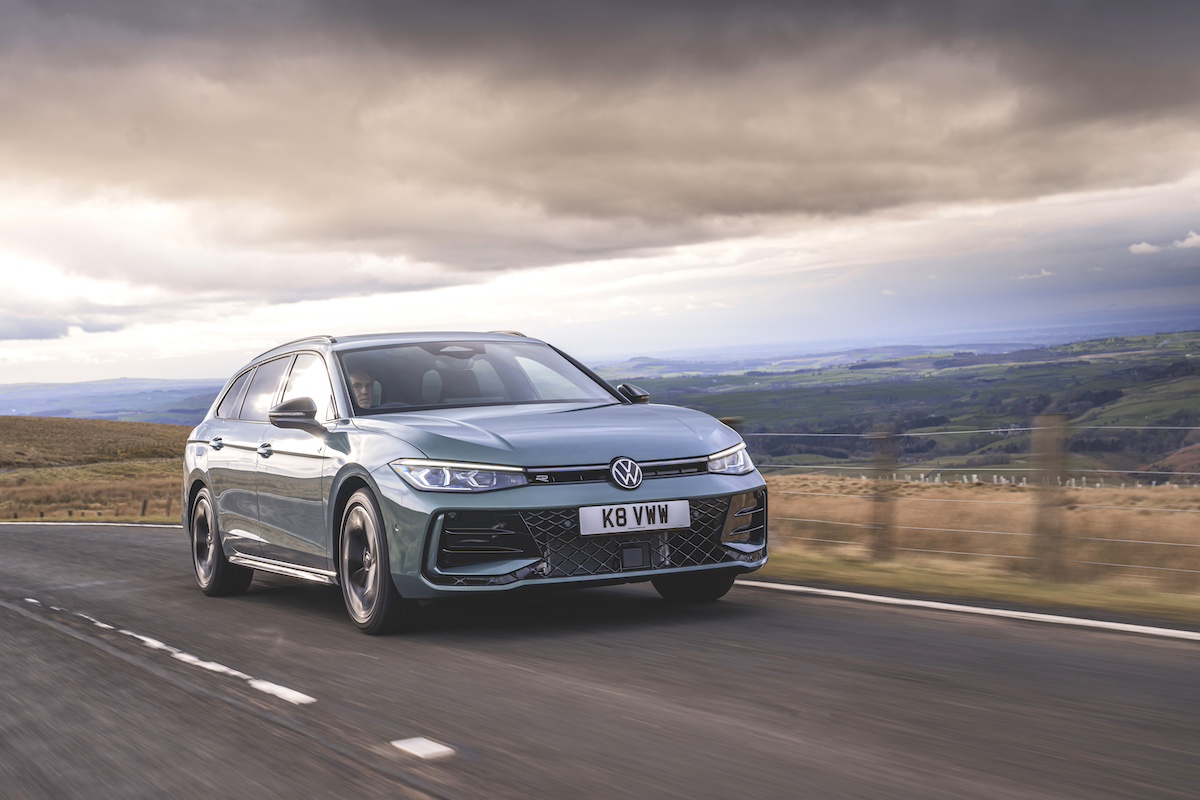
The new Volkswagen Passat, now only available as a hugely practical estate, is a seriously impressive bit of kit. While early cars were mild-hybrid only, the latest eHybrid plug-in models are what we're here to get excited about. They use a 1.5-litre petrol engine and a big 19.7kWh battery to deliver an official electric range of up to 82 miles. That's a massive figure, putting the Passat right at the top of the class and meaning you could go all week without using any petrol.
This practicality extends throughout the car. The interior is vast, with so much legroom in the back it feels like a limousine. The cabin quality is also a real step up, with plush materials and a huge 12.9-inch touchscreen giving it a properly premium feel. While the PHEV's battery does reduce the boot space from the standard car's cavernous 690 litres to 510 litres, it is still big enough for any family's needs. It's a supremely comfortable, sophisticated, and efficient family hauler.
The CarGurus Verdict: "Of the few mainstream family estates that remain, the Passat is one of the best. It delivers big on space and practicality in a smart, sophisticated-feeling package." - Ivan Aistrop, senior editor
Read our full Volkswagen Passat review
Search for Volkswagen Passat
See all
CarGurus expert rating: 4 out of 5
CarGurus user rating: 4.0 out of 5
Percentage of good/great deals available on CarGurus: 33.9%
Overall CarGurus rating: 4.3 out of 5
| Pros |
Cons |
| User friendly cabin and infotainment |
Others are roomier and more practical |
| Comfortable ride |
Rear visibility could be better |
| Choice of petrol, hybrid or electric power |
Range could be better on EV and PHEVs |
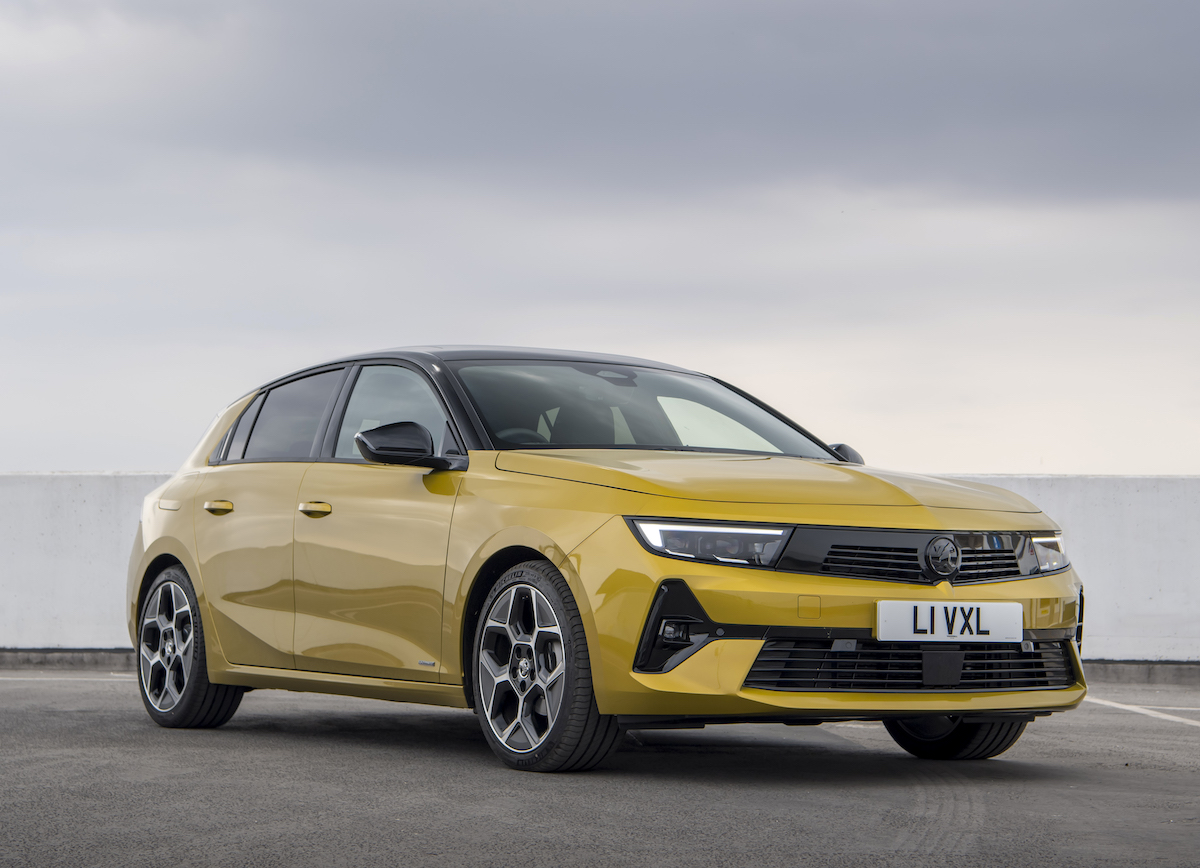
With its sharp 'Vizor' front end and smart interior, the latest Vauxhall Astra is a solid all-rounder. The plug-in hybrid versions offer smooth electric running for town driving, and a late-2025 update boosted the electric range to a much more competitive 52 miles. For those wanting a bit more poke, the sporty GSe model offers 221bhp and a firmer suspension setup. While it's a comfortable and easy car to live with, the petrol engine can sound a bit gruff when it kicks in, and the extra weight of the batteries means it's not quite as nimble as the standard petrol models.
The biggest consideration for PHEV buyers is practicality. The batteries reduce the hatchback's boot from a decent 422 litres to 352 litres, which is a noticeable drop. If you need space, the Sports Tourer estate is the way to go; even in PHEV form it offers a very generous 516-litre boot. It's worth noting that you also lose the handy variable-height boot floor and have to find a home for the charging cables. It's a compromise, but one that might be worth it for the low running costs.
The CarGurus Verdict: "The latest Vauxhall Astra is a comprehensive and well-rounded car. It's got a powertrain to suit any lifestyle, a smart yet logical interior, relaxed on-road manners and a more generous standard equipment list than some key rivals." - Ivan Aistrop, senior editor
Read our full Vauxhall Astra review
CarGurus expert rating: 4 out of 5
CarGurus user rating: 4.5 out of 5
Percentage of good/great deals available on CarGurus: 27.6%
Overall CarGurus rating: 4.2 out of 5
| Pros |
Cons |
| Excellent driving dynamics with responsive steering and composed handling |
Limited 284-litre boot capacity, roughly half the size of the Corolla Touring Sports |
| Strong 220bhp plug-in hybrid powertrain with 6.8-second 0-62mph time |
Shorter electric range than some rivals affects company car tax competitiveness |
| 10-year warranty when serviced with Toyota, and legendary brand reliability |
Sloped roofline compromises rear headroom despite decent legroom |
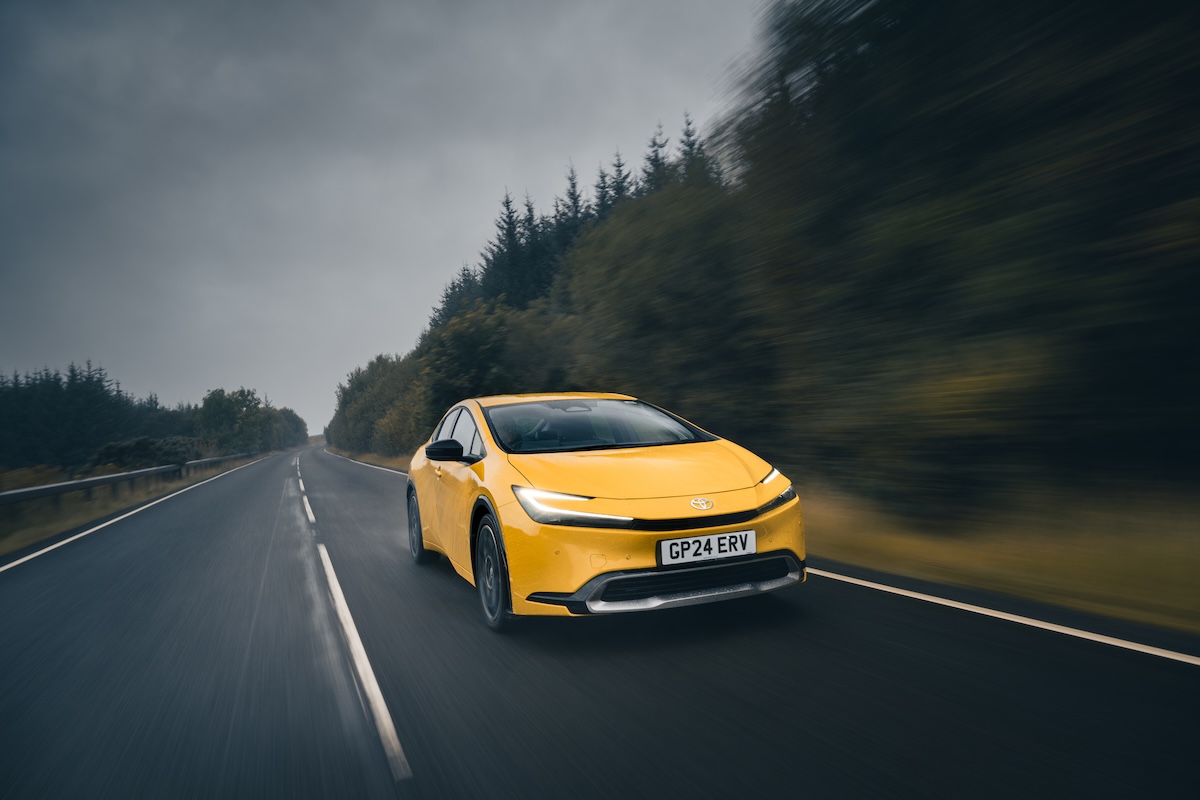
Hold everything you thought you knew about the Toyota Prius. The ugly duckling has become a swan. This new, fifth-generation model is exclusively a plug-in hybrid in the UK, and it's been transformed into a car that's not only stylish but genuinely fun to drive. The powertrain delivers a punchy 220bhp, and the chassis is sharp and engaging, which are words never before associated with a Prius. With an official electric range of 53 miles, it'll handle most daily drives with ease, feeling like a proper EV around town.
However, all this newfound style comes at a price. That sleek, coupe-like roofline looks fantastic but it does reduce headroom for rear passengers. The bigger issue is the boot, which is a tiny 284 litres. That's less than you get in a Ford Fiesta and a real drawback for a family car. So, the new Prius is a car transformed. It's brilliant to drive and great to look at, but you'll have to decide if you can live with the practical compromises.
The CarGurus Verdict: "The Toyota Prius has, against all expectations, been transformed from an efficient but dull choice into a genuinely enjoyable driver's car. The sharp styling may prove polarising, but there's no denying this generation looks dramatically better than its predecessors." - Chris Knapman, editorial director
Read our full Toyota Prius review
CarGurus expert rating: 4 out of 5
CarGurus user rating: Insufficient user reviews
Percentage of good/great deals available on CarGurus: 0.0%
Overall CarGurus rating: 3.8 out of 5
| Pros |
Cons |
| As much fun as a VW Golf GTI, only cheaper |
The plug-in hybrid is heavy and less rewarding to drive |
| Adjustable suspension lends the Cupra broad abilities |
Entry-level VZ1 cars miss out on adjustable suspension |
| The estate version is very practical |
Irritating infotainment system |
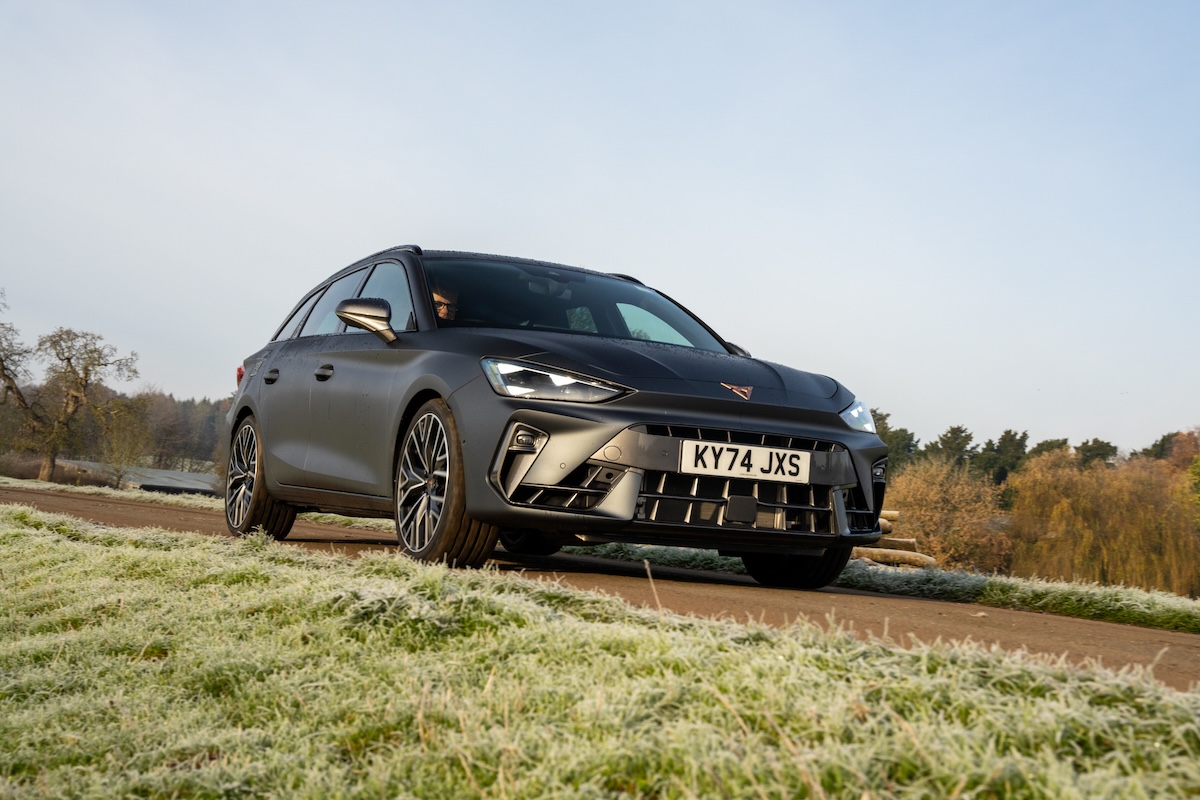
The Cupra Leon is the sharp-suited, sporty cousin to the VW Golf, and its plug-in hybrid versions aim to blend that style with low running costs. While early models were decent, a 2024 update made the PHEV a much more tempting proposition. A new powertrain brought a choice of power outputs and, more importantly, a much larger battery. The result? An official electric-only range of up to 81 miles, which is frankly enormous. It transforms the Leon PHEV into a car that can handle almost all daily driving on battery power alone.
As with most PHEV hatchbacks, there's a trade-off in the boot, where space drops from 380 litres to a tight 270 litres. If you need to carry more than a couple of shopping bags, the estate version is the one to have, as it still offers a very useful 470 litres. Whichever body style you pick, you get a cabin that feels a cut above the mainstream, with sporty copper details and premium materials. You just have to get used to the fiddly touchscreen controls, which handle almost everything.
The CarGurus Verdict: "In plug-in hybrid form the Leon is less convincing, but still worth considering if you're after a company car with a sporty feel and you intend to plug it in regularly." - Ivan Aistrop, senior editor
Read our full Cupra Leon review
FAQ
What is a plug-in hybrid (PHEV) car?
A PHEV has both a conventional petrol or diesel engine and an electric motor with a battery. You can charge the battery by plugging it into an electricity source, which typically gives you between 30 and 70 miles of pure electric driving. For longer journeys, the engine kicks in, so you never have to worry about running out of charge.
Are PHEVs cheaper to run than petrol or diesel cars?
Yes, if you use them correctly. The key is to charge the battery as often as possible and do most of your short journeys on electric power, which is much cheaper per mile than petrol or diesel. If you rarely plug it in and just use the engine, you'll find it's less efficient than a regular hybrid because you're carrying around the extra weight of the battery and motor.
Do I need a home charger for a PHEV?
While you can charge a PHEV using a standard 3-pin plug socket, it's very slow, often taking 8-12 hours for a full charge. A dedicated home wallbox charger is much faster, typically charging the battery in 2-4 hours. It's a worthwhile investment to make sure your car is always ready to go with a full electric range.
What happens when the battery runs out on a PHEV?
Nothing dramatic. The car simply switches over to its petrol or diesel engine and drives like a regular hybrid car. It will use the engine to power the wheels and will also regenerate a small amount of electricity when you brake to help with efficiency. You can continue your journey for as long as you have fuel in the tank.
Are PHEVs good for long motorway journeys?
They are perfectly capable of long journeys, as the petrol or diesel engine gives you a total range comparable to a conventional car. However, their main efficiency advantage is on shorter trips where you can use the electric motor. On a long motorway run, once the battery is depleted, you are essentially driving a normal petrol or diesel car that is carrying extra weight, which can make it slightly less fuel-efficient than its non-hybrid equivalent.
What are the tax benefits of a PHEV?
For company car drivers, PHEVs are extremely attractive. Their low official CO2 emissions and long electric ranges place them in very low Benefit-in-Kind (BiK) tax bands, which can save thousands of pounds a year compared to a petrol or diesel car. For private buyers, the main financial benefit comes from lower fuel costs and reduced Vehicle Excise Duty (VED or 'road tax') in the first year.
What Makes CarGurus Best Cars Guides Different?
Most car buying websites publish lists of the best cars across a variety of categories, with recommendations generally driven by editorial expertise. Here's what makes our best cars guides different: we combine the insights and verdicts of our team of car-testing experts with other factors that we know matter to buyers - real owner experiences and current market value.
To that end, our expert reviewers come from some of the UK's most trusted automotive publications including What Car?, The Telegraph, Auto Trader, Electrifying.com, and Carbuyer. They put each car through real-world testing, and create detailed reviews noting performance in a range of categories, from practicality and driving manners, to running costs and reliability.
But we don't stop there when it comes to creating our best cars guides; we also analyse hundreds of thousands of used car listings on CarGurus UK to track which models consistently offer the highest percentage of best deals relative to how many are listed for sale. Then we factor in user reviews and ratings gathered on CarGurus to get feedback from people who actually live with these cars every day. Our best cars algorithm then creates a final Overall CarGurus rating that combines expert ratings, user reviews, and the percentage of listings on CarGurus UK rated as good or great deals. This three-way approach reveals not just which cars excel on paper, but which ones deliver satisfaction and value when you're ready to buy.
The CarGurus UK market data in this guide was last updated in September 2026. Values were accurate at the time of publication and should be used as a guide only.
Related Topics: