Finding the right car as a student is all about striking a balance between keeping costs low and having something that's actually practical enough to get you through university life. Whether you need a set of wheels for commuting to campus, heading home for the holidays, or simply doing the weekly shop, the good news is there are plenty of brilliant used cars out there that won't demolish your student budget.
We've pulled together a list of the best cars for students in 2026, focusing on what matters most: rock-bottom running costs, affordable insurance, decent practicality, and the kind of reliability that means you won't be hit with unexpected repair bills. From tiny city cars that are a dream to park outside your halls of residence to surprisingly spacious superminis and even an electric option, there's something here for every type of student driver.
About this guide
The cars in this guide have been selected to represent the best options currently available. Our recommendations are the result of a unique three-part scoring system that takes into account real-world tests from our team of expert reviewers, ratings from real-life owners who live with these cars every day, and an analysis of market data from CarGurus UK to identify which models offer the highest percentage of good and great deals. This combined approach ensures our list highlights cars that are not only great to own but also good value to buy. For more information, scroll to the bottom of this page.
The Best Cars for Students 2026
- 2014-2019 Hyundai i10
- 2008-2017 Seat Ibiza
- 2008-2017 Ford Fiesta
- 2007-2014 Honda Jazz
- 2005-2011 Renault Clio
- 2012-2023 Volkswagen Up
- 2005-2014 Toyota Aygo
- 2011-2016 Kia Picanto
- 2011-2016 Nissan Leaf
- 2013-2020 Dacia Logan MCV
CarGurus expert rating: 5 out of 5
CarGurus user rating: 4.4 out of 5
Percentage of good/great deals available on CarGurus: 32.1%
Overall CarGurus rating: 4.5 out of 5
| Pros |
Cons |
| Very practical for such a small car |
Not as fuel-efficient as some rivals |
| Well-deserved reputation for reliability |
Bland styling |
| Well built and nicely finished |
Not as much fun to drive as a Volkswagen Up |
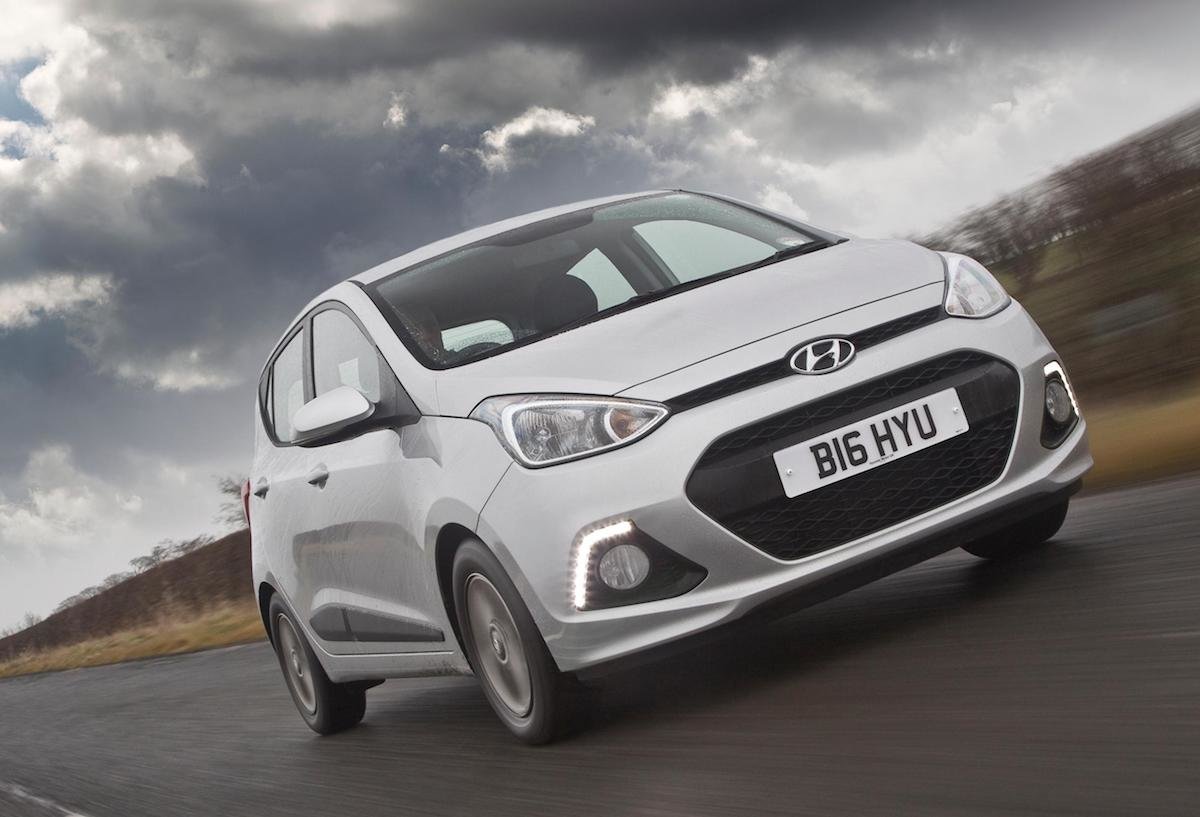
The Hyundai i10 has long been a go-to choice for a first car, and for good reason. For starters, it's incredibly practical for such a small car. Every version is a five-door, so piling your mates in the back is no hassle, and there's a surprising amount of room back there. The boot is also one of the biggest in its class at 252 litres, which is plenty for a weekly shop or a weekend away. Around town, its dinky size and light controls make it a dream to drive and park. Plus, its engines use a timing chain, not a belt, saving you from a potentially massive servicing bill down the line – a huge win for any student budget.
When it comes to running costs, the i10 is a sensible choice. We'd recommend sticking with the 66bhp 1.0-litre engine; it's not going to win any drag races, but it's perfectly happy zipping around town and will be cheaper to insure and tax than the bigger 1.2-litre model. While a few rivals might sip a little less fuel, the i10's trump card is its well-deserved reputation for reliability. It's a dependable and well-built car that's unlikely to spring nasty, expensive surprises, making it an ideal companion for getting to lectures or heading home for the holidays.
The CarGurus Verdict: "The Hyundai i10 is a very likeable little car. More than that, though, it's spacious, practical and dependable, too." - Ivan Aistrop, senior editor
Read our full Hyundai i10 review
CarGurus expert rating: 4 out of 5
CarGurus user rating: 5.0 out of 5
Percentage of good/great deals available on CarGurus: 33.8%
Overall CarGurus rating: 4.5 out of 5
| Pros |
Cons |
| Attractive styling |
A Ford Fiesta is generally sweeter to drive |
| Broad range of engines |
A Toyota or Kia could be more dependable |
| Reasonable running costs. |
Base-model trims are sparsely equipped. |
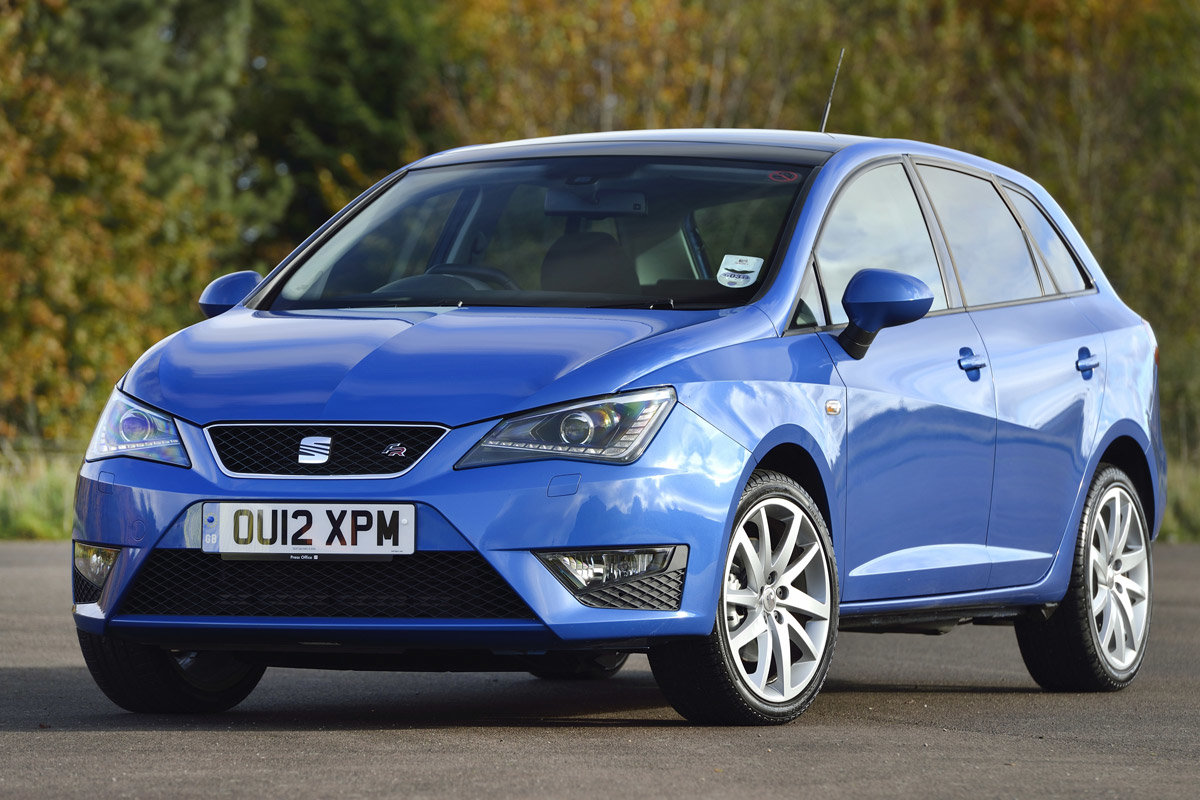
The Seat Ibiza is a cracking choice for any student watching their wallet. Running costs are impressively low, with some of the more frugal petrol engines, like the 1.2-litre, capable of around 47mpg. Even the more powerful 103bhp 1.2-litre TSI turbocharged petrol can see you clear of 55mpg, meaning fewer trips to the pump. Better still, many versions fall into the low VED tax bands, with some costing as little as £20-£35 a year. With a huge range of models on the used market, finding an Ibiza that fits a student budget is a doddle.
Beyond the low running costs, the Ibiza is a practical and easy car to live with day-to-day. As a supermini, it's a breeze to navigate tight city streets and squeeze into campus parking spots. The five-door hatchback offers a 292-litre boot, which is plenty for the weekly shop or chucking your laundry in for a trip home. If you need to haul more, the ST estate version boosts that space to a very useful 430 litres. We'd suggest looking for an SE trim, as it adds handy features like air-conditioning and cruise control that make longer journeys on the motorway far more comfortable.
The CarGurus Verdict: "Seat's Ibiza offers attractive looks and an array of decent engine options, making it easy to find a car that suits your particular needs. It's also affordable, with sensible running costs and good reliability." - Lewis Kingston, contributor
Read our full Seat Ibiza review
CarGurus expert rating: 4 out of 5
CarGurus user rating: 4.5 out of 5
Percentage of good/great deals available on CarGurus: 33.4%
Overall CarGurus rating: 4.4 out of 5
| Pros |
Cons |
| Comfortable and entertaining drive |
Not quite as reliable as a Hyundai i20 |
| Excellent Ecoboost engines |
Underpowered entry-level 1.25-litre engine |
| Low fuel and insurance bills |
So-so build quality |
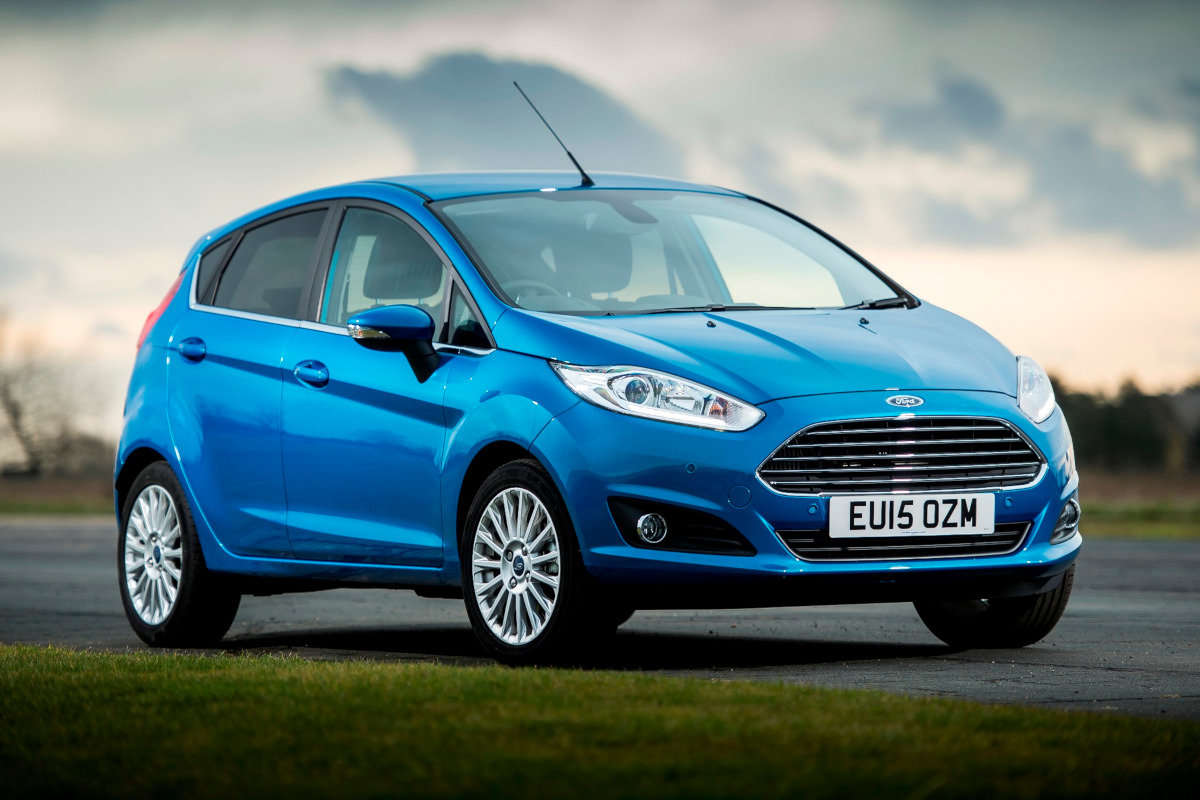
The Ford Fiesta has been the nation's best-selling car for good reason, and it makes a brilliant choice for any student. It's affordable to buy, cheap to run, and thanks to its brilliant blend of a comfortable ride and sharp handling, it's genuinely fun to drive. While it's a supermini, it's surprisingly practical, with five-door models offering easy access to the rear and a 290-litre boot that's big enough for the weekly shop or a weekend trip home. Plus, with insurance groups starting from as low as group 3, it won't break the student budget.
Running costs are a huge plus point. The peppy and efficient 1.0-litre Ecoboost petrol engines can return between 40 and50mpg, and many versions qualify for zero or very low road tax, leaving more money for, well, student life. Inside, the cabin is user-friendly, and while the infotainment on pre-facelift models is dated, most versions from Zetec upwards include the genius 'Quickclear' heated windscreen. This feature alone makes it a winner for anyone who has to get to a 9am lecture on a frosty winter morning.
The CarGurus Verdict: "There's a good reason the Fiesta has proven so popular over the years: it's an excellent small car that'll keep both your head and your heart happy. Not only is it spacious enough to serve as a town-friendly family car, but it's supple and quiet enough to be well-suited to longer journeys, too." - Ivan Aistrop, senior editor
Read our full Ford Fiesta review
CarGurus expert rating: 4 out of 5
CarGurus user rating: 4.6 out of 5
Percentage of good/great deals available on CarGurus: 31.4%
Overall CarGurus rating: 4.4 out of 5
| Pros |
Cons |
| Innovative and roomy interior |
Noisy on the motorway |
| Expect mile after mile of hassle-free reliability |
Doesn't ride and handle with the polish of a Ford Fiesta |
| Inexpensive to buy and run |
Some low-rent materials in the cabin |
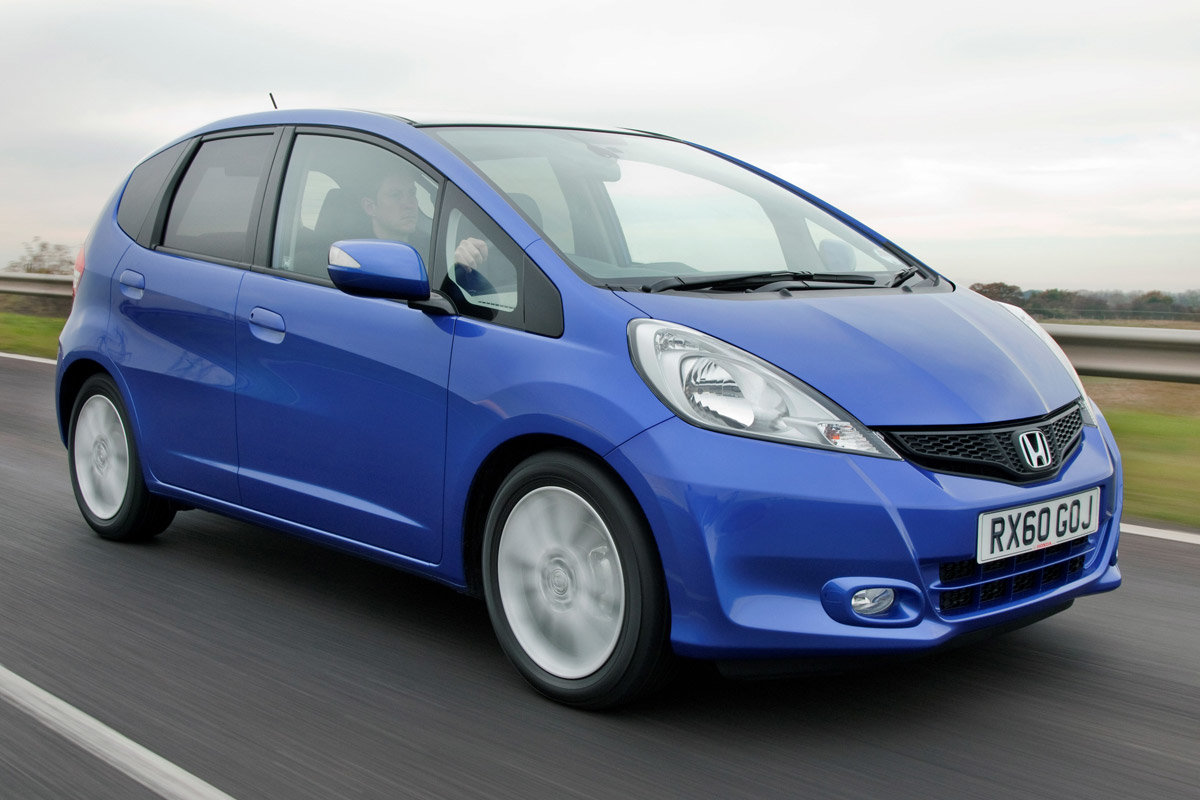
The Honda Jazz has long been a go-to choice for those needing a small car that punches well above its weight in practicality, and this second-generation model is a brilliant option for students. Its party piece is the 'Magic Seats' system, which not only folds flat but also allows the seat bases to flip up, creating a tall load space perfect for moving awkward items to and from university digs. On top of that, the boot is enormous for a car of this size, offering a massive 399 litres. Combined with Honda's stellar reputation for reliability and low running costs from its frugal petrol engines, the Jazz is a car that won't let you down or drain your bank account.
Getting behind the wheel, the Jazz is incredibly easy to drive, which is a real bonus for navigating tight city streets or campus car parks. The light controls and excellent visibility make it a doddle for less experienced drivers. You can choose between an 88bhp 1.2-litre or a 99bhp 1.4-litre petrol engine; neither is going to win a drag race, but they are more than capable of returning over 45mpg, keeping fuel station visits to a minimum. While the interior looks dated by today's touchscreen standards, its simple layout with physical buttons is refreshingly straightforward to use on the move, and if you aim for an SE model or above, you'll get essentials like air-conditioning.
The CarGurus Verdict: "Honda's excellent reputation for reliability and customer satisfaction also counts very much in its favour, as do neat touches such as its wide-opening rear doors. Couple that with its longevity, and the Jazz makes a smart used buy for those who want an inexpensive, straightforward, and capable small car." - Ivan Aistrop, senior editor
Read our full Honda Jazz review
CarGurus expert rating: 3 out of 5
CarGurus user rating: 4.7 out of 5
Percentage of good/great deals available on CarGurus: 34.3%
Overall CarGurus rating: 4.3 out of 5
| Pros |
Cons |
| Much bigger and roomier than earlier generations of Clio |
Not as reliable as the best Japanese and Korean superminis |
| Quiet and refined to drive |
Renaultsport models are expensive to insure |
| A safe car by the standards of the day |
Clios with automatic gearboxes are thirsty |
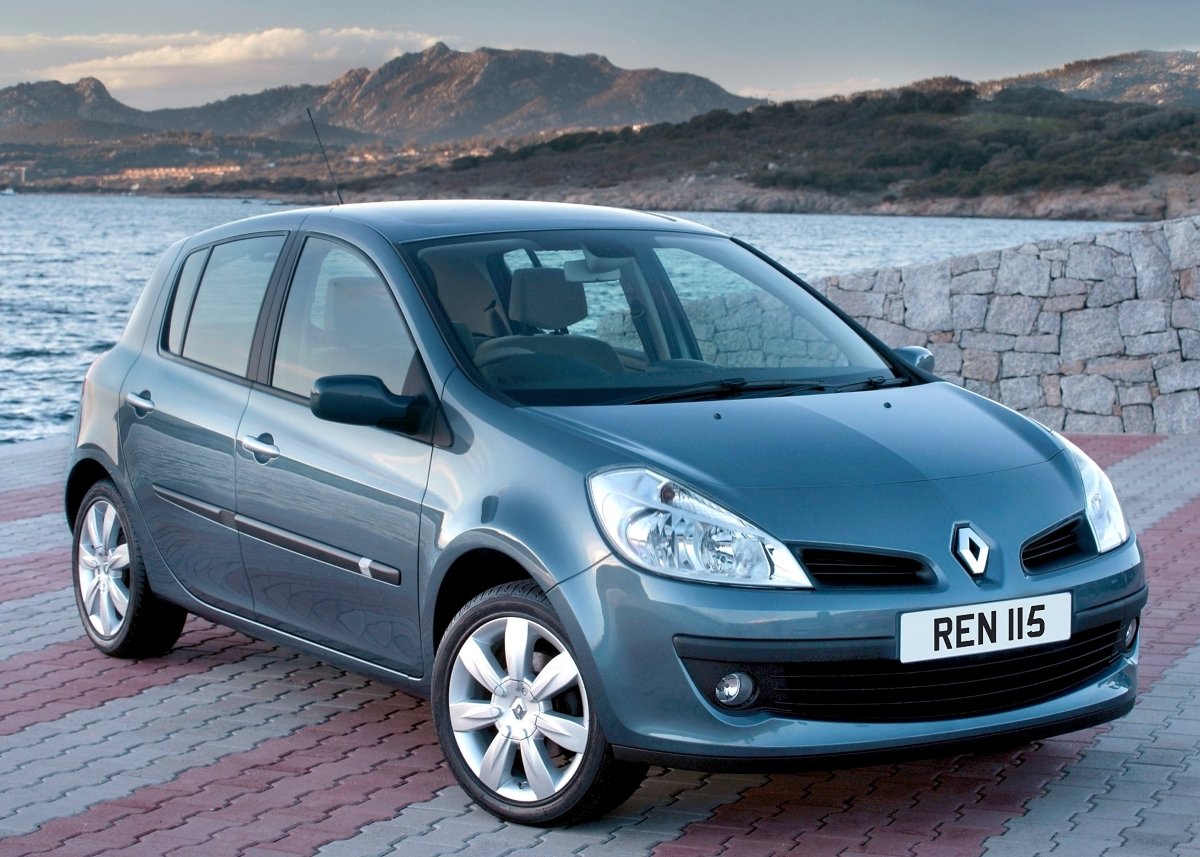
The third-generation Renault Clio is a brilliant choice for any student looking for a stylish, practical, and affordable runaround. It marked a big step up in size from older Clios, meaning there's genuinely enough room for four adults to travel without feeling squashed – perfect for trips with your mates. The boot is a decent size for a supermini, too. What's more, the interior feels surprisingly plush for the price, giving it an upmarket vibe that makes it a credible, and cheaper, alternative to the likes of the Volkswagen Polo.
Running costs are where the Clio really shines for a student budget. Insurance is particularly cheap, with the entry-level 1.2-litre petrol models sitting in a wallet-friendly group 6. Fuel economy is strong across the board; you can expect the 1.2-litre TCe petrol engine with 99bhp to return a very respectable 42-45mpg. Even the basic 74bhp 1.2-litre engine offers decent performance for town driving and will get you close to 40mpg, making it a smart, sensible option that won't break the bank at the pumps.
The CarGurus Verdict: "While the Renault Clio isn't as much fun as a Ford Fiesta, or as upmarket as a Volkswagen Polo, it strikes a good compromise between the two. And as well as being roomy for such a small used car, the Clio III is extremely good value." - David Motton, contributor
Read our full Renault Clio review
CarGurus expert rating: 4 out of 5
CarGurus user rating: 4.0 out of 5
Percentage of good/great deals available on CarGurus: 32.9%
Overall CarGurus rating: 4.3 out of 5
| Pros |
Cons |
| Fun to drive around town |
Watch out for neglected examples |
| Competent out of town |
Mechanically identical Skoda Citigo and Seat Mii are cheaper to buy |
| GTI model is a great warm hatch |
Basic infotainment system |
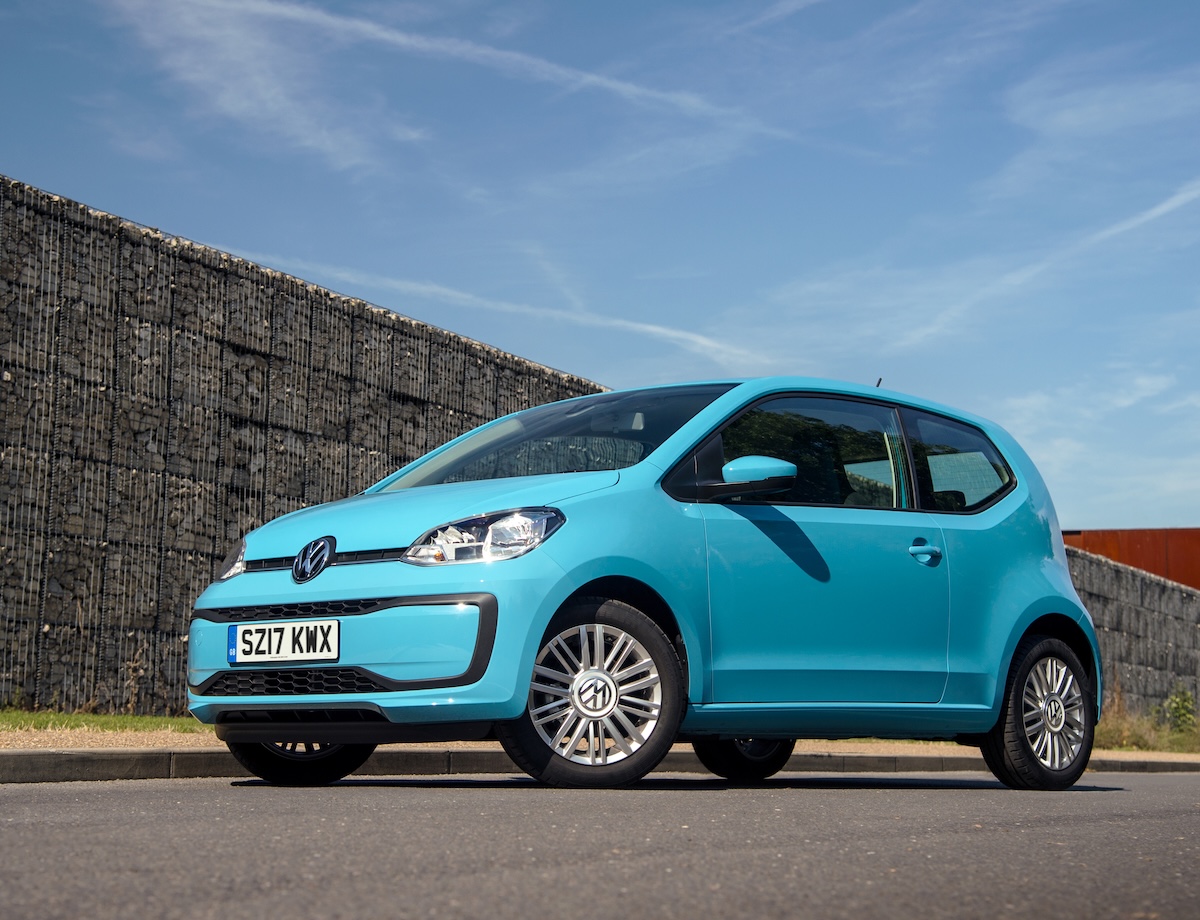
The Volkswagen Up is a brilliant choice for any student watching their pennies. Running costs are incredibly low, with the frugal 1.0-litre petrol engines capable of returning up to 60mpg. Better yet, insurance is about as cheap as it gets, with some models sitting in the lowest insurance group possible (group 1 of 50). While its 251-litre boot isn't huge, the Up is surprisingly practical, with enough room inside to seat four adults, making it perfect for trips with mates. Production ended in 2023, so there are plenty of great value used examples to choose from.
For a city car, the Up is remarkably fun to drive and feels surprisingly grown-up on the motorway, so you won't feel out of your depth on longer journeys home. The interior is simple but robust, and later models feature a clever smartphone mount on the dashboard. This makes using your phone for navigation an absolute doddle, meaning you don't have to fork out for a separate satnav. It's a small touch, but one that makes a big difference for daily driving and exploring new places.
The CarGurus Verdict: "One of the best small city cars of this era or any other, the VW Up demonstrates that very affordable cars needn't be short on ability or charm. Fun to drive, safe in an accident and surprisingly grown-up on the motorway, VW's tiniest hatchback is a masterstroke." - Dan Prosser, car reviewer
Read our full Volkswagen Up review
CarGurus expert rating: 3 out of 5
CarGurus user rating: 4.8 out of 5
Percentage of good/great deals available on CarGurus: 35.4%
Overall CarGurus rating: 4.2 out of 5
| Pros |
Cons |
| Easy to drive and simple to park |
Lacks some modern safety kit |
| Later cars are well equipped |
Tiny boot, even for a city car |
| Very reliable |
Not as much fun to drive as some small cars |
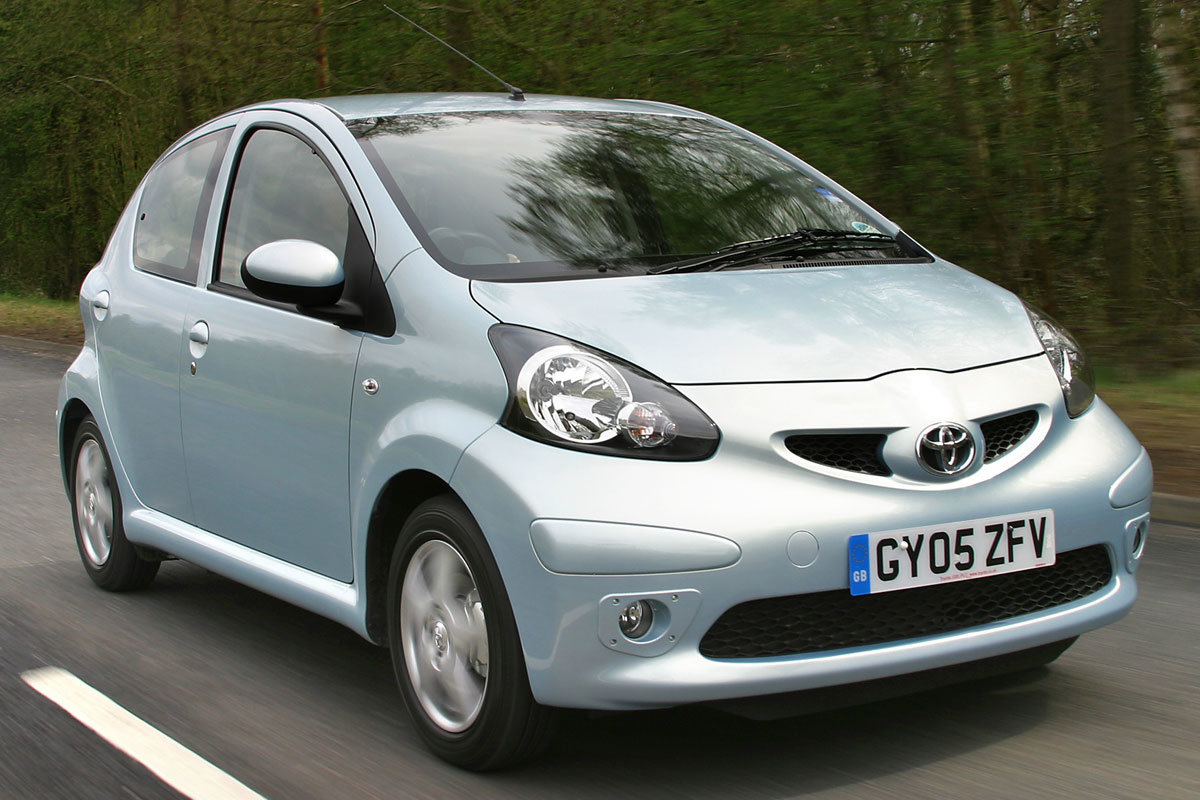
The Toyota Aygo is a student's dream when it comes to keeping costs down. Not only is its 1.0-litre petrol engine capable of returning over 50mpg, saving you precious cash at the pumps, but the car also sits in very low insurance groups, which is a massive bonus for younger drivers. Being a doddle to manoeuvre and park, it's the perfect companion for navigating tight city streets on the way to lectures or zipping around town. The 67bhp engine feels surprisingly eager, making it more than capable for urban driving.
While the Aygo is a star on running costs, it does make some compromises on practicality. The 139-litre boot is tiny, so you'll struggle to get a big weekly shop or lots of luggage in there. However, if you look for a T3 model or above, you'll get 50:50 split-folding rear seats to create more space when you need it. These higher-spec models also add essentials like remote central locking and electric windows. The biggest selling point, though, is Toyota's rock-solid reliability, meaning you're less likely to face surprise repair bills that could eat into your student loan.
The CarGurus Verdict: "If you want a low-cost small car that will be reliable and frugal, the first-generation Toyota Aygo is a smart choice. Its compact footprint also makes it a doddle to handle around town." - Lewis Kingston, contributor
Read our full Toyota Aygo review
CarGurus expert rating: 3 out of 5
CarGurus user rating: 4.5 out of 5
Percentage of good/great deals available on CarGurus: 32.4%
Overall CarGurus rating: 4.2 out of 5
| Pros |
Cons |
| Very cheap to run |
Lacks the latest tech |
| Should be reliable |
Disappointing safety rating |
| Easy to drive and park |
Interior feels cheap |
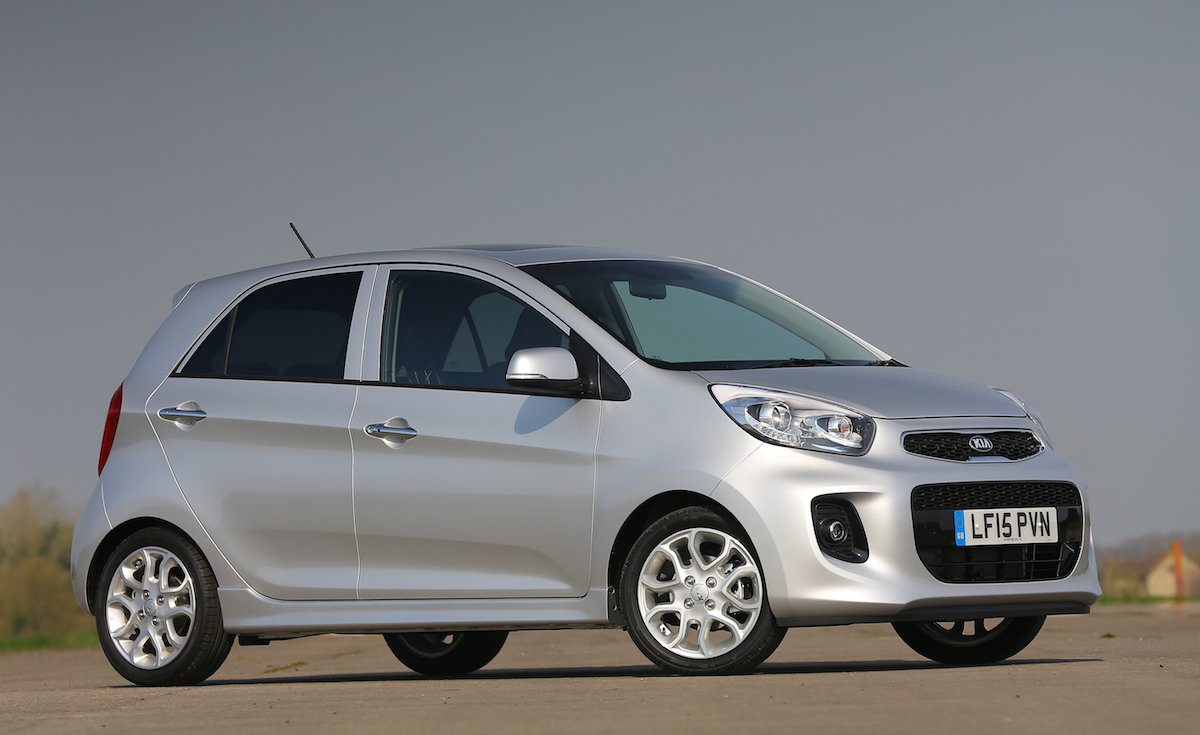
The Kia Picanto is a top contender for any student's first car, and for good reason. Its running costs are impressively low, with both the 1.0-litre and 1.25-litre petrol engines capable of returning around 50mpg in the real world. Crucially for new drivers, insurance groups are rock-bottom, with the 68bhp 1.0-litre models sitting in group five. This makes the Picanto one of the most affordable cars to get on the road and keep there, leaving more of your student loan for, well, other things.
Don't let its small size fool you; the Picanto is a doddle to drive around town and surprisingly secure on the motorway. Its 200-litre boot is about average for a city car, enough for the weekly shop or a weekend bag, and while rear space is tight, it's manageable. You won't find fancy touchscreens, but look for '2' trim or higher and you'll get essentials like Bluetooth and air-conditioning. It's a simple, honest car that majors on value and reliability, which is exactly what you need when you're on a budget.
The CarGurus Verdict: "The Picanto's low running costs and cast-iron reliability count for a lot, especially at the value end of the market where it now sits. That's why it makes a really solid used buy for someone who just wants an easy, hassle-free car that's a doddle to drive and park." - Alex Robbins, senior car reviewer
Read our full Kia Picanto review
CarGurus expert rating: 3 out of 5
CarGurus user rating: 3.8 out of 5
Percentage of good/great deals available on CarGurus: 30.4%
Overall CarGurus rating: 4.0 out of 5
| Pros |
Cons |
| A true electric car pioneer |
Very short range of early cars |
| Cheap to buy and run |
Cheap-looking and dated interior |
| Very reliable |
Lacks the kerbside appeal of a Renault Zoe |
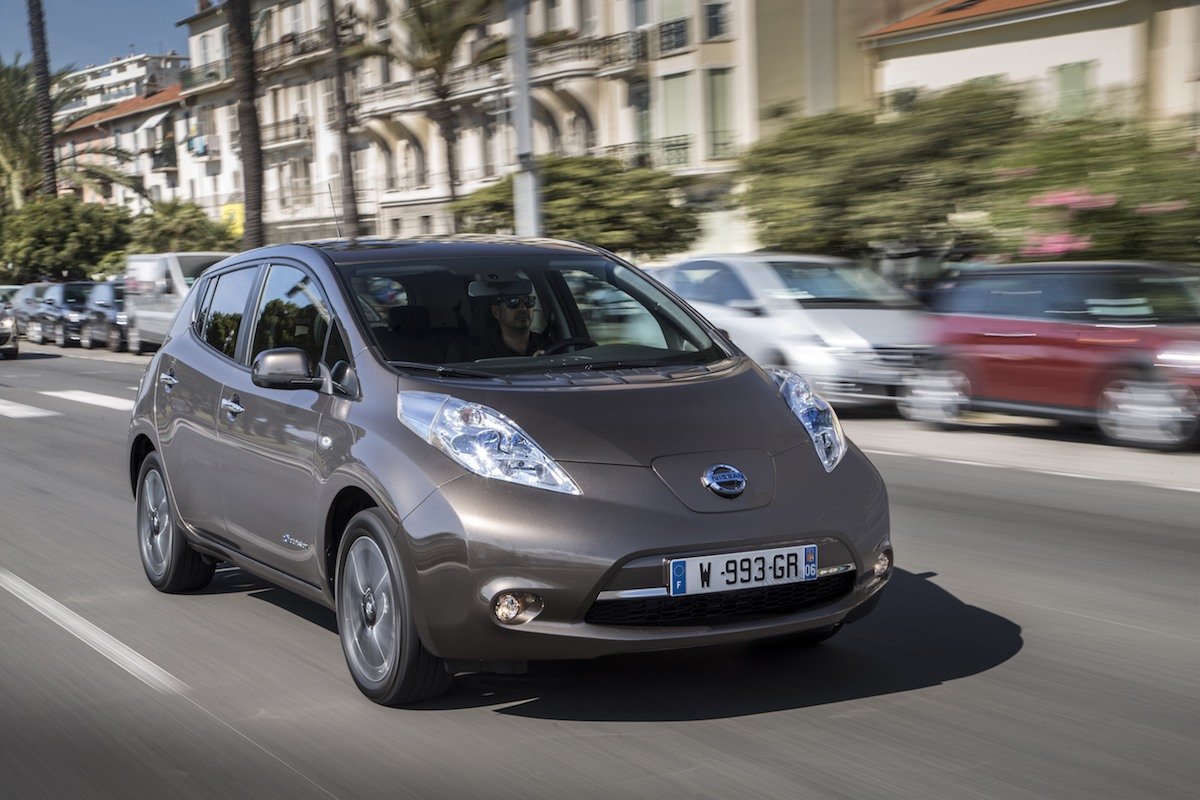
For any student watching their pennies, the first-generation Nissan Leaf is a bit of a no-brainer. It's one of the cheapest ways into an electric car, and the running costs are fantastically low. Charging at home costs a fraction of filling up a petrol car, and with fewer moving parts, servicing is cheaper too. Add in the fact that it's exempt from ULEZ and congestion charges in cities like London, and you've got a car that's incredibly light on the wallet, leaving more cash for, well, student life.
While you won't be doing cross-country road trips, the Leaf's real-world range of around 80 miles (for post-2013 models) is more than enough for getting to lectures, doing the weekly shop, or visiting friends in the next town over. It's a doddle to drive thanks to its automatic gearbox, and because it's a five-door hatchback there's enough room for mates in the back, as well as a decent boot for luggage or moving day. It's a sensible, reliable, and eco-friendly choice that makes perfect sense for a daily runabout.
The CarGurus Verdict: "The mk1 Nissan Leaf is just about the cheapest way into a used electric car, yet it's comfy, practical enough for daily life, and comically cheap to run." - Vicky Parrott, contributing editor
Read our full Nissan Leaf review

CarGurus expert rating: 3 out of 5
CarGurus user rating: Insufficient user reviews
Percentage of good/great deals available on CarGurus: 0.0%
Overall CarGurus rating: 3.5 out of 5
| Pros |
Cons |
| Lots of luggage space |
Poorly finished cabin |
| Very affordable to buy |
Meagre standard kit |
| Easy to drive |
Noisy and unrefined |
When it comes to student-friendly motoring, it's all about the budget, and that's where the Dacia Logan MCV truly shines. It was incredibly cheap when new, which means used examples are an absolute bargain. Running costs are rock-bottom, too, with insurance groups as low as 2 and the 1.0-litre petrol engine returning a very respectable 52.3mpg. It's a no-nonsense car that focuses on getting you from A to B without emptying your wallet.
Don't let the low price fool you into thinking it's not practical. The Logan MCV is an estate car with a frankly enormous 573-litre boot, which is more than enough for moving all your stuff to and from university digs, or for weekend trips with mates. While entry-level models are basic, it's worth seeking out a higher-spec Laureate or Comfort version. These add essentials like air-conditioning and a touchscreen with Apple CarPlay and Android Auto, so you can still have your navigation and music sorted.
The CarGurus Verdict: "Let's not kid anyone, though: like all Dacias, the Logan is a family car designed to appeal to your purse strings rather than your heartstrings. And that it does very well." - Alex Robbins, senior car reviewer
Read our full Dacia Logan MCV review
FAQ
What is the cheapest car to insure as a student?
Insurance costs are one of the biggest expenses for younger drivers, so it pays to choose wisely. The Volkswagen Up sits in insurance group 1 of 50 on some models, making it one of the very cheapest cars to insure. The Dacia Logan MCV (group 2), the Ford Fiesta (from group 3), and the Kia Picanto (group 5) are also excellent low-insurance options worth considering.
Are electric cars a good option for students?
If you have access to home charging or a reliable charging network near your university, an electric car like the first-generation Nissan Leaf can be a fantastic money-saver. Charging costs are a fraction of petrol prices, servicing is cheaper due to fewer moving parts, and you'll be exempt from ULEZ and congestion charges. The trade-off is a limited range of around 80 miles (for post-2013 models), so it's best suited to shorter, local journeys rather than long road trips.
What should I look for when buying a used car as a student?
Focus on low insurance groups, good fuel economy, and a strong reliability record – surprise repair bills are the last thing you need on a student budget. Always check the car's MOT history online, look for a full service history, and if possible, have an independent mechanic inspect the car before you buy. It's also worth checking how much common parts cost, as some cars are significantly cheaper to maintain than others.
Which student car has the biggest boot?
If you need to cart around lots of stuff – whether that's moving to and from university digs or fitting in a big weekly shop – the Dacia Logan MCV is the clear winner with its enormous 573-litre boot. The Honda Jazz is another strong contender at 399 litres, and its clever Magic Seats system lets you flip the rear seat bases up to create an impressively tall load space for bulkier items.
Is it better to buy a city car or a supermini as a student?
It depends on how you'll use the car. City cars like the Hyundai i10, Kia Picanto, and Volkswagen Up are typically cheaper to buy, insure, and run, and their compact size makes them ideal for urban driving and tight parking. However, if you regularly carry passengers or need more boot space, a supermini like the Ford Fiesta or Seat Ibiza offers a better balance of practicality and low running costs, along with a more comfortable ride on longer motorway journeys.
How much should a student budget for running a car?
Beyond the purchase price, you'll need to factor in insurance, road tax, fuel, MOTs, servicing, and the occasional repair. Choosing a car from this list will help keep those costs to a minimum. As a rough guide, insurance for a younger driver on a low-group car might cost anywhere from £1,000 to £2,000 a year, while fuel for a frugal small car doing average mileage could come in at around £50-£80 a month. Opting for a reliable model like the Toyota Aygo or Hyundai i10 will also reduce the risk of unexpected garage bills.
What Makes CarGurus Best Cars Guides Different?
Most car buying websites publish lists of the best cars across a variety of categories, with recommendations generally driven by editorial expertise. Here's what makes our best cars guides different: we combine the insights and verdicts of our team of car-testing experts with other factors that we know matter to buyers - real owner experiences and current market value.
To that end, our expert reviewers come from some of the UK's most trusted automotive publications including What Car?, The Telegraph, Auto Trader, Electrifying.com, and Carbuyer. They put each car through real-world testing, and create detailed reviews noting performance in a range of categories, from practicality and driving manners, to running costs and reliability.
But we don't stop there when it comes to creating our best cars guides; we also analyse hundreds of thousands of used car listings on CarGurus UK to track which models consistently offer the highest percentage of best deals relative to how many are listed for sale. Then we factor in user reviews and ratings gathered on CarGurus to get feedback from people who actually live with these cars every day. Our best cars algorithm then creates a final Overall CarGurus rating that combines expert ratings, user reviews, and the percentage of listings on CarGurus UK rated as good or great deals. This three-way approach reveals not just which cars excel on paper, but which ones deliver satisfaction and value when you're ready to buy.
The CarGurus UK market data in this guide was last updated in September 2026. Values were accurate at the time of publication and should be used as a guide only.
Related Topics: