When Ford axed the popular Fiesta three years ago, many lamented the death of the small car. City cars and superminis have recently been disappearing from many manufacturers' price lists, as car makers have struggled with the economics of building the most compact models profitably. Most of Britian’s smallest A-segment cars - such as the Volkswagen Up, Peugeot 108 and Smart Fortwo - have been shelved in recent years, depriving younger buyers and those wanting the smallest, cheapest, most economical models on sale.
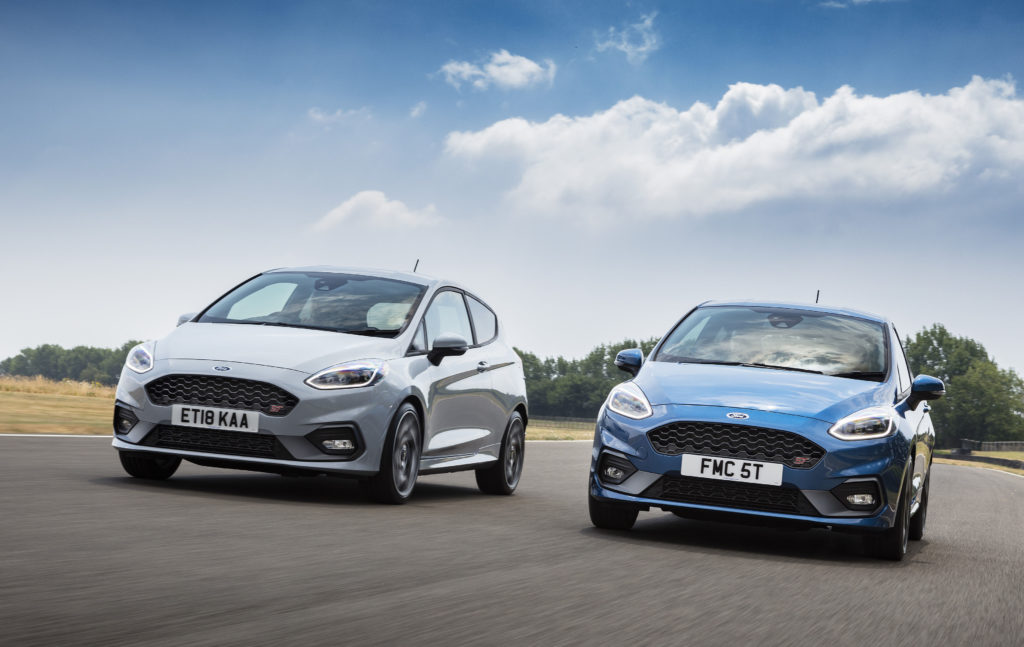
We’re not imagining it: the Society of Motor Manufacturers and Traders, the UK trade body responsible for tracking new-car registrations, reports that sales of city cars slumped from 10% of all purchases as recently as 2013 down to 1.3% in 2025, as supply was quietly turned off. But this looks set to change in the next 12 months, according to this special report by CarGurus.
In fact, we’d argue that 2027 is shaping up to be the year of the small car. While manufacturers focused on bigger, bulkier crossovers and SUVs during the first wave of the switch to electrification, their focus is finally moving to the more affordable end of the market, as economies of scale bring prices down and Chinese brands specialising in bijou bargains gain a foothold in the UK market. As a result, a flood of innovative and diminutive hatchbacks is waiting in the wings for launch in the next 12 months, many of them battery powered.
This is great news for buyers, who are about to benefit from more choice, with prices that'll dip well below £20,000. The forthcoming array of pocket-sized runabouts suggests that the death of the small car has been greatly exaggerated…
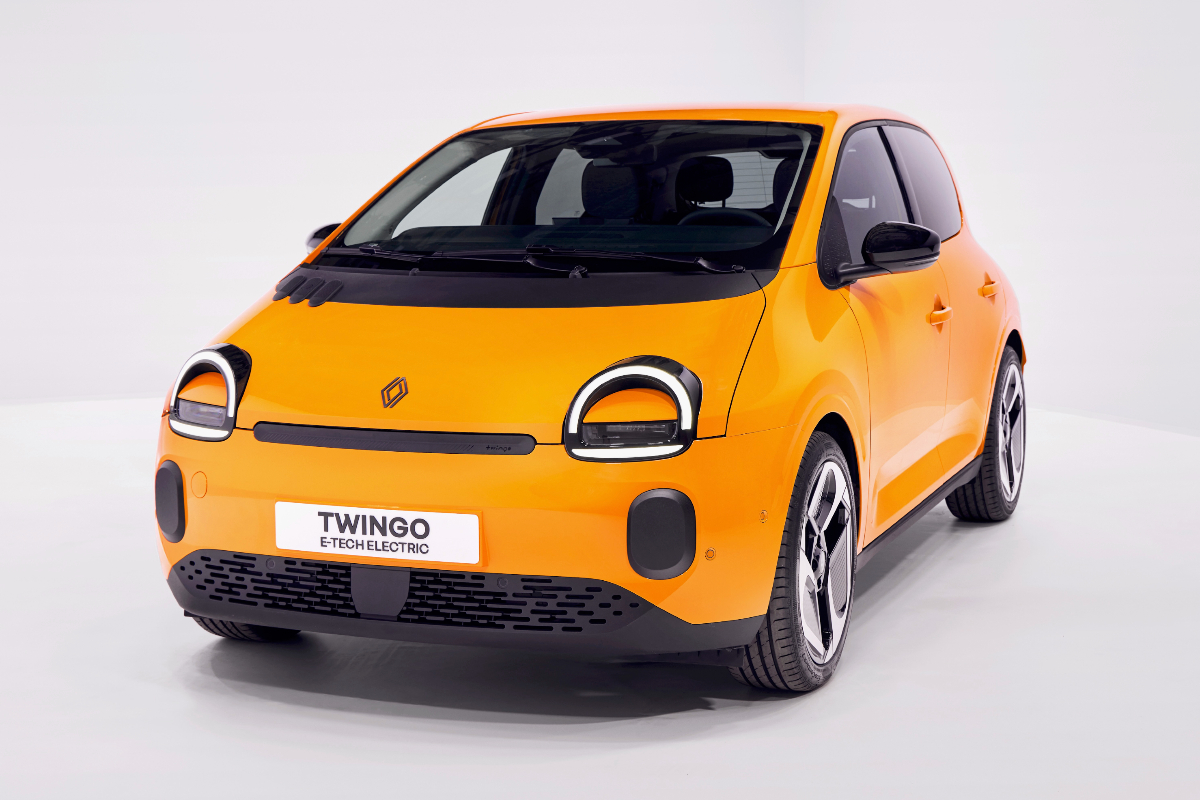
CarGurus has already been behind the wheel of some of this new wave of small cars, and we can confirm there are some crackers among them. The new Renault Twingo is proof that the French brand remains on fine creative form, following the smash-hit Renault 4 and Renault 5 with a little sister that’s even more affordable (UK prices are estimated to start at £19k) and just as cool. This EV even has a sliding rear bench seat, so you can juggle space between luggage or limbs, lending the 3.8m-long Twingo a surprising dose of practicality. It arrives in UK dealers in early 2027.
Honda’s in the throes of launching a more Tokyo-flavoured response with the Super-N tallboy, a boxy electric hatchback costing just £18,995 and brimming with Japanese character and a fun, fizzy drive.
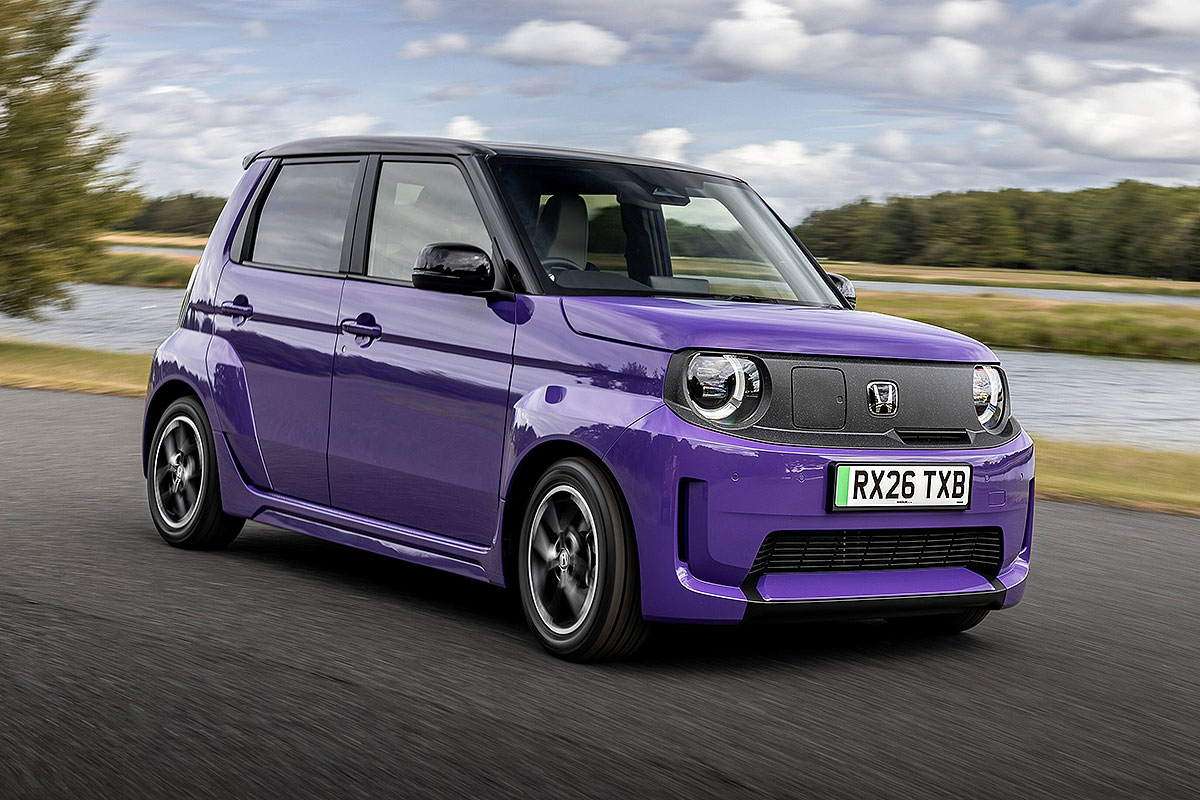
It’s worth remembering that these two electric city cars are only able to keep prices low because they use smaller, cheaper batteries (28kWh in the Twingo, 30kWh in the Super-N), with corresponding drops in range. Confined to their natural urban environment, this shouldn’t be a problem for most buyers, but neither will go much further than 100-120 miles in mixed use before they’ll need a charge.
The Honda is properly tiny, stretching the tape measure to just 3.6m (a full half-metre shorter than a Jazz), but if you want a more traditional supermini footprint, hovering around four metres in length, there are plenty of newcomers lined up jostling for 2027 car buyers’ attention. And, unsurprisingly, many of these small hatchbacks hail from China.
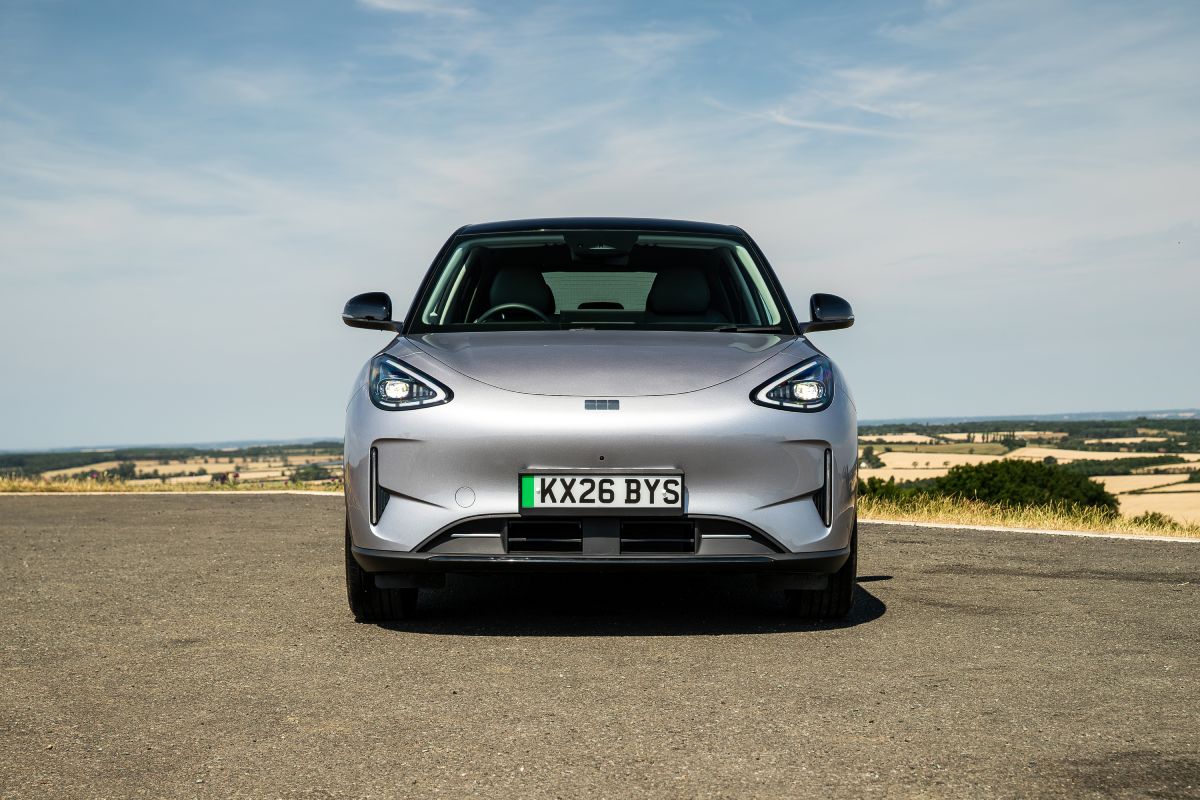
One of the most significant is the new Geely EX2, freshly crowned as 2025’s bestselling car in its homeland. It’s arriving in UK dealerships around about now, priced from £20,990, with affordable monthly rates for those who prefer to finance their new car. That price includes a full electric powertrain (battery choices of 35kWh or 47kWh for a range of up to 214 miles) and some fancy touchscreen tech inside the cabin to operate the car’s infotainment.
With the Leapmotor B03, MG 2 and Chery QQ3 also preparing for launch, it’s plain that the UK's small-car market is very much in the crosshairs of the Chinese car industry. Unlike the EU’s protectionist tariffs, Britain has fewer barriers to entry, which may explain why Chinese brands have mushroomed in popularity recently, taking 15% of the new-car market in the first seven months of the year, with nearly 195,000 new cars registered.
With three Chinese cars in the UK’s best-seller list in July 2026 and the Jaecoo 7 outselling the Nissan Qashqai, it seems that many British buyers aren’t fussed about the origin of their cars: they’re just lapping up the new crop of well-priced, well-designed challenger brands, and to hell with brand snobbery.
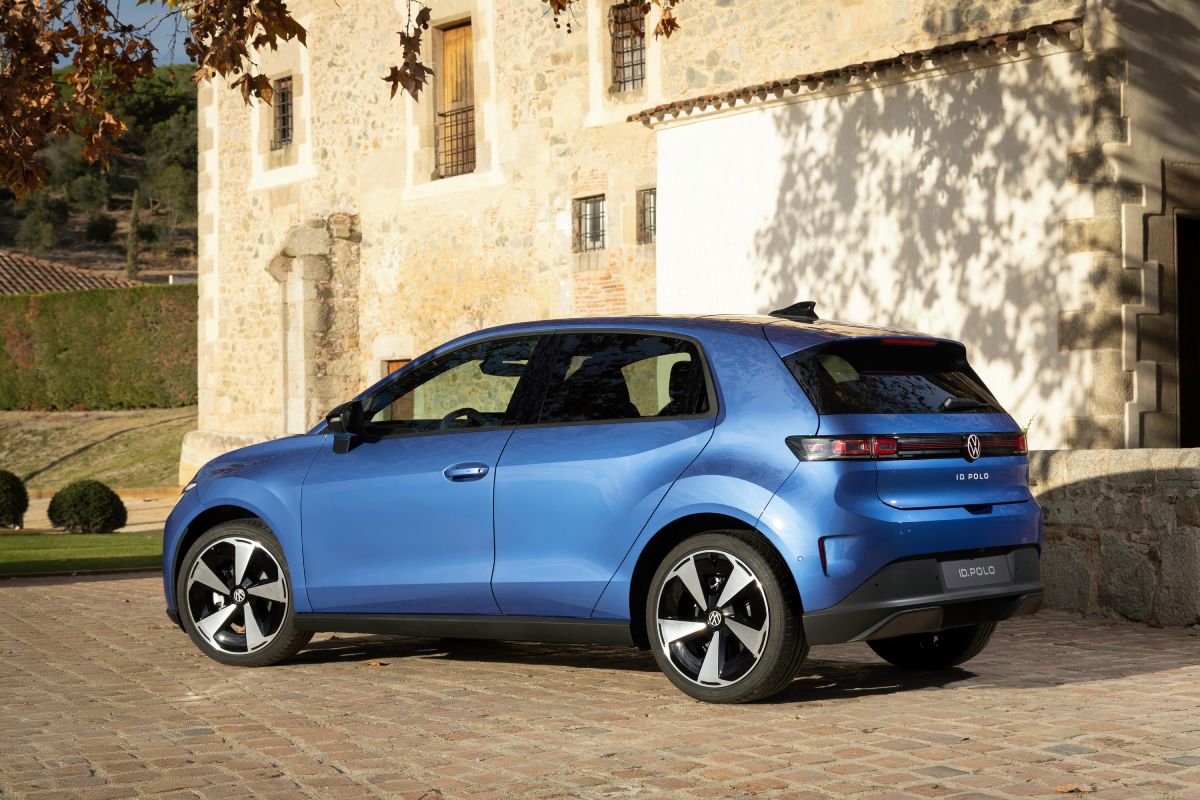
For those who prefer European badges, consider the safety blanket of the Volkswagen Group colossus, Germany’s biggest car-making group. It is preparing to launch the VW ID. Polo, reflecting how it’s branching its standalone electric cars back into the mainstream product line-up. It’ll look like a smart, modern Polo, only with an electric ID powertrain, boasting battery sizes of 37kWh or 52kWh, with prices starting from £23,945 when sales start this autumn.
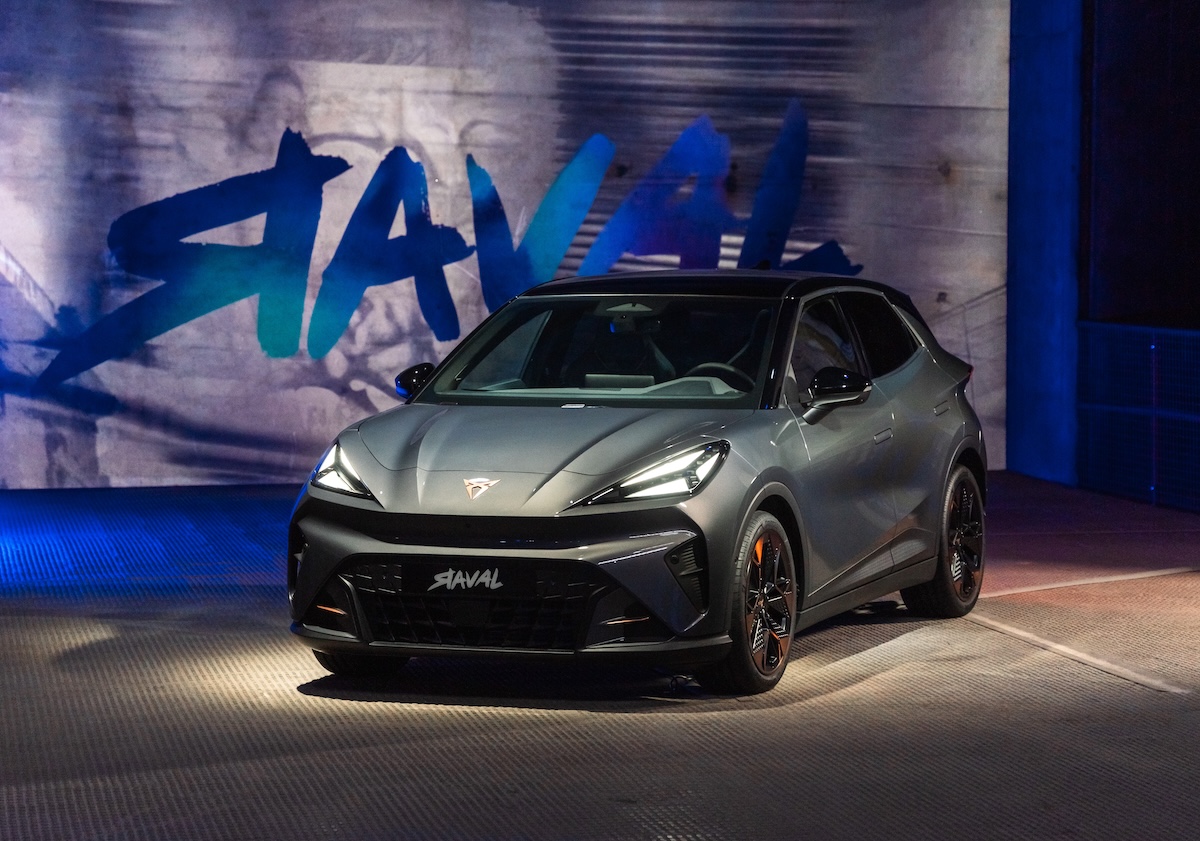
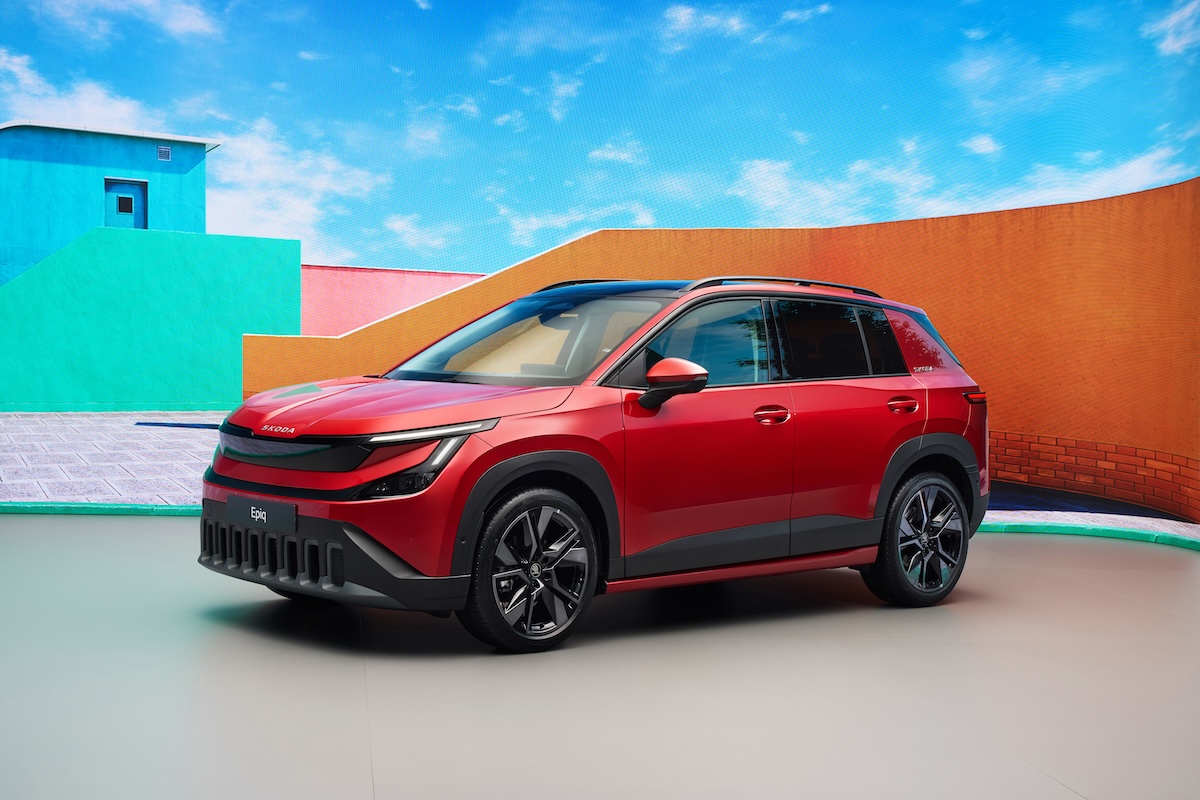
As ever with Wolfsburg, the new small-car platform will be cascaded across the automotive group’s sister brands with lightning efficiency: look out for the new Cupra Raval small car that wraps the same hardware in a more emotional, Spanish costume, and the Skoda Epiq, the same package but with a more junior crossover stance, Simply Clever functionality and stolid style for which the Czech brand has become synonymous.
Advances in technology and economies of scale are steadily reducing the prices of battery electric vehicles, and interestingly, European legacy brands are learning to compete with the lightning speed of the Chinese invaders. Renault developed its new Twingo E-Tech in just 21 months; it used Chinese partners to accelerate R&D processes, and production takes place in low-cost Slovenia, not a costlier French factory. Fabrice Cambolive, the CEO of Renault, says it’s all about ‘understanding the real needs of European drivers, their habits, their expectations for accessibility, emotion, and responsibility.’
There’s growing political pressure to promote smaller cars, which are inherently more efficient and cleaner than their lardier brethren and better suited to our increasingly crowded roads. The European Union is proposing Small Affordable Cars legislation to encourage the production of cheaper models shorter than 4.2 metres in length, in a move widely compared to the Kei-car class of microcars popular in Japan, encouraged by tax breaks for short, smalled-engined, low-cost models.
Details are still being thrashed out in Brussels, but it’s widely seen as a move that will counter the threat from China, as well as incentivise Europe’s established brands to invest in the very cars that most of its citizens need and can afford to run, rather than prioritising bigger and bulkier SUVs.
So if you were regretting the passing of the small car, be cheered. It’s back with a bang, and 2027 is shaping up to be the year that manufacturers reintroduced their little gems after some fallow years. That’s got to be good news for Britain’s car buyers.
Related Topics: