Self-charging hybrid SUVs have hit a sweet spot for UK drivers, offering a useful blend of fuel efficiency, practicality, and fuss-free ownership. Unlike plug-in hybrids (PHEVs) or fully electric cars, these vehicles don't require you to plug them in to charge. Instead, they use a clever combination of a petrol engine and an electric motor, with a small battery that's topped up by reclaiming energy that would otherwise be lost during braking and coasting.
The result? You get the benefit of silent, electric-only driving at low speeds — perfect for city traffic and school runs — which significantly cuts down your fuel consumption and emissions. On the open road, the petrol engine takes over, with the electric motor providing a helpful boost for acceleration, so you never have to worry about range anxiety. This makes them an ideal stepping stone for those not quite ready to commit to a fully electric car.
About this guide
The cars in this guide have been selected to represent the best options currently available. Our recommendations are the result of a unique three-part scoring system that takes into account real-world tests from our team of expert reviewers, ratings from real-life owners who live with these cars every day, and an analysis of market data from CarGurus UK to identify which models offer the highest percentage of good and great deals. This combined approach ensures our list highlights cars that are not only great to own but also good value to buy. For more information, scroll to the bottom of this page.
The Best Self-Charging Hybrid SUVs 2026
- 2026 Hyundai Santa Fe
- 2026 Kia Sorento
- 2026 Hyundai Tucson
- 2026 Toyota RAV4
- 2026 Renault Captur
- 2026 Nissan Qashqai
- 2026 Kia Niro
- 2025 Toyota C-HR
- 2026 Kia Sportage
- 2026 Renault Austral
CarGurus expert rating: 5 out of 5
CarGurus user rating: 4.6 out of 5
Percentage of good/great deals available on CarGurus: 37.0%
Overall CarGurus rating: 4.5 out of 5
| Pros |
Cons |
| Huge space and versatility |
Disappointingly low towing limit |
| Pleasantly trimmed interior |
Cabin storage could be cleverer |
| Lots of standard equipment |
Limited electric range on PHEV |
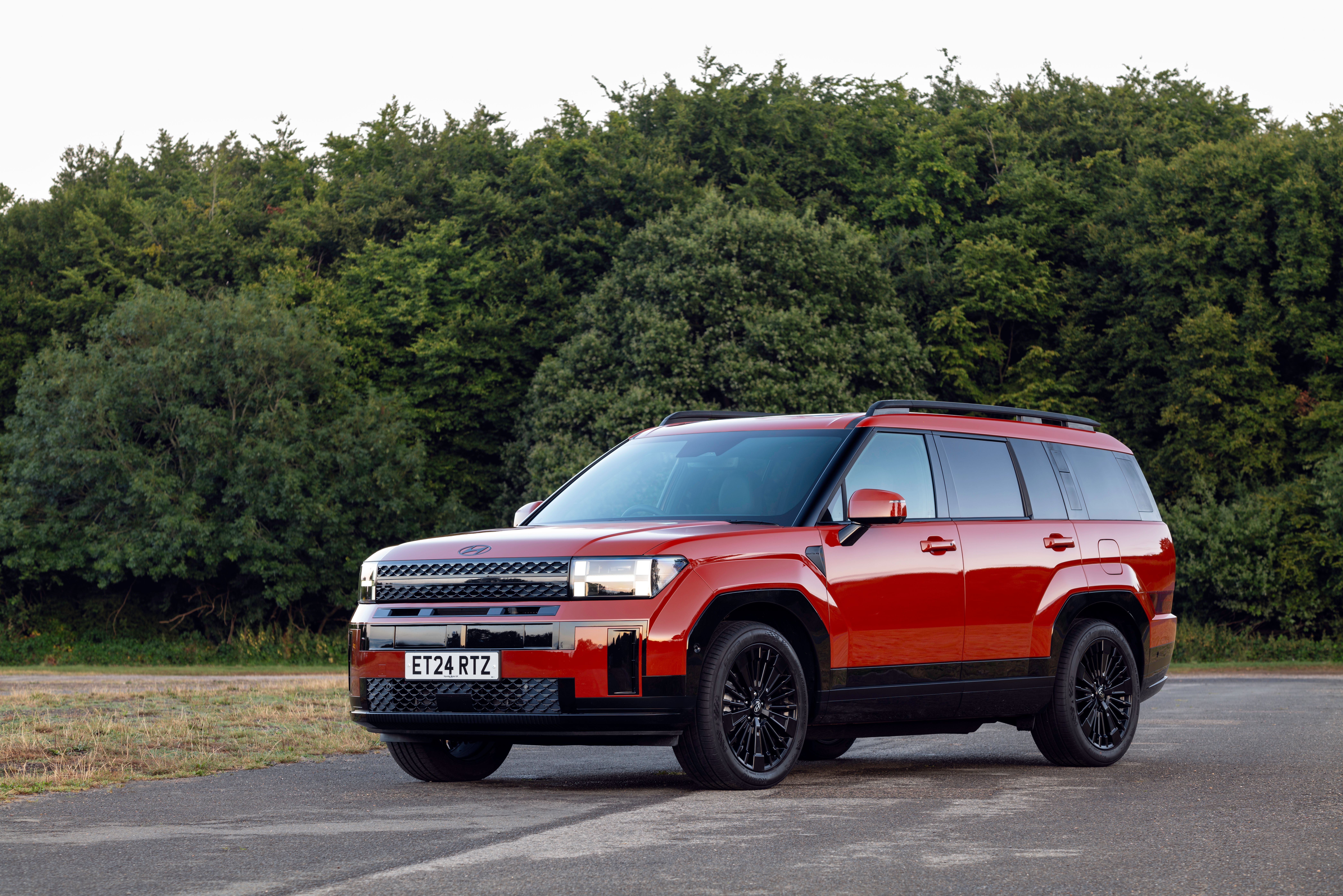
The fifth-generation Hyundai Santa Fe is a large, seven-seat family SUV with a distinctly upmarket and rugged style. For those seeking a self-charging hybrid, it offers a 1.6-litre turbocharged petrol engine paired with a small battery, available in either two- or four-wheel drive. Practicality is a major highlight, with a hugely versatile and roomy interior that features sliding middle-row seats and enough space in the third row for adults on shorter trips. With the rearmost seats folded, there's a generous 621 litres of boot space. The cabin itself feels both classy and robust, boasting a high driving position, a large 12.3-inch touchscreen, and clever storage solutions that make it a fantastic choice for busy family life.
On the road, the Santa Fe Hybrid is refined, comfortable, and surprisingly satisfying to drive. The hybrid system switches seamlessly between petrol and electric power, and the six-speed automatic gearbox ensures smooth progress. While it's not designed to be a performance SUV, it feels hushed and relaxing in everyday driving. The self-levelling suspension provides a cushy ride without feeling overly soft. Fuel economy for the front-wheel-drive hybrid is a respectable 40.4mpg. The primary drawback is a surprisingly low towing capacity of 1,110kg for the hybrid model.
The CarGurus Verdict: "While it missed a full five-star rating, the Santa Fe is a truly brilliant and peculiarly lovable seven-seat SUV. If you want something that's useful and rugged, but that doesn't cost the earth and promises great reliability, this is well worth considering." - Vicky Parrott, contributing editor
Read our full Hyundai Santa Fe review
CarGurus expert rating: 5 out of 5
CarGurus user rating: 4.8 out of 5
Percentage of good/great deals available on CarGurus: 35.5%
Overall CarGurus rating: 4.5 out of 5
| Pros |
Cons |
| Good value |
BMW alternatives are better to drive |
| Spacious interior |
Hybrids having lower towing limits than diesels |
| Wide engine range including hybrids |
Feels big to drive |
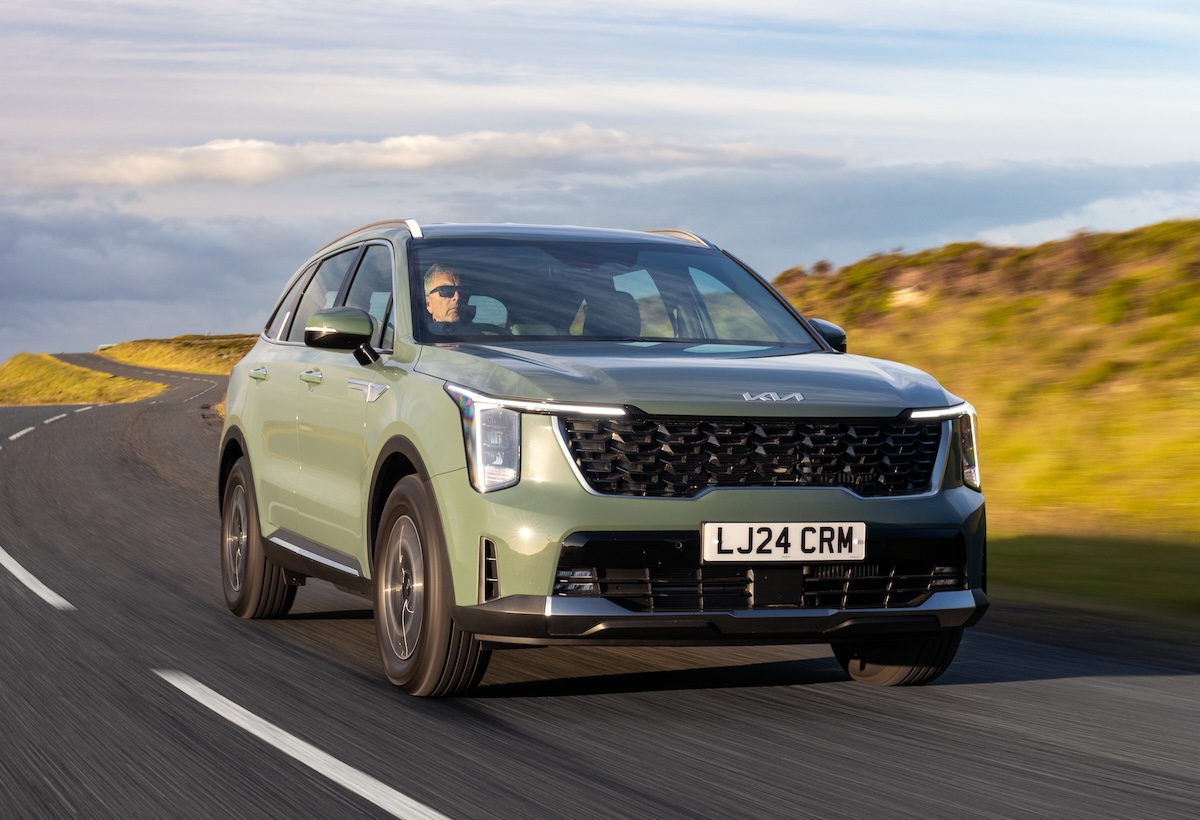
The fourth-generation Kia Sorento is a spacious and upmarket seven-seat SUV that sits above the Sportage in the Korean brand's lineup and is every bit as recommendable. The self-charging hybrid version combines a 1.6-litre turbocharged petrol engine with an electric motor for a total output of 212bhp. It's a hugely practical choice, with more interior space than its predecessor and a generous 604 litres of boot space with the third-row seats folded. The cabin has a premium feel that rivals more expensive prestige brands, and it's well-equipped, with USB ports and air vents for all three rows, making it a comfortable and versatile family vehicle.
On the road, the Sorento prioritises comfort over sporty handling, providing a relaxed driving experience, particularly on models with smaller 17-inch wheels. The self-charging hybrid is most efficient in town driving, where it can frequently top up its battery under braking, and it offers an official fuel economy figure of up to 40.9mpg. Even entry-level models are generously equipped with a large touchscreen (including Apple CarPlay and Android Auto), a digital driver's display, and a full suite of safety features. Higher trim levels add even more luxuries, such as a panoramic roof and premium sound systems, reinforcing the Sorento's position as a clever and practical choice for buyers who need space and efficiency.
The CarGurus Verdict: "Yes, it's a lot more expensive than it used to be, but the quality of the latest Sorento has kept pace with Kia's steady push upmarket... if practicality is your priority, you'd be hard pressed to buy a better SUV without spending much, much more." - Chris Knapman, editorial director
Read our full Kia Sorento review
CarGurus expert rating: 4 out of 5
CarGurus user rating: 4.8 out of 5
Percentage of good/great deals available on CarGurus: 34.3%
Overall CarGurus rating: 4.4 out of 5
| Pros |
Cons |
| Lots of standard kit |
Not all that fun to drive |
| Five-year warranty |
Unsettled ride on big 19-inch wheels |
| Choice of hybrid powertrains |
Plug-in hybrid range not a match for best in class |
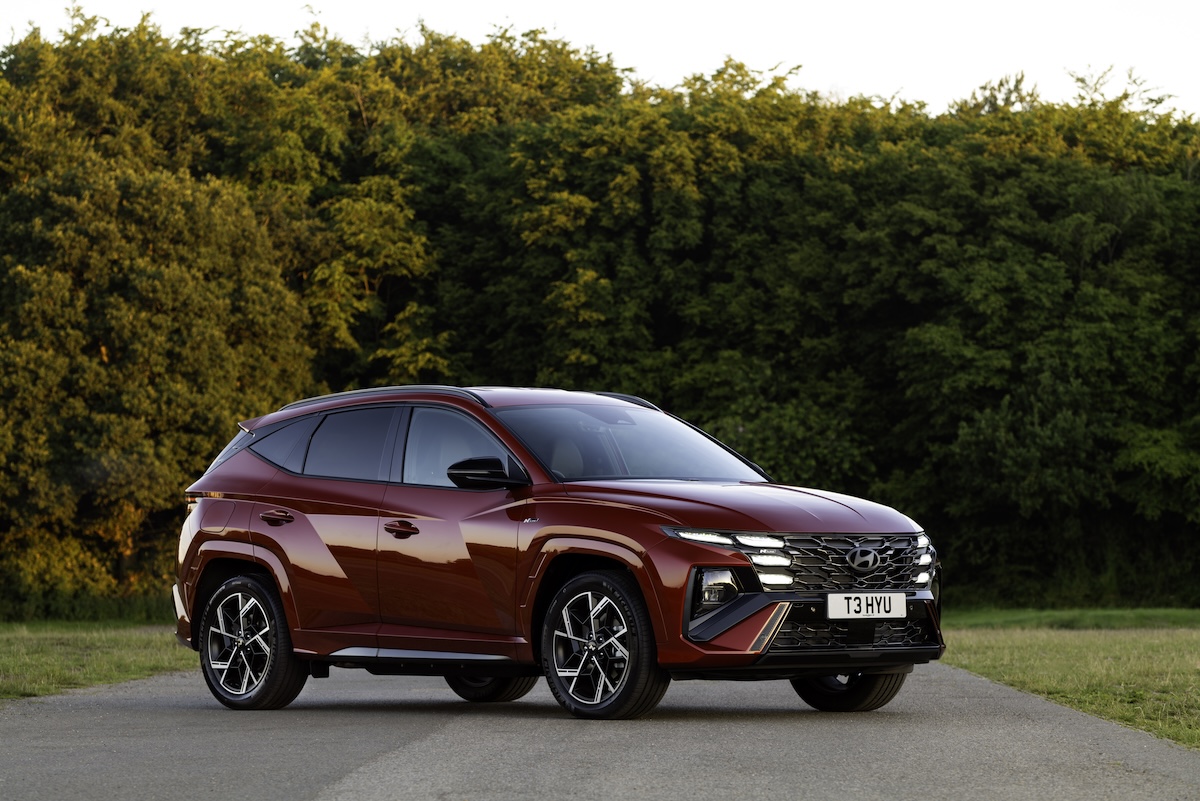
Based on the same underpinnings as the Kia Sportage, the Hyundai Tucson has transformed from a budget-friendly choice into a genuinely aspirational family SUV that can compete with premium brands like the Audi Q3. Its standout styling, featuring a distinctive grille with integrated lights and a striking cabin design, makes it a popular choice. Inside, space is generous for both passengers and luggage, with plenty of legroom and headroom for tall adults in the back. The self-charging full hybrid model boasts an impressive 577 litres of boot space, which is among the best in its class and highly practical for family life.
On the road, the 227bhp self-charging hybrid is an easygoing companion, offering smooth, quiet, and effortless performance. The electric motor provides instant response from a standstill, making city driving a breeze, though the six-speed automatic gearbox can feel a bit sluggish at times. For longer journeys, this hybrid is the most economical choice in the Tucson lineup, capable of achieving more than 50mpg. While it's a comfortable cruiser, models with 19-inch wheels can feel a bit unsettled on rougher surfaces. Post-facelift models from mid-2024 feature a heavily revised interior with a smart, curved dual-screen setup that is one of the best on the market.
The CarGurus Verdict: "There's no doubt that the latest new Tucson is a deeply impressive family SUV. It looks and feels well built – if not up there with an Audi Q3 or BMW X1, then certainly a big step up from the previous model – and it offers pretty good value for money considering the amount of standard equipment Hyundai crams into most trim levels." - Chris Knapman, editorial director
Read our full Hyundai Tucson review

CarGurus expert rating: 4 out of 5
CarGurus user rating: 4.7 out of 5
Percentage of good/great deals available on CarGurus: 31.4%
Overall CarGurus rating: 4.4 out of 5
| Pros |
Cons |
| Comfortable and easy to drive |
Pricier than many petrol and diesel alternatives |
| Hybrid power makes the RAV4 efficient and economical |
Only available with five seats when some rivals have seven |
| Reliable, and comes with a long warranty |
Wind and road noise at speed |
The fifth-generation Toyota RAV4 is a highly practical and efficient SUV, renowned for its reliability and impressively low running costs. While no longer available to order new, this generation of RAV4 is still worth seeking out as a nearly new model, not least because of Toyota's 10-year, 100,000-mile warranty (provided you have the car serviced at a Toyota dealer). As a self-charging hybrid, the RAV4 delivers diesel-like fuel economy, with the front-wheel-drive model officially averaging up to 50.4mpg.
It's a practical choice for a family of five, offering a high-quality interior and a generous 580 litres of boot space, which is significantly more than you'll find in rivals like the Nissan Qashqai. Performance from the 2.5-litre petrol-hybrid system is perfectly adequate, with the entry-level 215bhp model feeling smooth and relaxed in normal driving. While the CVT automatic gearbox can feel a little disconnected under hard acceleration, the RAV4 is a comfortable and easy car to drive with safe and secure handling.
Even the entry-level Icon trim is well-equipped, featuring an 8.0-inch touchscreen, adaptive cruise control, and a rear-view camera as standard. For used buyers, it's worth noting that Apple CarPlay and Android Auto were only integrated at the start of 2020, so check that any older car you're considering has had the upgrade.
The CarGurus Verdict: "The Toyota RAV4 is an ideal choice if you're looking for a hybrid SUV with low running costs, excellent equipment levels and a comfortable cabin. Its space and practicality make it a good option for those in the market for a family SUV, too, while its long warranty and Toyota's reputation for reliability should keep issues to a minimum." - Lewis Kingston, contributor
Read our full Toyota RAV4 review
CarGurus expert rating: 4 out of 5
CarGurus user rating: 4.4 out of 5
Percentage of good/great deals available on CarGurus: 33.4%
Overall CarGurus rating: 4.4 out of 5
| Pros |
Cons |
| Practical cabin with its clever sliding rear bench |
Not as much fun to drive as a Ford Puma |
| Frugal hybrid model |
Elements of interior build quality could be better |
| Excellent Google-based touchscreen system |
Poor quality reversing camera |
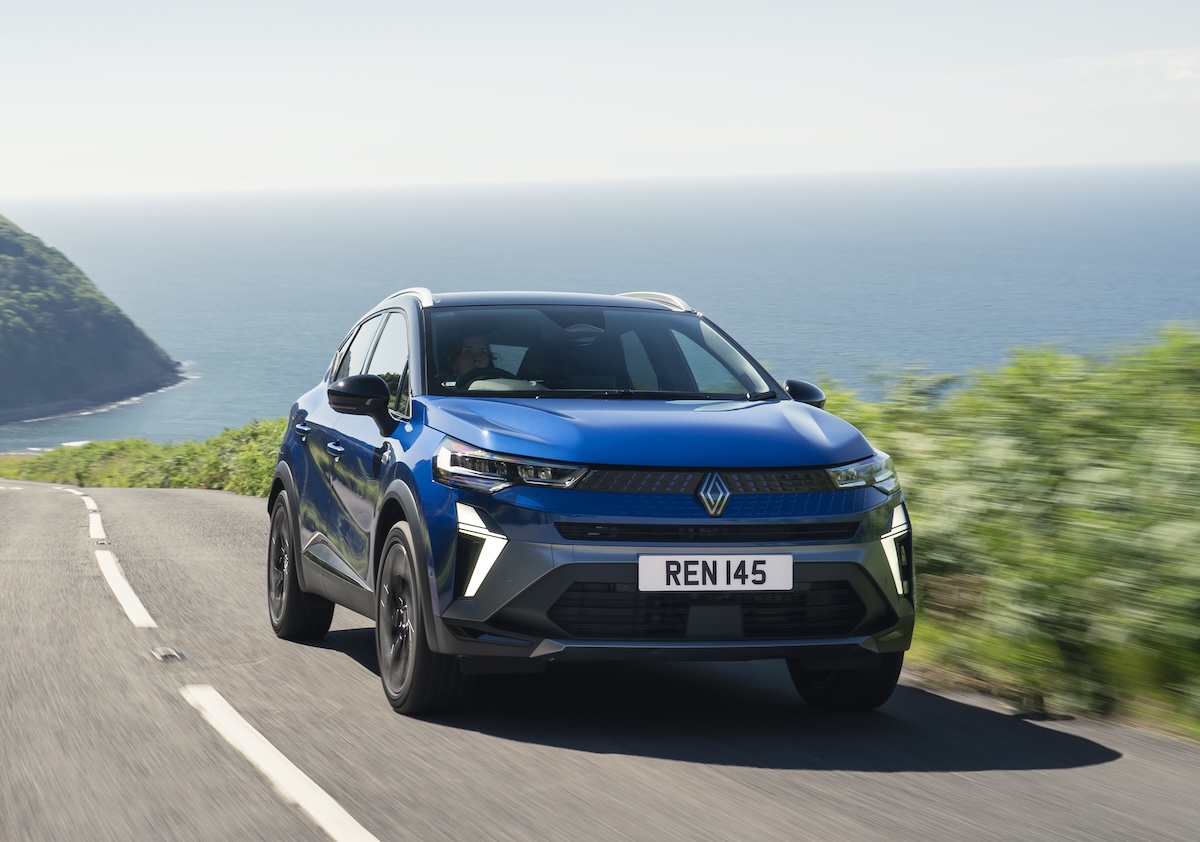
For something smaller, the Renault Captur E-Tech hybrid is well worth considering. It combines a 1.6-litre petrol engine with two electric motors, producing a total of 145bhp. This powertrain is particularly impressive in town, where it can run frequently on electric power alone, contributing to an excellent claimed fuel economy of up to 60mpg. One of the Captur's standout features is its practicality; a sliding rear bench allows you to prioritise either passenger legroom or boot space, making it a versatile choice for families.
Inside, post-2024 facelift models in Techno trim or higher feature a superb 10.4-inch portrait touchscreen powered by Google, which is logical and easy to use. Standard equipment is generous across the range, but buyers of the hybrid model should note the trade-off in boot space, which is 362 litres compared to the petrol version's 444 litres. While a Ford Puma is more fun to drive, the Captur offers a comfortable and civilised ride that is perfectly pleasant for everyday use. It's a well-rounded package that balances style, efficiency, and practicality.
The CarGurus Verdict: "The Renault Captur is definitely one of the more attention-grabbing compact crossovers out there, and even more so when you consider the availability of the hybrid option. There's substance behind its style, too. It is a safe and practical choice, it comes with a good range of equipment, and it isn't overly expensive." - Chris Knapman, editorial director
Read our full Renault Captur review
CarGurus expert rating: 4 out of 5
CarGurus user rating: 4.6 out of 5
Percentage of good/great deals available on CarGurus: 34.1%
Overall CarGurus rating: 4.4 out of 5
| Pros |
Cons |
| Lots of clever tech |
No plug-in hybrid |
| Roomy and practical cabin |
Underwhelming performance of 1.3 mild hybrid |
| Stylish looks |
High-spec cars are very pricey |
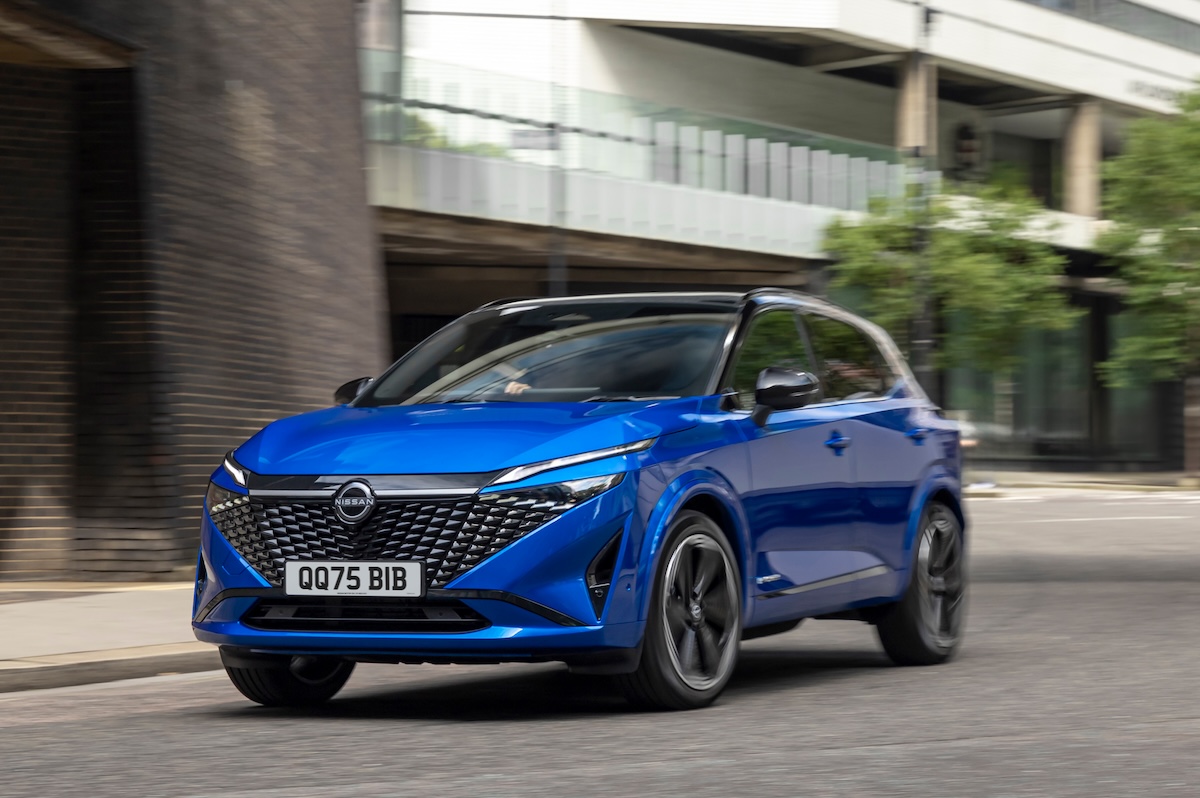
Nissan has taken a slightly different path with its self-charging hybrid system, called e-Power. Unlike rivals where a petrol engine and electric motor can both drive the wheels, in the Qashqai the 1.5-litre petrol engine acts purely as a generator for the 201bhp electric motor. The result is a car that feels much like a pure electric vehicle to drive, with smooth, instant, and gear-change-free acceleration. It's wonderfully refined, too, with the engine's hum kept impressively distant, only becoming more noticeable at higher speeds where it's masked by wind and road noise anyway.
This clever hybrid tech doesn't come at the expense of practicality, either. The boot offers up to 504 litres of space, which is competitive (if not class leading) for this class of SUV, and there's plenty of room for passengers in the back. The high driving position gives you that commanding view of the road that SUV buyers love, and while it's not the sharpest-handling car of its type, it feels tidy, stable, and reassuringly easy to drive in any situation. It's a recipe that has made the Qashqai a UK best-seller for years, and this latest version is the best yet.
The CarGurus Verdict: "A big step up over previous versions, the latest Qashqai is a superb all-rounder, and the clever e-Power hybrid system is a highlight." - Chris Knapman, editorial director
Read our full Nissan Qashqai review
CarGurus expert rating: 3 out of 5
CarGurus user rating: 5.0 out of 5
Percentage of good/great deals available on CarGurus: 35.0%
Overall CarGurus rating: 4.3 out of 5
| Pros |
Cons |
| Very low running costs |
PHEV loses some boot space |
| Roomy for passengers |
Not exciting to drive |
| Lots of equipment as standard |
Styling won't be to all tastes |
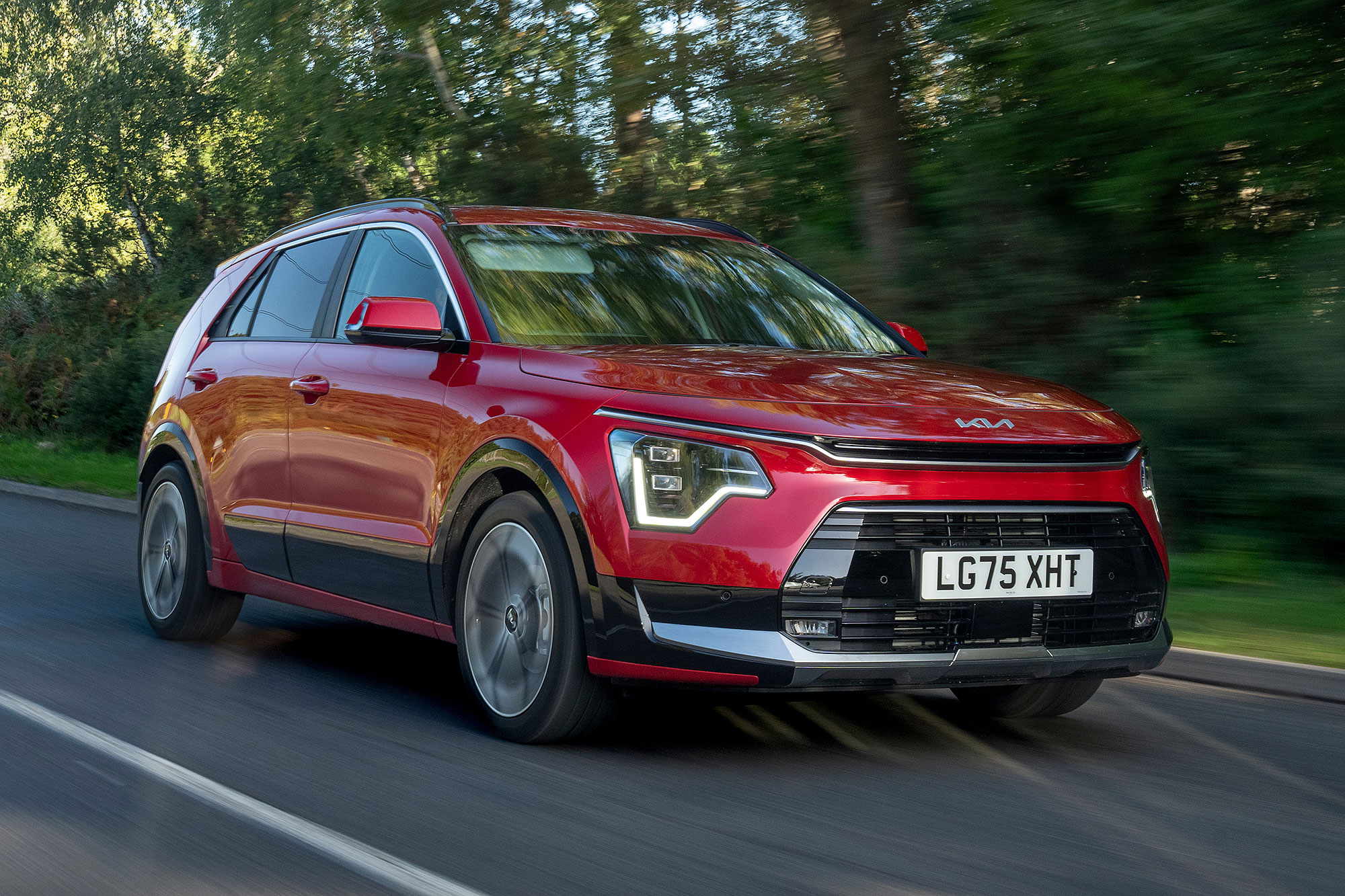
The Kia Niro is a compelling family crossover that blends the chunky styling of an SUV with the running costs of a hatchback. As a self-charging hybrid (HEV), it's a good choice for practicality and efficiency. The HEV model boasts a generous 451-litre boot, which is usefully larger than what you'll find in rivals like the Toyota C-HR. Passenger space is another strong suit, with plenty of legroom in the back and easy access, making it a great option for families. Official figures suggest fuel economy of around 61mpg, and you can realistically expect to see between 45 and 55mpg in everyday driving.
While the Niro isn't the most thrilling car to drive, it is confident, composed, and comfortable for daily use. The 1.6-litre petrol engine, combined with the electric motor, can feel a bit noisy and strained under hard acceleration, but it settles down nicely for calm town and motorway cruising. The real highlight is the interior, which borrows its smart, modern design from the acclaimed Kia EV6. It feels durable and is packed with technology. We recommend the '3' trim, which provides the best balance of features, including the impressive dual 12.3-inch screens, heated seats, and a full suite of safety aids like adaptive cruise control.
The CarGurus Verdict: "The Kia Niro is a really good all-round family car... Kia's smart, roomy interior really impresses. It's usefully more spacious than most family hatchbacks or compact SUV alternatives. As a whole, this is a really complete and highly recommendable family car." - Vicky Parrott, contributing editor
Read our full Kia Niro review
CarGurus expert rating: 4 out of 5
CarGurus user rating: 4.5 out of 5
Percentage of good/great deals available on CarGurus: 34.5%
Overall CarGurus rating: 4.3 out of 5
| Pros |
Cons |
| Low running costs |
Expensive compared with rivals |
| Distinctive styling |
Safety systems can be overly intrusive |
| Good to drive |
Lots of random beeps and bongs |
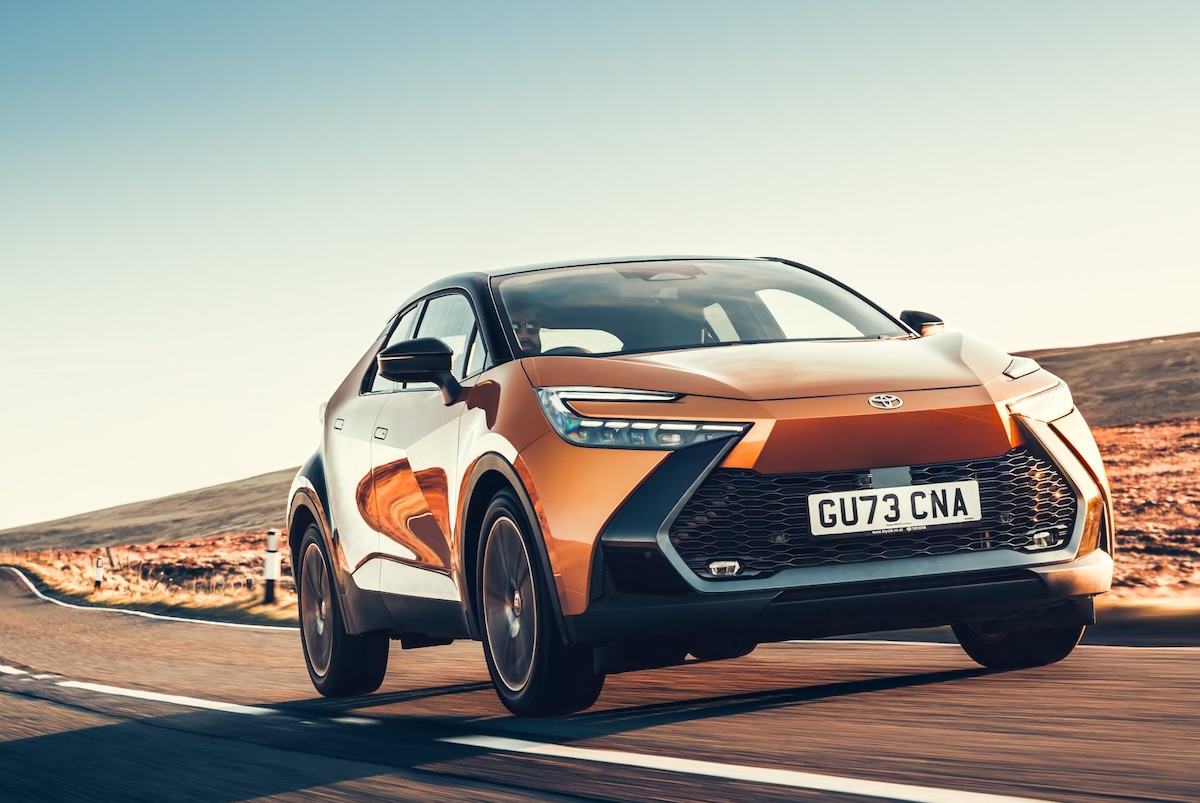
The second-generation Toyota C-HR is a five-seater compact crossover that uses concept-car styling to stand out against rivals like the Volkswagen T-Roc and Seat Ateca. As a self-charging hybrid, it promises low running costs and excellent reliability, hallmarks of the Toyota brand. While it's not the most versatile in its class, the C-HR provides decent legroom and headroom for four adults to travel comfortably. Boot space isn't the most generous (the 1.8-litre version has a 388-litre boot), but it's comparable to a family hatchback like the Volkswagen Golf. Higher trims feature a modern interior with a large 12.3-inch touchscreen, a digital driver's display, and standard Apple CarPlay and Android Auto.
The C-HR's self-charging hybrid system is exceptionally smooth and quiet in town, where it can spend up to 50% of the time in electric-only mode with a light right foot. Buyers can choose between a 138bhp 1.8-litre engine or a more muscular 193bhp 2.0-litre unit, which provides a welcome performance boost. While the CVT automatic gearbox can cause the engine to drone under hard acceleration, the car is otherwise comfortable and enjoyable to drive, striking a good balance between a settled ride and entertaining handling. Running costs are a strong point, with both self-charging hybrids capable of achieving more than 50mpg in mixed driving.
The CarGurus Verdict: "The Toyota C-HR is not the cheapest or roomiest option in its class, but it is a very good crossover in a lot of ways. It's hard not to admire the bold styling, and while the seemingly random beeps and bongs that the car emits can be annoying, they don't detract too much from what is a really good all-rounder." - Chris Knapman, editorial director
Read our full Toyota C-HR review
CarGurus expert rating: 3 out of 5
CarGurus user rating: 4.4 out of 5
Percentage of good/great deals available on CarGurus: 34.2%
Overall CarGurus rating: 4.2 out of 5
| Pros |
Cons |
| Wide range of powertrains |
Divisive styling |
| Superb infotainment |
Ford Kuga is better to drive |
| Well equipped |
Top-spec models are very pricey |
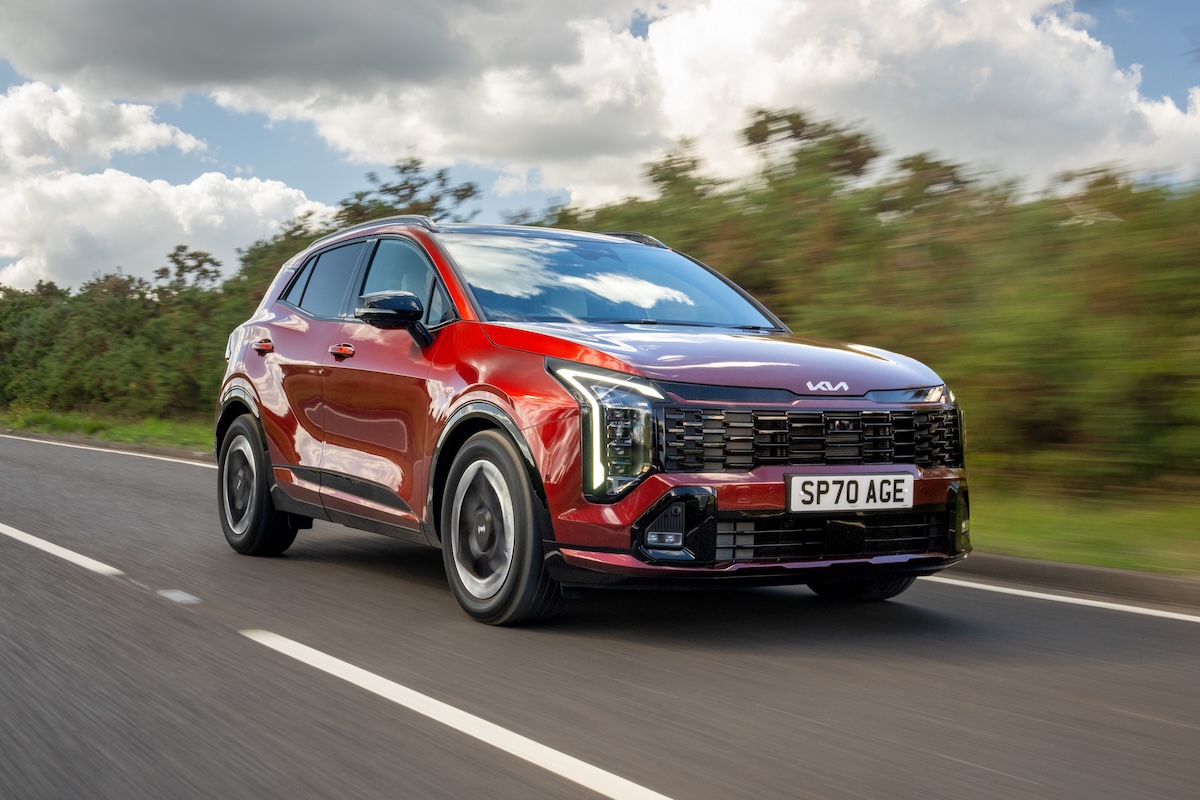
The Kia Sportage is the Korean brand's best-selling car for good reason, and the self-charging hybrid model is arguably the best model in the range. Its powertrain offers a seamless switch between electric and petrol power, delivering its 235bhp with enough urgency for easy overtakes and relaxed motorway cruising. It's an impressively comfortable and refined car, yet it also feels agile and substantial to drive. For a family SUV, practicality is excellent; the hybrid model boasts a vast 587-litre boot, and rear passengers get plenty of legroom. In real-world driving, you can expect to see between 40 and 45mpg, which is very respectable for a car of this size.
Inside, every version of the post-2025 facelift models (the trims are Pure, GT-Line and GT-Line S) features a large 12.3-inch central touchscreen with sharp graphics, wireless Apple CarPlay and Android Auto, and a clever touch-sensitive panel below that switches between climate and media controls. This means you don't have to dive into menus for simple adjustments. Combined with generous equipment levels across the range, a well-judged balance of comfort and handling, and Kia's unbeatable seven-year warranty, the Sportage is one of the most complete and recommendable hybrid SUVs on the market.
The CarGurus Verdict: "The Kia Sportage is bold enough to stand out from the crowd, features a smart interior, and has all the practicality you could expect from a five-seat family SUV. The technology is well integrated, equipment levels are generous across all specifications, and you can choose between petrol, hybrid or plug-in hybrid drivetrains." - Chris Knapman, editorial director
Read our full Kia Sportage review
CarGurus expert rating: 3 out of 5
CarGurus user rating: Insufficient user reviews
Percentage of good/great deals available on CarGurus: 32.6%
Overall CarGurus rating: 3.8 out of 5
| Pros |
Cons |
| Roomy and versatile cabin |
Lots of road noise |
| Pleasant interior |
Ride can be firm |
| Refined hybrid powertrain |
Four-wheel steering can feel twitchy |
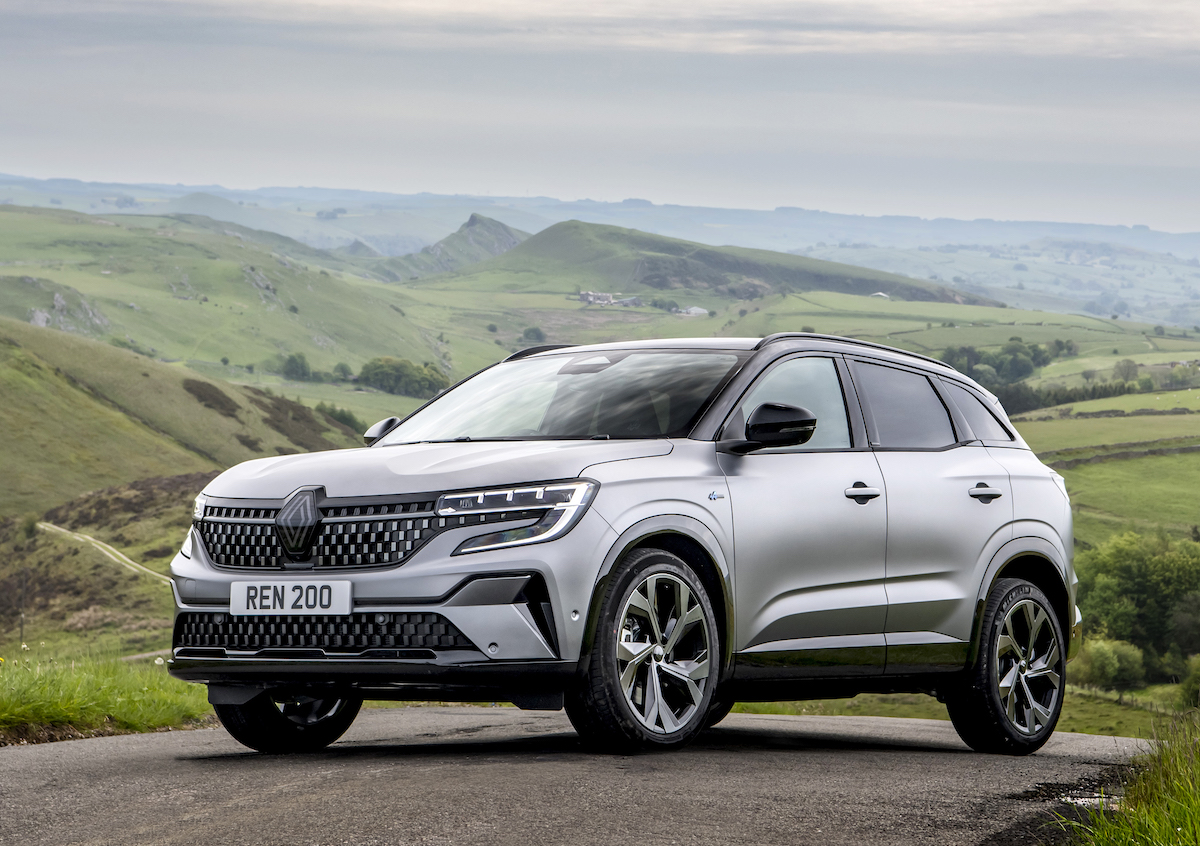
The Renault Austral makes a strong case for itself in the crowded midsize SUV market with its striking looks, a high-tech interior, and impressive practicality. Inside, all models feature a smart-looking dashboard dominated by two 12-inch screens that run on a responsive Google-backed system. For a family SUV, the Austral delivers a roomy and versatile cabin, and the E-Tech hybrid model offers a boot capacity of 430 litres. This can be expanded by sliding the rear seats forward, which is a useful feature for balancing luggage and passenger needs.
Under the bonnet, every Austral in the UK is an E-Tech self-charging full hybrid, combining a 1.2-litre petrol engine with two electric motors for a total of 196bhp. This setup provides smooth and quiet performance around town, often running on electric power alone, and delivers strong fuel economy, with an official figure of up to 60.1mpg. While the powertrain is a highlight, the driving experience can be unsettled, as the ride is often fidgety and firm, and there's a noticeable amount of road and wind noise at speed. Even so, its blend of efficiency, technology, and style makes it an interesting option, and owner reviews are strong.
The CarGurus Verdict: "It looks good inside and out, it has a roomy cabin with fairly impressive build quality, the infotainment system looks swish and the car comes with an impressively smooth hybrid drivetrain. We do, however, have reservations over the ride comfort." - Chris Knapman, editorial director
Read our full Renault Austral review
FAQs
What is a self-charging hybrid SUV?
A self-charging hybrid SUV, also known as a full hybrid or HEV, has both a petrol engine and an electric motor. The key difference from a plug-in hybrid (PHEV) is that you never need to plug it into a power source. The car's small battery is recharged automatically using energy captured during braking and by the engine itself. This allows the car to run on silent electric power for short distances, typically in stop-start traffic or at low speeds, which significantly improves fuel economy.
Do I ever need to plug in a self-charging hybrid?
No, you never need to plug in a self-charging hybrid. The entire system is self-sufficient. This is their main appeal for drivers who don't have access to off-street parking for home charging or who simply want the fuel-saving benefits of a hybrid without the need to change their habits.
Are self-charging hybrids good for motorway driving?
While self-charging hybrids are most efficient in town, where they can make the most of their electric motor, they are still very effective on the motorway. The petrol engine will do most of the work at a constant high speed, but the electric motor can provide a power boost for overtaking. They are generally more fuel-efficient on long runs than their pure petrol counterparts, though high-mileage motorway drivers might still find a modern diesel offers better economy.
What are the main benefits of a self-charging hybrid SUV?
The main benefits are convenience and lower running costs. You get significantly better fuel economy (lower fuel bills) and reduced CO2 emissions compared to a petrol-only SUV, without any of the range anxiety or charging requirements of an electric car. They are also often quieter and smoother to drive, especially in urban environments.
Which is the most economical self-charging hybrid SUV?
Based on official figures, compact models like the Renault Captur, Renault Austral and Hyundai Kona often claim the highest MPG figures, sometimes exceeding 60mpg. However, real-world economy depends heavily on your driving style and the types of journeys you make. All the cars on our list offer excellent efficiency for their size.
What Makes CarGurus Best Cars Guides Different?
Most car buying websites publish lists of the best cars across a variety of categories, with recommendations generally driven by editorial expertise. Here's what makes our best cars guides different: we combine the insights and verdicts of our team of car-testing experts with other factors that we know matter to buyers - real owner experiences and current market value.
To that end, our expert reviewers come from some of the UK's most trusted automotive publications including What Car?, The Telegraph, Auto Trader, Electrifying.com, and Carbuyer. They put each car through real-world testing, and create detailed reviews noting performance in a range of categories, from practicality and driving manners, to running costs and reliability.
But we don't stop there when it comes to creating our best cars guides; we also analyse hundreds of thousands of used car listings on CarGurus UK to track which models consistently offer the highest percentage of best deals relative to how many are listed for sale. Then we factor in reviews from owners - people who actually live with these cars every day. Our best cars algorithm then creates a final Overall CarGurus rating that combines expert ratings, user reviews, and the percentage of listings on CarGurus UK rated as good or great deals. This three-way approach reveals not just which cars excel on paper, but which ones deliver satisfaction and value when you're ready to buy.
The CarGurus UK market data in this guide was last updated in September 2026. Values were accurate at the time of publication and should be used as a guide only.
Related Topics:


