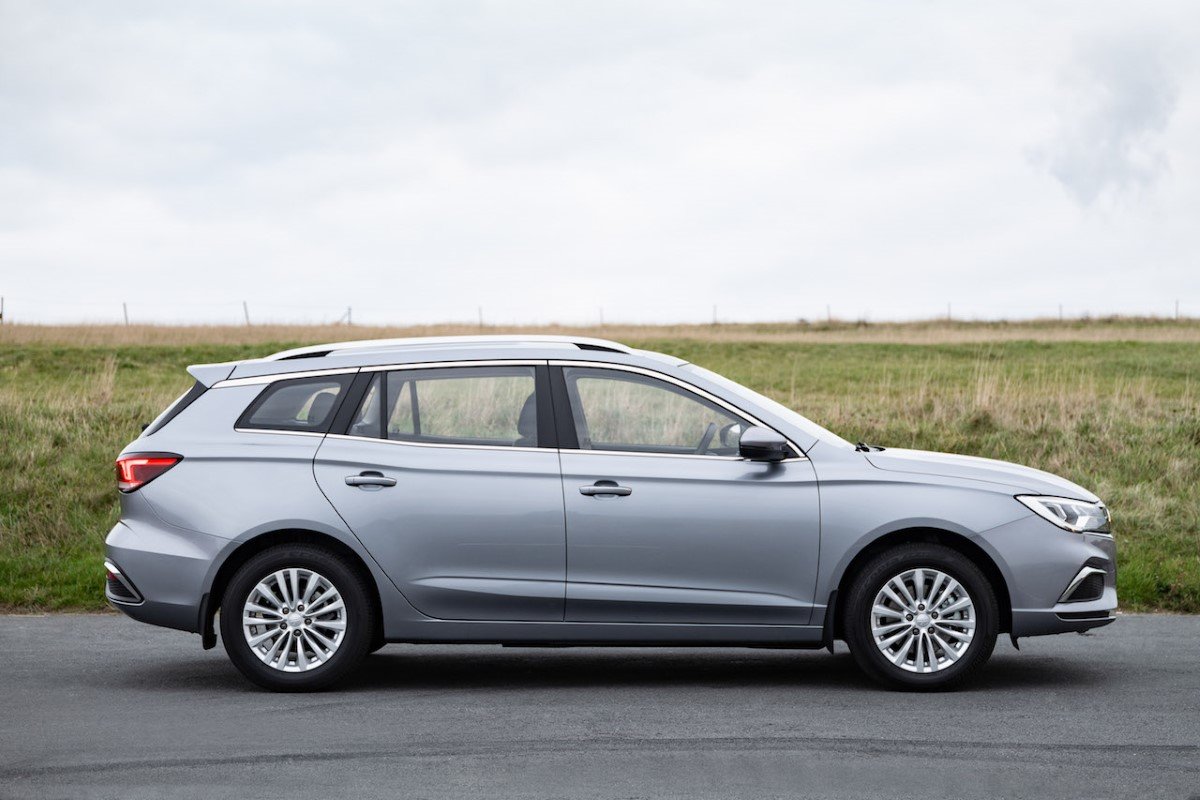
It wasn’t that long ago that an estate car was the go-to option for anyone looking for a bit more practicality than the average hatchback or saloon could offer. There were lots to choose from, whether you wanted something cheap and compact, sleek and sporty, family-friendly or large and luxurious. Most brands offered at least one estate car, and some offered a few. If the UK car market was a garden, the estate car would be a hardy perennial: nothing showy or exotic, but a staple that you could rely on. Then the SUV appeared on the scene, a fast-growing, invasive species that threatened to crowd out the poor old estate car altogether.
But now the estate market is showing signs of regrowth. As of June 2026, CarGurus price trends data shows that the average price for a used estate car rose by 1.6% over the past year, which is only marginally behind hatchbacks (at 2.1%). So estate cars appear to be in demand. Maybe SUV fatigue has set in and people are starting to appreciate the unique virtues an estate car has to offer. Perhaps, then, estate cars are the next big thing.
The case for estates
Estate cars might have lost ground to SUVs in the sales charts, but they retain a unique appeal. It goes without saying that they’re usually a lot more practical than the hatchback or saloon models they’re based on, yet they generally don’t cost much more to buy or run. In some cases, you get more load capacity in an estate than you would in an equivalent SUV, with a shallower-but-longer boot that can be better suited to family-, hobby- or DIY duties.

Being lighter and sleeker than an SUV means estate cars almost always give better mpg or longer battery range. And with a lower centre of gravity and less weight to shift around, they’re usually more satisfying to drive. Then there’s image. Estate cars aren’t flashy. Many are subtly stylish and some are arguably better-looking than their saloon or hatchback counterparts. Audi A5 and Skoda Superb, we’re looking at you.
Who still makes estates?
Whatever their merits, it’s clear that estates aren’t as popular as they were. The fact is, the number of estate models on sale has dwindled steadily over recent years. Brands that traditionally sold estate cars in the UK but no longer do include Citroen, Fiat, Ford, Honda, Jaguar, Mazda and Renault.
But while some brands have (perhaps permanently) called time on estate cars, others continue to sell them alongside their hatchback or saloon equivalents. Premium brands, especially, have kept the faith. Audi offers the A5 Avant, A6 Avant and A6 E-Tron Avant, while BMW has the familiar ‘Touring’ versions of the 3 Series and 5 Series. Mercedes-Benz offers estate or ‘Shooting Brake’ versions of the CLA, C-Class and E-Class. In fact, 60% of the most popular used estate models for sale on CarGurus (see panel below) are made by premium brands, reflecting the fact that estate cars can be both functional and desirable.
There are plenty of mainstream load luggers left, too. Cupra, Seat, Skoda, Toyota and Vauxhall offer at least one estate model in their range. Volkswagen still sells the Golf as a hatchback or estate, while the Passat is now only available as an estate.
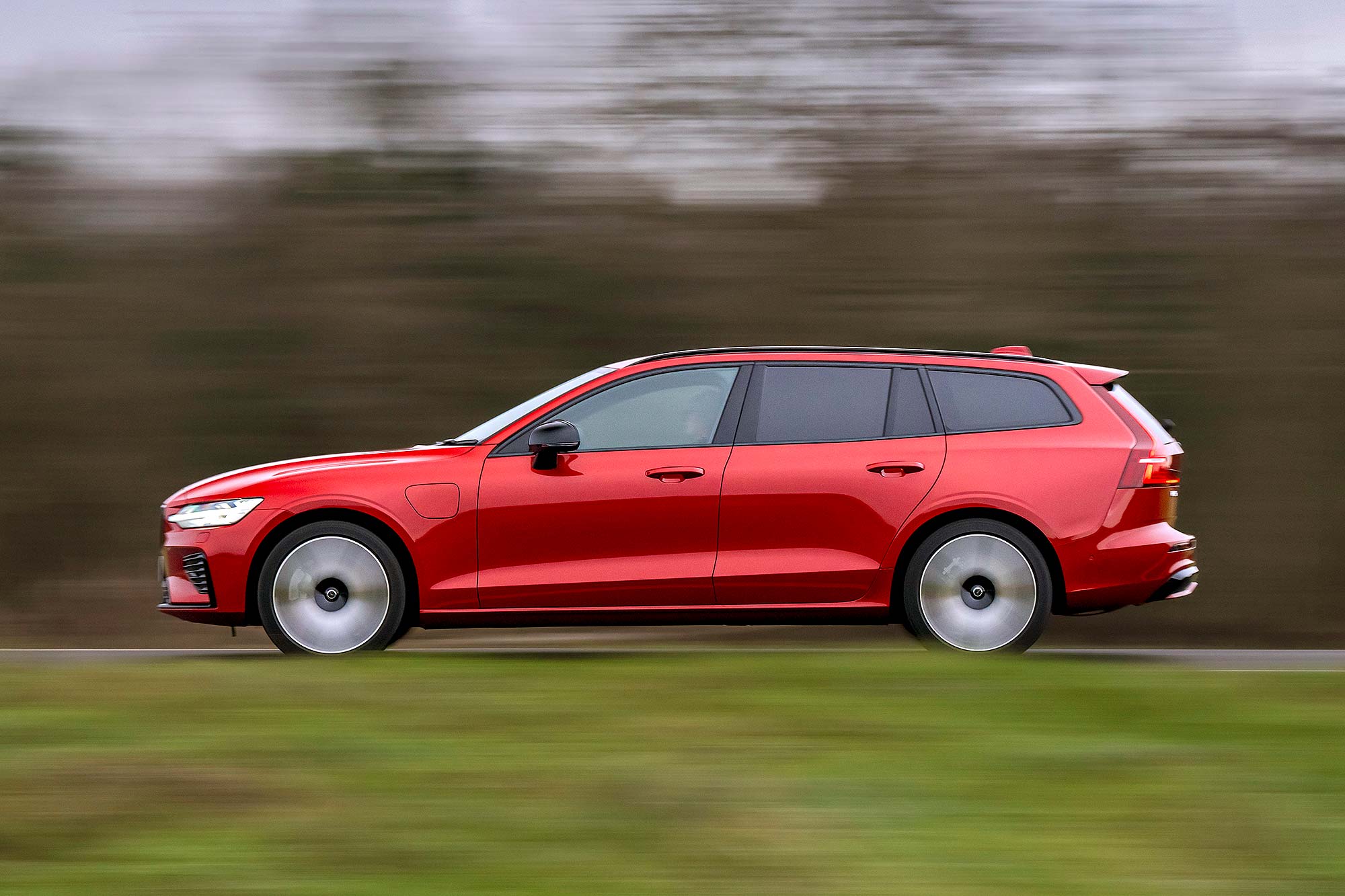
And what about Volvo: the brand more synonymous with estate cars than just about any other? It looked like it had turned its back on the estate market forever when it stopped selling the V60 and V90 in the UK in 2023 due to falling sales. But then, a year later, it brought them back due to ‘a rise in customer demand’. Production of the V90 ended in late 2025 but the V60 remains on sale: for now, at least.
New models are on the way
A fresh crop of estate cars is on the way. Kia launched the K4 hatchback as a replacement for the previous Ceed in late 2025, and confirmed that a ‘Sportswagon’ estate version is due later this year. Skoda has hinted that the Octavia Estate will be replaced, with the Vision O concept car of 2025 giving some strong pointers as to how it could look.

Then there are newcomers that blur the line between conventional estate car and SUV, something that quite a few brands have tried before, with varying degrees of success. Dacia already offers the Jogger, which is part-estate, part-SUV and part-MPV, and it’s aiming to pull off a similar trick with the all-new Striker that will go on sale later this year. It’s similarly hard-to-define, with an edgier crossover/estate look. Polestar, meanwhile, has teased a new version of the Polestar 4 that will combine ‘the space of an estate and the versatility of an SUV’. Online spy shots suggest a distinctly estate-like appearance that (unlike the existing model) includes a rear window.
Perhaps most exciting of all, though, is the new BMW i3 Touring. BMW gave a sneak preview of this when it unveiled the i3 – the new, pure-electric 3 Series – in March 2026. With a range of well over 500 miles, handsome looks and classic BMW dynamics (if the closely related iX3 is anything to go by) it could turn out to be one of the most desirable estate cars in recent memory. It suggests that the all-new combustion-engined 3 Series – due in 2027 – will retain a Touring model, too.
What about electric estate cars?
Could the shift to electric power be the saviour of the estate car? Well, there’s an ever-increasing focus on improving the aerodynamic efficiency of EVs: not only to maximise outright battery range, but also to improve their energy efficiency at high speed, where wind resistance plays a major role. All of this gives the lower, sleeker shape of an estate car an advantage over an SUV.