
Each week our team of experts rounds up what's been happening in the world of motoring.
Condition of UK roads hasn't improved since 2020
The condition of England's roads hasn’t improved in the past two years, according to the latest statistics released by the Department for Transport (DfT).
According to the latest DfT statistics, four per cent of England's A roads require urgent attention – a figure that hasn’t changed in three years – while 6 per cent of B and C roads also need work. That figure hasn’t changed in six years.
Unclassified roads are the only area to have seen improvements, with 15 per cent deemed in need of maintenance compared to the 17 per cent figure quoted last year.
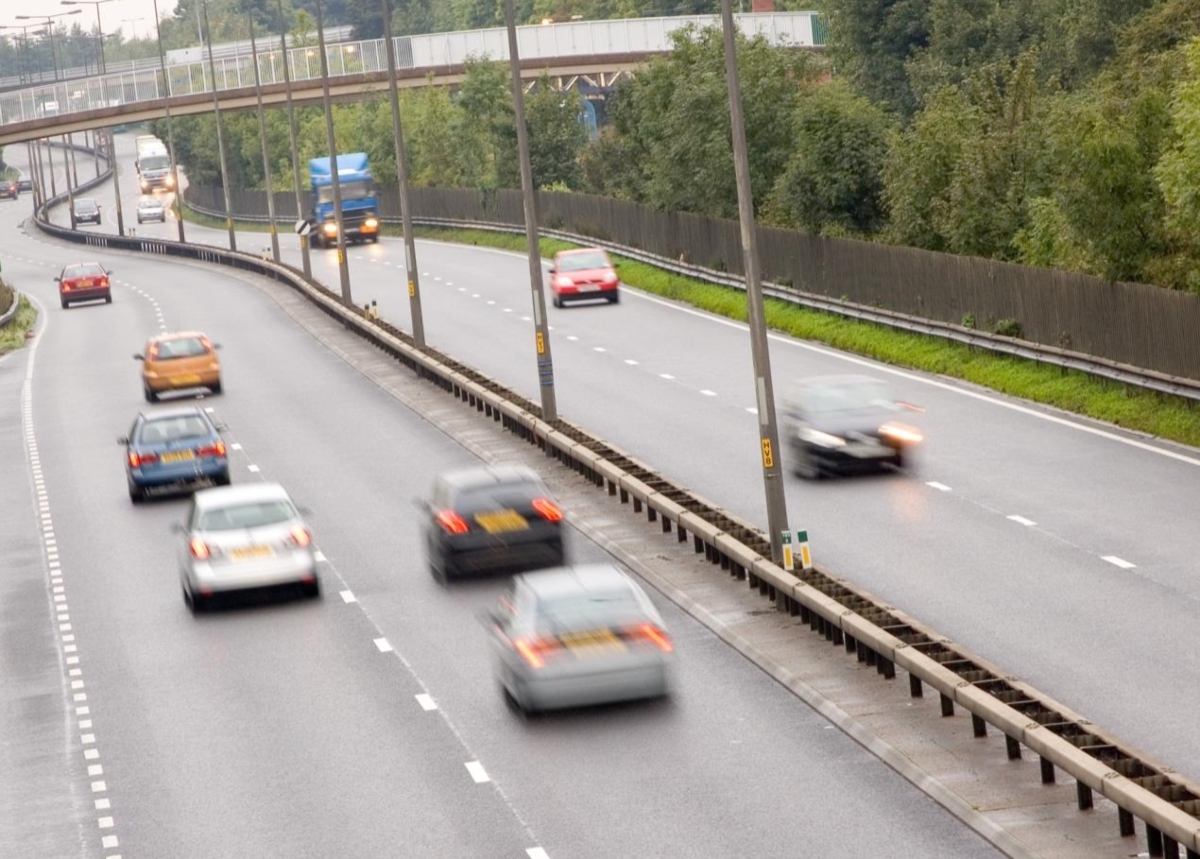
Road surface conditions are given three categories: Red, Amber and Green. Red roads need maintenance, Amber roads may need maintenance soon and Green roads require no further action.
How to claim for pothole damage to your vehicle
The RAC’s head of roads policy Nicholas Lyes said: “The fact there has been no discernible improvement in the state of our roads in the last two years despite having milder-than-average winters does not bode well if temperatures plunge in the next few months.
“Our research shows that the majority of drivers believe local road conditions have worsened in the last 12 months, and our Pothole Index suggests drivers are around 1.5 times more likely to suffer a pothole-related breakdown than they were in 2006.
“A lack of adequate funding for the nation’s local roads remains the biggest issue, and drivers will be wincing if any further cuts to budgets are announced in the forthcoming Autumn Statement.
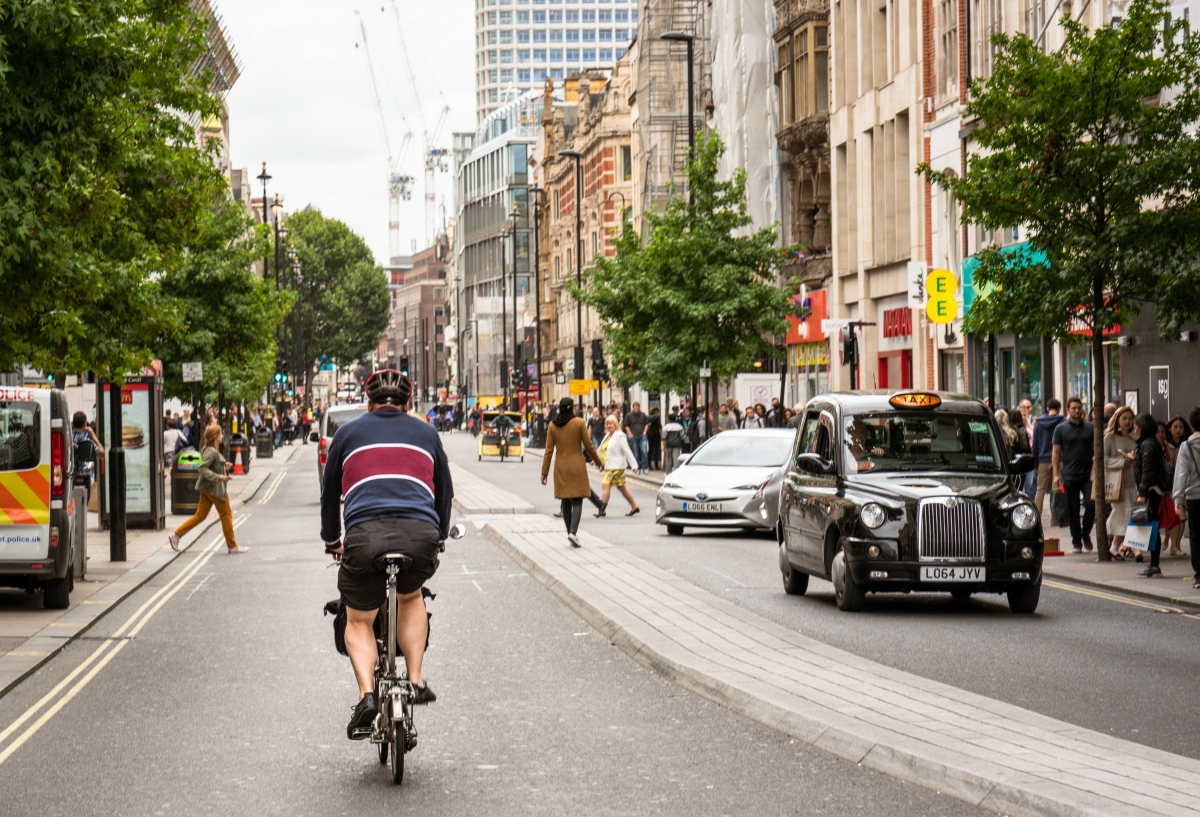
“Cutting pothole funds would be [a] huge backward step, heaping yet more misery onto drivers and businesses who will need to fork out for costly repairs to vehicles, while also increasing the risk of roads becoming safety hazards for cyclists.”
Did you know...?
...The UK new car market grew for the third month this year in October, with sales rising by more than a quarter (26.4%) compared to the same time last year. The latest sales are driven by high-volume fleet purchases, which accounted for almost 50% of all new-car registrations.
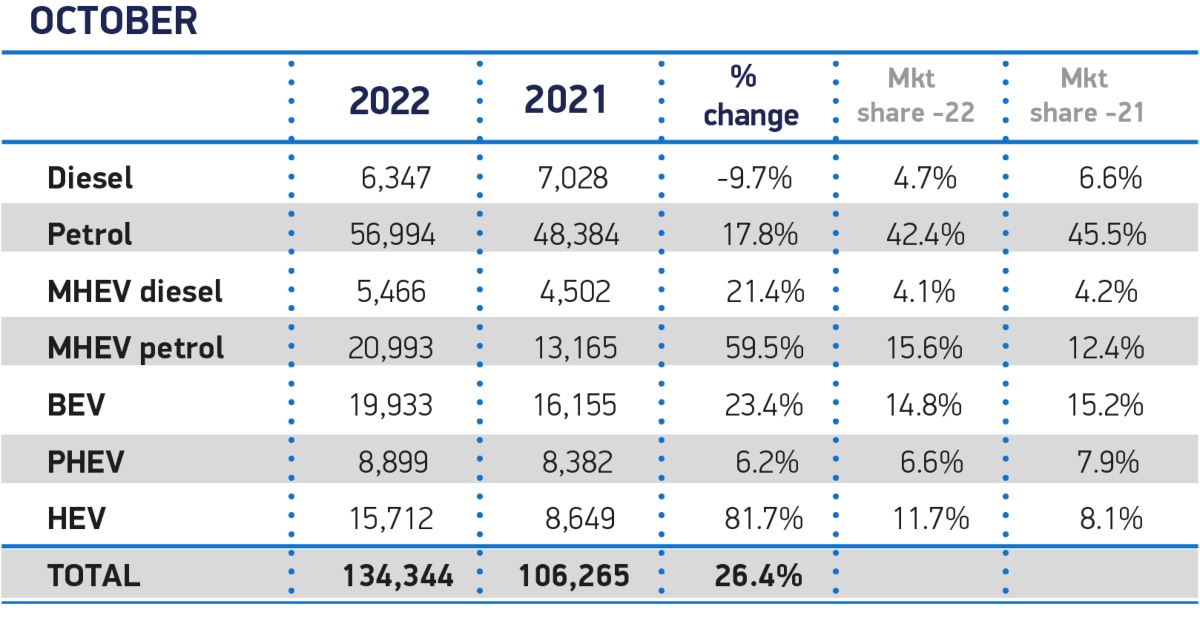
The latest figures show diesel sales have dropped by almost 10% year-on-year, while electric car sales are up 23% compared to the same time last year.
Mike Hawes, SMMT Chief Executive, said: “A strong October is hugely welcome, albeit in comparison with a weak 2021, but it is still not enough to offset the damage done by the pandemic and subsequent supply shortages.
“Next year’s outlook shows recovery is possible and EV growth looks set to continue but, to achieve our shared net zero goals, that growth must accelerate and consumers given every reason to invest. This means giving them the economic stability and confidence to make the switch, safe in the knowledge they will be able to charge – and charge affordably – when needed. The models are there, with more still to come; so must the public charge points.”
Related topics:
- When Will Petrol And Diesel; Cars Be Banned?
- Should I Buy A Petrol, Diesel Or Hybrid car?
- What Are The Benefits of Electric cars?
Previous Weekly Updates
November 4th 2022
Council Enforced Speed Limits Trialled in London
London’s Wandsworth Council will enforce speed limits in a pilot initiative that could be rolled out across the country. The plan means you’ll get a fine but not points for speeding, with the measures expected to ease pressure on the Metropolitan Police and bring better enforcement to residential streets.
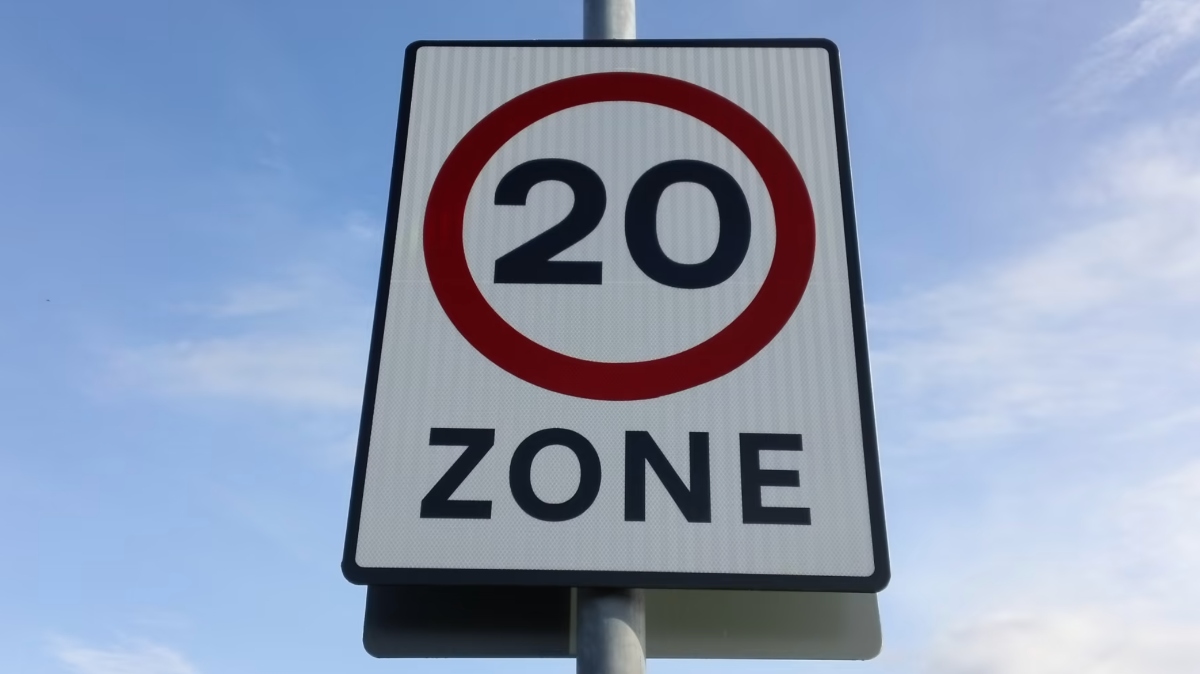
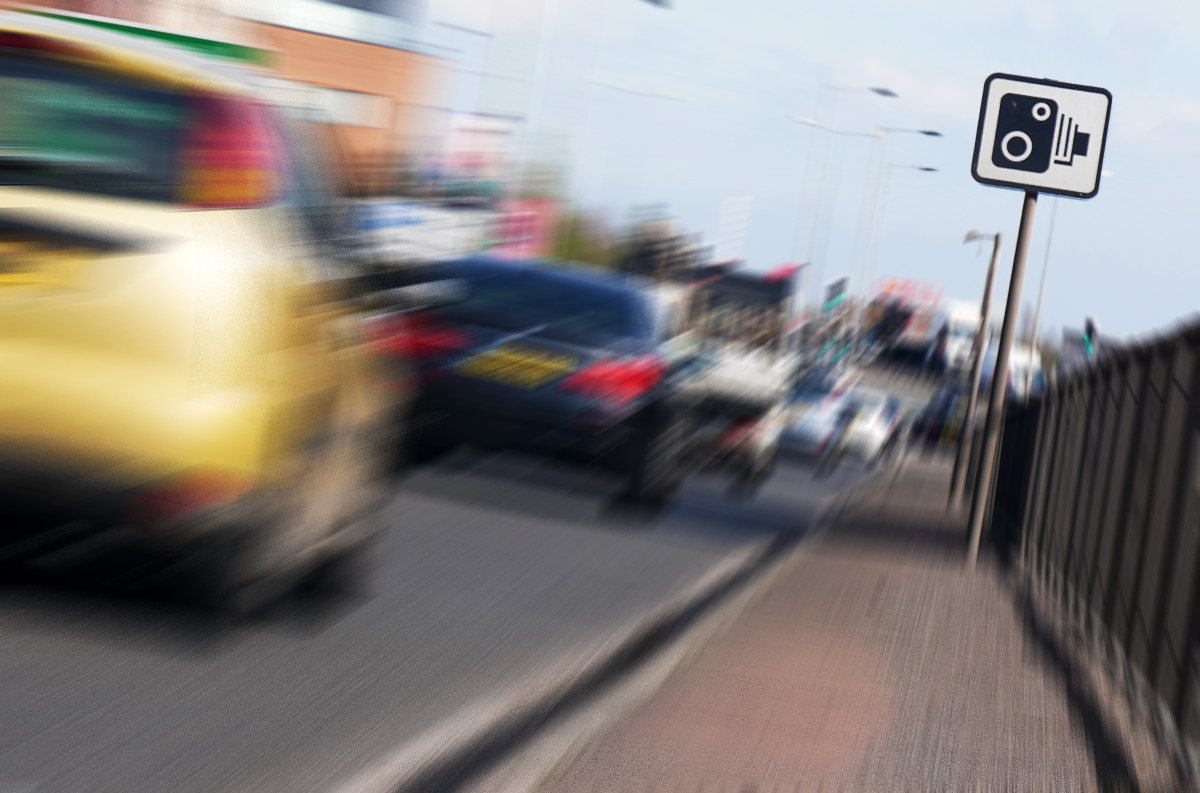
After an initial grace period, the eight-month scheme will give councils the power to operate speed cameras and issue PCN notices for speeding in 20mph zones, with fines of £130 reduced by 50% if they’re paid within the first 14 days. Points will not be added to your licence, unlike with a police speeding ticket, and money generated from the scheme will be ring fenced into other road safety initiatives in the borough.
Speed limits will be enforced on Wimbledon Park Road and Priory Lane both of which have been subject to numerous complaints about speeding from local residents. A recent eight-week study found one in four drivers broke the speed limit on Priory Lane while one in five drivers strayed over 20mph on Wimbledon Park Road.
Council leader Cllr Simon Hogg said: “Speeding traffic is one of the biggest sources of complaints we receive from our residents. Ensuring drivers stick to the 20mph limit not only improves safety levels and encourages more people to walk or cycle, it helps reduce harmful emissions too.
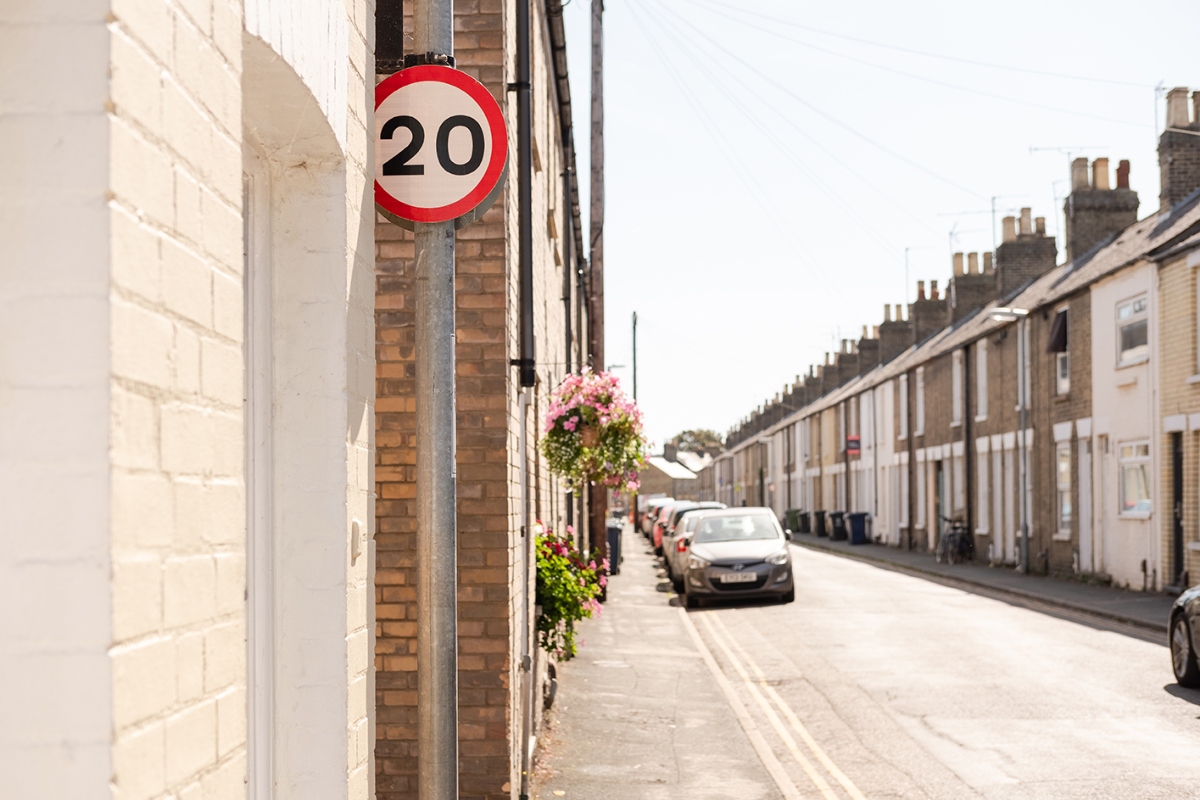
“Until now, only the Metropolitan Police have had powers to enforce speed limits, but they tend to concentrate their resources on main roads and dual carriageways, whereas most of the complaints we receive are about people driving too fast along quieter residential streets.
“Our pilot scheme will focus on two residential roads where excessive speeds are known to be an issue. If judged a success, we will look to make it permanent and carry out enforcement in other parts of the borough where we know vehicle speeds are excessive.”
How to claim pothole damage on your vehicle
Commenting on the scheme Simon Williams, the RAC’s road safety spokesperson, said: “While the thought of councils beginning to enforce speed limits instead of the police may be worrying to some, it could be just what’s needed to make 20mph limits more effective. Arguably, fining people with penalty charge notices instead of immediately issuing fixed penalty notices and putting points on licences could be a fairer way of dealing with the problem, particularly as so many drivers tell us they find it hard to drive at 20mph.
“We would, however, like to see those drivers who speed excessively referred to the police for prosecution as they present a much greater risk to pedestrian and cyclist safety. Consideration should also be given to those who regularly break the limit as it would be very wrong if more affluent drivers continued to disregard 20mph limits just because they can easily afford to pay the fines.”
Previous Weekly Updates
October 28th 2022
CarGurus insights: smartphones and social media are changing how we buy cars
Smartphones and social media are shaping the way we buy cars according to more than 1500 car buyers surveyed by CarGurus.
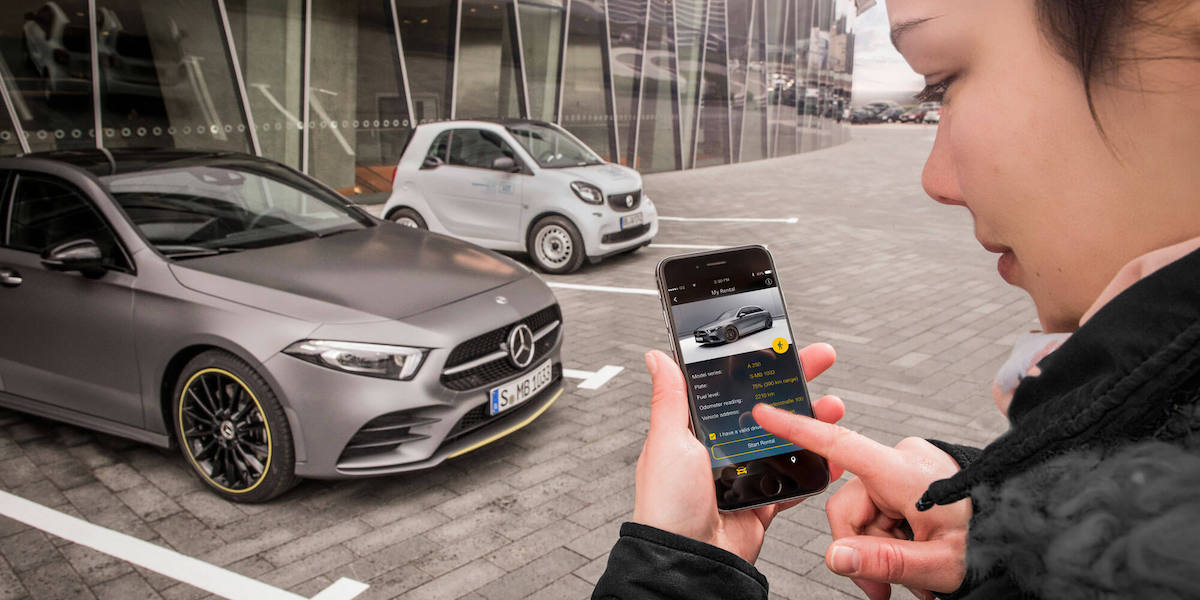
Smartphones are a car-buying tool shoppers are increasingly falling back on as a great way to get the best deal possible when they’re out on the fly. More than 70% of buyers say they use their smartphone on the forecourt to check car prices at dealerships, confirm specifications and read dealer reviews: that’s up from 59 per cent in 2020.
Social media is another popular tool with 41 per cent of car buyers saying they consult YouTube channels – like CarGurus UK – to help them decide on their next car. Facebook (used by 37 per cent of car buyers), Instagram (21 per cent) and Twitter (13 per cent) are other popular ways of helping you research your next car.
Top five ways to get the best deal on your new car
Talking to dealers on the phone is no longer a given: in 2022 nine per cent of car buyers are happy to discuss a sale on instant messaging apps like WhatsApp. That’s up from five per cent in 2020. Meanwhile, 45 per cent of people buying a brand-new car contact the dealer online before heading to the showroom in person.

What are your main considerations when buying a new car? According to our data, for 32 per cent of car buyers, price (or value for money) is the main driving force towards a purchase, but other areas like reliability (29 per cent) and driving feel (25 per cent) are also big factors.
Why are people buying new cars? Top reasons included saving money during Covid lockdowns (24 per cent), moving to a new house (22 per cent) or getting a new job (19 per cent).
Buying a used car – 10 reasons why you should
Something that hasn’t changed is apathy to the car-buying process – 53 per cent of the car buyers we spoke to still find that buying a car – traditionally a household’s biggest purchase after the house itself – is a stressful experience.
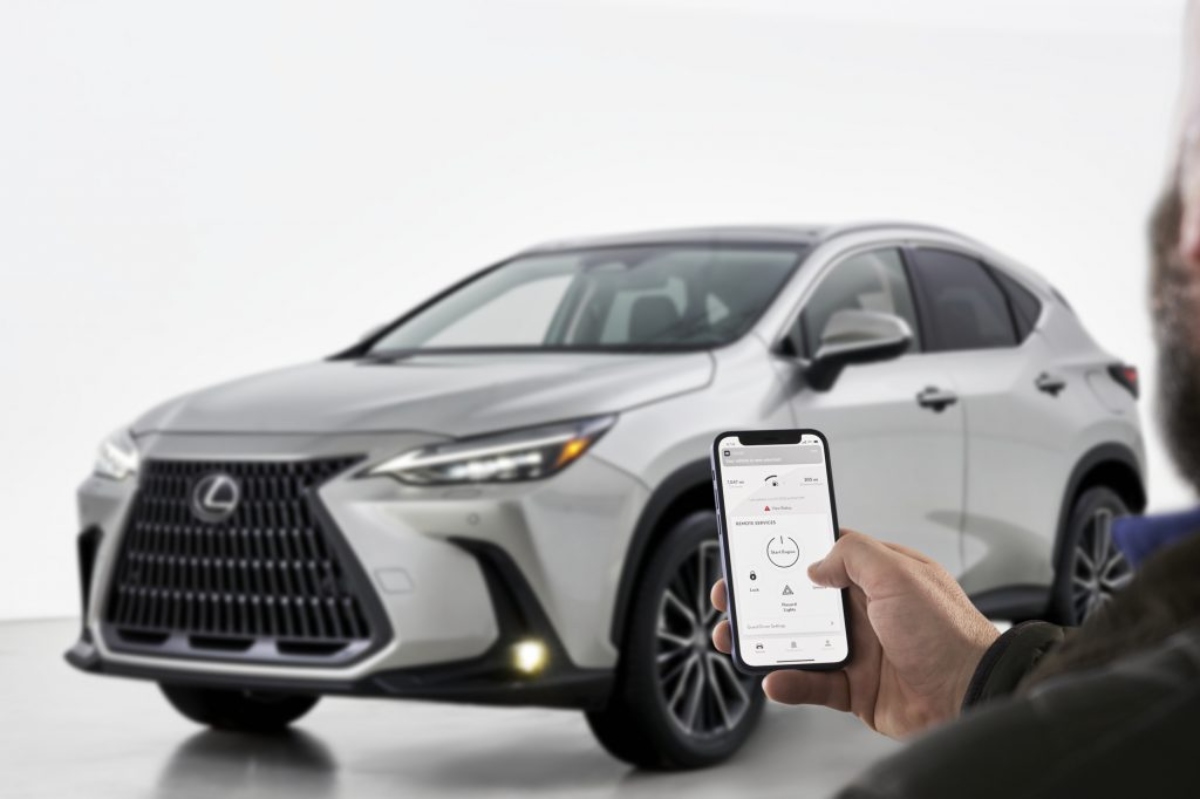
Alexandra Howerter, Senior Consumer Insights Analyst at CarGurus, said: “Smartphones are helping consumers become savvier when looking to buy, allowing them to come armed with all the data and hold their own in negotiations. This levels the playing field and alleviates some of the stress and anxiety around buying a car.
“Social media is also a great way to learn more about the car you want to buy, however, consumers must also be cautious about which sources they choose to trust. At CarGurus, we’ve developed a unique data-driven approach that calculates an Instant Market Value (IMV), which reflects the market value of a vehicle in the current market. This helps consumers to take the stress out of buying and negotiating, so they can be confident they have the best deal.”
“Meanwhile, on the CarGurus UK YouTube channel, our team of experts review more than 100 new and used cars every year to help buyers make an informed decision about what model is right for them.”

Did you know…
Expanding the boundaries of London’s Ultra Low Emissions Zone (ULEZ) has generated an additional £93.6 million for Transport For London (TFL).
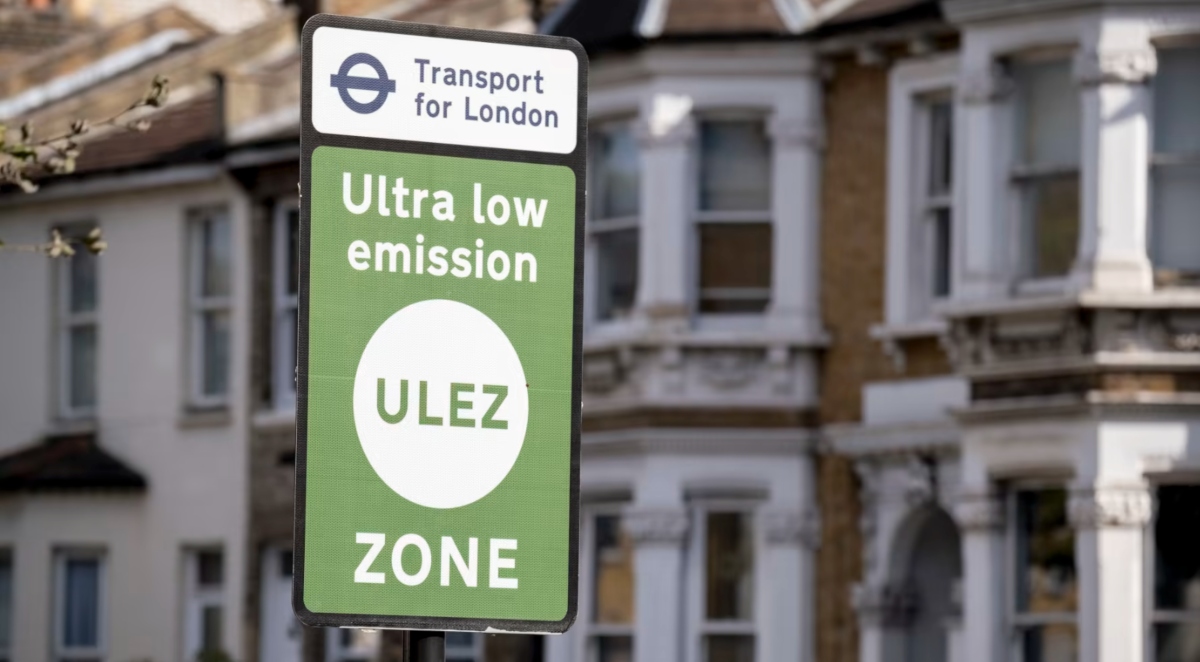
The ULEZ now covers all areas within the North and South Circular roads, and TFL’s latest data shows us that an average of 1.9 million non-compliant vehicles traveled into the zone every month since November. Non-compliant vehicles pay £12.50 a day to enter the zone.
TFL is in consultation to expand the ULEZ’s borders to match the Low Emissions Zone by 2023, which would cover most of the area with the M25 motorway.
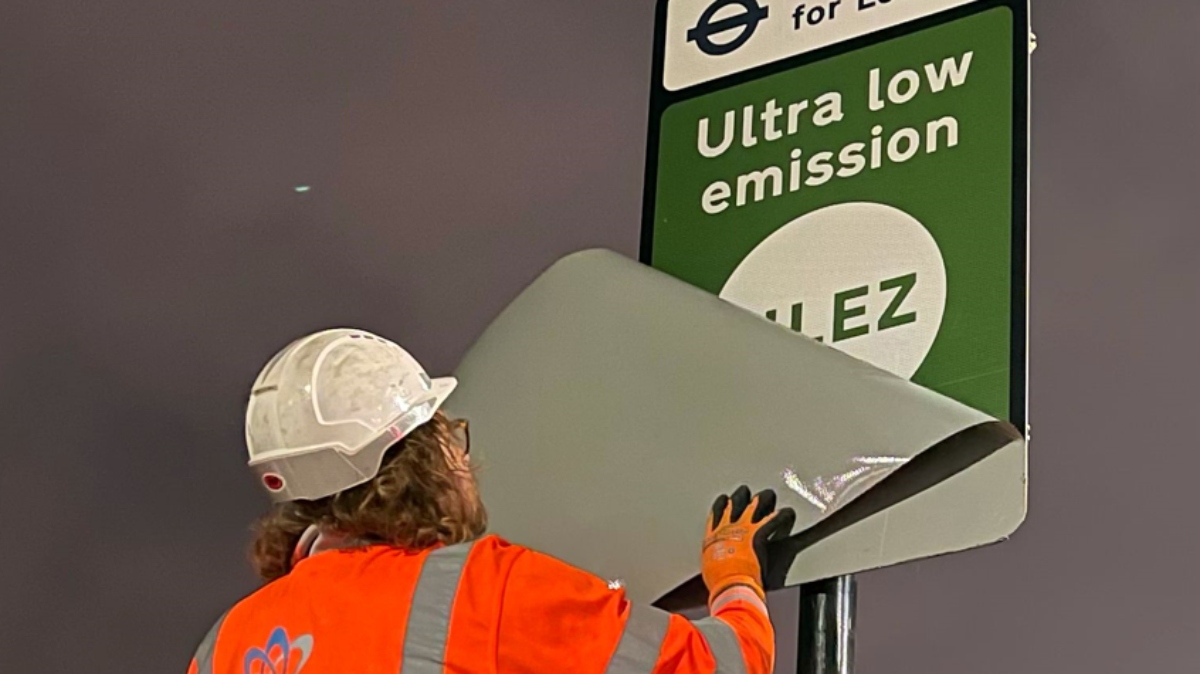
RAC head of roads policy Nicholas Lyes said: “While we accept that action is needed to reduce toxic emissions from vehicles, the cost-of-living crisis is hurting drivers in the pocket and there is a risk that further enlarging the zone will be hugely costly for those with older vehicles who can least afford to change them for something newer.
Best ULEZ exempt cars for all budgets
October 21st, 2022
Record number of drivers plan switch to electric
Up to 14 per cent of drivers – more than ever before – think their next new car will be electric, up from 10 per cent in 2021 and just three per cent in 2018, according to a study of more than 3000 drivers conducted by the RAC.
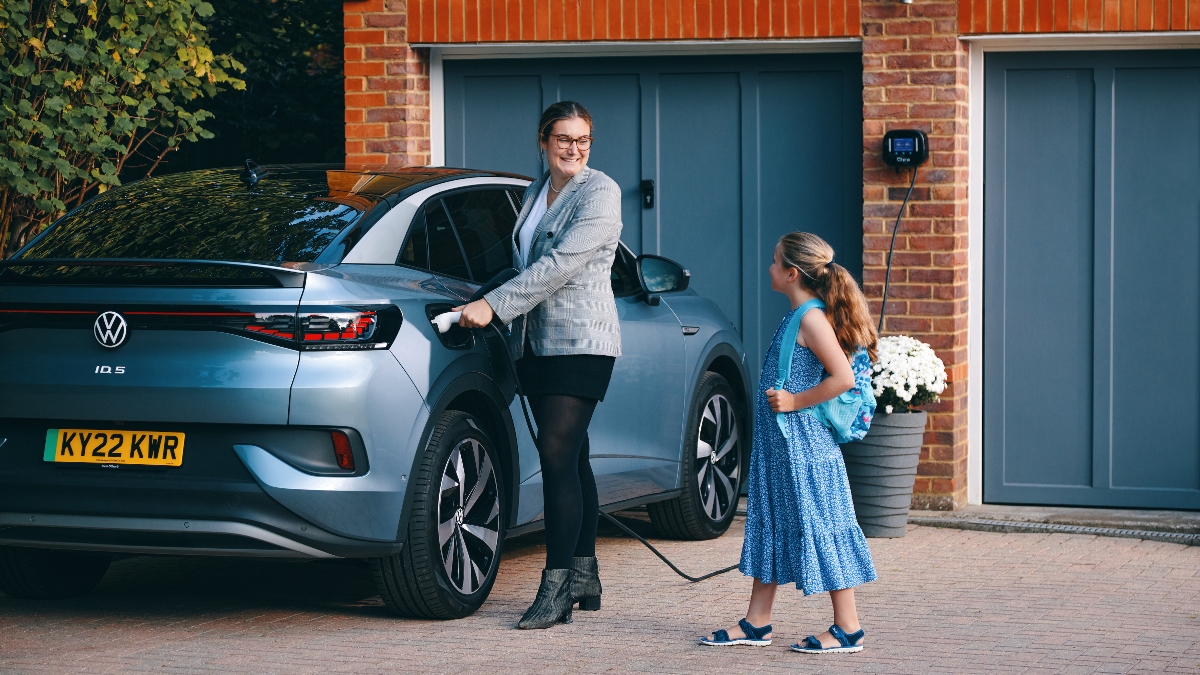
The main motivation for going electric in 2022? According to 57 per cent of respondents, the environmental impact of running a petrol or diesel was a primary concern, while 64 per cent fancy an electric car’s cheaper running costs, no doubt spurred on by recent sky-high fuel prices.
Encouragingly, the RAC’s report found that fewer drivers – down from 57 per cent in 2021 to 38 per cent this year – are put off by the price premium of EVs, suggesting that electric cars are becoming more affordable.
But why are 86 per cent of drivers polled not considering an electric as their next car? Concerns included the poor charging infrastructure (60 per cent of respondents), the unreliability of public chargers (51 per cent) and the rising cost of electricity (47 per cent).
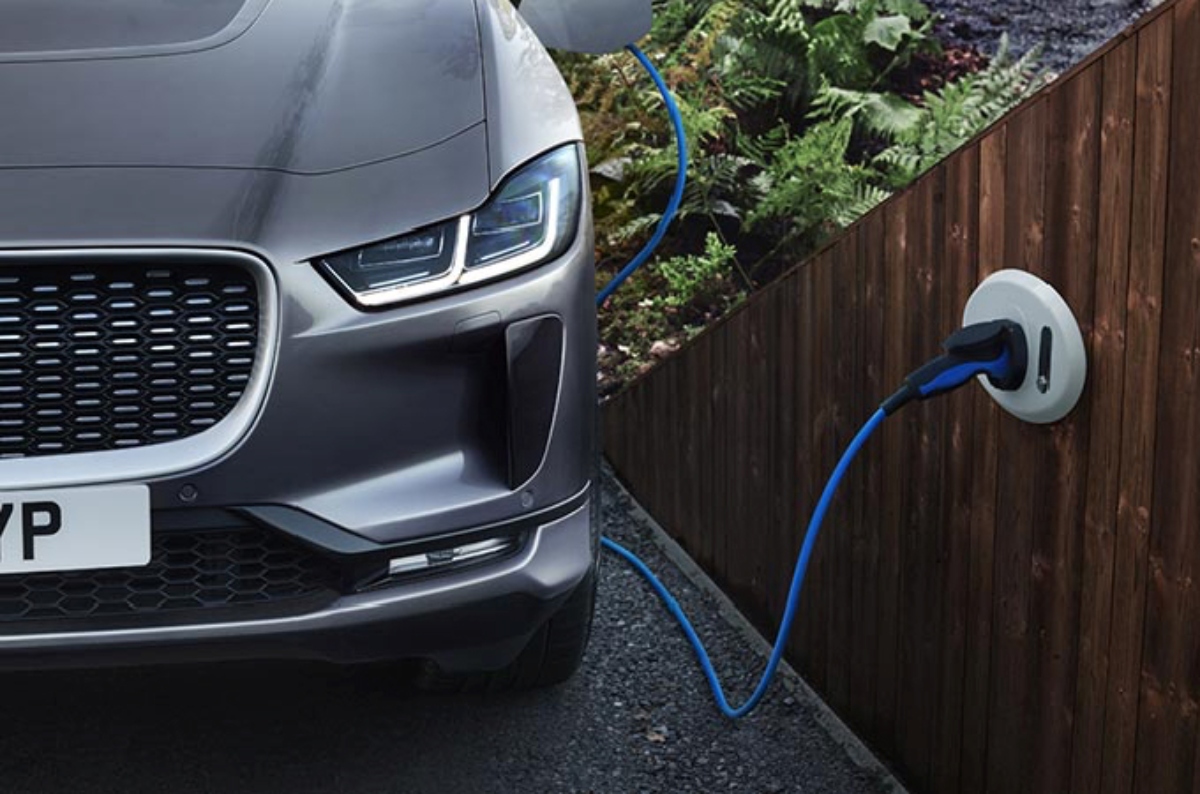
The cost of living crisis also has its part to play. The proportion of drivers expecting to buy an electric car in the next five years has dropped to 15 per cent this year down from 17 per cent in 2021. Why are drivers delaying the step to electric? Respondents cited issues such as rising energy bills (14 per cent), high second-hand car prices (8 per cent) and a drop in income due to the pandemic (8 per cent).
The RAC study also found interest in hybrids is on the rise. Almost a fifth (19 per cent) of drivers polled thought a hybrid would be their next new car, with half of those drivers expecting to choose a plug-in hybrid.
Should I buy a petrol, diesel, hybrid or electric car?
RAC EV spokesman Simon Williams said: “It’s great to see an increasing proportion of drivers saying they will go electric next time they change their vehicles, with more than twice as many saying their next vehicles will be zero-emission than before the pandemic.
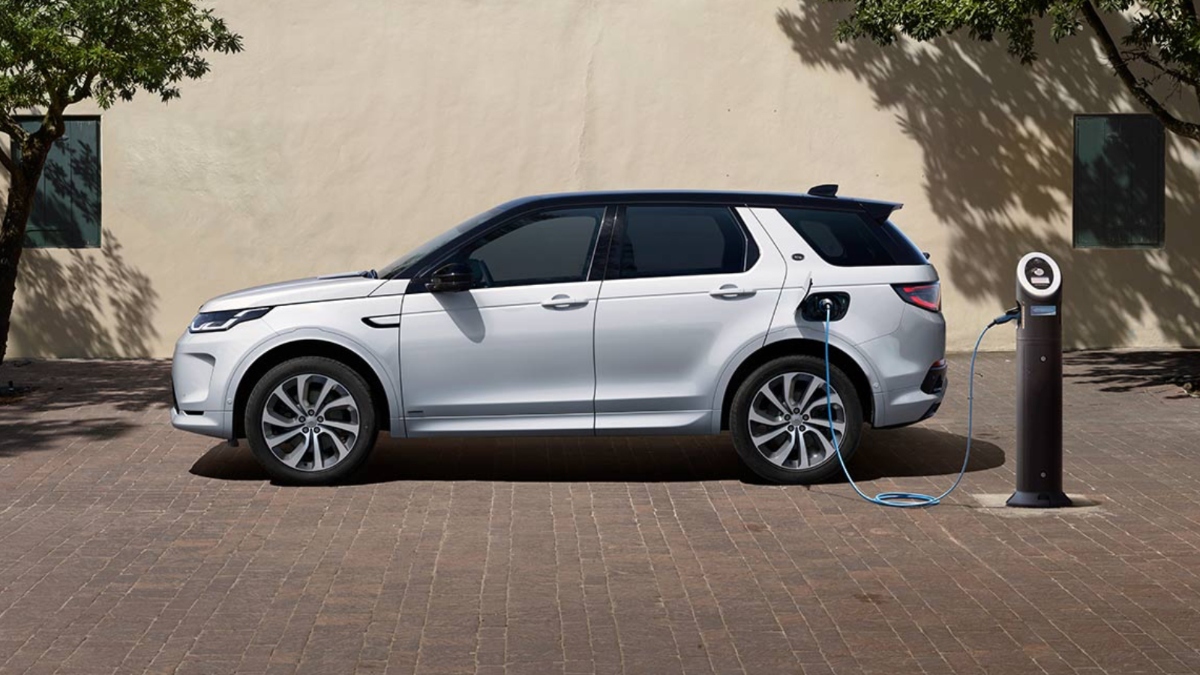
“But at the same time, it’s also very worrying that there are currently so many factors hindering take-up. A combination of the effects of Covid, ongoing availability issues in the new car market due to a global microchip shortage and the squeeze on household finances brought about by the cost-of-living crisis mean people keen to get into an EV are likely to put off doing so. Rising interest rates will also inevitably have a detrimental effect on the number of people who choose to buy new cars on finance.
“It’s very important to realise, however, that for those who can afford to make the switch, it’s still cheaper to drive electric. While the rising cost of domestic electricity means the savings aren’t as great as they were, those who can charge at home are able to save 10p a mile compared to those driving a 40-mpg petrol car.
The true cost of running an electric car
“We must not let the growing desire to go electric be derailed by rising electricity costs, higher interest rates and vehicle availability issues. We urgently call on the Government to reintroduce the £1,500 plug-in car grant for EVs below £30,000, as this had been successful in encouraging manufacturers to bring out cheaper models. The Government should also reduce the rate of VAT on public charge points to 5% to ensure the third of people who can’t charge at home are not disadvantaged.”
Did you know…
Rolls Royce has revealed its first electric car: the Spectre. The British firm reckons electric power – with its whisper-quiet running and sledgehammer performance – will suit its luxury cars well and, once you’ve seen the Spectre’s stats, it’s hard to disagree.
The four-wheel-drive super coupe produces 577bhp to get from 0-62mh in just 4.5 seconds. Not bad when you consider its huge (and very heavy) 120kWh battery, which gives the Spectre a 320-mile range, and the fact that it’s carting around 700kg worth of sound deadening.
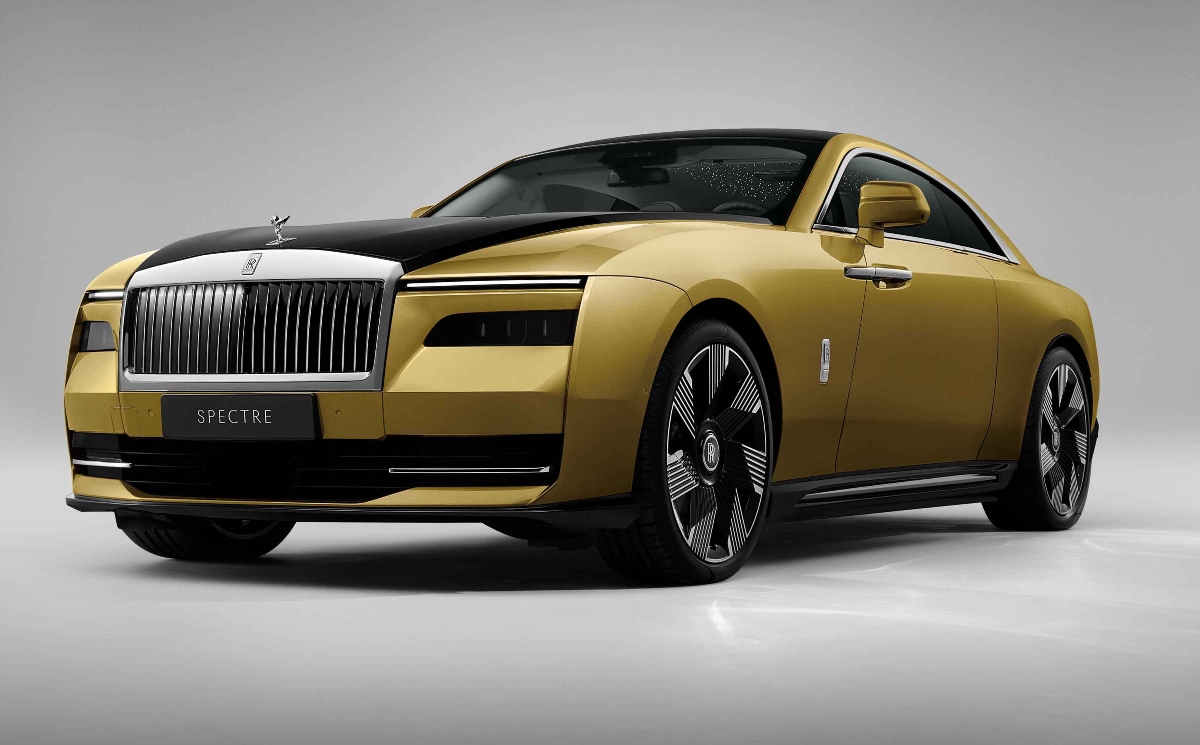
You can expect the Spectre’s cabin to be very relaxing and it comes loaded with luxurious features like ‘Starlight’ doors – with more than 5000 separate LEDs for a starscape effect – and a huge infotainment screen that stretches the length of the dashboard. The price of this luxury? The Spectre is expected to start from £275,000, with deliveries due late next year.
October 14th, 2022
The British Standards Institute (BSI) has introduced a new accessibility standard that aims to ensure EV charging points can easily be used by all drivers – including the one in five in the UK who have a disability – as the phase out of petrols and diesels approaches in 2030.
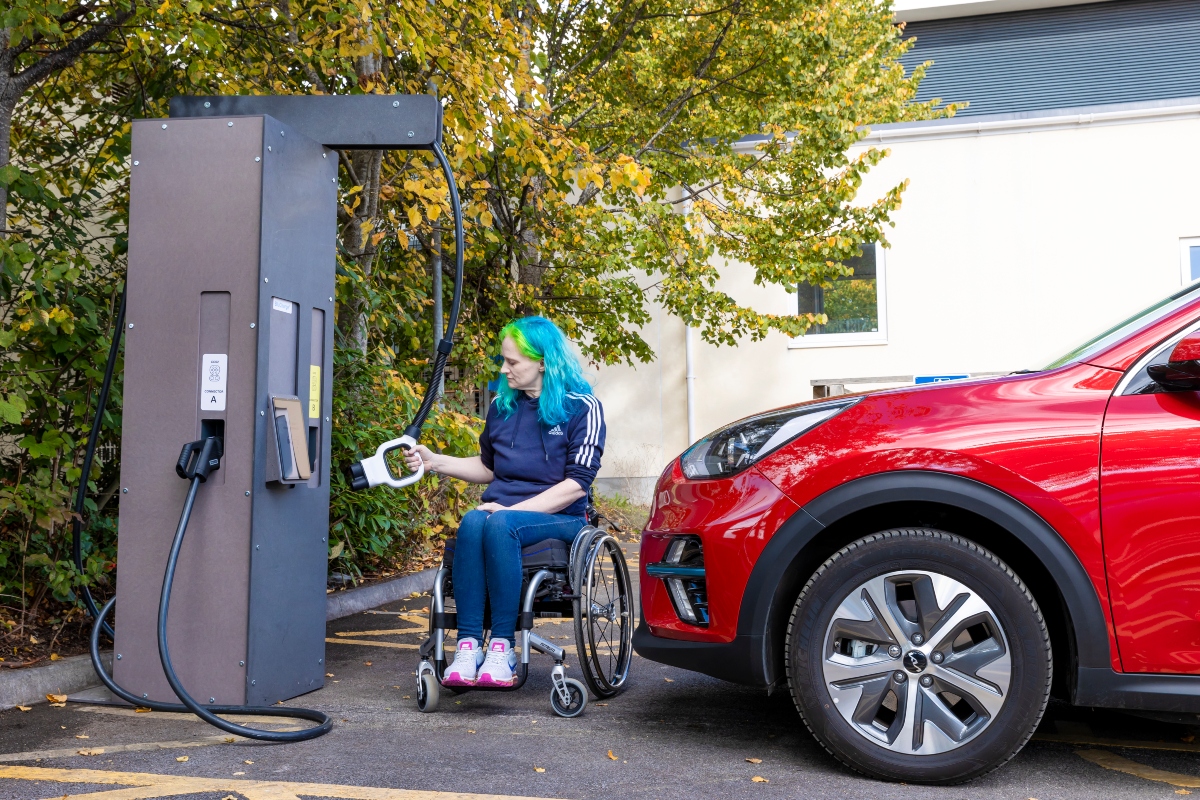
What is PAS 1899?
‘PAS 1899: 2022, Electric Vehicles - Accessible, Charging, Specification’, to give it its full name, is a set of guidelines that were cosponsored by the UK Government and disability charity Motability as a way to make car charging accessible to all.
What are PAS 1899’s guidelines?
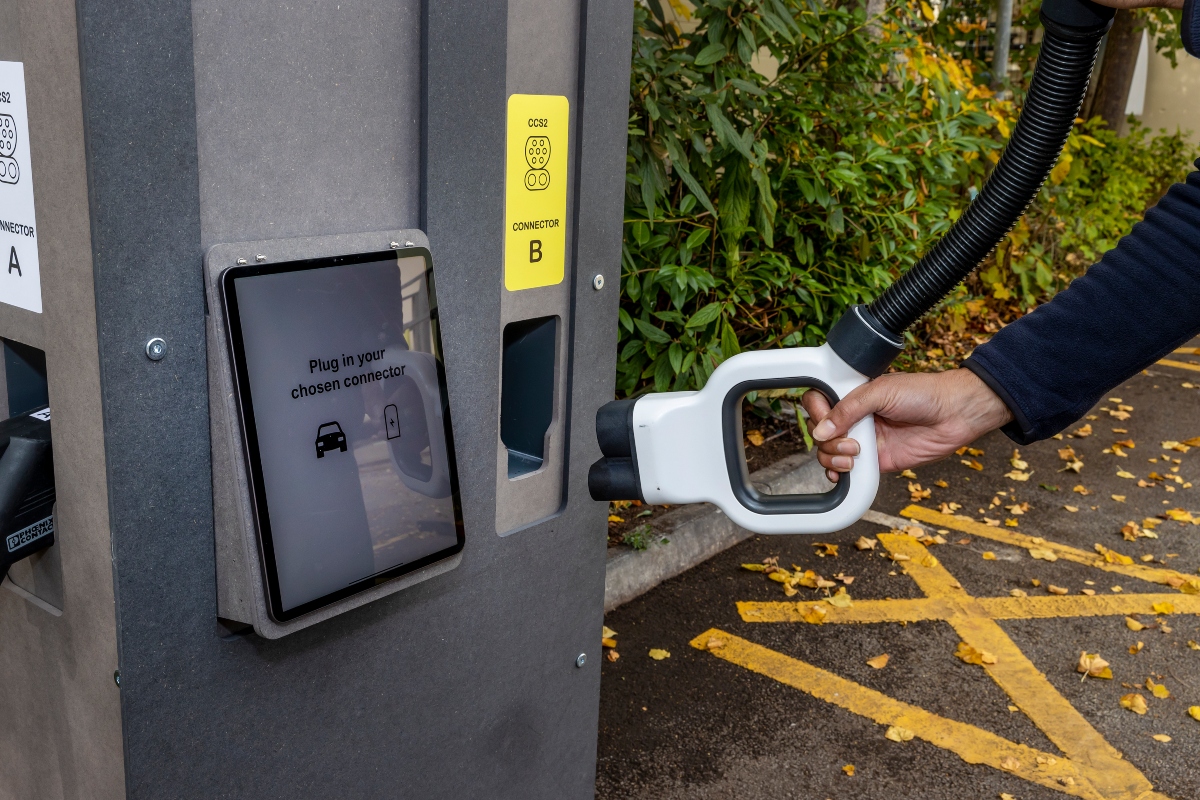
The new standards will be based on research carried out by charity, Designability, which worked with disabled people to understand the challenges with current EV charge points. The guidelines cover everything from the space around chargers to kerb heights to ensure they are accessible if you use a wheelchair. The new guidelines also cover the chargers themselves, ensuring they have clear operating instructions that are simple to understand and easy to read if you’re colour-blind.
Are Electric Cars Suitable for Drivers with Disabilities?
They should also physically be easy to operate. To that end, PAS 1899 has guidelines for things like the height of the charge point and the ease with which the cable can be slotted into your car’s charging socket.
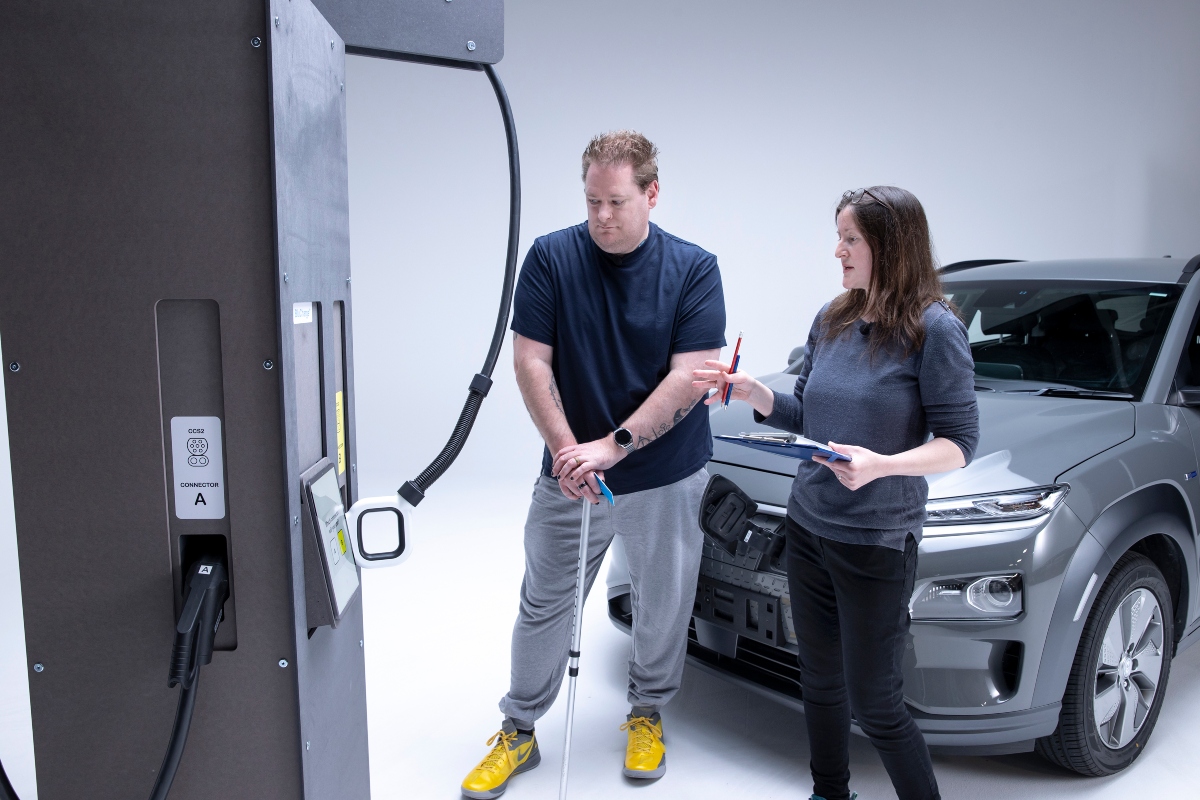
For example, the standards set a maximum cable weight of 6kg, which should make it easier to wrestle the cable to your car and safely slot it into its charging port. According to PAS 1899, chargers that don’t meet this weight limit should have staff on hand to help.
Are PAS 1899’s guidelines enforceable?
While PAS 1899’s guidelines are not enforceable by UK law, the fact that they’re backed by the British Standards Institute means any breach of the guidelines – discrimination based on the grounds that you’re disabled – would be hard to defend in court.
The new guidelines are supported by the majority of drivers according to the AA. It surveyed more than 17,000 drivers and found that 73% of drivers thought charging points should be wheelchair friendly, 79% thought that charger design should consider users with limited mobility, and 80% thought charger users should get access to a 24hr helpline.
The AA’s president Edmund King said: “Currently almost one in ten new cars in the UK are bought on behalf of disabled people. The Motability Scheme, overseen by the Motability charity, has enabled millions of disabled people to lease a car and enjoy the freedom of mobility. With the ban on the sale of new petrol or diesel cars just eight years away, it is essential that the charging infrastructure is accessible for all drivers.
“We acknowledge the work of the Motability charity working in conjunction with fellow disability charity Designability, the British Standards Institution (BSI) and the Office for Zero Emission Vehicles (OZEV) to take this standard forward. These national standards will set a minimum level of accessibility for electric vehicle charging infrastructure.
How Much Does it Cost to Charge an Electric Car?
“The AA has been raising the issue of accessibility and security at charging posts and polled members on it last year, but we are absolutely delighted that Motability has taken this several steps forward and the standard has been approved.
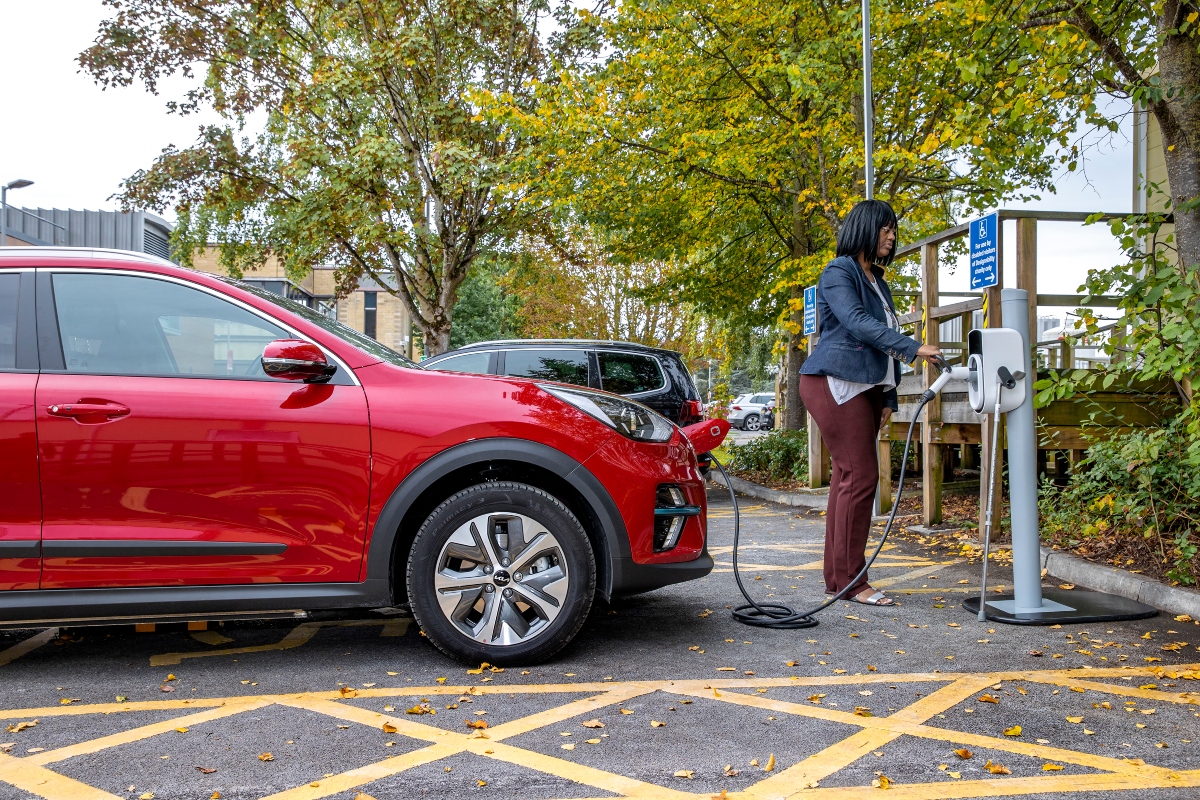
Catharine Brown, CEO of Designability, said: “We strongly believe no one should be left behind in the transition to electric vehicles. All disabled people should be able to live the life they choose, with greater independence, and feel empowered and included in everyday life. This is a crucial time for us to ensure public EV charging is the best it can be, and accessible for all.
“The standard positions the UK as world-leading in this area. We are really excited about the future of public EV charging and how it will help disabled people to feel included, listened to and enable them to play their part in the transition to electric vehicles.”
Did you know…
NASA engineers have used a cooling technique developed for the International Space Station to help charge an electric car’s battery from flat to full in just five minutes.

The heat generated when charging lithium-ion batteries means charging speeds have to be reined in for safety reasons, but NASA’s ‘subcooled flow boiling’ technique means you can open the taps without fear of fire. The result? Charging speeds up to 4.6 times quicker than technology currently allows.
Related topics:
- What Happens When an Electric Car Runs Out of Charge?
- Polestar 3 electric car: price, specs and release date
- Electric Car Charging at Home: Different EV Chargers Explained
October 10th, 2022
Police Have Seized More Than Half a Million Uninsured Cars Since 2018
A Freedom of Information (FOI) request by AA Insurance has found that 542,370 uninsured cars have been seized by the police since September 2018.
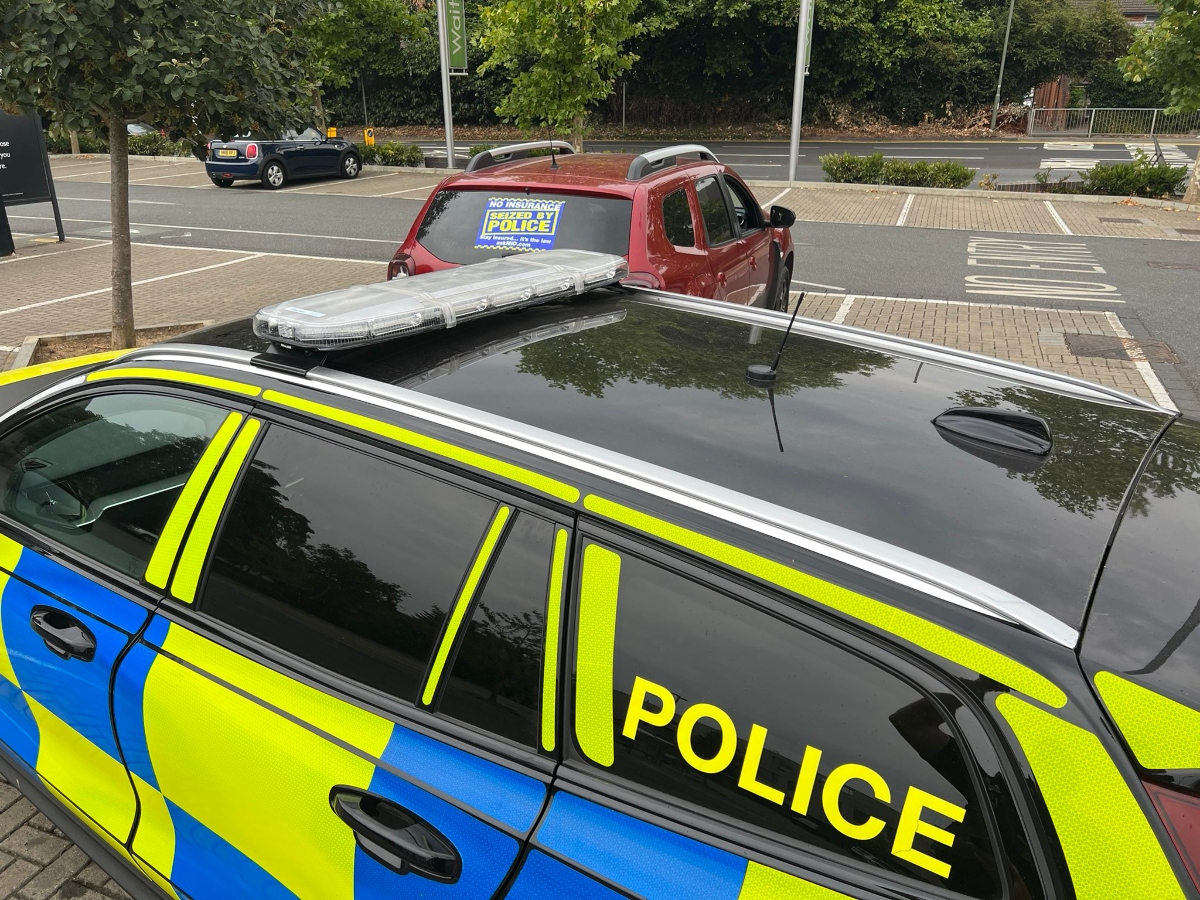
The FOI found that 64,682 cars have been taken away from drivers for not having insurance this year alone. Meanwhile, despite COVID lockdowns and travel restrictions, 2020 was the worst year with 129,652 cars impounded for no insurance.
Of the total tally of seized cars, the Metropolitan Police had the biggest haul – it’s taken 62,900 uninsured cars off the road, followed by West Midlands Police (44,056) and West Yorkshire Police (33,829).
Types of Car Insurance Explained: From Third Party to Comprehensive
More than 33,000 drivers in Scotland had their cars seized, compared with 22,700 in Wales and 9,360 in Northern Ireland.

The FOI request was sent to all of the UK’s 46 police forces of which only Kent Police did not respond, while Cheshire Police couldn’t easily determine how many uninsured cars it had seized.
Gus Park, managing director for AA Insurance Services, said: “Every driver is worried about being involved in a collision, but worse still is the other party being uninsured… Sadly, we know that when times are hard some people try to cut their costs and one area people are tempted to chance it is cutting out their motor insurance.
Car insurance groups explained
“However, these figures show that forces across the country are on the lookout and will take uninsured cars away. Don’t take the risk. Not only is there the chance of having your car seized, but the criminal and financial hardship is not worth the gamble.”
Did you know…
...the Ford Escort RS Cosworth became almost uninsurable in the 1990s thanks to a combination of poor security and its huge popularity amongst the criminal community.
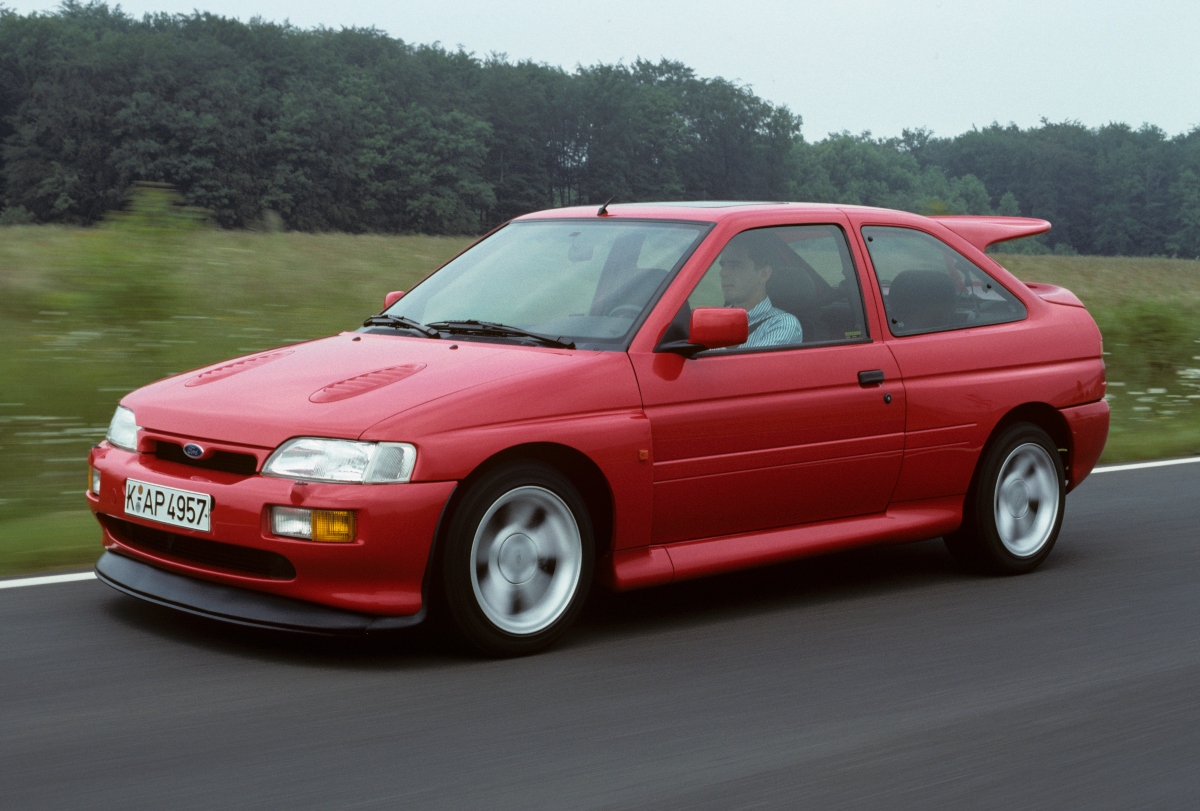
Why so popular? Poor security meant the Cosworth was surprisingly easy to steal, the car’s (relatively) subtle looks were ideal for keeping a low profile on a ‘job’ and its huge performance was perfect for making a swift getaway. Cosworths were also popular with joyriders, who stole cars purley for the thrill of driving, for the same reason.
As a result of all this, Cosworth owners were regularly quoted insurance premiums worth more than the brand-new value of the car.
September 30th, 2022
EV owners stung as rapid charger prices soar by more than 40%
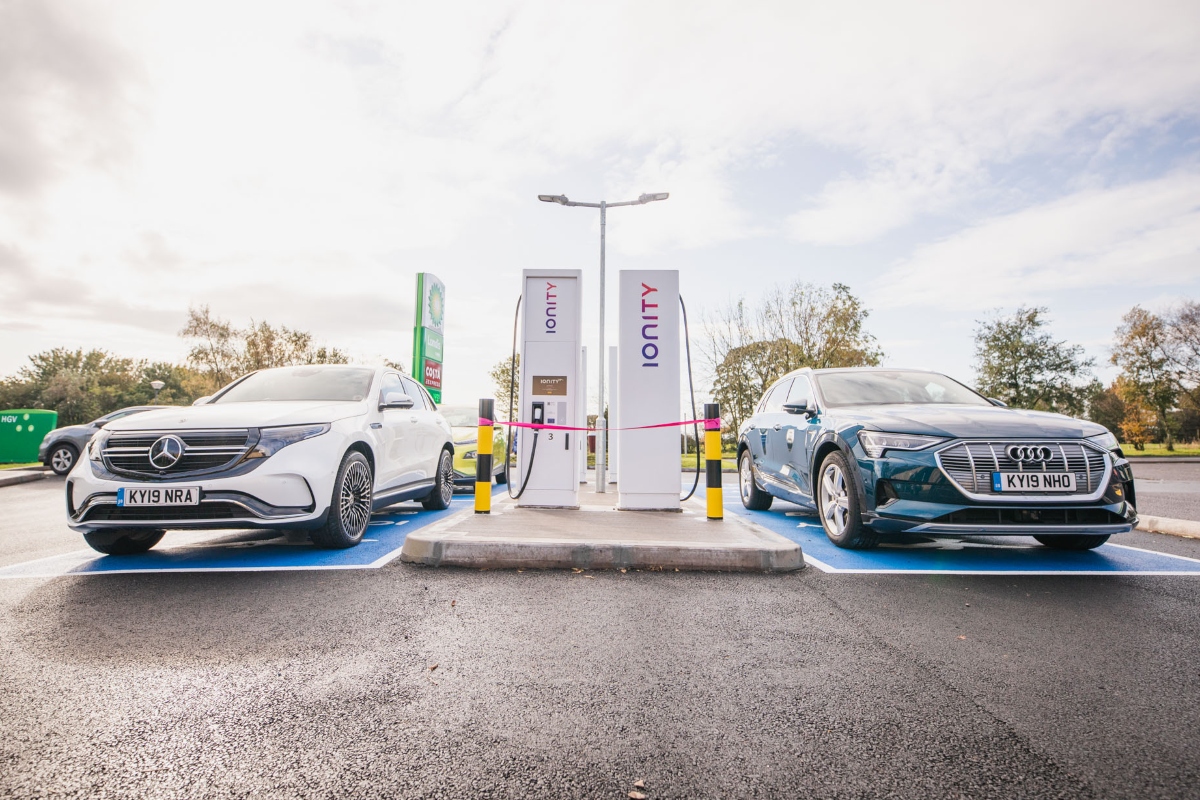
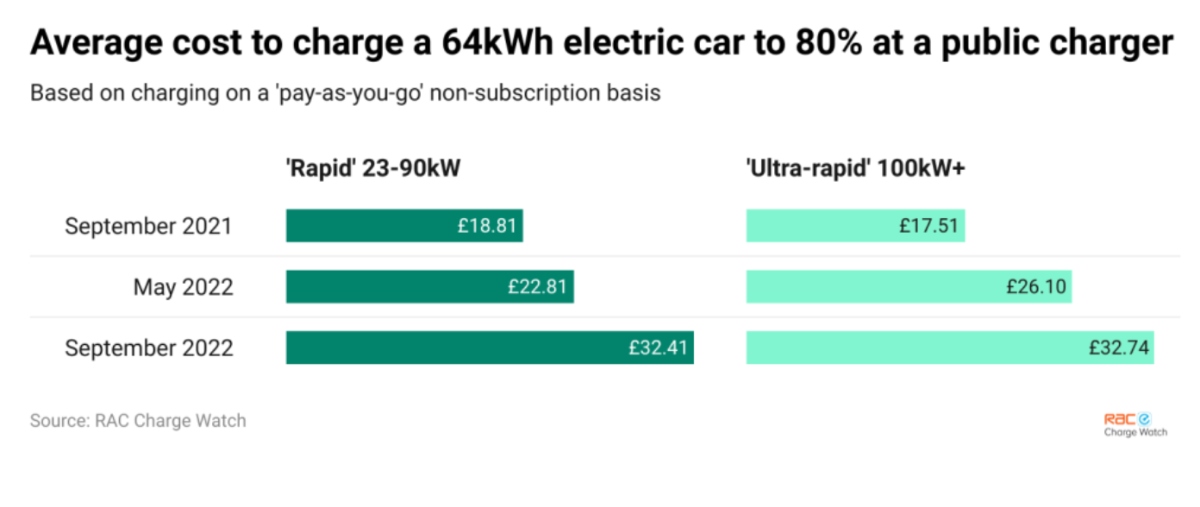
The cost of charging your EV on a public fast charger has soared by 42% according to RAC data. It found that rapid charger costs have increased by 18.75p per kWh to 63.29p per kWh, due to the spiralling costs of wholesale gas and electricity.
The new data means a typical family EV with a 64kWh battery will cost £32.41 to rapidly charge from 0-80% - up by £9.60 from May, and by £13.59 year-to-date.
Ultra-rapid charger (with a power output of 100kWh or more) prices have also increased by 25% – or 12.97p per kWh – since May, meaning the cost of an average 80% charge will now set you back £32.74, up from £26.10.
Charging costs set to rocket for EV owners
How does this compare to petrol or diesel? Well, if you exclusively use rapid or ultra-rapid chargers, you’ll pay around 18p per mile for your electricity versus 19p per mile for petrol and 21p per mile for diesel based on an internal combustion engine car returning 40mpg.
How can you reduce your EV charging costs? Simple, charge it at home. Under the Energy Price Guarantee, that’s introduced next month, an average EV will cost 9p a mile if you charge it at home, while replenishing the battery from 0-80% should set you back £17.87 on average. Charging at home also means you benefit from a reduced 5% VAT rate on electricity versus the 20% you pay using a public charger.
RAC EV spokesperson Simon Williams said: “For those that have already made the switch to an electric car or are thinking of doing so, it remains the case that charging away from home costs less than refuelling a petrol or diesel car, but these figures show that the gap is narrowing as a result of the enormous increases in the cost of electricity. These figures very clearly show that it’s drivers who use public rapid and ultra-rapid chargers the most who are being hit the hardest.
Electric Car Charging at Home: Different EV Chargers Explained
“The Energy Price Guarantee benefits those drivers who are fortunate enough to charge their cars at home, but for those that rely on the public charging network – including those without driveways – it’s a much bleaker picture right now.
“The fact wholesale energy prices will be capped for six months should lead to some price reductions by charge point operators in the coming weeks, but what EV drivers don’t want to see is operators having to hike their charges next spring if wholesale costs keep climbing.
“The Government is largely relying on the private sector to do the heavy lifting when it comes to getting the country’s electric car charging infrastructure up to the scale and standard it needs to be to allow for mass adoption of electric vehicles. The problem is that these companies face such enormous cost increases that their investments in new charging sites, and upgrades of old ones, are in jeopardy unless costs can be kept down.
How to charge an electric car?
“Last week, charge point operators got behind the RAC-backed FairCharge campaign in calling for the Government to end the inequity that exists between drivers who can charge at home and those that cannot, by cutting the 20% VAT charged on electricity at public chargers to match the 5% domestic rate. The Government needs to redouble its efforts in helping drivers to go electric if it is to meet its own net-zero transport objectives and levelling the public and domestic electricity VAT rates would show it is serious about doing so at a time when household budgets are getting ever tighter.”
Did you know…
Solar-powered cars are on the way. That’s right, worrying about the cost of a kWh of electricity could be a thing of the past if the solar-powered Sono Motors Sion has its way. Every one of the Sion’s slab sides is a solar panel and they combine to produce up to 10 miles worth of electricity every day meaning you could drive on sun power alone over short distances.
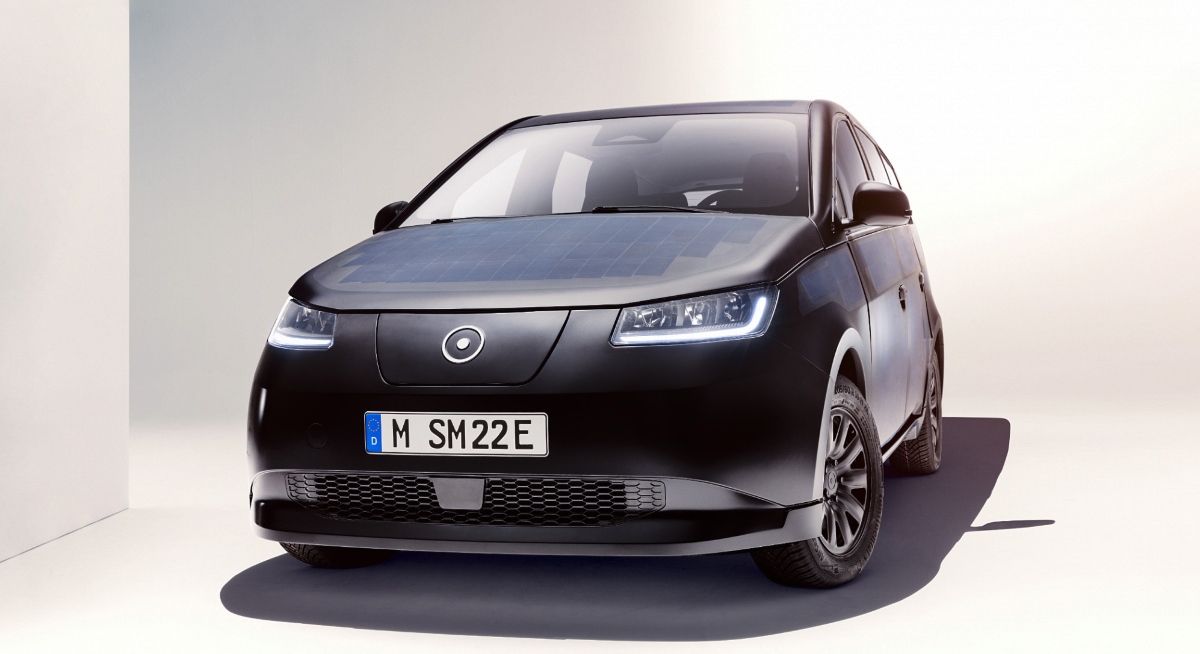
Aside from its solar trickery, the Sion EV is a five-door hatchback with a 54kWh battery that you can charge conventionally if the sun’s not up to the task. It’s expected to go on sale next year priced from around £25,000.
The Best Electric Cars 2022: The Most Exciting EVs Coming Soon
Previous Weekly Updates
September 23rd, 2022
Two-year MOT a bad idea according to motorists
The majority of motorists believe a two-year MOT could increase the number of unsafe cars on the road, according to new data.

Of the 1435 drivers surveyed by the RAC, more than 55% thought changing the MOT to every two years was a bad idea, while 22% thought it was a good idea and 23% were unsure.
The vast majority of people (98%) who thought it was a bad idea said it would result in more unsafe vehicles on the road, while 20% thought it would lead to an increase in the number of collisions and 61% said it would lead to a rise in breakdowns.
How to prepare your car for an MOT
Drivers aren’t even sure the idea works as a money-saving plan. More than 58% of people surveyed thought the changes could end up costing drivers more in the long run as developing issues go unnoticed, while 44% felt the loss of trade would force garages to up their prices.

Of the fifth of drivers who thought the two-year MOT is a good idea, 74% said modern cars are more reliable and don’t need to be checked as regularly, 54% believed the plan could save them money and 41% said they were confident checking their own car for basic roadworthiness.
The idea of a two-year MOT was originally touted by former Transport Secretary Grant Shapps as a way to tackle the cost of living crisis and his replacement, Anne-Marie Trevelyan, is still considering the plan.
Car Maintenance: 8 Jobs You Can Do at Home
RAC head of roads policy, Nicholas Lyes, said: “Many drivers look at the MOT test as an important tool to see if their vehicle is in a safe and roadworthy condition. It makes them feel safer when driving and carrying family and friends knowing that, at least officially, their vehicle has been passed as safe to use on the roads. It also gives drivers peace of mind from an overall road safety point of view to know that every other vehicle on the road has undergone the same checks.

“The idea that changing the MOT to every two years will save drivers money in the middle of a cost-of-living crisis is met with huge scepticism as our research shows many have rightly identified that it may end up costing them more in the long-term if faults go undetected, and as a result get worse or cause other defects.
“But cost is secondary to road safety. We already know that many vehicles fail their MOT because of illegal tyre tread, so if this figure were to get significantly bigger, more lives would be put at risk from vehicles losing grip on the road and not stopping quickly enough when brakes are applied. And we know from our breakdown statistics that tyres in poor condition are far more likely to blow out or get punctured.
“There is a real danger that if the Government proceeds with these proposals that we could see an increase in the number of collisions and more injuries and deaths due to more unroadworthy vehicles using our roads, and an overall reduction in road safety. We’ve written to the new Secretary of State for Transport and urged her to consign this idea to the bin and look at other ways to help cash-strapped drivers reduce their motoring costs.”
Did you know…
…There’s an all-new Ford Mustang on the way. The seventh generation of the famed muscle car gets edgy new looks and a modern interior with a pair of large infotainment screens.
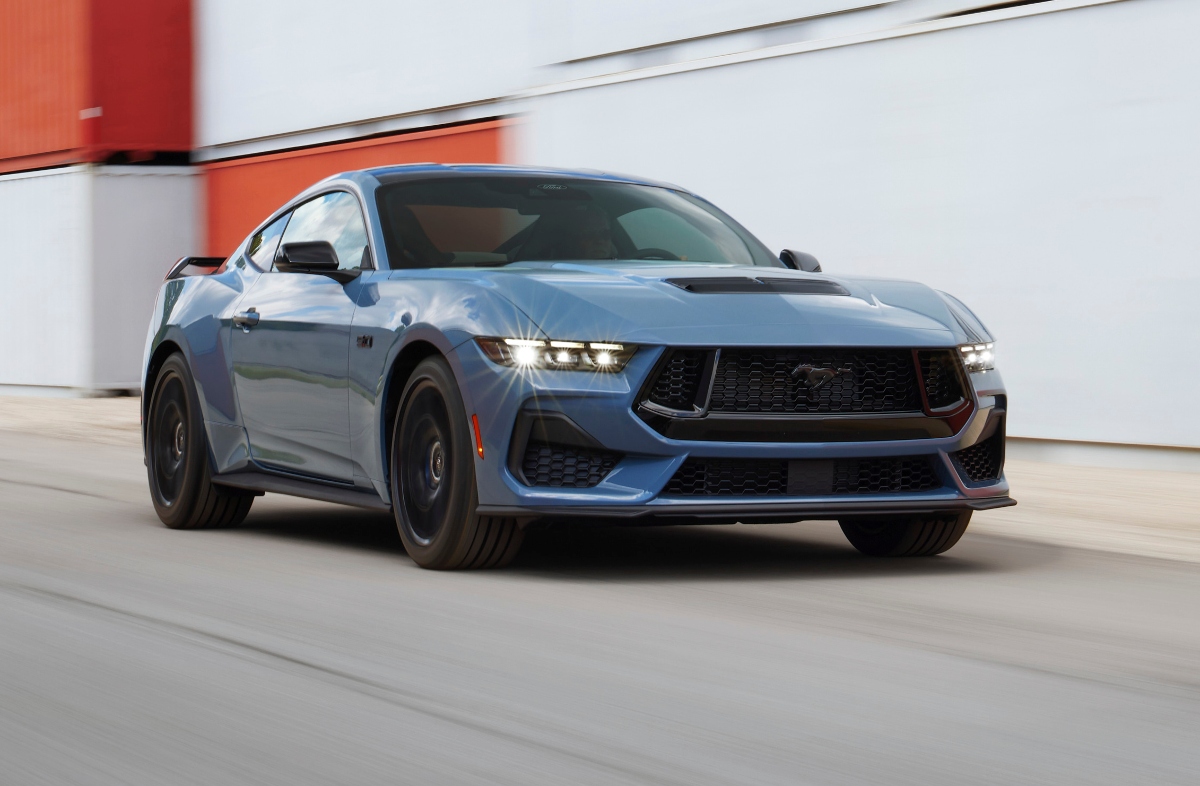
More importantly, the new car will still be available with a rumbling V8 that should rocket it from 0-62mph in around four seconds and onto a top speed of more than 170mph. All models come with a limited-slip rear differential and get a ‘drift brake’, which uses the car’s electric hand brake to help you to coax out huge smokey slides in corners.
September 16th, 2022
EVs still significantly cheaper to run than ICE cars
Despite rising energy costs across the board, EVs remain significantly cheaper to run than their ICE (internal combustion engine) petrol or diesel equivalents.
Ofgem’s recently announced price cap means you’ll pay no more than 34p per kWh of electricity, meaning an regular electric family SUV – with a 64kWh battery – will cost on average £22.22 to charge from flat to full.
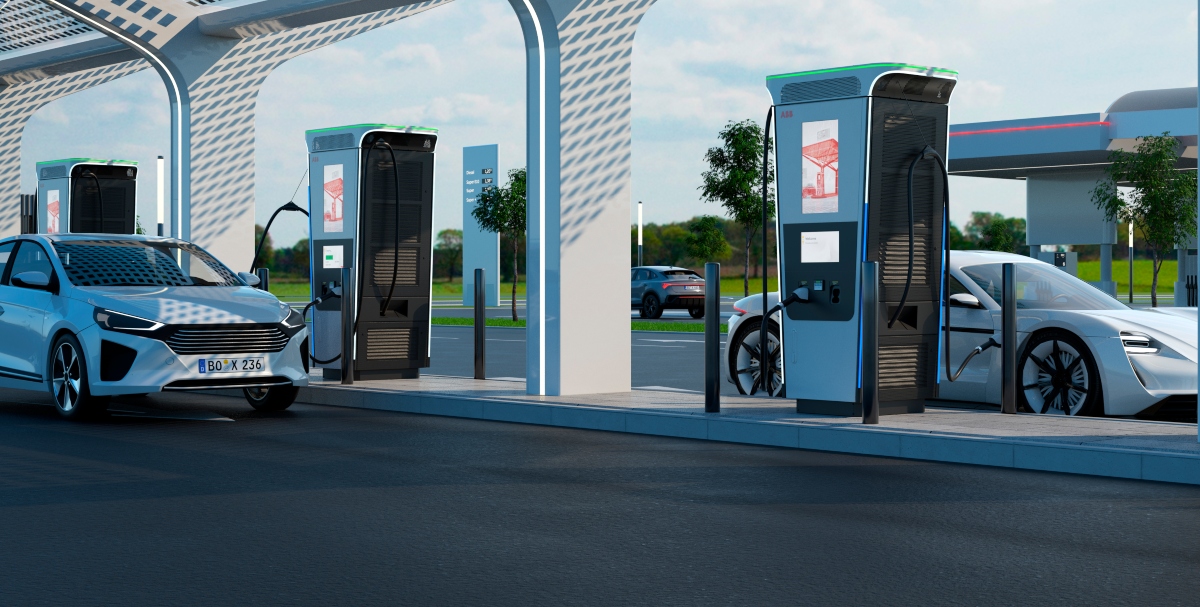
By comparison, a petrol family car, with a 50-litre fuel tank, will cost £83.13 to fill with petrol selling on average for 166.27p per litre based on the latest RAC data. Diesel’s currently selling for 180.23 meaning the same car with a diesel engine would cost £91.06 to fill.
RAC EV spokesperson Simon Williams said: “The 34p per kilowatt hour (kWh) Energy Price Guarantee will significantly cushion the impact of rising energy prices affecting drivers of electric cars. From 1 October it will cost on average £22.22 to fully charge a typical 64kWh family-sized electric SUV, £3.85 more than it does currently, and a third less than it would have cost under the new cap that was announced by Ofgem on 26 August (£33.80). Drivers will need to contact their energy provider to confirm the exact price of their new tariff.
Electric Car Charging at Home: Different EV Chargers Explained
“It remains to be seen what impact the Government’s new package of help will have on charge-point operators and the prices they set drivers, but we remain concerned about the rising wholesale costs of energy that may force some to increase their prices in the coming months”, said Williams.
Did you know…
…The Tesla Model Y electric crossover is the safest car on sale according to car safety body, Euro NCAP.
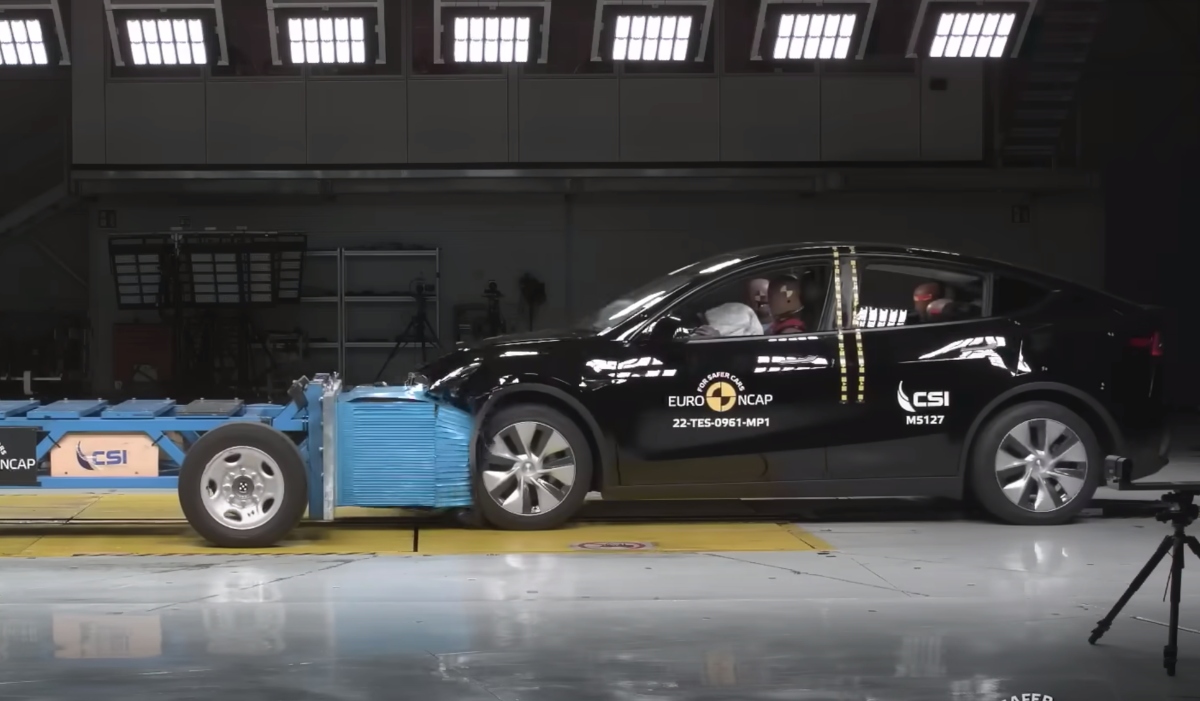
The Model Y scored 97 per cent in Adult Occupant Protection, 98 per cent in Safety Assist and accrued full points for its lane support and driver monitoring system. According to NCAP, the Model Y’s camera-only Vision system also performed “remarkably well” in preventing collisions with other cars, cyclists and pedestrians.
September 9th, 2022
New research confirms fuel economy of most importance to UK car buyers
A study conducted by CarGurus has been backed up by new data from the AA, which has suggested that good fuel economy is more important to UK’s car buyers than ever before due to surging fuel prices.
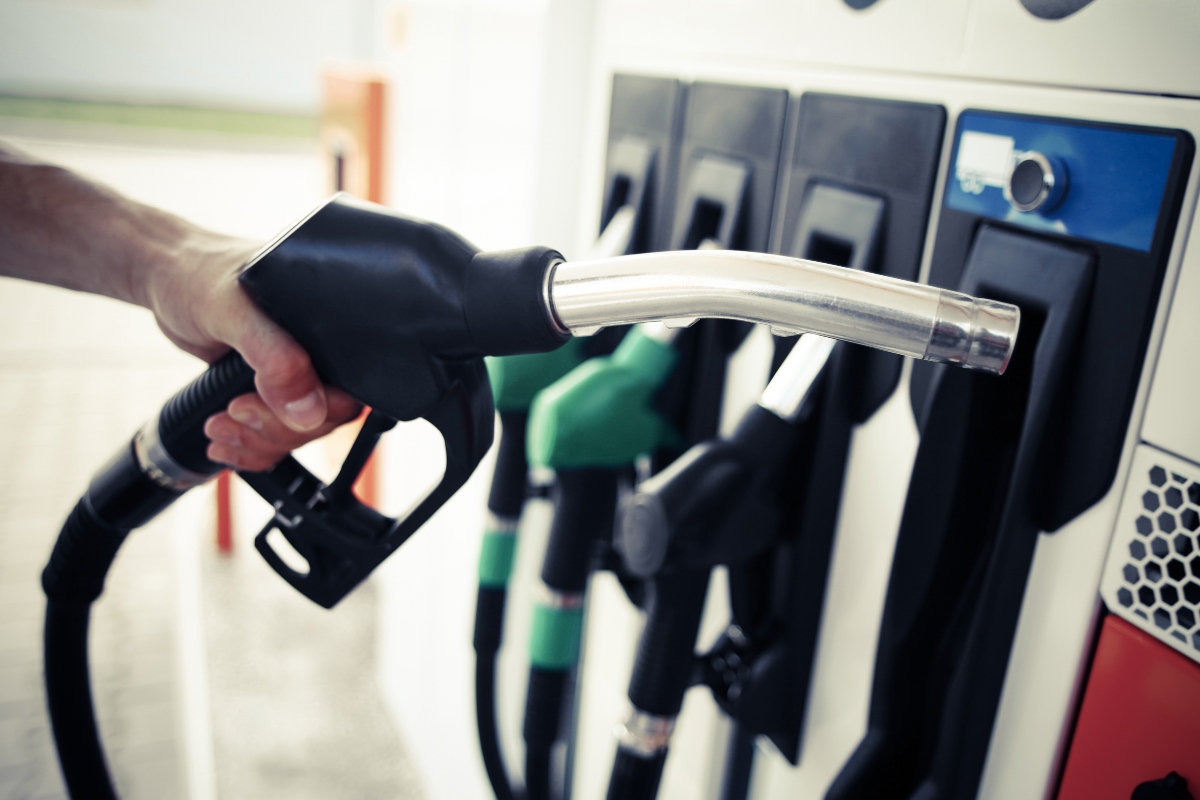
Back in April, we told how our research had revealed that fuel consumption is now the number one priority for UK car buyers, with 57% declaring it as one of their most important factors when considering their next vehicle purchase. Our survey also found that owners are using their current cars less, prioritising fuel-efficient models more heavily when shopping for a new car, and contemplating purchasing EVs in greater numbers than before.
The new AA Cars poll of more than 15,000 drivers found that 24 percent of car buyers rank good fuel economy as their number one priority if they were buying a car this year, and that 87 percent of car buyers rate fuel economy as a top-three priority. Meanwhile, a third of those said that fuel economy wouldn’t have been such a concern a year ago before fuel prices surged to record levels.
Just nine percent of the car buyers polled said that fuel economy would not rank as a priority, while four percent said it was irrelevant as they planned to buy an electric car.
The news comes after AA data suggests that petrol prices have leapt by 26 percent since last year, with the average litre of petrol costing 170.60p at the pumps. Diesel has risen by 33 percent to 182.58p compared to the same time last year.
James Fairclough, CEO of AA Cars said: “The high cost of petrol and diesel has made many drivers reconsider what they want most in a car, and fuel economy has shot up to the top of many people’s wishlists.
“This means that some of the most attractive models right now are those with the best fuel economy. Anyone looking for a car to buy should compare the miles per gallon offered by different models, to get a sense of how efficient each is compared to its rivals.
How to Save Fuel When Driving Your Car
“People concerned about the price of fuel may also be considering an EV as an alternative. While EVs typically cost more to buy than an equivalent petrol or diesel model, they come with the benefit of lower running costs. The savings are even bigger when fuel prices are as high as they are right now.”
Did you know…
…the Vauxhall Corsa is the UK’s most popular car. Vauxhall has sold 25,941 of them this year, according to the latest new car sales figures released by the Society of Motor Manufacturers and Traders.

SUVs also had a strong showing with the Ford Puma taking second place in the rankings (with 21,881 sales) and the Nissan Qashqai coming third (20,023). In fourth place was the MINI Hatch (19,928) closely followed by the fifth-placed Kia Sportage (19,194).
Sixth to tenth places respectively went to the Hyundai Tucson (18,912), Volkswagen Golf (16,354), Ford Kuga (16,366), Kia Niro (16,235) and Vauxhall Mokka (14,086).